Master Brand Delivery: The Smart Way
In today’s fast-paced digital landscape, a brand’s identity is its most valuable currency. Delivering that identity effectively isn’t just about provi…

Table of contents
- Why Your Brand Deliverables Are More Than Just Files
- The hidden costs of messy brand handoffs (client frustration, wasted time)
- Setting the stage for client success and long-term brand consistency
- The Core Problem: Scattered Brand Assets Lead to Chaos
- Identifying the pain points: ‘Where’s the latest logo?’ and ‘What font is this?’
- The impact on designer reputation and client confidence in 2026
- Designing Your Streamlined Brand Delivery Workflow
- Mapping out the essential stages: from final design to client access
- Integrating asset organization into your existing design process
- Checklist: Key stages of a professional brand delivery workflow
- The Power of a Centralized Brand Hub: One Link to Rule Them All
- Beyond cloud storage: The advantages of a dedicated brand asset platform
- How a single, structured link enhances client experience and reduces support burden
- Examples of organized asset categories: Logos, colors, typography, imagery, templates
- Beyond the Logo: Crafting Comprehensive Brand Guidelines
- What clients actually need to know: Practical application vs. exhaustive detail
- Key elements of effective guidelines for digital and print use in 2026
- Visualizing guidelines: Using examples and do/don’t scenarios
- From Files to Foundational Elements: Managing Your Brand Assets Effectively
- Version control: Ensuring clients always have the latest assets
- Organizing for discoverability: Naming conventions and folder structures that make sense
- File formats that matter: Providing the right files for every need (SVG, PNG, JPG, AI, EPS, TTF/OTF)
- Elevating Client Handoff: Best Practices for a Professional Experience
- Setting clear expectations from the start
- The ‘unboxing’ experience: Making the brand delivery a positive moment
- Providing clear instructions and context for using the delivered assets
- Leveraging Design Systems Principles for Scalable Brand Delivery
- How design systems inform efficient asset management and delivery
- Building reusable components for consistent brand application
- Thinking ahead: Preparing assets for future brand evolution
- The Freelancer’s Edge: Delivering Brands That Impress
- Agency Power-Up: Mastering Team-Based Brand Deliverables
- Avoiding Common Pitfalls in Brand Asset Delivery
- The Future of Brand Delivery: Simplicity, Structure, and Strategic Value
This mastery, however, is often undermined by chaotic asset management. The ease with which brands can be diluted through inconsistent application is a stark reality for many businesses. By focusing on a structured and professional delivery workflow, you elevate your service and protect the integrity of the brands you help build.
Why Your Brand Deliverables Are More Than Just Files
A brand deliverable transcends the mere transfer of digital assets like logos, color palettes, and typography. It represents the culmination of your creative vision and strategic thinking, designed to empower your client for sustained brand presence. When these deliverables are presented haphazardly, it signals a lack of professionalism and can create significant downstream problems. Think of it as handing over the blueprints for a skyscraper; if they’re incomplete or disorganized, the construction will inevitably falter. This perception directly impacts client satisfaction, potentially leading to immediate frustration and a reluctance to engage your services again, or worse, a diminished return on their investment in your expertise.
Beyond the immediate client relationship, the consistency of a brand is paramount in a crowded marketplace. In 2026, consumers are more discerning than ever, readily spotting inconsistencies that can erode trust and dilute brand recognition. A messy handoff can mean clients struggle to access the correct file versions, leading to incorrect logo usage, misapplied colors, or the wrong font on crucial marketing materials. This not only undermines the visual identity you painstakingly crafted but also forces your client to spend valuable time and resources correcting errors, or worse, making their brand appear unprofessional. This is precisely why mastering brand delivery is not just a good practice, but a critical component of your service offering and a key differentiator in the competitive creative landscape. A streamlined, organized delivery process fosters client success by ensuring they can easily and accurately implement their brand identity across all platforms, building long-term consistency and recognition. This proactive approach to brand management, where assets are readily accessible and clearly defined, is crucial for any brand aiming to make a lasting impact.
The hidden costs of messy brand handoffs (client frustration, wasted time)
The true cost of a disorganized brand asset handoff extends far beyond the initial frustration. Clients often face a significant wasted time trying to locate the correct files, decipher naming conventions, or even understand which version of a logo is the most current. This can lead to a cascade of issues, including incorrect application on marketing collateral, social media graphics, or website elements, all of which can damage brand perception. For example, a small business might spend upwards of 5-10 hours post-handoff searching for assets, correcting misapplied branding, and re-requesting files from their agency. This not only strains the client relationship but also diminishes their perceived return on investment for your services. The ripple effect can manifest as increased email chains, lengthy support calls, and a general feeling of being unsupported, directly impacting their confidence in your ability to manage their brand effectively.
This lack of organization can also translate into costly revisions for the client or even for you, if you’re called back to fix errors stemming from unclear asset delivery. Imagine a scenario where a client, unable to find the high-resolution version of a logo, uses a low-resolution web graphic for a print advertisement. The resulting blurry image is not only visually unappealing but also directly undermines the professional image the brand aims to project. Such mistakes can necessitate reprinting materials, re-editing digital assets, and potentially even re-engaging design services to rectify the issues. These hidden costs, though not always immediately apparent, can significantly impact a client’s overall satisfaction and their willingness to recommend your services. It’s a direct line to client frustration, turning a positive collaboration into a source of stress and administrative burden for them.
Setting the stage for client success and long-term brand consistency
A meticulously organized brand deliverable acts as a foundational pillar for your client’s ongoing success. By providing a clear, structured package of assets, you equip them with the tools they need to maintain a cohesive and recognizable brand identity across all platforms, from their website and social media to print collateral and internal communications. This proactive approach minimizes the risk of brand dilution and ensures that every touchpoint reinforces their unique brand narrative. For instance, providing easily navigable folders for different file types (e.g., `.ai`, `.eps`, `.png`, `.jpg` for logos) and clearly labeling them based on usage (e.g., `logo-primary-full-color.svg` for web, `logo-secondary-monochrome.eps` for print) significantly reduces ambiguity. This clarity allows clients to confidently apply brand elements, knowing they are using the correct, high-quality versions, thereby fostering long-term brand consistency.
Furthermore, a well-structured delivery process sets a precedent for professional collaboration and significantly enhances the client experience. It demonstrates your commitment to their project’s success beyond the initial design phase. When clients receive a polished, easily understandable brand package, it builds trust and reinforces their decision to work with you. This professional handoff can be the difference between a one-off project and a long-term partnership, as clients are more likely to return to designers who make their lives easier and contribute tangibly to their brand’s market presence. By making asset access effortless, you empower your clients, reduce their reliance on constant support, and ultimately contribute to their ability to build a strong, memorable brand. This directly translates to client success, as they can confidently execute their marketing and communication strategies with a unified brand voice.
The Core Problem: Scattered Brand Assets Lead to Chaos
The digital era, while offering unprecedented flexibility, has also created a breeding ground for disorganization when it comes to brand assets. Many designers and agencies, bogged down by project deadlines, often resort to haphazard file management. This can mean saving logos in multiple nested folders across different hard drives, emailing various versions to clients without clear version control, or relying on generic cloud storage links that quickly become a jumbled mess. The immediate consequence is a lack of a single source of truth for brand elements. When a client needs a specific file format or the latest iteration of a logo, the search begins – a time-consuming and often frustrating endeavor that erodes efficiency and professionalism. This scattering of assets is the root cause of many client-agency friction points.
This pervasive issue directly impacts the designer’s reputation and the client’s confidence. When a client repeatedly asks, “Where is the latest version of the logo?” or “What font did we agree on for headlines?”, it signals a deficiency in the delivery process. In 2026, with the increased emphasis on brand integrity and professional online presence, such queries can severely damage a designer’s credibility. Clients, especially those who are less digitally savvy, can feel overwhelmed and unsupported, leading to a perception that the agency or freelancer is disorganized or lacks attention to detail. This erosion of trust is detrimental, potentially leading to lost future business and negative word-of-mouth. A professional brand delivery workflow is essential to combat this chaos and assure clients of your competence and reliability.
Identifying the pain points: ‘Where’s the latest logo?’ and ‘What font is this?’
The recurring questions – “Where is the latest logo?” and “What font is this?” – are symptomatic of a larger problem: a lack of centralized, easily accessible brand guidelines and assets. Designers often juggle multiple client projects, each with its own set of evolving brand assets. Without a robust system, logos might be saved in different formats (AI, EPS, SVG, PNG, JPG) across various project folders, and font names might be confused with similar-looking alternatives. This results in clients spending valuable time searching through disparate files or resorting to using incorrect versions, which can lead to inconsistent branding. For instance, a client might inadvertently use an outdated logo on a business card or a web banner, creating a visual disconnect that weakens brand recognition and professionalism. These are not minor inconveniences; they represent direct roadblocks to a client’s ability to effectively utilize and promote their brand.
Another significant pain point is the ambiguity surrounding color codes and typography specifications. A client might have access to a palette of colors but struggle to differentiate between a primary brand color and a secondary accent color, or understand the correct usage of font weights and styles for different applications (e.g., headings vs. body text). This lack of clarity forces them to guess, often leading to branding errors. For example, a client might use a slightly different shade of blue for their website’s call-to-action button than what was specified, subtly undermining the brand’s visual consistency. Addressing these specific pain points requires more than just handing over a folder of files; it necessitates a structured approach that provides clarity and context for every brand element. This comprehensive understanding is crucial for enabling clients to maintain brand integrity effortlessly.
The impact on designer reputation and client confidence in 2026
In the current digital landscape of 2026, a designer’s reputation is inextricably linked to their ability to deliver not just aesthetically pleasing designs, but also a professionally managed and organized brand asset package. When clients are left scrambling to find essential files or are unsure about the correct application of brand elements, it reflects poorly on the designer’s organization and attention to detail. This can lead to a decline in client confidence, making them hesitant to entrust future projects to that designer. For instance, if a client has to follow up multiple times for the correct logo file formats for a critical marketing campaign, they may perceive the designer as unreliable, even if the design itself was excellent. This lack of a seamless delivery process can be a significant deterrent for clients seeking a long-term creative partner.
The cumulative effect of these disorganized handoffs can be detrimental to a designer’s business. Negative experiences due to poor asset management can result in fewer referrals and a diminished online presence as clients seek out professionals who offer a more streamlined and supportive experience. In a competitive market, where agencies and freelancers are constantly vying for attention, a reputation for disorganized delivery can be a critical disadvantage. Conversely, designers who consistently provide clear, comprehensive, and easily accessible brand asset packages build strong client relationships, foster trust, and enhance their reputation for professionalism and reliability. This not only secures repeat business but also opens doors to new opportunities through positive word-of-mouth referrals. Ultimately, mastering brand delivery is an investment in your professional standing and your client’s ongoing success.
Designing Your Streamlined Brand Delivery Workflow
Creating an effective brand delivery workflow is about more than just organizing files; it’s about establishing a predictable, repeatable process that ensures clarity, accessibility, and usability for your clients. This workflow should be designed with the end-user in mind, anticipating their needs and potential challenges in applying the brand. By mapping out the essential stages, from the final design sign-off to the moment the client has full, easy access to all their brand assets, you create a roadmap for a successful handoff. This structured approach minimizes the risk of errors, reduces client confusion, and ultimately elevates the perception of your professionalism. Consider it the blueprint for how your brand’s identity transitions from your creative hands to the client’s operational use, ensuring it’s done with precision and care.
Integrating this streamlined workflow into your existing design process is key. It shouldn’t feel like an add-on task but rather a natural and integral part of your project lifecycle. This means embedding asset organization and packaging early on, rather than treating it as an afterthought once the design is complete. By making asset preparation a consistent step, you build efficiency and ensure that by the time a project is finalized, the deliverables are already organized and ready for distribution. This proactive methodology not only benefits the client by providing a smooth and professional experience but also saves you time and reduces the likelihood of last-minute scrambling to compile assets. It’s about building a robust system that supports both your creative output and your client’s ongoing brand management needs, ensuring they have everything they need to succeed.
Mapping out the essential stages: from final design to client access
A robust brand delivery workflow begins immediately after the final design approval. The first critical stage involves consolidating all final design assets. This means gathering logos in their various formats (vector files like AI, EPS, SVG; raster files like PNG, JPG for different resolutions and backgrounds), color palettes with precise HEX, RGB, and CMYK values, typography guidelines including font families, weights, and usage examples, and any other relevant visual elements. Each asset should be clearly named using a consistent, descriptive convention (e.g., `[BrandName]_Logo_Primary_FullColor.svg`, `[BrandName]_ColorPalette_CMYK.ase`). This meticulous naming is crucial for intuitive organization and searchability by the client. Following this, the next stage is the packaging and organization of these assets into logical, easily navigable categories.
The subsequent stage is the creation of comprehensive brand guidelines. This document serves as the authoritative guide for how the brand should be applied. It should clearly articulate the rules for logo usage (clear space, minimum size, acceptable variations), color application, typography hierarchy and pairing, imagery style, and any other brand-specific directives. This is where you empower your client with knowledge, ensuring they understand the ‘why’ behind the brand elements and how to use them effectively to maintain consistency. The final stage is delivering these organized assets and guidelines to the client in an accessible format. This could involve a well-structured folder system on a cloud storage service, or more ideally, a dedicated platform designed for brand asset management. The goal is to provide a single, clear point of access that minimizes confusion and maximizes the client’s ability to utilize their brand assets independently and correctly, thereby ensuring effortless brand implementation.
Integrating asset organization into your existing design process
To truly master brand delivery, asset organization must be woven into the fabric of your existing design process, not treated as a separate task. Begin by establishing a clear naming convention for all files early in the project lifecycle. Instead of ad-hoc saving, implement a standardized system for logos, color swatches, and font files from the moment they are created. For example, use prefixes like `[ClientName]_[AssetType]_[Format]_[Version]`. This upfront investment in naming saves immense time later. As designs evolve, consistently update and save the correct versions under this convention, ensuring your working files are always organized. This practice helps prevent the common pitfall of clients receiving outdated or incorrectly formatted assets.
Furthermore, consider creating dedicated project folders for each client that are structured according to brand element categories from the outset. Within these, establish subfolders for `Logos`, `Colors`, `Typography`, `Imagery`, and `Templates`. When you reach the final stages of design, the process of compiling and packaging assets becomes a matter of moving finalized files into their designated, pre-organized locations. This proactive approach means that by the time a project is signed off, the majority of your organizational work is already complete. Tools or even simple checklists within your project management system can remind you to ensure all necessary asset types and formats are included. This integration transforms asset delivery from a potential bottleneck into a seamless, professional conclusion to your design work, reinforcing your reliability and efficiency. For more on this, explore how to master your brand asset delivery workflow.
Checklist: Key stages of a professional brand delivery workflow
A professional brand delivery workflow is systematic and comprehensive, ensuring clients receive everything they need to consistently represent their brand. The initial step is Final Asset Gathering and Verification: collect all final approved logo variations (color, monochrome, reversed, icon-only) in vector (AI, EPS, SVG) and raster (PNG, JPG) formats. Verify color codes (HEX, RGB, CMYK, Pantone) and ensure they are correctly applied and documented. Confirm all specified fonts are included or clearly identified with licensing information. This stage is about ensuring accuracy and completeness before any packaging occurs.
- Asset Categorization and Organization: Structure assets into logical folders: Logos, Color Palettes, Typography, Imagery, Templates (e.g., social media, presentations). Use clear, consistent naming conventions for all files.
- Brand Guidelines Creation/Update: Develop or update a comprehensive brand guidelines document. This should include:
- Logo usage rules (clear space, minimum size, acceptable variations).
- Color palette specifications and their applications.
- Typography hierarchy, font families, weights, and usage examples.
- Guidelines for imagery and iconography.
- Any other essential brand application rules.
- Packaging and Delivery Mechanism: Package the organized assets and guidelines. This could be a compressed folder or, preferably, a link to a dedicated brand asset management platform that allows for easy browsing and downloading.
- Client Walkthrough/Onboarding (Optional but Recommended): Briefly guide the client through the delivered assets and guidelines to answer any immediate questions and ensure they understand how to access and use the materials.
Adhering to this checklist ensures that your brand deliverables are not just files, but a fully supported brand identity package, facilitating long-term brand consistency and client satisfaction. For a deeper dive into streamlining these processes, consider learning more about streamlining client handoffs.
The Power of a Centralized Brand Hub: One Link to Rule Them All
In the contemporary digital environment, the traditional method of delivering brand assets via email attachments or scattered cloud storage links is proving increasingly inefficient and prone to errors. A centralized brand hub, often presented as a single, clean link, revolutionizes this process. This isn’t just about convenience; it’s about establishing a definitive, authoritative source for all brand assets. Imagine a client needing a specific logo file for a new billboard campaign – instead of sifting through countless emails or outdated shared folders, they can access a single, well-organized portal. This consolidation dramatically reduces the time spent searching, minimizes the risk of using incorrect or outdated assets, and ensures a consistent brand application across all mediums. It’s the modern solution to the age-old problem of asset disarray.
This central hub goes beyond mere file storage; it’s about providing an intuitive, branded experience for your clients. A dedicated platform allows for sophisticated organization, clear categorization, and easy searchability, far surpassing the capabilities of generic cloud storage. This structured approach not only enhances the client’s user experience by making brand assets readily available but also significantly reduces the support burden on your end. Fewer repetitive requests for files or clarification means more time for you to focus on creative work. The impact on brand perception is profound: a client who can effortlessly access and apply their brand elements feels empowered and supported, fostering a stronger, more positive long-term relationship. This centralized approach is fundamental to maintaining brand integrity and operational efficiency.
Beyond cloud storage: The advantages of a dedicated brand asset platform
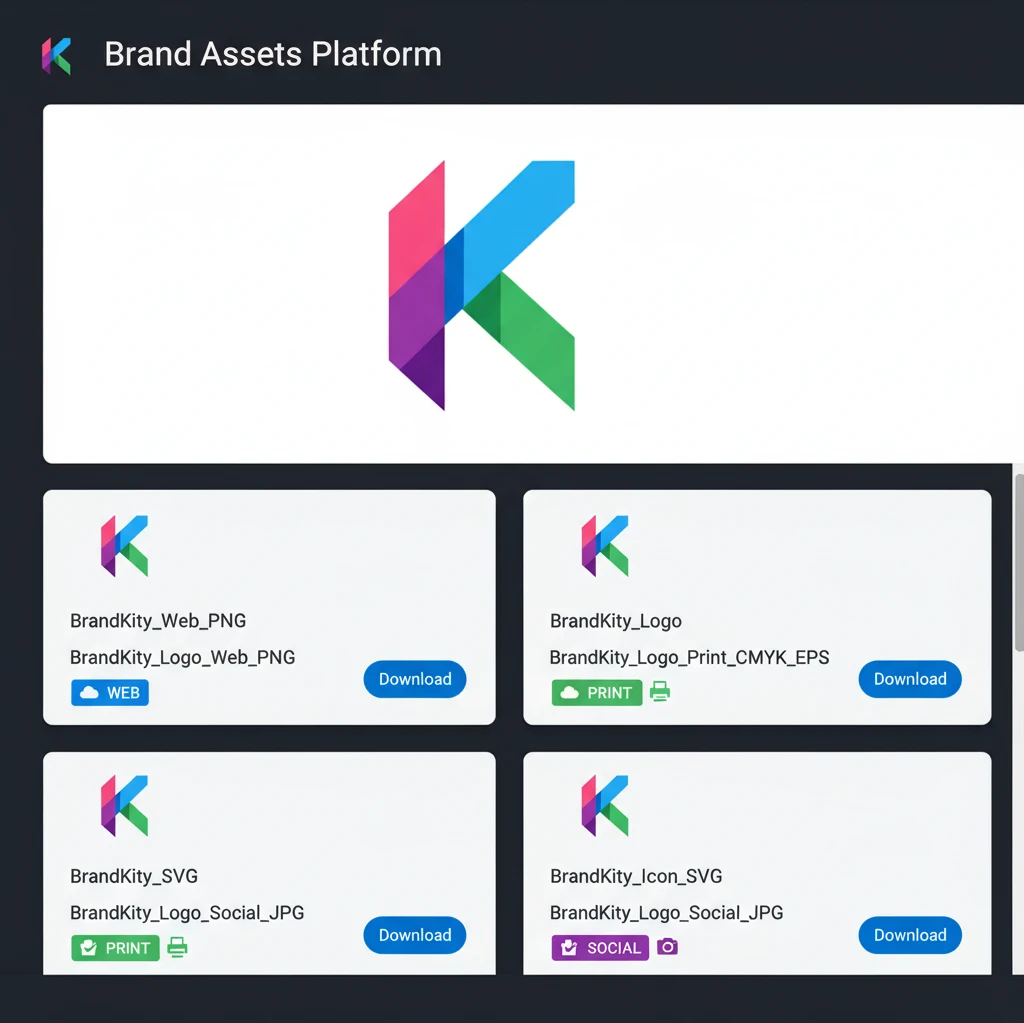
While cloud storage solutions like Google Drive or Dropbox are useful for general file sharing, they fall short when it comes to managing complex brand assets. A dedicated brand asset platform offers distinct advantages that directly address the pain points of disorganized delivery. Firstly, these platforms provide a structured browsing experience. Instead of a flat folder structure, assets are typically categorized with clear visual cues, allowing users to quickly find what they need – logos in various formats, color palettes with clickable codes, typography samples, and imagery libraries. Secondly, they often include features for version control and asset approval workflows, ensuring that only the most current and approved versions are accessible, thereby preventing the use of outdated assets. This level of curated access is difficult to replicate with standard cloud storage. For example, a client might see different file types of a logo laid out clearly, with download options specific to their needs (web vs. print), a level of clarity not found in a generic folder.
Furthermore, a dedicated platform can offer custom branding and a polished user interface, reflecting positively on your agency’s professionalism. This creates a more premium and trustworthy experience for your clients compared to a generic, often cluttered, cloud folder. Analytics and usage tracking features can also provide valuable insights into how clients are interacting with brand assets, helping you understand their needs better. Finally, these platforms are specifically designed for asset management, offering robust search functionality and often integrating with other design tools. This means a client can easily search for “red button logo” and instantly find the correct asset, rather than scrolling through hundreds of files. This specialized functionality translates into significant time savings for clients and a reduction in support queries for you, creating a more efficient and professional ecosystem for managing and deploying brand identity elements. This elevated experience is crucial for building trust and demonstrating value in 2026.
How a single, structured link enhances client experience and reduces support burden
Providing a single, structured link to a centralized brand hub fundamentally transforms the client experience from one of potential confusion and frustration to one of ease and empowerment. Instead of navigating multiple emails, downloading disorganized zip files, or struggling to locate the right version of an asset, clients are directed to a clean, intuitive interface. This immediate accessibility and clarity convey professionalism and respect for their time. Imagine a client needing to quickly brief a new marketing partner on their brand; with a single link, they can provide instant, organized access to all necessary assets and guidelines. This significantly streamlines their internal processes and reduces the likelihood of miscommunication or errors stemming from poor asset access. It’s a powerful demonstration of your commitment to supporting their brand long-term, fostering a sense of reliability and partnership.
This streamlined access directly translates into a substantial reduction in the support burden on your end. When clients can independently find and download the assets they need, they are less likely to reach out with repetitive questions like “Where is the vector logo?” or “What’s the HEX code for the primary blue?”. This frees up your team’s valuable time, allowing you to focus on more strategic creative tasks rather than administrative overhead. For instance, an agency that previously spent several hours per week responding to asset-related queries can see that number plummet to near zero with a well-implemented brand hub. This not only improves your team’s efficiency and morale but also reinforces your image as an organized and client-centric service provider. Ultimately, the simplicity and structure of a single link to a well-organized hub create a win-win scenario: an enhanced client experience and a significantly reduced support workload for your business, contributing to stronger relationships and operational efficiency.
Examples of organized asset categories: Logos, colors, typography, imagery, templates
An effectively organized brand hub provides a clear, logical structure for all brand assets, making them easy to find and use. At the forefront are Logos, typically presented with clear download options for various file types (AI, EPS, SVG for scalability; PNG, JPG for web and general use) and formats (full color, monochrome, reversed, favicon). Each should be clearly labeled, perhaps including information on intended use. Next, the Color Palette section displays primary and secondary brand colors with their exact values (HEX, RGB, CMYK, Pantone), often with clickable swatches for easy copying. This prevents color drift across different applications. For instance, a client can instantly grab the correct HEX code for a website button or the CMYK values for print collateral.
- Typography: This section clearly lists all approved font families, specifying their weights (e.g., Regular, Bold, Light) and italic variations. It should include guidance on their hierarchy and usage (e.g., headings, body text, captions). Examples of correct typographic pairings can be invaluable here.
- Imagery: A curated library of approved photography, illustrations, or icon sets. This might include guidelines on tone, style, and subject matter. Providing access to high-resolution versions ensures visual consistency.
- Templates: Pre-designed templates for common applications such as social media graphics, presentation slides, letterheads, or email signatures. These are crucial for enabling clients to maintain brand consistency in their day-to-day communications with minimal effort.
By categorizing assets in this manner, a brand hub becomes an indispensable tool for clients, ensuring they can effectively and consistently apply their brand identity. This structured approach is a hallmark of professional brand management and is key to building long-term brand consistency and client confidence. For agencies looking to implement this effectively, exploring solutions for design systems as client delivery hubs can provide further strategic insights.

Beyond the Logo: Crafting Comprehensive Brand Guidelines
Comprehensive brand guidelines are far more than just a logo book; they are the essential blueprint for maintaining brand integrity across all touchpoints. In 2026, clients expect more than just a static PDF. They need actionable documentation that empowers their teams and partners to apply the brand correctly and consistently. This means delving into the nuances of brand application, not just its core elements. Think of them as the DNA of a brand, dictating its personality, visual language, and overall communication strategy. Without them, even the most beautiful branding risks dilution and inconsistency, leading to a fragmented customer experience.
What clients actually need to know: Practical application vs. exhaustive detail
Clients often struggle to translate theoretical branding into practical, everyday use. While a designer might appreciate the granular details of a color palette’s CMYK, RGB, and HEX values, a marketing manager might primarily need to know which blue to use for social media posts. The key is to strike a balance between thoroughness and accessibility. Focus on real-world application scenarios. Instead of just listing font weights, demonstrate how they should be used for headlines, body copy, and calls to action in various contexts. For instance, show how the primary typeface appears on a website versus a printed brochure. This practical approach ensures that your clients can immediately implement the brand guidelines without requiring extensive interpretation or further clarification.
Prioritize information that directly impacts brand perception and execution. This includes clear directives on tone of voice, imagery style, and approved messaging. While exhaustive historical context or theoretical design principles might be interesting, they often add unnecessary bulk for the end-user. A client’s primary concern is how to present their brand effectively to their audience. Therefore, the guidelines should empower them with the knowledge to do so, making complex design principles digestible and actionable. For more on simplifying complex delivery, explore how to stop asset chaos with simple brand delivery.
Key elements of effective guidelines for digital and print use in 2026
In today’s multi-platform environment, brand guidelines must be equally adept at serving both digital and print needs. For digital applications, precise instructions on color modes (RGB, HEX), typography sizing for responsive design, and motion graphics principles are paramount. This ensures a seamless experience across websites, apps, and social media. For print, specifications like bleed, trim, and specific ink requirements (e.g., Pantone for spot colors) are non-negotiable. A modern guideline document also needs to address interactive elements, states for buttons, and the appropriate use of animated logos. Consistency across these diverse mediums is the ultimate goal.
Beyond visuals, effective guidelines in 2026 must also encompass audio branding and the nuances of voice assistants. How does the brand sound? What are the approved sonic logos or jingles? For voice applications, defining the brand’s persona and communication style is crucial. This holistic approach acknowledges that brand presence extends beyond sight. Furthermore, guidelines should clearly delineate the hierarchy of brand elements. What is the most important aspect to convey in a fleeting digital ad versus a detailed annual report? Providing these distinctions helps users make informed decisions when faced with varying communication needs and constraints.
Visualizing guidelines: Using examples and do/don’t scenarios
Abstract rules are far less impactful than concrete demonstrations. Effective brand guidelines leverage visual examples and “do/don’t” scenarios to make principles clear and memorable. Instead of simply stating, “maintain proper logo spacing,” show an image of the logo with clear visual indicators of acceptable and unacceptable proximity to other elements. This visual language is universally understood and significantly reduces misinterpretation. For typography, demonstrate correct usage for headlines, body text, and captions, side-by-side with common errors like incorrect kerning or leading.
These visual aids are particularly powerful when addressing more subjective aspects of branding, such as tone of voice or imagery. A “do/don’t” for imagery might show an approved, authentic lifestyle photo versus a staged, overly corporate image. For tone of voice, juxtapose examples of on-brand and off-brand messaging. This approach not only educates but also reinforces the brand’s personality and values. When clients can see the direct impact of correct versus incorrect application, they are far more likely to adhere to the guidelines, ensuring a cohesive and professional brand presence across all platforms. The value of such clarity is a core principle behind effective client handoffs.
From Files to Foundational Elements: Managing Your Brand Assets Effectively
The delivery of brand assets is only the first step in ensuring their long-term utility and consistent application. Effective management of these foundational elements is crucial for preventing chaos and empowering clients. This involves more than just a simple transfer of files; it requires a structured approach to organization, version control, and format provision. In 2026, clients are increasingly looking for self-service solutions that minimize their need to repeatedly contact designers for basic assets. A well-managed asset library acts as a single source of truth, accessible and understandable for anyone who needs to use the brand’s visual identity. This proactive management not only saves time and resources but also significantly enhances the client’s overall experience and their ability to maintain brand consistency.
Version control: Ensuring clients always have the latest assets
In the fast-paced world of branding, assets are not static; they evolve. Updates to logos, color palettes, or typography can occur, and it’s imperative that clients always have access to the most current versions. Robust version control is therefore a critical component of effective asset management. This means clearly identifying and dating each asset, with a system in place to track changes. When an update is made, older versions should be archived or clearly marked as superseded, preventing accidental use of outdated material. Clients should be notified of significant updates and understand why they are important.
Implementing a system where clients can easily see the version history of assets builds trust and transparency. It demonstrates a commitment to maintaining the integrity of their brand identity. For instance, if a logo was updated to be more legible on mobile screens, clients should understand this rationale. Tools that automatically manage versioning, such as cloud-based platforms, can be invaluable. This eliminates the manual burden on the designer and reduces the risk of human error. Ensuring clients always have access to the most up-to-date assets is fundamental to long-term brand success and minimizes potential rework due to outdated materials.
Organizing for discoverability: Naming conventions and folder structures that make sense
The most sophisticated brand assets are useless if they cannot be found. Implementing a clear and consistent naming convention and folder structure is paramount for discoverability. This means adopting a logical system for naming files that includes essential information like the brand name, asset type, color space, and version. For example, `BrandKity_Logo_Primary_CMYK_v2.ai` is far more informative than `logo_final_final.ai`. This level of detail aids in quick identification and sorting, especially within large asset libraries.
Beyond individual file names, the overall folder structure needs to be intuitive. Grouping assets by category (e.g., Logos, Typography, Color Palettes, Imagery) and then by sub-category (e.g., Primary Logos, Secondary Logos) creates a clear hierarchy. Consider the end-user’s workflow; how would they logically search for an asset? A well-organized system not only saves clients valuable time but also reduces frustration and the likelihood of them creating their own unapproved assets because they couldn’t find the official ones. This organization is a cornerstone of efficient brand asset organization.
File formats that matter: Providing the right files for every need (SVG, PNG, JPG, AI, EPS, TTF/OTF)
Delivering the correct file formats is crucial for ensuring that brand assets can be used effectively across all intended applications. Understanding the strengths of each format empowers clients and prevents compatibility issues. Scalable Vector Graphics (SVG) are essential for web use, offering infinite scalability without loss of quality. For raster images on the web, PNG is ideal for its support of transparency, while JPG is suitable for photographic content where transparency isn’t needed. For professional print and design software, Adobe Illustrator (AI) and Encapsulated PostScript (EPS) files are indispensable as they retain vector data.
Furthermore, providing font files in formats like TrueType Font (TTF) and OpenType Font (OTF) is critical for consistent typographic application. It’s important to offer these formats with appropriate licensing information clearly communicated. When handing off assets, consider creating a simple guide or legend explaining which format is best suited for specific use cases (e.g., “Use SVG for website icons, AI for print collateral”). This proactive step ensures that clients can confidently select and utilize the right files, thereby maintaining brand consistency across all their marketing and communication efforts, a key benefit of platforms designed for streamlined brand asset delivery workflows.
Elevating Client Handoff: Best Practices for a Professional Experience
The client handoff is often the final, tangible interaction a client has with your design services for a specific project, making it a critical moment for solidifying their perception of your professionalism and expertise. A rushed or disorganized handover can leave clients feeling uncertain or overwhelmed, negating the impact of even the most brilliant design work. Conversely, a thoughtfully executed handoff transforms a transactional exchange into a positive, collaborative experience, fostering trust and encouraging future business. It’s an opportunity to demonstrate your commitment to their success beyond the design phase. In 2026, this means embracing structured, clear, and supportive delivery methods that empower clients to take ownership of their brand assets with confidence.
Setting clear expectations from the start
The foundation of a smooth client handoff is laid long before the final assets are delivered. It begins with setting clear expectations during the project’s initial stages. This involves clearly defining what will be delivered, in what formats, and by when. A comprehensive project brief or scope of work document should explicitly outline the deliverables, including the types of files, the number of revisions, and the process for asset delivery. Discussing the client’s intended use of the assets can also help tailor the delivery to their specific needs.
Furthermore, educating the client about the importance of brand guidelines and organized asset management from the outset can prevent misunderstandings later. Explain why certain file formats are provided and how they should be used. This upfront communication helps clients appreciate the value of the delivery process and understand their role in maintaining brand consistency. By establishing these parameters early, you minimize surprises and ensure that both parties are aligned on the objectives and outcomes of the project’s conclusion, contributing to a more positive agency workflow.
The ‘unboxing’ experience: Making the brand delivery a positive moment
Just as unboxing a new product can be an exciting and memorable experience, the delivery of brand assets can be designed to create a similar positive impression. This “unboxing” experience goes beyond simply sending a link; it involves presenting the assets in a way that feels polished, professional, and valuable. Consider using a dedicated platform for asset delivery, which offers a clean, organized interface rather than a chaotic collection of files. This structured environment immediately conveys a sense of order and professionalism.
Accompany the delivery with a personalized message that reiterates the project’s success and expresses enthusiasm for the client’s future use of their new brand identity. Include a brief overview of what is being delivered and how it will benefit them. This thoughtful touch transforms a technical transfer into a celebratory moment, reinforcing the positive outcomes of the collaboration and demonstrating your commitment to their ongoing brand success. This approach elevates the entire client experience and makes the final delivery feel like a significant milestone.
Providing clear instructions and context for using the delivered assets
Even with well-organized assets and professional delivery, clients may still require guidance on how to best utilize them. Providing clear, concise instructions alongside the delivered assets is crucial for empowering your clients and ensuring proper brand application. This can take the form of a brief user manual, an annotated version of the brand guidelines, or even short video tutorials demonstrating how to use key assets like logos or templates.
Crucially, offer context for why certain assets are provided or how they should be applied in specific situations. For example, explain the difference between primary and secondary logos and when each should be used. If specific color variations are provided, clarify their intended applications. This level of detail minimizes confusion and reduces the likelihood of clients misusing brand elements. By equipping them with both the assets and the knowledge to use them effectively, you ensure that their brand remains consistent and impactful, a goal easily achieved with solutions focused on effortless asset delivery.
Leveraging Design Systems Principles for Scalable Brand Delivery
The concept of design systems, once primarily the domain of large tech companies, is increasingly vital for agencies and freelancers aiming for scalable and consistent brand delivery. A design system is more than just a style guide; it’s a comprehensive toolkit of reusable components, guided by clear principles, that allows teams to build user interfaces and experiences efficiently and coherently. Applying these principles to brand asset management means moving from delivering static files to providing dynamic, interconnected elements that can be easily adapted and scaled. This approach fosters not only internal efficiency but also ensures that clients can maintain brand consistency across an ever-growing number of digital and physical touchpoints, making brand application more manageable and robust.
How design systems inform efficient asset management and delivery
Design systems fundamentally change how brand assets are managed and delivered by shifting the focus from individual files to reusable, standardized components. Instead of delivering a logo as a standalone image file, a design system might offer the logo as a coded component that includes variations for different states and contexts. This approach inherently promotes consistency because the component itself is governed by predefined rules. For asset management, this translates into a more organized and dynamic library where components, rather than just static files, are cataloged.
When it comes to delivery, a design system allows for a more modular and scalable handover. Clients receive not just assets, but a framework for applying them. This could include pre-coded UI elements, templates, and clear documentation on how these components interact. This method is significantly more efficient than delivering a large batch of individual files, as it provides a structured foundation for ongoing brand application. It essentially arms clients with a toolkit for building and expanding their brand presence consistently, a powerful concept for maintaining brand integrity, as highlighted in articles about design system links for brand consistency.
Building reusable components for consistent brand application
The core of a design system lies in its library of reusable components. For brand delivery, this means identifying elements that are frequently used and packaging them in a way that ensures consistency. Think of buttons, forms, icons, and even typographic styles. Instead of providing a single button image, a design system would offer a button component with defined states (default, hover, active), color variations, and size options, all governed by the brand’s established design language. This component-based approach ensures that whenever a button is used, it adheres to the brand’s look and feel automatically.
This principle extends beyond digital interfaces. For example, templates for social media posts, email newsletters, or presentation slides can be built as components within a larger system. By providing clients with these pre-built, brand-compliant elements, you drastically reduce the chance of off-brand applications. It’s about building a robust framework that makes it inherently easier for clients to apply the brand correctly, fostering a long-term commitment to visual integrity and a seamless user experience across all platforms, a key aspect discussed in the context of design systems as client delivery hubs.
Thinking ahead: Preparing assets for future brand evolution
A truly effective brand delivery strategy, informed by design system principles, anticipates future needs and brand evolution. This means not just delivering current assets, but building a flexible framework that can accommodate changes. For instance, ensuring that all vector assets are built with scalability in mind, and that color palettes are defined with clear hierarchies and potential future additions accounted for. The goal is to create a system that is adaptable and future-proof, rather than static.
When preparing assets, consider the potential for future brand expansions, new product lines, or shifts in market trends. Building components with modularity in mind allows for easier updates and modifications down the line. For example, if the brand decides to introduce a new primary color, a well-structured design system would allow this change to propagate through all relevant components with minimal effort. This foresight ensures that the brand’s visual identity remains relevant and cohesive, even as it grows and evolves, ultimately simplifying the process of maintaining brand integrity, a crucial factor that designers and agencies aim to achieve through streamlined brand delivery processes to slash revisions.
The Freelancer’s Edge: Delivering Brands That Impress
For solo designers, a polished brand delivery isn’t just a final step; it’s a powerful differentiator. When clients receive a well-organized, professional package of their brand assets, it signals competence and attention to detail. This initial positive impression directly translates into higher client satisfaction and, consequently, a greater likelihood of repeat business. Clients who feel confident in your ability to manage and present their brand assets are more likely to return for future projects, from website updates to marketing collateral. Beyond repeat business, a superior delivery experience fosters organic referrals. Happy clients become your best advocates, readily recommending your services to their network. They’ll remember not just the final design, but the ease and professionalism with which you handed over their entire brand identity.
Standing out in a competitive freelance market requires more than just excellent design skills. A professional brand handoff acts as a tangible demonstration of your value. Think of it as the final, polished presentation of your work. Instead of a disorganized folder of files, imagine a structured, branded portal where clients can easily access logos in various formats, color palettes, font files, and usage guidelines. This level of professionalism elevates your service beyond basic design and positions you as a strategic partner. It shows you understand the importance of brand integrity and are equipped to safeguard it. This meticulous approach helps you cut through the noise, making a memorable impact that competitors might overlook, ultimately leading to more inquiries and secured projects.
Freelancers can implement several time-saving strategies to master brand delivery without sacrificing quality. Template creation is key; develop standardized project folders and documentation templates that can be reused across clients. This reduces the need to reinvent the wheel for each new project. Leveraging automation tools for file conversion and basic organization can also free up valuable hours. For instance, pre-packaging logos in SVG, PNG, and JPG formats saves significant manual effort. Furthermore, establishing a clear internal checklist for what constitutes a complete brand delivery ensures no critical asset or piece of information is missed. By dedicating a small amount of time upfront to create these systems, freelancers can drastically reduce the time spent on each delivery, allowing more focus on client acquisition and creative work. Consider exploring platforms designed for effortless asset delivery to further streamline these processes.
Agency Power-Up: Mastering Team-Based Brand Deliverables
For agencies, ensuring brand consistency across a team of designers, account managers, and developers is paramount. A fragmented approach can lead to a diluted brand identity, confusing clients and undermining the very value the agency provides. Establishing clear, centralized brand guidelines and making them easily accessible to everyone is the first step. This involves creating a single source of truth for all brand elements—logos, color codes, typography, imagery styles, and tone of voice. When every team member operates from the same, up-to-date information, the risk of variations decreases significantly. Implementing a robust system for managing these assets, such as a dedicated brand hub, helps maintain this crucial uniformity across all client projects and internal communications, reinforcing the agency’s reputation for reliability and professionalism. This approach is foundational to delivering a cohesive brand experience.
Streamlining internal handoffs and client communication is where agencies can truly shine. A well-defined workflow prevents bottlenecks and misunderstandings that can plague larger teams. This means clearly outlining who is responsible for what at each stage of the brand delivery process and ensuring seamless transitions between departments. For client communication, a unified platform for delivering assets and updates eliminates the need for clients to chase down information from multiple sources. This single point of contact not only enhances the client experience but also reduces administrative overhead for the agency. For instance, using a tool that allows for client feedback directly on asset packages can expedite approvals and minimize revisions, keeping projects on track and budgets intact. This strategic alignment supports efficient project execution and fosters strong client relationships.
To achieve scalable brand delivery in a team environment, agencies need robust tools and well-defined processes. Investing in a digital asset management (DAM) system or a specialized brand delivery platform is crucial. These solutions centralize all brand assets, provide version control, and allow for granular access permissions, ensuring that only authorized personnel can modify or distribute sensitive files. Implementing consistent naming conventions and folder structures across all projects is also vital for maintainability and ease of access. Regularly scheduled training sessions for new team members on brand guidelines and delivery protocols reinforce best practices. By establishing these frameworks, agencies can effectively manage an increasing number of clients and projects without compromising the quality or consistency of their brand deliverables, ultimately driving growth and client retention. This supports the core idea of design systems for brand consistency.
Avoiding Common Pitfalls in Brand Asset Delivery
One of the most insidious pitfalls in brand asset delivery is the temptation of ‘good enough’ asset organization. This often manifests as a haphazard collection of files scattered across various cloud storage services, email attachments, or local drives. Clients may receive folders labeled vaguely, with multiple versions of the same logo or outdated color swatches. This lack of structure not only frustrates the client but also undermines the integrity of the brand itself. When assets are difficult to find, use correctly, or are simply incorrect, it leads to inconsistent application across marketing materials, websites, and other touchpoints. This can weaken brand recognition and dilute its overall impact, making the initial design work less effective over time. Prioritizing clear, logical organization from the outset is not an optional extra; it’s a fundamental requirement for successful brand implementation.
Another common mistake is underestimating client needs and their technical capabilities. Designers might assume clients have the same understanding of file formats, software, or digital best practices. This can lead to delivering assets that are unusable or inappropriate for the client’s intended purpose. For example, providing only high-resolution print-ready PDFs to a client who primarily needs web assets will cause immediate problems. Conversely, providing only web-optimized JPGs might be insufficient for a client needing professional printing services. It’s essential to have a conversation upfront to understand the client’s technical environment, their team’s skill set, and their planned usage of brand assets. This proactive approach ensures that the delivered assets are not only accurate but also practical and easy for the client to implement, preventing future headaches and demonstrating a genuine commitment to their success. Exploring solutions for simple brand delivery can help mitigate this.
The cost of repeated asset requests and resulting brand confusion can be substantial for both designers and clients. When clients can’t easily locate the correct logo, font, or color code, they’ll likely reach out to their designer for help. Each request, however small, consumes valuable time and resources that could be spent on new projects or strategic development. If these requests stem from a lack of clarity in the initial delivery, it can lead to client frustration and a perception of disorganization on the designer’s part. This cycle of confusion can erode trust and negatively impact your professional reputation. Furthermore, if the client’s team uses incorrect assets due to ongoing confusion, it can lead to costly revisions or a damaged brand image that takes time and effort to rectify. A well-structured delivery system directly combats this by providing immediate clarity and self-service access to all necessary brand elements, turning confusion into confidence.
The Future of Brand Delivery: Simplicity, Structure, and Strategic Value
The landscape of digital platforms and client expectations is constantly evolving, and brand delivery must adapt. As businesses operate across more channels—social media, diverse web applications, digital advertising, and emerging metaverse platforms—the demand for flexible, easily accessible, and universally compatible brand assets intensifies. Clients now expect not just files, but a dynamic, structured brand experience that allows their teams to implement the brand seamlessly everywhere. This means moving beyond static folders to interactive brand portals that can offer asset variations, usage examples, and even embeddable code snippets for digital applications. Embracing this future involves anticipating how brands will be used and ensuring your delivery methods support that adaptability, providing long-term value rather than a one-off handover. This forward-thinking approach is key to staying relevant and indispensable.
A smart brand delivery system is more than just an organizational tool; it’s a cornerstone of long-term brand strength. By providing clients with a clear, comprehensive, and accessible repository of their brand assets, you empower them to maintain consistency and integrity across all their communications over time. This structured approach prevents brand dilution, ensures recognition, and builds a stronger, more cohesive identity. When clients can easily access and correctly utilize their brand elements, they become more effective brand stewards, reinforcing their market position and customer loyalty. Such a system acts as a living document, ensuring the brand evolves correctly and consistently, making it a strategic asset that supports sustained business growth and a more powerful market presence. This aligns with the principles of creating a client delivery hub.
The ultimate goal of a refined brand delivery process is to empower clients. It’s about moving beyond simply handing over files to equipping them with the tools and confidence to become true brand custodians. When clients can navigate their brand assets with ease, understand usage guidelines, and implement them effectively without constant reliance on their designer, they achieve a new level of brand mastery. This self-sufficiency fosters a stronger, more confident relationship between client and creative, built on a foundation of clear communication and mutual success. The aim is for clients to feel fully supported and capable of championing their brand’s integrity, secure in the knowledge that they have a professional, accessible system guiding their efforts. This empowers them to be confident brand stewards. This is the essence of a streamlined client handoff.
Saurabh Kumar
Founder, BrandKity
Saurabh writes about practical brand systems, faster client handoffs, and scalable workflows for designers and agencies building repeatable delivery operations.
Connect on LinkedIn