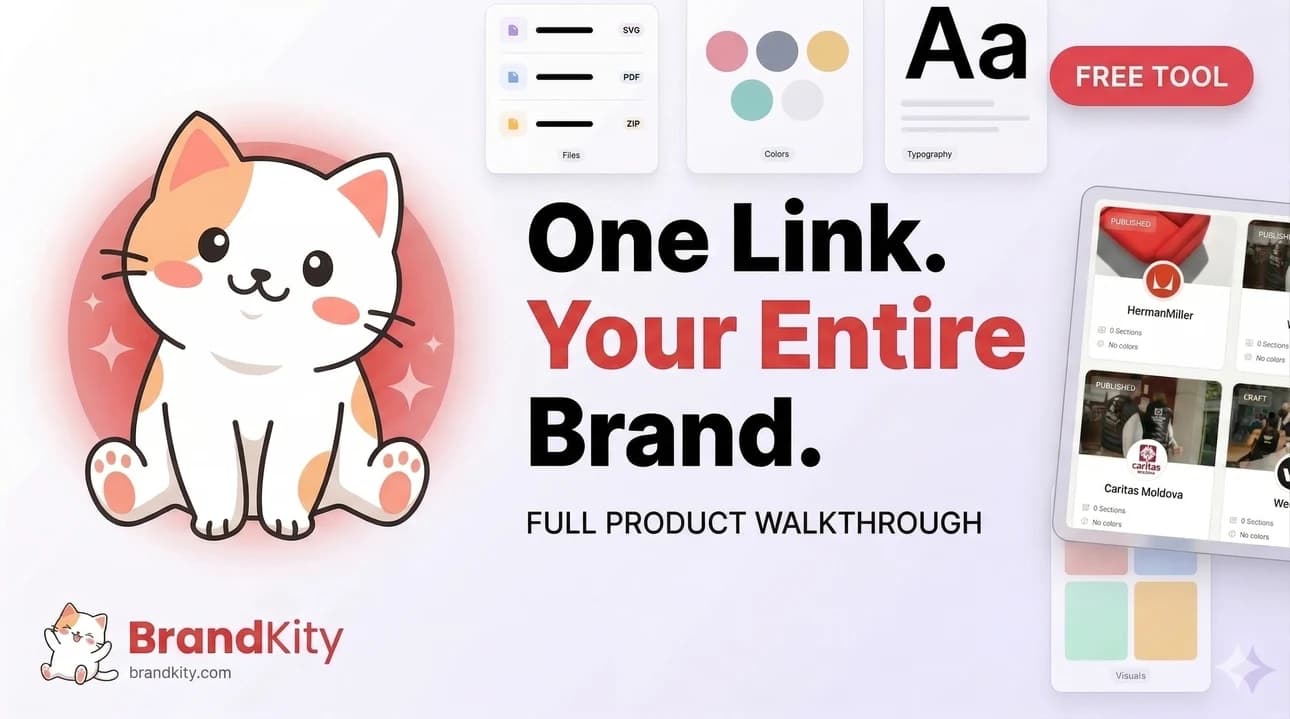
Agency Workflow: Brand Delivery
In today’s fast-paced digital landscape, the final stage of a branding project – delivering assets to the client – is often an overlooked bottleneck. …

Table of contents
- The Modern Challenge of Seamless Brand Handoffs in 2026
- Defining Your Agency’s Core Brand Delivery Workflow
- Essential Components of a Professional Brand Asset Package
- Leveraging Technology for Efficient Brand Asset Management
- Crafting a Unified Brand Delivery Experience with One Link
- Best Practices for Client Communication During Handoff
- Implementing a Scalable Workflow for Growing Agencies
- Maintaining Brand Integrity Post-Delivery: The Long Game
- Common Pitfalls to Avoid in Brand Delivery Processes
- Checklist: Your Agency’s Ultimate Brand Delivery Readiness
This section delves into the critical aspects of brand delivery, transforming a potentially chaotic final step into a strategic advantage. We’ll explore the modern challenges, define robust workflows, identify essential asset components, and highlight how technology can revolutionize your agency’s approach to brand asset management.
The Modern Challenge of Seamless Brand Handoffs in 2026
The reality for many agencies in 2026 is a persistent struggle with brand handoffs. This isn’t just about a few missing files; it’s about the cumulative impact of scattered assets across multiple platforms, email chains that are impossible to navigate, and confusingly structured folders. This disorganization directly translates into wasted billable hours as designers hunt for the correct logo version or clients spend precious time trying to decipher what they’ve received. The erosion of client trust is a significant byproduct, as a messy delivery suggests a lack of professionalism and attention to detail, even if the creative output was stellar. This can lead to unnecessary back-and-forth, delays in asset implementation, and ultimately, a compromised brand experience for the client’s audience.
Client expectations have evolved significantly. Gone are the days when a zipped folder of JPGs and PNGs sufficed. Today’s clients, often equipped with their own marketing teams and digital platforms, expect organized, accessible, and ready-to-use brand assets. They need to be able to quickly find and deploy logos in various formats, understand color palettes and typography rules, access photography guidelines, and grasp the nuances of the brand’s voice. This demand for immediate usability requires agencies to move beyond basic file delivery towards a comprehensive, structured asset package that empowers clients to maintain brand consistency across all touchpoints. Agencies that fail to meet these evolving expectations risk being perceived as outdated and less capable than competitors who embrace a more client-centric delivery model. This shift underscores the importance of a streamlined client handoff, a topic explored in depth in articles discussing how to streamline client handoffs.
Defining Your Agency’s Core Brand Delivery Workflow
Establishing a clear and repeatable brand delivery workflow is fundamental to agency efficiency and client satisfaction. This process begins long before the final assets are compiled. It involves defining specific checkpoints and approval stages throughout the project, ensuring that all brand elements are finalized and signed off by the client at each step. A well-defined workflow minimizes last-minute changes and reduces the likelihood of overlooking critical components. Key questions to address include: Who is responsible for asset finalization? What are the exact deliverables for each project phase? How will feedback be managed and incorporated? The goal is to create a predictable path from concept to final delivery, fostering confidence and ensuring all parties are aligned. This systematic approach is crucial for mastering the overall brand asset delivery workflow.
Consider a workflow that incorporates a “final review and sign-off” stage specifically for brand assets before delivery. This might involve creating a preliminary package for the client to review, allowing them to confirm satisfaction with all delivered elements. By breaking down the delivery into manageable stages, agencies can proactively address potential issues and confirm alignment with client expectations. This structured approach not only prevents common pitfalls like sending incorrect file formats or outdated brand guidelines but also sets the stage for a truly professional presentation. Think of it as a quality assurance process specifically for the final output, ensuring that what the client receives is exactly what they need to succeed.
Essential Components of a Professional Brand Asset Package
A truly professional brand asset package extends far beyond just providing logo files. Clients today need a comprehensive toolkit to maintain brand integrity across all their communication channels. This includes not only various logo formats (vector, raster, color variations, monograms) but also a clear definition of brand colors with HEX, RGB, CMYK, and Pantone values. Essential typography elements, such as primary and secondary fonts in their correct formats and usage guidelines, are also critical. Furthermore, clients often require access to approved imagery, illustration styles, and brand voice guidelines to ensure consistent messaging. Even elements like icon sets, social media templates, and presentation templates can significantly enhance the usability and value of the delivered package.

Structuring these assets for clarity and immediate usability is just as important as their inclusion. This means organizing them into logical folders with descriptive names and providing a central document – often referred to as brand guidelines or a brand guide – that explains how to use each asset. This guide should offer clear examples of correct and incorrect usage, helping clients avoid common mistakes. For instance, it should detail the minimum clear space around a logo, the hierarchy of typography, and the intended mood for photography. The goal is to empower the client, making it easy for them to adopt and apply the brand correctly, thereby extending the agency’s impact and ensuring long-term brand consistency.
Leveraging Technology for Efficient Brand Asset Management
The adoption of technology is no longer a luxury but a necessity for agencies aiming for efficient brand asset management and delivery. A centralized brand asset hub acts as a single source of truth for all brand elements. Instead of searching through scattered folders or endless email threads, teams and clients can access all approved assets from one intuitive platform. This hub should support various file types, offer robust search functionalities, and allow for easy categorization and tagging of assets. Such a system not only streamlines internal workflows but also drastically simplifies the client handoff process, providing a professional and organized experience that aligns with modern expectations. This is the core benefit that platforms like BrandKity offer to creatives and agencies looking for effortless asset delivery.
Beyond simple storage, technology empowers agencies to automate critical aspects of asset management. Features like automatic version control prevent the use of outdated files, ensuring consistency across all projects and client applications. When a brand element is updated, the system can manage these changes seamlessly, notifying relevant stakeholders and archiving previous versions. Furthermore, many platforms can automate the organization of assets based on predefined rules, ensuring that new files are immediately categorized correctly. This automation significantly reduces the manual effort involved in preparing and delivering brand packages, freeing up valuable time for creative work and strategic client engagement. Ultimately, this technological integration is key to delivering polished and functional brand identities.

Crafting a Unified Brand Delivery Experience with One Link
Delivering a complete brand package shouldn’t feel like an archaeological dig for your clients. A unified brand delivery experience centers around providing a single, accessible point of truth for all brand assets. This approach minimizes confusion, reduces the risk of outdated or incorrect assets being used, and significantly enhances the professional perception of your agency. When clients can easily find logos, color palettes, typography, imagery, and other crucial brand elements in one structured location, it streamlines their ability to implement the brand consistently across their own platforms. This dedicated link becomes the go-to resource, fostering immediate trust and efficiency from the moment of handover. It’s not just about convenience; it’s about empowering your clients for success.
The “single source of truth” concept for client access is paramount in modern brand delivery. Instead of scattering files across multiple cloud storage folders, email attachments, or project management tools, a centralized platform provides one URL that houses everything. This ensures that every stakeholder on the client’s side, from marketing teams to external partners, is working from the same, approved set of brand materials. This consistency is vital for maintaining brand integrity and preventing fragmented brand messaging. Imagine a scenario where a client accidentally uses an old logo version; a single source of truth eliminates this possibility by making the latest, approved assets readily available and easy to locate. For a comprehensive understanding of how to achieve this, explore strategies to master your brand asset delivery workflow.
Key features of a robust brand delivery platform go beyond simple file storage. Look for capabilities such as intuitive organization with clear categorizations (e.g., Logos, Imagery, Typography), version control to track updates, and granular permission settings to control who can access what. Advanced features might include interactive brand guideline explorers, downloadable asset packs in various formats (SVG, PNG, JPG, AI), and even integration with design tools. A well-designed platform should also offer search functionality, allowing clients to quickly find specific assets without endless scrolling. Security is another non-negotiable aspect, ensuring that sensitive brand files are protected. For example, a platform that allows for custom branding of the delivery link itself, adding your agency’s logo and colors, further reinforces your professional image and builds client confidence.
Designing the user experience (UX) for client-facing brand links is as critical as the backend organization. The interface should be clean, intuitive, and visually aligned with professional branding standards. Avoid cluttered dashboards or confusing navigation. Information architecture is key: logically group assets, use clear naming conventions, and provide visual previews for all files. Consider adding brief descriptions or usage notes for each asset category or individual file. An effective UX anticipates client needs, making it easy for them to download assets in the formats they require and understand how to apply them correctly. For a deeper dive into making this process seamless, consider learning how to streamline client handoffs.
Best Practices for Client Communication During Handoff
Clear and proactive communication is the cornerstone of a successful brand asset handoff. Before the actual delivery, invest time in setting explicit expectations and establishing realistic timelines with your client. This involves detailing precisely what assets will be delivered, in what formats, and when they can expect to receive them. Documenting this agreement, perhaps in the form of a formal handover checklist or within your project management tool, minimizes ambiguity and provides a reference point for both parties. Discuss potential integration challenges the client might face and offer preliminary guidance. Transparency about the process fosters trust and prevents last-minute misunderstandings that could sour the client relationship.
Providing comprehensive walkthroughs and training is essential for ensuring clients can effectively utilize the brand assets. Don’t assume clients will instinctively know how to access or use every file type. Conduct live demonstrations of the brand delivery portal, highlighting key features and demonstrating how to locate and download specific assets. Offer clear, step-by-step guides or video tutorials that clients can refer to at their convenience. Explain the purpose of different file formats (e.g., why they might need an SVG logo versus a PNG) and provide context for any included brand guidelines. This proactive educational approach empowers clients, reduces the burden of repeated support requests, and reinforces the value of your agency’s expertise.
Actively gathering feedback and addressing immediate concerns post-handoff demonstrates your commitment to client satisfaction and continuous improvement. Schedule a follow-up call or send a brief survey a few days after the delivery to gauge their experience. Ask specific questions about the clarity of the assets, the ease of access, and any challenges they’ve encountered. Be prepared to address any immediate issues, whether it’s a missing file format, a question about asset usage, or a technical glitch. Promptly resolving these concerns not only solidifies the client relationship but also provides invaluable insights for refining your own brand delivery workflow for future projects. This iterative process is key to long-term success.
Implementing a Scalable Workflow for Growing Agencies
As an agency experiences growth, its brand delivery workflow must evolve to accommodate an increasing volume of clients and projects. Adapting your process involves identifying bottlenecks in the current system and implementing solutions that allow for greater efficiency without sacrificing quality. This might include standardizing asset packaging, developing reusable templates for delivery briefs, and leveraging technology to automate repetitive tasks. Regularly reviewing your workflow, perhaps quarterly, allows you to pinpoint areas for improvement and proactively implement changes before they become significant hindrances. For agencies seeking to enhance their asset management, exploring platforms designed for effortless asset delivery can be a strategic move.
Training internal teams on consistent brand delivery protocols is a critical component of scalability. Establish clear, documented procedures for every stage of the brand handoff process, from asset finalization to client communication and final delivery. Conduct regular training sessions to ensure all team members understand these protocols and their role in upholding brand standards. This consistency is vital, as different team members interacting with clients can inadvertently create different experiences. Implement a system for internal quality assurance checks before any assets are sent to a client, ensuring all requirements are met and the delivery is professional. Documenting best practices and making them easily accessible to the team reinforces adherence to established standards.
Streamlining handoffs across multiple projects simultaneously requires a well-organized and adaptable system. This often involves employing project management software that allows for clear task assignment, progress tracking, and centralized communication. Prioritize projects based on client needs and deadlines, and ensure that resource allocation is managed effectively to prevent burnout or delays. Consider developing a tiered delivery system, offering different levels of support or asset organization based on project scope or client tier. For instance, a premium service might include personalized onboarding sessions, while a standard delivery focuses on a robust self-service portal. The goal is to create a system that can handle an increased workload without compromising the quality or professionalism of each individual brand delivery.
Maintaining Brand Integrity Post-Delivery: The Long Game
Ensuring clients understand and adhere to brand guidelines is paramount for long-term brand consistency. The initial handoff is just the beginning; ongoing education and reinforcement are crucial. This can involve providing easily digestible summaries of key brand rules, offering refresher training sessions, or even establishing periodic check-ins to review how the brand is being applied. When clients understand the ‘why’ behind the guidelines—how they contribute to recognition, trust, and a cohesive brand identity—they are more likely to respect and implement them correctly. Tools that visualize brand application, such as mockups or style guides with examples, can be incredibly effective in this regard.
Planning for future asset updates and refreshes is an essential aspect of brand stewardship. Brands are not static; they evolve. Establish a clear process for how and when assets will be updated. This might involve scheduling regular brand reviews, perhaps annually, to assess whether current assets still align with the brand’s strategic direction or market perception. Communicate this update schedule to your clients so they are aware of potential changes and can prepare for them. Having a system in place for managing and distributing updated assets ensures that clients always have access to the most current brand elements, preventing them from using outdated materials and diluting the brand’s impact.
Building lasting client relationships through reliable support extends beyond the initial brand delivery. Position yourself as a long-term partner in their brand’s success. This means being responsive to questions, providing ongoing guidance on brand application, and being available for future needs, whether it’s asset updates, new collateral development, or strategic brand consultations. A client who feels supported and knows they can rely on your agency for their brand needs is more likely to return for future projects and become a valuable advocate. This consistent, dependable support solidifies your agency’s reputation and fosters loyalty, turning a one-off delivery into a sustainable partnership.
Common Pitfalls to Avoid in Brand Delivery Processes
Successfully delivering brand assets to clients is more than just sending files; it’s about ensuring clarity, usability, and long-term brand consistency. Several common pitfalls can derail even the most well-intentioned brand delivery. One significant issue is the danger of outdated or unorganized asset folders. When assets are scattered across various cloud drives, email threads, or local hard drives, it leads to confusion and wasted time. Clients might receive incorrect versions of logos or out-of-date color palettes, which can dilute brand messaging and require costly revisions. The decision criteria for asset organization should prioritize ease of access and version control. This means establishing a clear folder structure, using consistent naming conventions, and regularly purging old or redundant files. Imagine a client needing a specific social media graphic and spending hours sifting through dozens of similarly named Photoshop files from different project phases—this directly impacts their ability to execute marketing campaigns effectively.
Furthermore, many agencies underestimate the client’s need for accessible resources. Clients, especially those with smaller marketing teams or less design expertise, rely heavily on clear, easily navigable brand assets. They aren’t always equipped to understand complex file structures or proprietary software formats. The decision criterion here is simple: would a non-designer be able to find and use what they need without assistance? Providing a centralized, user-friendly platform for brand assets, like a dedicated brand asset delivery portal, bridges this gap. For example, a client needing to brief a new printer might struggle to locate the correct EPS file if it’s buried deep within a project folder. Conversely, a single, well-organized link with clearly categorized assets empowers them to confidently share the necessary files, fostering trust and demonstrating professional service.
Finally, ignoring the importance of clear documentation and context is a critical mistake. Simply handing over a folder of files without explanation leaves clients guessing. This includes neglecting to provide brand guidelines that outline logo usage, color codes (HEX, RGB, CMYK, Pantone), typography hierarchies, and acceptable imagery. The decision criteria for documentation should focus on providing answers to anticipated questions. For instance, a client might receive a ZIP file of logos but have no idea which file format to use for print versus web. Providing a simple PDF alongside the assets explaining each file’s purpose, or embedding this information directly within the delivery platform, eliminates guesswork and ensures proper brand application. This proactive approach prevents misuse and protects the integrity of the brand you’ve worked so hard to build.
Checklist: Your Agency’s Ultimate Brand Delivery Readiness
Ensuring a smooth brand asset handover requires meticulous preparation. A robust checklist is essential for confirming all necessary components are in place before delivery. The first critical area is asset completeness and accuracy. This involves verifying that all requested assets are present, correctly formatted, and reflect the final approved designs. Decision criteria should include checking for all necessary file types (e.g., .PNG, .JPG, .SVG, .EPS, .AI), ensuring they are exported at the correct resolutions for intended use (print vs. digital), and confirming that color profiles (RGB, CMYK, HEX) are accurate. For example, delivering a logo in RGB for a print collateral project would be a significant oversight. A thorough check ensures clients receive assets they can use immediately without requiring additional support or revisions, thereby improving their overall satisfaction and the efficiency of their marketing efforts.
Next, focus on delivery platform functionality and accessibility. The chosen method for delivery should be intuitive and reliable. Key decision criteria include ease of navigation for the client, secure access, clear categorization of assets, and the ability to preview files without downloading. If you’re using a dedicated platform, ensure it’s properly configured, free of broken links, and provides a professional presentation. For instance, a client should be able to easily find and download the primary logo file for their website without having to search through multiple subfolders. A platform like Brandkity simplifies this by offering a clean, structured link where all brand assets are logically organized and readily available, enhancing the client’s experience and reducing support inquiries. This aligns with best practices for streamlining client handoffs.
Finally, prioritize client communication and onboarding materials. This goes beyond just sending the assets; it’s about setting the client up for success. Essential elements include clear instructions on how to access and use the assets, comprehensive brand guidelines (or a link to them), and contact information for any follow-up questions. Decision criteria should assess whether the client has all the contextual information they need to maintain brand consistency independently. For example, providing a short video tutorial demonstrating how to use a style guide or a PDF outlining basic logo application rules can be invaluable. A well-prepared client onboarding package, often integrated into the delivery portal itself, fosters confidence, minimizes brand misuse, and reinforces the value of your agency’s work. This comprehensive approach ensures the brand’s integrity is upheld long after the initial delivery, a key aspect of any successful brand asset delivery workflow.
By diligently addressing these potential pitfalls and utilizing a comprehensive readiness checklist, agencies can significantly elevate their brand delivery process. This proactive approach not only prevents common errors but also fosters stronger client relationships built on trust and professional execution.
For agencies and designers seeking to simplify and professionalize their brand asset delivery, exploring dedicated platforms can make a significant difference. Resources like Brandkity offer solutions designed to organize, manage, and share brand assets seamlessly, helping you avoid common delivery challenges.
Saurabh Kumar
Founder, BrandKity
Saurabh writes about practical brand systems, faster client handoffs, and scalable workflows for designers and agencies building repeatable delivery operations.
Connect on LinkedIn