Agency: Ace Brand Asset Delivery
Imagine this: a client needs a specific logo variation for a social media post, but you can only find a low-resolution JPEG buried in an email chain. …

Table of contents
- Tired of the Brand Asset Scramble? Streamline Your Client Handoff Now.
- The chaos of scattered brand files: logos in emails, fonts in shared drives, colors lost in Slack.
- Why disorganized brand delivery frustrates clients and wastes your team’s time.
- The hidden cost of inefficient asset management for agencies.
- The Power of the Single, Structured Brand Link for Agencies
- Introducing the ‘Ace’ Brand Asset Delivery Concept: What it really means.
- How one organized link transforms the client experience.
- Beyond a simple folder: The key components of an ‘ace’ asset delivery.
- Essential Brand Assets: What Belongs in Your Client’s Toolkit
- Logo Suite: Primary, secondary, variations, and file formats (vector vs. raster).
- Color Palettes: HEX, RGB, CMYK, and their strategic application.
- Typography: Font families, weights, usage guidelines, and licensing.
- Visual Assets: Imagery, icons, patterns, and their intended use.
- Crafting Your Brand Guidelines: The Foundation of Clear Delivery
- Beyond a PDF: Making guidelines interactive and accessible.
- Key sections for effective brand guidelines (Tone of Voice, Imagery Style, etc.).
- Ensuring consistency: How guidelines prevent off-brand usage.
- From Raw Files to Refined Delivery: Your Agency’s Workflow
- Pre-delivery checklist: Finalizing assets and ensuring quality.
- Organizing your assets for intuitive client navigation.
- The role of version control in brand asset management.
- Simplifying Client Handoff: Best Practices for Agencies
- Setting client expectations from project inception.
- Walkthroughs and onboarding: Guiding clients through their new brand assets.
- Gathering client feedback and addressing immediate questions.
- Preventing ‘The Brand Police’ Moments: Educating Your Clients
- Proactive client education on brand application.
- Examples of common brand misuse and how to avoid them.
- Empowering clients to be brand stewards, not just recipients.
- The ‘One Link’ Advantage: Elevating Your Agency’s Professionalism
- The psychological impact of a single, polished link.
- How this simplifies internal agency processes and external client perception.
- Reducing back-and-forth: Minimizing repetitive asset requests.
- Leveraging Digital Brand Asset Management for Long-Term Success
- Why static files are a relic of the past for modern agencies.
- The benefits of a centralized, accessible platform.
- Scaling your delivery process as your agency grows.
- Future-Proofing Your Brand Delivery in 2026 and Beyond
- Emerging trends in asset management and client collaboration.
- Adapting to new file formats and design technologies.
- Maintaining a competitive edge through superior brand delivery.
Imagine this: a client needs a specific logo variation for a social media post, but you can only find a low-resolution JPEG buried in an email chain. Or perhaps they’re unsure of the correct font weight to use, leading to inconsistent application across their marketing materials. This kind of disorganization isn’t just frustrating; it’s a drain on your agency’s resources and a serious detriment to client satisfaction.
The scramble for brand assets is a common pain point for many creative teams. It’s a cycle of endless searching, repeated requests, and the constant fear of delivering outdated or incorrect brand collateral. Fortunately, there’s a smarter, more professional way to manage and deliver these vital elements, ensuring clarity for your clients and efficiency for your agency.
Tired of the Brand Asset Scramble? Streamline Your Client Handoff Now.
The chaos of scattered brand files: logos in emails, fonts in shared drives, colors lost in Slack.
The modern agency workflow often involves a fragmented approach to brand asset management. Logos might be saved as JPGs in individual designer’s download folders, while essential fonts reside on a shared network drive that’s prone to version control issues. Color codes get lost in casual Slack conversations, and crucial guidelines are buried deep within project management tools. This scattered approach means that finding the correct, up-to-date asset can become a time-consuming treasure hunt. When a client or even a new team member needs a specific file, the process often devolves into a frantic search, pulling people away from core creative and strategic tasks. The lack of a centralized, easily accessible repository means duplicated effort and a higher chance of using the wrong asset.
Why disorganized brand delivery frustrates clients and wastes your team’s time.
When clients receive brand assets in a jumbled, disorganized manner—perhaps a collection of disparate files dropped into a cloud storage folder with no clear structure—it breeds confusion and erodes confidence. They might struggle to locate what they need, leading to increased support requests and a perception of unprofessionalism. For your team, the impact is equally detrimental. Time spent searching for assets, answering repeated clarification questions, or rectifying errors caused by incorrect file usage is time taken away from billable work and strategic client engagement. This inefficiency can significantly impact project timelines and profitability, making organized brand delivery not just a nicety, but a necessity.

The hidden cost of inefficient asset management for agencies.
Beyond the immediate frustration, inefficient brand asset management carries significant hidden costs for agencies. Each instance of a team member searching for a file, clarifying usage, or correcting an off-brand application represents wasted billable hours. This directly impacts your bottom line. Furthermore, inconsistent brand application due to poor asset delivery can damage your clients’ brand equity, potentially leading to client dissatisfaction and churn. The reputational damage of being perceived as disorganized or unreliable can also be substantial. Investing in a streamlined system for brand asset delivery is an investment in efficiency, client satisfaction, and the long-term health of your agency’s reputation. It’s about moving from a reactive scramble to a proactive, professional standard, as discussed in how to master brand asset delivery workflows.
The Power of the Single, Structured Brand Link for Agencies
Introducing the ‘Ace’ Brand Asset Delivery Concept: What it really means.
The ‘Ace’ Brand Asset Delivery concept refers to a highly organized, easily accessible, and comprehensive hub for all client brand collateral, delivered via a single, shareable link. It’s more than just a folder; it’s a structured digital brand kit that empowers clients and internal teams alike. This concept prioritizes clarity, accessibility, and a professional presentation. Think of it as the definitive source of truth for a brand’s visual identity. An ‘ace’ delivery ensures that every logo variation, color code, font file, and usage guideline is readily available and clearly explained, eliminating ambiguity and fostering consistent brand application across all touchpoints. This streamlined approach is key to successful client handoffs.
How one organized link transforms the client experience.
Providing clients with a single, well-organized link for all their brand assets fundamentally transforms their experience. Instead of sifting through messy email attachments or navigating complex cloud folders, clients receive a professional, intuitive portal. This clarity builds trust and reduces their reliance on your team for basic asset requests. When a client needs a logo for a new brochure or a specific color for a social media graphic, they can quickly and confidently find exactly what they need. This ease of access not only saves them time and frustration but also elevates their perception of your agency’s professionalism and attention to detail. It signifies that you’ve thought through every aspect of their brand’s ongoing needs, creating a more positive and enduring relationship.
Beyond a simple folder: The key components of an ‘ace’ asset delivery.
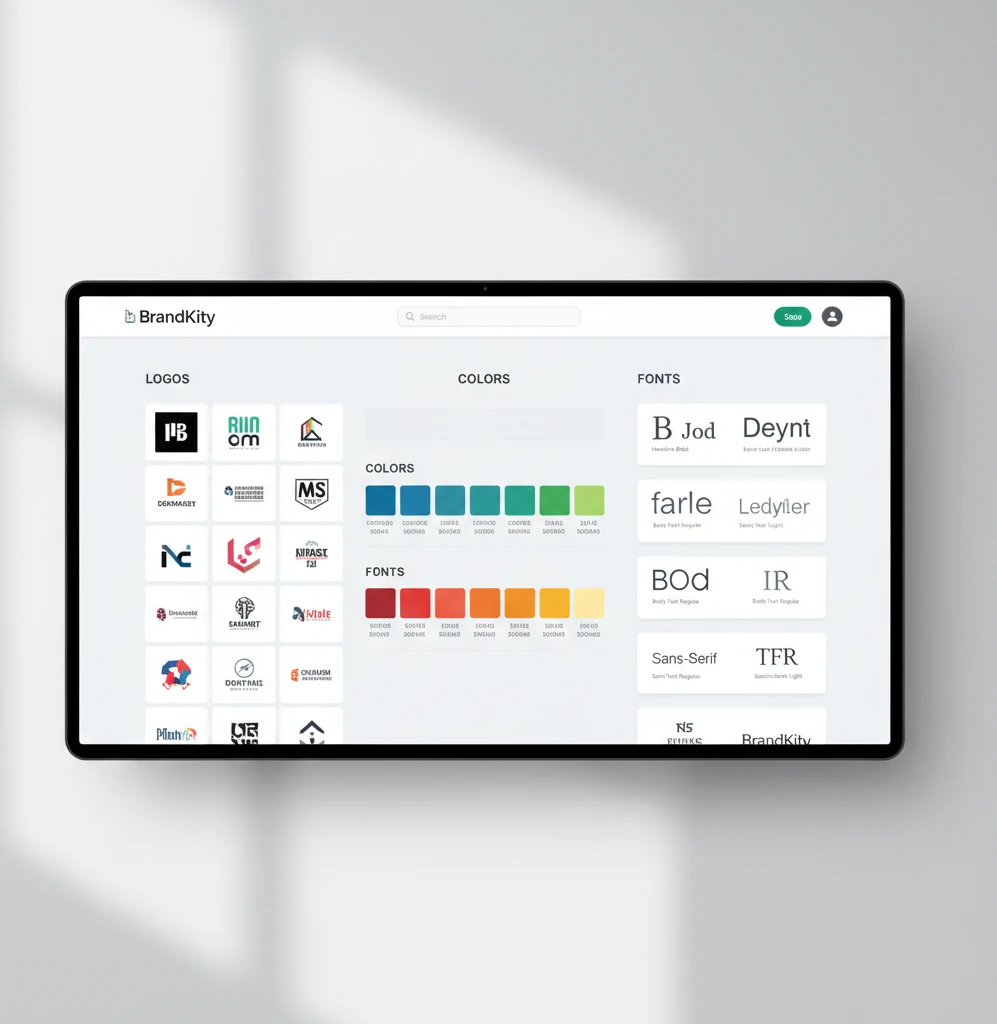
An ‘ace’ asset delivery goes far beyond merely dumping files into a generic cloud storage folder. It involves thoughtful organization and the inclusion of comprehensive resources. Crucially, it requires a clear navigation structure that categorizes assets logically (e.g., logos, color palettes, typography, imagery). Each asset should be accompanied by clear usage instructions and best practices. This might include downloadable files in various necessary formats (vector and raster for logos), swatches for color palettes with corresponding HEX, RGB, and CMYK values, and font files with licensing information. The inclusion of brand guidelines, whether a separate document or integrated sections, is also paramount. This holistic approach ensures that clients have not only the assets but also the knowledge to use them correctly, preventing misuse and supporting consistent branding. This is a core tenet of why agencies choose to stop asset chaos with simple brand delivery.
Essential Brand Assets: What Belongs in Your Client’s Toolkit
Logo Suite: Primary, secondary, variations, and file formats (vector vs. raster).
The logo is the cornerstone of any brand’s visual identity, and a comprehensive logo suite is non-negotiable for effective asset delivery. This should include the primary logo as the main identifier, alongside secondary logos or lockups that may be used in specific contexts. Offering variations—such as horizontal and vertical layouts, icon-only versions, and simplified monochromatic options—caters to diverse application needs. Critically, these must be provided in both vector formats (AI, EPS, SVG) for scalability without quality loss in print or large-scale applications, and raster formats (PNG, JPG) optimized for web and digital use. Explaining the difference and intended use case for each file type empowers clients to make informed decisions and maintain brand integrity.
Color Palettes: HEX, RGB, CMYK, and their strategic application.
A brand’s color palette is instrumental in conveying emotion and recognition. Your client’s toolkit must include a detailed color palette broken down into its constituent values. This means providing HEX codes for web and digital design, RGB values for screen-based media, and CMYK values for print applications. Beyond simply listing the codes, it’s crucial to explain the strategic purpose of each color within the palette—which are primary, secondary, or accent colors, and when each should be used. This guidance helps clients maintain brand consistency across all platforms, ensuring that colors appear accurately whether on a website, a business card, or a billboard.
Typography: Font families, weights, usage guidelines, and licensing.
Typography significantly influences a brand’s personality and readability. An ‘ace’ asset delivery includes all necessary font families associated with the brand, specifying each weight (e.g., light, regular, bold, black) that is approved for use. Clear guidelines on where and how to apply these fonts are essential; this includes recommendations for headlines, body copy, and captions. For instance, specifying that a particular font is only for display use while another is optimized for long-form reading prevents usability issues. Furthermore, providing licensing information is a critical legal and ethical step, ensuring the client understands their rights and responsibilities when using the fonts. This proactive approach avoids potential copyright infringements and ensures legal compliance, a vital part of a professional brand handoff.
Visual Assets: Imagery, icons, patterns, and their intended use.
Beyond logos and typography, a robust brand asset library includes supporting visual elements. This encompasses a curated collection of icons that maintain a consistent style and represent specific actions or concepts relevant to the brand. Brand-specific patterns or textures can also add depth and visual interest to collateral. The most crucial aspect here is providing guidance on the intended use of all visual assets. This might include specifying the style of photography to be used (e.g., candid lifestyle shots vs. product-focused imagery), the types of illustrations that align with the brand’s aesthetic, and how patterns should be applied without overwhelming a design. Clearly defining these parameters helps maintain a cohesive and recognizable visual identity, ensuring that all brand expressions are unified and effective. This is part of ensuring your clients can streamline their own creative processes.
Crafting Your Brand Guidelines: The Foundation of Clear Delivery
Beyond a PDF: Making guidelines interactive and accessible.
While a traditional PDF document has long been the standard for brand guidelines, this format can often be static, cumbersome, and overlooked. An ‘ace’ approach elevates this by making guidelines interactive and easily accessible. This could involve embedding them within a dedicated online platform, a microsite, or a well-structured digital brand portal. Interactive elements can include clickable color swatches that reveal HEX/RGB/CMYK values, direct links to download fonts, or animated examples of correct logo usage. This modern approach ensures that guidelines aren’t just a reference document but a living, breathing resource that’s easy to engage with, understand, and implement, drastically improving adherence and reducing misuse. For agencies focused on this, exploring a design system as a client delivery hub offers a powerful solution.
Key sections for effective brand guidelines (Tone of Voice, Imagery Style, etc.).
Effective brand guidelines are comprehensive and cover more than just the visual elements. Essential sections include a clear articulation of the brand’s tone of voice—defining its personality, linguistic style, and how it communicates in written form. An imagery style guide should detail the type of photography, illustration, and graphic elements that align with the brand’s aesthetic and message. Sections on do’s and don’ts for logo usage, correct application of color palettes, and typography rules are fundamental. Including examples of mockups across various applications (e.g., website, social media, print) provides practical context. Defining the brand’s mission, values, and target audience can also reinforce the ‘why’ behind the guidelines, helping users connect emotionally with the brand identity.
Ensuring consistency: How guidelines prevent off-brand usage.
The primary function of robust brand guidelines is to act as a guardrail against off-brand usage. By providing clear, authoritative direction on how to use logos, colors, typography, and imagery, they establish a definitive standard. When these guidelines are easily accessible, well-organized, and supplemented with practical examples and do’s-and-don’ts, they empower users to make correct decisions independently. This proactive approach preempts confusion and errors, which are the breeding ground for inconsistent brand representation. For instance, if a guideline clearly states that the logo should never be stretched, or that only specific color combinations are approved for marketing materials, it directly prevents those common mistakes from occurring, thereby safeguarding brand integrity and ensuring a unified brand experience across all touchpoints.
From Raw Files to Refined Delivery: Your Agency’s Workflow
Delivering brand assets effectively is more than just sending a zip file. It’s a strategic process that reflects your agency’s professionalism and sets the stage for successful brand implementation by your client. A well-defined workflow ensures that every asset is accounted for, high-quality, and easily accessible. This begins with a rigorous pre-delivery checklist, meticulously detailing all required files, formats, and specifications. Think of it as the final polish before a masterpiece leaves the studio. Skipping this step can lead to frustrating back-and-forths, undermining the trust you’ve built. Implementing standardized naming conventions and folder structures from the outset is also crucial. This organizational discipline prevents confusion and allows clients to locate what they need without delay, transforming a potentially overwhelming delivery into a seamless experience. For agencies aiming for peak efficiency, adopting a structured approach to asset organization can significantly reduce the time spent on delivery tasks, allowing more focus on creative work.
Pre-delivery checklist: Finalizing assets and ensuring quality.
A robust pre-delivery checklist is the bedrock of professional brand asset delivery. It’s not merely a list of files but a comprehensive quality assurance protocol. Start by confirming the inclusion of all necessary formats for each asset type: vector files (AI, EPS, SVG) for scalability, high-resolution raster files (JPG, PNG) for web and print, and specific formats like web fonts (WOFF, WOFF2) and favicon icons. Ensure color profiles are correct, especially for print (CMYK) versus digital (RGB). Next, scrutinize file naming conventions for consistency and clarity – avoid generic names like “logo_final_v3.jpg.” Instead, opt for descriptive titles like “brandname-logo-primary-rgb-web.png.” Equally important is checking asset dimensions and resolutions against project specifications and client needs. Are the web logos optimized for faster loading times? Are print assets at a sufficient DPI? Finally, include a review of any supporting brand guidelines documents, ensuring they accurately reflect the delivered assets. A thorough checklist minimizes errors and demonstrates meticulous attention to detail, projecting an image of reliability. For a deeper dive into these essential steps, explore how to master brand asset delivery workflow.
Organizing your assets for intuitive client navigation.
The way brand assets are organized directly impacts a client’s ability to use them effectively. A chaotic folder structure can lead to frustration and misuse, even with high-quality files. The goal is to create an intuitive hierarchy that mirrors how a brand is typically referenced. Start with broad categories like “Logos,” “Color Palettes,” “Typography,” “Imagery,” and “Templates.” Within each category, further subdivide by asset type and use case. For logos, this might mean folders for “Primary,” “Secondary,” “Iconography,” and then sub-folders for different color variations (full color, monochrome, reversed) and file formats (vector, web, print). For typography, separate by font family and include both desktop and web font versions. Consider creating a “Usage Guidelines” folder containing the brand book or style guide, and perhaps even a “Templates” folder for common collateral like presentations or social media graphics. This level of organization reduces the learning curve for clients, empowering them to quickly find and correctly apply brand elements. A well-organized delivery system is a hallmark of professional brand asset organization.
The role of version control in brand asset management.
In the dynamic world of branding, managing asset versions is paramount to maintaining consistency and avoiding the dissemination of outdated or incorrect files. Version control isn’t just for software development; it’s a critical component of effective brand asset management for agencies. When multiple stakeholders or team members are involved in asset creation or updates, clear versioning ensures everyone is working with the latest iteration. This prevents clients from using an old logo version that has since been retired or applying deprecated color codes. Implementing a system where new versions clearly supersede older ones, and where older versions are archived rather than deleted, provides a safety net. It allows for easy rollback if a new version introduces unforeseen issues. While complex version control systems exist, simpler methods like clear file naming conventions (e.g., `brandname-logo-primary-v2.1.ai`) or using a dedicated platform that automatically manages revisions can be highly effective. This practice is essential for maintaining brand integrity and preventing costly errors down the line.
Simplifying Client Handoff: Best Practices for Agencies
The client handoff is a pivotal moment in any agency-client relationship. It’s the culmination of your creative efforts and the gateway to the client’s independent brand implementation. A streamlined and professional handoff process not only ensures clients receive assets correctly but also significantly enhances their perception of your agency’s competence and organization. This process should begin long before the final files are ready, starting with setting clear expectations from the project’s inception. By outlining what the delivery will entail, when it will happen, and what support will be provided, you preemptively address potential client anxieties and misunderstandings. Following up with dedicated walkthroughs and onboarding sessions provides clients with a guided tour of their new brand assets, demonstrating how to use them effectively and answering immediate questions. This proactive approach fosters confidence and minimizes the likelihood of errors or misuse, paving the way for a successful long-term brand application and strengthening the overall client relationship.
Setting client expectations from project inception.
Proactive expectation management is the cornerstone of a smooth client handoff. From the very first briefing, clearly articulate the scope of brand asset delivery. This includes detailing what types of assets will be provided (e.g., logos in various formats, color palettes, typography files, templates), the expected file formats for each, and the delivery timeline. It’s also crucial to define what’s not included; for instance, if extensive design implementation beyond core assets isn’t part of the scope, make that clear upfront to avoid misunderstandings. Discuss how the assets will be delivered – whether via a cloud storage link, a dedicated platform, or a combination. Mention any support or training that will be offered post-delivery. Document these agreed-upon deliverables and timelines in your contract or proposal. By establishing this clarity early, you build trust and ensure both parties are aligned, significantly reducing the potential for surprises or dissatisfaction during the final delivery phase. This prevents many common issues often seen in client confusion surrounding brand asset delivery.
Walkthroughs and onboarding: Guiding clients through their new brand assets.
Once assets are ready for delivery, a structured walkthrough and onboarding session is invaluable for client success. This isn’t just about sending a link; it’s about empowering your client to use the assets confidently. Schedule a dedicated call or meeting to guide them through the organized asset library. Start with the core elements – the logo variations and their proper usage, followed by color palettes and typography. Demonstrate how to access different file formats and explain their intended applications (e.g., vector for print, JPG for web). If you’ve included templates, show them how to adapt them with their content. Explain any specific do’s and don’ts for asset usage. This hands-on guidance transforms a passive delivery into an active learning experience, ensuring clients understand the nuances of their new brand identity and feel equipped to manage it independently. This proactive step can significantly reduce future support requests and ensure brand consistency.
Gathering client feedback and addressing immediate questions.
The delivery phase isn’t truly complete until you’ve ensured your client has had the opportunity to review and understand the assets provided. After the initial walkthrough or upon receiving the delivered assets, dedicate time for feedback. This can be a scheduled follow-up meeting or a defined period during which clients can ask questions. Encourage them to explore the assets and note down any queries or points of confusion. Common questions might relate to file compatibility with their existing software, specific use-case scenarios not covered in the guidelines, or requests for minor adjustments. Address these promptly and clearly. If a client requires a slightly different format or a clarification on usage, be prepared to provide it swiftly. This responsive approach not only solidifies client confidence but also acts as a final quality check, ensuring they are completely satisfied and ready to implement their new brand identity effectively. Mastering this aspect is key to overall effortless asset delivery for creatives.
Preventing ‘The Brand Police’ Moments: Educating Your Clients
The ultimate success of a brand identity lies in its consistent and correct application across all touchpoints. As an agency, your responsibility extends beyond simply delivering assets; it includes empowering your clients to become effective stewards of their own brand. Many agencies fall into the trap of thinking their job is done once the files are handed over. However, this often leads to instances of brand misuse – the dreaded “brand police” moments where inconsistencies and errors creep in, diluting the brand’s impact. Proactive client education is the antidote. By investing time in explaining the ‘why’ behind brand guidelines, not just the ‘what,’ you equip clients with a deeper understanding and appreciation for brand integrity. This approach fosters a collaborative spirit, encouraging clients to view themselves as partners in maintaining brand standards rather than mere recipients of files. Ultimately, this education prevents costly mistakes and ensures the brand continues to resonate powerfully in the market.
Proactive client education on brand application.
Proactive education is key to preventing brand misuse and ensuring your client champions their brand identity. Don’t just hand over a brand guide; make it a living document through guided education. During the delivery or onboarding process, dedicate time to walk clients through the essential principles of their brand application. Explain the rationale behind specific logo usage rules, color psychology, and typographic hierarchies. Illustrate how these elements work together to create a cohesive and impactful brand experience. Use practical examples relevant to their business. For instance, if they run a coffee shop, demonstrate how to correctly apply the logo and brand colors to a menu, a social media post, or exterior signage. Highlight the importance of consistent spacing, clear readability, and appropriate asset formats for different media. This educational approach fosters a deeper understanding and ownership, making clients more likely to adhere to guidelines and less prone to accidental missteps. Investing in client education is an investment in the longevity and effectiveness of the brand you’ve built.
Examples of common brand misuse and how to avoid them.
Understanding common pitfalls can help agencies proactively educate clients and prevent brand dilution. One frequent issue is the stretching or skewing of logos. This distorts the logo’s proportions and weakens its recognition. To avoid this, always emphasize using vector files for scaling and instruct clients to maintain the original aspect ratio. Another common problem is inconsistent color application. Clients might use incorrect HEX, RGB, or CMYK values, leading to variations in print and digital. Providing an easily accessible color palette with precise codes (e.g., HEX, RGB, CMYK, Pantone) is crucial. A third area of concern is inappropriate logo placement or crowding. Logos need sufficient clear space around them to remain impactful. Educate clients on the concept of “exclusion zones” or “breathing room” for the logo. Finally, using incorrect or modified typography can also undermine brand consistency. Clearly specify primary and secondary fonts, and provide guidelines on their usage. By providing concrete examples like these during onboarding, you make the abstract concept of brand guidelines tangible and actionable for your clients. This directly contributes to achieving design system link brand consistency.
Empowering clients to be brand stewards, not just recipients.
Shifting the client’s perspective from passive recipient to active brand steward is a powerful strategy. This involves fostering a sense of partnership and shared responsibility for the brand’s integrity. Instead of just presenting rules, explain the strategic intent behind them. When clients understand why a certain color or logo variation is used, they are more likely to internalize and champion those standards. Provide them with the tools and confidence to make sound brand decisions themselves. This can involve offering a simplified selection of approved brand assets for common marketing materials, or providing easy-to-use templates. Encourage them to ask questions and offer guidance when they’re unsure, reinforcing their role as caretakers of the brand. When clients feel empowered and knowledgeable, they become your agency’s greatest allies in maintaining brand consistency, turning potential “brand police” moments into collaborative efforts towards brand excellence. This aligns perfectly with the goal of effective brand asset delivery.
The ‘One Link’ Advantage: Elevating Your Agency’s Professionalism
In the digital age, first impressions are often formed before any direct interaction. For an agency, the way brand assets are delivered speaks volumes about its operational efficiency and attention to detail. Presenting clients with a single, well-organized, and professional link to all their brand assets offers a profound psychological advantage. It instantly conveys a sense of order, sophistication, and control, contrasting sharply with the chaotic, multi-file, and often disorganized deliveries that plague many client relationships. This unified approach not only impresses clients externally but also streamlines internal agency processes. Instead of juggling multiple file-sharing services or complex folder structures, your team can manage and update assets from a single source of truth. This efficiency reduces the likelihood of errors, speeds up project turnaround times, and minimizes repetitive asset requests from clients, ultimately contributing to a more polished and profitable agency operation.
The psychological impact of a single, polished link.
The psychological impact of delivering brand assets via a single, polished link is significant. It immediately communicates professionalism, organization, and a high level of service. Instead of a scattered collection of files or a confusing array of download links, clients receive a curated, easily navigable hub. This single point of access suggests that meticulous thought has gone into the presentation and organization of their brand identity. It instills confidence, implying that the agency has a systematic approach to asset management and delivery. This creates a positive first impression that can set the tone for the entire post-project relationship. For clients, it signifies that their brand assets are treated with care and importance, rather than being an afterthought. This perceived order and ease of use can greatly enhance client satisfaction and reduce anxiety about managing their new brand elements. It transforms a potentially overwhelming task into a straightforward, user-friendly experience.
How this simplifies internal agency processes and external client perception.
The adoption of a singular, organized delivery link offers dual benefits: it revolutionizes internal agency workflows while simultaneously elevating external client perception. Internally, it acts as a central repository, consolidating all brand assets in one accessible location. This drastically simplifies asset retrieval for team members working on new campaigns, marketing materials, or website updates, eliminating time wasted searching through disparate folders or cloud drives. Updates can be made centrally, ensuring everyone accesses the latest versions. Externally, this unified approach presents a sophisticated and professional image to clients. Instead of receiving numerous email attachments or links to generic cloud storage, they get a clean, branded portal. This enhances trust and demonstrates the agency’s commitment to organized, efficient service. It’s a tangible representation of the agency’s capabilities and attention to detail, fostering stronger client relationships and making future collaborations smoother. This approach is central to effective agency workflow brand delivery.
Reducing back-and-forth: Minimizing repetitive asset requests.
One of the most persistent drains on agency resources is the repetitive cycle of asset requests from clients. When brand assets are poorly organized or difficult to access, clients frequently reach out for specific files they can’t locate or for variations they believe are missing. A streamlined, single-link delivery system directly combats this issue. By providing a clearly structured and easily searchable hub for all brand assets—from logo variations and color palettes to typography files and templates—clients are empowered to find what they need independently. This significantly reduces the volume of “can you send me the logo again?” or “what’s the HEX code for the secondary blue?” type of inquiries. Furthermore, a well-organized asset library can include usage guidelines and FAQs, preemptively answering many common questions. This not only saves valuable agency time but also allows the client to develop a greater sense of autonomy and confidence in managing their brand assets, ultimately leading to a more efficient and less frustrating experience for both parties. This is a key benefit of a robust brand asset delivery system.
Leveraging Digital Brand Asset Management for Long-Term Success
Why static files are a relic of the past for modern agencies.
In today’s fast-paced digital landscape, relying on scattered folders, endless email chains, and outdated cloud storage for brand assets is a significant impediment to efficiency and professionalism. Static files, such as individual JPEGs, PDFs, and unorganized font libraries, create a fragmented asset ecosystem. This disorganization leads to wasted time searching for the correct version of a logo, incorrect usage of brand elements, and an overall lack of brand consistency. For agencies aiming for high-quality, timely client deliverables, this approach is unsustainable. It’s akin to trying to build a skyscraper with a toolbox full of individual nails rather than a pre-fabricated structure. The modern agency needs a more robust and dynamic system to manage and deliver its creative output effectively. This outdated method not only hinders productivity but also directly impacts the client’s perception of your agency’s capabilities and professionalism.
The benefits of a centralized, accessible platform.
Adopting a centralized digital brand asset management (DAM) system transforms how agencies operate. The primary benefit is immediate accessibility to all brand assets – logos in various formats, color palettes, typography guidelines, imagery, and more – from a single, secure location. This eliminates the common pain point of team members wasting precious hours hunting for files, thereby increasing overall productivity. Furthermore, a well-organized DAM ensures brand consistency across all projects and client communications, as everyone is working with the approved, up-to-date assets. This structured approach significantly reduces the risk of brand dilution and enhances client trust. Platforms like BrandKity offer a unified “one link” solution, simplifying the process of sharing these organized assets with clients, ensuring they receive a professional and cohesive brand package. This level of control and accessibility is crucial for agencies that pride themselves on delivering polished, reliable brand experiences. Explore how to organize brand assets: the one-link solution for immediate improvements.
Scaling your delivery process as your agency grows.
As an agency expands, the volume and complexity of brand assets, client projects, and team collaborations inevitably increase. Without a scalable solution, managing this growth can quickly lead to unmanageable chaos. A robust digital brand asset management system is built to scale seamlessly alongside your business. It provides a consistent framework for onboarding new team members, ensuring they can quickly access and understand brand guidelines without extensive manual training. For clients, it means a consistently professional delivery experience, regardless of the project’s size or the agency’s team size. This scalability also extends to handling a larger number of clients and projects simultaneously, preventing bottlenecks in the asset delivery workflow. By centralizing assets and standardizing delivery processes, agencies can maintain their high standards of quality and efficiency, even during periods of rapid expansion. This proactive approach ensures that your infrastructure supports, rather than hinders, your agency’s growth ambitions and helps to optimize your agency workflow for brand delivery.
Future-Proofing Your Brand Delivery in 2026 and Beyond
Emerging trends in asset management and client collaboration.
The digital asset landscape is constantly evolving, and staying ahead requires an understanding of emerging trends. In 2026 and beyond, expect a greater emphasis on AI-powered asset tagging and search, enabling faster retrieval of specific visuals or brand elements. Collaborative features will become more sophisticated, allowing for real-time feedback and version control directly within asset management platforms. Think interactive brand guidelines that clients can explore rather than static documents. Personalization of asset delivery is also on the rise, where clients receive tailored collections of assets relevant to their specific needs and platforms. Furthermore, the integration of DAM systems with project management and creative tools will become even more critical, creating a truly unified workflow. Agencies that embrace these advancements will be better equipped to meet the sophisticated demands of clients and deliver truly cutting-edge brand experiences. This proactive adoption of new technologies ensures your agency remains at the forefront of brand communication. Consider how these trends impact your approach to master brand delivery.
Adapting to new file formats and design technologies.
The rapid evolution of design software and digital media necessitates that asset management systems remain agile. Agencies must be prepared to accommodate new file formats, from advanced vector types for scalable graphics to immersive 3D models and interactive AR/VR assets. A future-proof DAM solution will not only store these diverse formats but also provide previews, versioning, and appropriate export options for each. This adaptability is crucial for maintaining design integrity across different mediums and platforms. Furthermore, as design systems become more complex, with component libraries and dynamic content, the DAM must integrate seamlessly. This ensures that designers and clients are always working with the latest, most accurate representations of brand elements, whether it’s a simple logo file or a complex UI component. Embracing these technological shifts allows agencies to offer a wider range of creative services and maintain a competitive edge in a market that demands constant innovation.
Maintaining a competitive edge through superior brand delivery.
In a crowded marketplace, the way an agency delivers its creative work can be a significant differentiator. Superior brand asset delivery goes beyond merely handing over files; it’s about providing a clear, organized, and professional experience that instills confidence in the client. This includes intuitive navigation, comprehensive brand guidelines, and immediate access to all necessary assets in their required formats. By mastering brand delivery, agencies can reduce client confusion, minimize revision rounds, and foster stronger, long-term relationships. A well-executed handoff demonstrates attention to detail and a commitment to the client’s brand success. Investing in a robust DAM system is not just an operational upgrade; it’s a strategic advantage that enhances client satisfaction, streamlines internal workflows, and ultimately contributes to the agency’s reputation and bottom line. This focus on excellence in delivery can help slash revisions and master brand delivery.
Saurabh Kumar
Founder, BrandKity
Saurabh writes about practical brand systems, faster client handoffs, and scalable workflows for designers and agencies building repeatable delivery operations.
Connect on LinkedIn