Effortless Asset Delivery for Creatives
Delivering polished brand assets to clients shouldn’t feel like a frantic scramble. In today’s fast-paced creative landscape, a structured and profess…

Table of contents
- The Art of the Perfect Brand Handoff: Why it Matters More Than Ever in 2026
- Beyond the Dropbox Folder: The Pitfalls of Disorganized Asset Delivery
- The ‘Where Did I Save That?’ Syndrome: Time Lost and Frustration Gained
- Client Confusion: The Domino Effect of Unclear Deliverables
- Repeated Asset Requests: The Unseen Cost of Inefficiency
- Building Your Client’s Brand Bible: Essential Components for Seamless Handoff
- Logo Variations: From Primary to Iconographic
- Color Palettes: Hex, RGB, CMYK – The Full Spectrum
- Typography: Font Families, Weights, and Usage Guidelines
- Visual Assets: Imagery, Illustrations, and Iconography Style
- The Power of One: Unifying Your Brand Assets with a Centralized Link
- Why a Single Source of Truth is Non-Negotiable
- Organizing for Clarity: Folders, Tags, and Searchability
- Granting Access: Permissions for Clients and Team Members
- Streamlining Your Workflow: From Project Completion to Client Delight
- Pre-Delivery Checklist: Ensuring Everything is Polished
- Structuring Your Delivery Link for Intuitive Navigation
- Communicating the Value: Guiding Your Client Through the Assets
- Beyond Basic Delivery: Elevating Your Brand Handoff Game
- Integrating Brand Guidelines Directly into the Delivery
- Showcasing Visual Examples: Mockups and Use Cases
- Providing Version History: Tracking Updates and Revisions
- For Freelancers: Winning Client Trust with Professional Asset Delivery
- Standing Out in a Crowded Market
- Setting Expectations for Future Projects
- Turning Clients into Brand Advocates
- For Agencies: Scaling Your Brand Delivery Processes
- Ensuring Consistency Across Teams and Projects
- Onboarding New Clients Efficiently
- Reducing Internal Bottlenecks and Support Requests
- Alternatives to One-Link Delivery (and When to Choose Them)
- Shared Cloud Storage (e.g., Google Drive, OneDrive): Best For…
- Project Management Tools with File Sharing (e.g., Asana, Trello): When They Shine…
- Dedicated Brand Management Software: The Enterprise Solution
- Future-Proofing Your Brand Assets: Adapting to Evolving Needs
- The Rise of Dynamic Asset Delivery
- AI’s Role in Asset Organization and Generation
- Maintaining Your Brand’s Integrity Over Time
Delivering polished brand assets to clients shouldn’t feel like a frantic scramble. In today’s fast-paced creative landscape, a structured and professional handoff is not just a courtesy; it’s a critical component of client satisfaction and a testament to your agency’s efficiency. This process sets the stage for future collaborations and empowers your clients to utilize their new brand identity effectively.
Imagine a scenario where your client can instantly access every logo variation, color code, and font file without digging through endless email attachments or shared drives. This streamlined experience fosters trust and positions you as a reliable partner. Let’s explore why mastering this final step of the creative journey is more important than ever.
The Art of the Perfect Brand Handoff: Why it Matters More Than Ever in 2026
In 2026, the expectation for a seamless and professional brand handoff has reached an all-time high. Clients invest significant resources in their branding, and the delivery phase is the culmination of that investment. A disorganized or incomplete handoff can lead to immediate client dissatisfaction, erode trust, and even result in their inability to properly implement the brand across various platforms. This is especially true as digital touchpoints continue to proliferate, requiring a consistent and accessible library of assets. For agencies, a well-executed handoff minimizes the need for post-delivery support and reduces the likelihood of costly revisions stemming from asset misuse. It demonstrates your commitment to client success beyond the initial design phase, laying the groundwork for long-term relationships and valuable referrals. Think of it as the final, polished presentation of your hard work, ensuring your client feels confident and equipped to champion their new brand.
The impact of a superior brand handoff extends beyond the immediate client interaction. It significantly influences the client’s ability to maintain brand consistency across all their marketing efforts. When assets are easily navigable and clearly defined, clients are empowered to create cohesive experiences for their own customers. Conversely, a chaotic delivery process can lead to the client’s marketing materials looking fragmented and unprofessional, which directly reflects on the quality of the agency’s work. Investing time and resources into a robust handoff system, such as those that help you master brand asset delivery workflows, is therefore not just about delivering files; it’s about ensuring the long-term success and integrity of the brand you helped create. It’s about future-proofing your client’s visual identity.
Beyond the Dropbox Folder: The Pitfalls of Disorganized Asset Delivery
Many creatives fall into the trap of using generic cloud storage solutions like Dropbox or Google Drive for asset delivery, often without a clear organizational structure. While convenient for internal collaboration, these platforms can become a black hole for clients. The sheer volume of files, lack of logical folder hierarchy, and absence of clear naming conventions quickly lead to frustration. This haphazard approach signals a lack of professionalism and can undermine the perceived value of your design work. Clients are left sifting through countless folders, often unsure of which version of a logo is the correct one or where to find specific color codes. This not only wastes their time but also increases the chance of them using incorrect or outdated assets, leading to brand inconsistencies.
The ‘Where Did I Save That?’ Syndrome: Time Lost and Frustration Gained
The notorious “Where did I save that?” syndrome is a common affliction stemming from disorganized asset delivery. When clients receive a sprawling collection of files without any logical order, they are forced to become amateur file managers. This is a significant drain on their valuable time and can create unnecessary friction in the client relationship. Instead of focusing on implementing their new brand, they’re spending hours searching for a specific icon or a high-resolution logo file. For agencies, this translates into a higher volume of support requests. Clients will inevitably reach out asking for files they can’t locate, pulling your team away from billable work and into reactive support. This cycle of searching and asking is inefficient and directly impacts both client satisfaction and your agency’s bottom line, highlighting the need for a more structured approach to asset delivery.
Client Confusion: The Domino Effect of Unclear Deliverables
When brand assets are delivered in a disorganized manner, the impact cascades. The initial confusion over file locations quickly morphs into broader client confusion about how to use the assets correctly. Without clear guidelines or a well-defined system, clients might misunderstand the intended usage of different logo variations, struggle with color application across digital and print media, or incorrectly implement typography. This lack of clarity can lead to a domino effect of brand inconsistencies, where one poorly executed element degrades the overall perception of their brand identity. For instance, a client might accidentally use a low-resolution web logo for a large-scale print banner, resulting in a pixelated and unprofessional appearance. Effectively, a disorganized handoff can inadvertently sabotage the very brand you worked to build.
Repeated Asset Requests: The Unseen Cost of Inefficiency
Perhaps the most tangible consequence of poor asset delivery is the relentless cycle of repeated asset requests. Clients, unable to locate files or understand their usage, will repeatedly contact your agency for the same materials. This is not only a significant time sink for your team but also represents an unseen operational cost. Each request, no matter how small, requires someone to pause their current task, locate the asset, and send it over, often with further explanation. Over time, these cumulative requests can add up to days, if not weeks, of lost productivity. Furthermore, frequent requests can signal to the client that the initial delivery was inadequate, damaging their perception of your agency’s efficiency and attention to detail. This inefficiency can be entirely avoided with a centralized and well-organized system.
Building Your Client’s Brand Bible: Essential Components for Seamless Handoff
A comprehensive brand handoff goes beyond simply dumping files into a folder. It involves creating a “brand bible” – a central, easily navigable repository of all essential brand elements. This document or curated collection serves as the definitive guide for your client, empowering them to use their brand assets consistently and effectively. Think of it as the ultimate owner’s manual for their visual identity. Each component within this bible needs to be clearly defined, logically organized, and readily accessible. This meticulous approach ensures that clients have everything they need, from the foundational logo files to nuanced guidelines on visual tone, preventing common errors and fostering a strong, unified brand presence across all platforms. Investing in this structured delivery process is an investment in your client’s long-term brand success.
The goal of the brand bible is to eliminate guesswork and provide absolute clarity. It’s about ensuring that anyone interacting with the brand, whether it’s the client’s internal marketing team, a freelance designer, or a new hire, can understand and apply the brand guidelines correctly. This significantly reduces the likelihood of off-brand materials and protects the integrity of the visual identity you’ve so carefully crafted. By providing a single, authoritative source for all brand elements, you empower your client and build a lasting legacy of your design work, making future marketing efforts far more efficient and impactful. It’s a crucial step in professional client management and a hallmark of a well-run agency.
Logo Variations: From Primary to Iconographic
Your client’s logo is often the most recognizable element of their brand, but a single version rarely suffices for all applications. A comprehensive handoff must include a clear hierarchy of logo variations. This typically starts with the primary logo, the main representation of the brand, often accompanied by horizontal and vertical lockups. Beyond that, provide secondary logos or sub-marks, which can be used in situations where the primary logo is too complex or large. Crucially, include simplified versions like icons or monograms that are ideal for social media avatars, favicons, app icons, or merchandise. Each variation should be provided in relevant file formats (e.g., SVG for scalability, PNG for web, AI for print) and accompanied by notes on appropriate usage, ensuring the logo remains effective and recognizable across all mediums.
Color Palettes: Hex, RGB, CMYK – The Full Spectrum
Color is a powerful brand differentiator, and providing the correct color specifications is paramount. Your client needs access to their entire color palette in all necessary formats to ensure consistency across digital and print applications. This includes Hex codes for web design and digital interfaces, RGB values for screen-based displays, and CMYK values for professional printing. Beyond just listing the codes, clearly define the primary brand colors, secondary accent colors, and any neutral tones used. It’s also beneficial to provide context on how these colors should be used – for example, specifying which colors are suitable for backgrounds, calls to action, or body text. This comprehensive approach ensures that the brand’s emotional and visual tone is consistently conveyed, regardless of the medium.
Typography: Font Families, Weights, and Usage Guidelines
Typography plays a critical role in shaping a brand’s personality and ensuring readability. When delivering font assets, provide the client with the complete font families, including all available weights and styles (e.g., regular, bold, italic, light). It’s essential to clarify which fonts are designated for headings, subheadings, body copy, and other specific uses. Furthermore, offer guidance on appropriate typographic hierarchy and spacing to maintain visual harmony. If custom fonts were created, ensure the client receives the necessary licenses or instructions on how to acquire them. For web applications, specify font file formats like WOFF or WOFF2. Clearly outlining typographic rules prevents the client from inadvertently misusing fonts, which can significantly dilute the brand’s intended message and aesthetic.
Visual Assets: Imagery, Illustrations, and Iconography Style
Beyond logos and typography, a brand’s visual assets encompass photography, illustrations, and iconography. For imagery, provide guidelines on the style, mood, and subject matter that aligns with the brand. If specific stock photo libraries are recommended, offer access or detailed search terms. For custom illustrations or icon sets, deliver these in scalable vector formats (like SVG) along with commonly used raster formats (like PNG) at various sizes. It’s crucial to define the style and rules for iconography, ensuring consistency in line weight, corner radius, and overall aesthetic. This section of the brand bible ensures that all visual elements used by the client contribute to a cohesive and compelling brand narrative, reinforcing the established visual language.
The Power of One: Unifying Your Brand Assets with a Centralized Link
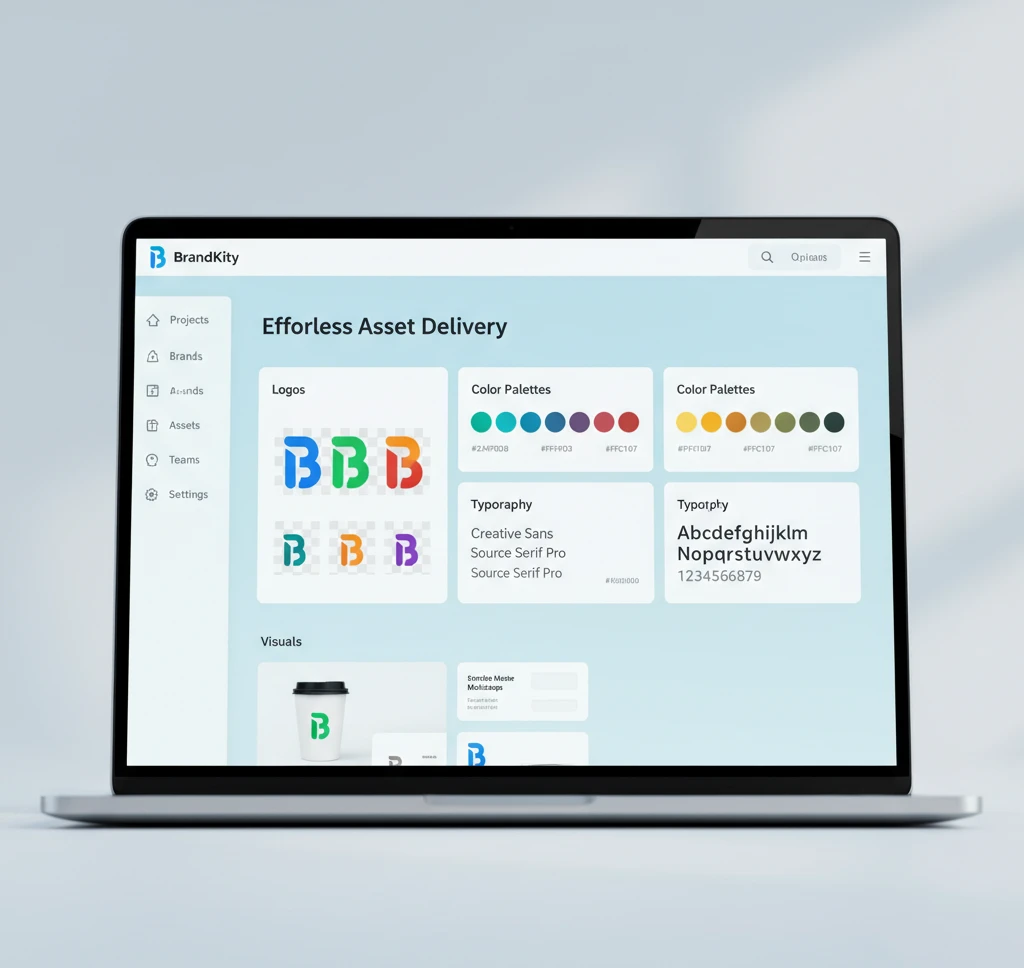
The ultimate goal of an efficient brand handoff is to consolidate all essential brand assets into a single, easily shareable link. This approach revolutionizes how creatives deliver work to clients, moving away from cumbersome email attachments and disorganized cloud folders. A centralized link provides a professional, unified gateway to the client’s entire brand identity. It ensures that clients and their teams can access everything they need, from the smallest icon to the most complex brand guideline document, through one clean, structured URL. This not only simplifies the delivery process for the agency but also significantly enhances the client’s experience, empowering them with immediate and organized access to their valuable brand assets.
This consolidated delivery method acts as a definitive source of truth, minimizing confusion and ensuring brand consistency across all future marketing and communications efforts. It’s about providing a polished, professional final product that reflects the quality of your creative work. By adopting a strategy that leverages a single point of access, you streamline communication, reduce the potential for errors, and build stronger client relationships based on efficiency and clarity. This is the future of brand asset delivery, designed to empower both creators and their clients.
Why a Single Source of Truth is Non-Negotiable
In the dynamic world of branding, having a single source of truth for brand assets is no longer a luxury – it’s a necessity. When clients have one definitive link to access all their approved logos, color palettes, fonts, and visual elements, the risk of using outdated or incorrect materials plummets. This singular point of access eliminates the confusion that arises from multiple file locations, disparate email threads, and version control issues. For agencies, it means a significant reduction in support queries related to finding or verifying assets. This unified approach not only streamlines the client’s ability to implement their brand consistently but also safeguards the integrity of the brand identity you’ve meticulously crafted, ensuring all communication efforts are aligned and professional.
Organizing for Clarity: Folders, Tags, and Searchability
A centralized link is only effective if the content it leads to is impeccably organized. Implementing a clear folder structure is the first step. Group assets logically, for instance, by category (Logos, Colors, Typography, Imagery) and then by sub-category (e.g., Primary Logos, Secondary Logos, Iconography). Beyond folders, leverage tagging for enhanced searchability. Tagging assets with relevant keywords (e.g., “social media icon,” “print logo,” “website color”) allows clients and team members to quickly find what they need, even if they’re unsure of the exact file name or location. A robust search functionality within the platform is crucial, enabling users to perform quick, precise searches, saving valuable time and preventing frustration. This layered approach to organization ensures that finding the right asset is intuitive and effortless.
Granting Access: Permissions for Clients and Team Members
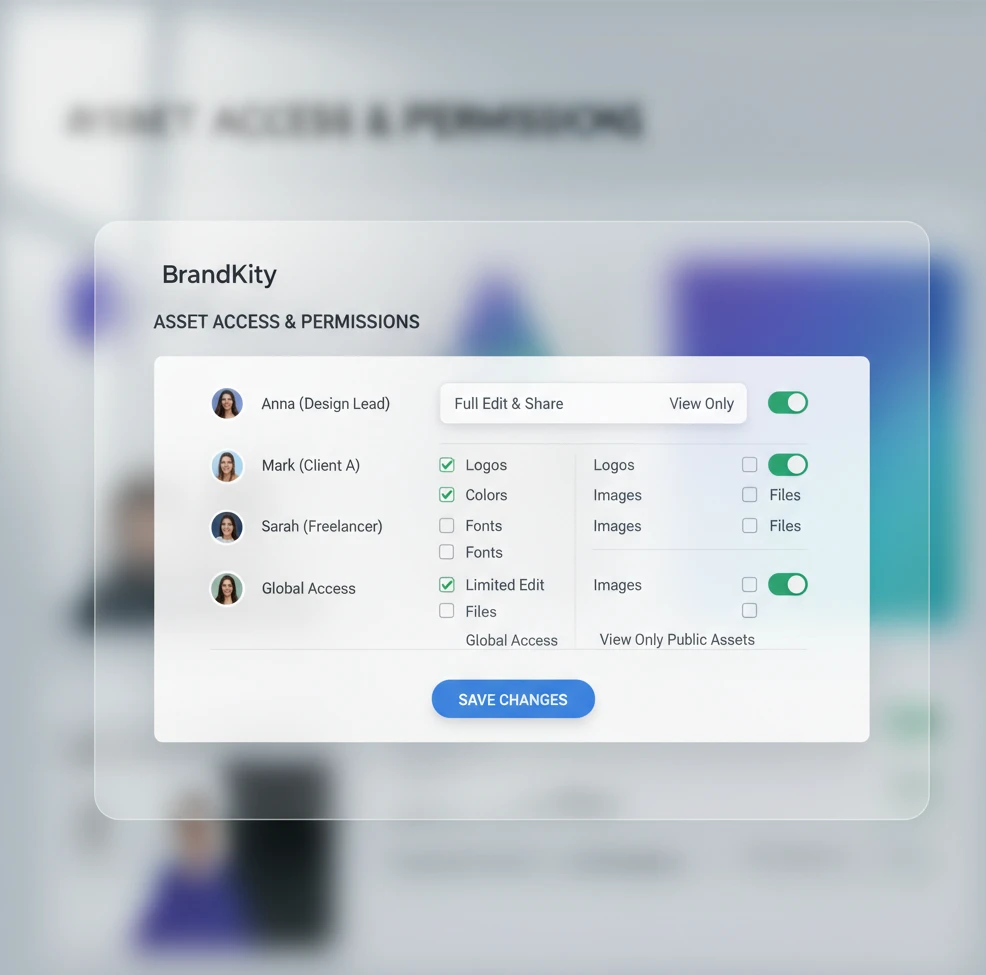
The power of a centralized asset delivery system is amplified by granular access control. You should be able to grant specific permissions for different users. For clients, this might mean full access to download all final brand assets. For internal team members, you might create different roles: some might have download permissions, while others might only have viewing access, or perhaps the ability to upload new asset iterations for review. This controlled access ensures that sensitive or work-in-progress files are protected while still facilitating smooth collaboration. Implementing clear permission settings is vital for maintaining security, managing workflows efficiently, and ensuring that only authorized individuals can access and distribute brand assets, preventing accidental misuse or unauthorized modifications.
Streamlining Your Workflow: From Project Completion to Client Delight
Pre-Delivery Checklist: Ensuring Everything is Polished
Before you hit send on that final delivery link, a robust pre-delivery checklist is your last line of defense against errors and oversights. This isn’t just about checking if all files are present; it’s a comprehensive review to ensure the assets are accurate, correctly formatted, and align perfectly with the project’s scope and the client’s needs. Start by verifying that all promised asset types are included, from primary logos in various formats (SVG, PNG, JPG) to secondary marks, color palettes, typography files, and any requested visual elements. Confirm that file naming conventions are consistent and logical, making them easy for clients to understand and integrate into their systems. Test all links within the delivery package to ensure they are active and lead to the correct files. A crucial step is reviewing the assets against the finalized brief or scope of work; this prevents scope creep and ensures you’re delivering exactly what was agreed upon. For example, if the client requested web-optimized PNGs, double-check that these are provided and not just print-ready TIFF files. This meticulous review process minimizes post-delivery revisions and fosters immediate client satisfaction.
Beyond technical accuracy, consider the quality and consistency of the assets. Are the colors precisely matched to the brand guidelines? Is the kerning and leading in the typography files as intended? For logos, ensure there are no unintended artifacts or pixelation, especially in vector formats. A common pitfall is delivering outdated versions of assets; maintain a clear system for version control within your own project files to ensure only the final, approved versions are shared. For instance, a quick audit might reveal that an older iteration of the primary logo was accidentally included. By implementing a detailed checklist, such as one that includes points like “Verify all color codes (HEX, RGB, CMYK) match approved swatch,” “Confirm font files are properly licensed and packaged,” and “Check all image resolutions meet project requirements,” you significantly reduce the likelihood of client confusion or frustration. This disciplined approach not only enhances professionalism but also builds trust and a reputation for reliability.
Structuring Your Delivery Link for Intuitive Navigation
The way you structure your asset delivery link directly impacts the client’s experience and their ability to find what they need quickly. A well-organized delivery portal acts as a central hub, preventing the chaos of scattered files and endless email attachments. Think of it as building a mini-website for the brand’s visual identity. Start by creating clear, logical categories. Common categories include “Logos,” “Color Palette,” “Typography,” “Imagery,” and “Application Examples.” Within each category, further organize by file type or usage. For example, under “Logos,” you might have subfolders for “Primary Logo,” “Secondary Logo,” and “Logo Variations,” each containing the relevant file formats (e.g., SVG, PNG, JPG). Prioritize ease of access for the most frequently used assets.
Consider how clients will actually use these assets. A marketing manager might need web-ready PNGs for social media, while a print designer requires high-resolution PDFs or EPS files. Your folder structure should anticipate these needs. For instance, within the “Logos” folder, you could have sub-folders like “Web Use” and “Print Use,” each containing the appropriate file types. Use descriptive folder and file names; avoid jargon or internal project codes that the client won’t understand. Instead of “logo_v3_final_revised_final.svg,” opt for something like “primary-logo-full-color.svg.” Furthermore, include a “Read Me” or “Getting Started” document at the root level of the delivery link. This document can provide a brief overview of the assets, explain the folder structure, and offer guidance on how to use them, significantly reducing the learning curve for the client. Platforms like BrandKity excel at enabling this structured approach, allowing you to customize the organization and presentation of assets, making the entire process feel seamless and professional.
Communicating the Value: Guiding Your Client Through the Assets
A successful brand asset delivery isn’t just about handing over files; it’s about educating your client on how to use them effectively to maintain brand integrity. This communication bridges the gap between the creative work and its practical application. When you deliver the assets, accompany them with a clear, concise message that highlights the purpose and intended use of each asset category. For instance, explain why SVG files are essential for scalable logos, or how the specified CMYK values ensure accurate color reproduction in print. Frame the assets within the context of the brand strategy you’ve developed together, reminding them how these elements support their overall business goals.
A valuable addition to your delivery package is a brief, visually engaging presentation or guide. This could be a short PDF document or a dedicated section within your delivery platform that uses mockups to demonstrate the assets in action. For example, show the logo applied to a business card, a website header, or social media profile. This not only illustrates the assets’ versatility but also reinforces the visual identity you’ve crafted. Explain the nuances of the brand’s color palette, detailing primary and secondary colors and their emotional associations. Similarly, provide guidance on typography, including correct usage for headings, body text, and calls to action. If there are specific dos and don’ts, clearly articulate them. A common pitfall is clients stretching or altering logos, so explicitly stating “Do not stretch or distort the logo” and showing an example of incorrect usage can prevent this. This proactive guidance empowers your client to become a confident brand steward, ensuring consistency and maximizing the impact of your design work long after the project is complete. This commitment to client education is a hallmark of professional design services and is central to a truly effective client handoff process.
Beyond Basic Delivery: Elevating Your Brand Handoff Game
Integrating Brand Guidelines Directly into the Delivery
Moving beyond simple file delivery, integrating comprehensive brand guidelines directly into the asset package transforms your handoff into a fully functional brand system for your client. This approach ensures that the visual identity is not just delivered, but understood and applied correctly. Think of the brand guidelines as the DNA of the brand; they dictate how all assets should be used to maintain a cohesive and professional image. Your delivery platform should allow you to host these guidelines alongside the assets, making them easily accessible. Structure the guidelines logically, perhaps mirroring the asset categories: Logo Usage, Color Palette, Typography, Imagery Style, Tone of Voice, and Application Examples. Each section should provide clear rules and rationale.
For instance, under “Logo Usage,” include not only the approved logo files but also explicit rules on clear space, minimum size, and acceptable variations. Show visual examples of both correct and incorrect usage – this is far more impactful than text alone. Similarly, for the “Color Palette,” list primary, secondary, and accent colors with their corresponding values (HEX, RGB, CMYK, Pantone if applicable) and explain when and how to use each. When it comes to “Typography,” specify the primary and secondary fonts, their intended weights, and guidelines for hierarchy in headlines, subheadings, and body copy. A crucial element is explaining the strategic intent behind these guidelines, linking them back to the client’s brand objectives. For example, a minimalist color palette might be explained as reinforcing a brand’s association with clarity and sophistication. By presenting brand guidelines as an integral part of the asset delivery, you equip your client with the knowledge to independently maintain brand consistency, reducing reliance on you for every minor application and solidifying your role as a strategic partner, not just a vendor. Platforms designed for comprehensive brand asset delivery, like BrandKity, facilitate this by allowing you to bundle these critical documents and interactive elements directly into the client-facing link.
Showcasing Visual Examples: Mockups and Use Cases
Words can only convey so much; visual demonstrations are paramount when showcasing how brand assets are intended to be used. Integrating high-quality mockups and clear use-case examples into your delivery package moves beyond a dry list of files and transforms the handoff into an inspiring and educational experience for your client. This step helps them visualize the brand identity in real-world applications, making it easier for them to understand its potential and how to deploy it effectively. For logos, provide mockups showing them on various mediums: a digital banner, a printed brochure, social media avatars, merchandise, and even packaging. This illustrates versatility and scalability across different contexts. Highlighting specific applications can also be incredibly valuable.
For example, if your client is launching a new product, show mockups of the product packaging featuring the new branding. If they have an active social media presence, demonstrate how the brand’s visual elements – colors, fonts, and imagery style – should be consistently applied to their posts. For typography, show examples of headlines, body text, and calls-to-action formatted correctly on a website or in a document. Consider creating a dedicated “In Action” or “Examples” section within your delivery link. This could feature a curated gallery of these mockups, perhaps accompanied by brief captions explaining the context. A common pitfall is clients misinterpreting how certain elements should function or appear. For instance, a client might use a tagline without the correct typographic hierarchy or apply a logo to a busy background where it lacks sufficient contrast. By providing clear, visually compelling examples of correct application, you preemptively address these potential issues. This not only saves you time on future consultations but also empowers your client to implement the branding with confidence and accuracy, ensuring the visual identity maintains its intended impact.
Providing Version History: Tracking Updates and Revisions
In the dynamic world of brand management, assets are rarely static; they evolve. Providing a clear, accessible version history within your asset delivery is crucial for transparency, accountability, and future maintenance. This feature allows clients to understand the evolution of their brand assets, track significant updates, and easily access previous iterations if needed. When you deliver the final package, include a detailed log or changelog that outlines the key revisions made to each asset category. For instance, if the primary logo underwent a slight refinement to its baseline alignment, this should be noted. Documenting the ‘why’ behind changes can also be beneficial, linking updates back to strategic decisions or feedback.
A well-implemented version history should be easily navigable. This could be a dedicated section within your brand guidelines document, a separate file within the delivery link, or a feature integrated directly into your chosen asset delivery platform. For each version, list the date of the update, the specific assets affected, and a brief description of the changes. For example: “2026-03-15: Logo Update – Refined color palette for primary logo to enhance digital contrast.” If older versions of key assets need to be retained for compatibility reasons (e.g., legacy marketing materials), ensure these are clearly labeled as such and perhaps housed in a separate “Archive” folder within the delivery link. A common pitfall is clients unknowingly using outdated assets, leading to inconsistencies. By providing a robust version history, you empower clients to stay current with the approved brand standards and understand the lineage of their visual identity. This meticulous approach demonstrates a commitment to long-term brand health and positions you as a proactive partner in their brand’s journey, facilitating smoother updates and collaborations in the future. Understanding the importance of managing these changes is key to mastering your brand asset delivery workflow.
For Freelancers: Winning Client Trust with Professional Asset Delivery
Standing Out in a Crowded Market
As a freelance creative, your asset delivery is often the final impression you leave with a client. Making this step exceptionally professional and organized is a powerful differentiator in a competitive landscape. It’s not just about delivering files; it’s about delivering an experience that speaks to your attention to detail, reliability, and commitment to their brand’s success. Think beyond a generic ZIP file. A structured, branded delivery link that houses all assets logically, accompanied by clear instructions and possibly usage examples, elevates your service from transactional to consultative. Clients are increasingly looking for partners who can provide a comprehensive solution, not just individual deliverables.
Consider the pitfalls: scattered files across multiple platforms, confusing naming conventions, or missing asset types can lead to frustration and damage your reputation. By contrast, a client who can easily access and understand their brand assets feels empowered and confident in your work. This positive experience fosters repeat business and valuable referrals. For instance, a freelance graphic designer might offer a branded portal showcasing the logo in various formats, the complete color palette with codes, all approved fonts, and even simple social media templates. This proactive approach demonstrates foresight and a deep understanding of their needs. When you present assets in a polished, intuitive manner, you’re not just delivering files; you’re delivering peace of mind and reinforcing your value as a professional. This dedication to a superior client experience is what transforms one-off projects into lasting relationships.
Setting Expectations for Future Projects
Your asset delivery is more than just a final deliverable; it’s a foundational element for any future collaborations with the client. A well-structured and documented asset handoff clearly sets the stage for how future projects will be managed and what the client can expect from you. By providing comprehensive brand guidelines alongside the assets, you’re essentially handing over the blueprint for their brand’s visual language. This document serves as a reference point, minimizing the need for constant clarification on branding elements in subsequent projects. Clients understand the ‘rules of engagement’ for their brand’s visual identity.
For example, if a client returns for a website refresh, they can immediately refer to the delivered brand guidelines to ensure any new elements align with the established identity. This proactive approach reduces the back-and-forth communication required for approvals and ensures consistency from the outset. A common pitfall is clients asking repeated questions about basic branding elements because the initial delivery lacked clear documentation. By including sections on logo usage, color palettes, typography, and imagery style, you empower clients to maintain brand integrity independently. This not only saves you time but also builds trust, as the client sees you as someone who invested in their long-term brand success. Presenting a clear version history within the delivery further reinforces professionalism and sets expectations for how updates will be managed in the future. This meticulous preparation transforms a simple file transfer into a strategic onboarding process for their brand.
Turning Clients into Brand Advocates
Delivering brand assets professionally is a powerful opportunity to cultivate loyal clients who become enthusiastic advocates for your services. When clients receive a well-organized, visually appealing, and easy-to-understand package of their brand assets, it signals a high level of care and expertise. This positive experience goes beyond mere satisfaction; it instills confidence and demonstrates your commitment to their success. A structured delivery link that includes clear categories, intuitive navigation, and helpful usage guides makes it effortless for clients to integrate their new branding into their business operations. This ease of use directly translates into positive perception.
Consider the impact of providing mockups and use-case examples. When clients can visually see how their logo looks on a website, their business cards, or social media, it reinforces the value of your work and inspires them to implement it confidently. This visual reinforcement can significantly boost their enthusiasm for their own brand. A common pitfall is clients feeling overwhelmed or unsure about how to use the delivered assets, leading to hesitant adoption or inconsistent application. By proactively addressing these potential issues through clear documentation and examples, you remove barriers and foster confident brand stewardship. A client who feels empowered and impressed by your delivery process is far more likely to recommend your services to others. This dedication to a superior client experience, culminating in a professional and actionable asset handoff, is what transforms satisfied customers into vocal proponents of your freelance business.
For Agencies: Scaling Your Brand Delivery Processes
Ensuring Consistency Across Teams and Projects
For agencies, the challenge of delivering brand assets at scale lies in maintaining unwavering consistency across multiple teams, projects, and clients. A standardized and systematized asset delivery process is not a luxury but a necessity for efficient operation and maintaining brand integrity for your clients. This involves creating a framework that dictates how assets are organized, documented, and shared. Begin by establishing clear internal protocols for asset management within your agency, ensuring that all project teams adhere to the same naming conventions, file formats, and organizational structures. Platforms designed for professional brand asset delivery can automate many of these requirements, enforcing best practices by default.
Implementing a robust template for asset delivery ensures that every client receives a similar, high-quality experience, regardless of which team is managing their project. This template should include predefined folder structures, standard guideline sections, and a consistent method for version tracking. For example, a standard delivery might always include a “Brand Kit” folder containing core assets, a “Guidelines” document, and an “Applications” folder showcasing mockups. Pitfalls to avoid include project-specific silos where teams develop disparate delivery methods, leading to confusion for both internal staff and clients. By centralizing your approach, perhaps through a dedicated brand asset management system, you reduce the learning curve for new team members and ensure that even complex branding projects are handed off with precision. This commitment to consistency is vital for building client trust and demonstrating your agency’s operational excellence, making your delivery process a hallmark of your professional service.
Onboarding New Clients Efficiently
The initial onboarding phase for new clients is critical for setting the tone for the entire engagement, and your brand asset delivery process plays a significant role. For agencies, developing an efficient and professional onboarding workflow that includes asset delivery can dramatically streamline the client relationship from day one. This process should be repeatable, scalable, and designed to instill confidence in the client that they have partnered with a capable and organized team. A standardized approach ensures that regardless of the project’s complexity or the specific team involved, the client receives a consistent, high-quality experience that clearly communicates their brand’s foundational elements.
Consider creating a tiered delivery system or a customizable template that can be adapted to different client needs while maintaining core standards. For instance, a basic template might include essential logo files and color palettes, while a more comprehensive delivery for larger branding projects could incorporate detailed style guides, usage examples, and interactive elements. A common pitfall in agency onboarding is relying on ad-hoc methods that can lead to missed information or a disorganized client experience. By leveraging a platform that supports structured asset delivery, agencies can ensure that all necessary brand assets, guidelines, and supporting materials are presented in a clear, logical, and accessible manner. This proactive provision of information not only educates the client but also preempts many common questions, reducing internal support overhead. A smooth, professional asset handoff establishes credibility and sets a strong foundation for a successful, long-term client partnership.
Reducing Internal Bottlenecks and Support Requests
Inefficient asset delivery is a frequent source of internal friction and client support requests for creative agencies. By implementing a streamlined and self-service oriented asset delivery system, agencies can significantly reduce bottlenecks and free up valuable team resources. The key is to create a central, easily navigable repository for all brand assets, complete with clear documentation and usage guidelines. This empowers clients and internal teams alike to find the information they need without constant intervention.
A common pitfall is scattered file storage across various cloud services or individual hard drives, leading to wasted time searching for the correct versions. A centralized platform, like BrandKity, consolidates all approved assets, ensuring everyone is working with the definitive files. Furthermore, embedding comprehensive brand guidelines, including logo usage rules, color palettes, and typography specifications, directly within the delivery link acts as a self-service support resource. When clients can easily find answers to common questions about asset usage, it dramatically reduces the number of reactive support requests your account managers or project leads receive. For example, instead of emailing a designer to ask for the specific HEX code of a brand color, a client can simply access the provided guidelines. This proactive approach to information sharing not only saves time but also ensures brand consistency across all applications, as clients are guided by the established standards. Ultimately, investing in a robust asset delivery process leads to greater operational efficiency and enhanced client satisfaction through clear, consistent communication.
Alternatives to One-Link Delivery (and When to Choose Them)
While a singular, curated link offers unparalleled simplicity for brand asset delivery, it’s not the only solution. Understanding alternative methods and their inherent strengths allows for strategic choices tailored to specific client needs and project complexities. For instance, a client with a small, tech-savvy marketing team might not require the formal structure of a dedicated platform, whereas a large corporation with multiple departments and strict compliance protocols will benefit from more robust solutions. Evaluating the client’s technical proficiency, the volume and sensitivity of assets, and the long-term accessibility requirements are crucial decision points. The pitfall here often lies in over-engineering a solution for a simple need, or conversely, using a too-basic method that leads to disorganization and confusion down the line. Choosing the right delivery method directly impacts client satisfaction and the longevity of brand asset usability.
Shared Cloud Storage (e.g., Google Drive, OneDrive): Best For…
Shared cloud storage services like Google Drive or OneDrive are excellent options for delivering individual files or smaller, less complex asset sets, especially to clients who are already familiar with and actively use these platforms. Their primary advantage is ease of use and accessibility, allowing for quick uploads and downloads without requiring clients to learn new software. This is particularly beneficial for freelancers or small agencies working with clients on shorter-term projects or those who prioritize immediate, no-fuss sharing. For example, a designer delivering a batch of social media graphics or a set of editable design files could create a shared folder. The key decision criterion is the client’s comfort level and the manageable volume of assets. A pitfall to watch out for is the rapid accumulation of folders and subfolders, which can quickly become a chaotic mess, mirroring the very problem you aim to solve. Without a clear naming convention and folder structure, even cloud storage can lead to asset retrieval issues. The ability to grant specific permissions (view, edit, comment) adds a layer of control, but it’s still fundamentally a file-dump mechanism rather than a curated brand experience. For guidance on structuring your assets before sharing, exploring a master brand asset delivery workflow can provide valuable insights.
Project Management Tools with File Sharing (e.g., Asana, Trello): When They Shine…
Project management tools, when integrated with file-sharing capabilities, can be highly effective for delivering brand assets within the context of a larger project. If a client is already using Asana, Trello, or a similar platform for project collaboration, attaching relevant brand assets directly to tasks or project boards streamlines communication and ensures that assets are accessible exactly when and where they are needed. This approach is particularly beneficial for agencies managing ongoing client work where asset delivery is a recurring event tied to specific campaign deliverables. For instance, a marketing agency could upload approved logo variations to a specific task related to a new ad campaign. The decision to use this method hinges on the client’s existing workflow and the desire to keep all project-related assets within a single, collaborative environment. A significant pitfall is that these tools are not purpose-built for asset management; search functionalities might be limited, and organizing a large volume of diverse assets across multiple projects can become cumbersome. Furthermore, if the client’s primary use of the tool is not asset-centric, they might overlook or struggle to locate the brand files amidst other project data. Ensuring proper tagging and clear task descriptions is vital for discoverability. When considering how to present these files, think about how they contribute to the overall streamlined client handoff process.
Dedicated Brand Management Software: The Enterprise Solution
For larger organizations or businesses with extensive brand guidelines and a high volume of assets distributed across numerous teams and regions, dedicated brand management software (often referred to as Digital Asset Management or DAM systems) is the most robust and scalable solution. These platforms are specifically engineered for the secure storage, organization, and distribution of brand assets. They offer advanced features such as granular permission controls, version history, asset usage rights tracking, sophisticated search capabilities, and often integrate with other marketing and creative tools. An example would be a global retail chain using a DAM to ensure all its country-specific marketing teams have access to the correct, up-to-date logos and campaign visuals, while also preventing unauthorized use. The primary decision criterion is the scale of the operation and the need for centralized control and governance. The main pitfalls involve higher costs, a steeper learning curve, and potentially unnecessary complexity for smaller clients. Implementing a DAM requires a significant investment in time and resources, making it overkill for agencies delivering assets to individual small businesses. However, for enterprises, it’s an investment in maintaining brand consistency and efficiency across the entire organization. Resources like those from the Digital Asset Management industry can provide further insight into enterprise-level solutions.
Future-Proofing Your Brand Assets: Adapting to Evolving Needs
The digital landscape is in constant flux, and so are the ways in which brand assets are created, managed, and consumed. To ensure your brand’s assets remain relevant and accessible long into the future, it’s imperative to adopt strategies that anticipate and adapt to these changes. This involves not only selecting the right delivery tools but also embracing technologies and methodologies that promote longevity and flexibility. The key is to move beyond static delivery and prepare for dynamic, intelligent asset utilization. For instance, consider how easily a logo needs to be adapted for a new holographic display versus a traditional print ad; the underlying asset needs to support both. Building a future-proof asset strategy means considering potential shifts in design trends, user interface paradigms, and consumption channels. The primary challenge is balancing current needs with future possibilities, a task that requires foresight and a willingness to integrate emerging technologies. By proactively planning for evolution, you safeguard your brand’s visual identity and ensure its continued impact.
The Rise of Dynamic Asset Delivery
Dynamic asset delivery represents a significant leap forward from static file downloads. Instead of providing a fixed version of an asset, dynamic delivery systems serve optimized versions of assets in real-time, based on the context of their use. This is particularly crucial for digital experiences where screen sizes, resolutions, and bandwidth vary dramatically. For example, a high-resolution brand illustration might be automatically resized and compressed to load quickly on a mobile device, then served in its full glory on a desktop. Decision criteria for adopting dynamic delivery include the prevalence of digital platforms in your client’s marketing mix and the need for performance optimization. Pitfalls can include the initial complexity of setting up such systems and the requirement for specialized infrastructure or integrations. However, the benefits – faster load times, improved user experience, and reduced storage needs by serving on-demand variations – are substantial. This approach ensures that a single master asset can adapt to virtually any application, greatly enhancing its utility and longevity across diverse touchpoints.
AI’s Role in Asset Organization and Generation
Artificial intelligence is rapidly transforming how we interact with brand assets, offering powerful capabilities for both organization and creation. AI-powered tools can automatically tag, categorize, and even generate new assets based on existing brand parameters. Imagine an AI that can analyze a library of product shots and automatically create variations for different e-commerce platforms, or one that can suggest color palettes or font pairings that align with your brand’s established aesthetic. Decision criteria for integrating AI involve the volume of assets needing management and the desire to accelerate content creation workflows. The main pitfalls are the current limitations of AI in fully grasping nuanced brand identity or generating truly unique, high-quality creative work without human oversight. Furthermore, reliance on AI requires careful training and validation to ensure outputs remain on-brand. As AI technology matures, its role in reducing manual effort, enhancing asset discoverability through intelligent search, and even assisting in the creation of foundational visual elements will become increasingly indispensable for maintaining a dynamic and efficient brand presence.
Maintaining Your Brand’s Integrity Over Time
Ensuring brand integrity over extended periods requires a multifaceted approach that goes beyond initial asset delivery. It involves establishing clear governance, fostering consistent application, and regularly reviewing and updating assets. Consistent brand application across all touchpoints is paramount to building recognition and trust. This means providing accessible, well-organized brand guidelines alongside assets, and potentially implementing checks or training for those who will be using them. For example, a brand might periodically audit its marketing materials to identify and correct instances of off-brand usage. The decision to invest in ongoing maintenance stems from the understanding that brand equity is built over time through consistent messaging and visual identity. Pitfalls include letting guidelines become outdated, not having a process for asset retirement or updates, or failing to communicate changes effectively to all stakeholders. A robust system for brand asset delivery, like BrandKity, can greatly facilitate this by ensuring everyone accesses the approved, latest versions, thereby acting as a central pillar in preserving a cohesive and powerful brand identity.
Saurabh Kumar
Founder, BrandKity
Saurabh writes about practical brand systems, faster client handoffs, and scalable workflows for designers and agencies building repeatable delivery operations.
Connect on LinkedIn