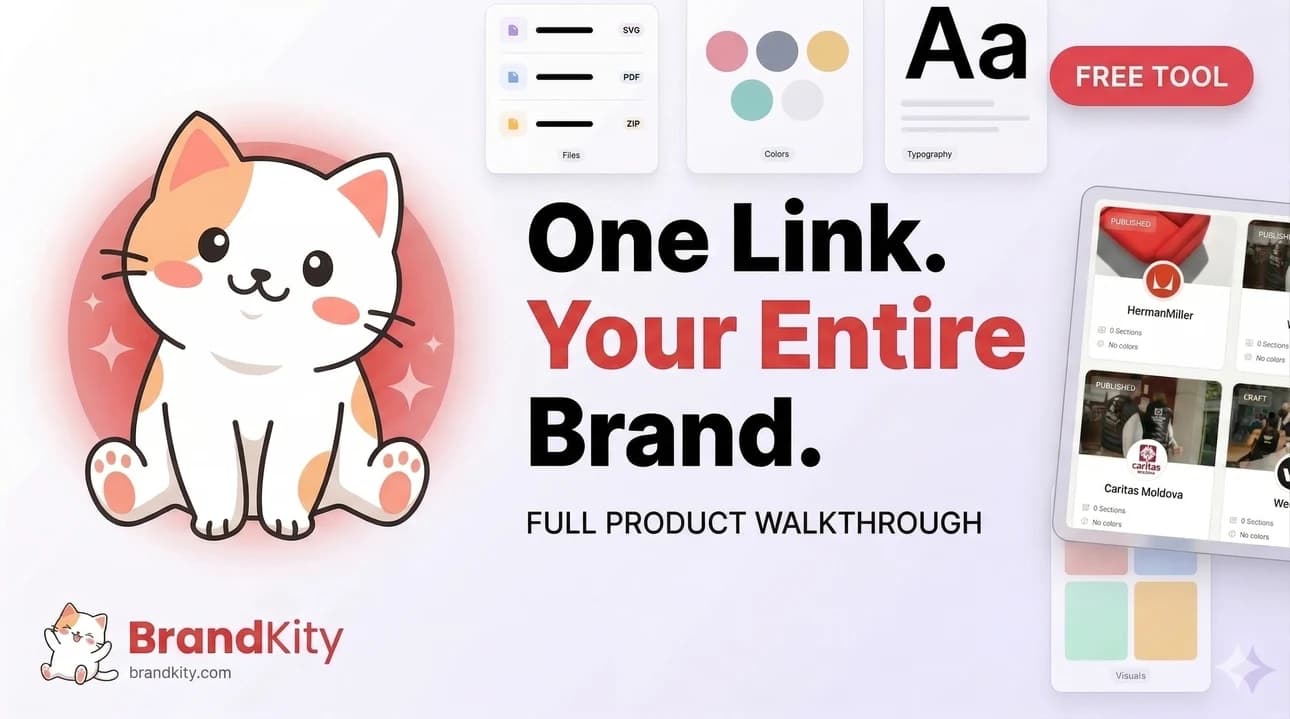
Pro Brand Assets: Streamlined Delivery
As a designer or agency, the final stage of a project—delivering brand assets—can often feel like navigating a maze. Juggling client expectations, ens…

Table of contents
- Tired of the Brand Asset Chaos? It’s Time for a Better Way
- Beyond the Zip File: The Evolution of Brand Asset Delivery
- Organizing Your Brand’s DNA: Essential Asset Categories
- The Client’s Perspective: What Makes a Brand Handoff Truly Professional?
- Building Your ‘Pro Brand Assets’ Hub: Key Components for Success
- A Logical Folder Structure That Makes Sense
- Clear Naming Conventions for All Files
- Including Usage Documentation and Best Practices
- Beyond Basic Files: Enriching Your Brand Delivery
- Brand Guidelines: The Rulebook for Consistent Application
- Interactive Elements: Demonstrating Design Intent
- Providing Examples of Real-World Application
- Streamlining Your Workflow: From Project End to Client Success
- Automating Asset Collection and Organization
- The Power of a Centralized Link for Updates
- Reducing Repeat Requests and Support Time
- Designing for Scalability: Future-Proofing Your Brand Assets
- How Your Delivery Method Supports Design Systems
- Adapting to Evolving Brand Needs
- Ensuring Long-Term Accessibility and Usability
- The Freelancer’s Edge: Elevating Your Client Handoff Game
- Differentiating Your Services with Professional Delivery
- Saving Time and Reinvesting in Client Relationships
- Turning Handoffs into Repeat Business Opportunities
- Agency Best Practices: Mastering the Art of the Brand Deliverable
- Ensuring Consistency Across Multiple Projects and Designers
- Onboarding New Team Members with Clear Brand Resources
- The Strategic Advantage of a Polished Brand Handoff
- Actionable Steps for Implementing Streamlined Brand Asset Delivery Today
- Assess Your Current Handoff Process: Identify Bottlenecks
- Define Your Essential Asset Categories and Documentation Needs
- Choose the Right Tools to Support Your Workflow (Hint: Think Beyond Email)
As a designer or agency, the final stage of a project—delivering brand assets—can often feel like navigating a maze. Juggling client expectations, ensuring file integrity, and providing comprehensive resources can lead to unnecessary stress and lost time. What if there was a way to transform this often-chaotic process into a moment of professional clarity and efficiency?
Imagine a system that not only organizes every logo, color swatch, and font but also presents them in a way that empowers your clients. This isn’t about simply handing over a folder; it’s about providing a dynamic, accessible hub that solidifies your expertise and ensures your brand’s longevity. Let’s explore how streamlining this crucial delivery phase can elevate your service and client satisfaction.
Tired of the Brand Asset Chaos? It’s Time for a Better Way
The digital landscape is littered with the remnants of poorly managed brand assets: client folders stuffed with outdated logos, a jumble of file types with no clear context, and endless email chains asking for that “one specific icon.” This disorganization isn’t just an aesthetic problem; it translates directly into tangible business costs. When assets are scattered, finding the right version becomes a time-consuming scavenger hunt, often delaying client implementation and marketing efforts. This can lead to missed launch dates, frustrated clients who feel unsupported, and ultimately, a dent in your agency’s reputation for professionalism and efficiency.
Traditional brand handoffs, often relying on shared drives or simple email attachments, frequently fall short because they fail to account for the user’s journey after receiving the files. They provide static content without the necessary context or guidance. This lack of structure means clients are left to interpret usage rules, leading to accidental brand dilution or misuse. For your business, this translates to more reactive support requests, potential rework, and a less-than-ideal client experience. It’s a cycle that drains resources and erodes the perceived value of your work, impacting profitability and client retention.
Picture a scenario where every single brand asset—from the primary logo in every necessary format to the precise color codes and font files—is housed in one easily navigable, secure location. This isn’t a futuristic dream; it’s the reality of a single source of truth for brand assets. Such a system eliminates guesswork, minimizes errors, and provides clients with immediate access to everything they need. This centralized approach not only simplifies asset management for them but also acts as a powerful testament to the thoroughness and professionalism of your delivery, reinforcing the value of your creative partnership.
Beyond the Zip File: The Evolution of Brand Asset Delivery
The days of packaging final brand assets into a cumbersome ZIP file are rapidly becoming a relic of the past. While these archives served a purpose, they often lacked crucial context and were prone to version control issues. The evolution has moved towards more structured and accessible formats, shifting from simple file dumps to curated digital experiences. This transformation is driven by the need for greater clarity, easier navigation, and enhanced usability for the end-user, whether they are a marketing team, a web developer, or an internal design department. The goal is to provide not just files, but a guided brand experience.
Clients today require more than just a collection of static files. They need understanding. This means providing clear guidelines on how to use logos, explaining the rationale behind color choices, and ensuring they have the correct font licenses and usage permissions. A simple file delivery often leaves clients feeling overwhelmed or uncertain, leading to potential misuse or a need for constant follow-up questions. Delivering a comprehensive brand package that includes contextual information and usage best practices empowers clients to confidently implement the brand across all their platforms and materials.
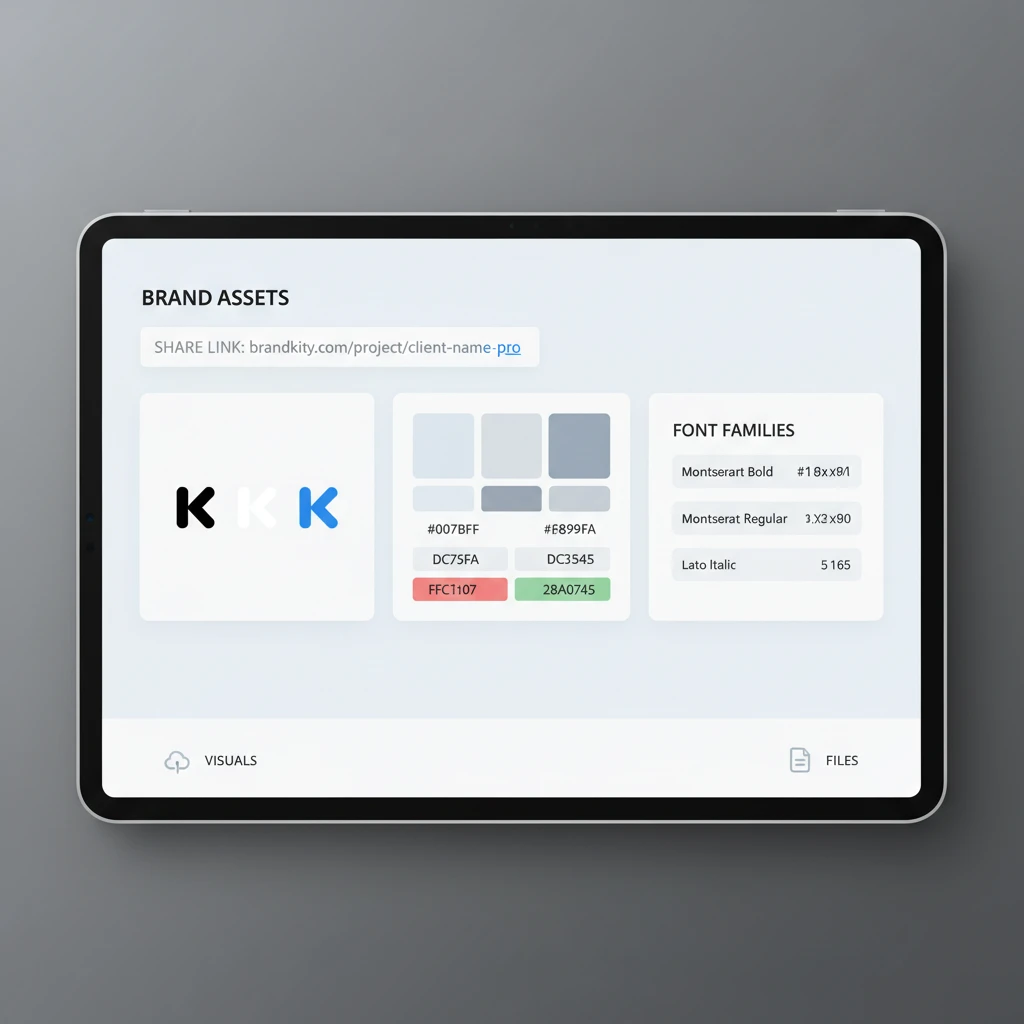
The advent of the ‘one link’ solution represents a significant leap forward in streamlining communication and access. Instead of sending multiple files or links via email, a single, shareable URL provides clients with a dedicated portal to all their brand assets. This streamlines communication by reducing back-and-forth inquiries and centralizing all brand-related resources. For clients, it means instant, organized access to what they need, when they need it, fostering a sense of independence and confidence in managing their brand. This method is key to preventing client confusion and ensures a smooth transition post-project.
Organizing Your Brand’s DNA: Essential Asset Categories
At the core of any brand’s visual identity are its logos, the fundamental building blocks of recognition. A comprehensive delivery must include logos in various formats, such as vector files (AI, EPS, SVG) for scalability without quality loss, and raster files (JPG, PNG) for web and specific applications. Crucially, accompanying these files should be clear usage guidelines. This includes specifying preferred versions, minimum sizes, clear space requirements, and unacceptable modifications. Providing these details prevents misuse and ensures consistent brand representation across all mediums, which is vital for brand consistency.
Color palettes are the emotional language of a brand, and their accurate representation is paramount. A professional handoff includes the full spectrum of brand colors, meticulously defined in the most relevant formats: HEX codes for digital interfaces, RGB for screen display, and CMYK for print. Understanding the context of these colors is also important; explanations of which colors are primary, secondary, or accent colors, and their intended applications, add significant value. This ensures that when a client needs to specify a color for a brochure or a website button, they have precise, actionable data, avoiding costly misinterpretations that can dilute the brand’s visual impact.
Typography carries personality and establishes a brand’s tone. Delivering font files requires careful attention to licensing, as misuse can lead to legal issues and financial penalties. A robust brand asset package should include the necessary font files (e.g., OTF, TTF) along with clear information about their licenses and permissible usage. Furthermore, best practices should be outlined, detailing font hierarchies for headings, body text, and captions, as well as guidance on tracking, kerning, and line spacing. This ensures that clients can maintain typographic consistency, a critical element in building a recognizable and professional brand presence.
Beyond logos, colors, and fonts, a brand’s visual narrative is further shaped by its imagery, icons, and illustration styles. This category encompasses everything from photography guidelines (mood, subject matter, editing style) to icon sets that provide visual cues for interfaces and marketing materials. If a brand utilizes custom illustrations, providing these assets along with guidelines on their application and evolution is essential. This ensures that all visual elements work harmoniously, creating a cohesive and compelling brand experience. For instance, a defined icon style can significantly enhance user interface clarity on a website or app.
The Client’s Perspective: What Makes a Brand Handoff Truly Professional?
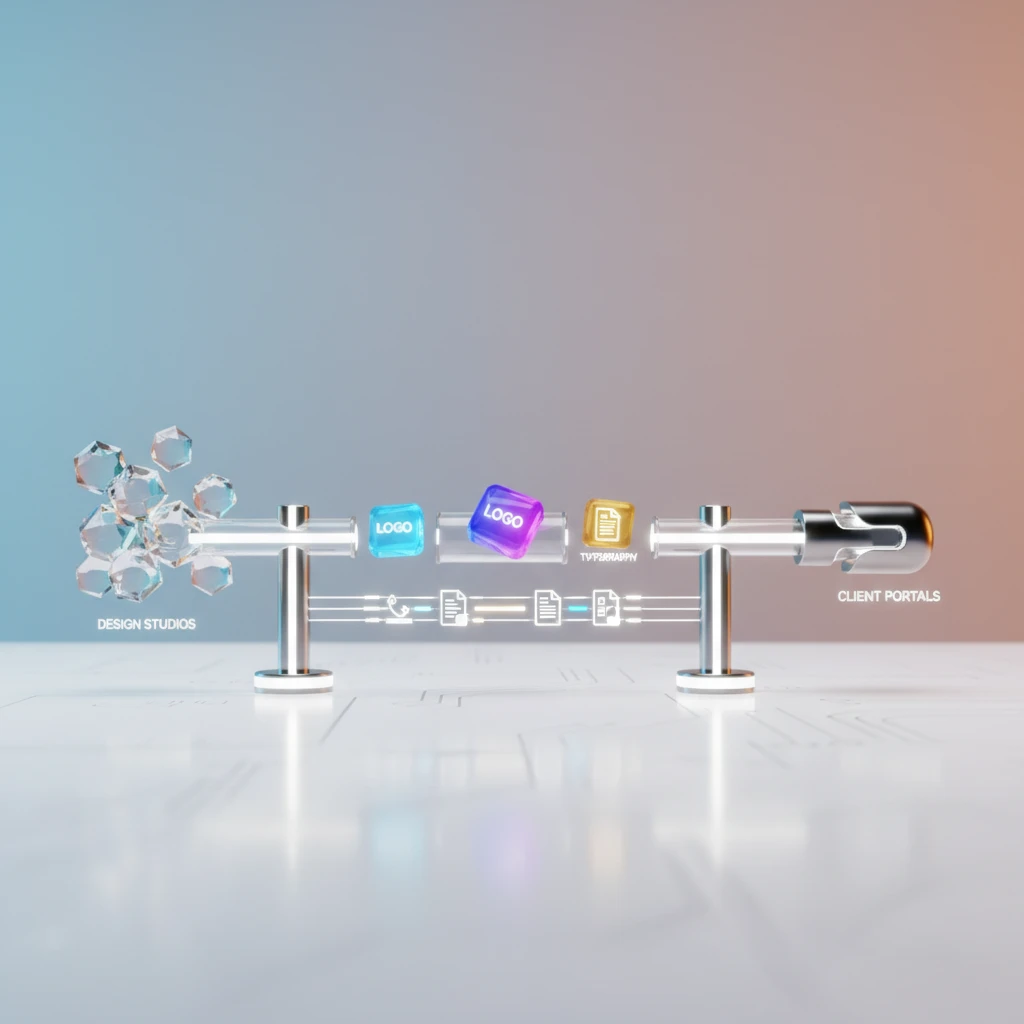
From a client’s viewpoint, the ultimate goal of a brand asset delivery is clarity and ease of understanding. They need to be able to navigate the provided materials without confusion, quickly find what they need, and understand how to use it correctly. This means organized folders, intuitive naming conventions, and readily accessible documentation. Presenting assets in a structured way, perhaps through a dedicated platform or a well-organized link, rather than a chaotic collection of files, demonstrates foresight and respect for their time. This is fundamental to mastering brand delivery.
A professional handoff significantly reduces client confusion by providing a self-service onboarding experience. Instead of clients needing to constantly reach out with basic questions about file formats or usage, a well-structured delivery system anticipates these needs. This might include an introductory overview, a FAQ section, or even short video tutorials embedded within the asset hub. Empowering clients to find answers independently not only saves your team time but also builds their confidence in managing the brand effectively. This proactive approach is a hallmark of excellent creative delivery.
Ultimately, clients perceive thoroughness and expertise as the cornerstones of trust. When you deliver brand assets in a professional, organized manner, you are implicitly demonstrating that you’ve meticulously considered every detail of their brand identity. This builds trust by showcasing your commitment to their project’s long-term success, beyond the initial design phase. It assures them that their brand is in capable hands and that you’ve equipped them with the tools necessary for consistent and impactful brand representation, preventing future issues that could arise from disorganized assets. This level of detail is crucial for agency workflow and client satisfaction.
Building Your ‘Pro Brand Assets’ Hub: Key Components for Success
Establishing a dedicated hub for your professional brand assets is fundamental to ensuring consistency and efficiency. This central repository acts as the single source of truth for all visual and stylistic elements. When building this hub, consider its scalability and accessibility from the outset. A well-organized hub not only benefits designers and internal teams but significantly enhances the client experience during handoff and beyond. Key components include a robust file structure, intuitive naming conventions, and comprehensive documentation that guides usage. Think of this hub as the foundation of your brand’s digital presence, ensuring every touchpoint is aligned with the core identity. Prioritizing these elements upfront will prevent future confusion and streamline workflows, making it easier to manage and distribute brand materials effectively.
A Logical Folder Structure That Makes Sense
The backbone of any efficient asset hub is a logical and intuitive folder structure. This isn’t just about tidiness; it’s about enabling quick retrieval of the correct file type, version, and format. Start with broad categories like “Logos,” “Typography,” “Color Palettes,” “Imagery,” and “Stationery.” Within these, create subfolders for variations (e.g., “Logos/Primary,” “Logos/Secondary,” “Logos/Iconography”) and formats (e.g., “Logos/Vector,” “Logos/Raster,” “Logos/Web”). Consider categorizing by use case, such as “Marketing,” “Web,” or “Print,” if your projects demand it. A common pitfall is an overly deep or inconsistent hierarchy that becomes difficult to navigate. For example, a structure like `Brand Assets > Logos > Vector > Primary > Horizontal` is generally clear. Conversely, a flat structure with hundreds of files or a system where similar files are scattered across different folders leads to wasted time and frustration. A well-defined structure ensures that new assets are added logically, maintaining order over time.
Example: A financial services client might have a structure like: `Logos` (with subfolders for primary, secondary, and wordmark variations in SVG, PNG, and JPG), `Typography` (with subfolders for primary, secondary, and web fonts in TTF, OTF, and WOFF formats), `Color Palettes` (with files for HEX, RGB, CMYK, and PMS values), and `Imagery` (categorized by campaigns or product lines). This organized approach minimizes the time spent searching for essential elements.
Clear Naming Conventions for All Files
Beyond folders, consistent and descriptive file naming conventions are crucial for a functional asset hub. This practice ensures that anyone can understand the content of a file simply by its name, eliminating the need to open multiple files for identification. A good naming convention typically includes the brand name, asset type, version, dimensions (if applicable), and file format. For instance, `BrandName_Logo_Primary_Horizontal_RGB_20260501.png` is far more informative than `logo_final_final.png`. Implementing this standard prevents duplicates and accidental use of outdated versions. The pitfall here is inconsistency; if some files follow a convention and others don’t, the system breaks down. Regularly auditing and enforcing naming standards, perhaps with automated checks where possible, is key to maintaining clarity and efficiency. This detail is a cornerstone of professional brand asset delivery, contributing significantly to how easily clients and collaborators can use your work.
Including Usage Documentation and Best Practices
Merely providing files isn’t enough; comprehensive usage documentation is essential for ensuring brand consistency. This includes guidelines on how to correctly use logos (clear space, minimum size, acceptable variations), typography hierarchies, color application, and imagery style. Think of it as a mini brand guide specific to the assets provided. A common mistake is assuming users will inherently know how to apply brand elements correctly. By including this documentation directly within or alongside the asset hub, you empower users with the knowledge they need. This can be in the form of a PDF, a dedicated page within the hub, or embedded metadata. For example, a brief README file within a logo folder explaining which logo to use for web headers versus social media profiles can be incredibly helpful. This proactive approach significantly reduces the likelihood of misuse and the need for follow-up clarification, contributing to a smoother overall experience for everyone involved. It’s a vital step in preventing client confusion and ensuring brand integrity across all applications.
Beyond Basic Files: Enriching Your Brand Delivery
While foundational files like logos and color palettes are essential, a truly professional brand asset delivery goes further. Enriching your delivery with comprehensive brand guidelines, interactive elements, and real-world examples elevates the user experience and ensures the brand is applied cohesively. This advanced approach not only provides clarity but also inspires confidence in the brand’s identity. By offering context and demonstrating best practices, you empower clients and collaborators to become effective brand stewards. This deeper level of detail helps to solidify the brand’s presence and impact, moving beyond a mere collection of files to a living, breathing representation of the brand’s values and vision. Investing time in these richer components pays dividends in brand consistency and stakeholder satisfaction.
Brand Guidelines: The Rulebook for Consistent Application
A comprehensive brand guidelines document is the cornerstone of professional brand asset delivery. It serves as the definitive rulebook, dictating how the brand should be represented across all mediums. This document should detail everything from logo usage (clear space, minimum size, correct color variations) and typography (font families, hierarchy, usage in different contexts) to color palettes (primary, secondary, accent colors with their respective codes – HEX, RGB, CMYK, PMS), imagery style (photography and illustration guidelines), tone of voice, and even examples of what to avoid. A common pitfall is providing a generic, one-size-fits-all guideline that doesn’t address specific project needs or nuances. Instead, tailor the guidelines to the client’s industry and intended applications. For instance, a digital-first brand will have different spacing requirements for web than a print-focused luxury brand. Providing these guidelines in an easily accessible format, such as a well-designed PDF or a dedicated webpage within the asset hub, ensures everyone understands and adheres to the brand’s visual identity, preventing brand dilution and maintaining a strong, consistent image.
Example: A tech startup’s brand guidelines might include specific instructions on using their gradient logo with a subtle animation for digital interfaces, along with strict rules about not distorting the logo on mobile app icons. This level of detail is crucial for maintaining a modern, dynamic brand identity.
Interactive Elements: Demonstrating Design Intent
Beyond static documents, incorporating interactive elements within your brand asset delivery can dramatically improve comprehension and engagement. This can include interactive color swatches that, when clicked, display their various color codes (HEX, RGB, CMYK), or font previews that show different weights and styles in action. Another powerful interactive element is a live preview of the logo in various contexts – for example, showing how the logo appears on a dark background, a light background, or within a website header. These dynamic demonstrations go beyond static images or text descriptions, allowing users to virtually experience the brand elements. A common pitfall is overwhelming the user with too many complex interactions; the goal is to clarify, not confuse. Therefore, these elements should be intuitive and directly related to the core assets. Tools that allow for font pairing suggestions or color palette generators based on the primary colors can also be invaluable. This proactive demonstration of design intent ensures accurate application and fosters a deeper understanding of the brand’s aesthetic.
Providing Examples of Real-World Application
To truly solidify understanding and inspire confidence, providing concrete examples of real-world application is indispensable. This means showcasing how brand assets are used in practice, demonstrating correct implementation in various scenarios. Think mockups of business cards, letterheads, social media posts, website layouts, packaging, or even app interfaces. These examples act as visual case studies, illustrating the brand’s identity in action and serving as practical references. A common mistake is only providing raw files without context, leaving clients to figure out how best to use them. By including professionally rendered mockups, you provide clear direction and reduce the potential for misinterpretation or incorrect application. For instance, showing a social media post that correctly uses the brand’s typography and imagery style reinforces those guidelines. These examples not only guide usage but also demonstrate the brand’s potential and versatility, ensuring a polished and professional representation across all touchpoints.
Streamlining Your Workflow: From Project End to Client Success
The final stages of a branding project, particularly the asset delivery and client handoff, are critical junctures that can either cement client satisfaction or introduce unnecessary friction. Streamlining this process involves automating where possible, centralizing updates, and proactively addressing potential client needs. The goal is to transform what can often be a chaotic final step into a smooth, professional, and value-adding experience. By focusing on efficiency and clarity, you not only save time for both your team and your clients but also establish yourself as a reliable and organized partner. This approach reduces the likelihood of repeated questions and ensures that the brand assets are utilized effectively from day one, laying the groundwork for sustained brand success and stronger client relationships.
Automating Asset Collection and Organization
To truly streamline brand asset delivery, automating the collection and organization process is key. This means leveraging tools and workflows that minimize manual intervention. For instance, setting up a system where final design files are automatically exported in multiple formats and resolutions upon project completion can save significant time. Similarly, a platform that can ingest files and automatically categorize them based on predefined rules (e.g., identifying logos, fonts, or color palettes) reduces the manual effort of sorting. A common pitfall is relying solely on manual file management, which is prone to errors and time delays, especially under tight deadlines. Implementing automated tagging, version control, and even automatic thumbnail generation for visual assets ensures that the hub is populated quickly and accurately. This automation not only speeds up the process but also ensures consistency in how assets are named and structured, laying a solid foundation for the entire delivery system and preventing the dreaded “asset chaos” that can plague creative projects. This is where a platform like BrandKity excels, offering built-in automation for these tasks, simplifying the path to stopping asset chaos.
The Power of a Centralized Link for Updates
One of the most significant advantages of a professional brand asset hub is the ability to provide a single, centralized link for all brand materials. This link becomes the definitive destination for clients and collaborators, eliminating the need to sift through emails or cloud storage folders. Crucially, this centralized link also simplifies the process of delivering updates. Instead of sending out new files to multiple people each time a minor change is made, you simply update the assets within the hub, and the link automatically reflects these changes. This ensures that everyone is always working with the most current versions. A common pitfall is updating files in multiple locations or sending out revised batches of assets without a clear notification system, leading to confusion and the use of outdated materials. By maintaining one primary link, you ensure brand consistency and empower users to find the latest assets effortlessly. This is the core of the one-link solution for organized brand assets, making it a powerful tool for ongoing brand management and communication.
Reducing Repeat Requests and Support Time
A well-structured and comprehensive brand asset hub directly translates to a significant reduction in repeat requests for assets and support time. When clients and stakeholders have easy access to a complete library of approved logos, fonts, imagery, and guidelines, they are empowered to find what they need independently. This self-service model drastically cuts down on the time spent by your team answering basic questions or resending commonly requested files. For example, a marketing team needing a specific logo format for a social media campaign can retrieve it themselves from the hub, rather than emailing the design department and waiting for a response. The pitfall here is an incomplete or poorly organized hub, which forces users to ask for help, thereby defeating the purpose of centralization. By ensuring the hub is thorough, well-documented, and easily navigable, you proactively address common needs, freeing up valuable time for your team to focus on more strategic creative work. This efficiency gain is a key benefit for agencies looking to slash revisions and optimize their client delivery processes.
Designing for Scalability: Future-Proofing Your Brand Assets
As brands evolve and businesses grow, their asset delivery methods must be able to adapt. Designing your brand asset hub with scalability in mind ensures it remains effective and relevant over time, supporting new applications and evolving design strategies. This proactive approach prevents the need for costly and time-consuming overhauls down the line. By considering how your delivery method can integrate with modern design practices like design systems and anticipating future brand needs, you create a resilient foundation for consistent brand application. This foresight ensures that your brand assets not only serve current needs but also provide a robust framework for future innovation and expansion, making your brand’s visual identity a dynamic asset rather than a static one.
How Your Delivery Method Supports Design Systems
Your brand asset delivery method plays a critical role in supporting and integrating with design systems. A well-designed system makes it effortless to manage and distribute components that form the building blocks of a larger design system. For example, if your asset hub provides not just logos but also reusable UI elements, icon sets, and even code snippets for brand elements, it directly feeds into a design system’s infrastructure. This ensures consistency across digital products and interfaces. A common pitfall is delivering assets in isolation, without considering how they will be consumed and implemented within a broader design framework. By structuring your delivery to include variations and specifications that align with design system principles – such as providing assets in formats compatible with design software or development environments – you foster seamless integration. This approach allows designers and developers to access and utilize brand elements efficiently, ensuring that applications built with the design system remain true to the brand’s core identity, making it a key enabler of brand consistency through design systems.
Adapting to Evolving Brand Needs
The landscape of branding is constantly shifting, and your asset delivery system must be flexible enough to adapt to evolving brand needs. This means the system should accommodate new visual elements, updated color palettes, revised typography, or even entirely new brand extensions as they arise. A scalable delivery method anticipates that brands aren’t static; they grow, pivot, and refine their identities over time. For instance, if a brand decides to introduce a new product line with a slightly different visual emphasis, your asset hub should be able to incorporate these new assets without requiring a complete rebuild. A pitfall is having a rigid system that makes adding or modifying assets cumbersome, hindering the brand’s ability to stay current. Implementing a system that allows for easy addition of new asset types, clear versioning, and straightforward organization ensures that your brand remains relevant and cohesive across all its manifestations. This adaptability is crucial for maintaining a strong and contemporary brand presence in the long term.
Ensuring Long-Term Accessibility and Usability
Future-proofing your brand assets also hinges on ensuring long-term accessibility and usability. This involves selecting file formats that remain widely supported and embedding metadata that aids in discoverability and context. For example, providing vector logos in SVG format ensures scalability without loss of quality across various digital applications, while also being accessible to web developers. Similarly, embedding copyright information, usage rights, and creation dates within file metadata can prevent misuse and track provenance. A common pitfall is using proprietary or niche file formats that may become obsolete, rendering assets inaccessible or difficult to use in the future. Another is neglecting to organize assets with clear naming conventions and folder structures, which degrades usability over time. By prioritizing robust, universally compatible formats and maintaining a meticulously organized hub, you guarantee that your brand assets remain usable and accessible for years to come, supporting your clients and your own team in their ongoing brand efforts and ensuring the integrity of the brand’s visual legacy. This forward-thinking approach is essential for any agency serious about providing lasting value, contributing to a robust master brand delivery.
The Freelancer’s Edge: Elevating Your Client Handoff Game
Differentiating Your Services with Professional Delivery
As a freelancer, the quality of your work is paramount, but how you deliver that work can be a significant differentiator. Moving beyond simply emailing a ZIP file, a professional brand asset handoff elevates your perceived value and fosters client confidence. Consider the tangible benefits: clients who receive organized, easily accessible brand assets are less likely to encounter issues down the line, reducing their frustration and your potential for follow-up support. This structured approach demonstrates your attention to detail and commitment to their long-term success with the brand you’ve helped build. Think about common client scenarios: a small business owner needing to provide logos to a printer, or a marketing manager requiring specific font files for a new campaign. A disorganized delivery can cause delays and embarrassment for them, reflecting poorly on your services. Conversely, a clear, concise link to all necessary assets, complete with usage guidelines, positions you as a strategic partner, not just a task-doer. This meticulousness often leads to higher client satisfaction and glowing testimonials.
Saving Time and Reinvesting in Client Relationships
The inefficiency of scattered brand assets is a notorious time sink for freelancers. Digging through old emails, searching multiple cloud storage folders, and responding to repeated requests for the same files consumes valuable hours that could be better spent on client acquisition or deepening existing relationships. Implementing a streamlined delivery system, such as a dedicated platform for brand assets, significantly curtails this wasted effort. Imagine reducing the time spent on asset retrieval from hours to mere minutes. This reclaimed time can be directly reinvested. For instance, you could dedicate an extra hour each week to proactively offering strategic advice to your top clients, or to networking with potential new leads. Furthermore, a clear and accessible brand hub means fewer basic support questions, allowing you to focus on more complex strategic discussions and creative problem-solving. This shift from reactive problem-solving to proactive client nurturing is a hallmark of a mature and efficient freelance business, ultimately leading to stronger client loyalty and fewer support burdens.
Turning Handoffs into Repeat Business Opportunities
A client’s final handover is not an endpoint, but rather a crucial touchpoint that can pave the way for future collaborations. When you provide a polished, professional brand asset delivery, you leave a lasting positive impression. This structured handoff, which often includes clear guidelines and all necessary files in an organized manner, demonstrates foresight and a commitment to the client’s ongoing brand management. Clients who experience this level of professionalism are far more likely to return for future projects, knowing they can trust you to manage their brand assets effectively. For example, a client who receives a well-organized brand kit after a website redesign might later approach you for ongoing social media graphics or marketing collateral, confident in your ability to maintain brand consistency. This proactive approach to delivery can turn a one-off project into a long-term, mutually beneficial relationship. It also makes it easier for them to recommend your services to others, generating valuable word-of-mouth referrals.
Agency Best Practices: Mastering the Art of the Brand Deliverable
Ensuring Consistency Across Multiple Projects and Designers
For agencies, maintaining brand consistency across a multitude of projects and a diverse team of designers is a monumental challenge. Without a centralized, authoritative source for brand assets, the risk of brand dilution or misinterpretation escalates dramatically. A robust brand asset delivery system acts as the single source of truth, ensuring that every designer, whether working on a new campaign, a website update, or marketing collateral, has access to the latest approved logos, color palettes, typography, and imagery. This prevents the creation of off-brand materials, which can undermine brand recognition and erode consumer trust. Consider an agency managing multiple client accounts: each client’s brand identity must be meticulously preserved. By standardizing the handoff process and making assets readily available, agencies can dramatically reduce errors, expedite project timelines, and ensure a cohesive brand experience for every client, regardless of who is executing the work. This structured approach is fundamental to scaling an agency’s creative output efficiently and effectively. For deeper insights into managing these complexities, explore strategies for optimizing agency workflows.
Onboarding New Team Members with Clear Brand Resources
Bringing new talent into an agency environment can be a lengthy and resource-intensive process. A significant part of this onboarding involves familiarizing new designers and marketing staff with various client brand guidelines and their associated assets. When these resources are scattered across disparate drives or are difficult to locate, onboarding becomes a bottleneck, delaying productivity and potentially leading to early mistakes. A centralized, well-organized brand asset delivery platform drastically simplifies this. New team members can be granted access to a structured hub where all necessary brand elements are clearly labeled, categorized, and easily downloadable. This not only speeds up their integration into client projects but also ensures they begin their work with an accurate understanding of brand standards, thereby minimizing early-stage errors and reinforcing brand integrity from day one. This efficiency allows experienced team members to focus on core creative tasks rather than on repeated explanations and file hunting.
The Strategic Advantage of a Polished Brand Handoff
In the competitive agency landscape, the way you conclude a project — the handoff — can be as critical as the creative work itself. A polished brand asset delivery transcends a mere transaction; it solidifies your agency’s reputation for professionalism, reliability, and forward-thinking. When clients receive a comprehensive, easily navigable package of their brand assets, complete with usage instructions, it reinforces their decision to partner with your agency. This level of detail not only prevents future confusion and asset-related issues for the client, thus saving them time and resources, but it also positions your agency as a strategic partner invested in their long-term brand success. This not only enhances client retention but also serves as a powerful referral tool. A client who is delighted with the clarity and ease of their brand asset handoff is far more likely to recommend your services and engage your agency for future needs, creating a cycle of growth and client satisfaction. It speaks volumes about your agency’s commitment to excellence beyond the initial project scope.
Actionable Steps for Implementing Streamlined Brand Asset Delivery Today
Assess Your Current Handoff Process: Identify Bottlenecks
Before you can improve your brand asset delivery, you need to understand where your current process is falling short. Take an honest inventory of how you currently share assets with clients and internal teams. Ask yourself: Are files consistently named? Are they stored in a single, accessible location? Do clients frequently ask for clarification or re-send requests? Are designers on your team using approved versions of logos and color codes? Identify specific pain points. This might involve tracking the time spent searching for files, noting the frequency of “where is the logo?” emails, or observing instances of inconsistent brand application in client work. Common bottlenecks include reliance on email attachments (which get lost or are outdated), disorganized cloud storage folders, and a lack of standardized naming conventions. Understanding these specific issues is the crucial first step toward implementing effective solutions and preventing client confusion.
Define Your Essential Asset Categories and Documentation Needs
Once you’ve identified your process’s weaknesses, it’s time to define what a truly effective brand asset library should contain and how it should be structured. For most clients, essential categories will include logos (various formats and variations), color palettes (CMYK, RGB, Hex codes), typography (font files and usage guidelines), imagery (photography, illustrations, icons), and potentially templates for common applications like social media posts or presentations. Beyond just the files, document the “why” and “how.” This means creating clear usage guidelines for each asset type, explaining when to use a primary logo versus a secondary one, specifying acceptable color variations, and outlining font hierarchies. This documentation transforms a simple file dump into a comprehensive brand guide, empowering users to apply the brand correctly and consistently, minimizing misinterpretations and ensuring brand consistency across all touchpoints.
Choose the Right Tools to Support Your Workflow (Hint: Think Beyond Email)
Relying on email for brand asset delivery is akin to using a flip phone for modern communication – it’s inefficient and prone to errors. To truly streamline your workflow, you need dedicated tools designed for asset management and delivery. Consider cloud-based platforms that offer features like organized libraries, version control, customizable access permissions, and a single shareable link. These solutions go beyond simple file storage, offering an intuitive interface for both you and your clients. Look for tools that allow you to categorize assets logically, provide clear preview options, and potentially even integrate with other design or project management software. By investing in the right technology, you automate much of the manual effort involved in handoffs, reduce the likelihood of mistakes, and create a professional, branded experience for your clients, moving away from fragmented solutions towards a unified system for organized brand assets.
Saurabh Kumar
Founder, BrandKity
Saurabh writes about practical brand systems, faster client handoffs, and scalable workflows for designers and agencies building repeatable delivery operations.
Connect on LinkedIn