
Stop Wasting Time: Streamline Brand Delivery
Delivering brand assets can feel like wrestling a hydra – cut off one head (a disorganized file folder), and two more pop up (confused client emails a…
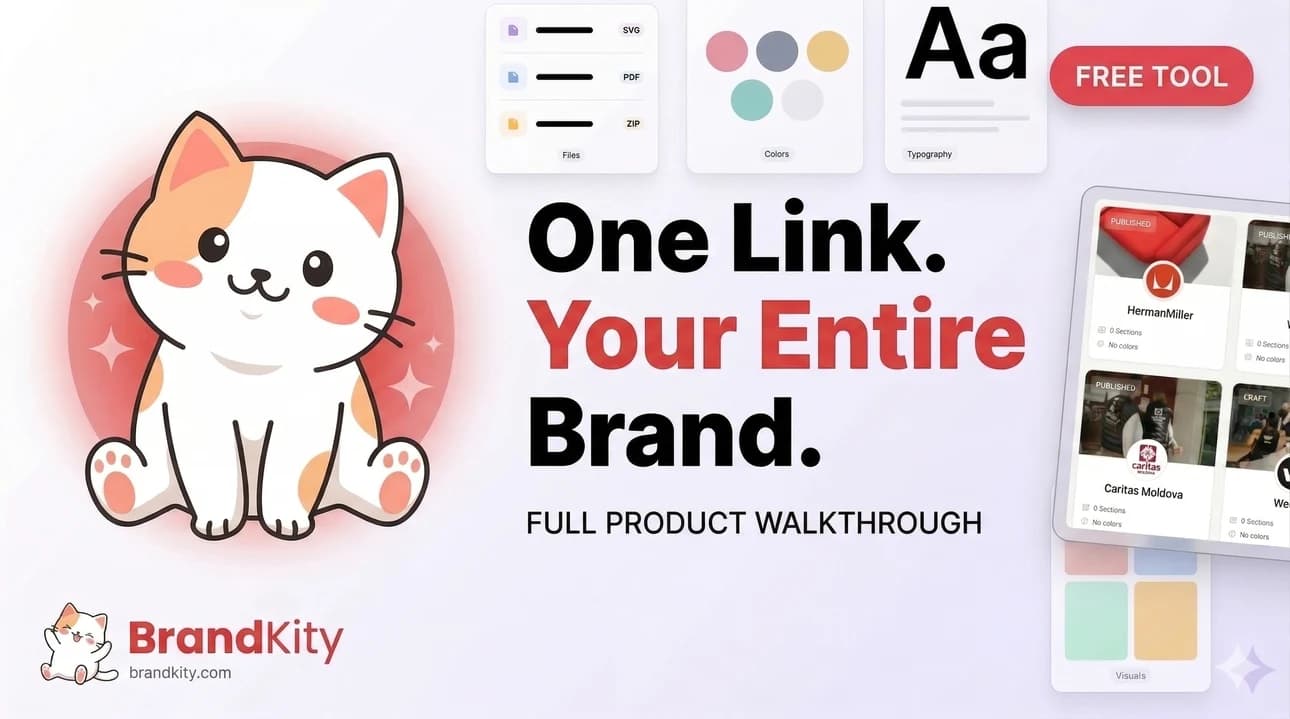
Table of contents
- Is Your Brand Asset Handoff a Chaotic Mess?
- The hidden costs of scattered files and disorganized deliveries
- Why clients are frustrated (and what it means for your reputation)
- The missed opportunities in inefficient brand communication
- The Core Components of a Seamless Brand Delivery Workflow
- Beyond the Zip File: Structuring Your Brand Assets for Clarity
- Mastering the Client Handoff: Essential Best Practices
- Building Dynamic Brand Guidelines That Actually Get Used
- Leveraging a Centralized Hub for All Your Brand Assets
- The ‘one link’ philosophy: what it means for efficiency and professionalism
- Organizing logos, colors, fonts, and visuals for easy access
- Integrating different file types and versions seamlessly
- Designing for Scalability: How Asset Management Fuels Design Systems
- Connecting your brand delivery to your design system strategy
- Ensuring consistency across all brand touchpoints
- Streamlining Processes for Freelancers and Agencies
- Reducing back-and-forth with clients: the time-saving impact
- How structured delivery enhances client satisfaction and retention
- Empowering your team with easy access to brand resources
- The Real-World Impact: Saving Hours, Boosting Profits
- Quantifying the time saved on asset retrieval and redelivery
- Translating efficiency into billable hours and project profitability
- Case study snapshot: How a fictional agency transformed their delivery
- Future-Proofing Your Brand Delivery: What’s Next in 2026 and Beyond
Delivering brand assets can feel like wrestling a hydra – cut off one head (a disorganized file folder), and two more pop up (confused client emails and missed deadlines). If your current process involves endless email chains, scattered cloud storage links, and a prayer that the client receives the correct file format, it’s time for a serious overhaul.
In today’s fast-paced creative landscape, the way you hand over your hard work speaks volumes about your professionalism and attention to detail. A clunky, inefficient delivery process not only frustrates clients but can actively undermine the perceived value of your brilliant design solutions. Let’s explore how to transform this often-painful step into a streamlined, confidence-building experience.
Is Your Brand Asset Handoff a Chaotic Mess?
The digital equivalent of a disorganized filing cabinet is a common, yet often underestimated, problem for many creative professionals and agencies. When brand assets aren’t managed and delivered systematically, the ripple effects extend far beyond a simple inconvenience. Think about the hours lost searching for specific file versions, the potential for sending outdated logos or incorrect color palettes, and the constant back-and-forth that drains valuable time and resources. This disarray doesn’t just impact your internal operations; it directly affects your client’s perception of your competence and reliability, ultimately eroding trust and potentially damaging your reputation in the long run. Understanding these hidden costs is the first step toward implementing a more robust system. For instance, a small agency might spend up to 10 hours per project per month simply locating and re-sending brand assets due to poor organization, translating into significant unbilled labor costs.
The hidden costs of scattered files and disorganized deliveries
Scattered files and disorganized brand deliveries aren’t just a nuisance; they represent a significant drain on productivity and profitability. Consider the tangential costs: the time designers spend searching for assets rather than creating new work, the potential for errors leading to costly revisions or re-dos, and the administrative burden of managing multiple file storage solutions. If a client needs a specific logo variation and it takes a team member 30 minutes to find it, that’s 30 minutes not spent on client strategy or proactive communication. Over a year, this can amount to weeks of lost work. Furthermore, relying on inconsistent delivery methods can lead to a lack of standardization, making it harder to onboard new team members or maintain brand consistency across different projects. The lack of a central, accessible repository means each new project or request starts with a hunt, rather than a swift retrieval, severely impacting overall efficiency. This inefficiency can be a major bottleneck, preventing agencies from scaling effectively.
Why clients are frustrated (and what it means for your reputation)
Client frustration stemming from poor brand asset delivery is a critical issue that directly impacts your professional reputation. When clients struggle to find the files they need, receive incorrect formats, or deal with confusing folder structures, it signals a lack of organization and professionalism on your part. This can lead to perceptions of sloppiness, even if the design work itself is exceptional. Imagine a client needing a social media graphic and receiving a print-ready vector file that’s too large and complex to use, followed by a week of back-and-forth to get the correct web-optimized version. This experience breeds dissatisfaction and can result in negative reviews or a reluctance to recommend your services. In the digital age, where testimonials and word-of-mouth are powerful, even a few instances of poor delivery can have a disproportionately negative effect. A client’s inability to easily access and use the assets they’ve paid for can undermine their confidence in your entire project delivery, making them hesitant to engage for future work.
The missed opportunities in inefficient brand communication
Inefficient brand communication and asset delivery don’t just create problems; they actively prevent you from seizing valuable opportunities. Every hour spent searching for files or clarifying which version of a logo is current is an hour not spent on upselling services, deepening client relationships, or pursuing new business. A disorganized handoff can also stifle creativity for the client; if they can’t easily access and experiment with brand elements, they may be less inclined to develop new marketing materials. Consider a scenario where a client, frustrated by the difficult asset delivery, decides against launching a new product line that would have required extensive branding. This is a direct, lost revenue opportunity. Moreover, a slick, organized delivery process can be a powerful marketing tool in itself, setting you apart from competitors and showcasing your commitment to client success. Proactive, clear communication around asset delivery can also pave the way for seamless collaboration on future projects, making clients eager to work with you again and refer others.
The Core Components of a Seamless Brand Delivery Workflow
Establishing a seamless brand asset delivery workflow hinges on a few critical pillars designed to foster clarity, accessibility, and trust. At its heart, this workflow needs to be structured and centralized, ensuring all brand assets are housed in a single, easily navigable location. This involves defining clear naming conventions for all files, organizing them into logical folders (e.g., by format, usage, or project phase), and maintaining a version control system that prevents confusion over the latest iterations. Crucially, the workflow must incorporate clear documentation and guidelines. This includes providing comprehensive brand guidelines that explain how to use logos, colors, typography, and imagery correctly, along with instructions on accessing and utilizing the assets themselves. Think of this as the user manual for your brand. Finally, a truly seamless workflow prioritizes user-friendliness and accessibility for the client. This means using intuitive platforms, providing simple instructions for access, and ensuring the delivery is consolidated into a single, professional link that clients can easily share and access on any device. Tools that automate the packaging and delivery of these assets can significantly reduce manual effort and the potential for human error, allowing creative teams to focus on what they do best. For an in-depth look at how to organize for success, explore tips on how to ace client delivery with organized brand assets.
Beyond the Zip File: Structuring Your Brand Assets for Clarity
Moving beyond the outdated practice of sending bulky zip files is essential for a modern brand delivery strategy. Instead, focus on creating a logical and hierarchical folder structure that intuitively guides users to the assets they need. This means grouping files by type (logos, fonts, imagery, templates), then by format (e.g., .png, .svg, .eps, .jpg), and potentially by usage context (web, print, social media). For example, a primary “Logo” folder could contain subfolders for “Vector” (AI, EPS, SVG) and “Raster” (PNG, JPG), with further sub-organization by color variations (full color, monochrome, reversed). Implementing consistent naming conventions is equally vital; employ a standardized format like `ClientName_BrandName_AssetDescriptor_Format_Version.ext` (e.g., `AcmeCorp_MainLogo_Primary_RGB_v1.0.png`). This eliminates ambiguity and makes searching for specific files effortless. Furthermore, consider including essential supplementary materials directly within the delivery package. This means providing not just the visual assets but also links to font foundries, color palette definitions (HEX, RGB, CMYK), and even short video tutorials demonstrating asset usage. This comprehensive approach ensures clients have everything they need at their fingertips, minimizing confusion and accelerating their ability to implement the brand effectively. This structured approach to managing your digital assets is a cornerstone of professional design handoffs, as detailed in resources on how brand assets can end client confusion.
Mastering the Client Handoff: Essential Best Practices
The client handoff is the culmination of your design efforts, and mastering it ensures your work leaves a lasting positive impression. Begin by consolidating all final assets into a single, accessible location. Avoid sending multiple links or large attachments; opt for a professional, shareable link that grants clients controlled access. This single point of contact simplifies their experience and reinforces your organized approach. Crucially, include comprehensive and easy-to-understand brand guidelines. These should clearly articulate logo usage, color palettes, typography rules, and imagery best practices. Consider embedding them directly or providing a prominent link within the delivery package. A well-crafted guide empowers clients to maintain brand integrity independently. Furthermore, offer clear instructions on accessing and using the assets. A brief welcome message or a “readme” document explaining the folder structure and file types can prevent common mistakes. Proactively address potential questions by providing contact information for support. Finally, seek client confirmation upon delivery. A simple follow-up email asking them to confirm receipt and understand the contents ensures they have everything they need and provides an opportunity to address any immediate concerns, as highlighted in best practices for mastering brand delivery.
Building Dynamic Brand Guidelines That Actually Get Used
Static, sprawling PDF brand guidelines are a relic of the past. For your brand to thrive in today’s fast-paced digital landscape, your guidelines need to be dynamic, accessible, and easily digestible. The goal is not just to document brand standards, but to embed them into the daily workflow of everyone who interacts with your brand. This means moving beyond lengthy documents and embracing interactive platforms that allow users to quickly find the information they need. Consider the decision criteria for your guidelines: Are they easily searchable? Can specific elements, like logo usage or color palettes, be downloaded directly? Do they offer clear, contextual examples of both correct and incorrect application? A truly effective set of guidelines acts as a living document, constantly updated and readily available, rather than a dusty tome. The pitfall here is over-complication; guidelines that are too dense or difficult to navigate will inevitably be ignored, leading to brand inconsistency. For instance, a startup might create a 50-page PDF, only for their marketing team to struggle finding the correct social media banner dimensions, resorting to guesswork and compromising brand integrity.
Actionable steps to create usable brand guidelines begin with user-centric design. Identify your primary audience – designers, marketers, external partners – and understand their typical needs and workflows. Prioritize clarity and conciseness, using visual aids like infographics and short video tutorials to explain complex rules. Implement a robust search function, allowing users to find specific rules or assets within seconds. Essential elements should include clear sections on logo variations and their appropriate usage, comprehensive color palettes with HEX, RGB, and CMYK values, typography hierarchies, imagery styles, and tone of voice. Furthermore, embed interactive elements where possible, such as clickable color swatches that copy values or direct download links for approved logos. The key is to make adherence to the guidelines effortless. Think of it as creating a user-friendly interface for your brand. A well-structured digital guideline platform ensures that everyone, from a new intern to a seasoned agency partner, can easily understand and apply brand standards consistently, fostering a unified brand experience across all touchpoints.
Leveraging a Centralized Hub for All Your Brand Assets
Scattered brand assets are a silent killer of efficiency and professionalism. When logos reside in one team member’s hard drive, fonts are buried in email attachments, and approved imagery is lost in cloud storage folders, the result is chaos. A centralized hub acts as the single source of truth for all brand collateral, dramatically reducing time spent searching and eliminating the risk of using outdated or incorrect assets. This approach is fundamental to maintaining a consistent brand identity. The decision to implement a centralized asset management system hinges on several factors: ease of access for all relevant stakeholders, robust organizational structure, and the ability to manage different file types and versions effectively. A common pitfall is opting for a system that is overly complex or requires extensive training, thereby negating the intended efficiency gains. For example, a marketing team might spend hours hunting down the latest approved product imagery for a campaign, only to discover they’ve been using a lower-resolution version that degrades the final output. This directly impacts brand perception and can lead to costly reworks.
The ‘one link’ philosophy: what it means for efficiency and professionalism
The concept of a “one link” philosophy for brand asset delivery is transformative for both internal teams and external partners. Instead of sending multiple files or directing individuals to various, often disorganized, cloud storage folders, you provide a single, clean URL that houses everything. This URL leads to a curated, professionally presented space where approved brand assets are readily available. This approach significantly boosts efficiency by eliminating the need for constant back-and-forth communication asking for specific files. It elevates professionalism by presenting a polished, organized front to clients and collaborators, demonstrating that you value their time and have a well-managed process. For clients receiving their brand assets, a single, intuitive link creates a positive first impression and simplifies their integration of the new brand identity. It underscores that you’ve considered their workflow and provided a frictionless experience, which is crucial for simplifying client delivery and fostering trust.
Organizing logos, colors, fonts, and visuals for easy access
A well-structured centralized hub categorizes assets logically, making them instantly accessible. This means distinct sections for primary and secondary logos, clear palettes with downloadable swatches, and organized font libraries with clear licensing information. Visuals should be categorized by type (e.g., photography, illustrations, icons) and purpose (e.g., web, print, social media). The key decision criterion here is findability: can a user locate what they need in under 30 seconds? Pitfalls include generic folder names that offer no context or insufficient metadata, rendering the search function ineffective. For instance, a designer needing a specific social media icon might scroll through dozens of image files labeled generically as “icon_v3,” wasting valuable design time. Conversely, a system that clearly labels assets with keywords like “social media,” “Twitter,” “dark mode,” and “vector” ensures rapid retrieval, facilitating efficient workflows and preventing misuse. This meticulous organization is vital for maintaining brand consistency across all platforms and campaign materials.
Integrating different file types and versions seamlessly
Your brand asset hub must accommodate a wide array of file formats to serve diverse needs. This includes vector formats like SVG and AI for scalable graphics, raster formats like JPG and PNG for web and print, and font files such as TTF and WOFF. Crucially, the system must manage version control effectively. If a logo is updated, the old version should be archived, not deleted, while the new, approved version is prominently displayed. This prevents the accidental use of outdated assets that can dilute brand messaging. A significant pitfall is supporting only a limited range of file types, forcing users to request conversions or resort to unapproved formats. Consider a scenario where a partner agency needs a brand pattern for a large-scale print banner; if only low-resolution PNGs are available, the final print quality will suffer. A robust hub ensures that designers and marketers have access to the correct, high-quality files in the appropriate formats, directly contributing to the professional execution of brand materials and supporting a seamless streamlined delivery of professional brand assets.
Designing for Scalability: How Asset Management Fuels Design Systems
Scalability in brand delivery is no longer a luxury; it’s a necessity. As brands grow, expand into new markets, or launch new products, the demand for consistent, high-quality assets increases exponentially. Effective asset management is the bedrock upon which scalable design systems are built. Without a centralized, organized repository of approved brand elements, a design system quickly becomes unmanageable, leading to inconsistencies that undermine its very purpose. The decision to integrate asset management with design system strategy is driven by the need for efficiency and brand integrity at scale. The primary pitfall is treating asset management as a separate, tangential task rather than an integral component of the design system’s architecture. For example, a growing e-commerce brand might struggle to deploy new campaign assets across its website, app, and social media channels if its asset library is disorganized, leading to delays and a fragmented user experience. Conversely, a well-managed system ensures that as the design system evolves, all its constituent elements—from icons to typography to color palettes—are readily available and consistently applied, supporting rapid deployment and brand coherence.
Connecting your brand delivery to your design system strategy
A robust design system is more than just a collection of UI components; it’s a holistic approach to brand expression that relies heavily on accessible and well-managed assets. By directly linking your brand asset delivery platform to your design system strategy, you create a powerful synergy. This connection ensures that developers, designers, and marketers are all working from the same, up-to-date library of brand elements. This is particularly crucial for maintaining uniformity in foundational elements like logos, color palettes, and typography. When your design system references assets directly from a central, organized hub, you eliminate discrepancies and reduce the likelihood of errors. This integration is vital for ensuring that every touchpoint, from a digital advertisement to a physical product packaging, adheres strictly to brand standards. It fosters a culture where brand consistency isn’t an afterthought but a built-in feature of your product development and marketing efforts, supporting a unified brand narrative. This also directly feeds into creating unified brand assets for your design system.
Ensuring consistency across all brand touchpoints
The ultimate goal of integrating asset management with design systems is to achieve unwavering consistency across every single brand touchpoint. This means that whether a customer encounters your brand on a website, a mobile app, social media, in print advertising, or even on merchandise, the visual language, tone, and overall experience are congruent. A centralized asset hub, feeding into a well-defined design system, provides the scaffolding to make this happen. Decision criteria for successful implementation include having clear guidelines on how each asset should be used in different contexts and ensuring these guidelines are easily accessible to all users of the design system. A pitfall is having a design system that isn’t effectively supported by an organized asset library; this leads to designers or developers having to recreate or source assets themselves, inevitably introducing variations. For instance, a company that ensures its logo and brand colors are consistently applied across its website, email signatures, and marketing collateral builds stronger brand recognition and trust. This level of uniformity prevents brand dilution and reinforces a professional, cohesive image, which is a cornerstone of effective design systems and asset delivery hubs.
Streamlining Processes for Freelancers and Agencies
The way brands deliver their assets to freelancers and agencies has a profound impact on project timelines, costs, and overall client satisfaction. Disorganized or incomplete asset delivery is a leading cause of delays, confusion, and friction in creative collaborations. Streamlining this process means moving from a reactive, often chaotic, handover to a proactive, structured approach that empowers external partners. The decision to prioritize streamlined asset delivery for freelancers and agencies should be based on the significant time and resource savings it offers, alongside the enhanced professional image it projects. A common pitfall is assuming that external partners can easily navigate a company’s internal file structure or that they will proactively request all necessary assets. This often leads to endless email chains, missed files, and ultimately, projects that fall behind schedule. For example, a small agency might spend days trying to track down the correct brand logo in all required formats for a client campaign, delaying the campaign launch and incurring additional costs for their client. Conversely, providing a single, organized link to all brand assets dramatically accelerates onboarding and execution.
Reducing back-and-forth with clients: the time-saving impact
One of the most significant benefits of a structured brand asset delivery process is the drastic reduction in the need for constant back-and-forth communication. When freelancers and agencies are provided with a comprehensive, well-organized package of assets from the outset, they have everything they need to begin their work immediately. This eliminates the endless cycle of emails requesting specific logo files, color codes, or font information. The time saved is substantial, allowing creative professionals to focus on design and strategy rather than administrative tasks. Decision criteria for assessing this impact include tracking the reduction in support tickets or emails related to asset requests and measuring the decrease in project start-up times. A pitfall is a fragmented delivery method where assets are sent piecemeal, still necessitating follow-up questions and clarifications. Imagine an agency tasked with a rebranding project; if they receive logos one day, colors the next, and fonts later, their workflow is constantly interrupted. A single, organized delivery allows them to kick off the project efficiently, leading to faster turnaround times and more satisfied clients, directly contributing to boosting agency efficiency through asset delivery.
How structured delivery enhances client satisfaction and retention
The experience a client has with your brand, even during the asset handover phase, significantly influences their perception and likelihood of repeat business. Structured brand asset delivery transforms a potentially frustrating process into a seamless, positive interaction. When clients receive a clean, organized link containing all necessary logos, color palettes, fonts, and guidelines, it demonstrates professionalism, competence, and a commitment to making their life easier. This positively impacts their overall satisfaction with your services. Key decision criteria include monitoring client feedback regarding the delivery process and tracking repeat business rates from clients who received assets through a streamlined system. A pitfall is a disorganized handover that leaves the client confused or overwhelmed, damaging trust and potentially deterring them from future collaborations. For instance, a client receiving their new brand assets via a well-organized platform will feel more confident in their ability to implement the brand consistently, leading to a more successful launch and a greater likelihood of engaging your services again. This contributes to a better overall client relationship and supports mastering brand delivery for long-term success.
Empowering your team with easy access to brand resources
Beyond external collaborators, your internal team members—marketing, sales, product development—also rely on easy access to brand resources. A centralized hub for brand assets ensures that everyone within your organization is working with the most current and approved materials. This prevents brand fragmentation and ensures a unified message across all company communications. Decision criteria for an effective internal system include the speed at which employees can locate needed assets and the reduction in redundant requests to the marketing or design departments. The pitfall is a siloed approach where brand assets are only accessible to a select few, forcing others to improvise or use unapproved materials. Consider a sales team preparing a presentation; if they can quickly access approved logos and brand templates from a central repository, their presentation will be more polished and consistent with the overall brand identity, rather than relying on outdated or incorrectly formatted files. This empowerment fosters brand guardianship throughout the organization, supporting initiatives like helping your agency ace brand asset delivery and internal alignment.
The Real-World Impact: Saving Hours, Boosting Profits
The friction in brand asset delivery isn’t just an annoyance; it’s a direct drain on agency resources and client satisfaction. Imagine the hours spent by designers and account managers hunting down the latest logo variations, confirming font licenses, or re-explaining color codes. This fragmented process, often involving endless email threads, shared drives, and clunky FTPs, creates a significant overhead. By implementing a streamlined, centralized system, you can reclaim this lost time. This isn’t about minor tweaks; it’s about fundamentally changing how your team operates, allowing them to focus on creative problem-solving rather than administrative bottlenecks. The cumulative effect of saving even a few hours per project across a team can translate into substantial productivity gains and a healthier bottom line. A robust platform ensures consistent brand application across all client touchpoints, reducing errors and the need for costly rework.
Quantifying the time saved on asset retrieval and redelivery
Let’s break down the tangible time savings. On average, a designer might spend anywhere from 1 to 3 hours per week searching for brand assets. For a team of five designers, that’s 5-15 hours weekly, equating to 260-780 hours annually. Consider a client requesting a specific file format or resolution; without a centralized, organized system, locating and preparing this can take another 30 minutes to an hour. Multiply that by just two such requests per month per client, and the hours quickly accumulate. Tools designed for efficient brand asset management facilitate instantaneous asset retrieval, often reducing this search time to mere seconds. The ability to quickly provide updated assets or brand guidelines also minimizes back-and-forth communication, further cutting down on redelivery effort and ensuring clients always have the most current brand collateral.
Translating efficiency into billable hours and project profitability
Every hour saved from asset management is an hour that can be reallocated to billable client work or strategic internal development. If a designer can reduce their asset search time by 50%, that reclaimed time can be spent on higher-value tasks, directly contributing to increased project profitability. For agencies, this efficiency boost means they can potentially take on more projects without increasing headcount, or they can allocate more time to ensure exceptional quality on existing ones. It also allows for more accurate project scoping, as the time previously wasted on asset wrangling is now accounted for in a more predictable workflow. Ultimately, turning inefficient processes into streamlined delivery frees up capital and human resources, directly impacting your agency’s revenue and overall financial health. This improved operational flow is key to streamlining your agency’s brand delivery.
Case study snapshot: How a fictional agency transformed their delivery
Imagine “Creative Spark Agency,” a mid-sized branding firm that was struggling with scattered brand assets across various cloud storage services and individual hard drives. Their project handoffs were often chaotic, leading to client confusion and repeated requests for clarification. After implementing a dedicated brand asset delivery platform, they observed a dramatic shift. Within three months, Creative Spark reported a 40% reduction in time spent on asset retrieval and redelivery. This saved approximately 12 hours per designer per month. Furthermore, client satisfaction scores related to brand asset clarity and accessibility increased by 25%. The agency also noted a 15% increase in their capacity to accept new projects, directly attributing this growth to the enhanced efficiency gained from their organized brand delivery system.
Future-Proofing Your Brand Delivery: What’s Next in 2026 and Beyond
The landscape of digital asset management and brand delivery is continuously evolving. As we move further into 2026, agencies and designers must look beyond immediate solutions and consider the long-term strategic implications of their delivery workflows. The trend is undeniably towards greater automation, AI-driven asset organization, and more integrated platform ecosystems. Expect to see platforms offering enhanced features like AI-powered tagging of assets, automated version control that flags outdated files, and predictive analytics to anticipate client needs. The concept of a single, dynamic brand hub will become even more critical, evolving from a simple repository to an intelligent system that supports brand consistency across an ever-expanding array of digital and physical touchpoints. Embracing these advancements isn’t just about staying current; it’s about building a resilient and adaptable operational framework that can support future growth and innovation.
Saurabh Kumar
Founder, BrandKity
Saurabh writes about practical brand systems, faster client handoffs, and scalable workflows for designers and agencies building repeatable delivery operations.
Connect on LinkedIn