Boost Agency Efficiency: Asset Delivery
In today’s fast-paced digital landscape, agencies thrive on efficiency. Yet, a common bottleneck emerges when it comes to delivering finalized brand a…

Table of contents
- The Scramble for Assets: Why Today’s Agencies Ditch Scattered Files
- Beyond the Dropbox Folder: Crafting a Streamlined Brand Handoff
- The Pitfalls of Ad-Hoc Asset Sharing
- What Constitutes a ‘Professional’ Brand Delivery?
- The Power of Centralized Brand Assets
- Your Brand’s DNA: Essential Assets Every Agency Must Deliver
- Logo Variations and Formats (Vector vs. Raster, Color Spaces)
- Typography: Fonts, Usage, and Licensing
- Color Palettes: Primary, Secondary, and Usage Guidelines
- Imagery & Iconography: Style, Licensing, and Examples
- The ‘One Link’ Advantage: Simplifying Client Access and Onboarding
- How a Single Link Solves Client Confusion
- Key Features of an Effective Brand Asset Hub
- Beyond Static Files: Interactive Brand Guides
- Designing the Delivery: Structuring Your Brand Assets for Clarity
- Logical Folder Structures for Easy Navigation
- Naming Conventions That Make Sense
- Annotating Assets: Adding Context and Usage Notes
- Avoiding Client Chaos: Best Practices for Brand Asset Delivery
- Setting Expectations Early in the Project Lifecycle
- Providing Clear Instructions and ‘How-Tos’
- The Role of a Dedicated Brand Portal
- Internal Efficiency Gains: How Better Asset Management Impacts Your Team
- Reducing Repetitive Asset Requests
- Onboarding New Team Members Faster
- Streamlining Cross-Departmental Collaboration
- The Evolution of Brand Guidelines: From Static PDFs to Dynamic Hubs
- Why Static Guidelines Fall Short in 2026
- Integrating Visual Assets with Written Rules
- Keeping Guidelines Up-to-Date and Accessible
- Future-Proofing Your Workflow: Scalable Asset Delivery for Agency Growth
- Preparing for Evolving Brand Needs
- Integrating Asset Delivery into Your Design System
- The Long-Term Value of Professional Handoffs
- Implementing a Seamless Asset Delivery System: A Practical Checklist
- Audit Your Current Asset Management Practices
- Identify Your Core Brand Asset Needs
- Choose the Right Tools for Your Agency
- Train Your Team on the New Workflow
Seamless brand asset delivery is no longer a nice-to-have; it’s a fundamental component of client satisfaction and a powerful differentiator for forward-thinking agencies. Mastering this process ensures that your creative work is utilized effectively, maintaining brand integrity and saving valuable time for both your team and your clients.
The Scramble for Assets: Why Today’s Agencies Ditch Scattered Files
The traditional method of sending brand assets often resembles a digital scavenger hunt. Files are frequently scattered across various cloud storage services, email threads, or even individual team members’ hard drives. This fragmentation leads to significant time wastage as teams spend valuable hours searching for the correct logo version, the right font file, or the latest brand guidelines. Clients, in turn, face confusion and frustration when they can’t locate the necessary materials for their own marketing efforts. This disorganization not only impacts internal workflows but also projects a less than professional image, potentially undermining the perceived value of the agency’s work.
Furthermore, the risk of using outdated or incorrect assets is a serious threat to brand consistency. Imagine a client inadvertently using a low-resolution logo on a billboard or applying a deprecated color to a major campaign. These errors can cause irreparable damage to a brand’s reputation and lead to costly revisions. Agencies that fail to implement a structured asset delivery system are essentially leaving their clients, and by extension their own reputation, vulnerable to these mistakes. The shift towards more organized and accessible asset management is therefore a critical step in professionalizing agency operations and ensuring client success.

Beyond the Dropbox Folder: Crafting a Streamlined Brand Handoff
Moving past the limitations of generic cloud storage is essential for agencies aiming for professionalism and efficiency. A simple shared folder often lacks the necessary structure and clarity to be truly effective for brand asset delivery. This approach can still lead to version control issues and difficulty in navigating the sheer volume of files, especially for clients who may not be as tech-savvy. The goal is to transition from merely “sharing files” to providing a comprehensive, curated brand experience.
The Pitfalls of Ad-Hoc Asset Sharing
The primary pitfall of ad-hoc asset sharing is the inherent lack of control and standardization. When assets are sent piecemeal via email or linked in disparate cloud folders, it’s easy for crucial items to be missed. This can result in incomplete client packages, leading to follow-up requests that consume additional agency time. Moreover, without clear organization, clients may struggle to identify the correct file formats (e.g., vector vs. raster, CMYK vs. RGB) for their specific needs, increasing the likelihood of implementation errors. The absence of a central repository also makes it difficult to track who has received what and when, complicating accountability and support.
What Constitutes a ‘Professional’ Brand Delivery?
A professional brand delivery goes far beyond simply providing a collection of files. It involves presenting assets in a structured, easily navigable format that empowers clients to use them correctly and confidently. This includes clear labeling, logical organization, and comprehensive supporting documentation. Key elements often include high-quality logo files in multiple formats, defined typography, precise color specifications, and curated visual assets. Ultimately, a professional delivery signals that the agency has taken meticulous care in preparing the brand’s foundational elements for its ongoing life and application. It’s about building trust and demonstrating a deep understanding of brand stewardship, helping clients to master brand asset delivery effectively.
The Power of Centralized Brand Assets
Centralizing brand assets into a single, accessible location transforms the delivery process from a chore into a strategic advantage. A well-organized hub ensures that all stakeholders, including internal teams, clients, and any third-party vendors, have immediate access to the most up-to-date brand materials. This eliminates redundant inquiries and ensures brand consistency across all touchpoints. Think of it as a digital brand library, meticulously cataloged and readily available. This centralized approach not only saves time but also significantly reduces the risk of brand dilution or misrepresentation, fostering a stronger, more cohesive brand identity for the client.
Your Brand’s DNA: Essential Assets Every Agency Must Deliver
The core identity of any brand is encapsulated within its essential assets. Delivering these foundational elements with precision and clarity is paramount for ensuring brand consistency and empowering clients. A comprehensive package should serve as the brand’s definitive guide, enabling anyone to represent it accurately across various platforms and applications. This isn’t just about providing files; it’s about safeguarding the brand’s integrity and facilitating its effective deployment in the real world. A robust delivery covers the fundamental building blocks of a brand’s visual language.
Logo Variations and Formats (Vector vs. Raster, Color Spaces)
The logo is the most recognizable element of a brand, and its effective delivery requires offering a variety of formats tailored for different uses. Agencies must provide vector files (AI, EPS, SVG) for scalability without loss of quality, essential for print and large-format applications. Raster files (JPG, PNG) are necessary for digital use, with PNG being crucial for transparent backgrounds. Understanding color spaces is equally vital: CMYK for professional printing, RGB for digital displays, and Pantone for precise color matching. Failing to provide the correct logo formats and color variations can lead to pixelation, incorrect colors, and a compromised brand appearance.
Typography: Fonts, Usage, and Licensing
Typography plays a critical role in conveying a brand’s personality and ensuring readability. Agencies should deliver all primary and secondary fonts used in the brand’s identity system, clearly specifying their intended usage. This includes providing font files in appropriate formats (e.g., .otf, .ttf) and ensuring that all necessary licenses are either included or clearly documented for the client’s use. Guidance on font hierarchy, spacing, and potential web font alternatives is also invaluable. Without this, clients might resort to system fonts, diluting the brand’s unique typographic voice.
Color Palettes: Primary, Secondary, and Usage Guidelines
A brand’s color palette evokes emotion and recognition. Agencies must provide a detailed breakdown of the primary and secondary color palettes, including precise color values for various applications. This means specifying HEX codes for digital use, RGB values for screens, and CMYK or Pantone equivalents for print. Clear guidelines on how to use these colors, including proportions and combinations, are essential for maintaining visual harmony. Incorrect color application is a common issue that can significantly weaken brand recognition and impact its intended perception.
Imagery & Iconography: Style, Licensing, and Examples
Visual assets like photography, illustrations, and iconography are crucial for communicating a brand’s message and aesthetic. Agencies should provide a curated selection of approved imagery, defining the overall style and tone. This includes guidelines on acceptable subject matter, photographic treatments, and illustration styles. Crucially, all provided image files must come with clear licensing information, ensuring the client has the legal right to use them. Examples of how these assets should be applied in various contexts—from website design to social media posts—further clarify their intended use and impact.
The ‘One Link’ Advantage: Simplifying Client Access and Onboarding
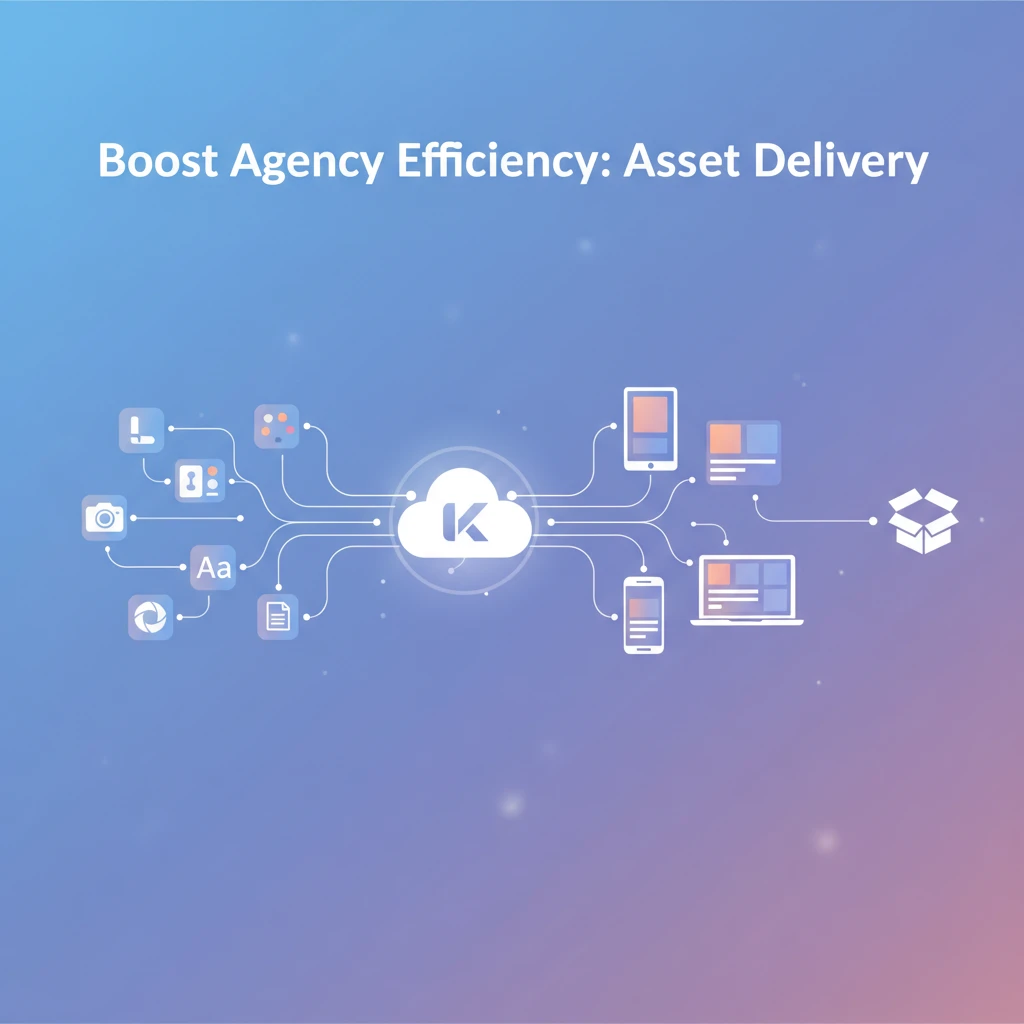
The concept of a single, unified link for all brand assets represents a paradigm shift in client delivery. Instead of navigating multiple platforms or sifting through endless email attachments, clients receive a clear, direct pathway to everything they need. This not only streamlines the onboarding process for new clients but also ensures that all stakeholders, both internal and external, are working from the same, up-to-date information. This consolidated approach minimizes confusion and empowers users to find and utilize brand elements with unprecedented ease, making a significant impact on overall project efficiency.
How a Single Link Solves Client Confusion
Client confusion often stems from disorganized and scattered brand assets. A single, well-structured link acts as a definitive source of truth, eliminating the need for clients to hunt for files across various platforms. This direct access point ensures that they are always presented with the most current and correct versions of logos, fonts, colors, and other essential brand materials. By providing a clear, intuitive navigation structure within this single link, agencies significantly reduce the cognitive load on clients, preventing errors caused by using outdated or incorrect assets and fostering a smoother working relationship, akin to how a structured approach organizes brand assets effectively.
Key Features of an Effective Brand Asset Hub
An effective brand asset hub, accessible via a single link, goes beyond simple file storage. It should feature intuitive categorization, clear naming conventions, and robust search functionality to help users quickly locate specific assets. Crucially, it must support multiple file formats and provide previews for easy identification. Version control is also a vital component, ensuring users always access the latest iterations. Furthermore, robust security measures and clear access permissions protect sensitive brand information while enabling seamless sharing with authorized parties. This holistic approach ensures that the hub is not just a repository, but a dynamic tool for brand management, contributing to overall simplicity in brand delivery.
Beyond Static Files: Interactive Brand Guides
Moving beyond static PDF documents, modern brand asset hubs can incorporate interactive elements that elevate the user experience. This includes dynamic brand guidelines where users can see styles applied in real-time, interactive color pickers, and embeddable font previews. Such features provide clearer context and usage examples, making it easier for clients to understand and implement brand elements correctly. Interactive guides can also include animated logo variations or adaptable layout templates, offering a richer and more engaging way to explore and utilize brand assets, further enhancing the value proposition of a streamlined client delivery hub.
Designing the Delivery: Structuring Your Brand Assets for Clarity
The way you organize and present your brand assets has a profound impact on how easily clients and collaborators can use them. A disorganized collection of files can lead to frustration, misuse, and ultimately, brand inconsistency. Think of it as building a well-organized library versus a chaotic pile of books. The former is a joy to navigate; the latter is a source of stress. When designing the delivery, focus on creating a system that anticipates user needs and minimizes guesswork. This involves establishing clear hierarchies, consistent labeling, and supplementary information that guides proper asset utilization. A well-structured delivery not only saves time but also elevates your agency’s professionalism and builds trust with your clients. This proactive approach to asset organization is a hallmark of efficient brand handoffs, preventing potential downstream issues before they arise and contributing to a smoother overall project completion. It’s about making the transition of your hard work seamless and intuitive.
Logical Folder Structures for Easy Navigation
A logical folder structure is the backbone of efficient asset delivery. Without it, even the most beautifully designed assets can become lost in a digital wilderness. Aim for a hierarchical organization that mirrors how a user might logically search for a specific asset. Common top-level categories include ‘Logos,’ ‘Imagery,’ ‘Typography,’ ‘Color Palettes,’ ‘Templates,’ and ‘Brand Guidelines.’ Within these, create subfolders to further refine your collection. For example, under ‘Logos,’ you might have subfolders for ‘Primary,’ ‘Secondary,’ ‘Monochrome,’ and ‘Favicons.’ Similarly, ‘Imagery’ could be broken down by ‘Photography,’ ‘Illustrations,’ and ‘Icons.’ The key is to ensure that any user, regardless of their familiarity with the project, can quickly locate what they need. This structure should be reflected in your asset management system, making the entire process feel intuitive.
Naming Conventions That Make Sense
Consistent naming conventions are as crucial as a logical folder structure. Imagine searching for a logo file and finding multiple versions named ‘logo.png,’ ‘logo_final.png,’ ‘logo_final_revised.png,’ and ‘logo_final_final_really.png.’ This ambiguity creates confusion and wastes valuable time. Establish a clear naming convention that includes key information such as the brand name, asset type, color variation, and file format. For instance, a primary logo could be named `BrandName_Logo_Primary_RGB.png`. For different variations, you might use `BrandName_Logo_Monochrome_CMYK.eps` or `BrandName_Icon_Social_RGB.svg`. This standardized approach ensures that files are easily identifiable and sortable, even outside their designated folders. It’s a small detail that pays significant dividends in usability and reduces the likelihood of incorrect asset usage.
Annotating Assets: Adding Context and Usage Notes
Even with clear structures and naming, some assets require additional context. Annotation is your opportunity to provide essential usage guidelines directly within the delivery. This can include specifying which logo variations are approved for certain applications (e.g., web vs. print), detailing color codes (HEX, RGB, CMYK, Pantone), defining font pairings, or explaining the intended use of specific imagery. For complex assets like templates, adding annotations on how to correctly fill them out or modify them can be invaluable. This proactive guidance acts as a mini-brand guide embedded within the asset library itself, preventing common mistakes and reinforcing brand best practices. Consider platforms that allow for descriptions or tags on individual assets to further enrich this contextual layer, ensuring clarity and preventing misuse.
Avoiding Client Chaos: Best Practices for Brand Asset Delivery
Delivering brand assets to clients can often feel like navigating a minefield of potential misunderstandings and technical hiccups. The goal of best practices is to transform this potentially chaotic experience into a seamless, professional handoff that instills confidence. It’s not just about providing files; it’s about ensuring clients can actually use them effectively and understand their significance. This involves a combination of clear communication, structured delivery, and providing the necessary educational resources. By anticipating client needs and potential roadblocks, agencies can significantly reduce follow-up questions, revisions, and the risk of brand dilution. A well-executed asset delivery process is a testament to an agency’s attention to detail and commitment to the client’s long-term brand success, setting a positive tone for future collaborations and reinforcing the value of your agency’s work.
Setting Expectations Early in the Project Lifecycle
The foundation for a smooth asset delivery is laid long before the final files are packaged. It begins with setting clear expectations with the client right from the project’s inception. Discuss the scope of the brand assets that will be delivered, the formats they will be provided in, and the expected timeline for delivery. Crucially, explain why certain formats or structures are important for their ongoing brand management. For instance, you might explain that vector files (like .AI or .EPS) are essential for scalable print applications, while .SVG is ideal for web use. This initial conversation helps the client understand the value of a well-organized asset library and prepares them for the delivery process. It prevents surprises and ensures they are aligned with your agency’s approach to brand asset management, making the final handover feel like a natural conclusion rather than an abrupt event.
Providing Clear Instructions and ‘How-Tos’
Simply handing over a folder of assets is rarely enough. Clients, especially those without a dedicated design team, often need guidance on how to use these assets correctly. This is where clear instructions and ‘how-to’ guides become invaluable. Consider creating a simple PDF document or a dedicated section within your delivery platform that outlines basic usage rules. This could include: how to correctly resize logos without distortion, which color variations to use for different mediums (digital vs. print), approved font hierarchies, and examples of correct and incorrect usage. If you’re delivering templates, provide step-by-step instructions on how to modify them. This proactive educational approach empowers your clients to maintain brand consistency and reduces the likelihood of them making unintentional errors that could undermine your work.
The Role of a Dedicated Brand Portal
For agencies and their clients, a dedicated brand portal offers a centralized and professional solution for asset delivery and ongoing access. Unlike simple file-sharing services, a brand portal is designed specifically for managing brand assets. It allows you to organize files logically, provide detailed descriptions, embed usage guidelines, and offer various download formats all within a single, branded interface. This not only streamlines the initial handoff but also provides a persistent resource for the client. They can revisit the portal anytime to download the latest assets, ensuring they always have access to the approved brand elements. Platforms like BrandKity are built around this concept, offering a comprehensive client delivery hub that elevates the entire brand asset management process. This moves beyond simple delivery to ongoing brand guardianship.
Internal Efficiency Gains: How Better Asset Management Impacts Your Team
The benefits of a well-structured brand asset management system extend far beyond client satisfaction; they significantly boost internal team efficiency. When your agency’s design assets—logos, imagery, fonts, templates, and more—are organized, easily searchable, and consistently maintained, your team spends less time hunting for files and more time creating. This streamlined approach reduces repetitive tasks, accelerates onboarding, and fosters better collaboration across departments. The cumulative effect of these improvements can lead to faster project turnaround times, reduced operational costs, and a more engaged and productive workforce. Investing in robust asset management is not just an organizational improvement; it’s a strategic move to enhance your agency’s overall performance and agility in a competitive market.
Reducing Repetitive Asset Requests
One of the most common time sinks for design and marketing teams is the constant stream of repetitive requests for assets. Team members frequently ask colleagues for logos, brand colors, specific imagery, or approved templates. This not only interrupts workflow but also introduces the risk of outdated or incorrect assets being distributed. Implementing a centralized, well-organized system for brand assets, such as a dedicated brand portal or a meticulously structured shared drive, drastically reduces these redundant requests. When anyone on the team can quickly locate and download the exact asset they need via a single, reliable link, the need for manual distribution and confirmation diminishes. This frees up valuable time for designers and other team members to focus on more strategic and creative tasks, rather than acting as file librarians.
Onboarding New Team Members Faster
Bringing new talent into an agency environment can be a lengthy process, and familiarizing them with the brand’s visual identity and available assets is a crucial part of that onboarding. When brand assets are scattered across various drives, cloud storage services, or even individual computers, new hires face a steep learning curve. They might spend days, or even weeks, trying to piece together a comprehensive understanding of the brand’s visual resources. A well-organized and accessible brand asset library dramatically accelerates this process. New team members can be directed to a single source of truth from day one, allowing them to quickly grasp the brand’s visual language, locate necessary files, and begin contributing effectively. This not only speeds up their integration but also ensures they start using approved assets from the outset, maintaining brand consistency from the beginning of their tenure.
Streamlining Cross-Departmental Collaboration
Effective collaboration between different departments within an agency—such as design, marketing, sales, and client services—relies heavily on shared access to accurate and up-to-date brand assets. Without a unified system, these departments often operate in silos, leading to version control issues, inconsistent messaging, and duplicated efforts. For instance, the sales team might download an old version of a logo for a proposal, while the marketing team is using the latest approved version for a campaign. A centralized brand asset platform acts as a single source of truth, accessible to all relevant stakeholders. This ensures that everyone is working with the same, approved materials, fostering seamless collaboration and reducing errors. This unified approach is fundamental to an efficient agency workflow, ensuring consistency across all client-facing and internal communications.
The Evolution of Brand Guidelines: From Static PDFs to Dynamic Hubs
Brand guidelines have always been essential for maintaining consistency, but their format and function have evolved significantly. In earlier years, comprehensive brand guidelines were typically delivered as static PDF documents. While useful for outlining rules, these documents often became outdated quickly and lacked the interactive elements needed for modern digital workflows. Today, the expectation is for brand guidelines to be dynamic, accessible, and integrated directly with the assets they govern. This evolution reflects a broader shift towards more agile, digital-first operational models in agencies and businesses alike. The move from static to dynamic ensures that guidelines remain relevant, easy to find, and actionable for everyone who needs to use them, truly serving as a living resource rather than a dusty manual.
Why Static Guidelines Fall Short in 2026
By 2026, static PDF brand guidelines, while historically significant, are increasingly showing their limitations. Their primary drawback is their inherent lack of dynamism. Once a PDF is finalized and distributed, any updates or changes require re-issuing the entire document, a process that is cumbersome and often leads to teams working with outdated information. Furthermore, static PDFs are not easily integrated with digital workflows; extracting specific assets or color codes can be a manual, error-prone task. They also lack the interactivity that users have come to expect, such as clickable links to download fonts or direct integration with design software. For a modern agency aiming for efficiency and precision, relying solely on static guidelines is a bottleneck, hindering rapid adaptation and consistent application of the brand.
Integrating Visual Assets with Written Rules
The most effective brand guidelines in today’s landscape seamlessly blend written rules with visual assets. Instead of merely describing a logo’s proper usage, the guidelines should link directly to the approved logo files in various formats. Similarly, when discussing color palettes, the guidelines should provide interactive swatches that users can click to copy HEX or RGB values, or even download color scheme files. This integration transforms guidelines from a purely informational document into a practical tool. It eliminates the need for users to cross-reference between a guideline document and a separate asset library, significantly reducing the chance of errors. Platforms that support rich media and direct asset linking offer the ideal environment for this type of integrated approach, embodying the spirit of a true design system link.
Keeping Guidelines Up-to-Date and Accessible
The challenge with any documentation is ensuring it remains current and easily accessible to all relevant parties. For brand guidelines, this means establishing a robust system for updates and a centralized location for access. Dynamic brand hubs or digital brand portals are the ideal solution. These platforms allow for real-time updates; when a logo is refined or a new color is introduced, the guidelines can be updated instantly, and all users will see the latest version. Accessibility is also paramount. Instead of sharing bulky PDF files that can get lost in email chains, a single, shareable link to a digital hub ensures that team members, freelancers, and clients can always access the most current brand standards. This ongoing maintenance and accessibility are crucial for maintaining brand integrity and efficiency in a fast-paced environment, embodying the principles of a modern design system.
Future-Proofing Your Workflow: Scalable Asset Delivery for Agency Growth
As agencies evolve, so do the demands placed upon their creative output. Building a robust, scalable asset delivery system isn’t just about handing off files; it’s about establishing a framework that anticipates future client needs and industry shifts. This involves proactive planning to ensure your agency can adapt quickly and maintain high standards, regardless of project complexity or client size. Investing in a system that can grow with your business prevents bottlenecks and ensures a consistent, professional experience for every client, now and in the years to come. This foresight is crucial for maintaining a competitive edge and fostering long-term client relationships.
Preparing for Evolving Brand Needs
Client brands are rarely static. Over time, they undergo refreshes, expand into new markets, or require assets in formats previously unimagined. A truly future-proof asset delivery system must accommodate these changes seamlessly. Consider decision criteria such as version control capabilities, ensuring clients can always access the latest approved assets while retaining historical versions. Another key factor is the ease with which new asset types (e.g., animated logos, social media templates, AR filters) can be added and organized. The system should also allow for granular permission settings, enabling clients to grant access to specific team members for different asset categories, enhancing security and collaboration. Avoid platforms that require significant rework or custom development for every new asset type; flexibility is paramount.
A common pitfall is underestimating the long-term value of a centralized, organized asset library. Many agencies fall into the trap of ad-hoc file sharing, leading to confusion and repeated requests. For instance, a client might request a specific logo variant for a new billboard campaign, a task that could take hours to locate if files are scattered across multiple cloud storage solutions or email threads. A well-architected system, however, would allow for a quick search and download, often within seconds. Implementing a system that supports comprehensive metadata tagging is essential, enabling users to search by asset type, usage, client, or project. This not only speeds up delivery but also reduces the risk of clients using outdated or incorrect assets, protecting brand integrity.
Integrating Asset Delivery into Your Design System
For agencies that champion design systems, integrating asset delivery isn’t an afterthought; it’s a fundamental component. A robust design system serves as the single source of truth for all brand elements. When asset delivery is tied directly into this system, it ensures that what is delivered to the client perfectly aligns with the established guidelines. This means your design system acts as the ultimate hub for all visual identity assets, from core logos and color palettes to typography, iconography, and UI components. Decision criteria for integration include the system’s ability to generate and maintain accurate brand guidelines automatically from the assets stored. Pitfalls to avoid are creating disconnected silos where the design system and the asset delivery mechanism operate independently, leading to inconsistencies and a higher chance of errors during handoff.
An example of successful integration would be an agency using BrandKity to host all assets that are defined within their client’s established design system. When a client requires new marketing collateral, designers can pull approved logos, color swatches, and font files directly from the BrandKity hub, ensuring absolute brand consistency. This proactive approach not only streamlines internal workflows but also significantly enhances client trust, as they receive assets that are guaranteed to be on-brand. The long-term value here is immense: fewer revisions due to brand misinterpretations, faster project turnaround times, and a more cohesive brand identity across all client touchpoints.
The Long-Term Value of Professional Handoffs
The act of delivering brand assets is often the final tangible output a client receives from a creative project. Making this process professional and seamless leaves a lasting positive impression. Long-term value is derived from building client confidence and demonstrating thoroughness. Decision criteria for a valuable handoff include clarity, accessibility, and comprehensiveness. Does the client understand what they’ve received and how to use it? Are all necessary file formats included? A key pitfall is delivering assets in a disorganized manner, which can undermine the perceived value of the creative work itself and lead to client frustration or even abandonment of brand assets due to confusion. This can be easily avoided with a structured approach.
Consider a scenario where an agency delivers a complete brand package using a single, organized link. This package includes everything from high-resolution logos in various formats (SVG, PNG, EPS), comprehensive color palettes with HEX, RGB, and CMYK values, all necessary font files with licensing information, and usage guidelines. This level of detail and organization not only simplifies the client’s internal adoption of the brand but also mitigates risks of misuse. For example, a client might need to brief a new external vendor on their brand identity. Providing a single, professional link makes this briefing process exceptionally smooth, reinforcing the agency’s reliability and expertise. This practice builds a reputation for excellence that can lead to repeat business and valuable referrals, significantly contributing to the agency’s sustained growth.
Implementing a Seamless Asset Delivery System: A Practical Checklist
Establishing an effective asset delivery system requires a methodical approach, moving beyond immediate file sharing to a more strategic, integrated process. This checklist outlines the essential steps to create a framework that not only meets current needs but also scales with your agency’s growth and client demands. It’s about building a foundation of organization, clarity, and accessibility that benefits both your internal teams and your clients. By systematically addressing each point, you can transform asset delivery from a potential point of friction into a streamlined, value-adding service. This ensures consistency and professionalism in every brand handoff, solidifying your agency’s reputation.
Audit Your Current Asset Management Practices
Before implementing any new system, a thorough audit of your existing asset management is critical. This involves understanding where assets are currently stored, how they are organized, and the processes involved in retrieving and sharing them. Decision criteria for this audit include identifying common pain points, such as difficulty locating specific files, inconsistent naming conventions, or reliance on individual team member knowledge. The pitfall here is skipping this step and attempting to build a new system on top of a shaky foundation, which will only perpetuate existing problems. For example, an agency might discover they have multiple versions of the same logo scattered across different cloud drives and local hard drives, with no clear indication of which is the master file.
Actionable steps include interviewing team members who frequently access or deliver assets to gather their perspectives on current challenges. Documenting all storage locations (e.g., Google Drive, Dropbox, local servers) and categorizing them by project or client is essential. Analyze the existing file structures and naming conventions; note any redundancies or inconsistencies. A simple exercise like trying to retrieve five specific, diverse assets for a hypothetical client brief within a tight timeframe can quickly highlight systemic weaknesses. This comprehensive audit will provide the data needed to understand the scope of the problem and inform the requirements for your new, improved asset delivery solution, ensuring you address actual needs effectively.
Identify Your Core Brand Asset Needs
Understanding precisely what brand assets are most crucial for your clients is the next vital step. This goes beyond just logos and colors; it encompasses a broader understanding of what constitutes a complete brand identity package for various use cases. Key decision criteria involve considering the most frequent asset requests from past clients, the types of media clients typically use (digital, print, social), and industry-specific requirements. The pitfall is to assume a universal set of needs; different clients and industries will have distinct requirements for their brand assets. For instance, a digital-first startup will have different needs than a traditional manufacturing company preparing for a trade show.
To achieve this, consider categorizing assets by their primary usage: primary logos, secondary logos, sub-marks, color palettes (with specific values for web and print), typography (including font files and guidelines for usage), iconography, imagery styles, and any specific templates or motion graphics. Actionable steps include creating a master list of all possible asset types your agency handles. Then, prioritize these assets based on client usage frequency and their importance to brand integrity. For example, a core need for most clients will be a clear hierarchy of logo files (vector for scalability, raster for web use) and accurate color codes. By defining these core needs, you ensure that your future delivery system prioritizes the most impactful and frequently accessed elements, streamlining the handoff process and providing immediate value.
Choose the Right Tools for Your Agency
Selecting the appropriate tools is paramount for a successful asset delivery system. The market offers a variety of solutions, from simple cloud storage with enhanced features to dedicated brand asset management platforms. Decision criteria should focus on functionality, ease of use, scalability, security, and integration capabilities. Key features to look for include intuitive organization and search functionality, version control, user access management, and the ability to create customizable, shareable brand portals. A significant pitfall is opting for a tool based solely on price or perceived popularity, without thoroughly assessing if it aligns with your agency’s specific workflow and client needs.
For example, an agency primarily dealing with small businesses might find a platform that offers a straightforward “one-link” solution highly effective for client collaboration. However, a larger agency managing complex global brands might require a more robust system with advanced features like DAM (Digital Asset Management) capabilities, granular permissions, and integration with project management software. Actionable steps include creating a feature checklist based on your identified core asset needs and common client interactions. Research and trial several platforms, inviting key team members to test them. Evaluate how well each tool supports creating a branded experience for the client, ensuring the asset delivery reflects the professionalism of your agency’s work. Investing in a solution that consolidates all your assets into a single, accessible link, like those offered by BrandKity, can dramatically reduce client confusion and streamline the entire process.
Train Your Team on the New Workflow
Implementing a new asset delivery system is only half the battle; ensuring your team adopts and effectively uses it is equally crucial. This requires comprehensive training and ongoing support. Decision criteria for training should focus on making the workflow intuitive and demonstrating the tangible benefits to their daily tasks. Pitfalls include inadequate training, which leads to inconsistent adoption and reliance on old, inefficient methods, or failing to communicate the “why” behind the change, reducing team buy-in. If team members don’t understand how the new system simplifies their job or improves client satisfaction, they are less likely to embrace it.
Actionable steps for training include developing clear documentation and video tutorials that walk through the new processes step-by-step. Conduct live training sessions where team members can ask questions and practice using the system. Assign “champions” within different departments who can provide peer support and answer immediate queries. Regularly reinforce the importance of the new workflow and celebrate successes achieved through its implementation. For instance, showcasing how the new system reduced asset retrieval time by 50% or led to fewer client errors can motivate the team. Ongoing feedback loops are also vital, allowing the team to suggest improvements to the workflow, ensuring it remains efficient and effective over time and truly helps to streamline your agency’s brand delivery.
Saurabh Kumar
Founder, BrandKity
Saurabh writes about practical brand systems, faster client handoffs, and scalable workflows for designers and agencies building repeatable delivery operations.
Connect on LinkedIn