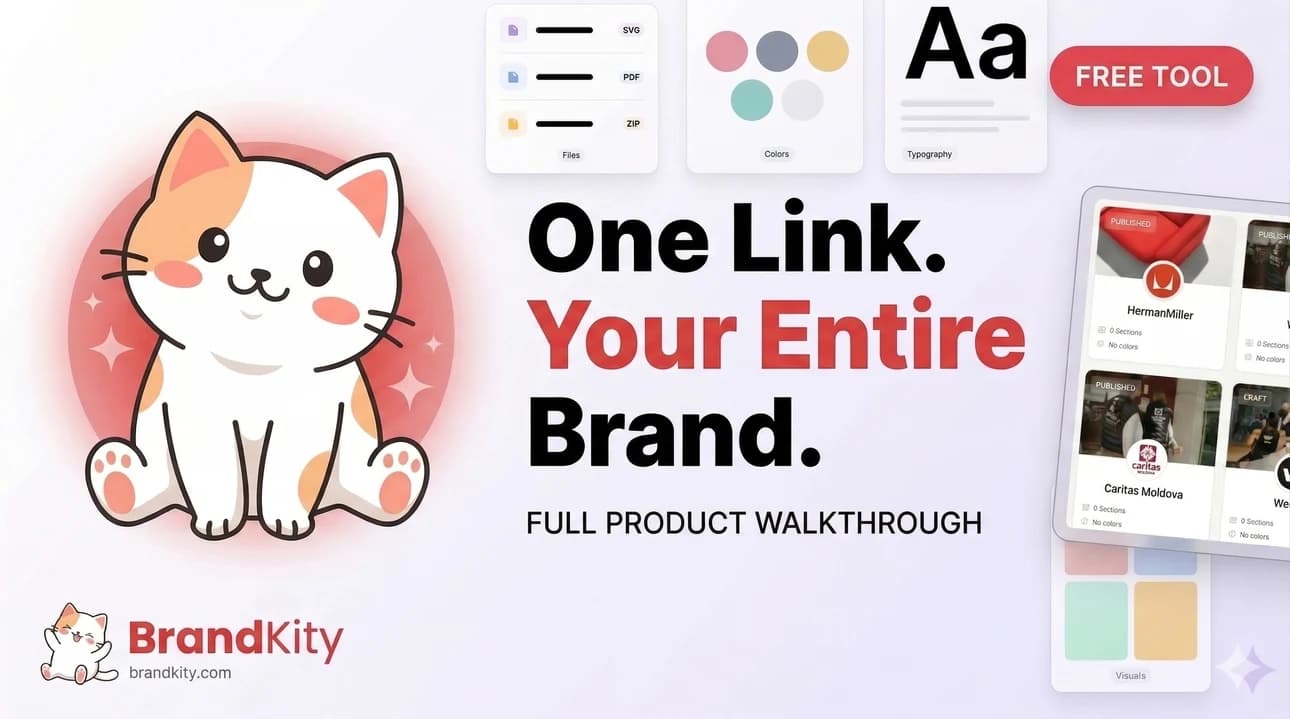
Brand Assets: Simplify Client Delivery
Delivering brand assets to clients is a critical final step in any design project. It’s the moment where a client receives the keys to their visual id…

Table of contents
- The Frustration of Scattered Brand Files: A Designer’s Common Nightmare
- The ‘Where’s the latest logo?’ email chain.
- Client confusion and the endless asset request loop.
- The cost of disorganization: wasted time and unprofessionalism.
- Defining Your Brand Assets: What Truly Needs to Be Delivered?
- Logos: Variations, formats, and usage guidelines.
- Color Palettes: Primary, secondary, and their HEX/RGB/CMYK values.
- Typography: Font families, weights, and licensing.
- Visuals: Imagery, icons, and illustrations.
- Other Essential Files: PDFs, templates, and brand collateral.
- From Chaos to Clarity: Structuring Your Brand Asset Library
- Folder organization strategies that actually work.
- Consistent naming conventions for every file.
- The importance of version control for assets.
- The Power of a Centralized Brand Hub: The ‘One Link’ Advantage
- Why a single, organized link trumps multiple file drops.
- Providing instant access to all approved brand materials.
- Empowering clients with self-serve brand consistency.
- Crafting a Professional Brand Handoff Experience for Clients
- Setting expectations from the start: what’s included in the delivery.
- Beyond the files: including usage guidelines and best practices.
- Making the delivery process feel like a valuable part of the service.
- Streamlining Delivery for Agencies: Boosting Team Efficiency
- Reducing internal queries about asset availability.
- Onboarding new team members with a readily accessible brand library.
- Ensuring consistent brand application across all client projects.
- Beyond Static Files: Incorporating Interactive Brand Guidelines
- Visual examples of correct and incorrect brand usage.
- Interactive elements for color and typography selection.
- Tools and platforms that facilitate dynamic guidelines.
- The Role of Design Systems in Simplified Asset Delivery
- How a design system acts as a single source of truth.
- Connecting design system components to their asset counterparts.
- The long-term benefits of a well-maintained design system.
- Best Practices for Client Education During Brand Handoff
- Walkthroughs and tutorials for navigating the asset library.
- Explaining the ‘why’ behind specific brand guidelines.
- Providing ongoing support for brand asset questions.
- Future-Proofing Your Brand Delivery Workflow
- Adapting to evolving brand asset formats and technologies.
- Scalability: growing your delivery system with your business.
- Maintaining momentum: regular updates and audits of brand assets.
Delivering brand assets to clients is a critical final step in any design project. It’s the moment where a client receives the keys to their visual identity. However, this can often be a point of friction, leading to frustration for both the designer and the client if not handled with clarity and organization.
Scattered files, endless email threads, and the constant hunt for the “correct” version can derail even the most successful project. Fortunately, there are strategic ways to transform this final handover into a seamless, professional experience that builds trust and ensures brand consistency for your client long after the project is complete.
The Frustration of Scattered Brand Files: A Designer’s Common Nightmare
The agony of searching through endless folders, email attachments, and cloud storage for the precise, up-to-date brand assets is a familiar pain point for many designers. This disorganization isn’t just an inconvenience; it directly impacts project timelines, client perception, and your agency’s reputation. When assets are spread thin, the risk of using outdated logos, incorrect color codes, or unapproved imagery skyrockets, leading to a fragmented brand identity for the client.
This chaotic state often begins subtly. A client might request a specific file format via email, which gets saved locally on their machine. Another asset might be shared via a temporary link that expires. Before long, you have multiple versions of the same asset floating around, making it impossible to pinpoint the definitive, approved set. This situation is a breeding ground for errors and rework, undermining the professionalism of the delivery and creating a poor final impression.
The ‘Where’s the latest logo?’ email chain.
The dreaded email chain titled “Logo Version?” or “Asset Request” is a universal symbol of disorganization. It typically starts with a simple query from a client or a team member needing a specific file. The response involves sifting through past communications, downloading attachments from various dates, and often, a frustrating game of “which one is it?”. Each exchange adds to the project’s overhead and delays the client’s ability to actually use the assets.
This often leads to the client receiving an older, less refined version of a logo, or perhaps a file saved with incorrect settings. The impact is immediate: a marketing campaign might go live with a suboptimal visual, or a print collateral piece could be produced with the wrong color profile. It’s a cycle that consumes valuable time and erodes confidence in the deliverable, turning what should be an exciting moment into a source of anxiety.
Client confusion and the endless asset request loop.
When brand assets are not presented in a clear, structured manner, clients can quickly become confused about what they’ve received and what they should use. This confusion inevitably leads to a continuous loop of asset requests. A client might ask for “the web logo,” but without clear labeling or a dedicated delivery hub, they might receive a print-optimized version, leading to pixelation online.
The subsequent requests for clarification and correct files drain your resources. Each request, no matter how small, represents time spent that could be dedicated to new projects or client work. This repetitive cycle not only impacts your profitability but also leaves the client feeling uncertain about their brand’s visual identity, hindering their ability to implement it effectively.
The cost of disorganization: wasted time and unprofessionalism.
The tangible cost of scattered brand files extends far beyond mere inconvenience. Each minute spent searching for a file, each email clarifying an asset’s usage, and each revision made due to incorrect asset usage contributes to wasted billable hours. For an agency, this can significantly impact project profitability and the ability to take on new work. It’s a silent drain on resources that many overlook.
Moreover, the impression of disorganization translates directly into perceived unprofessionalism. When a client receives a jumbled collection of files or has to repeatedly chase for clarification, it undermines their confidence in your agency’s capabilities and attention to detail. This lack of polished delivery can lead to negative reviews and a diminished reputation, impacting future client acquisition.
Defining Your Brand Assets: What Truly Needs to Be Delivered?
Successfully delivering brand assets begins with a clear understanding of what constitutes the complete package. Beyond just the logo, a comprehensive brand asset library ensures clients have everything they need to maintain visual consistency across all platforms. This includes not only the core visual elements but also the guidelines that dictate their proper use, empowering clients to be confident brand stewards.
The goal is to provide a self-sufficient toolkit. This means thinking about every possible scenario where your client might need to represent their brand, from digital advertisements and social media posts to print materials and internal documents. A well-defined set of assets prevents misuse and ensures that the brand’s integrity is preserved, no matter who is using the files or for what purpose. Properly defining these elements upfront streamlines the delivery process and sets the stage for long-term brand success.
Logos: Variations, formats, and usage guidelines.
The logo is often the cornerstone of a brand’s visual identity, and its delivery requires meticulous attention to detail. A comprehensive package must include various logo formats to suit different applications: vector files like .AI, .EPS, and .SVG for scalability in print and large-scale graphics, and raster files like .PNG with transparent backgrounds for web and digital use. Providing different color variations (full color, black, white/reverse) is also crucial.
Crucially, alongside the files, clear usage guidelines are non-negotiable. This involves specifying safe zones, minimum size requirements, and unacceptable modifications (e.g., stretching, recoloring). For instance, a client needs to know if they can use a monochrome version of the logo on a dark background or if there’s a specific application where only the full-color primary logo is permitted. This detailed approach prevents brand dilution and ensures consistent application.
Color Palettes: Primary, secondary, and their HEX/RGB/CMYK values.
A brand’s color palette is fundamental to its recognition and emotional resonance. Delivering this element effectively means providing precise specifications for every color. This includes the primary brand colors, which are the most frequently used, and secondary colors that complement and provide variety. For each color, you must supply its HEX values for digital use, RGB values for screen display, and CMYK values for print production.
For example, if a client’s primary blue is specified as 005A9C, you must provide this HEX code along with its RGB equivalent (0, 90, 156) and CMYK equivalent (89, 55, 0, 38). This ensures that the color appears consistently whether it’s on a website, a mobile app, a business card, or a billboard. Without these exact codes, the brand’s visual integrity can be compromised by inaccurate color reproduction, leading to a jarring and unprofessional appearance.
Typography: Font families, weights, and licensing.
Typography plays a vital role in conveying brand personality and ensuring readability. When delivering font assets, it’s essential to provide the correct font families, including all necessary weights and styles (e.g., Light, Regular, Bold, Italic) that were used in the brand identity. This ensures that headlines, body text, and call-to-actions are rendered as intended across all media.
Equally important is addressing font licensing. You must clearly communicate whether the provided fonts are free for commercial use or if the client needs to purchase their own licenses. Providing direct links to reputable foundries or marketplaces where they can acquire these licenses is a best practice. This prevents legal complications and ensures the client is compliant with font usage rights, safeguarding both your agency and the client from potential copyright issues.
Visuals: Imagery, icons, and illustrations.
Beyond logos and typography, the visual language of a brand often includes specific styles of imagery, icons, and illustrations. Delivering these assets means providing the client with high-resolution versions of any custom photography, stock imagery collections that align with the brand’s aesthetic, and all approved icon sets and custom illustrations. Ensure these are organized by usage type or theme if applicable.
For icons, providing them in both vector (.SVG) and raster (.PNG) formats with transparent backgrounds is standard practice. If custom illustrations were created, delivering them in editable vector formats as well as high-resolution PNGs is ideal. Clear guidance on the intended mood, style, and subjects for imagery helps clients select appropriate visuals, reinforcing the brand’s narrative and maintaining a cohesive visual identity across all touchpoints.
Other Essential Files: PDFs, templates, and brand collateral.
A complete brand asset delivery often extends to supporting collateral and templates that empower clients to manage their ongoing brand communications. This can include pre-designed templates for common materials like social media posts, presentations, email signatures, or letterheads. Providing these in editable formats (e.g., Canva, Google Slides, InDesign) allows clients to easily create new content while adhering to brand standards.
Additionally, delivering finalized brand collateral such as brochures, business cards, or packaging designs in print-ready PDF formats is crucial. Including any necessary brand guideline documents, even if brief, that summarize key usage rules can also be invaluable. This comprehensive approach ensures clients have all the tools and information they need to effectively and consistently represent their brand independently.
From Chaos to Clarity: Structuring Your Brand Asset Library
The transition from a haphazard collection of files to a meticulously organized brand asset library is paramount for professional client delivery. This structured approach isn’t merely about aesthetics; it’s about creating a system that is intuitive, efficient, and scalable. A well-organized library minimizes confusion, reduces the likelihood of errors, and significantly speeds up asset retrieval for both your team and your clients.
Implementing a clear folder structure and consistent naming conventions are the cornerstones of this clarity. By establishing these protocols early on and adhering to them rigorously, you transform a potential source of stress into a powerful asset management tool. This organization is key to providing a seamless experience, especially when dealing with multiple clients or large, complex brand identities.
Folder organization strategies that actually work.
Effective folder organization for brand assets hinges on logic and ease of navigation. A common and effective strategy is to create a primary root folder for each client, then subdivide this by asset type. For example, within a client’s main folder, you might have subfolders for “Logos,” “Colors,” “Typography,” “Imagery,” “Templates,” and “Final Deliverables.” Further segmentation within these can be beneficial; for instance, the “Logos” folder could contain subfolders for “Vector,” “Raster,” “Color Variants,” and “Monochrome.”
Another successful approach is to organize by usage context, such as “Digital Assets,” “Print Assets,” and “Presentations.” Whichever strategy you choose, the key is to maintain consistency across all clients and projects. This predictability allows anyone accessing the library, whether it’s a new team member or the client themselves, to quickly locate the specific asset they need without guesswork.
Consistent naming conventions for every file.
Beyond folder structure, implementing a uniform file naming convention is critical for preventing confusion and ensuring traceability. A robust naming system should be descriptive and include key information such as the brand name, asset type, color variation, format, and version number. For example, a file might be named: `ClientName_Logo_Primary_FullColor_RGB_v1.2.png` or `BrandX_Typography_Montserrat_Bold_OTF_v3.0.otf`.
This level of detail might seem excessive at first, but it pays dividends. It eliminates ambiguity about which file is the most current or which variation is intended for a specific use. When a client asks for “the logo,” having clear names like `ClientName_Logo_Web_Transparent_PNG_v2.1` versus `ClientName_Logo_Print_CMYK_EPS_v2.0` immediately clarifies the correct choice. Consistent naming is a foundational element of professional asset management.
The importance of version control for assets.
Version control is not just for software development; it’s equally vital for managing brand assets, especially when iterations and updates are common. Clearly indicating the version number within file names and, ideally, within the asset delivery platform itself, prevents clients from using outdated or superseded materials. This is particularly important for logos, color palettes, and typography, where even minor changes can have significant implications for brand consistency.
For instance, if a logo is updated from version 1.0 to 1.1 with a slight tweak to the kerning, explicitly labeling the new file as `ClientName_Logo_Primary_FullColor_RGB_v1.1.svg` is essential. This meticulous approach ensures that all stakeholders are referencing the most current approved iteration. It minimizes the risk of brand fragmentation and reinforces the professionalism of your delivery process. If you’re using a dedicated platform, it often automates much of this version tracking for you.
The Power of a Centralized Brand Hub: The ‘One Link’ Advantage
In today’s fast-paced digital environment, the traditional methods of delivering brand assets – via email attachments, shared folders with expiring links, or multiple cloud storage services – are increasingly inefficient and prone to error. The solution lies in a centralized brand hub, a single, accessible location that consolidates all approved brand materials. This “one link” approach simplifies delivery, enhances client experience, and ensures brand consistency like never before.
A centralized hub acts as the definitive source of truth for all brand elements. It streamlines workflows for designers and agencies, and crucially, empowers clients by providing them with immediate, self-serve access to the assets they need, when they need them. This shift from scattered files to a unified resource is a game-changer for professional brand delivery and ongoing brand management, as explored in discussions about organizing brand assets with a single link.
Why a single, organized link trumps multiple file drops.
Imagine a client receiving a single, clean link instead of a barrage of emails filled with zipped folders and confusing file names. This unified link represents a singular point of access to all their brand assets, meticulously organized and ready for use. It eliminates the confusion and risk associated with multiple file drops, where versions can get lost, deleted, or misconstrued.
This streamlined approach dramatically reduces back-and-forth communication. Clients no longer need to chase down specific files or ask for clarification on usage. Everything they need is neatly categorized and readily available, fostering a sense of confidence and control over their brand identity. For agencies, this means less time spent on administrative tasks and more time focused on creative work, significantly boosting overall agency efficiency.
Providing instant access to all approved brand materials.
A key benefit of a centralized brand hub is the provision of instant, 24/7 access to a client’s complete set of approved brand materials. Once the link is shared, the client has the power to download logos, find color codes, retrieve font files, and access templates whenever the need arises, without any further intervention from your team. This immediacy is invaluable in today’s on-demand world.
This self-serve capability is particularly empowering for clients who have marketing teams, external vendors, or diverse internal departments that need to use brand assets regularly. They can confidently pull the correct files without fearing they are using outdated or incorrect versions. This ensures consistent brand application across all touchpoints, from digital ads to print collateral, reinforcing brand recognition and professionalism.
Empowering clients with self-serve brand consistency.
The ultimate goal of a centralized brand hub is to empower clients to become effective stewards of their own brand identity. By providing a user-friendly, well-organized link, you equip them with the tools and resources necessary to maintain brand consistency independently. This self-serve model reduces their reliance on the agency for routine asset requests, fostering greater autonomy.
When clients can easily access and utilize approved assets, they are more likely to adhere to brand guidelines. This reduces the chances of brand dilution and ensures that their communications always reflect the intended visual identity. This empowerment not only strengthens the client’s brand but also builds a deeper level of trust and partnership, as they see your agency as a facilitator of their ongoing success, much like how a robust design system acts as a client delivery hub.

Crafting a Professional Brand Handoff Experience for Clients
A professional brand handoff is more than just a file transfer; it’s the culmination of your creative work and a pivotal moment in the client relationship. It shapes their perception of your professionalism and the value you’ve delivered. Think of it as the final presentation of a masterpiece, where every detail matters. A well-executed handoff instills confidence, clarifies usage, and sets the stage for the client to effectively implement the brand independently. This process should feel deliberate, organized, and supportive, mirroring the care taken throughout the branding project itself. When clients feel empowered and informed, they are more likely to succeed with their new brand identity, leading to a positive lasting impression and potential for future collaborations.
Setting expectations from the start: what’s included in the delivery.
Before the project even begins, clearly defining what constitutes the final brand asset delivery is crucial. This involves establishing a comprehensive scope of work that explicitly lists every deliverable. Common inclusions are logo files in various formats (vector like .AI, .EPS, .SVG, and raster like .PNG, .JPG), color palettes with HEX, RGB, CMYK, and Pantone values, typography files or links to licenses, and any supporting visual assets such as iconography or photography guidelines. For example, a basic logo package might include 5-7 variations, while a comprehensive one could extend to animated versions or specific lockups for different applications. Be specific about file types, resolutions, and intended uses. This upfront clarity prevents misunderstandings later and ensures both parties are aligned on the output, directly addressing common points of client confusion. A detailed contract or proposal outlining these deliverables acts as a pre-emptive problem solver.
Beyond the files: including usage guidelines and best practices.
Delivering raw files is only half the battle. To truly empower your clients and ensure brand integrity, providing clear usage guidelines is paramount. This includes a well-structured brand guide that goes beyond simply stating rules; it should offer practical examples and actionable advice. For instance, show visual representations of correct logo placement, minimum size requirements, and unacceptable alterations. Explain the rationale behind color choices and typography pairings, helping clients understand the emotional impact and intended perception. Best practices can cover how to apply the brand across digital platforms, social media, print collateral, and merchandise. Consider including a section on tone of voice and imagery style to provide a holistic brand implementation framework. A thorough brand guide is an investment that pays dividends in consistent application.
Making the delivery process feel like a valuable part of the service.
The final delivery should be presented as a polished, integrated experience, not an afterthought. Instead of a disorganized cloud folder, opt for a structured, branded portal or a single, shareable link. Tools like BrandKity excel at consolidating all assets and guidelines into one accessible location. This platform transforms a potentially chaotic file dump into a professional and user-friendly hub. Frame the delivery as a celebratory milestone, perhaps with a brief walkthrough video explaining the contents and how to use them. Consider a post-delivery support package that offers a limited time for questions or minor clarifications. This elevates the handoff from a transactional event to a value-added service, reinforcing the client’s decision to work with you and leaving them with a positive and lasting impression of your agency’s commitment to their brand’s success.
Streamlining Delivery for Agencies: Boosting Team Efficiency
For agencies, efficient brand asset delivery is a critical lever for boosting overall team productivity and client satisfaction. When asset management is clunky and decentralized, it creates bottlenecks, frustrates designers, and leads to wasted time. A streamlined delivery process means less searching, fewer redundant questions, and a more cohesive brand experience across all client projects. This not only frees up valuable design hours but also ensures that every team member, from junior designers to account managers, can access and utilize brand assets with confidence. Ultimately, this efficiency translates into faster project turnaround times and improved profitability, allowing the agency to take on more work and deliver higher quality results consistently.
Reducing internal queries about asset availability.
One of the most common time sinks within an agency is the endless stream of internal requests for brand assets. “Where’s the latest logo?” “Do we have the correct CMYK values for Client X?” “Can you send me the primary font files?” These questions, often directed at senior designers or brand managers, detract from core creative and strategic work. Implementing a centralized, easily navigable brand asset library significantly curtails these queries. When all approved assets, from logos to social media templates, are organized and readily accessible through a single platform, team members can self-serve their asset needs. This reduces reliance on specific individuals and empowers the entire team. Think of it as implementing a robust knowledge base for your agency’s brands, ensuring everyone has access to the up-to-date, correct versions of all brand collateral.
Onboarding new team members with a readily accessible brand library.
Bringing new talent into an agency is a significant undertaking, and effective onboarding is key to their rapid integration and productivity. A well-organized brand asset library acts as an indispensable onboarding tool. Instead of spending weeks piecing together brand knowledge from disparate sources, new hires can quickly access a comprehensive repository of all client brand assets and guidelines. This allows them to understand brand nuances, access necessary files, and begin contributing to projects much sooner. A structured library demystifies each client’s brand identity, providing a clear roadmap for application. It’s a fundamental resource that ensures consistency from day one, reducing the learning curve and allowing new team members to feel productive and integrated into the agency’s workflow rapidly.
Ensuring consistent brand application across all client projects.
Maintaining brand consistency across diverse client projects is a hallmark of a professional agency. Without a systematic approach to asset delivery, variations and misinterpretations can easily creep in, diluting the brand’s impact. A centralized system for brand assets provides a single source of truth for all team members. Whether a designer is creating a social media graphic, a web banner, or a print advertisement, they can confidently pull approved logos, fonts, and color palettes from the established library. This eliminates the risk of using outdated versions or incorrect specifications, guaranteeing that every touchpoint reflects the intended brand identity accurately. For agencies working with multiple clients simultaneously, this is crucial for maintaining brand integrity and client trust, directly supporting efforts to streamline brand delivery.
Beyond Static Files: Incorporating Interactive Brand Guidelines
Traditional brand guidelines, often delivered as static PDFs, can be comprehensive but sometimes lack the dynamism needed for modern digital-first brand application. Moving beyond static documents to interactive guidelines enhances usability and comprehension, making brand rules more accessible and practical for design and marketing teams. Interactive elements allow users to explore brand components, test combinations, and understand nuances in a hands-on way. This approach transforms abstract rules into tangible, explorable components, fostering deeper understanding and reducing the likelihood of misapplication. It’s about creating a living, breathing brand resource that evolves with the brand and its usage, rather than a fixed, often dusty, document.
Visual examples of correct and incorrect brand usage.
One of the most effective ways to communicate brand standards is through clear, visual demonstrations. Interactive guidelines should go beyond textual descriptions to include side-by-side comparisons of correct versus incorrect applications of brand elements. For instance, a section on logo usage might display a correctly sized and placed logo next to an example showing it too small, too close to other elements, or on a clashing background. Similarly, typography guidelines can show approved font pairings and hierarchy versus jarring or illegible combinations. These visual case studies are invaluable for designers and marketers, providing immediate context and reinforcing best practices. They serve as a quick reference point, allowing users to instantly identify and correct potential missteps, thereby ensuring brand integrity is maintained across all touchpoints.
Interactive elements for color and typography selection.
Static color palettes and font lists can be limiting. Interactive brand guidelines can incorporate tools that allow users to dynamically select and preview colors and fonts. Imagine a color picker where users can see the HEX, RGB, and CMYK values update in real-time as they adjust the hue, or a typography module where they can type sample text and see how different font weights and sizes render. This hands-on approach to brand elements helps users understand the practical implications of choices and how they might look in different contexts. For example, a user could test a primary brand color against various background options to ensure readability and contrast. These interactive features make the guidelines more engaging and significantly improve the accuracy of brand element selection.
Tools and platforms that facilitate dynamic guidelines.
The creation of dynamic, interactive brand guidelines is supported by a growing ecosystem of specialized tools and platforms. While custom-built solutions are possible, many agencies and brands leverage existing software to achieve this. Platforms designed for brand management and design systems often include features for creating interactive guidelines. These might range from advanced content management systems that allow embedding interactive modules to dedicated brand guideline software. For instance, tools that enable the creation of shareable style guides can often incorporate live previews of colors, fonts, and component states. The key is to select a platform that supports rich media, embedded code, and a user-friendly interface, ensuring the guidelines are not only dynamic but also easily accessible and maintainable. Exploring solutions like BrandKity can offer a unified approach to both asset delivery and guideline presentation.
The Role of Design Systems in Simplified Asset Delivery
Design systems have emerged as a powerful methodology for managing UI components and brand assets, fundamentally transforming how agencies deliver creative work. At their core, design systems are comprehensive libraries of reusable components, style guides, and patterns, all governed by clear principles. They act as a single source of truth, ensuring consistency, scalability, and efficiency in design and development processes. For asset delivery, this means a more organized, structured, and automated approach, moving away from ad-hoc file sharing to a systematic framework that benefits both the agency and the client by providing clear, actionable brand assets and their intended applications.
How a design system acts as a single source of truth.
A design system functions as the ultimate centralized repository for all design and brand-related assets and guidelines. Within an agency, this means that instead of designers and developers referencing multiple, potentially conflicting sources, they all defer to the design system. This includes not only UI elements like buttons, forms, and navigation but also foundational brand elements such as colors, typography, iconography, and spacing rules. By establishing a single, authoritative source, a design system eliminates ambiguity and ensures that everyone is working with the most up-to-date and approved elements. This consistency is crucial for maintaining brand integrity, especially across large teams or complex projects, making it the definitive guide for all creative output.
Connecting design system components to their asset counterparts.
The true power of a design system for asset delivery lies in its ability to directly link system components to their underlying asset files. For example, a “Primary Button” component within the design system might be directly linked to the exported SVG, PNG, and AI files for its constituent parts, such as the button shape, its specific brand color fill, and any associated iconography. This connection ensures that when a designer uses a button component from the system, they are implicitly using the correctly formatted and approved assets. Many design system platforms facilitate this by allowing designers to export directly from the system or by providing links to the master asset files. This direct relationship streamlines workflows and prevents discrepancies between designed elements and their actual production assets, a key benefit for teams looking to leverage design systems for asset delivery.
The long-term benefits of a well-maintained design system.
Investing in the creation and maintenance of a robust design system yields significant long-term benefits for agencies. Beyond simplifying asset delivery, it fosters a culture of consistency and efficiency. Teams can build new features and client projects faster by reusing pre-approved components and assets, reducing development time and potential errors. This also leads to a more cohesive user experience across all client touchpoints, strengthening brand recognition and trust. Furthermore, a well-documented design system acts as a valuable onboarding tool for new team members, quickly bringing them up to speed on brand standards and best practices. The ongoing maintenance ensures the system remains relevant and scalable, providing a continuous advantage in a competitive market by allowing for faster iterations and deployments.
Best Practices for Client Education During Brand Handoff
A successful brand handoff extends beyond simply delivering files; it involves empowering your client to use and maintain their new brand assets effectively. Comprehensive client education is key to ensuring their long-term brand consistency and minimizing future confusion. This proactive approach prevents common pitfalls like incorrect logo usage or outdated font selections. By investing time in explaining the ‘why’ and ‘how’ of their brand, you build trust and demonstrate your commitment to their ongoing success. Think of it as laying the foundation for a lasting brand identity that resonates with their audience. Properly educating clients reduces the likelihood of them needing to constantly reach out for clarification or correction, freeing up your team for new projects.
Walkthroughs and tutorials for navigating the asset library.
Providing clear, step-by-step guidance on accessing and utilizing the brand asset library is crucial. Consider creating short video tutorials demonstrating how to download different file formats (e.g., PNG, SVG, JPG) for various use cases, such as web, print, or social media. For example, a 2-minute video showing how to find and download the primary logo in both color and monochrome versions for use on their website can be immensely helpful. Accompany these with a downloadable PDF guide that outlines the library’s structure and provides FAQs. This structured approach ensures clients can independently locate and utilize the assets they need, fostering self-sufficiency. A well-organized digital space, like the one facilitated by a platform designed for organizing brand assets, makes these tutorials even more intuitive.
Explaining the ‘why’ behind specific brand guidelines.
It’s not enough to just present a set of rules; clients need to understand the strategic reasoning behind them. When explaining brand guidelines, connect each rule back to the client’s business objectives and target audience. For instance, instead of just stating, “Use only the approved font family,” explain that “This font family was selected for its readability across digital platforms and its ability to convey professionalism, which aligns with your goal of attracting corporate clients.” Highlighting the purpose behind color palettes, logo spacing, and typography choices reinforces their importance. This educational aspect helps clients become brand advocates, not just users. Understanding the strategic intent behind brand decisions can prevent misinterpretations and ensure consistent brand messaging across all their communications.
Providing ongoing support for brand asset questions.
The brand handoff is not a final event but the beginning of an ongoing relationship. Establish clear channels for clients to ask questions and seek support regarding their brand assets. This could include a dedicated support email, a schedule for periodic check-ins, or access to a community forum where they can find answers. Proactively anticipate common questions, such as how to adapt assets for new marketing materials or what to do if a specific file type isn’t available. For example, offering a quick 15-minute onboarding call a week after the initial handoff to address any immediate queries can significantly boost client confidence and reduce frustration. This commitment to support reinforces your agency’s value and helps maintain brand integrity long after the project is complete, truly demonstrating how to streamline your agency’s brand delivery.
Future-Proofing Your Brand Delivery Workflow
The digital landscape and client needs are constantly evolving, making it essential to design a brand asset delivery system that is adaptable and resilient. Future-proofing your workflow means anticipating changes in technology, media formats, and business requirements. This foresight ensures that your delivery process remains efficient and effective, even as new challenges and opportunities arise. By building flexibility into your systems, you can continue to provide exceptional value to your clients without needing to overhaul your entire process every time a new trend emerges. This approach is fundamental to maintaining a competitive edge and ensuring client satisfaction over the long term.
Adapting to evolving brand asset formats and technologies.
The types of digital assets and the technologies used to display them are in perpetual motion. Consider how new formats like interactive PDFs, animated logos, or AI-generated imagery might become standard. Your delivery system should be capable of accommodating these advancements. For instance, if clients start requesting branded animated GIFs for social media, your workflow should be able to store and deliver these alongside traditional static assets. Regularly research emerging trends and test new file types or platforms. This proactive stance ensures that your clients always receive the most up-to-date and relevant brand assets, preventing them from falling behind technologically. Think about how to integrate a design systems asset delivery hub that can evolve with these changes.
Scalability: growing your delivery system with your business.
As your agency or business grows, your brand asset delivery system must be able to scale accordingly. This means choosing tools and establishing processes that can handle an increasing volume of assets, clients, and projects without compromising performance or user experience. A scalable system should allow for easy addition of new team members, clients, and asset categories. For example, if you anticipate a surge in client onboarding, ensure your platform can manage increased user permissions and data storage. Consider solutions that offer tiered plans or modular features, allowing you to expand your capabilities as your needs dictate. This prevents bottlenecks and ensures that your delivery process remains a strength, not a limitation, as your business expands.
Maintaining momentum: regular updates and audits of brand assets.
Brand assets are not static; they require periodic review and updates to remain effective and relevant. Schedule regular audits – perhaps quarterly or bi-annually – to check for outdated files, broken links, or inconsistencies with evolving brand strategy. During these audits, review asset usage patterns to identify assets that are underutilized or could be improved. For example, if you notice clients frequently requesting a specific logo variation that isn’t readily available, consider adding it to the core library. This continuous maintenance ensures that the brand assets provided are always current, accurate, and in line with the client’s strategic goals, ultimately simplifying brand asset delivery for everyone involved.
Saurabh Kumar
Founder, BrandKity
Saurabh writes about practical brand systems, faster client handoffs, and scalable workflows for designers and agencies building repeatable delivery operations.
Connect on LinkedIn