
Brand Assets: One Link, Happy Clients
Delivering a complete brand package to clients can feel like assembling a complex puzzle. Often, the final step — the asset handoff — devolves into a …
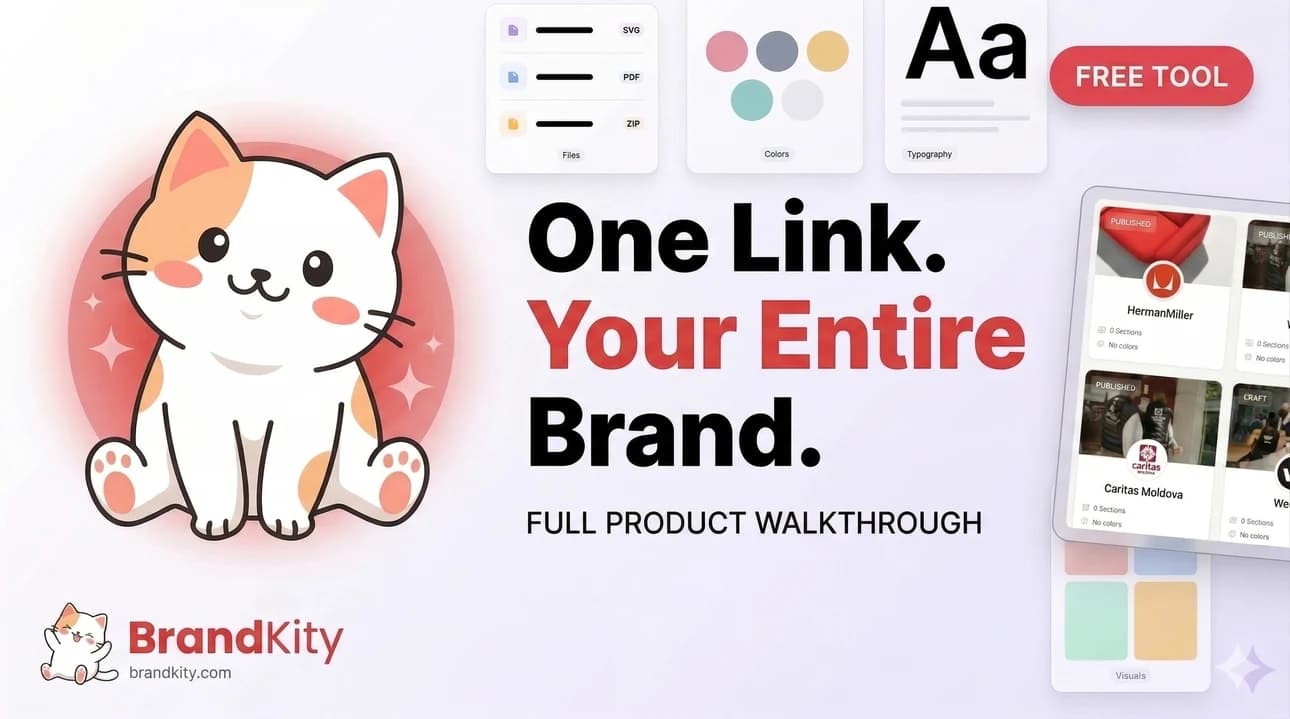
Table of contents
- The Scramble for Assets: Why Current Brand Handoffs Fail
- The Power of a Single Source of Truth for Brand Assets
- Moving Beyond Zipped Folders and Shared Drives
- Centralizing Logos, Colors, Fonts, and Visuals
- The Psychological Impact of Organized Delivery on Clients
- Streamlining Client Handoffs: The ‘One Link’ Advantage
- Reducing Client Confusion and Frustration
- Accelerating Project Completion and Feedback Cycles
- Ensuring Brand Consistency Across All Touchpoints
- Designing Your Brand Asset Hub: Key Components for Success
- Essential Files to Include: Logos, Color Palettes, Typography
- Beyond the Basics: Icons, Imagery, Templates, and Guidelines
- Structuring for Clarity: Naming Conventions and Folder Organization
- Elevating Your Professional Image Through Structured Delivery
- Demonstrating Attention to Detail to Clients
- Building Trust and Credibility with a Seamless Experience
- Setting Client Expectations for Future Deliverables
- Automating Brand Asset Delivery: Saving Time and Resources
- Minimizing Repetitive Asset Requests
- Freeing Up Designers for Creative Work
- Integrating with Existing Workflows for Agencies
- Practical Steps to Implementing a ‘One Link’ Asset Strategy
- From Scattered Files to a Unified Brand Experience
- Case Study Snippet: How Agencies are Winning with Unified Handoffs
- Common Pitfalls to Avoid in Asset Management
- Checklist: Are Your Brand Assets Ready for a Single-Link Delivery?
- Empowering Clients to Use Brand Assets Effectively
- Providing Clear Instructions and Usage Examples
- Facilitating Easy Access for Marketing and External Teams
- The Long-Term Benefits of Client Empowerment
- The Future of Brand Delivery: Seamless, Structured, and Scalable
Delivering a complete brand package to clients can feel like assembling a complex puzzle. Often, the final step — the asset handoff — devolves into a chaotic mess of disorganized files, leading to confusion and endless follow-up questions. This crucial moment, meant to signify project completion, can unfortunately become a significant point of friction.
What if there was a way to transform this final hurdle into a moment of professional triumph? Imagine presenting your client with a single, polished link that grants them immediate, organized access to every essential brand asset. This isn’t just about convenience; it’s about solidifying trust and demonstrating your commitment to their brand’s long-term success.
The Scramble for Assets: Why Current Brand Handoffs Fail
The traditional methods of brand asset delivery are rife with inefficiencies that frustrate both designers and clients. Commonly, agencies resort to sending zipped folders via email, relying on shared cloud storage links that become outdated or permission-inaccessible, or even worse, scattering assets across multiple platforms. This approach often results in clients struggling to locate the correct file versions, leading to wasted time and potential brand misrepresentation. The sheer volume and variety of assets—logos in different formats, color codes, font files, imagery—become overwhelming when not presented cohesively. This disorganization can inadvertently signal a lack of professionalism and attention to detail, undermining the perceived value of the design work delivered. A truly effective handoff requires more than just a dump of files; it needs structure and clarity to empower the client.
Several key decision criteria often get overlooked when setting up an asset delivery system. Firstly, scalability is paramount; the system must accommodate growing brand libraries without becoming unwieldy. Secondly, accessibility is crucial—clients need easy, straightforward access without requiring technical expertise or multiple logins. Thirdly, the security of these valuable brand assets should be a high priority, preventing unauthorized access or distribution. A common pitfall is underestimating the user experience from the client’s perspective; what seems logical to a designer might be confusing to a business owner. For example, a client might not understand the difference between EPS and SVG files, or why multiple logo versions are necessary. This lack of understanding, stemming from poor organization, can lead to incorrect usage and damage brand integrity. Websites like ftfstrong.com, while in a different niche, highlight the importance of clear, structured approaches to achieving mastery, a principle applicable to any complex delivery process.
The Power of a Single Source of Truth for Brand Assets
Establishing a single source of truth for brand assets transforms the delivery process from a chore into a strategic advantage. This centralized hub ensures that all stakeholders, particularly the client, have immediate and consistent access to the most up-to-date and correctly formatted brand materials. Instead of sifting through emails or convoluted cloud folders, clients receive a direct, organized link. This approach drastically reduces the chances of clients using outdated logos or incorrect color codes, thereby safeguarding brand integrity and consistency across all their communications and marketing efforts. It’s about creating a definitive, easily navigable repository that empowers the client to use their brand assets confidently and correctly, minimizing potential errors and reinforcing the professional image of your agency.
Moving Beyond Zipped Folders and Shared Drives
The limitations of traditional file-sharing methods are clear. Zipped folders are prone to version control issues, can be cumbersome to download, and often contain redundant or outdated files. Shared drives, while better, can quickly become a digital landfill if not meticulously organized. Permissions can be tricky, leading to clients being unable to access files when they need them most, or worse, accessing files they shouldn’t. This scattered approach forces clients to become amateur file managers, a task they neither have the time nor the inclination for. It’s a constant back-and-forth of clarifying file types, providing new links, and answering basic organizational questions. Moving beyond these methods means adopting a system designed specifically for the structured delivery of creative assets, prioritizing ease of access and clarity for the end-user, which ultimately reflects positively on the agency’s professionalism and efficiency. This shift is essential for any agency aiming to enhance their client delivery workflow.
Centralizing Logos, Colors, Fonts, and Visuals
A truly effective brand asset hub centralizes all critical visual elements. This includes logo variations (e.g., full color, grayscale, favicon, social media profiles), precise color palettes with HEX, RGB, and CMYK values, and all designated font files with clear licensing information. Beyond these core elements, it should also encompass photography guidelines, illustration styles, iconography sets, and any other visual assets that define the brand’s identity. By consolidating these components into one accessible location, you eliminate ambiguity and the possibility of misinterpretation. Clients can easily find what they need, when they need it, ensuring that their brand is represented accurately and consistently across all platforms and applications. This organized approach is a hallmark of professional design delivery and is crucial for maintaining brand cohesion.
The Psychological Impact of Organized Delivery on Clients
The way brand assets are delivered has a profound psychological impact on clients, significantly influencing their perception of your agency’s competence and reliability. Receiving a well-organized, easily accessible link to all their brand assets evokes feelings of confidence and reassurance. It communicates that you’ve meticulously thought through every detail, anticipating their needs. Conversely, a disorganized, confusing delivery can trigger feelings of anxiety, frustration, and doubt, making clients question the quality of the work itself, regardless of its actual merit. This sense of control and clarity that a structured delivery provides can foster a stronger, more trusting client relationship, making them more likely to recommend your services and engage in future projects. It’s about delivering not just files, but a sense of professional calm and preparedness. This contributes directly to streamlining your design workflow and ensuring client satisfaction.
Streamlining Client Handoffs: The ‘One Link’ Advantage
The ‘one link’ approach to brand asset delivery fundamentally redefines the client handoff experience, shifting it from a point of potential friction to a seamless, professional conclusion. Instead of bombarding clients with multiple files and folders, you provide a single, curated URL that serves as their definitive gateway to all essential brand materials. This consolidated delivery method eliminates the need for clients to hunt for specific assets, reducing confusion and saving valuable time. It instills a sense of trust and competence, showcasing your agency’s organized and client-centric approach. By centralizing everything, you empower your clients with immediate access to logos, color codes, fonts, and more, ensuring brand consistency and accelerating their ability to utilize their new brand identity effectively, ultimately leading to faster project adoption and a more positive overall impression of your services. This method is key to achieving efficient brand asset management.
Reducing Client Confusion and Frustration
The most immediate benefit of the ‘one link’ delivery system is the dramatic reduction in client confusion and frustration. Clients, especially those without extensive design backgrounds, often struggle to navigate complex file structures or understand the nuances between different file formats. When presented with a single, clearly organized link, they are immediately met with a user-friendly interface that categorizes assets logically. This eliminates the need for them to ask clarifying questions about where to find a specific logo variation or what color code to use. The simplicity of accessing everything from one place fosters a sense of ease and competence, allowing them to focus on integrating their new brand identity rather than wrestling with digital organization. This proactive approach prevents the common back-and-forth that plagues traditional handoffs, saving everyone time and fostering a positive client experience, contributing to a more efficient project lifecycle.
Accelerating Project Completion and Feedback Cycles
A streamlined ‘one link’ asset handoff directly contributes to accelerating project completion and shortening feedback cycles. When clients have immediate, organized access to all necessary assets—logos, color palettes, typography, imagery—they can begin implementing the brand identity across their platforms without delay. This quick access means they can start creating marketing materials, updating their website, or preparing social media campaigns much sooner. Furthermore, having a clear, centralized repository makes it easier for clients to provide comprehensive feedback. They can refer to specific assets directly within the hub, leading to more targeted and actionable comments, rather than vague descriptions. This efficiency not only speeds up the final stages of a project but also builds momentum, leaving clients with a positive impression of your agency’s ability to deliver results promptly and professionally, which is crucial for any agency seeking seamless agency success.
Ensuring Brand Consistency Across All Touchpoints
The ‘one link’ advantage is paramount in ensuring unwavering brand consistency across every client touchpoint. By providing a single, authoritative source for all visual assets, you empower your clients to maintain a unified brand identity. This means providing them with the correct logo files for web and print, the exact color codes for digital applications and merchandise, and the approved fonts for all collateral. Without this centralized resource, clients are more susceptible to using inconsistent or incorrect brand elements, leading to a diluted or even contradictory brand message. A well-structured asset hub acts as the guardian of their brand integrity, making it easy for them to adhere to guidelines and present a cohesive, professional image to their audience, which is fundamental for long-term brand equity and is a core aspect of effective design system implementation.
Designing Your Brand Asset Hub: Key Components for Success
Creating an effective brand asset hub requires thoughtful planning, ensuring it’s not just a storage space but a user-friendly tool for your clients. The foundation lies in including all essential visual elements in organized, accessible formats. This means more than just dropping files into a folder; it involves curating a comprehensive toolkit that empowers clients to use their brand identity correctly and confidently. A well-designed hub should be intuitive, scalable, and reflect the professionalism of your agency, turning the often-dreaded asset handoff into a positive, value-adding experience. By focusing on clarity and completeness, you provide a lasting resource that supports your client’s brand long after the project is complete, acting as a testament to your thoroughness and expertise. This process is vital for agencies aiming to move from chaos to clarity in their delivery workflows.
Essential Files to Include: Logos, Color Palettes, Typography
The cornerstone of any robust brand asset hub includes three critical categories: logos, color palettes, and typography. For logos, provide various formats (e.g., SVG for scalability, PNG for web, EPS for print) and versions (e.g., full color, monochrome, favicon, social media icons). Clearly label each type to prevent misuse. For color palettes, include precise values in multiple formats—HEX for web, RGB for digital displays, and CMYK for print—along with swatches for easy reference. Typography requires providing the font files themselves, along with clear guidelines on intended usage, weights, and licensing information, ensuring clients use approved fonts consistently. This organized presentation of core elements is crucial for maintaining brand integrity and is a fundamental aspect of any effective client asset toolkit.
Beyond the Basics: Icons, Imagery, Templates, and Guidelines
While logos, colors, and fonts form the core, a truly comprehensive brand asset hub extends beyond these basics to include a wider array of valuable resources. This encompasses iconography sets that maintain a consistent visual style, curated image libraries or guidelines on approved photography, and editable design templates for common marketing materials like social media posts, presentations, or email signatures. Crucially, a detailed brand style guide should be integrated, clearly articulating usage rules, do’s and don’ts, and the overall brand voice and tone. Providing these additional elements equips clients with a complete ecosystem for their brand, minimizing the need for further external resources and ensuring a consistent brand experience across all touchpoints, which is a hallmark of a professional one-link asset delivery system.
Structuring for Clarity: Naming Conventions and Folder Organization
Effective structuring is paramount for a user-friendly brand asset hub. Implement a clear, consistent naming convention for all files. This means adopting a logical pattern, such as `[BrandName]_[AssetType]_[Format]_[Version]`, for example, `ClientCo_Logo_FullColor_SVG_v1.svg`. This eliminates ambiguity and makes searching intuitive. Complement this with logical folder organization that groups assets by type (e.g., Logos, Colors, Typography, Imagery) and then by format or usage (e.g., Web, Print, Social Media). Subfolders should be clearly labeled. A well-organized structure ensures clients can quickly locate precisely what they need without wading through endless files, reinforcing your agency’s professionalism and attention to detail. This organized approach is vital for creating an accessible professional brand asset experience.
Elevating Your Professional Image Through Structured Delivery
The way you deliver brand assets speaks volumes about your professionalism and your commitment to client success. Moving beyond scattered emails and unorganized cloud folders, a structured delivery system, often embodied by a single, well-organized link, transforms a mundane task into a powerful branding statement. This approach demonstrates an unwavering attention to detail, a trait highly valued by clients across all industries. It signals that you’ve meticulously curated and organized the essential elements of their brand, making it easy for them to access and utilize them consistently.
By presenting assets in a logical, categorized manner, clients can quickly find what they need, reducing their potential frustration and saving them valuable time. This efficiency directly contributes to their positive perception of your services. It’s not just about the assets themselves, but the smoothness of the handover process. This organized delivery is a direct reflection of your internal processes and your dedication to providing a superior client experience. It’s a tangible demonstration of how you manage complex information, which instills confidence and fosters a sense of reliability.
Demonstrating Attention to Detail to Clients
A meticulously organized brand asset delivery not only showcases your design prowess but also your commitment to a polished and professional client experience. When a client receives a single link that leads to a clearly categorized library of their brand elements—logos in various formats, color swatches, typography files, and imagery—it signifies that you’ve gone the extra mile. This level of organization eliminates ambiguity and potential confusion, demonstrating that you understand the importance of their brand’s integrity. It shows you’ve anticipated their needs, providing them with ready-to-use resources that reflect careful consideration. This proactive approach minimizes the chances of misinterpretation or improper usage of brand assets down the line, a common pitfall when assets are delivered haphazardly.
Consider the impact of delivering a beautifully structured brand kit versus a jumble of files. The former suggests a deep understanding of branding principles and a dedication to client empowerment. It’s about more than just handing over files; it’s about providing a comprehensive brand toolkit that supports their ongoing marketing and communication efforts. This detailed presentation builds confidence, assuring clients that their brand is in capable hands. This attention to detail, when consistently applied, can be a significant differentiator in a competitive market, leading to stronger client relationships and repeat business.
Building Trust and Credibility with a Seamless Experience
The delivery of brand assets is a pivotal moment in the client relationship, offering a prime opportunity to solidify trust and enhance your professional credibility. A unified, single-link approach to asset delivery moves beyond the transactional and into the realm of strategic partnership. By providing a clean, intuitive interface for accessing logos, color palettes, fonts, and other essential brand collateral, you create a seamless and professional experience for your clients. This eliminates the friction often associated with navigating multiple file-sharing services or sifting through lengthy email chains. When clients can easily find and download the exact assets they need, without confusion or delay, it reinforces their confidence in your capabilities and reliability. This smooth handover is a direct reflection of your organizational skills and your commitment to making their post-project life easier.
This structured approach to asset management acts as a powerful testament to your professionalism, demonstrating that you value their time and understand the importance of their brand’s consistency. It’s a proactive measure that sets a high standard for future interactions and deliveries. Think of it as a handshake that solidifies the completion of a project; it should be firm, professional, and reassuring. A well-executed asset delivery process, culminating in a single, accessible link, effectively builds long-term client loyalty. It tells them you are not just a service provider, but a trusted partner invested in their brand’s ongoing success and ease of use. This seamless experience is a key component of successful agency success.
Setting Client Expectations for Future Deliverables
Implementing a standardized, single-link system for brand asset delivery not only streamlines the current handover but also subtly educates clients on your preferred and most effective methods of communication and delivery. This consistent approach helps to manage client expectations for all future interactions. When clients experience the ease and professionalism of accessing all necessary brand materials through one organized link, they begin to understand the value of structured digital handoffs. This can lead to fewer informal requests for individual files via email and a greater appreciation for a centralized, efficient system. It establishes a benchmark for clarity and accessibility that they can anticipate in subsequent projects or updates.
By making this process clear from the outset, you preemptively address potential sources of confusion or demand for ad-hoc file retrieval. This structured delivery demonstrates your commitment to providing a high-quality, organized output. It’s an opportunity to showcase your efficiency and instill confidence that you have a well-defined workflow. This clarity is crucial for maintaining a professional relationship and ensuring that clients understand the best way to interact with you for their ongoing branding needs. It ultimately contributes to a more predictable and manageable workload for both parties, reinforcing the idea that clear processes lead to better outcomes.
Automating Brand Asset Delivery: Saving Time and Resources
The manual delivery of brand assets—involving multiple emails, cloud storage links, and follow-up communications—is a significant drain on time and resources for both designers and clients. Automating this process through a single, comprehensive link drastically reduces the manual effort involved. Instead of painstakingly gathering and sending individual files, designers can direct clients to a curated portal where all necessary assets are neatly organized and readily downloadable. This automation is not just about convenience; it’s a strategic move to optimize workflow efficiency and reallocate valuable time towards more impactful creative endeavors. By minimizing the repetitive nature of asset sharing, businesses can significantly cut down on operational overhead and boost overall productivity.
This streamlined approach directly contributes to cost savings. Reduced time spent on administrative tasks means more billable hours can be dedicated to actual design work, client strategy, or business development. Furthermore, by providing a single source of truth for all brand assets, the potential for errors and the need for revisions stemming from incorrect file usage is substantially reduced. This not only saves time but also prevents potential brand inconsistencies that can be costly to rectify. Embracing automated brand asset delivery is a practical step towards building a more agile and resource-efficient operation, allowing teams to focus on delivering exceptional creative value rather than getting bogged down in logistical minutiae. It’s about leveraging technology to enhance the core creative process.
Minimizing Repetitive Asset Requests
One of the most common time sinks for design professionals and agencies is the constant stream of repetitive requests for brand assets. Clients, marketing teams, or even internal departments frequently need logos in specific formats, updated color codes, or high-resolution images for various applications. Without a centralized, easily accessible system, each request often requires designers to locate, format, and resend files, consuming valuable time that could be better spent on creative tasks. Implementing a single link for all brand assets effectively curtails these recurring demands. By providing a self-serve portal, clients can independently access the exact files they require, 24/7, drastically reducing the need for direct intervention from the design team.
This proactive solution not only saves countless hours but also empowers clients and stakeholders by giving them immediate access to the resources they need. This can accelerate their own workflows, as they are no longer beholden to the design team’s availability for basic asset retrieval. It fosters a sense of autonomy and efficiency within the client’s organization, reflecting positively on the designer or agency. A well-organized asset hub becomes a reliable and always-available resource, significantly minimizing the back-and-forth communication that often plagues creative project management. This reduction in repetitive tasks is a direct pathway to reclaiming lost productivity and dedicating more energy to high-value strategic work.
Freeing Up Designers for Creative Work
The constant need to fulfill individual requests for logos, color palettes, or font files can divert designers from their core responsibilities: creative problem-solving and innovative design. When designers are frequently pulled away to manage asset distribution, their focus is disrupted, hindering their ability to engage in deep work and strategic thinking. Automating brand asset delivery through a single, organized link liberates designers from these administrative burdens. This allows them to reclaim significant portions of their day, dedicating that time to strategic design planning, exploring new creative concepts, and refining existing projects. The result is higher quality work and increased job satisfaction.
By making assets universally accessible and easy to manage via one link, the operational friction for internal and external collaborators is significantly reduced. This not only benefits the design team but also speeds up the client’s own processes. For instance, a marketer needing a specific logo format for a social media campaign can quickly download it without requiring a designer’s immediate assistance. This efficiency boost is crucial in fast-paced environments. Ultimately, freeing up designers means enhancing the creative output and allowing them to contribute more meaningfully to the client’s business objectives, moving beyond mere file management to genuine brand elevation. This strategic use of talent is key to maintaining a competitive edge and driving innovation.
Integrating with Existing Workflows for Agencies
For agencies, integrating a unified brand asset delivery system into their existing operational framework is paramount for seamless adoption and maximum benefit. The goal is not to replace current workflows but to enhance them, making the delivery of brand assets a fluid and efficient part of the client onboarding or project completion process. A well-designed system, accessible via a single link, can easily be incorporated into project management tools, client portals, or even post-project follow-up sequences. This integration with existing agency workflows ensures that the asset hub becomes a natural extension of how the agency already operates, minimizing disruption and maximizing team buy-in. It should complement, not complicate, the established processes.
Consider how this unified delivery can plug into a typical agency lifecycle. After a branding project is finalized, the client receives a single link that contains all approved logos, style guides, and supporting assets. This link can be automatically added to client onboarding emails, saved within client relationship management (CRM) software, or linked from a dedicated client dashboard. This ensures that the asset library is readily available when needed, whether for the client’s internal marketing team or for future collaboration with the agency. Such a system promotes consistency and reduces the likelihood of miscommunication or the use of outdated assets. By offering a professional and organized point of access, agencies can strengthen their client relationships and position themselves as highly efficient and dependable partners. This approach supports the agency’s commitment to providing a superior client experience, as detailed in discussions on streamlining brand assets for an agency edge.
Practical Steps to Implementing a ‘One Link’ Asset Strategy
Transitioning to a ‘one link’ brand asset strategy involves a series of deliberate steps designed to create a structured, accessible, and comprehensive repository for all your client’s brand collateral. The foundational step is to audit and consolidate all existing brand assets. This means gathering every version of logos, color palettes, typography files, imagery, and any other brand elements that have been created. Thoroughly review these assets for accuracy, relevance, and completeness, discarding outdated or redundant files. Once consolidated, categorize these assets logically. Common categories include logos (vector, raster, by use case), colors (hex, RGB, CMYK), typography (fonts, usage guidelines), imagery (photography, illustrations), and sometimes even templates or documents.
The next crucial phase is selecting a platform or method to host and present these categorized assets. This could range from a dedicated brand asset management tool to a carefully organized folder structure on a cloud storage service, though the former is highly recommended for a professional and scalable solution. Whichever method you choose, ensure it allows for clear organization and easy navigation. Once your assets are organized and hosted, create a single, persistent link that directs users to this central hub. This link should be easily shareable and memorable. Finally, develop clear guidelines and communicate the strategy to your clients and internal teams. Explain the benefits of this unified approach—ease of access, brand consistency, and time savings—and provide clear instructions on how to use the link and access the assets. Regular maintenance and updates to the asset library are also essential to ensure its continued relevance and utility.
From Scattered Files to a Unified Brand Experience
The journey from a chaotic collection of scattered files to a cohesive, unified brand experience is a transformative one, fundamentally improving how brands are managed and deployed. Initially, brand assets often reside in disparate locations: a designer’s hard drive, various cloud storage folders, email attachments, and client-provided files. This fragmentation leads to inefficiencies, inconsistencies, and a general lack of clarity, making it difficult for anyone—including the brand owner—to access the correct and most up-to-date resources. The goal of a unified brand experience is to centralize all these disparate elements into a single, accessible, and well-organized location.
This unification is typically achieved through a dedicated platform or a meticulously structured digital library. By consolidating everything under one umbrella, often accessible via a single, shareable link, the brand becomes more manageable and its integrity is better protected. Clients and collaborators gain immediate access to approved logos in various formats, correct color codes, specific fonts, and relevant imagery, all presented in a user-friendly interface. This not only simplifies usage but also reinforces brand guidelines and ensures consistency across all touchpoints. It’s about moving from a state of potential confusion and brand dilution to one of clarity, control, and consistent visual identity. This structured approach is essential for any business serious about maintaining a strong and recognizable brand presence in today’s multifaceted media landscape.
Case Study Snippet: How Agencies are Winning with Unified Handoffs
Agency: Creative Spark Solutions
Client: GreenLeaf Organics (a growing organic food retailer)
Challenge: GreenLeaf Organics frequently updated their marketing materials across multiple channels but struggled with managing their brand assets. They received logos in various resolutions, inconsistent color codes, and outdated visual elements from different sources, leading to fragmented branding and repeated revision requests.
Solution: Creative Spark Solutions implemented a unified brand asset delivery system for GreenLeaf Organics, accessible via a single, secure link. This hub contained all approved logos (vector and raster, for web and print), a definitive color palette with HEX, RGB, and CMYK values, the official font suite, and a library of approved product photography. The system was designed with clear categorization and search functionality.
Result: Within three months of implementing the unified handoff, GreenLeaf Organics saw a 40% reduction in asset-related revision requests. Their marketing team reported a 60% faster turnaround time for creating new collateral, as they could instantly access the correct files. Creative Spark Solutions also noted a 25% decrease in inbound asset requests, freeing up their account managers and designers to focus on strategic initiatives. This improved efficiency and brand consistency strengthened GreenLeaf Organics’ market presence and cemented Creative Spark Solutions’ reputation as a proactive and organized partner. This success story highlights how a structured approach can lead to tangible business benefits, mirroring the insights found in discussions about stopping asset chaos with one-link delivery.
Common Pitfalls to Avoid in Asset Management
One of the most frequent mistakes in brand asset management is the lack of version control. Without a clear system for tracking updates and archiving older versions, clients and collaborators can easily use outdated logos or incorrect color codes, leading to brand inconsistency. This oversight undermines the entire purpose of having brand guidelines. Another significant pitfall is the failure to provide assets in multiple formats. A logo needed for a website requires a different format (e.g., SVG, PNG) than one for print production (e.g., EPS, AI). Not offering the necessary file types creates friction and can lead to improper usage or the need for additional work to convert files.
Furthermore, overly complex organizational structures can be as detrimental as no structure at all. If clients can’t easily find what they need within the asset library, the system fails its purpose. The naming conventions should be intuitive and consistent. Additionally, many overlook the importance of clear usage guidelines. Simply providing assets isn’t enough; clients need to understand how and where to use them correctly, including acceptable variations and what to avoid. Finally, a critical mistake is infrequent updates and maintenance. A brand asset library is not a static entity; it needs regular review and updates as the brand evolves. Neglecting this can render the entire system obsolete and ineffective.
Checklist: Are Your Brand Assets Ready for a Single-Link Delivery?
Before you launch your ‘one link’ brand asset strategy, conduct a thorough self-assessment using this checklist. First, have you consolidated all existing brand assets from every conceivable location? This includes logos (vector, raster, different orientations), color palettes (with HEX, RGB, CMYK values), typography files, imagery, and any other essential brand elements. Are these assets organized logically and intuitively? Consider creating clear categories such as ‘Logos,’ ‘Colors,’ ‘Fonts,’ ‘Imagery,’ and perhaps subcategories for specific use cases (e.g., ‘Web Logos,’ ‘Print Logos’).
Next, are all assets provided in necessary and appropriate file formats? Ensure you have vector formats (AI, EPS, SVG) for scalability and raster formats (JPG, PNG with transparent backgrounds) for web and general use. Crucially, have you included clear usage guidelines? This should cover proper logo placement, color application, typography rules, and any do’s and don’ts to maintain brand integrity. Finally, is the link to your asset hub easily accessible, permanent, and shareable? Regularly test the link and ensure the content is up-to-date. If you can confidently answer yes to these questions, your brand assets are likely ready to empower your clients through a unified, single-link delivery.
Empowering Clients to Use Brand Assets Effectively
Delivering brand assets is only half the battle; ensuring clients can actually use them is the crucial second half. When clients understand and can easily access brand elements, they become powerful advocates for your brand. This empowerment prevents misuse, maintains brand integrity, and ultimately saves you time by reducing clarification requests. The key lies in anticipating client needs and providing resources that make their job simpler. Think of it as equipping them with a comprehensive toolkit, not just a box of miscellaneous parts. A well-organized delivery system with clear guidance minimizes confusion and fosters a positive working relationship, making future collaborations smoother and more efficient. This proactive approach builds trust and demonstrates your commitment to the client’s ongoing success with the brand you’ve helped create.
Providing Clear Instructions and Usage Examples
Ambiguity is the enemy of effective brand asset utilization. Clients, especially those without design backgrounds, need explicit instructions on how to use logos, color palettes, typography, and imagery. This goes beyond simply providing files. It involves creating a concise, easy-to-understand brand guideline document or a dedicated section within your delivery platform. Key decision criteria for effective instructions include clarity, conciseness, and visual aids. For logos, specify acceptable variations (e.g., full color, grayscale, icon-only), minimum sizes, and clear space requirements. For color palettes, provide HEX, RGB, and CMYK values. Typography instructions should include font families, weights, and usage rules for headings versus body text. Pitfalls to avoid include overwhelming clients with too much technical jargon or providing generic advice that doesn’t apply to their specific use cases. Conversely, including practical, real-world examples—like mockups of a business card with the logo, a website header using the defined typography, or a social media post incorporating the color scheme—significantly aids comprehension and adoption. This practical demonstration helps clients visualize how to apply the assets correctly in their day-to-day communications.
Facilitating Easy Access for Marketing and External Teams
The impact of your brand delivery extends beyond the immediate client contact; it needs to reach marketing teams, external agencies, and even third-party vendors. Dispersed files and lack of a central repository create inefficiencies and a risk of brand inconsistency. A consolidated, single-link solution solves this by acting as a single source of truth for all approved brand assets. When selecting a delivery method, consider features like organized folder structures, search functionality, and version control. Decision criteria should focus on ease of navigation and accessibility for users with varying technical proficiencies. For example, a marketing manager shouldn’t need to hunt through multiple email threads or cloud storage folders to find the latest logo. They should be able to access it, along with all supporting materials, through one intuitive portal. Pitfalls to avoid include relying on outdated methods like shared ZIP files or disorganized cloud folders, which often lead to outdated assets being used. Providing a clear, structured link simplifies the process for marketing teams, allowing them to quickly find and deploy assets for campaigns, social media, presentations, and more, thereby maintaining a cohesive and professional brand image across all touchpoints.
The Long-Term Benefits of Client Empowerment
Empowering clients with well-managed brand assets fosters a symbiotic relationship that benefits both parties. For the client, it means confidence and consistency in their brand representation, which can positively impact their market perception and customer engagement. They spend less time searching for assets and more time executing their business strategies. For designers and agencies, the benefits are equally significant. Reduced instances of incorrect asset usage lead to fewer revision requests and less time spent correcting errors, directly impacting profitability and freeing up resources for new projects. This efficiency can be a differentiator, leading to repeat business and positive referrals. Moreover, when clients are satisfied with the clarity and ease of your brand delivery process, they are more likely to trust your expertise for future needs. As noted by resources discussing discipline in creative workflows, a structured approach to asset management cultivates a sense of professionalism and reliability that builds lasting client relationships. This proactive client enablement transforms a transactional delivery into a strategic partnership, ultimately driving greater success for everyone involved.
The Future of Brand Delivery: Seamless, Structured, and Scalable
The evolution of brand delivery points towards solutions that are not just functional but also intelligent and adaptable. The days of sending scattered files via email or wrestling with unmanageable cloud folders are rapidly becoming obsolete. Future-forward brand asset delivery centers on platforms that offer seamless integration into existing workflows, intelligent organization, and the ability to scale with growing client needs. Think of a system that not only houses your assets but also provides analytics on their usage, ensures automatic updates for brand guideline changes, and offers robust version control. Decision criteria for adopting future-ready solutions include their extensibility, security features, and the potential for automation. For instance, a platform that can automatically generate different file formats based on user needs or integrate with project management tools streamlines the entire handover process. Key pitfalls to avoid in this transition are clinging to legacy systems that lack modern features or investing in tools that create new silos rather than breaking them down. The ultimate goal is a structured, scalable ecosystem where brand assets are not just delivered but actively managed and leveraged, ensuring consistency and efficiency from the initial handover through all subsequent brand touchpoints. This approach anticipates the dynamic nature of branding and ensures clients can always access and utilize the most relevant and accurate brand materials, no matter how their needs evolve.
By embracing a centralized, structured approach to brand asset delivery, agencies and designers can elevate their client relationships and operational efficiency. Platforms like BrandKity are instrumental in achieving this, offering a singular link that simplifies the entire process from creation to final handover, ensuring clarity and professionalism every step of the way.
Saurabh Kumar
Founder, BrandKity
Saurabh writes about practical brand systems, faster client handoffs, and scalable workflows for designers and agencies building repeatable delivery operations.
Connect on LinkedIn