
Stop Asset Chaos: One Link Delivery
In the fast-paced world of design and branding, the final delivery of assets can often feel like a chaotic race against time. Imagine handing over a b…
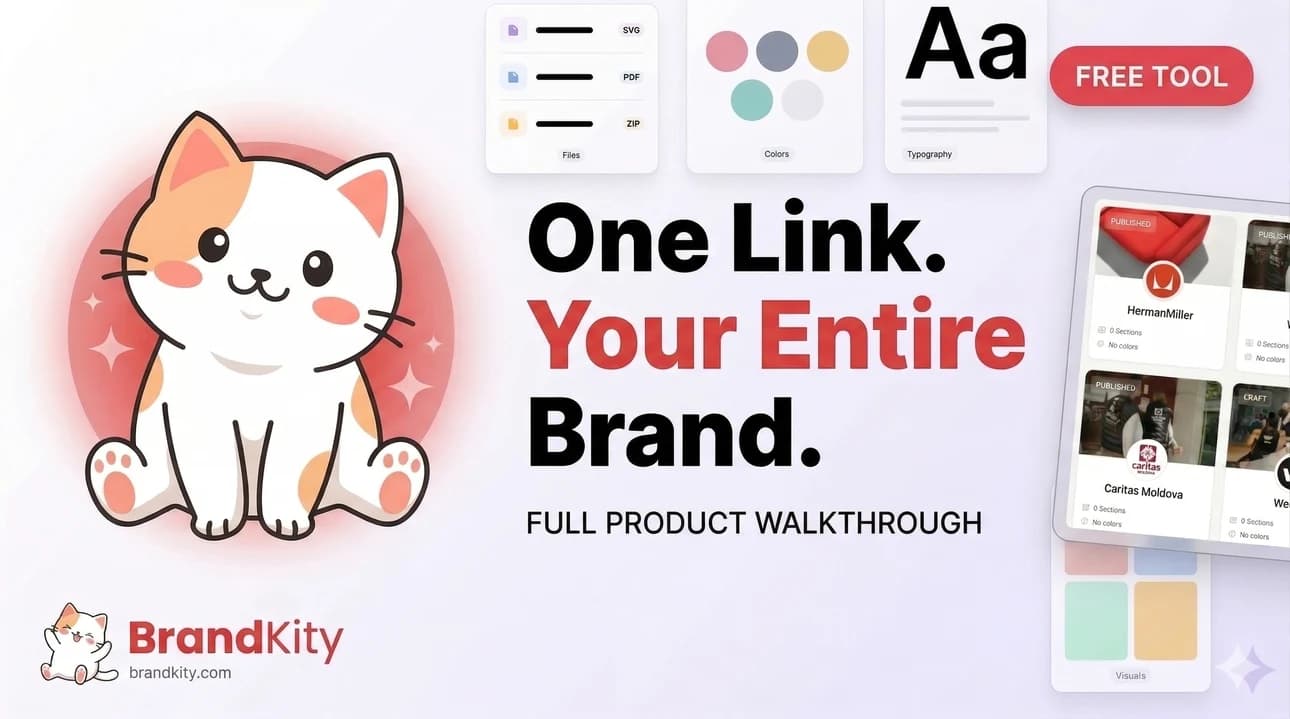
Table of contents
- The Frustration of Scattered Brand Files: A Designer’s Nightmare
- Defining ‘Asset Chaos’ in the Design World of 2026
- The Power of a Unified Brand Handoff: Introducing the ‘One Link’ Solution
- Building Your Centralized Brand Hub: Essential Asset Categories
- Structuring Your Brand Kit for Maximum Clarity and Usability
- Logical folder organization: Beyond just ‘logos’ and ‘images’.
- Naming conventions that prevent confusion.
- Incorporating usage guidelines directly within the asset categories.
- Beyond Files: Delivering the ‘Why’ with Brand Guidelines
- The role of a comprehensive brand guideline document.
- Making your guidelines accessible and easy to understand for clients.
- Integrating style guides directly into your delivery link.
- Streamlining Client Handoffs: Best Practices for Agencies and Freelancers
- Setting client expectations from the outset.
- The ideal timing for delivering brand assets.
- Preparing clients for self-sufficiency with their new brand assets.
- Leveraging Technology to Automate and Elevate Your Delivery Process
- Exploring the features of modern brand asset delivery platforms.
- Customization options: Branding your delivery link.
- Integration possibilities with existing design tools and workflows.
- Measuring the Success of Your ‘One Link’ Delivery Strategy
- Reduced client queries and support requests.
- Faster client adoption of brand assets.
- Improved client satisfaction and repeat business.
- Time saved on asset management and re-creation.
- Future-Proofing Your Brand Asset Management in the Evolving Digital Landscape
- Adapting to new asset types and formats.
- Maintaining your brand hub as your client’s brand evolves.
- The ongoing value of a structured and accessible brand system.
In the fast-paced world of design and branding, the final delivery of assets can often feel like a chaotic race against time. Imagine handing over a beautifully crafted brand identity, only for your client to be met with a jumble of files, confusing instructions, and outdated versions. This isn’t just frustrating; it undermines the hard work and professionalism you’ve invested.
Scattered brand files lead to confusion, wasted time, and a diluted brand presence for your client. There’s a better way to ensure your creative vision is understood and implemented correctly, transforming the handoff from a point of friction into a moment of clarity and confidence. Discover how a unified approach can revolutionize your delivery process.
The Frustration of Scattered Brand Files: A Designer’s Nightmare
For designers and agencies, the journey from creation to client delivery is often fraught with challenges, particularly when it comes to managing and distributing brand assets. The very tools and methods intended to facilitate collaboration can, paradoxically, become sources of immense frustration when not managed effectively. When clients receive a disorganized collection of logos, color codes, and fonts, it’s not just an aesthetic issue; it’s a breakdown in communication and a threat to the integrity of the brand you’ve painstakingly built. This complexity can lead to significant delays and necessitate constant back-and-forth communication, eating into valuable project time and budget.
The traditional methods of file sharing, such as emailing individual files, using generic cloud storage links, or even relying on USB drives, inherently lack structure and control. Designers often find themselves juggling multiple versions of files, leading to the inevitable “which one is the latest?” question. This lack of a centralized, organized system creates an environment ripe for error. For instance, a client might inadvertently use an outdated logo variant or a low-resolution version of an image, which can significantly dilute their brand’s professional image. This is a common pitfall that impacts the perceived quality of your work and can lead to a client questioning your attention to detail.
The consequences of disorganized asset delivery are tangible and can manifest in several frustrating ways. Clients may experience significant confusion trying to locate the correct file for a specific application, leading to delays in their marketing or product launches. This confusion often translates into a barrage of follow-up emails and requests for clarification, pulling you away from new projects. Moreover, seeing their brand assets scattered and inconsistently applied can erode a client’s confidence in your ability to manage their brand effectively, even if the original design work was impeccable. This was vividly illustrated in a hypothetical scenario where an agency spent over 10 hours in follow-up communication within a single week simply clarifying which logo files and color codes were current for a client’s new website launch, directly impacting their ability to start new client work.
Defining ‘Asset Chaos’ in the Design World of 2026
In the contemporary digital landscape of 2026, ‘asset chaos’ refers to the pervasive disorganization and mismanagement of digital brand elements across various platforms and stakeholders. This isn’t merely about having too many files; it’s about the lack of a cohesive system for their storage, retrieval, and application. The proliferation of digital assets – encompassing everything from primary and secondary logos in multiple formats (vector and raster), extensive color palettes defined by HEX, RGB, and CMYK values, to a diverse range of typography, imagery libraries, and even animated elements – creates a complex ecosystem. Without proper organization, these valuable resources become difficult to track, leading to inconsistencies and brand dilution. This complexity is further amplified by the evolving nature of design and marketing, demanding a more agile and centralized approach to asset management.
A critical component of ‘asset chaos’ is the persistent challenge of version control. In any given project, multiple iterations of a logo, a tagline, or a color scheme are common. Ensuring that clients and their teams consistently use the *latest approved version* is paramount to maintaining brand integrity. Without a clear system, outdated assets can easily be mistakenly deployed, leading to a fragmented brand identity. For example, a client might continue using a logo that was revised three months ago, unaware of the updated version that better reflects their current brand positioning. This oversight can be particularly damaging when launching new campaigns or products, undermining the visual consistency that is crucial for brand recognition and trust. Establishing clear protocols for asset updates and ensuring clients are informed and equipped to use the most current assets is a significant hurdle.
Beyond the immediate design implications, managing and delivering brand assets manually incurs substantial hidden costs. These include the time spent by designers and project managers searching for files, responding to repetitive asset requests, and correcting errors caused by the use of incorrect assets. Furthermore, there are the indirect costs associated with a client’s potential brand damage due to inconsistent application of their visual identity. Consider an agency that estimates losing 15-20% of their billable hours each month to asset-related queries and corrections. This inefficiency directly impacts profitability and limits the capacity for taking on new clients or focusing on strategic creative work. The effort involved in manually collating, organizing, and delivering assets can also strain client relationships, especially if the process is perceived as unprofessional or cumbersome.
The Power of a Unified Brand Handoff: Introducing the ‘One Link’ Solution
The concept of a ‘one link’ delivery system fundamentally transforms how creative professionals hand off brand assets to clients. Instead of a convoluted collection of folders, emails, and cloud storage links, this solution provides a single, organized, and accessible URL that houses all essential brand elements. This means your client receives a curated digital space where they can easily find and download precisely what they need, when they need it. It encapsulates logos in all necessary formats, color palettes with precise values, font files with licensing details, and relevant visual assets, all presented in a structured and professional manner. This unified approach simplifies the entire handoff process, ensuring clarity and efficiency from the outset and setting a strong foundation for the client’s ongoing use of the brand.
The key benefits of adopting a ‘one link’ delivery system are manifold, centering on simplicity, professionalism, and efficiency. For the designer, it streamlines the final delivery phase, reducing the time and effort previously spent on manual compilation and distribution. For the client, it offers an intuitive and straightforward way to access brand materials, eliminating the confusion and frustration often associated with disorganized file sharing. This elevated level of organization and presentation inherently boosts the perceived professionalism of your agency or freelance service. A well-structured single link demonstrates attention to detail and a commitment to client success, fostering trust and reinforcing the value of your creative work. It’s about delivering not just assets, but a complete, professional brand experience.
By centralizing all brand assets into a single, easily shareable link, you are effectively setting the stage for a seamless client experience from the very beginning of their engagement with their new brand identity. This isn’t just about the final delivery; it’s about empowering your client for success long after the project concludes. When clients can easily access and utilize correctly formatted and versioned assets, they are more likely to apply the brand consistently across all their touchpoints. This consistency amplifies their brand recognition and strengthens their market presence. Moreover, a unified delivery method reduces the likelihood of future support requests related to asset retrieval, freeing up your time to focus on new opportunities and client development. This proactive approach turns the asset handoff into a positive, confidence-building milestone.
Building Your Centralized Brand Hub: Essential Asset Categories
A robust centralized brand hub, accessible via a single link, must meticulously categorize and present all critical brand assets. At its core are the logos, requiring inclusion in various formats to cater to diverse applications. This typically means providing vector files like AI (Adobe Illustrator), SVG (Scalable Vector Graphics), and EPS (Encapsulated PostScript) for scalable print and web use, alongside raster formats such as PNG (with transparent backgrounds) and JPG for general digital applications. Crucially, each logo variant should be accompanied by clear usage guidelines, outlining acceptable and unacceptable applications to maintain brand integrity. Understanding these formats ensures clients can implement the logo correctly across all media, preventing pixelation or incorrect sizing issues.
Beyond visual marks, color palettes are fundamental to brand identity. Your hub should clearly define the primary and secondary brand colors, specifying their values across different color models. This includes HEX codes for digital applications (web and screen), RGB values for display purposes, and CMYK values for professional printing. Providing these precise specifications ensures color consistency across all materials, from digital advertisements to business cards. Properly defined color palettes prevent the accidental use of off-brand hues, which can significantly dilute a brand’s visual recognition and impact. This structured approach makes it simple for clients and their vendors to reproduce brand colors accurately every time.
Typography is another cornerstone of brand identity, and its management is vital. The centralized hub should feature the official brand fonts, ideally including the font files themselves (such as OTF – OpenType Font, TTF – TrueType Font, or WOFF – Web Open Font Format for web use). Equally important is providing information regarding font licensing. Clearly stating the license type and any restrictions ensures that clients use the fonts legally and appropriately across their projects. This prevents potential legal complications and ensures that the brand’s typographic voice remains consistent and professional across all communications, reinforcing the overall brand aesthetic and readability.
The category of visual assets encompasses a broad range of elements that contribute to a brand’s visual language. This includes curated libraries of approved stock photos, custom illustrations, iconography sets, and product mockups. Each asset should be organized, perhaps by theme or application, and provided in appropriate resolutions and formats. For instance, icons might be available as SVG for scalability, while high-resolution photographs would be in JPG or PNG. This ensures clients have readily available, high-quality visual resources that align with the brand’s aesthetic, reducing the need for them to source or create these elements themselves, which can often lead to inconsistencies or subpar quality.
Finally, a comprehensive brand hub should include other important files that support the brand’s consistent application and communication. This can range from detailed brand style guides that articulate the overarching brand strategy and usage rules, to presentation templates (e.g., PowerPoint, Google Slides) pre-formatted with brand elements, and even templates for stationery such as letterheads and business cards. Including these foundational documents ensures that clients have the practical tools they need to implement the brand effectively in their day-to-day operations, promoting uniformity and professionalism across all their business communications and presentations. This thoroughness elevates the delivered package from a mere collection of files to a complete brand operational toolkit.
Structuring Your Brand Kit for Maximum Clarity and Usability
A well-structured brand kit is the foundation of effective brand asset delivery. It’s not enough to simply dump all your files into a folder; the organization itself should communicate clarity and ease of use. Think about how a user will interact with these assets. They need to find what they’re looking for quickly, understand its purpose, and be confident they are using the correct version. This involves moving beyond basic categorization and implementing a system that anticipates user needs and potential confusion. A logical structure reduces friction for clients, marketing teams, and even other designers who might access the assets later, ensuring consistent brand application across all touchpoints. This thoughtful organization directly impacts brand perception and operational efficiency.
Logical folder organization: Beyond just ‘logos’ and ‘images’.
When organizing brand assets, start by thinking about the user’s journey. Instead of just broad categories like ‘logos’ or ‘images,’ consider more granular, purpose-driven folders. For instance, within ‘Logos,’ you might have subfolders for ‘Primary Logos,’ ‘Secondary Logos,’ ‘Iconography,’ and ‘Logo Variations’ (e.g., horizontal, stacked, favicon). Similarly, ‘Imagery’ could be divided into ‘Hero Images,’ ‘Product Shots,’ ‘Lifestyle Photography,’ and ‘Illustrations,’ each with further categorization by subject matter or campaign. Don’t forget essential categories like ‘Color Palettes’ (including HEX, RGB, CMYK values), ‘Typography’ (with font families, weights, and licensing information), ‘Brand Voice & Tone’ (guidelines, sample copy), and ‘Templates’ (social media, presentations, documents). This hierarchical approach ensures users can pinpoint precisely the asset they need without sifting through irrelevant files, significantly speeding up their workflow and preventing the use of incorrect or outdated assets. A solid system also minimizes the risk of accidental file overwrites or the distribution of low-resolution versions.
Naming conventions that prevent confusion.
Consistent and descriptive naming conventions are critical to preventing asset chaos. Ambiguous names like ‘logo_final_v3.eps’ or ‘image123.jpg’ create uncertainty and can lead to the use of incorrect files. Instead, implement a standardized naming system that includes key information at a glance. A good convention might look like: `[BrandName]_[AssetType]_[ColorVariant]_[Format]_[Version]`. For example, ‘AcmeCorp_Logo_Primary_RGB_PNG_v1.0’ or ‘AcmeCorp_Photography_Product_Lifestyle_JPG_v2.1’. For fonts, consider ‘AcmeCorp_Font_Montserrat_Bold.otf’. This clarity is invaluable, especially when dealing with multiple variations or updates. It allows users to quickly identify the correct asset, its intended use, and its version, drastically reducing the chances of errors and brand inconsistencies. This level of detail is especially helpful when clients are downloading assets themselves.
Incorporating usage guidelines directly within the asset categories.
Elevate your brand kit by embedding usage guidelines directly alongside the assets themselves. Instead of relying solely on a separate brand guidelines document, consider adding concise README files or short descriptive text files within each folder. For example, a ‘Logo Variations’ folder could contain a ‘ReadMe_LogoUsage.txt’ explaining which logo versions to use in specific contexts (e.g., primary for headings, icon for social media avatars). For color palettes, a simple text file could list the brand colors with their HEX and RGB values and a brief note on their primary applications. This contextual information provides immediate guidance, making it easier for users to understand how to apply the assets correctly without having to constantly refer back to a comprehensive document. It’s a proactive approach to brand consistency that empowers users with the knowledge they need, right where they need it. This also supports the goal of delivering a professional brand asset package.
Beyond Files: Delivering the ‘Why’ with Brand Guidelines
Simply providing a collection of files, no matter how well-organized, is only half the battle. True brand clarity comes from understanding the purpose and strategy behind those assets. This is where comprehensive brand guidelines become indispensable. They translate the visual elements into a coherent narrative, explaining the rationale, meaning, and intended application of each component. For clients, this documentation is not just a reference; it’s an educational tool that deepens their understanding and appreciation of the brand identity you’ve helped them build. When delivered effectively, these guidelines empower them to maintain brand integrity independently, fostering trust and long-term partnership. The ‘why’ behind the brand is as crucial as the ‘what’ in ensuring consistent and impactful brand representation.
The role of a comprehensive brand guideline document.
A comprehensive brand guideline document acts as the authoritative source of truth for how a brand should be represented. It goes beyond simply listing logos and colors; it articulates the brand’s core values, mission, and personality, and then explains how these are translated into visual and verbal elements. Key sections typically include logo usage (clear space, minimum size, incorrect usage), color palettes (primary, secondary, tertiary, with precise color codes for various applications like print and digital), typography (font families, hierarchy, usage rules), imagery style (photography, illustration, iconography), tone of voice, and even examples of application across different media. This document is essential for ensuring consistency, maintaining brand integrity, and preventing misinterpretations. For agencies and designers, it streamlines communication with clients and internal teams, acting as a universal reference that solidifies the brand’s visual and verbal identity. It is the blueprint for all brand communications, safeguarding the brand’s strategic positioning.
Making your guidelines accessible and easy to understand for clients.
The most comprehensive brand guidelines are useless if they’re overwhelming or inaccessible to the client. To ensure adoption and effective use, prioritize clarity, conciseness, and intuitive design. Use clear, jargon-free language, breaking down complex design concepts into easily digestible explanations. Employ visual aids such as clear examples of correct and incorrect usage, infographics, and well-designed layouts. Consider creating different versions or summaries tailored to specific audiences; for example, a quick-start guide for marketing teams and a more detailed version for designers. Interactive elements or embedded videos can also enhance engagement. A well-structured table of contents and a searchable format are crucial for easy navigation. The goal is to empower clients, not to intimidate them, ensuring they can confidently and accurately apply the brand identity across all their communications.
Integrating style guides directly into your delivery link.
To truly streamline the brand asset delivery process, integrate your style guide directly within the single delivery link. This means that alongside downloadable files, clients should have immediate access to the comprehensive brand guidelines. Platforms designed for brand asset management often allow you to upload the guideline document (PDF, web link, or dedicated section) as part of the deliverable package. This ensures that the “why” and “how” are always readily available at the point of use. For example, when a client clicks on the delivery link, they can navigate to a dedicated “Brand Guidelines” section, view it online, or download the PDF. This immediate accessibility prevents them from having to search for separate documents or ask clarifying questions, reinforcing the professionalism and user-friendliness of your handover. This approach champions the principle of having all necessary brand assets and their usage context in one central, easily accessible location.
Streamlining Client Handoffs: Best Practices for Agencies and Freelancers
The client handoff is a critical juncture in any design project, marking the transition from creation to implementation. A smooth and professional handoff not only leaves a positive final impression but also sets the client up for success in managing their brand assets independently. For agencies and freelancers, mastering this process is key to client satisfaction, repeat business, and efficient workflow. It involves clear communication, meticulous organization, and a proactive approach to client education. By establishing clear expectations and delivering assets in a structured, accessible manner, you empower your clients and minimize potential post-project confusion or support requests. This dedicated focus on the handoff process elevates the perceived value of your services and fosters long-term client relationships.
Setting client expectations from the outset.
Managing client expectations about brand asset delivery begins at the project’s inception. During the initial consultation or proposal phase, clearly outline what will be included in the final deliverable package. Specify the types of assets that will be provided (logos in various formats, color palettes, typography files, key visual elements, templates, etc.) and the format in which they will be delivered. Detail the timeline for the final asset handover, particularly if it’s a phased delivery or contingent on final approvals. Crucially, explain the importance of brand guidelines and how they will be presented. By proactively discussing these aspects, you prevent misunderstandings later on and ensure the client understands the scope and value of the brand asset package they will receive. This transparency builds trust and prepares them for a seamless transition.
The ideal timing for delivering brand assets.
The timing of brand asset delivery is as important as the organization of the assets themselves. Ideally, the full package, including meticulously organized files and comprehensive brand guidelines, should be delivered only after all design elements have been finalized and approved by the client. This ensures that you are handing over the definitive, polished versions of all assets. Delivering too early risks the client using preliminary or incomplete files, leading to brand inconsistencies. Conversely, delaying the handover unnecessarily can stall the client’s marketing or implementation efforts. A common best practice is to schedule the final delivery meeting or digital handover shortly after the final project sign-off, allowing for a thorough walkthrough and answering any immediate questions. This ensures the client has everything they need to move forward confidently with their branding.
Preparing clients for self-sufficiency with their new brand assets.
To truly empower your clients, the delivery of brand assets must be accompanied by preparation for self-sufficiency. This means not just handing over files, but also providing the knowledge and tools they need to use them correctly. Conduct a brief walkthrough of the delivered assets and brand guidelines, highlighting key usage rules and explaining where to find specific information. Offer a short training session or a recorded tutorial demonstrating how to access and use the assets effectively in common scenarios (e.g., creating a social media post, using a template). Ensure they understand how to contact you for future support or updates, but frame it as a continuation of partnership rather than an expectation of ongoing free assistance. The goal is to instill confidence, enabling them to be effective brand stewards long after the project is complete, minimizing the need for constant follow-up queries. This proactive approach to client education is a hallmark of professional service and supports winning client trust through organized assets.
Leveraging Technology to Automate and Elevate Your Delivery Process
In today’s fast-paced digital environment, manual delivery of brand assets is inefficient and prone to error. Technology offers powerful solutions to automate and elevate this crucial process, transforming it from a tedious task into a seamless, professional experience. Modern platforms are designed to centralize, organize, and share brand assets through a single, user-friendly link, ensuring that designers, agencies, and their clients have instant access to what they need, when they need it. By embracing these tools, you can significantly reduce administrative overhead, minimize mistakes, and enhance the overall client experience. This strategic use of technology not only streamlines workflows but also positions your brand as forward-thinking and client-centric, ultimately boosting productivity and client satisfaction.
Exploring the features of modern brand asset delivery platforms.
Modern brand asset delivery platforms offer a suite of features designed to consolidate and simplify the entire asset management and distribution process. Core functionalities typically include a robust file management system allowing for organized storage of logos, colors, fonts, images, and documents. Central to their value is the ability to generate a single, shareable link that grants controlled access to these organized assets. Many platforms also incorporate version control, ensuring users always access the latest approved files, and offer detailed analytics on asset downloads. Customizable permission levels allow for granular control over who can view, download, or manage specific assets. Furthermore, these platforms often facilitate the direct integration of brand guidelines, making them an inseparable part of the asset package. Some even provide features for user feedback and asset request management, creating a comprehensive ecosystem for brand assets. This level of sophistication is key to streamlining complex projects and ensuring brand consistency, a core tenet of effective professional brand asset delivery.
Customization options: Branding your delivery link.
To maintain a professional and branded experience, most modern platforms offer significant customization options for your delivery link. This goes beyond simply sharing a URL; it allows you to embed your agency’s or brand’s identity directly into the client’s experience. You can often customize the subdomain of the link, use your own domain (e.g., `assets.youragency.com`), and upload your logo to appear on the platform’s interface. Some platforms even allow for custom color schemes and layouts, ensuring the entire delivery portal aligns with your brand aesthetics. This level of personalization reinforces your brand’s professionalism and creates a cohesive experience for the client, making the handover feel like an extension of your established brand identity rather than an impersonal file dump. It demonstrates attention to detail and a commitment to a high-quality client experience.
Integration possibilities with existing design tools and workflows.
The true power of advanced brand asset delivery platforms lies in their ability to integrate seamlessly with your existing design tools and workflows. Many platforms offer plugins or direct integrations with popular design software like Adobe Creative Cloud (Photoshop, Illustrator, InDesign) or Figma. This allows designers to access and place brand assets directly from within their design applications without needing to navigate away or manually search for files. Integration with project management tools or cloud storage solutions like Dropbox or Google Drive can also automate asset syncing and updates. For agencies, integrating asset delivery with their CRM or client management system can automate client onboarding and asset handoff notifications. These connections reduce friction, save time, and ensure that the most up-to-date assets are always readily available across all stages of the design and implementation process, thereby supporting a more efficient agency workflow.
Measuring the Success of Your ‘One Link’ Delivery Strategy
Implementing a unified ‘one link’ delivery system for brand assets isn’t just about cleaner handoffs; it’s about tangible improvements that impact your bottom line and client relationships. Measuring the success of this strategy requires looking beyond simple delivery numbers to analyze the qualitative and quantitative benefits it brings. Key performance indicators (KPIs) should focus on efficiency gains, client experience enhancements, and the overall health of your asset management process. By establishing baseline metrics before implementation and tracking them consistently, you can demonstrate the true value of a centralized asset hub and identify areas for further optimization.
Reduced client queries and support requests.
One of the most immediate and measurable benefits of a well-structured ‘one link’ delivery is a significant reduction in client queries and support requests. When clients have a single, authoritative source for all their brand assets, they are less likely to ask for clarification on file types, versions, or usage guidelines. This directly translates to less time spent by your team answering repetitive questions. For instance, an agency implementing BrandKity reported a 40% decrease in daily client inquiries related to asset retrieval within the first quarter after adoption. This frees up valuable time for your support or account management teams to focus on more strategic client needs or proactive project development, rather than reactive problem-solving. Keeping your assets organized with a tool like BrandKity inherently minimizes confusion and the need for further explanation.
Faster client adoption of brand assets.
A streamlined ‘one link’ delivery accelerates the speed at which clients can access and begin utilizing your delivered brand assets. Instead of navigating multiple folders, downloads, or outdated drives, clients receive a curated, easily accessible package. This prompt access encourages quicker brand implementation across their platforms and marketing materials, leading to a more cohesive brand presence sooner. Consider a scenario where a design studio reported that clients who previously took an average of 7 days to start using new brand assets now begin within 2-3 days post-handoff, attributing this to the clarity and simplicity of their single, organized asset link. This rapid adoption fosters momentum and ensures the brand’s visual identity is consistently applied from day one, maximizing the impact of your design work.
Improved client satisfaction and repeat business.
The ease and professionalism of a ‘one link’ asset delivery directly contribute to higher client satisfaction. When clients perceive their brand assets as being handled with care and organized efficiently, it builds trust and demonstrates a commitment to their brand’s long-term success. This positive experience is a critical driver of repeat business and referrals. For example, a freelance designer found that after implementing a unified asset link strategy, client feedback scores related to the “handoff experience” increased by an average of 15%, with 30% more clients initiating follow-up projects within six months. Providing a professional and frictionless experience, as facilitated by a system designed for this purpose, reinforces your agency’s or designer’s value and encourages clients to return for future needs. You can learn more about the impact of professional asset delivery on client relationships in our article on delivering brand assets professionally.
Time saved on asset management and re-creation.
Beyond client interactions, a ‘one link’ strategy dramatically cuts down on internal time spent on asset management and the often-frustrating need to re-create lost or unorganized files. By having a single, version-controlled repository, your team avoids the pitfalls of managing scattered files across various cloud storage or local drives. This ensures that only the latest, approved assets are ever shared, preventing the use of outdated logos or incorrect color palettes. A creative agency calculated that by consolidating their asset delivery via a single link, they saved approximately 10 hours per month previously spent searching for files or responding to requests for assets that should have been readily available. This reclaimed time can be reinvested in creative work, client strategy, or business development, directly boosting overall productivity and profitability.
Future-Proofing Your Brand Asset Management in the Evolving Digital Landscape
The digital landscape is in constant flux, with new platforms, technologies, and asset types emerging regularly. A static approach to brand asset management will quickly become obsolete. Future-proofing your brand delivery strategy means building a system that is flexible, scalable, and adaptable to these changes. This involves not only embracing new formats but also ensuring your foundational brand system remains robust and accessible. The goal is to create a resilient framework that continues to serve your clients effectively, regardless of technological advancements or shifts in their own brand presence. Investing in a system designed for adaptability is crucial for long-term success and client retention in the dynamic world of branding and digital design.
Adapting to new asset types and formats.
As digital mediums evolve, so do the types of brand assets required. From animated logos and interactive icons to short-form video snippets and augmented reality filters, the demand for diverse asset formats is ever-increasing. A future-proofed brand delivery system must be capable of accommodating these new types without requiring a complete overhaul. Platforms that allow for the uploading and categorization of various file formats, including newer, specialized ones, are essential. For instance, a brand might need to deliver animated SVG logos for web use alongside high-resolution video files for social media campaigns. A flexible system, such as the one offered by BrandKity, ensures that your clients can always access the right asset, in the right format, for any emerging platform, preventing brand inconsistencies across a growing array of digital touchpoints.
Maintaining your brand hub as your client’s brand evolves.
A client’s brand is rarely static; it undergoes periodic refreshes, evolutions, or expansions. Your role as a designer or agency is to ensure that their brand hub remains a living, breathing repository that accurately reflects their current identity. This involves a proactive approach to updating assets whenever changes occur. A centralized ‘one link’ delivery platform makes this process significantly more manageable. Instead of clients tracking multiple outdated files, your team can seamlessly update the master link with new logos, color palettes, or typography guidelines. This ensures that every stakeholder, from internal marketing teams to external partners, is always referencing the most current brand assets, fostering brand consistency and preventing confusion during crucial brand transitions. This is key to maintaining organized brand assets that win client trust.
The ongoing value of a structured and accessible brand system.
The true long-term value of a structured and accessible brand system, delivered via a single link, lies in its ability to empower clients and foster brand longevity. It moves beyond a one-off project delivery to become a foundational tool for their business. Clients who can easily access and manage their brand assets internally are more likely to maintain brand consistency, leading to stronger brand recognition and loyalty. For designers and agencies, this structured system reduces ongoing support burdens and positions you as a strategic partner invested in your client’s sustained brand success. The efficiency and clarity provided by such a system ensure that the brand’s visual identity remains a powerful asset, not a source of confusion, year after year. A well-managed asset hub truly embodies the principle of future-proofing your brand assets.
Saurabh Kumar
Founder, BrandKity
Saurabh writes about practical brand systems, faster client handoffs, and scalable workflows for designers and agencies building repeatable delivery operations.
Connect on LinkedIn