
Streamline Brand Assets: Agency Edge
In today’s fast-paced digital landscape, the efficiency and professionalism of a creative agency are often judged not just by the final product, but b…
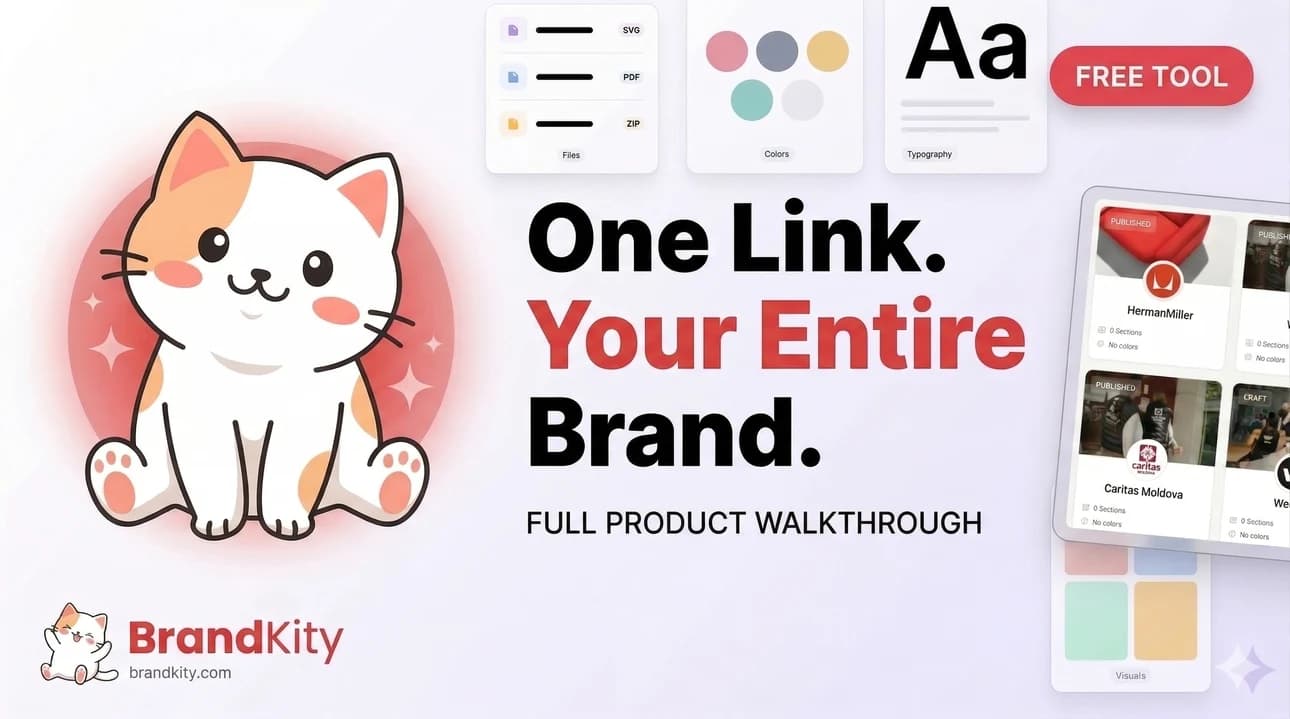
Table of contents
- The Hidden Costs of Disorganized Brand Assets for Agencies
- Time Lost Searching for Files
- Client Frustration and Repeated Requests
- Brand Inconsistency Risks
- Missed Opportunities for Efficiency
- Beyond the Final Deliverable: What ‘Brand Handoff’ Really Means in 2026
- The Evolution of Client Collaboration
- Why a Static Folder Just Isn’t Enough Anymore
- Setting the Stage for Client Success Post-Launch
- Building a Unified Brand Hub: The Core Components of an Asset Management System
- Logo Variations and Usage Guidelines
- Color Palettes: Primary, Secondary, and Usage Rules
- Typography: Font Families, Weights, and Licensing
- Visual Assets: Imagery, Icons, and Illustrations
- The ‘One Link’ Advantage: Simplifying Brand Asset Delivery
- Centralized Access for All Stakeholders
- Controlling Access and Permissions
- Real-time Updates and Version Control
- A Professional, Branded Experience
- Actionable Strategies for Organizing Your Agency’s Digital Assets
- Establishing a Clear Folder Structure
- Implementing Consistent Naming Conventions
- Tagging and Metadata Best Practices
- Regular Audits and Archiving
- Streamlining Client Handoffs: From Chaos to Clarity
- Setting Client Expectations Early On
- The Power of a Structured Presentation
- Onboarding Clients to Your Asset Delivery System
- Post-Launch Support and Asset Maintenance
- Designing for the Future: Integrating Brand Assets into Design Systems
- Bridging the Gap Between Design and Development
- Reusable Components and Style Guides
- Maintaining Brand Integrity Across Platforms
- Scalability for Growing Brands
- The Agency Edge: How Efficient Asset Management Boosts Your Bottom Line
- Reducing Rework and Time-Consuming Tasks
- Increasing Client Satisfaction and Retention
- Freeing Up Your Team for Higher-Value Work
- Positioning Your Agency as a Strategic Partner
- Common Pitfalls to Avoid in Brand Asset Delivery
- Over-Reliance on Cloud Storage Without Structure
- Ignoring Client Technical Capabilities
- Failing to Document Asset Usage Rules
- Not Planning for Future Brand Evolution
- Checklist: Are Your Brand Assets Ready for Professional Delivery?
- All Core Brand Elements Available and Organized?
- Clear Usage Guidelines for Each Asset Type?
- Easy Accessibility for Clients and Internal Teams?
- Scalable and Future-Proofed Asset Structure?
This is where a strategic approach to brand asset organization becomes paramount. Agencies that master this discipline gain a significant competitive advantage, fostering stronger client relationships and streamlining internal workflows.
The Hidden Costs of Disorganized Brand Assets for Agencies
The tangible output of an agency—the logos, color palettes, fonts, and imagery—forms the bedrock of a client’s brand identity. When these assets are disorganized, the consequences ripple far beyond mere inconvenience, impacting an agency’s profitability and reputation. The most immediate impact is the significant amount of time lost in the frantic search for the correct file versions, leading to decreased productivity and inflated project costs.
Beyond the internal drain, disorganized assets directly affect client perception. Repeatedly asking for a specific logo file or the correct shade of brand blue erodes a client’s confidence in an agency’s professionalism and attention to detail. This can escalate into full-blown brand inconsistency, where clients inadvertently use outdated or incorrect assets, diluting their brand’s impact. Furthermore, missed opportunities for leveraging these assets efficiently, such as for marketing campaigns or internal communications, represent a direct financial loss and a failure to maximize client value. For a deeper dive into the challenges of agency brand delivery, consider exploring agency brand delivery from chaos to clarity.
Time Lost Searching for Files
Imagine a designer needing a specific icon for a last-minute client request. Instead of a few clicks to a centralized library, they embark on a digital scavenger hunt. Files are buried in forgotten project folders, email attachments from years ago, or various cloud storage services, often with ambiguous naming conventions. This wasted search time adds up, potentially costing an agency hours per week, which translates directly into billable hours lost or overtime incurred. A recent hypothetical analysis of a mid-sized agency revealed that, on average, each designer spent nearly 90 minutes per week searching for assets, equating to over $20,000 in lost productivity annually.
Client Frustration and Repeated Requests
When clients need brand assets, they expect them to be readily available. A disorganized system often forces agencies to repeatedly retrieve and resend the same files, leading to client frustration and a perception of inefficiency. This can be particularly damaging during critical periods like website launches or marketing campaign rollouts. The simple act of asking a client, “Which version of the logo do you need?” or “What’s the exact HEX code for our primary blue?” signals a lack of preparedness. Over time, this erodes client trust and can jeopardize future collaborations. Agencies that can immediately provide a clear, curated set of assets demonstrate a level of organization that reassures clients and strengthens the partnership.
Brand Inconsistency Risks
The most damaging consequence of disorganized brand assets is the risk of brand inconsistency. Without a single source of truth, clients or even internal teams might use outdated logos, incorrect color variations, or improperly formatted fonts. This dilutes brand recognition and can negatively impact a brand’s perceived professionalism and credibility. For example, a client using a low-resolution, unofficial version of a logo on their website or marketing collateral can significantly undermine their established brand image. Maintaining brand integrity is crucial for long-term success, and a well-managed asset library is the first line of defense.
Missed Opportunities for Efficiency
Beyond preventing problems, a well-organized asset library unlocks significant opportunities for efficiency. When all brand elements are easily accessible, it becomes simpler to repurpose content, create new marketing materials, or onboard new team members. Agencies can swiftly generate brand guidelines, quickly assemble press kits, or rapidly deploy assets for new campaigns. The absence of such a system means these opportunities are often overlooked or become cumbersome tasks, as teams have to manually gather and verify each asset. This inefficiency can lead to slower response times and a reduced ability to capitalize on market opportunities.
Beyond the Final Deliverable: What ‘Brand Handoff’ Really Means in 2026
In the past, a brand “handoff” might have been synonymous with delivering a compressed folder of final design files upon project completion. However, in 2026, this concept has evolved significantly. It’s no longer a one-time event but an ongoing, collaborative process designed to empower clients and ensure the longevity and integrity of the brand identity. A true handoff involves providing clients with not just the finished assets, but also the context, guidelines, and accessible infrastructure to use them effectively long after the agency’s direct involvement.
This shift is driven by the increasing complexity of digital ecosystems and the need for brands to maintain a consistent presence across numerous platforms. Agencies must now consider how their creative work will be implemented and maintained by the client. This means moving beyond static file delivery to offering dynamic, easily updatable solutions. It’s about setting the client up for long-term success by providing them with a clear, organized, and intuitive system for managing their brand assets. Understanding how to organize design assets as a client’s toolkit is a crucial part of this new paradigm.
The Evolution of Client Collaboration
Client collaboration has transformed from occasional check-ins to a continuous partnership. Modern clients expect to be involved and informed throughout the design process. This necessitates tools and methodologies that facilitate seamless interaction, feedback, and shared access to project components. The days of delivering a finished product with minimal client input are largely over; instead, agencies are expected to foster an environment where clients feel empowered and connected to the brand-building journey. This collaborative evolution demands that agencies adopt flexible and transparent communication channels.
Why a Static Folder Just Isn’t Enough Anymore
A static folder, typically a ZIP file or a shared cloud drive, offers a snapshot in time. However, brands are dynamic entities that evolve. Logos get refined, color palettes are updated, and new visual elements are introduced. A static folder quickly becomes outdated, leading to inconsistencies and confusion. Clients need a living repository that reflects the current state of the brand. This means embracing solutions that allow for real-time updates and provide version control, ensuring that everyone is always working with the most accurate and approved assets. The limitations of static delivery are clearly articulated in discussions around simplifying brand delivery.
Setting the Stage for Client Success Post-Launch
The true test of a successful brand handoff is the client’s ability to independently manage and leverage their brand assets post-launch. This requires providing them with more than just files; it means offering a structured system that includes comprehensive usage guidelines, clear instructions, and easy access to all necessary materials. By empowering clients with these resources, agencies mitigate future support requests and build a foundation for the client’s ongoing brand success. This proactive approach not only benefits the client but also frees up agency resources to focus on new business and creative endeavors.
Building a Unified Brand Hub: The Core Components of an Asset Management System
An effective brand asset management system acts as the central nervous system for a brand’s visual identity. It’s more than just a digital filing cabinet; it’s a curated, organized, and accessible repository designed to ensure consistency and efficiency. The foundational elements of such a system are meticulously categorized and clearly defined to cater to every conceivable use case. By establishing these core components, agencies can create a single source of truth for all brand-related materials, streamlining workflows and preventing costly errors.
Implementing a robust asset management system requires careful consideration of each component. This includes not only the primary visual elements but also the associated usage rules and licensing information, which are critical for legal and brand integrity. The goal is to create a comprehensive, easy-to-navigate hub that serves both internal teams and external stakeholders, such as clients or partners. Discovering how to organize design assets is key to building this unified hub.
Logo Variations and Usage Guidelines
The logo is often the most critical brand asset. A comprehensive system must include all approved logo variations: primary, secondary, stacked, horizontal, and icon-only versions. Crucially, alongside each variation, there should be explicit usage guidelines. This includes clear rules on minimum size, clear space requirements, acceptable color contexts (e.g., on light or dark backgrounds), and, importantly, what constitutes misuse (e.g., stretching, altering colors, adding effects). Providing these guidelines prevents common errors and ensures brand recognition remains strong.
Color Palettes: Primary, Secondary, and Usage Rules
Beyond simple color swatches, a robust system defines the brand’s entire color ecosystem. This includes primary brand colors, secondary palette options, and accent colors, each accompanied by their respective color codes in various formats (HEX, RGB, CMYK, Pantone). More importantly, the system should specify usage rules for each color or palette. For instance, primary colors might be designated for headlines and calls-to-action, while secondary colors are for supporting elements or backgrounds. This prevents a client from arbitrarily applying colors, maintaining a harmonious and professional aesthetic.
Typography: Font Families, Weights, and Licensing
Typography plays a vital role in brand voice and legibility. A comprehensive asset hub will list all approved font families, including various weights (light, regular, bold, etc.) and styles (italic). Crucially, it must also include clear information about font licensing, specifying whether fonts are web-safe, desktop-licensed, or require specific permissions for commercial use. This avoids legal complications and ensures that all typography used aligns with the brand’s authorized resources. Providing access to these typefaces in usable formats is essential for consistent application.
Visual Assets: Imagery, Icons, and Illustrations
This category encompasses a broad range of visual elements that support the brand’s narrative. It includes approved stock photography or custom imagery libraries, a consistent set of icons that adhere to a specific style, and any custom illustrations or graphic elements. For each type of visual asset, it’s important to provide clear guidance on usage, context, and potential themes. For example, guidelines might specify the tone of photography (e.g., optimistic, professional, natural) or the acceptable styles of illustrations. Organizing these assets ensures that the brand’s visual storytelling is coherent and impactful.
The ‘One Link’ Advantage: Simplifying Brand Asset Delivery
In the contemporary landscape of digital collaboration, the concept of a “one link” solution for brand assets represents a paradigm shift in how agencies deliver value and manage client relationships. Instead of juggling multiple file-sharing services, email attachments, and confusing folder structures, agencies can provide a single, curated URL that grants access to all necessary brand materials. This streamlined delivery method not only simplifies the process for the agency but also significantly enhances the client experience, fostering clarity and professionalism.
This unified approach to asset delivery is particularly beneficial for agencies that work with multiple clients or manage complex brand ecosystems. It ensures that every stakeholder, from internal team members to external partners and clients themselves, has immediate and organized access to the latest approved assets. This not only saves time but also minimizes the risk of using outdated or incorrect materials, thereby safeguarding brand integrity. It’s a powerful strategy for overcoming the common challenges of asset chaos and establishing a clear, professional workflow.
Centralized Access for All Stakeholders
The power of a single link lies in its ability to consolidate all brand assets into one accessible location. This means that whether it’s a designer needing a logo variation, a marketing manager requiring web-optimized images, or a client’s internal team needing brand guidelines, they can all access everything they need from one place. This eliminates fragmented access points and ensures everyone is working from the same, up-to-date information. It creates a cohesive environment where brand assets are easily discoverable and usable, promoting consistency across all touchpoints.
Controlling Access and Permissions
While centralized access is crucial, so is the ability to control who sees and downloads what. A well-implemented “one link” system allows agencies to set granular permissions for different user groups. For instance, external clients might have download access to core assets, while internal team members could have editing capabilities or access to proprietary developmental files. This secure access control ensures that sensitive information remains protected while still providing necessary accessibility. It’s about striking the right balance between openness and security for brand assets.
Real-time Updates and Version Control
Brands are not static; they evolve. A significant advantage of a unified link system is its capacity for real-time updates and robust version control. When a logo is refined, a color palette is adjusted, or new imagery is added, these changes are immediately reflected in the shared link. This ensures that all stakeholders are always accessing the most current versions of assets, preventing the use of outdated materials that could compromise brand consistency. This dynamic capability is a key differentiator from static file deliveries.
A Professional, Branded Experience
Delivering brand assets through a single, professional-looking link elevates the client experience. Instead of generic cloud storage interfaces, agencies can offer a branded portal that reflects their own or their client’s visual identity. This curated experience reinforces the agency’s professionalism and attention to detail, leaving a lasting positive impression. It transforms asset delivery from a technical task into a strategic brand touchpoint, demonstrating a commitment to organized, high-quality service. This approach aligns perfectly with the goals of simplifying branding and presenting a professional image, as discussed in professional brand assets with one link.
Actionable Strategies for Organizing Your Agency’s Digital Assets
Effective organization of digital assets is the bedrock of an efficient agency workflow. Without a systematic approach, valuable time and resources can be lost sifting through disorganized files, leading to frustration and potential errors. This section delves into practical strategies that agencies can implement immediately to bring order to their brand asset libraries. By establishing clear systems, you not only protect your work but also enhance your team’s productivity and professionalism. A well-organized asset library acts as a single source of truth, ensuring everyone is working with the most up-to-date and correct versions of logos, imagery, fonts, and other crucial brand elements. This proactive approach minimizes the risk of using outdated or incorrect assets in client projects, which can damage brand consistency and agency reputation.
Establishing a Clear Folder Structure
A logical and intuitive folder structure is paramount for keeping digital assets manageable. Think of it as the architecture of your digital warehouse. Begin by defining overarching categories that align with your agency’s project types or client portfolios. Common top-level folders might include “Clients,” “Internal Projects,” “Templates,” and “Brand Guidelines.” Within each of these, create subfolders that further delineate content. For instance, under “Clients,” you could have folders for each client’s name, and within those, subfolders like “Logos,” “Imagery,” “Presentations,” and “Final Deliverables.” The key is consistency. Aim for a hierarchy that is easy to navigate for any team member, regardless of their familiarity with a specific project. Avoid excessively deep nesting, which can make files difficult to locate. Consider a structure that mirrors the project lifecycle, from initial concepts to final assets. This methodical approach ensures that crucial brand assets are never lost and can be accessed swiftly when needed, significantly improving workflow efficiency.
Implementing Consistent Naming Conventions
Beyond folder structure, a standardized naming convention is crucial for identifying assets at a glance and enabling effective searching. Inconsistent naming is a primary cause of digital clutter and confusion. Develop a clear set of rules that all team members must follow. A robust naming convention typically includes elements such as the client’s name, project identifier, asset type, version number, and date. For example, `ClientName_ProjectX_Logo_Primary_v3_20260607.ai` is far more informative than `Logo_final_final_really.ai`. The specific components can be adapted to your agency’s needs, but the principle of inclusion and order remains. This not only aids in immediate identification but also makes searching and filtering within asset management systems significantly more effective. Implementing consistent naming is a small step that yields substantial returns in time saved and errors avoided. It transforms your asset library from a chaotic mess into a precision-engineered system.
Tagging and Metadata Best Practices
While folder structures and naming conventions provide a foundational level of organization, tags and metadata unlock deeper levels of discoverability and usability for your digital assets. Metadata acts as descriptive information embedded within or associated with a file, allowing for sophisticated filtering and searching beyond simple file names. Implement a tagging system that captures keywords related to the asset’s content, usage, client, project, and even its status (e.g., “draft,” “approved,” “archived”). For visual assets, consider tags for color palettes, subject matter, style, and dimensions. For documents, tags could include author, approval status, and keywords. This practice transforms your asset library into a searchable database. For example, a designer looking for a specific lifestyle image for a client could search for tags like “client name,” “outdoors,” and “happy family” to quickly surface relevant options. Investing time in establishing and adhering to metadata best practices ensures that your assets are not just stored but are actively retrievable and maximally useful for all your projects.
Regular Audits and Archiving
Even the most meticulously organized asset library can become unwieldy over time if not actively maintained. Regular audits are essential to identify outdated, redundant, or orphaned files that can clutter your system and consume valuable storage space. Schedule periodic reviews—perhaps quarterly or semi-annually—to go through your asset repositories. During these audits, identify files that are no longer relevant to current projects or have been superseded by newer versions. For assets that are no longer actively used but may be needed for historical reference or future projects, implement a robust archiving strategy. This involves moving these assets to a separate, clearly labeled archive location, perhaps a dedicated external drive or cloud storage. This keeps your primary working library lean and efficient while ensuring that valuable historical assets are preserved. Such regular maintenance prevents digital bloat and ensures that your team always works with the most current and relevant assets, akin to how a well-maintained physical archive functions.
Streamlining Client Handoffs: From Chaos to Clarity
The final stage of a project—delivering brand assets to a client—is often a point of friction. Clients, especially those less digitally savvy, can be overwhelmed by a disorganized collection of files. For agencies, a messy handoff can lead to repeated requests for clarification, confusion about which files to use, and ultimately, a diminished client experience. This section focuses on transforming this critical phase from a source of potential conflict into a seamless and professional process that reinforces your agency’s value. A clear, structured, and user-friendly asset delivery system not only ensures the client receives everything they need but also empowers them to implement the brand correctly moving forward. This proactive approach builds trust and minimizes post-project support burdens, allowing your team to focus on new client acquisition and development. By mastering the art of client handoffs, agencies can elevate their service offering and solidify long-term relationships.
Setting Client Expectations Early On
One of the most common pitfalls in client handoffs is the lack of clear expectations regarding what assets will be delivered and how they will be presented. To avoid this, initiate conversations about asset delivery during the project’s discovery or planning phase. Clearly outline the types of assets that will be included in the final package, such as logos in various formats (AI, EPS, PNG, JPG), brand color palettes, font files, style guides, and any approved imagery. Crucially, define the delivery method. Will it be a cloud storage link, a dedicated platform, or a shared drive? Explain the benefits of your chosen method—for instance, emphasizing how a single, organized link ensures they have everything in one accessible place. Documenting these agreed-upon deliverables in your contract or project proposal provides a concrete reference point for both parties. Managing expectations upfront is key to preventing misunderstandings and ensuring a smooth, professional conclusion to the project.
The Power of a Structured Presentation
Simply dumping a folder of files onto a client is rarely effective. A structured presentation of brand assets transforms raw files into a digestible and actionable toolkit for the client. This means organizing assets logically within the delivery mechanism, making it easy for the client to find what they need. Consider grouping assets by type (logos, colors, typography, imagery) or by usage scenario (web, print, social media). Providing a brief introduction or overview that explains the structure and highlights key elements can be invaluable. Accompanying each asset or group of assets with a short description or usage note can further enhance clarity. This structured approach demonstrates your agency’s attention to detail and commitment to the client’s long-term success with their brand. It elevates the delivery from a mere file transfer to a comprehensive brand resource, significantly improving the client’s ability to utilize their new assets effectively. A well-presented asset package is a tangible demonstration of your agency’s professionalism.
Onboarding Clients to Your Asset Delivery System
Even the most intuitive delivery system benefits from a guided introduction. Onboarding your clients effectively ensures they can confidently navigate and utilize the assets provided. This might involve a brief screen-sharing session where you walk them through the organized link or platform, explaining the folder structure, naming conventions, and the purpose of different file types. Highlight key features, such as search functionality or how to download specific assets. Provide a concise, easy-to-understand guide or FAQ document that they can refer to post-handoff. For agencies using a dedicated platform, leverage its built-in onboarding resources. The goal is to empower the client, reducing their reliance on your team for basic queries and fostering their independence. A smooth onboarding process instills confidence and reinforces the value of the organized system you’ve established, making it clear how to access and use brand assets effectively.
Post-Launch Support and Asset Maintenance
The relationship doesn’t end with the initial asset handoff. Offering a defined period of post-launch support for asset-related queries is a crucial component of excellent client service. This could include answering questions about file usage, providing minor format conversions, or clarifying brand guidelines. For agencies, establishing clear boundaries for this support is important; it should focus on clarifying the delivered assets, not on extensive new design work. Furthermore, consider how clients can access updated assets in the future. If a logo or brand element is revised, how will they be notified and how can they easily obtain the new versions? Implementing a system where clients can revisit their dedicated asset hub is ideal. This proactive approach to post-launch support and future asset maintenance demonstrates ongoing commitment and builds lasting client trust, solidifying your role as a long-term brand partner.
Designing for the Future: Integrating Brand Assets into Design Systems
As brands evolve and digital touchpoints proliferate, managing brand assets effectively becomes increasingly complex. Integrating these assets into a robust design system is no longer a luxury but a necessity for maintaining consistency, efficiency, and scalability. A design system acts as a centralized library of reusable components, guided by clear principles and standards, all underpinned by well-managed brand assets. This approach ensures that every piece of digital real estate adheres to brand identity, from website interfaces to mobile applications and marketing materials. By treating brand assets as foundational elements within a design system, agencies can create a cohesive brand experience across all platforms and ensure that future design and development efforts are both streamlined and brand-aligned. This strategic integration is key to empowering design and development teams to build faster and more consistently, ultimately delivering a stronger brand presence.
Bridging the Gap Between Design and Development
A significant challenge in modern digital product creation is the disconnect between design and development teams. Brand assets, when managed within a design system, serve as the essential bridge. This system should house not only visual assets like logos, color palettes, and typography but also coded components that represent these brand elements. For example, a design system might include a button component that incorporates the brand’s primary color, specific typography, and defined spacing rules. When designers use these pre-defined components in their mockups, and developers implement the corresponding coded components, the brand integrity is automatically maintained. This ensures that the final product accurately reflects the intended brand identity, reducing misinterpretations and the need for constant back-and-forth. Establishing a shared source of truth for all brand elements via a design system aligns creative and technical execution, fostering a collaborative environment where brand consistency is inherent.
Reusable Components and Style Guides
At the heart of integrating brand assets into a design system lie reusable components and comprehensive style guides. Style guides provide the foundational rules and principles for how brand elements should be used, covering aspects like typography hierarchy, color application, voice and tone, and imagery guidelines. Reusable components, on the other hand, are the practical implementations of these rules—pre-built, modular elements like buttons, forms, navigation bars, and cards that designers and developers can readily incorporate into their projects. Each component is designed to embody the brand’s aesthetic and functional requirements, often pulling directly from the system’s defined brand assets. This methodology drastically reduces redundant work, as designers and developers aren’t reinventing the wheel for common UI patterns. By creating a library of standardized, brand-aligned components, agencies ensure that every user interaction reinforces the brand identity, contributing to a more cohesive and professional digital presence.
For instance, a design system might specify that all primary call-to-action buttons use the brand’s accent color and a specific font size and weight. The button component within the system would be coded to automatically apply these properties. When a designer selects this button component for a new landing page, they are guaranteed that it aligns with the brand’s defined parameters. Similarly, if the brand’s primary color changes, updating it within the central design system automatically propagates that change across all instances of components using that color. This centralized control over brand elements is crucial for maintaining consistency across various platforms and applications, a concept thoroughly explored in articles on design systems as an effortless asset hub. This ensures that the visual and functional language of the brand remains coherent, regardless of where the user encounters it.
Maintaining Brand Integrity Across Platforms
In today’s multi-platform digital landscape, maintaining a consistent brand identity is a significant challenge. A design system, powered by well-managed brand assets, is the most effective solution for ensuring brand integrity across all touchpoints. By codifying brand rules and providing reusable components, the system acts as a guardrail, preventing deviations from the established identity. This means that whether a user is interacting with a website, a mobile app, or a digital advertisement, the visual language, tone, and core brand elements remain recognizable and coherent. The process involves ensuring that all assets, from logos and color palettes to iconography and typography, are systematically integrated into the design system’s framework. This systematic approach guarantees that brand guidelines are not merely documents but are actively enforced through the tools designers and developers use daily. Maintaining this unified brand experience builds trust and recognition, essential for a strong brand presence.
Scalability for Growing Brands
As brands grow and their digital presence expands, the demand for new features, interfaces, and marketing materials increases exponentially. A well-implemented design system, built upon a solid foundation of organized brand assets, offers unparalleled scalability. It allows teams to rapidly develop new products and features without sacrificing brand consistency. Instead of starting from scratch for each new project, designers and developers can leverage existing, pre-approved components and patterns. This accelerates the development cycle significantly, enabling agencies to respond more quickly to market demands and client needs. Furthermore, as a brand evolves, updating its identity elements—such as refreshing a logo or introducing new brand colors—is far more manageable when these assets are centralized within a design system. A single update to the core asset, reflected in the system, can cascade across all applications, ensuring the brand’s growth is always supported by a consistent and evolving identity. This ability to scale design and development efficiently is a critical advantage for agencies serving ambitious clients.
The Agency Edge: How Efficient Asset Management Boosts Your Bottom Line
In the competitive landscape of creative services, operational efficiency directly impacts profitability and client satisfaction. Efficient brand asset management is not merely about organization; it’s a strategic lever that can significantly enhance an agency’s bottom line. By streamlining workflows, reducing errors, and improving team productivity, agencies can achieve greater output with fewer resources. This translates into reduced project costs, increased capacity for new business, and a stronger reputation for reliability and professionalism. In essence, mastering asset management allows agencies to operate smarter, not just harder, turning what could be a cumbersome administrative task into a significant competitive advantage. This section explores the tangible financial and operational benefits that come from prioritizing and optimizing how brand assets are handled.
Reducing Rework and Time-Consuming Tasks
Disorganized brand assets are a notorious drain on agency resources, leading to significant amounts of rework and wasted time. When designers or developers can’t quickly find the correct logo version, the appropriate color code, or the latest font file, they often resort to recreating them, guessing, or using incorrect versions. This not only delays project timelines but also necessitates costly revisions to fix brand inconsistencies. Efficient asset management, characterized by clear folder structures, consistent naming conventions, and robust tagging, drastically minimizes these issues. When assets are easily discoverable and verifiable, the need for rework diminishes, and time-consuming searches become a thing of the past. For example, an agency using a platform like BrandKity can provide clients with a single, organized link, eliminating back-and-forth requests for individual files. This focus on streamlined asset access frees up valuable team hours, allowing professionals to dedicate their expertise to creative problem-solving and strategic client work, rather than administrative minutiae.
Increasing Client Satisfaction and Retention
The way an agency manages and delivers brand assets has a direct impact on the client’s perception of professionalism and reliability. A disorganized, chaotic handoff can leave clients feeling confused and undervalued, potentially damaging the relationship. Conversely, a smooth, professional delivery—where all assets are neatly organized, easily accessible, and presented with clear instructions—reinforces the agency’s expertise and commitment. This positive experience contributes significantly to client satisfaction. Furthermore, when clients can easily access and use their brand assets post-project, it empowers them and reduces their reliance on the agency for minor requests, fostering a sense of independence and trust. Satisfied clients are more likely to return for future projects and recommend the agency to others. Investing in efficient asset management is an investment in building strong client relationships and fostering long-term loyalty, a critical factor for sustainable agency growth. You can learn more about how organized assets contribute to this in articles focused on winning client trust through organized brand assets.
Freeing Up Your Team for Higher-Value Work
A significant, yet often overlooked, benefit of efficient brand asset management is its capacity to liberate your team from repetitive, low-value tasks. Hours spent searching for files, clarifying asset usage, or re-creating common elements can be reinvested into more strategic and impactful activities. When designers have instant access to approved brand kits, they can focus on developing innovative concepts rather than hunting for icons. Developers can implement features more rapidly when they have a structured library of UI components. This shift allows your team to concentrate on higher-value work such as strategic brand development, client consultation, creative ideation, and exploring new service offerings. By automating or simplifying the mundane aspects of asset handling, agencies can foster a more engaging and productive work environment, leading to greater job satisfaction and ultimately, better business outcomes. This empowerment of your creative talent is a direct driver of an agency’s success.
Positioning Your Agency as a Strategic Partner
In an era where brands are increasingly digital and complex, agencies that can expertly manage and deliver brand assets demonstrate a sophisticated understanding of modern business needs. This capability elevates your agency from a service provider to a strategic partner. When you present clients with a seamless, professional asset delivery process, it signals meticulous attention to detail, operational excellence, and a deep commitment to their brand’s long-term success. This is particularly evident when using tools that offer a consolidated, professional delivery link, simplifying brand asset management for clients and ensuring consistent brand application. By consistently delivering high-quality, well-organized assets, and integrating them into scalable design systems, agencies showcase their ability to manage brand equity effectively. This strategic approach not only differentiates you from competitors but also builds profound trust, positioning your agency as an indispensable ally in a client’s ongoing brand journey. This strategic partnership is a cornerstone of client retention and agency growth.
Common Pitfalls to Avoid in Brand Asset Delivery
Delivering brand assets professionally is a critical step that often dictates the long-term success of a brand’s visual identity and client relationships. However, numerous agencies and designers stumble over common pitfalls, turning what should be a smooth handover into a frustrating experience. Recognizing these traps is the first step towards implementing a more robust and client-friendly asset delivery system. Many of these issues stem from a lack of structured planning, underestimating client needs, or failing to anticipate future requirements, all of which can be mitigated with a proactive approach.
Over-Reliance on Cloud Storage Without Structure
A prevalent mistake is the indiscriminate dumping of all brand assets into generic cloud storage folders like a shared Google Drive or Dropbox. While cloud storage offers accessibility, a lack of clear organization within these platforms renders them ineffective. Imagine a client needing a specific logo variation for a social media post; if they have to sift through hundreds of nested folders containing every historical version, file type, and color space, the experience is anything but streamlined. This approach lacks version control and makes it difficult to locate the correct file quickly. Without a logical folder structure, naming conventions, and clear categorization, even the most well-intentioned cloud storage becomes a digital landfill. It’s crucial to implement a system that mirrors how assets are actually used, rather than simply how they are created. This often means grouping by asset type (logos, icons, imagery, typography) and then by format or application (print, web, social). For agencies looking to elevate their delivery, explore solutions that offer dedicated brand asset management features, moving beyond basic file sharing.
Ignoring Client Technical Capabilities
Another significant pitfall is failing to consider the technical proficiency of the client or their internal teams who will be using the assets. Agencies may deliver files in advanced formats like layered PSDs or high-resolution TIFFs, assuming clients have the software and expertise to utilize them. However, many clients may only need web-optimized JPEGs or PNGs for everyday use. Delivering overly complex files without proper context or simpler alternatives can lead to client confusion and frustration. It’s essential to provide assets in a range of formats suitable for common applications, from print to digital, and to clearly label each file type with its intended use. For instance, providing EPS files for scalable vector graphics is vital for print, while offering optimized PNGs with transparent backgrounds is crucial for web and digital use. A truly professional handoff considers the end-user’s likely technical environment.
Failing to Document Asset Usage Rules
Perhaps one of the most damaging omissions is neglecting to provide clear guidelines on how brand assets should and should not be used. This can lead to inconsistent brand representation, dilution of brand identity, and ultimately, damage to the brand’s perceived value. Without documented rules, clients might stretch logos, alter colors, or use fonts inappropriately, believing they are within their rights. Comprehensive brand guidelines should cover everything from logo clear space and minimum size to correct color palettes (specifying CMYK, RGB, and Hex values) and typography hierarchies. This documentation acts as a crucial reference point, ensuring brand integrity across all touchpoints. Think of it as a user manual for the brand’s visual identity, empowering users to apply it correctly and consistently.
Not Planning for Future Brand Evolution
Brands are not static; they evolve. A common oversight in asset delivery is failing to create a system that accommodates future growth and changes. If assets are delivered in a rigid, siloed manner, updating them or introducing new elements later can become a significant undertaking. This might involve missing out on timely marketing opportunities because the brand’s visual assets aren’t adaptable. Agencies should consider how the asset library can be easily updated with new logos, color variations, or imagery as the brand matures. Implementing a scalable asset management system from the outset can prevent costly rework down the line. This foresight ensures that the brand’s visual identity remains relevant and effective over time.
Checklist: Are Your Brand Assets Ready for Professional Delivery?
Before handing over brand assets, a thorough check is essential to ensure a professional and positive client experience. This checklist covers key areas to confirm that your delivery is not just functional, but exceptional. By addressing each point, you demonstrate meticulous attention to detail and a commitment to your client’s brand success, solidifying your reputation as a trusted partner. A well-prepared asset package prevents future confusion and empowers clients to use your work effectively.
All Core Brand Elements Available and Organized?
This is the foundational step. Ensure all essential brand assets are present and accounted for. This includes primary and secondary logos, all approved color variations (print and digital), key typography files (including weights and styles), a library of approved imagery or icon sets, and any other critical visual elements. Critically, these should be arranged logically. Think about categorizing by asset type (logos, fonts, colors, imagery) and then by format (vector, raster, web-optimized). A well-structured hierarchy prevents clients from wasting time searching. For example, a folder named ‘Logos’ might contain subfolders for ‘Primary,’ ‘Secondary,’ ‘Iconography,’ and within those, subfolders for ‘Vector’ (AI, EPS, SVG) and ‘Raster’ (PNG, JPG). Clarity here is paramount for easy access and immediate usability.
Clear Usage Guidelines for Each Asset Type?
Beyond just providing files, clients need to know how to use them correctly. This means including comprehensive brand guidelines or at least concise usage instructions for key assets. For logos, specify clear space requirements, minimum sizes, and correct color applications. For typography, outline primary and secondary font usage for different contexts (headlines, body text, captions). If there are specific rules for imagery or iconography, document them clearly. This prevents misuse and ensures brand consistency. A ‘one-link’ delivery solution can often integrate these guidelines directly, making them accessible alongside the assets themselves, reinforcing best practices without requiring separate document downloads. Example: A client needing to use the logo on a dark background should have easy access to the correct reversed logo file and a clear instruction stating it’s for dark-background use only.
Easy Accessibility for Clients and Internal Teams?
The delivery method must be user-friendly for everyone who needs to access the assets. This means avoiding overly complex download processes or requiring specialized software for basic file access. A single, shareable link that provides a clean, organized interface is ideal. This link should grant access to all necessary assets and documentation without requiring users to log in to multiple platforms or navigate confusing interfaces. Consider how different team members might access these assets: marketing may need web-ready files, while a print vendor might require high-resolution vector formats. The structure should support these varied needs effortlessly. A streamlined access point, like a dedicated brand asset hub, ensures everyone can find what they need quickly, reducing support queries and speeding up project timelines.
Scalable and Future-Proofed Asset Structure?
Your brand asset delivery system shouldn’t be a dead end. It needs to accommodate growth and future iterations of the brand. This involves using a file structure and delivery platform that allows for easy updates and additions. When new products launch, campaigns change, or the brand evolves, adding new assets should be straightforward and not require a complete overhaul of the delivery system. Think about how you will manage new logo variations, updated color palettes, or a growing library of icons. A system designed with scalability in mind ensures that your client’s brand asset hub remains a valuable, evolving resource. This foresight is a hallmark of agencies that focus on long-term client partnerships and ongoing brand stewardship, ensuring they can effectively ace brand delivery consistently.
Saurabh Kumar
Founder, BrandKity
Saurabh writes about practical brand systems, faster client handoffs, and scalable workflows for designers and agencies building repeatable delivery operations.
Connect on LinkedIn