
What’s the Value of Brand Asset Management for Startups?
For startups, establishing a strong, recognizable brand is paramount. Yet, many ambitious new ventures underestimate the foundational work required to…
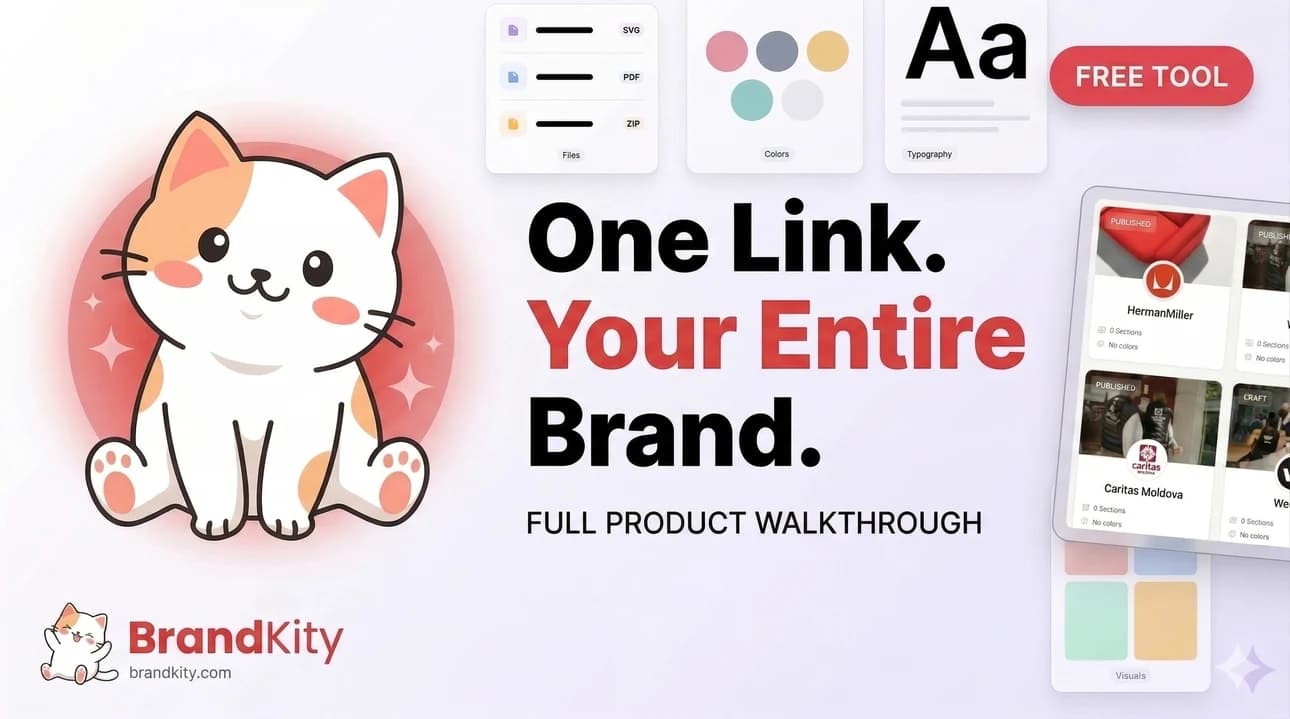
Table of contents
- The Hidden Costs of Disorganized Branding for Ambitious Startups
- Scattered Assets: The Productivity Drain and Brand Confusion
- Brand Inconsistency: Eroding Trust and Recognition
- Missed Opportunities: Slowdowns in Marketing and Sales Cycles
- Defining Brand Asset Management: More Than Just File Storage for Startups
- What Constitutes a Brand Asset in the Startup World?
- BAM vs. Generic Cloud Storage: Understanding the Core Difference
- The Evolution from Traditional DAM to Modern Brand Portals
- The Strategic Value Proposition: Why Startups Can’t Afford to Skip BAM
- Fostering Instant Brand Recognition and Recall from Day One
- Ensuring Unwavering Brand Consistency Across All Touchpoints
- Streamlining Creative Workflows and Client Deliverables
- Centralized Access for Internal Teams and External Partners
- Eliminating Outdated Versions and Preventing Brand Drift
- How BAM Acts as Your Startup’s Single Source of Truth for Brand Assets
- Accelerating Growth: BAM’s Impact on Marketing & Sales Cycles for Startups
- Rapid Content Creation and Deployment Across Channels
- Empowering Sales Teams with Approved, On-Brand Collateral
- Maintaining Consistent Messaging for Investor Pitches and Partnerships
- Beyond Launch: Scaling Brand Operations and Maintaining Integrity with BAM
- Adapting to New Markets and Seamless Product Launches
- Preserving Brand Integrity Through Rapid Expansion
- Key Features of a Robust Brand Asset Management Platform for Startup Success
- Intuitive Brand Portals for Easy Sharing and Access
- Granular User Permissions and Access Control
- Implementing Brand Asset Management: A Startup’s Roadmap to Success
- Assessing Your Current Brand Asset Landscape and Needs
- Phased Rollout: Prioritizing Critical Assets and Teams
- Training Your Team for Optimal Adoption and Workflow Integration
- Measuring the ROI: Quantifying BAM’s Value for Lean Startups
- Calculating Time Savings in Asset Retrieval and Approval Processes
- Reducing Costs from Rework, Errors, and Brand Inconsistency
- Enhancing Brand Equity and Market Perception Through Consistency
- Frequently Asked Questions About Brand Asset Management for Startups
- How is BAM different from traditional Digital Asset Management (DAM)?
- Can BAM help enforce brand guidelines and ensure compliance?
For startups, establishing a strong, recognizable brand is paramount. Yet, many ambitious new ventures underestimate the foundational work required to maintain that brand’s integrity and accessibility as they scale. The initial focus often leans heavily on product development and market acquisition, sometimes leaving brand assets to accumulate haphazardly across various drives and platforms.
This oversight can quickly turn into a significant bottleneck, impacting everything from marketing efficiency to investor confidence. Understanding the true value of Brand Asset Management (BAM) isn’t just about organizing files; it’s about safeguarding your startup’s identity and ensuring its cohesive presentation to the world from day one.
The Hidden Costs of Disorganized Branding for Ambitious Startups
Scattered Assets: The Productivity Drain and Brand Confusion
When brand assets — logos, fonts, imagery, and style guides — are spread across disparate locations like individual hard drives, unindexed cloud folders, or outdated email attachments, the operational efficiency of a startup plummets. Teams waste valuable time searching for the correct version of a logo or the approved brand color palette. This isn’t just an inconvenience; it’s a direct productivity drain that prevents creative and marketing teams from focusing on strategic initiatives. Furthermore, this disorganization frequently leads to the use of incorrect or outdated assets, resulting in a fractured brand image. For a startup, where every impression counts, this confusion can be particularly damaging. Imagine a marketing team trying to launch a campaign, only to spend hours sifting through various folders for the right hero image, or worse, inadvertently using an old product screenshot. This scenario highlights how easily scattered assets can undermine a startup’s agility.
Brand Inconsistency: Eroding Trust and Recognition
A startup’s ability to quickly build trust and achieve market recognition hinges significantly on its consistent presentation. When the brand visuals and messaging vary across different touchpoints—be it the website, social media profiles, investor decks, or sales collateral—it creates a sense of unprofessionalism and unreliability. This brand inconsistency erodes customer trust and makes it harder for the target audience to recognize and remember the brand. For example, if a startup’s logo appears slightly different in a press release compared to its social media profile, or if font styles deviate across marketing materials, it signals a lack of attention to detail and a nascent brand identity. This lack of cohesion directly impacts brand recall and the perceived credibility of the startup, making it harder to establish a strong market presence in a competitive landscape.
Missed Opportunities: Slowdowns in Marketing and Sales Cycles
The fast-paced environment of a startup demands rapid execution. Disorganized branding directly contributes to significant slowdowns in critical marketing and sales cycles. When a new marketing campaign needs to launch, or a sales team prepares for a crucial pitch, delays in locating, approving, or distributing the correct brand assets can mean missed deadlines, postponed campaigns, and ultimately, lost revenue. For instance, if a public relations opportunity arises that requires high-resolution brand images, but these are buried in an inaccessible folder, the startup might miss out on valuable media exposure. Similarly, sales teams attempting to customize presentations for potential clients are hampered by inefficient access to approved templates and case studies. These slowdowns translate into missed opportunities for growth, market penetration, and acquiring new customers, demonstrating a clear, quantifiable cost of neglecting brand asset management.
Defining Brand Asset Management: More Than Just File Storage for Startups
What Constitutes a Brand Asset in the Startup World?
In the startup ecosystem, a brand asset extends far beyond just a logo. It encompasses any piece of media or content that represents or communicates your brand identity. This includes foundational elements such as your official logos (in all approved variants and file types), color palettes with specific HEX or RGB codes, typography guidelines, and approved photography or illustration styles. Beyond these visual components, brand assets also comprise voice and tone guidelines, video intros and outros, presentation templates, email signatures, social media banners, and even boilerplate text for press releases. Effectively, anything that contributes to your brand’s unified voice and visual identity across internal and external communications is a critical brand asset, especially for a startup aiming to build a strong, cohesive presence from the ground up.
BAM vs. Generic Cloud Storage: Understanding the Core Difference
While generic cloud storage solutions like Google Drive or Dropbox are excellent for general file sharing, they fundamentally differ from Brand Asset Management (BAM) platforms. Generic cloud storage offers simple storage and folder organization, typically lacking advanced features crucial for brand consistency. In contrast, BAM solutions provide a specialized framework for managing brand assets. Key differences include robust metadata tagging for easy search and discovery, advanced version control to ensure everyone uses the latest approved files, permission-based access to control who sees or uses specific assets, and integration with brand guidelines. A BAM platform is purpose-built to act as the single source of truth for all brand materials, ensuring consistency and compliance, which generic storage cannot guarantee beyond basic file housing.
The Evolution from Traditional DAM to Modern Brand Portals
The concept of managing digital assets isn’t new; Digital Asset Management (DAM) systems have existed for decades, primarily serving large enterprises with extensive libraries of media. However, traditional DAM systems are often complex, resource-intensive, and overkill for the agile needs of most startups and agencies. The industry has seen a significant evolution towards modern brand portals, which are a streamlined, user-friendly iteration of BAM. These platforms focus on simplicity, ease of sharing, and robust brand guideline integration, making them ideal for startups. Modern brand portals, like BrandKity, emphasize a single shareable link for all brand assets, fostering seamless client delivery and internal collaboration without the heavy administrative burden of legacy DAMs. They are designed to be intuitive, accessible, and agile, reflecting the dynamic nature of startup operations and the need for fast, consistent brand deployment.
The Strategic Value Proposition: Why Startups Can’t Afford to Skip BAM
Fostering Instant Brand Recognition and Recall from Day One
In a crowded market, a startup’s ability to cut through the noise and capture attention depends heavily on its distinctive identity. Implementing Brand Asset Management from the outset is a strategic move that helps foster instant brand recognition and recall. By ensuring every customer touchpoint consistently reflects the brand’s visual identity—from the pitch deck to the social media ad—a startup begins to build a strong, memorable presence. This consistent exposure reinforces the brand’s visual cues and messaging in the minds of the target audience, making it easier for them to identify and recall the startup amidst competitors. For an emerging business, this immediate impact is invaluable, translating directly into faster market acceptance and a stronger foundation for future growth. A BAM system empowers startups to maintain this crucial visual coherence across all channels, accelerating their path to widespread recognition.
Ensuring Unwavering Brand Consistency Across All Touchpoints
Brand consistency is not merely about aesthetics; it is about building trust and communicating professionalism. For startups, where credibility is still being established, unwavering brand consistency across every touchpoint is non-negotiable. A BAM system serves as the central hub for all approved brand elements, ensuring that every internal team member, external agency, or freelance contractor adheres to the defined brand guidelines. This prevents instances of off-brand content being published, which can dilute brand equity and confuse audiences. Whether it’s a new marketing campaign, a partnership announcement, or a customer support interaction, BAM guarantees that the brand’s voice and visuals remain unified and on-message. This meticulous approach to consistency reinforces the startup’s commitment to its brand identity, fostering a professional image that resonates with customers and stakeholders alike. Learning how to best ensure brand consistency is critical for any growing venture.
Streamlining Creative Workflows and Client Deliverables
One of the most immediate benefits of adopting BAM for startups is the dramatic streamlining of creative workflows and client deliverables. Instead of designers spending hours searching for files or marketing managers chasing approvals, a BAM platform provides immediate, organized access to all necessary assets. This efficiency allows creative teams to focus on innovation and strategic design rather than administrative tasks. When collaborating with external agencies or delivering assets to clients, BAM simplifies the entire process. A single shareable link can provide curated access to all relevant brand files, eliminating endless email attachments and version control headaches. This not only speeds up project timelines but also enhances the professional image of the startup when interacting with partners. By enabling faster iterations and seamless asset exchange, BAM directly contributes to a more agile and responsive operation, crucial for any startup’s success in
Centralized Access for Internal Teams and External Partners
A fundamental advantage of Brand Asset Management is its ability to create a truly centralized access point for all brand-related materials. This means every internal department—from marketing and sales to product development and HR—can access the most current and approved logos, imagery, templates, and guidelines from a single, reliable location. The benefits extend significantly to external partners as well. Agencies, freelance designers, PR firms, and media outlets can be granted controlled access to specific asset collections, ensuring they always use the correct branding. This eliminates the chaos of outdated files, disparate cloud drives, and email chains, fostering seamless collaboration and consistent brand application across all collaborators. This unified approach vastly improves efficiency and reduces potential errors, making it easier for everyone involved to maintain brand integrity.
Eliminating Outdated Versions and Preventing Brand Drift
Without a centralized system, it’s remarkably easy for outdated brand assets to persist and be inadvertently used, leading to what is known as “brand drift.” This occurs when different versions of logos, color palettes, or messaging are in circulation, causing the brand identity to appear inconsistent and diluted over time. A robust BAM system is specifically designed to eliminate this problem by acting as the single source of truth. It incorporates strong version control, clearly marking the latest approved assets and archiving older versions for reference, not for use. This ensures that every team member and external partner is always accessing and utilizing the most current and officially approved brand elements. By preventing the spread of old or incorrect assets, BAM safeguards the brand’s integrity and ensures its consistent evolution, reinforcing market recognition and trust. For more details on this concept, explore how brand asset management software acts as your
definitive source for brand assets.
How BAM Acts as Your Startup’s Single Source of Truth for Brand Assets
This pivotal function is where BAM truly shines for a burgeoning startup. In an environment where resources are often stretched and speed is critical, having a definitive, centralized repository for all brand assets is invaluable. A BAM system gathers every approved logo, image, video, document, and guideline into one secure, easily searchable location. This ensures that every team member, from marketing to sales to product development, consistently accesses and utilizes the most current and correct versions of brand elements. By eliminating the guesswork and the need to sift through multiple folders or email threads, BAM prevents inconsistent branding and wasted time, thereby reinforcing your startup’s professional image and market presence. It allows for quick deployment of assets across various platforms and campaigns, guaranteeing brand cohesion and accelerating go-to-market strategies without compromising brand integrity.
Accelerating Growth: BAM’s Impact on Marketing & Sales Cycles for Startups
Rapid Content Creation and Deployment Across Channels
For startups, agility in content creation and deployment is paramount. A Brand Asset Management (BAM) platform acts as a central repository, granting immediate access to all approved logos, imagery, videos, and brand guidelines. This eliminates the time-consuming process of searching through disparate folders or requesting assets from design teams. By centralizing assets, startups can achieve rapid deployment of marketing campaigns across various channels, from social media to email newsletters, ensuring every piece of content is on-brand. A key pitfall without BAM is the inefficiency caused by designers constantly fielding asset requests, diverting their focus from creative work and delaying campaign launches, ultimately hindering brand consistency and efficient content lifecycle management.
Empowering Sales Teams with Approved, On-Brand Collateral
Equipping sales teams with the right materials is crucial for closing deals. BAM provides a single, easily accessible source for all sales collateral, including the latest presentations, case studies, product sheets, and demo videos. This ensures that every sales representative is using up-to-date collateral that aligns with current messaging and branding. The consequence of not having such a system can be sales teams inadvertently using outdated materials, which undermines their credibility and presents an inconsistent brand image to potential clients. By providing a streamlined system, BAM facilitates effective sales enablement, allowing reps to confidently deliver a professional presentation, enhancing the startup’s perceived value and reliability.
Maintaining Consistent Messaging for Investor Pitches and Partnerships
Presenting a cohesive and professional image is vital for startups seeking investment or forging strategic partnerships. BAM plays a critical role in maintaining consistent messaging across all investor pitches, partnership proposals, and communication materials. It ensures that pitch decks, financial summaries, and joint venture agreements all adhere to the established brand narrative and visual identity, building investor confidence. Decision criteria for a robust BAM platform include its ability to manage sensitive documents with granular access controls and secure, shareable links. Without BAM, different versions of critical documents could circulate, creating confusion or, worse, misrepresenting the startup’s vision and jeopardizing potential partnership alignment and funding opportunities.
Beyond Launch: Scaling Brand Operations and Maintaining Integrity with BAM
Adapting to New Markets and Seamless Product Launches
As startups expand beyond their initial market or introduce new product lines, the complexity of brand management grows exponentially. A robust BAM system becomes indispensable for facilitating global expansion and seamless new product launches. It allows for efficient localization of marketing materials, enabling teams to adapt existing assets for diverse cultural contexts while maintaining the core brand identity. For instance, translating campaign assets or creating region-specific imagery can be managed centrally, tagged, and distributed. This structured approach prevents brand fragmentation and ensures that new market entries or product introductions are executed with precision, making scalable asset management a strategic advantage.
Preserving Brand Integrity Through Rapid Expansion
Rapid growth is exciting but also presents significant challenges to maintaining brand integrity. With new hires, expanding teams, and potential collaborations with external agencies, the risk of brand dilution increases if assets are scattered and unregulated. A BAM platform serves as the mastering client handoffs. When projects conclude or agency partnerships shift, all final assets and guidelines can be seamlessly transferred, ensuring continuity and efficient streamlined workflows without loss of critical brand data.
Key Features of a Robust Brand Asset Management Platform for Startup Success
Intuitive Brand Portals for Easy Sharing and Access
For a startup, platform usability is paramount to ensure quick adoption and efficient workflows. A top-tier BAM solution offers intuitive brand portals that provide a user-friendly, centralized hub for accessing all brand assets and guidelines. These portals should be easy for anyone, regardless of technical expertise, to navigate. Key decision criteria include features like drag-and-drop functionality for uploads, powerful search capabilities, and customizable branding options that reflect the startup’s identity. Such asset lifecycle management extends beyond versioning to cover the entire journey of an asset, from its creation and approval to its eventual archiving or deprecation, ensuring all assets are current and accurate.
Granular User Permissions and Access Control
Security and controlled access are non-negotiable for startups, especially when dealing with sensitive brand assets or pre-release marketing materials. A robust BAM platform provides granular user permissions, allowing administrators to define specific roles and access levels for different team members and external collaborators. For example, a marketing intern might only have access to approved social media templates, while a creative director can manage core brand guidelines and approve new assets. This feature is essential for maintaining secure access to brand assets, preventing unauthorized usage or accidental leaks, and ensuring effective data governance across the organization as the startup scales.
Implementing Brand Asset Management: A Startup’s Roadmap to Success
Assessing Your Current Brand Asset Landscape and Needs
Before implementing any new technology, a startup must conduct a thorough audit of its existing brand asset landscape. This initial phase involves identifying all current assets – logos, images, videos, documents, templates – and pinpointing their storage locations, which are often scattered across various cloud drives, local folders, or personal computers. It’s crucial to understand who uses these assets, how frequently, and what existing pain points hinder efficiency, such as difficulty finding the latest version or inconsistency in usage. This comprehensive asset audit and workflow analysis will inform the specific features and capabilities your startup needs in a BAM platform, ensuring the chosen solution directly addresses your unique challenges and growth aspirations.
Phased Rollout: Prioritizing Critical Assets and Teams
Adopting a new BAM system doesn’t have to be an all-at-once overhaul. A more effective strategy for startups is a phased rollout, starting with the most critical brand assets and the teams who will benefit most immediately. Begin by migrating core brand elements like logos, typography, and brand guidelines, then onboard the creative and marketing teams responsible for daily asset creation and distribution. This approach allows for quick wins, gathers valuable user feedback, and minimizes disruption. For instance, a startup might first focus on centralizing all public-facing marketing collateral, then gradually expand to internal communications or sales enablement materials, ensuring a smooth and strategic migration.
Training Your Team for Optimal Adoption and Workflow Integration
The success of a BAM platform hinges not just on its features, but on effective user adoption. Startups must invest in comprehensive user training to ensure their teams understand how to utilize the platform’s full potential. This involves not only demonstrating technical functions but also explaining how BAM addresses existing pain points and streamlines workflows, reinforcing the “why” behind the change. Providing accessible internal documentation and creating champions within the team can significantly boost engagement. Neglecting adequate training is a critical pitfall, often leading to low platform adoption and a reversion to old, inefficient habits, undermining the investment in a powerful tool designed to enhance workflow integration. Resources like those from leading creative software companies often highlight the importance of streamlined digital asset workflows for creative teams.
Measuring the ROI: Quantifying BAM’s Value for Lean Startups
Calculating Time Savings in Asset Retrieval and Approval Processes
For startups operating with lean teams and tight deadlines, time is an invaluable commodity. Without a centralized system, creative professionals and marketers often spend significant time searching for the correct logo, the latest brand guidelines, or waiting for asset approval. This unproductive time directly impacts a startup’s operational efficiency. Implementing brand asset management (BAM) provides a single source of truth, dramatically reducing the hours spent on these mundane, yet critical, tasks. Imagine a scenario where a marketing team needs a specific version of a product image for an urgent campaign; with BAM, retrieval is instantaneous, compared to sifting through shared drives or email attachments.
To quantify this, consider that an average creative professional might spend 10-15% of their week on asset-related administrative work. For a small team, this could equate to dozens of hours monthly. By streamlining asset retrieval and approval workflows, BAM helps reallocate these hours towards core strategic activities like content creation or campaign optimization. Calculating the ROI involves multiplying the hours saved by the average hourly rate of the personnel involved, revealing a clear financial benefit. This not only boosts productivity but also enables faster market response and more agile marketing efforts, crucial for a growing startup.
Reducing Costs from Rework, Errors, and Brand Inconsistency
The costs associated with inconsistent branding extend far beyond immediate monetary outlays. Off-brand materials or outdated assets often lead to significant financial waste through rework, reprinting, or reshoots, which are particularly painful for budget-conscious startups. For instance, if an agency accidentally uses an old logo version on a new set of marketing collateral, the startup incurs the direct cost of fixing and re-distributing those materials. More critically, brand inconsistency erodes trust and diminishes a startup’s professional image in the market, leading to lost opportunities and reduced customer confidence.
A robust BAM solution mitigates these risks by ensuring that only approved, current assets are accessible. It acts as a preventative measure against costly errors by providing immediate access to the definitive version of every brand element. This centralized control ensures that all external communications, from investor decks to social media posts, adhere to established guidelines, safeguarding the brand’s integrity. By virtually eliminating the need for extensive rework and preventing the publication of inconsistent messaging, BAM delivers substantial cost savings and protects a startup’s nascent brand equity.
Enhancing Brand Equity and Market Perception Through Consistency
For a startup, establishing a strong, recognizable brand is paramount for gaining traction in a competitive landscape. Consistent brand presentation builds immediate trust and professionalism, which is crucial for new entrants vying for market share. When customers, partners, and investors encounter a cohesive brand experience across all touchpoints – website, social media, advertisements, and product packaging – it reinforces the startup’s credibility and commitment to quality. This consistent exposure cultivates strong brand recall and loyalty over time, driving market perception in a positive direction.
Inconsistency, conversely, can confuse audiences, dilute messaging, and erode the perceived value of a brand. A lack of unified brand assets can make a startup appear disorganized or unprofessional, hindering its ability to attract and retain customers. While harder to quantify directly than time savings or cost reductions, enhanced brand equity translates into higher customer retention, stronger lead generation, and increased valuation over the long term. Brand asset management is instrumental in achieving this consistency, acting as the foundational tool for building and maintaining a powerful, unified brand presence that resonates with its target audience and strengthens its market position.
Frequently Asked Questions About Brand Asset Management for Startups
How is BAM different from traditional Digital Asset Management (DAM)?
While often used interchangeably, Brand Asset Management (BAM) is a specialized subset of Digital Asset Management (DAM). Traditional DAM platforms typically have a broader focus, concerned with organizing, storing, and distributing all types of digital files—from raw video footage and unedited photos to office documents and PDFs—for internal use across an enterprise. The emphasis is on asset lifecycle management and comprehensive searchability. In contrast, BAM specifically centers on assets that are critical to a brand’s identity and communication, such as logos, color palettes, typography, brand guidelines, and approved marketing collateral. Its primary goal is to ensure brand consistency and compliance.
BAM platforms like BrandKity elevate this by providing not just asset storage, but also robust tools for the governance of brand identity, adherence to guidelines, and streamlined distribution, especially for client or external team delivery. The focus shifts from general asset organization to how those assets represent and strengthen the brand. BAM often includes features like dynamic brand portals, version control specific to brand elements, and mechanisms to enforce usage rights, making it an indispensable tool for maintaining a cohesive and powerful single source of truth for all brand assets and guidelines. This approach ensures immediate consistency, streamlines collaboration, and scales efficiently as the company grows, preventing costly remediation efforts down the line and allowing the team to focus on core business development.
Can BAM help enforce brand guidelines and ensure compliance?
Absolutely. One of the primary functions and most significant benefits of Brand Asset Management is its ability to centralize and enforce brand guidelines, thereby ensuring compliance across all touchpoints. Rather than relying on static, easily misplaced PDFs or fragmented shared drives, a BAM platform serves as the dynamic central hub for all approved brand elements and their associated rules. This means every team member, partner, or external agency has immediate access to the correct, most current versions of logos, typography, color palettes, imagery, and usage instructions.
Features within a BAM system, such as version control, metadata tagging, and user permissions, prevent the use of outdated or off-brand assets. It drastically reduces the likelihood of incorrect logo placements, unauthorized color variations, or non-compliant imagery being used by internal teams or external collaborators. By providing clear, accessible guidelines alongside the assets themselves, BAM acts as a proactive guardian of brand integrity. This enforcement ensures that every communication consistently reflects the startup’s brand vision, safeguarding its reputation and fostering a strong, cohesive market presence.
By understanding the tangible and intangible benefits of brand asset management, startups can make informed decisions that secure their brand’s future. Investing in a robust BAM solution is not merely an operational expense but a strategic move that underpins consistent growth, streamlines creative workflows, and strengthens market perception from the earliest stages.
Saurabh Kumar
Founder, BrandKity
Saurabh writes about practical brand systems, faster client handoffs, and scalable workflows for designers and agencies building repeatable delivery operations.
Connect on LinkedIn