
Should Agencies Switch From Brandfolder for Client Delivery?
The landscape of agency client delivery has undergone a significant transformation in recent years, pushing creative and marketing agencies to reconsi…
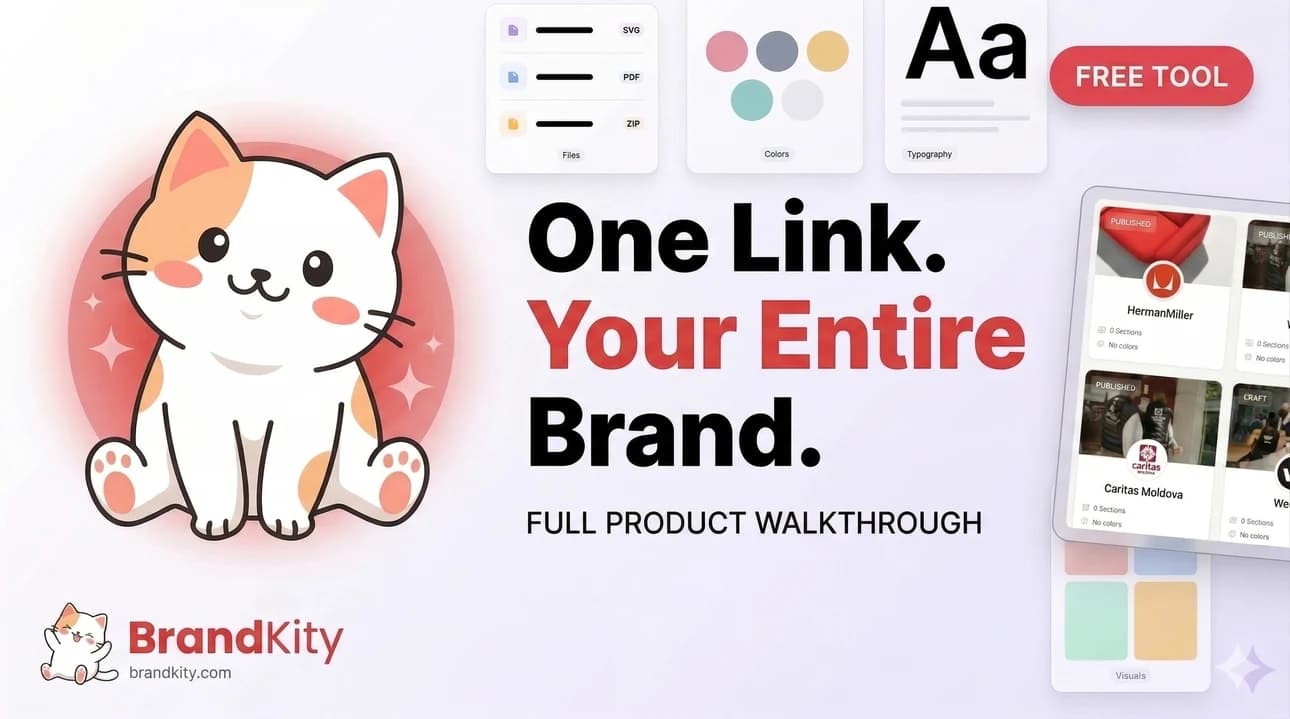
Table of contents
- Navigating the Complexities of Agency Client Delivery in 2026
- The Evolving Landscape of Brand Asset Handoff
- Why Current Solutions Often Fall Short for Agencies
- The Cost of Inefficient Client Deliverables and Miscommunication
- Brandfolder’s Position in Agency Workflows: Strengths and Limitations
- Where Brandfolder Excels for Internal DAM and Asset Organization
- Common Pain Points for Client-Facing Delivery and Collaboration
- Understanding Brandfolder’s Core Philosophy and Target User
- Inefficiencies in Asset Sharing, Version Control, and Feedback Loops
- Cost-Benefit Analysis: When Does a Switch Make Strategic Sense?
- Defining the Ideal Client Delivery Experience: What Agencies Truly Need
- Requirements for a Single Source of Truth for Every Client
- Streamlining Brand Guideline Distribution and Real-Time Updates
- Enhanced Collaboration and Feedback Loops with Clients
- Key Triggers for Agencies to Re-evaluate Their Brand Delivery Platform
- Direct Comparison: Brandfolder’s Client Delivery Features vs. Agency Expectations
- Evaluating Asset Sharing, Permissions, and Version Control Capabilities
- Customization Options for Client-Specific Brand Portals and Guidelines
- Onboarding Ease and User Experience for Non-Technical Clients
- Leading Brand Asset Management Alternatives for Agency Client Delivery (and When to Switch)
- BrandKity: Designed for Simple Client Delivery and Modern Brand Portals
- Frontify and Bynder: Enterprise DAM with Agency Applications
- Lingo & Playbook: Creative Asset Management for Teams
- Assessing Your Current Client Portfolio and Future Growth
- Budget, Integration Needs, and Team Adoption Considerations
- Pitfalls to Avoid During Platform Evaluation and Selection
- The Migration Playbook: Ensuring a Smooth Transition for Your Agency and Clients
- Data Asset Migration: Best Practices and Checklists
- Communicating the Change to Clients and Internal Teams Effectively
- Establishing New Workflows and Training for Success
- Crafting Your Agency’s Switch Strategy: A Decision-Making Framework
- Future-Proofing Your Agency’s Brand Delivery Ecosystem
- Scalability and Adaptability to Evolving Industry Standards
- Long-Term Value: ROI Beyond Initial Cost Savings
- How do I ensure brand consistency across all deliveries and touchpoints?
- Frequently Asked Questions About Agency Brand Delivery Platforms
- What are the core benefits of using a brand delivery platform for an agency?
- How does a brand delivery platform integrate with existing agency workflows?
- Is it difficult to onboard clients and agency teams to a new brand delivery platform?
The landscape of agency client delivery has undergone a significant transformation in recent years, pushing creative and marketing agencies to reconsider how they manage and hand off crucial brand assets. What once sufficed as a simple file transfer now demands a more sophisticated, streamlined, and branded experience, reflecting clients’ heightened expectations in 2026.
This evolving environment necessitates a critical evaluation of existing platforms, including popular Digital Asset Management (DAM) solutions like Brandfolder, to determine if they truly meet the nuanced requirements of modern agency workflows, particularly concerning external client collaboration and brand consistency.
Navigating the Complexities of Agency Client Delivery in 2026
The Evolving Landscape of Brand Asset Handoff
The nature of brand asset handoff has dramatically shifted from basic file transfers to intricate, collaborative processes. Agencies are no longer just delivering logos; they’re managing comprehensive brand kits that include everything from motion graphics and video files to interactive design components and detailed brand guidelines. Clients expect instant, intuitive access to these diverse assets, demanding a system that supports multiple formats and offers a seamless user experience. This evolution places immense pressure on agencies to adopt solutions that can handle both the volume and variety of digital assets while maintaining strict brand integrity across all touchpoints.
Why Current Solutions Often Fall Short for Agencies
Many agencies find that traditional file-sharing services or even generic DAM platforms fall short of today’s client delivery needs. Common pitfalls include a lack of customizable branding options, making the client experience feel disjointed and unprofessional. Agencies struggle with inadequate version control, leading to confusion and the use of outdated assets. Furthermore, these solutions frequently offer limited permissions management, making it difficult to control who accesses what, and they often lack integrated tools for direct client feedback, forcing agencies to juggle multiple platforms and processes for a single project. The sheer complexity of these fragmented workflows often leads to inefficiencies.
The Cost of Inefficient Client Deliverables and Miscommunication
The hidden costs of inefficient client deliverables and miscommunication can significantly impact an agency’s bottom line and reputation. Wasted time spent searching for correct versions, answering repetitive client questions, or correcting errors stemming from outdated assets directly translates into lost billable hours. More critically, miscommunication regarding brand guidelines or asset usage can result in campaigns going off-brand, necessitating expensive revisions and damaging client trust. For instance, an agency spending an extra 10 hours per project due to asset disorganization across 50 annual projects incurs 500 hours of unbilled work, representing a substantial financial drain and potential client dissatisfaction that could lead to churn.
Brandfolder’s Position in Agency Workflows: Strengths and Limitations
Where Brandfolder Excels for Internal DAM and Asset Organization
Brandfolder has established itself as a robust Digital Asset Management (DAM) platform, particularly strong in centralizing and organizing vast libraries of digital assets for internal teams and large enterprises. Its strengths lie in powerful search capabilities, advanced metadata tagging, and solid version control, which are excellent for maintaining a single source of truth within an organization. For agencies primarily focused on internal asset management, ensuring their own creative teams have access to the latest approved assets for project development, Brandfolder offers comprehensive features. It allows for efficient categorization and distribution of brand assets among designers, marketers, and content creators, fostering strong brand consistency before client review stages.
Common Pain Points for Client-Facing Delivery and Collaboration
While Brandfolder excels internally, agencies often encounter specific pain points when attempting to use it for direct client delivery and collaboration. Its design prioritizes internal asset governance over highly customizable, client-centric portals. Agencies report challenges with Brandfolder’s interface being overly complex for external, less tech-savvy clients, leading to a steep learning curve and reduced adoption rates. The platform may also lack the seamless, branded delivery experiences agencies desire, often requiring workarounds for personalized client access and feedback loops. Moreover, its pricing model can become prohibitive when needing to grant extensive external access, as many features are geared towards larger internal user bases, rather than granular, project-specific client shares.
Understanding Brandfolder’s Core Philosophy and Target User
Brandfolder’s core philosophy is deeply rooted in enterprise-level Digital Asset Management, serving large organizations with extensive internal marketing and creative teams. Its design is optimized for comprehensive asset governance, powerful search, and robust integration with other enterprise systems like content management platforms or marketing automation tools. The platform primarily targets companies needing to manage thousands of assets internally across diverse departments, ensuring strict brand compliance and controlled distribution. While it offers some sharing capabilities, its emphasis is less on creating a highly customized, intuitive, and branded delivery portal for external clients, a critical differentiator for agencies seeking to master client handoff and provide an exceptional custom-branded interface. This shift in expectations makes the inability to provide such a seamless portal a significant trigger for agencies to explore alternative platforms that prioritize client-facing delivery and experience.
Inefficiencies in Asset Sharing, Version Control, and Feedback Loops
Persistent operational inefficiencies are a clear indicator that an agency’s current brand delivery platform is no longer sufficient. If creative teams spend excessive time fielding client requests for specific assets, grappling with outdated file versions, or struggling to consolidate feedback spread across emails and multiple communication channels, it’s a critical workflow breakdown. These inefficiencies not only consume valuable resources but also introduce a higher risk of errors and client frustration. A platform that doesn’t streamline
Cost-Benefit Analysis: When Does a Switch Make Strategic Sense?
Deciding when a platform switch makes strategic sense involves a thorough cost-benefit analysis that extends beyond mere subscription fees. Agencies must weigh the tangible costs of their current system’s inefficiencies against the investment in a new solution. This includes evaluating the time saved on administrative tasks, reduced errors, improved client retention rates, and the agency’s ability to command higher fees by offering a superior client experience. For example, if a new platform could save an agency 5-10 hours per week in asset management and client communications, while enhancing client perception and reducing churn by even 5%, the long-term return on investment would likely far outweigh the initial costs and effort of migration. A comprehensive analysis highlights when the operational burden and missed opportunities of the existing system become financially unsustainable.
Defining the Ideal Client Delivery Experience: What Agencies Truly Need
Requirements for a Single Source of Truth for Every Client
The bedrock of an ideal client delivery experience is establishing a single source of truth for all brand assets related to each client. This means a centralized, always-up-to-date repository where every logo, guideline, font, color palette, and digital asset resides. For agencies, this eliminates the chaos of scattered files, outdated PDFs, and conflicting versions across various cloud storage services. Clients and their internal teams can trust that the assets they access are the latest approved versions, fostering consistent brand application across all their marketing efforts. This unified approach is fundamental for ensuring
Streamlining Brand Guideline Distribution and Real-Time Updates
Beyond asset storage, the ideal solution must streamline the distribution of brand guidelines and facilitate their real-time updates. Static PDF guidelines are quickly becoming obsolete, leading to a perpetual challenge of ensuring clients use the most current version. Agencies need a platform that integrates living brand guidelines directly within the client portal, allowing for instant updates and ensuring clients always reference the absolute latest standards. This capability minimizes errors, reinforces brand consistency, and significantly reduces the back-and-forth communication regarding proper brand application. Such a system ensures that as brands evolve, their guidelines are immediately reflected for all stakeholders, maintaining accuracy and compliance effortlessly.
seamless collaboration and a cohesive brand experience.
Enhanced Collaboration and Feedback Loops with Clients
An ideal client delivery experience extends to fostering seamless collaboration and efficient feedback loops. Traditional methods involving email chains, multiple versions of documents, and disconnected communication channels often lead to confusion and delays. Agencies require a platform that centralizes all client communication, feedback, and approvals directly alongside the relevant assets and guidelines. This ensures that historical context is always available, revisions are clearly tracked, and decisions are documented. By integrating tools for commenting, annotation, and approval workflows, agencies can drastically reduce project turnaround times, minimize misinterpretations, and keep projects moving forward efficiently, ultimately strengthening client relationships and project outcomes.
Key Triggers for Agencies to Re-evaluate Their Brand Delivery Platform
Agencies often reach a tipping point where their existing brand delivery methods become a hindrance rather than a help. Recognizing these key triggers is crucial for knowing when it’s time to invest in a more robust solution. One primary indicator is a noticeable increase in client complaints regarding asset accessibility, outdated files, or difficulty understanding brand guidelines. If clients are frequently asking for the “latest version” or expressing frustration with scattered resources, it signals a breakdown in your delivery process.
Internally, triggers include escalating operational inefficiencies. This manifests as creative teams spending excessive hours on administrative tasks like sending files, answering repetitive questions about brand standards, or performing rework due to clients using incorrect assets. High rates of internal errors, missed deadlines, or a strained creative workflow are clear signs that the current platform is no longer sustainable. Furthermore, if the agency struggles to scale onboarding for new clients, or if new team members face a steep learning curve in navigating client assets, it points to a lack of centralized, intuitive processes.
Another significant trigger is the feeling of losing a competitive edge. As client expectations for digital experiences evolve, agencies sticking to antiquated delivery methods may find themselves lagging behind competitors who offer modern, streamlined portals. Finally, if the agency is unable to effectively demonstrate value to clients through transparent collaboration and a professional brand delivery experience, or if there’s an uptick in client churn directly linked to these operational pain points, it’s a strong indication that a platform re-evaluation is overdue. Adopting a superior platform can transform these challenges into opportunities for growth, enhanced client satisfaction, and improved profitability.
Direct Comparison: Brandfolder’s Client Delivery Features vs. Agency Expectations
Evaluating Asset Sharing, Permissions, and Version Control Capabilities
For agencies, the ability to seamlessly share assets with clients while maintaining strict control over access and versions is paramount. Brandfolder offers robust capabilities, allowing agencies to create share links, set expiry dates, and manage user permissions. However, the true test lies in the granularity of control and the client’s ease of use. Agencies often require very specific permissions for different client stakeholders – perhaps a marketing lead needs download access to all final campaign assets, while a legal team only needs view access to specific contractual documents. A potential pitfall is when the interface for clients becomes overly complex, requiring extensive onboarding or leading to confusion. Furthermore, a truly effective system for client delivery must provide transparent version control, ensuring clients always access the latest approved files and can track revisions without direct agency intervention. Agencies must assess if Brandfolder’s options facilitate a frictionless client experience or introduce friction points.
Customization Options for Client-Specific Brand Portals and Guidelines
Modern agencies increasingly need to provide clients with dedicated, branded portals that serve as a single source of truth for all brand assets and guidelines. Brandfolder offers some degree of customization, allowing for branded environments. Yet, agency expectations often extend to comprehensive white-labeling, custom domain support, and the ability to dynamically integrate detailed brand guidelines alongside asset libraries. For instance, an agency might manage diverse clients, each requiring a completely unique visual identity within their asset portal, reflecting their brand’s specific tone and aesthetic. The challenge with some enterprise DAMs can be their generic approach, offering limited flexibility beyond basic logo and color changes. Agencies should scrutinize the depth of Brandfolder’s customization to ensure it can create truly bespoke client brand portals that reinforce the agency’s professionalism and the client’s unique identity, moving beyond mere asset storage to a holistic brand experience.
Onboarding Ease and User Experience for Non-Technical Clients
One of the most critical factors for successful client delivery is the platform’s user experience for the client, especially for those who may not be highly technical. Agencies need a solution where clients can easily navigate, search, and download assets without requiring extensive training or frequent support calls. While Brandfolder is generally intuitive, agencies must evaluate the onboarding process for new clients and the everyday ease of asset retrieval. A common pitfall is a system that demands clients create accounts or remember complex logins for simple downloads, which can quickly become a barrier. An ideal solution allows for a single shareable link experience that provides immediate, secure access to relevant brand assets. Agencies should conduct internal tests, asking non-technical staff to role-play as clients to assess the genuine ease of use and identify any friction points that might impact client satisfaction and operational efficiency.
Leading Brand Asset Management Alternatives for Agency Client Delivery (and When to Switch)
BrandKity: Designed for Simple Client Delivery and Modern Brand Portals
BrandKity stands out as a strong alternative, specifically designed with agency-to-client delivery in mind. Unlike traditional enterprise DAMs that can be overkill for focused client handoffs, BrandKity prioritizes simplicity and modern brand portals. Its core offering revolves around creating a client delivery workflows highly beneficial. It emphasizes quick setup and minimal client training, making it ideal for maintaining brand consistency across various client touchpoints without overhead.
Frontify and Bynder: Enterprise DAM with Agency Applications
For agencies with extensive internal asset management needs, highly complex approval workflows, or those managing vast asset libraries for large enterprise clients, Frontify and Bynder represent powerful enterprise-grade Digital Asset Management (DAM) solutions. These platforms offer comprehensive features beyond client delivery, including advanced workflow automation, extensive integrations with marketing stacks, and robust governance capabilities. While both can be configured for client access and brand portals, their implementation complexity and higher cost structures often reflect their broader scope. Agencies considering these options should have a clear understanding of their internal creative operations and marketing technology ecosystem. The decision to switch to a platform like Frontify or Bynder typically hinges on the necessity for a solution that can manage not just client handoffs, but also an agency’s entire digital asset lifecycle from creation through archival, often requiring significant investment in setup and ongoing management. Consider them when your internal needs match their enterprise capabilities.
Lingo & Playbook: Creative Asset Management for Teams
Lingo and Playbook offer another category of alternatives, often lauded for their focus on creative asset management and collaboration primarily within design and marketing teams. These platforms excel at organizing assets for internal use, offering integrations with design software, and facilitating smoother creative workflows. For agencies whose main pain point is internal creative asset organization and quick access for their design teams, these platforms can be highly effective. However, when it comes to sophisticated client delivery features, they might sometimes fall short compared to platforms specifically designed for external sharing and brand portal functionality. While they provide asset libraries, their emphasis might be less on granular client permissions, extensive white-labeling for client portals, or dynamic brand guideline integration. Agencies should evaluate Lingo and
Assessing Your Current Client Portfolio and Future Growth
Before committing to a platform switch, a thorough assessment of your agency’s current client portfolio and projected growth is indispensable. Understand the diversity of your clients: are they small startups requiring straightforward asset delivery, or large enterprises with complex brand guidelines and compliance needs? Catalog the types of assets you deliver, the frequency of updates, and the number of stakeholders involved. A platform that works well for five clients might buckle under the weight of fifty. Consider your agency’s future growth trajectory. Will you be onboarding more clients, expanding into new service areas, or managing more complex projects? Choosing a solution that scales effectively with your anticipated needs prevents premature obsolescence and the need for another costly switch down the line. A critical pitfall here is selecting a platform based solely on current needs, failing to account for future scalability and functionality required by an evolving client base.
Budget, Integration Needs, and Team Adoption Considerations
The financial implications of a platform switch extend beyond the subscription fee; agencies must consider the total cost of ownership (TCO), including setup, migration, training, and potential integration costs. Equally important are your agency’s integration needs. Does the new platform seamlessly connect with your existing project management tools, creative software (e.g., Adobe Creative Cloud services like Adobe Illustrator), or marketing automation platforms? Incompatibility can lead to fractured workflows and data silos. Furthermore, genuine team adoption is crucial for success. Involve key stakeholders from creative, account management, and operations early in the evaluation process. A platform that is technically superior but difficult for your team to learn and integrate into their daily workflows will lead to resistance and underutilization. Prioritize user-friendliness and provide ample training and support to ensure smooth internal transitions and minimize disruption to ongoing projects.
Pitfalls to Avoid During Platform Evaluation and Selection
Agencies often encounter common pitfalls during the evaluation and selection of new brand asset management platforms. One significant mistake is relying solely on vendor demonstrations without conducting extensive, real-world trials using your agency’s actual assets and client scenarios. Another pitfall is neglecting to gather comprehensive feedback from all potential users, both internal teams and a selection of representative clients. Ignoring security and compliance requirements, especially for regulated industries, can lead to significant issues later on. Agencies should also be wary of feature bloat, where a platform offers many capabilities that are never used, unnecessarily increasing complexity and cost. Establish clear key performance indicators (KPIs) for what success looks like with the new platform – whether it’s faster client approvals, reduced asset search times, or improved brand consistency – and use these metrics to objectively compare solutions. Failing to define these measurable outcomes can lead to a subjective choice that doesn’t truly address your agency’s core challenges.
The Migration Playbook: Ensuring a Smooth Transition for Your Agency and Clients
Data Asset Migration: Best Practices and Checklists
The migration of existing brand assets from your current system or scattered locations to a new platform is a critical phase that demands meticulous planning. Begin with a comprehensive audit of all assets to identify outdated, duplicate, or unneeded files, ensuring you only migrate essential, up-to-date content. Prioritize metadata hygiene; clean, consistent metadata is the backbone of discoverability in any DAM system. Develop a clear folder structure and naming convention for the new platform before migration begins. A practical checklist should include steps like: asset inventory, metadata cleanup, establishing folder hierarchy, defining user permissions, and creating a phased migration plan for large volumes of data. Always maintain backups of your original assets during the entire process. Utilize any migration tools provided by the new platform vendor, and if possible, conduct a small-scale pilot migration to identify and resolve potential issues before a full rollout. This proactive approach minimizes data loss and preserves asset integrity.
Communicating the Change to Clients and Internal Teams Effectively
A successful platform switch hinges as much on effective communication as it does on technical execution. For clients, develop a clear, concise communication plan that highlights the benefits of the new system – improved access, easier downloads, a more modern interface, and enhanced brand consistency. Provide them with ample notice, clear instructions, and a dedicated point of contact for support during the transition period. Consider hosting brief introductory webinars or providing simple “how-to” guides. Internally, foster early buy-in by explaining the strategic advantages of the new platform for efficiency and client satisfaction. Address potential concerns and actively solicit feedback. Create an internal FAQ document and conduct workshops to familiarize teams with the new workflows. Transparent and consistent communication builds confidence, mitigates resistance, and ensures that both clients and your agency teams feel supported throughout the change, transforming a potential disruption into a positive enhancement.
Establishing New Workflows and Training for Success
Migrating to a new brand asset management platform is not just about moving files; it’s an opportunity to optimize your agency’s operational workflows. Post-migration, it is imperative to establish and document new Standard Operating Procedures (SOPs) that leverage the new platform’s capabilities. This includes updated processes for asset creation, approval, versioning, sharing, and archiving. Conduct comprehensive, role-based training sessions for all internal teams, focusing on how their specific tasks integrate with the new system. For example, creative teams might need training on uploading and tagging, while account managers need to understand client portal setup and permissions. Provide ongoing support, whether through dedicated champions within the agency or direct access to vendor support. Encourage a culture of continuous improvement by establishing feedback loops to refine workflows and training materials. Effective workflow integration and robust training are key to maximizing your investment and ensuring the new platform truly streamlines your agency’s client delivery and overall brand operations.
Crafting Your Agency’s Switch Strategy: A Decision-Making Framework
Developing a robust strategy is paramount for a successful brand asset management platform switch. Begin by conducting a thorough internal audit to identify your agency’s unique needs, pain points with the current system (if any), and aspirational goals for a new platform. This includes mapping out existing workflows, asset types, user roles, and integration requirements with other tools like project management software or CRMs. Once your requirements are clear, evaluate potential solutions against a defined set of criteria, considering not only features but also scalability, security, user-friendliness, and vendor support. Factor in budget implications, including licensing fees, implementation costs, potential migration services, and ongoing training. A strategic framework should also address a realistic timeline, allocate internal resources, and define key performance indicators (KPIs) to measure the success of the transition. By meticulously planning each phase, from initial assessment to post-launch optimization, your agency can make informed decisions that align with its long-term objectives and enhance operational efficiency.
Future-Proofing Your Agency’s Brand Delivery Ecosystem
Scalability and Adaptability to Evolving Industry Standards
In the dynamic landscape of agency work, the ability of your brand delivery platform to scale and adapt is paramount. Agencies must select systems that can effortlessly grow with their client roster and increasing asset volumes, avoiding solutions with rigid user limits or storage caps. A crucial decision criterion is the platform’s integration capabilities; does it seamlessly connect with existing creative tools like those offered by Adobe or project management software? A common pitfall is investing in a proprietary system that lacks open APIs, leading to future compatibility headaches and costly workarounds. For instance, an agency experiencing rapid expansion might find its legacy DAM struggling to manage terabytes of video assets and hundreds of simultaneous users, bottlenecking project delivery. Actionable steps involve conducting a thorough audit of anticipated growth, prioritizing platforms that offer flexible pricing tiers, and evaluating vendors on their commitment to continuous updates and compatibility with emerging digital asset standards. This ensures your investment today remains relevant and efficient for years to come, truly becoming an streamlining creative operations.
Long-Term Value: ROI Beyond Initial Cost Savings
While initial cost savings often drive the decision to adopt a new brand delivery platform, agencies must focus on the broader long-term return on investment (ROI). The true value extends far beyond reducing software subscriptions or storage fees. Intangible benefits such as enhanced brand consistency, improved client trust, and significant reductions in revision cycles contribute substantially to profitability and agency reputation. Measuring this long-term ROI involves tracking metrics like client retention rates, average project completion times, and internal team satisfaction scores, rather than just direct cost comparisons. A common pitfall is making decisions purely on price, opting for a seemingly cheaper solution that later proves to be inefficient, leading to hidden costs in wasted time and rework. Example: An agency investing in a comprehensive brand portal like BrandKity might see an increase in client satisfaction by 20% and a decrease in client-requested asset updates by 15% within the first year, directly impacting repeat business and operational efficiency. Actionable steps include developing a value mapping exercise with stakeholders to identify all potential areas of gain and educating the team on how the platform contributes to overall strategic goals, fostering a culture where a why agencies need a modern brand portal.
How do I ensure brand consistency across all deliveries and touchpoints?
Ensuring brand consistency across all deliveries and touchpoints is a core challenge for agencies, and a robust brand delivery platform is key to overcoming it. The most effective strategy involves centralizing all approved brand assets and guidelines within a single, easily accessible system. This includes logos, color palettes, typography, imagery, video, and even tone-of-voice documentation. The platform should offer features like version control to prevent the use of outdated files and provide clear usage guidelines alongside each asset. Integrating this system into your workflow means creative teams always pull from the authoritative source, and clients receive only the latest, on-brand materials. Utilizing digital asset management for marketing helps enforce these standards proactively. A common pitfall is relying on manual checks or disparate storage solutions, which inevitably lead to errors and inconsistencies. Platforms that allow for predefined templates and automated asset resizing further simplify adherence, making brand consistency not just a goal, but an inherent outcome of your delivery process, essential for
Securely managing client access and permissions is critical for protecting brand assets and streamlining collaborative workflows. The best approach involves utilizing a brand delivery platform that offers granular control over user roles and access levels. Agencies should be able to define specific permissions for each client or even individual client stakeholders, determining who can view, download, or comment on particular assets or collections. Implementing private, shareable links with optional password protection and expiration dates provides an additional layer of security for specific deliveries. For instance, a client might have full access to their finalized brand guidelines but only view-only access to unapproved concepts. Regular audits of client access logs ensure accountability and help identify any unauthorized activity. Platforms designed for agency-client collaboration often feature intuitive dashboards where agencies can easily revoke or modify permissions as project scopes change. This level of control is fundamental for
maintaining security, managing intellectual property, and ensuring that only authorized individuals interact with sensitive brand materials, ultimately enhancing trust and professionalism in client relationships.
Frequently Asked Questions About Agency Brand Delivery Platforms
What are the core benefits of using a brand delivery platform for an agency?
The core benefits include significant improvements in brand consistency, operational efficiency, and client satisfaction. Agencies can centralize all brand assets and guidelines, ensuring every team member and client always accesses the latest approved versions. This reduces errors, saves time previously spent searching for files, and streamlines review cycles. Ultimately, it strengthens an agency’s ability to deliver high-quality, on-brand work consistently, fostering stronger client relationships and showcasing professionalism.
How does a brand delivery platform integrate with existing agency workflows?
Modern brand delivery platforms are designed for seamless integration. Many offer APIs or direct connections with popular design software, project management tools, and content management systems. This allows creatives to pull assets directly into their design applications, project managers to link assets to tasks, and marketing teams to deploy content more efficiently. The goal is to embed the platform as an indispensable hub within the agency’s existing digital ecosystem, rather than an isolated tool, ensuring a smooth transition and enhanced collaboration across departments.
Is it difficult to onboard clients and agency teams to a new brand delivery platform?
Onboarding difficulty largely depends on the platform’s user-friendliness and the agency’s implementation strategy. Reputable platforms prioritize intuitive interfaces and provide comprehensive support resources, including tutorials and dedicated customer service. For agencies, a phased rollout, clear internal communication, and initial training sessions for both internal teams and key client stakeholders can significantly ease the transition. Many platforms also offer customizable dashboards and simplified client portals to minimize complexity, making adoption straightforward and efficient for all users.
Saurabh Kumar
Founder, BrandKity
Saurabh writes about practical brand systems, faster client handoffs, and scalable workflows for designers and agencies building repeatable delivery operations.
Connect on LinkedIn