
Does Your Agency Need Brand Asset Management Software?
Agencies thrive on creativity and efficiency, but the sheer volume of digital assets generated for multiple clients can quickly become unwieldy. From …
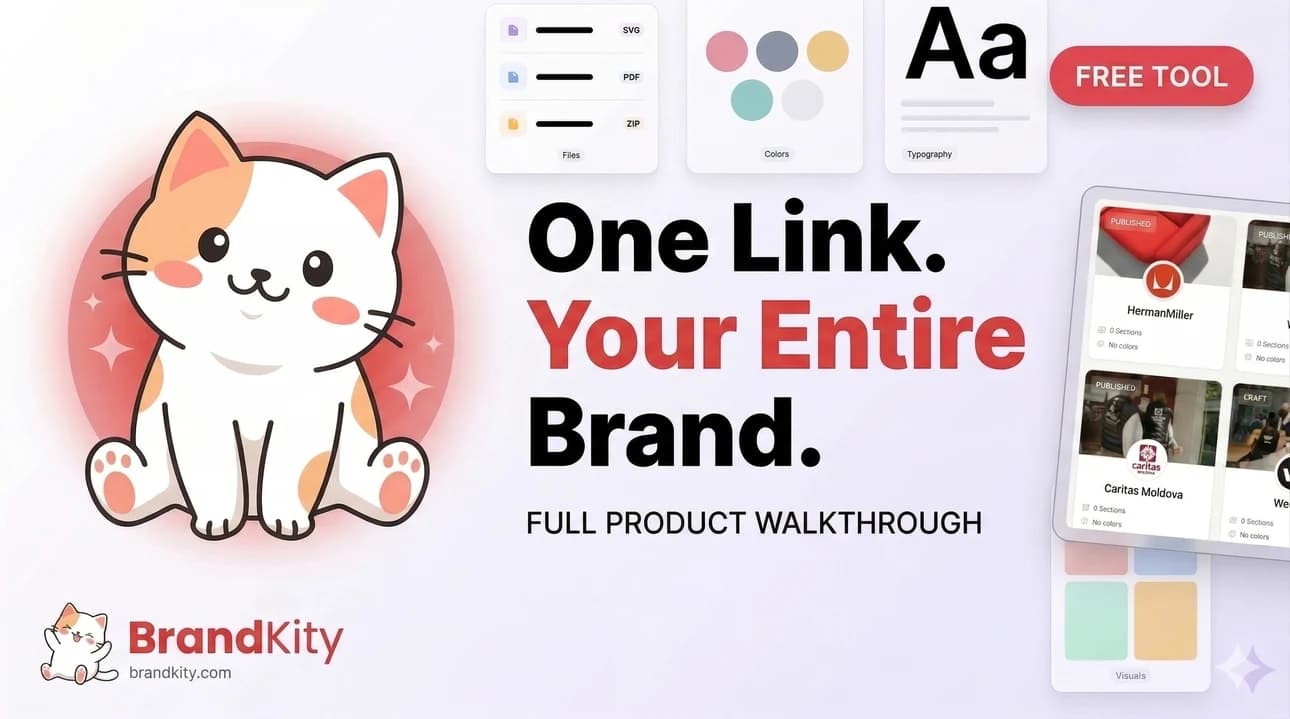
Table of contents
- Navigating the Brand Asset Labyrinth: Why Agencies Struggle with Disorganization
- The Hidden Costs of Fragmented Brand Assets
- Common Pitfalls in Agency Brand Asset Management
- When Scattered Files Lead to Client Headaches and Inconsistency
- Beyond Basic Storage: What is Brand Asset Management Software for Agencies?
- Distinguishing BAM from Traditional Digital Asset Management (DAM)
- The ‘Single Source of Truth’ Concept for Every Brand
- Assessing Your Current Client Delivery and Handoff Workflows
- Quantifying the Impact of Brand Inconsistency Across Projects
- Transforming Agency Workflows: Core Benefits of Implementing BAM Software
- Streamlining Creative Operations and Asset Approvals
- Is Your Agency Ready for a Dedicated Brand Asset Management Solution?
- Mastering Client Handoffs and Brand Portals with BAM Software
- The Power of One Shareable BrandKit Link for Every Brand
- Automating Brand Guideline Distribution and Updates
- What to Prioritize When Choosing Brand Asset Management Software for Your Agency
- Usability and Fast Onboarding for Creative Teams
- Client-Centric Delivery Features and Ease of Access
- Scalability for Multiple Client Brands and Project Volumes
- Potential Challenges and Strategies for Mitigation
- Integrating BAM into Your Existing Agency Workflow: A Practical Guide
- A Phased Approach to Seamless Adoption
- Training Your Team for Optimal Use and buy-in
- Measuring Success and Return on Investment (ROI)
- Pros and Cons of Implementing Brand Asset Management Software in Your Agency
- Pros
- Cons
- Making the Right Choice: Recommendations for Agency Brand Asset Management
- Essential Features that Empower Brand Strategists and Creative Directors
- Prioritizing Solutions that Eliminate Scattered Folders and Outdated PDFs
- What’s the Typical ROI of BAM for a Small to Mid-Sized Agency?
- Can BAM Effectively Handle Video, Animation, and Large Design Files?
- Frequently Asked Questions About Brand Asset Management for Agencies
- What is the difference between BAM and DAM?
- How difficult is it to integrate BAM with existing agency tools?
- What’s the typical ROI agencies see from implementing BAM?
Agencies thrive on creativity and efficiency, but the sheer volume of digital assets generated for multiple clients can quickly become unwieldy. From logos and typography to campaign imagery and video files, managing these brand assets effectively is crucial for maintaining consistency and accelerating project delivery.
Without a structured approach, agencies often find themselves buried under a mountain of scattered files, leading to wasted time, duplicated efforts, and avoidable brand inconsistencies. This guide explores the challenges agencies face and how dedicated brand asset management software can provide a much-needed solution.
Navigating the Brand Asset Labyrinth: Why Agencies Struggle with Disorganization
The Hidden Costs of Fragmented Brand Assets
The absence of a centralized system for brand assets introduces significant, often unseen, costs for agencies. Beyond the obvious time spent searching for files, there’s the cost of recreating assets due to loss or version confusion, and the operational drag of lengthy approval cycles. These inefficiencies translate directly into reduced profitability and a hampered ability to scale. Moreover, the hidden cost of a tarnished reputation due to inconsistent client branding can be severe, impacting future business acquisition. Agencies frequently underestimate the cumulative impact of these minor daily frictions, which collectively erode their bottom line and operational agility.
Common Pitfalls in Agency Brand Asset Management
Agencies typically encounter several recurring pitfalls when managing brand assets. One primary issue is the reliance on generic cloud storage solutions, which lack the necessary metadata, version control, and access permissions specific to brand assets. Another common problem is a decentralized workflow where creative teams, project managers, and clients use disparate platforms, leading to constant back-and-forth communication and asset discrepancies. This often results in designers pulling outdated logos or using off-brand colors because the latest approved assets are not readily accessible. The absence of clear guidelines on where to store and retrieve assets exacerbates this fragmentation.
When Scattered Files Lead to Client Headaches and Inconsistency
The direct impact of disorganized brand assets is most visible in client relationships and the consistency of delivered work. Imagine a client receiving a campaign with a logo that’s a previous iteration, or seeing different color values used across web, print, and social media deliverables. These inconsistencies undermine the client’s trust and reflect poorly on the agency’s professionalism and attention to detail. Scattered files mean creative teams might inadvertently use non-compliant imagery, leading to legal risks or requiring costly revisions. Ultimately, this disarray creates client headaches, strains relationships, and diminishes the perceived value of the agency’s work, making it harder to master client handoff effectively.
Beyond Basic Storage: What is Brand Asset Management Software for Agencies?
Distinguishing BAM from Traditional Digital Asset Management (DAM)
While often conflated, Brand Asset Management (BAM) software for agencies goes significantly beyond the capabilities of traditional Digital Asset Management (DAM) systems. A typical DAM focuses on the storage, organization, and retrieval of a wide array of digital files, from photos to videos, often with robust metadata and tagging. BAM, however, is purpose-built to manage assets specific to a brand’s identity, including logos, typography, color palettes, and brand guidelines, with a strong emphasis on brand compliance and easy sharing. It incorporates features like brand portals that specifically cater to single shareable link for client delivery.
The ‘Single Source of Truth’ Concept for Every Brand
The core philosophy behind effective Brand Asset Management is establishing a ‘single source of truth’ for all brand-related assets. This means there is one definitive, universally accessible, and constantly updated repository where every team member and client can find the latest approved versions of logos, imagery, and Adobe further streamlines workflows. Ultimately, it provides a operational inefficiencies. These issues aren’t just minor annoyances; they represent significant wasted resources and time.
Assessing Your Current Client Delivery and Handoff Workflows
Evaluating your current client delivery and handoff workflows is crucial for determining BAM readiness. Do you find yourself bundling assets into large email attachments or struggling to provide clients with a clear, single point of access for all their brand materials? If clients frequently complain about not being able to find the latest files, or if post-project handoffs involve manual collation of dozens of disparate assets, your workflow is suboptimal. A truly efficient process should allow for seamless sharing of all approved brand assets and guidelines through a simple, organized portal. This assessment should highlight how often client communication is dedicated to asset retrieval rather than strategy, signaling a need for improvement.
Quantifying the Impact of Brand Inconsistency Across Projects
To truly understand the need for BAM, agencies must attempt to quantify the impact of brand inconsistency. This involves tracking how many hours are spent on revisions due to incorrect asset usage, how many client complaints are linked to off-brand messaging or visuals, or even how much budget is reallocated to correct errors that stem from disorganization. For instance, if a marketing campaign runs with an outdated color palette, the brand message is diluted, and the agency’s credibility is questioned. Documenting these instances provides concrete data on the financial and reputational toll. Agencies should ask: how often does brand inconsistency compromise our client’s market perception and our agency’s reputation?
Transforming Agency Workflows: Core Benefits of Implementing BAM Software
Streamlining Creative Operations and Asset Approvals
Implementing Brand Asset Management software dramatically streamlines creative operations and simplifies the often-tedious asset approval process. Designers gain instant access to approved, brand-compliant assets, eliminating time spent searching for files or second-guessing versions. Integrated review and approval workflows within the platform mean stakeholders can provide feedback directly on assets, track changes, and give final approval efficiently. This reduces email chains, prevents miscommunications, and accelerates project timelines significantly. By centralizing creative assets and workflows, agencies can focus more on innovation and less on administrative overhead, ultimately leading to high-quality, compliant branding.
Is Your Agency Ready for a Dedicated Brand Asset Management Solution?
Having reviewed the common pain points and the transformative benefits, the ultimate question for any agency is whether it’s truly ready for a dedicated Brand Asset Management solution. If your teams are consistently battling version control issues, if client handoffs are a source of stress rather than satisfaction, or if valuable creative time is consistently diverted to searching for or recreating assets, then the answer is a resounding yes. These challenges are not merely inconveniences; they are significant drains on resources, client relationships, and your agency’s bottom line.
Adopting BAM isn’t just about investing in new software; it’s about committing to a more organized, efficient, and brand-consistent future. It’s for agencies that aspire to elevate their client service, empower their creative teams with instant access to on-brand materials, and solidify their reputation for delivering impeccably consistent campaigns. If you recognize these symptoms within your own operations and are ready to move beyond reactive fire-fighting to proactive brand stewardship, then a robust BAM platform is not just an option, but a strategic necessity for sustainable growth and enhanced client satisfaction.
Mastering Client Handoffs and Brand Portals with BAM Software
The Power of One Shareable BrandKit Link for Every Brand
For agencies managing numerous client projects, the process of brand asset delivery can often be fragmented, involving scattered folders, outdated email attachments, and endless back-and-forth communication. Implementing Brand Asset Management (BAM) software transforms this by enabling the creation of a single shareable BrandKit link for each client’s brand. This centralized approach means every stakeholder, from the client’s internal marketing team to external vendors, can access the definitive, up-to-date collection of logos, brand guidelines, typography, color palettes, and other critical assets through one URL. This not only dramatically simplifies the handoff process but also acts as a modern brand portals that are not only aesthetically pleasing but also highly functional and accessible. These portals go beyond merely listing assets; they provide context, usage guidelines, and even download options for various file formats, all within a branded environment. Critically, these platforms are engineered for user-friendliness, meaning clients and their teams can quickly find what they need without extensive training or agency support. This shift from static PDFs and confusing cloud folders to dynamic, navigable portals significantly enhances client satisfaction and streamlines project workflows, allowing agencies to focus on creative work rather than asset management. The goal is to make accessing brand assets as effortless as browsing a well-designed website.
Automating Brand Guideline Distribution and Updates
Maintaining current brand guidelines is a continuous challenge, especially when revisions occur. Without BAM software, distributing updated brand guidelines often involves manually sending new PDFs, leading to version control issues and the potential for outdated assets to be used. BAM solutions automate the entire process of brand guideline distribution and updates. Once guidelines are uploaded and organized within the portal, any changes made by the agency are immediately reflected across all shared BrandKit links. This ensures that clients, partners, and internal teams are always working with the most current information, eliminating discrepancies and protecting brand integrity. Features like version history and notification systems further enhance this automation, providing transparency and accountability. This automation significantly reduces administrative overhead for agencies, allowing them to redeploy resources to more strategic tasks, directly benefiting the client relationship and the quality of delivery.
What to Prioritize When Choosing Brand Asset Management Software for Your Agency
Usability and Fast Onboarding for Creative Teams
When selecting BAM software, an agency’s immediate concern should be its usability for creative teams and the speed of onboarding. A complex system, no matter how feature-rich, will face resistance and slow adoption, undermining its potential benefits. Look for platforms with intuitive interfaces, drag-and-drop functionality, and logical organizational structures that mirror how creative professionals already think and work. Fast onboarding means minimal disruption to ongoing projects and a quicker path to realizing the software’s value. Agencies should prioritize solutions that offer robust training resources, clear documentation, and responsive support. Ideally, the software should feel like a natural extension of existing tools like those from Adobe Creative Cloud, rather than an additional burden. Ensuring your designers, strategists, and project managers can seamlessly integrate the new system into their daily routines is paramount for long-term success and widespread agency buy-in.
Client-Centric Delivery Features and Ease of Access
Given the focus on client relationships, the chosen BAM software must excel in client-centric delivery features. This includes customizable client portals that can be branded with the client’s identity, guest access options with granular permission controls, and straightforward download capabilities. The ease of access for clients themselves is non-negotiable; they should not require extensive training to retrieve their assets. Look for features like simple shareable links, search functionality within client portals, and the ability to download assets in multiple formats (e.g., JPEG, PNG, SVG, PDF) directly. The system should also facilitate client feedback and approvals efficiently, streamlining the review cycle. Prioritizing software that makes the client’s experience smooth and professional will directly contribute to higher satisfaction rates and stronger long-term partnerships. Agencies should also consider how effortlessly new assets are published to client portals, ensuring minimal delay in updates.
Scalability for Multiple Client Brands and Project Volumes
An agency’s growth directly correlates with an increasing number of client brands and a rising volume of creative projects. Therefore, the chosen BAM software must demonstrate exceptional scalability for multiple client brands and varying project scopes. Evaluate how easily new brands can be added, how assets are segmented for different clients, and whether the pricing structure accommodates growth without becoming prohibitively expensive. This includes considering storage limits, user seat licensing, and the ability to manage permissions across a growing portfolio of clients and internal teams. A scalable solution ensures that as your agency expands, your asset management system can grow alongside it, without requiring a disruptive migration to a new platform. Proactive planning for scalability now will prevent future bottlenecks and ensure a consistent, high-quality service delivery as your agency takes on more significant challenges and opportunities, making it a critical aspect of brand consistency, a critical factor for any successful agency.
Potential Challenges and Strategies for Mitigation
While the benefits are substantial, agencies should be aware of potential challenges when implementing BAM software. One common hurdle is the initial time investment required for setup and migration of existing assets. This can feel daunting, especially for agencies with a vast legacy of client work. A strategy for mitigation involves a phased migration approach, starting with active projects or high-priority clients, and allocating dedicated resources for the initial setup. Another challenge is securing team buy-in, as some staff might resist adopting new tools due to comfort with existing, albeit less efficient, methods. This can be mitigated through comprehensive training, highlighting the personal benefits (less time spent on tedious tasks), and appointing internal “BAM champions” to advocate for its use. Cost is also a consideration; while BAM software offers clear ROI, the initial investment needs to be justified. Focusing on the long-term savings in time and improved client relations, as well as choosing a solution with flexible pricing tiers, can address this concern. By proactively planning for these challenges, agencies can ensure a smoother transition and maximize the software’s impact.
Integrating BAM into Your Existing Agency Workflow: A Practical Guide
A Phased Approach to Seamless Adoption
Integrating Brand Asset Management (BAM) software into an agency’s existing workflow is best approached with a structured, phased strategy rather than a disruptive big-bang rollout. Start by identifying a pilot team or a specific client project that can serve as a test case. This allows the agency to iron out any initial kinks, gather feedback, and refine processes without impacting the entire operation. Phase one might involve migrating core assets for this pilot group and training a small cohort of users. Subsequent phases can then incrementally bring more clients, teams, and asset types into the system, gradually expanding its use across the agency. This
Training Your Team for Optimal Use and buy-in
Successful BAM integration hinges on effective training and securing enthusiastic team buy-in. It’s not enough to simply provide access; agencies must invest in comprehensive training programs tailored to different roles within the organization. Designers, project managers, account executives, and even leadership will interact with the BAM system in unique ways, requiring specific guidance. Training should cover not just the “how-to” of the software, but also the “why” – articulating the benefits in terms of time saved, reduced frustration, and improved client outcomes. Hands-on workshops, accessible tutorials, and a dedicated point person for questions can foster comfort and proficiency. Crucially, emphasize how the BAM system simplifies tasks like client handoffs and ensures brand consistency, addressing common pain points. Encouraging feedback and continuously refining training based on user experience will cultivate a sense of ownership and ensure optimal use and long-term engagement.
Measuring Success and Return on Investment (ROI)
To truly understand the value of BAM software, agencies must establish clear metrics for measuring its success and calculating its Return on Investment (ROI). This involves tracking tangible benefits such as the time saved on asset retrieval and approvals, reduction in errors related to outdated brand assets, and improved client satisfaction scores related to asset delivery. Quantify the time savings by conducting before-and-after comparisons on specific tasks, for instance, how long it took to fulfill an asset request prior to BAM versus after. Less tangible benefits, like enhanced brand consistency and stronger client relationships, can be assessed through client feedback surveys and internal team sentiment. By diligently tracking these metrics, agencies can demonstrate the clear financial and operational advantages of their BAM investment. This data is invaluable for justifying ongoing costs, showcasing internal successes, and continuously optimizing the use of the platform to drive even greater efficiencies and measurable results for the agency’s bottom line.
Pros and Cons of Implementing Brand Asset Management Software in Your Agency
Pros
Implementing Brand Asset Management (BAM) software in an agency environment offers a wealth of advantages, fundamentally transforming how creative assets are handled. A primary benefit is the dramatic improvement in asset organization and accessibility. No longer will teams waste valuable time searching through disorganized shared drives or outdated folders; all assets are centrally stored, tagged, and easily discoverable. This leads to faster project turnaround times and increased productivity, as designers and project managers can quickly locate the precise files they need. BAM systems enforce brand consistency by ensuring everyone uses the latest approved versions of logos, fonts, and imagery, significantly reducing the risk of costly brand violations. Collaboration is also streamlined, with clear version control, approval workflows, and commenting features that facilitate smoother teamwork between internal teams and external stakeholders. Furthermore, robust security features protect valuable brand assets, and detailed analytics provide insights into asset usage, helping agencies understand what content performs best and optimize their creative output. Ultimately, these efficiencies free up creative talent to focus more on innovation and less on administrative tasks, leading to higher quality work and greater client satisfaction.
Cons
Despite its many benefits, the implementation of BAM software also comes with potential drawbacks that agencies must consider. The initial investment in software licenses, customization, and training can be substantial, especially for smaller agencies with limited budgets. Beyond the upfront cost, there’s the time commitment required for implementation itself, including migrating existing assets, configuring the system, and developing new workflows. This transition period can disrupt ongoing projects and productivity temporarily. Another significant challenge is the learning curve for staff. While BAM systems are designed for ease of use, any new technology requires adjustment, and resistance to change can hinder adoption. Employees accustomed to older methods might be reluctant to embrace new processes, necessitating strong change management and ongoing support. Data migration can also be a complex undertaking, with potential for errors or loss if not handled meticulously. Finally, ongoing maintenance, updates, and potential subscription fees contribute to the long-term operational costs. Agencies must carefully weigh these challenges against the projected benefits and plan strategically to mitigate potential hurdles for a successful rollout.
Making the Right Choice: Recommendations for Agency Brand Asset Management
Essential Features that Empower Brand Strategists and Creative Directors
For brand strategists and creative directors, the ideal brand asset management (BAM) solution must act as a centralized hub for creative operations, not just a storage locker. Critical features include robust version control, ensuring that only the latest, approved assets are accessible to the team and clients. An effective system provides intuitive search and filtering capabilities, allowing for quick retrieval of specific logos, color palettes, or imagery without sifting through disorganized folders. Furthermore, look for integrated approval workflows that streamline feedback loops, reducing delays inherent in traditional email-based processes. The ability to create custom, shareable single source of truth a reality.
Prioritizing Solutions that Eliminate Scattered Folders and Outdated PDFs
The primary driver for adopting brand asset management software often stems from the chaos of scattered folders and outdated PDFs. Agencies frequently grapple with teams saving brand assets locally, leading to versioning confusion and costly brand inconsistencies. A top-tier BAM solution centralizes all brand elements — from logos and typography to imagery and video — ensuring every team member and client accesses the most current files. Look for platforms that offer automatic updates across all shared instances, rendering manual file replacements obsolete. Beyond simple storage, the system should facilitate consistent brand application across distributed teams, BAM prevents costly errors and maintains brand integrity even when teams are geographically dispersed. This centralized access significantly reduces communication overhead related to asset location and versioning.
What’s the Typical ROI of BAM for a Small to Mid-Sized Agency?
The return on investment (ROI) for brand asset management in a small to mid-sized agency is typically realized through significant time savings, error reduction, and improved client satisfaction. Agencies often report a reduction in time spent searching for assets by up to 30%, freeing up creative and account management hours. Moreover, minimizing brand inconsistency errors — such as using old logos or incorrect brand colors — prevents costly rework and reputational damage. Faster client approvals, enabled by streamlined sharing and feedback tools, accelerate project timelines. For example, an agency spending 10 hours weekly on asset management tasks and corrections might save $10,000 annually per employee by implementing BAM. This efficiency gain allows for greater capacity to take on new projects and deliver consistently high-quality work, directly impacting the bottom line.
Can BAM Effectively Handle Video, Animation, and Large Design Files?
Absolutely. Modern brand asset management platforms are specifically engineered to handle a wide array of file types, including high-resolution video, intricate animations, and large design files. Key capabilities include robust storage infrastructure, often cloud-based, that can accommodate substantial file sizes without performance degradation. Advanced BAM solutions offer comprehensive preview functionalities, allowing users to view rich media directly within the platform without needing to download files or specific software. Efficient metadata tagging and indexing are crucial for organizing and retrieving these complex assets, ensuring they are easily discoverable. Furthermore, many platforms support various download formats and integrations with creative software like those offered by Adobe Creative Cloud, enabling designers to work directly with approved assets. This ensures large and dynamic creative assets are managed with the same precision as static images, streamlining creative operations.
Selecting the right brand asset management solution is a pivotal decision for any agency looking to streamline operations, enhance client delivery, and safeguard brand consistency. By focusing on core features that empower creative teams and eliminate common pain points, agencies can unlock significant efficiencies and drive stronger project outcomes.
Frequently Asked Questions About Brand Asset Management for Agencies
What is the difference between BAM and DAM?
While often used interchangeably, Brand Asset Management (BAM) is a specialized subset of Digital Asset Management (DAM). A DAM system broadly manages all types of digital assets for an organization, from internal documents to design files. BAM, however, focuses specifically on marketing and brand-related assets — such as logos, fonts, brand guidelines, approved imagery, and campaigns — ensuring they adhere strictly to brand standards. Its primary goal is to maintain brand consistency across all touchpoints, especially for external communications, making it particularly critical for agencies managing multiple client brands. BAM systems typically include robust features for managing brand guidelines, ensuring only approved versions are accessible, and streamlining brand deployment.
How difficult is it to integrate BAM with existing agency tools?
Integrating a Brand Asset Management platform with an agency’s existing tech stack is generally straightforward, thanks to modern APIs and pre-built connectors. Most advanced BAM solutions offer seamless integration with commonly used tools such as project management software (e.g., Monday.com, Asana), content management systems (CMS), marketing automation platforms, and creative suites like Adobe Creative Cloud. These integrations are designed to create a unified workflow, allowing assets to be pulled directly from BAM into ongoing projects or published to various channels, thereby minimizing manual transfers and potential errors. Agencies should look for platforms with open APIs and a track record of successful integrations to ensure a smooth setup process.
What’s the typical ROI agencies see from implementing BAM?
Agencies typically experience a significant return on investment (ROI) from implementing BAM, driven by enhanced efficiency, reduced costs, and improved client satisfaction. Tangible benefits include a notable reduction in time spent searching for and approving assets, often leading to time savings of 20-30% for creative and account teams. This efficiency translates directly into cost savings and increased capacity for new projects. For example, an agency previously spending 10 hours weekly on asset management tasks and corrections might save upwards of $10,000 annually per employee, as discussed earlier. Furthermore, preventing brand inconsistency errors avoids costly rework and safeguards client reputations. Intangible benefits, such as accelerated project timelines, faster client approvals, and the ability to consistently deliver high-quality, on-brand work, further solidify BAM’s value proposition.
Saurabh Kumar
Founder, BrandKity
Saurabh writes about practical brand systems, faster client handoffs, and scalable workflows for designers and agencies building repeatable delivery operations.
Connect on LinkedIn