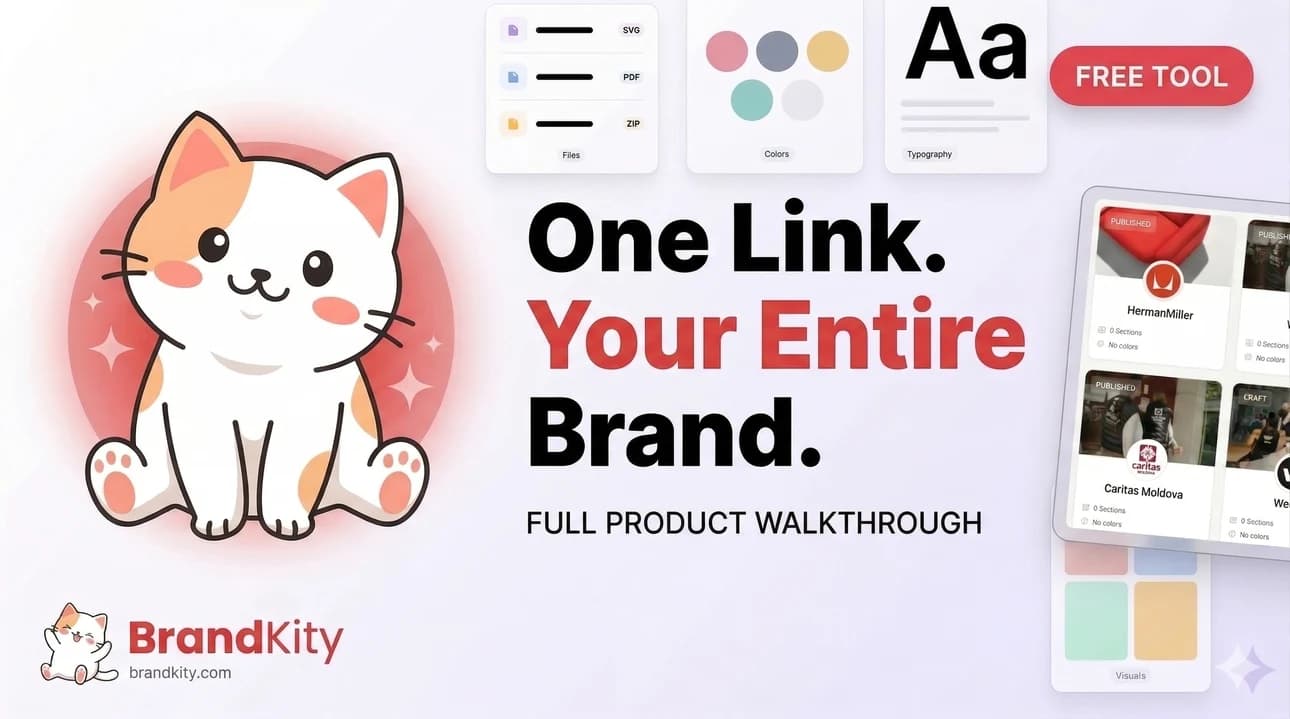
Brand Assets 2026: Master Your Delivery
In the dynamic world of 2026, the way brands deliver their essential visual and functional elements has undergone a significant transformation. Gone a…

Table of contents
- Navigating the Evolving Landscape of Brand Asset Delivery in 2026
- Why the ‘Big Bang’ Brand Handoff No Longer Cuts It
- The Shifting Client Expectations: Beyond Static Files
- Leveraging Technology for Seamless Brand Integration
- The Anatomy of a Flawless Brand Asset Package
- Beyond Logos: Essential Visual Elements (Color Palettes, Typography, Imagery)
- The Power of Functional Assets: Icons, Illustrations, and UI Kits
- Beyond Static: Animated Assets, Video Snippets, and Interactive Elements
- Structuring Your Brand Assets for Maximum Clarity and Impact
- Categorization Strategies: By Brand Element, Project Phase, or Usage Context
- Naming Conventions That Prevent Chaos
- Version Control: Ensuring Clients Always Have the Latest Iterations
- Mastering the ‘One Link’ Philosophy for Effortless Client Handoff
- The Benefits of a Centralized, Accessible Brand Hub
- Building a Single Source of Truth for All Brand Assets
- Designing the User Experience of Your Brand Link
- From Files to Function: Crafting Actionable Brand Guidelines
- The Essential Components of a Modern Brand Guide
- Illustrating Correct vs. Incorrect Asset Usage with Real-World Examples
- Making Guidelines Interactive and Searchable
- Integrating Brand Assets into Modern Design Systems
- The Synergy Between Brand Assets and Design Systems
- Ensuring Consistency Across Digital Products and Marketing Channels
- From Brand Guidelines to Atomic Design: Bridging the Gap
- Streamlining Workflow for Freelancers and Agencies in 2026
- Automating Repetitive Asset Requests and Clarifications
- Collaborative Tools for Internal and Client Review
- Time-Saving Strategies for Asset Organization and Delivery
- Anticipating Client Needs: Proactive Asset Delivery Strategies
- Identifying Potential Client Use Cases Before They Ask
- Educating Clients on Asset Usage and Best Practices
- The Long-Term Value of a Well-Delivered Brand Asset Package
- Troubleshooting Common Brand Asset Delivery Pitfalls
- When Files Go Missing: Strategies for Recovery and Prevention
- Bridging the Gap Between Design Vision and Client Execution
- Handling Feedback and Iterations Gracefully Post-Handoff
- Measuring Success: The Impact of Superior Brand Asset Delivery
- Reduced Client Confusion and Support Inquiries
- Increased Brand Consistency Across Client Projects
- Elevated Professionalism and Client Satisfaction
In the dynamic world of 2026, the way brands deliver their essential visual and functional elements has undergone a significant transformation. Gone are the days of clunky, disorganized file dumps. Today’s professionals demand clarity, accessibility, and seamless integration.
This shift is driven by a need for efficiency, a demand for sophisticated digital experiences, and the ever-increasing complexity of brand implementation across diverse platforms. Mastering brand asset delivery isn’t just about providing files; it’s about empowering your clients and collaborators to use your creative work effectively, from the initial concept to ongoing campaigns.
Navigating the Evolving Landscape of Brand Asset Delivery in 2026
The landscape of brand asset delivery is no longer a static one. In 2026, the speed at which brands are expected to deploy across digital and physical touchpoints necessitates a more agile and intelligent approach than ever before. Traditional methods of asset handoff often create bottlenecks, leading to misinterpretation, incorrect application, and ultimately, diluted brand impact. The expectation has moved beyond simply handing over a folder of files; clients now anticipate a cohesive, easily digestible package that integrates seamlessly into their existing workflows.
This evolution is fueled by the proliferation of new marketing channels and the increasing importance of a consistent brand experience across all of them. From social media campaigns optimized for various platforms to interactive web experiences and augmented reality applications, brands need to be adaptable. Agencies and designers who fail to adapt their delivery strategies risk frustrating clients, hindering project progress, and damaging their reputation for professionalism and forward-thinking solutions. Embracing a modern approach is crucial for maintaining a competitive edge.
Why the ‘Big Bang’ Brand Handoff No Longer Cuts It
The traditional “big bang” handoff, where all brand assets are delivered in a single, often overwhelming, collection of files at the project’s conclusion, is increasingly impractical and ineffective. This method frequently results in clients being flooded with poorly organized, undifferentiated assets, leading to confusion and potential misuse. Imagine a client receiving hundreds of files with generic names like “logo_final_v3.ai” or “color_palette.eps.” They struggle to identify the correct versions, understand usage guidelines, or quickly access the specific asset needed for a particular task. This lack of structure directly impedes their ability to implement the brand consistently and efficiently, negating much of the creative work invested.
This outdated approach also fails to account for the iterative nature of modern marketing. Brand assets are not static entities; they require ongoing updates, refinements, and adaptations. A single, monolithic delivery makes managing these changes a monumental task. Without a clear system for version control and ongoing access, clients may continue using outdated materials, leading to brand inconsistencies and a fragmented user experience. This significantly increases the likelihood of costly revisions and damages the client’s trust in the delivery process. For agencies, this translates to wasted time dealing with repeated asset requests and support queries that could have been avoided with a more structured system. This is why understanding how to deliver brand assets the professional way is paramount in today’s market.
The Shifting Client Expectations: Beyond Static Files
Client expectations in 2026 have evolved dramatically. They no longer view brand assets as mere static files to be stored away. Instead, they anticipate a dynamic, integrated system that supports their ongoing marketing efforts and enhances their internal workflows. Clients are increasingly looking for assets that are not only visually appealing but also functionally optimized for various digital platforms and applications. This includes expectations for assets that are easily scalable, adaptable for different screen sizes, and readily usable within modern design and development tools. The demand is for a resource that actively supports their brand’s digital presence, not just a passive archive.
This shift is largely driven by the ubiquity of digital marketing and the need for a consistent, high-quality brand experience across all touchpoints. Clients understand that a fragmented or poorly implemented brand can negatively impact their business. Therefore, they expect assets that come with clear guidance, readily available variations (like different file formats or color profiles), and even interactive elements that demonstrate their application. They want to see that their investment in branding translates into tangible marketing power. For example, a client might expect to receive not just a logo, but also a set of animated logo variations for social media videos and interactive SVG versions for their website, all provided in an easily accessible format. This moves beyond a simple file dump to a truly collaborative brand toolkit, helping to end client confusion with organized and actionable resources.
Leveraging Technology for Seamless Brand Integration
In 2026, technology plays a pivotal role in ensuring seamless brand integration, moving beyond simple file sharing to a more sophisticated delivery ecosystem. Platforms designed for brand asset management and delivery offer features that automate organization, streamline access, and provide critical context, such as usage guidelines and best practices. Think of cloud-based solutions that allow for instant syncing and real-time updates, ensuring all stakeholders are working with the most current versions of assets. This is especially critical when managing a complex brand identity that spans multiple markets and digital channels.
The key lies in adopting tools that not only store assets but also enhance their usability. This includes features like intelligent search, asset previews across different platforms, and integration capabilities with popular design and development software. For instance, a designer might need to quickly pull a specific icon from a brand library and directly import it into a Figma project. Technology enables this level of efficiency. Furthermore, leveraging AI-powered tools can help categorize assets, suggest appropriate usage, and even identify potential brand guideline violations, reducing the reliance on manual checks and accelerating the deployment of brand materials. This proactive approach is central to modern brand governance and ensuring consistent brand expression across all applications, aligning perfectly with the goals of a comprehensive design system.
The Anatomy of a Flawless Brand Asset Package
A flawless brand asset package in 2026 is far more than a collection of logo files and color swatches. It’s a comprehensive, meticulously organized toolkit designed to empower clients and collaborators, ensuring consistent and effective brand application across all touchpoints. This package acts as the single source of truth, minimizing ambiguity and maximizing the usability of the brand identity. It anticipates the diverse needs of users, from graphic designers and web developers to marketing teams and content creators, providing them with precisely what they need, in the formats they require, with clear instructions for their implementation. The goal is to make adherence to brand guidelines intuitive and effortless.
The creation of such a package requires a deep understanding of the brand’s visual language, its intended applications, and the technical specifications of various platforms. It involves not just the core visual elements but also functional components, dynamic media, and interactive assets that reflect the brand’s personality and purpose. A well-structured package fosters trust, demonstrates professionalism, and ultimately contributes to a stronger, more cohesive brand presence in the marketplace. It’s about delivering not just assets, but the confidence and capability for them to be used correctly and impactfully. This attention to detail is what truly distinguishes a professional brand delivery.
Beyond Logos: Essential Visual Elements (Color Palettes, Typography, Imagery)
While the logo is often the most recognizable element of a brand, a comprehensive asset package extends far beyond it. Essential visual elements like defined color palettes are crucial for consistent branding. This includes not only primary and secondary colors but also specific HEX, RGB, CMYK, and Pantone values to ensure accurate reproduction across print and digital mediums. Typography is another cornerstone; providing access to licensed brand fonts, specifying their weights, usage hierarchy (e.g., headlines, body text, captions), and fallback options for digital environments is paramount. Without this, clients might choose inappropriate or unbranded typefaces, severely diluting the brand’s identity.
Imagery guidelines and a curated library of approved brand photography and illustrations are equally vital. This section should detail the style, tone, and subject matter that aligns with the brand’s identity. Providing readily accessible, high-resolution approved images saves clients the considerable time and potential brand missteps of sourcing or creating their own. For example, a lifestyle brand might provide a collection of authentic, candid shots featuring diverse individuals in natural settings, clearly outlining that staged or overly corporate photography is to be avoided. This clarity in visual direction ensures that all brand communications evoke the intended emotional response and maintain a cohesive aesthetic, contributing to the overall trust built on organized brand assets.
The Power of Functional Assets: Icons, Illustrations, and UI Kits
Moving beyond static visuals, functional assets are the workhorses of a brand’s interface and communication. Icons, for instance, are indispensable for conveying information efficiently within digital interfaces and marketing materials. A well-defined icon set, provided in various formats (SVG for scalability, PNG for raster use) and with clear usage guidelines (e.g., minimum size, padding, color application), ensures consistency and enhances user experience. Similarly, brand illustrations can add unique personality and visual narrative to content, differentiating the brand from competitors. Providing a library of approved illustration styles and examples prevents jarring visual mismatches.
For digital products, the inclusion of a comprehensive UI Kit is a game-changer. A UI kit is a structured collection of interface elements – buttons, forms, navigation components, cards, and more – pre-designed and pre-coded (or ready for coding) to adhere to the brand’s visual identity and functional requirements. This dramatically accelerates development cycles and guarantees brand consistency across all user interfaces. Imagine a client needing to build a new landing page; instead of starting from scratch, their development team can utilize pre-built, on-brand components. This not only saves significant time and resources but also ensures that the final product is a true reflection of the brand’s identity. This streamlines the process of simplifying brand delivery for the designer’s edge.
Beyond Static: Animated Assets, Video Snippets, and Interactive Elements
In today’s dynamic digital environment, static brand assets alone are often insufficient. The 2026 brand asset package must embrace motion and interactivity to capture attention and convey messages effectively. This includes providing animated logos for intros and outros in video content, animated icons for user interface feedback, and short, engaging video snippets that encapsulate key brand messages or product demonstrations. These assets bring the brand to life, making it more memorable and impactful across platforms like social media, websites, and digital advertising.
Furthermore, the inclusion of interactive elements, such as animated infographics, interactive banners, or even simple parallax scrolling elements, allows for a more immersive brand experience. These assets go beyond passive consumption, inviting the user to engage directly with the brand’s narrative. For example, an interactive product explainer video where users can click on different features to learn more offers a superior experience compared to a linear presentation. Delivering these types of assets requires careful consideration of file formats (e.g., Lottie for animations, GIFs for simpler loops, embeddable code for interactive components) and clear instructions on their implementation. This forward-thinking approach ensures that brands can leverage the latest technologies to create compelling and engaging experiences, truly moving future-proof brand assets into reality.
Structuring Your Brand Assets for Maximum Clarity and Impact
Effective structuring of brand assets is not merely an organizational exercise; it’s a strategic imperative that directly impacts how easily and accurately clients can utilize the delivered materials. In 2026, with the proliferation of digital channels and the demand for rapid content deployment, a logically organized asset package is the foundation for consistent brand application. A chaotic collection of files, regardless of their quality, will inevitably lead to frustration, misuse, and brand dilution. Therefore, prioritizing clarity and impact in the delivery structure ensures that the brand’s visual identity is applied cohesively across all touchpoints, enhancing recognition and trust. This deliberate organization is what helps to stop wasting time and streamline brand delivery.
The goal is to create a system that is intuitive for anyone to navigate, regardless of their technical expertise. This involves thoughtful categorization, consistent naming conventions, and robust version control. By implementing these principles, you empower your clients and collaborators, reducing the likelihood of errors and saving valuable time on both ends. A well-structured asset package demonstrates professionalism and a deep understanding of the brand’s needs, ultimately contributing to a stronger and more unified brand presence. It transforms a potential point of friction into a seamless part of the creative process.
Categorization Strategies: By Brand Element, Project Phase, or Usage Context
The most effective way to structure brand assets is through strategic categorization that aligns with how users will actually access and utilize them. One common and highly effective method is by brand element. This involves grouping assets logically, such as having dedicated folders for logos, color palettes, typography, imagery, icons, and illustrations. Within these folders, further sub-categorization might be necessary, for example, grouping logos by file type (AI, SVG, PNG, JPG) or by color variation (full color, one color, reversed).
Another powerful approach is categorization by usage context. This means organizing assets based on where they will be applied. Examples include folders for “Web Assets,” “Print Materials,” “Social Media,” or “Presentations.” Within these, you might find specific file formats optimized for each context. Alternatively, some prefer organizing by project phase, especially in larger engagements, creating sections for “Initial Concepts,” “Approved Brand Identity,” and “Application Examples.” The ideal strategy often combines these methods. For instance, you might have a top-level structure by brand element, with subfolders organized by usage context. Choosing the right strategy depends on the complexity of the brand and the anticipated needs of the end-users, aiming for maximum accessibility and minimizing the cognitive load for anyone needing to find a specific asset. This thoughtful arrangement is key to the success of acing client delivery with organized brand assets.
Naming Conventions That Prevent Chaos
Ambiguous or inconsistent file naming is a primary source of chaos in brand asset management. Establishing clear, standardized naming conventions is non-negotiable for professional brand delivery in 2026. A good convention should be descriptive, concise, and consistently applied. It typically involves a logical order of information, such as Brand Name_AssetType_Variant_Format_Version. For example, “BrandKity_Logo_Primary_RGB_Vector.svg” or “BrandKity_Icon_SocialShare_PNG_v2.” This structure makes it immediately obvious what the file contains, even before opening it.
Key elements to consider for your naming convention include: the brand name itself, the type of asset (logo, icon, font, image), any specific variations (primary, secondary, reversed, outlined), the color space or format (RGB, CMYK, Vector, PNG), and crucially, version numbers. Using sequential version numbers (v1, v2, v3) or dates (20260528) for updates is essential for tracking changes. Avoid using generic terms like “final,” “master,” or “draft” without clear contextual meaning, as these can become outdated and misleading. Implementing a strict naming protocol saves an immense amount of time and prevents the accidental use of incorrect or outdated assets, directly contributing to a more streamlined agency workflow to simplify brand assets.
Version Control: Ensuring Clients Always Have the Latest Iterations
In the fast-paced world of branding, managing asset versions is critical to maintaining brand integrity and preventing errors. Clients need to be confident that they are always accessing the most current and approved iterations of brand materials. This necessitates a robust version control system integrated into the delivery process. The concept of “final” is fluid; as brands evolve or new applications emerge, assets will be updated. Without clear version tracking, clients may continue using older, less effective, or even obsolete versions, leading to inconsistencies and a diluted brand message.
Implementing version control can be achieved through several methods. Clearly labeling files with version numbers or dates, as discussed in naming conventions, is a fundamental step. However, more advanced solutions involve using dedicated platforms that automatically manage version history, allowing users to see previous iterations, compare changes, and revert if necessary. This ensures transparency and accountability. For instance, if a logo is updated, the system can flag the old version as superseded, guiding users to the new one. This systematic approach is vital for managing brand updates efficiently and ensuring that all stakeholders are aligned, especially when dealing with complex client revisions. This proactive management is essential for mastering client revisions and mastering brand delivery.
Mastering the ‘One Link’ Philosophy for Effortless Client Handoff
The “one link” philosophy represents a paradigm shift in brand asset delivery, consolidating all necessary brand materials into a single, easily shareable URL. In 2026, this approach is no longer a luxury but a necessity for providing an efficient, professional, and user-friendly client experience. Instead of sending multiple large files or navigating complex cloud storage folders, clients receive a single, clean link that grants them access to a structured, curated library of all their brand assets. This dramatically simplifies the handoff process, reduces the potential for errors, and ensures that clients always have immediate access to the most up-to-date materials, fostering greater adoption and consistent application of the brand.
This centralized approach is built on the principle of creating a single source of truth for all brand collateral. It moves away from the fragmented, chaotic methods of the past towards a streamlined, integrated system. The benefits extend beyond mere convenience; a well-executed “one link” solution enhances client satisfaction, reduces back-and-forth communication, and positions the delivering agency or designer as a highly organized and technologically adept partner. This is instrumental in driving efficiency for agencies and helping them to unlock agency efficiency through brand delivery.
The Benefits of a Centralized, Accessible Brand Hub
A centralized, accessible brand hub, delivered via a single link, offers a multitude of benefits that significantly enhance the brand asset delivery process. Firstly, it provides unparalleled convenience for clients and collaborators. Instead of searching through emails, disparate cloud folders, or external hard drives, they have one go-to destination for all their brand needs. This reduces friction and saves considerable time, allowing them to quickly find and utilize the assets required for their projects. This ease of access encourages greater utilization of the brand assets, leading to more consistent brand implementation.
Secondly, a centralized hub ensures accuracy and consistency. By housing all approved assets in one location, it becomes the definitive source, minimizing the risk of clients using outdated or incorrect versions. Features like clear categorization, search functionality, and version history within the hub further reinforce this accuracy. This also facilitates easier updates; when brand assets are revised, they can be updated in the hub, and everyone accessing the single link will immediately see the latest versions. This is crucial for maintaining brand integrity over time and preventing the visual fragmentation that can occur with less organized delivery methods. The efficiency gains are substantial, helping to boost agency profit by streamlining brand delivery.
Building a Single Source of Truth for All Brand Assets
Establishing a single source of truth for all brand assets is paramount in ensuring brand consistency and operational efficiency. In 2026, this means moving beyond scattered files on local drives or shared network folders. Instead, it requires implementing a system that aggregates every approved brand element – logos in all formats, color palettes, typography files, imagery, illustrations, icons, and any dynamic or interactive assets – into one accessible, authoritative location. This central repository acts as the definitive reference point, eliminating the confusion and potential for error that arises from multiple, potentially conflicting versions of assets.
This single source of truth is not just about storage; it’s about governance. It should include clear guidelines on how each asset should be used, including examples of correct and incorrect applications. When clients and internal teams know precisely where to go and what to expect, the adoption of brand standards skyrockets. This reduces the likelihood of off-brand usage, saves valuable time that would otherwise be spent correcting mistakes or answering repetitive questions, and ultimately strengthens the brand’s overall presence. It’s a foundational element for any professional approach to delivering brand assets.
Designing the User Experience of Your Brand Link
The “one link” philosophy is only effective if the user experience of the destination is intuitive, organized, and visually appealing. The link itself is merely the gateway; what lies beyond it determines the success of the handoff. Designing this user experience involves creating a clean, navigable interface that allows clients to easily find, preview, and download the assets they need. This means implementing logical categorization, robust search functionality, and clear visual hierarchies. Users should be able to quickly understand where to find logos, color codes, fonts, and other essential brand collateral without needing extensive training.
Consider the journey of a client needing a logo for a social media post. With an optimized brand hub, they should be able to search for “logo,” see available formats (e.g., PNG, SVG), select the appropriate one, and download it within seconds. This requires thoughtful UI/UX design, mirroring the principles used in creating user-friendly websites or applications. Features like asset previews, download options for multiple file types, and embedded usage guidelines further enhance the experience. By prioritizing a seamless and efficient user journey, you transform the often-dreaded task of asset retrieval into a positive and empowering interaction, reinforcing your professionalism and making the entire process of mastering brand delivery a smooth one.
From Files to Function: Crafting Actionable Brand Guidelines
Brand guidelines are more than just a PDF; they are the blueprint for consistent brand representation across all touchpoints. In 2026, effective guidelines transcend static documents, evolving into dynamic tools that empower users to apply brand elements correctly and efficiently. The core purpose is to translate abstract brand principles into concrete, usable instructions, minimizing ambiguity and fostering a cohesive brand experience. Without them, even the most meticulously designed assets can lead to inconsistent and diluted brand messaging. Consider the difference between a client knowing “use our blue” versus understanding that the specific hex code #0077CC must be applied consistently in digital contexts, while a slightly different shade might be used for print, with clear instructions on when and why. This level of detail prevents costly rework and brand erosion.
The Essential Components of a Modern Brand Guide
A comprehensive brand guide in 2026 must encompass more than just logos and color palettes. It starts with a clear articulation of the brand’s mission, vision, and values, setting the foundational context. This is followed by meticulously defined visual identity elements, including primary and secondary logos with clear rules for usage, spacing, and incorrect applications. Color palettes should specify CMYK, RGB, HEX, and Pantone values, along with guidance on accessibility ratios for text and backgrounds. Typography guidelines are equally critical, detailing primary and secondary fonts, their weights, recommended usage for headings and body copy, and fallback options. Beyond these core elements, modern guides often include tone of voice, photography style, illustration guidelines, and even iconography. The objective is to provide a holistic picture of the brand’s visual and verbal personality, ensuring it’s communicated uniformly.
A key differentiator for leading brand guides is the inclusion of practical application scenarios. This moves beyond theoretical rules to demonstrate how brand elements should be used in real-world contexts. For instance, showing how to correctly overlay a logo on various background images or how to compose social media graphics using brand colors and fonts provides immediate clarity. Furthermore, guidelines should address digital accessibility standards, ensuring brand elements like contrast ratios and font sizes meet user needs. For designers and marketers, this translates into less guesswork and more confidence in execution. The integration of motion graphics and video branding is also becoming increasingly important, with specifications for animated logos or branded video intros.
Finally, the structure and accessibility of the guide itself are paramount. Long, monolithic PDFs can be overwhelming. Modern guidelines are often modular, categorized, and easily navigable, perhaps even featuring a dedicated microsite or searchable database. This ensures that specific information can be found quickly when needed. Think about a marketing team needing to quickly find the correct logo for a press release or a developer looking for specific color codes for a web application. A well-organized guide acts as a single source of truth, fostering collaboration and ensuring that everyone interacting with the brand, whether internal or external, is aligned. This proactive approach to clarity and usability significantly enhances brand consistency.
Illustrating Correct vs. Incorrect Asset Usage with Real-World Examples
Ambiguity in brand asset usage is a primary driver of inconsistency. Providing clear visual examples of what’s right and what’s wrong is one of the most effective ways to educate users. For logos, this means showcasing acceptable variations (e.g., monochrome versions) versus unacceptable alterations (e.g., stretching, recoloring outside specified palettes, adding drop shadows). An example might show a perfectly proportioned logo alongside distorted versions, clearly highlighting the error in the latter. This visual contrast leaves little room for interpretation and reinforces brand integrity.
Color application is another area ripe for visual clarification. A guide could demonstrate the correct way to apply brand colors to buttons, links, and background elements on a website, ensuring sufficient contrast for readability. Conversely, it would show examples of poor contrast, text illegibility against a colored background, or the use of off-brand hues. For instance, BrandKity’s platform often highlights how a client accidentally used a bright yellow text on a white background, making it impossible to read. The correct example would show a dark text on white or a white text on the brand’s primary blue, adhering to contrast standards. This approach also extends to typography, illustrating proper kerning, leading, and hierarchy in headlines versus body text.
Beyond static elements, motion and interaction design provide further opportunities. A common pitfall is inconsistent animation of a logo or branded transition. An effective guideline might include short animated GIFs or videos demonstrating the precise timing, easing, and visual style for a brand’s animated elements. For instance, a hypothetical BrandX example might show their animated logo expanding from the center with a specific bounce effect. The incorrect version could depict a jarring, sped-up or slowed-down animation, or one where the logo components don’t align correctly. Showing these in action, even through simple animations, provides a tangible reference point for designers and developers, leading to a more polished and unified brand presence across all digital experiences. This is crucial for maintaining brand recognition in an increasingly dynamic digital landscape.
Making Guidelines Interactive and Searchable
Static PDF brand guidelines, while traditional, often fall short in the fast-paced digital environment of 2026. To be truly actionable, guidelines need to be dynamic, accessible, and easily searchable. Implementing an interactive digital format, such as a dedicated brand portal or a comprehensive, well-organized collection of assets, dramatically improves usability. This means moving beyond a single, lengthy document to a structured system where users can quickly find specific information without endless scrolling. Features like embedded search functions, clear categorization, and direct links to asset downloads are essential.
An interactive guide can incorporate features like color pickers that allow users to extract HEX or RGB values directly, or font explorers that let them preview different weights and sizes. These elements transform passive reading into active engagement. For example, a designer needing to create a social media graphic could click on the “Social Media” section, instantly find templates, and access pre-approved color palettes and font pairings, all within the same interface. This drastically reduces the time spent searching for information and the potential for errors. Furthermore, interactive guidelines can include short, embedded video tutorials demonstrating complex asset usage, such as logo animation or icon construction, making abstract rules concrete and easy to follow.
To truly empower users, guidelines should be continuously updated and easily discoverable. A centralized, searchable platform ensures that everyone is working with the latest versions of assets and guidelines, eliminating confusion from outdated files. Think of a situation where a new product launch requires specific asset variations; an updated, searchable guide can immediately inform all stakeholders. Services like BrandKity are built on this principle, offering a clean, structured link that serves as a single source of truth, accessible from anywhere. This approach not only streamlines asset delivery but also fosters a culture of consistent brand application, making it easier for freelancers and agencies to maintain brand integrity, thereby saving significant time and preventing costly mistakes. This proactive approach to accessibility is a hallmark of effective brand management in 2026.
Integrating Brand Assets into Modern Design Systems
In the dynamic landscape of 2026, the integration of brand assets into robust design systems is no longer a best practice but a fundamental requirement for scalable and consistent product development. A design system acts as the single source of truth for UI components, patterns, and brand guidelines, ensuring that visual and functional elements are harmonized across all digital products. This synergy allows teams to build faster, more cohesive experiences by leveraging pre-built, on-brand components, rather than reinventing the wheel with each new feature or project. It’s about moving from disparate files to a unified, functional framework.
The Synergy Between Brand Assets and Design Systems
The relationship between brand assets and design systems is inherently symbiotic. Brand assets—logos, colors, typography, imagery—provide the foundational aesthetic and emotional identity of a brand. A design system, in turn, operationalizes these assets by translating them into reusable UI components and design tokens. For example, a brand’s primary blue HEX code (#0077CC) isn’t just a color; within a design system, it becomes a design token that can be programmatically applied to buttons, backgrounds, and links. This ensures that every instance of the brand’s primary color across all applications adheres to the exact specification, promoting unwavering visual consistency.
This integration prevents common pitfalls like inconsistent spacing, incorrect font usage, or off-brand color applications. When a designer selects a button component from the system, it automatically inherits the correct brand color, padding, typography, and interaction states defined by the brand guidelines. This not only speeds up the design process but also drastically reduces the likelihood of brand dilution. Furthermore, a well-structured design system, powered by well-defined brand assets, facilitates seamless onboarding for new team members, allowing them to quickly understand and apply brand standards. Think of a scenario where a new designer joins a team; with access to a robust design system, they can immediately start designing with confidence, knowing that their work aligns with the established brand identity.
The concept of “design tokens” is central to this synergy. These are the smallest, indivisible pieces of a design, such as color values, typography scales, spacing units, and animation timings. By defining these tokens based on brand assets, design systems can ensure that brand identity is embedded at the most granular level. This makes it easier to manage brand evolution; updating a single design token can propagate changes across an entire product suite. This level of atomic control is essential for maintaining brand integrity in large, complex digital ecosystems. For professionals relying on efficient asset delivery, understanding this connection is key to unlocking true brand scalability and consistency. This focus on foundational elements ensures that the brand’s essence is preserved, even as digital products evolve.
Ensuring Consistency Across Digital Products and Marketing Channels
Achieving brand consistency across a multitude of digital products and marketing channels in 2026 demands a strategic approach that goes beyond simply providing a set of logo files. It requires a framework where brand assets are not just stored, but actively managed and disseminated in a way that ensures correct application everywhere. This is where the integration of brand assets into design systems proves invaluable, acting as a central nervous system for brand identity. When design systems are properly implemented, they create a unified language of components and styles that all digital touchpoints adhere to, from a mobile application’s user interface to a campaign landing page.
Consider the example of a global e-commerce brand. Without a centralized system, different teams working on the website, mobile app, and email marketing campaigns might inadvertently use slightly different shades of the brand’s primary blue or distinct typographic treatments. This creates a disjointed customer experience, eroding trust and brand recognition. However, when these teams leverage a design system that is fed by the brand’s core assets, every element—buttons, forms, headers, calls-to-action—will automatically adopt the approved styles. This ensures that regardless of where a customer encounters the brand, the visual and interactive experience remains familiar and coherent. This consistency fosters brand recall and strengthens the overall brand perception.
This seamless application extends to marketing channels, including social media graphics, digital advertisements, and banner placements. By defining brand guidelines within the design system, teams can quickly generate on-brand marketing collateral using pre-approved templates and components. This eliminates the need for constant back-and-forth with brand guardians for every minor asset request, speeding up campaign deployment. The result is a unified brand presence that reinforces the brand’s message and values consistently across all customer touchpoints, from initial discovery to ongoing engagement. This unified approach is critical for building a strong, memorable brand identity in today’s crowded digital space. The ability to scale these efforts efficiently is a major advantage.
From Brand Guidelines to Atomic Design: Bridging the Gap
The journey from comprehensive brand guidelines to a functional, atomic design system involves a crucial bridge: transforming abstract principles into tangible, reusable design elements. Brand guidelines often exist as static documents outlining colors, typography, and logo usage. Atomic design, a methodology popularized by Brad Frost, breaks down interfaces into their smallest components—atoms—which are then assembled into molecules, organisms, templates, and finally, pages. The gap lies in systematically converting the rules and styles defined in brand guidelines into these atomic units.
This bridging process begins with identifying the core brand elements outlined in the guidelines and mapping them to design system “atoms.” For example, a brand’s primary color palette specified in HEX, RGB, and CMYK values translates directly into color design tokens. Similarly, font families, weights, and sizes become typographic tokens. The logo itself might be broken down into its constituent parts if animated or stylized, or served as a master asset referenced by all components. The key is to create a robust library of these fundamental building blocks, ensuring that each adheres strictly to the brand’s visual identity. This meticulous cataloging is essential for creating a truly consistent system. This structured approach allows for precise control over brand application.
Once these atoms are established, they are combined into increasingly complex components—molecules and organisms—within the design system. For instance, a “button” molecule might combine a color token (e.g., brand’s primary blue), a text style token (e.g., brand’s primary font, bold, 16px), and padding tokens. This ensures that every button used throughout a digital product is inherently on-brand. This methodology not only streamlines the creation of new interfaces but also simplifies the maintenance and evolution of the brand’s digital presence. By bridging the gap with a systematic approach, designers and developers can confidently build scalable, consistent, and aesthetically aligned digital experiences, ensuring the brand’s core identity is embedded at every level. This transformation from static rules to dynamic components is key to modern brand management.
Streamlining Workflow for Freelancers and Agencies in 2026
In 2026, the operational efficiency of freelancers and agencies hinges on their ability to streamline complex workflows, particularly concerning brand asset delivery and management. The days of hunting through disorganized cloud folders or relying on email chains for logo variations are largely behind us, replaced by platforms and processes designed for speed and precision. The goal is to eliminate bottlenecks, reduce repetitive tasks, and ensure that creative professionals can focus on their core competencies rather than administrative overhead. This shift empowers them to deliver higher quality work faster and more profitably.
Automating Repetitive Asset Requests and Clarifications
One of the most significant time drains for creative professionals is the constant cycle of repetitive asset requests and clarifications. Clients frequently ask for specific file formats, sizes, or variations of logos and imagery, often for purposes that could be easily self-served with the right tools. In 2026, the emphasis is on automation to handle these common queries. Platforms that allow for self-service downloads of pre-approved assets in various formats (e.g., PNG, SVG, JPG) directly from a centralized hub can drastically reduce the need for manual intervention. This liberates valuable time, allowing designers and account managers to focus on more strategic tasks.
Consider a scenario where a client needs a logo for a social media post at 500×500 pixels in PNG format. Instead of emailing a designer and waiting for a response, an automated system can allow the client to select the desired logo, choose the format and dimensions, and download it instantly. This is particularly effective for standard asset types. Similarly, automated clarification can come in the form of interactive guidelines that answer common questions about color usage, typography, or acceptable logo placements directly within the asset library interface. This proactive approach to information delivery minimizes confusion and reduces the number of follow-up emails, contributing to a smoother workflow. This capability directly addresses the pain point of wasted hours on basic asset retrieval.
The automation extends to asset version control. When a brand evolves, outdated assets can lead to significant confusion and re-work. An automated system ensures that only the latest, approved versions are accessible, with clear version history readily available. This proactive measure prevents the use of obsolete logos or color palettes, maintaining brand integrity without manual oversight for every file. By implementing these automated solutions, freelancers and agencies can significantly boost their efficiency, reduce errors, and improve client satisfaction through faster, more reliable asset delivery. The ability to automate these processes is a key differentiator in today’s competitive market. This focus on self-service and guided asset usage is paramount.
Collaborative Tools for Internal and Client Review
Effective collaboration is the bedrock of successful project delivery, and in 2026, specialized tools are crucial for streamlining the review process of brand assets. Beyond simple file sharing, these platforms enable contextual feedback, version tracking, and clear approval workflows, significantly reducing the back-and-forth that can plague creative projects. For agencies and freelancers working with clients, these tools provide a professional, organized channel for presenting creative work and gathering feedback, ensuring everyone is aligned.
Tools that allow for direct annotation on visual assets, whether it’s a logo variation, a website mockup, or a marketing campaign graphic, are invaluable. This means a client can click on a specific area of an image and leave a comment, such as “Can we adjust the kerning on this headline slightly?” or “Please ensure this logo uses the primary brand blue.” The system then organizes these comments by asset and revision, making it easy for the creative team to address each point systematically. This contextual feedback prevents misunderstandings that can arise from vague email instructions. Furthermore, robust version control within these platforms allows stakeholders to easily compare revisions, track changes, and revert to previous versions if necessary, providing a clear audit trail.
For internal agency teams, these collaborative tools facilitate seamless handoffs between designers, copywriters, and project managers. A designer can upload a final logo package, and a project manager can quickly review it before sending it to the client. Many platforms integrate with project management software, allowing for status updates and task assignments directly linked to asset reviews. This interconnectedness ensures transparency and accountability throughout the project lifecycle. By embracing these advanced collaborative features, freelancers and agencies can accelerate their review cycles, minimize errors, and foster stronger client relationships through a more transparent and efficient process. This enhanced communication is vital for project success and client satisfaction.
Time-Saving Strategies for Asset Organization and Delivery
The efficiency with which freelancers and agencies can organize and deliver brand assets directly impacts their profitability and client satisfaction. In 2026, the focus is on intelligent organization and streamlined delivery mechanisms that minimize manual effort and prevent common errors. The core principle is to treat brand assets not as a collection of files, but as a structured, accessible resource. Implementing a consistent, logical folder structure and utilizing platforms that automate organization and delivery are paramount.
A fundamental strategy is the adoption of a centralized, cloud-based asset management system. Instead of scattering files across individual hard drives or multiple cloud storage accounts, all brand assets should reside in one accessible location. This system should be organized logically, perhaps by brand, project, or asset type (logos, fonts, imagery, templates). Within each category, subfolders can further refine organization, ensuring that specific versions or applications of an asset are easy to locate. For example, a “Logos” folder might contain subfolders for “Primary,” “Secondary,” “Monochrome,” and “Usage Examples.” This structured approach prevents time wasted searching for misplaced files and ensures that the most appropriate assets are always used. This foundational step is critical for minimizing operational friction.
Beyond organization, delivery methods are equally important for saving time. Instead of emailing large zip files or providing multiple download links, consider a single, shareable link to a curated brand asset portal. Platforms like BrandKity excel at this, allowing agencies to present all necessary assets and guidelines in a clean, professional package accessible via one URL. This not only saves time on the delivery end but also provides clients with a user-friendly experience, empowering them to find what they need easily. Implementing these strategies—intelligent organization and streamlined, single-point delivery—transforms asset management from a chore into a seamless, efficient part of the creative workflow, directly boosting productivity and enhancing client perception.
Anticipating Client Needs: Proactive Asset Delivery Strategies
In the competitive landscape of 2026, leading freelancers and agencies differentiate themselves not just by their creative output, but by their proactive approach to client service. This includes anticipating client needs regarding brand assets before they even articulate them. Moving beyond a reactive “send assets when asked” model to a predictive and educational strategy fosters deeper client relationships, reduces friction, and ensures the brand is consistently represented across all platforms. It’s about empowering clients with the tools and knowledge they need to succeed.
Identifying Potential Client Use Cases Before They Ask
Effective brand asset delivery in 2026 involves a consultative approach, where the creative professional acts as a strategic partner. This means going beyond simply handing over a logo file and delving into understanding how the client will actually use their brand assets. By asking targeted questions during the project onboarding and discovery phases—such as “Where will this logo primarily be used?” “What kind of marketing materials do you anticipate creating?” “Who is your target audience and where do they consume content?”—designers can anticipate specific asset needs.
For instance, if a client primarily operates online, they will likely need web-optimized formats like SVG and PNG in various sizes for their website, social media profiles, and digital ads. If they also plan to print merchandise or signage, vector-based formats like AI or EPS, along with high-resolution raster files, become essential. Anticipating these needs allows for the creation and delivery of a comprehensive and tailored asset package from the outset. This could include pre-sized social media templates, specific banner ad dimensions, or even basic animation files if the brand’s identity incorporates motion. This foresight prevents the client from having to circle back later, requesting these specific variations, which not only saves time but also ensures immediate brand consistency.
Furthermore, understanding the client’s technical proficiency is key. A client with limited design experience might benefit from simpler, more universally compatible file formats and clearer, visual instructions. Conversely, a technically savvy client might appreciate access to more advanced file types and detailed specifications. By thoroughly understanding a client’s operational context and potential applications, freelancers and agencies can proactively assemble an asset delivery package that is not only complete but also perfectly suited to the client’s immediate and future needs, laying the groundwork for sustained brand integrity. This thoughtful approach elevates the delivery from a transactional event to a strategic partnership.
Educating Clients on Asset Usage and Best Practices
While providing brand assets is crucial, ensuring clients understand how to use them correctly is equally vital for maintaining brand integrity. In 2026, proactive education is a hallmark of superior service. This involves more than just including a PDF brand guide; it means actively guiding clients through the best practices for applying their visual identity. This not only reduces the likelihood of misuse but also empowers clients to become better brand stewards.
A key strategy is to incorporate a dedicated “Asset Usage Guide” or a “Brand Best Practices” section within the delivered asset package. This guide should be concise, visually driven, and easy to understand, even for clients with little to no design background. It should clearly outline what is permissible and what is not, using visual examples of correct versus incorrect logo placement, color application, and typography. For example, demonstrating the correct and incorrect ways to use a logo on different backgrounds—showing acceptable contrast versus illegibility—is far more impactful than simply stating the rule. This visual reinforcement simplifies understanding and minimizes errors.
Beyond static guides, offering brief orientation sessions or personalized walkthroughs can significantly enhance client comprehension. A short video call to walk through the asset library, explain key guidelines, and answer initial questions can be incredibly effective. This interactive approach allows clients to ask specific questions related to their unique use cases. For instance, a client might ask how to apply the brand’s color palette to a new presentation software; a quick demonstration can resolve this immediately. By investing time in educating clients, freelancers and agencies not only protect the brand’s consistency but also build stronger client relationships based on trust and shared understanding, fostering a collaborative environment where the brand can thrive across all applications.
The Long-Term Value of a Well-Delivered Brand Asset Package
The meticulous delivery of brand assets is far more than a final project deliverable; it’s a foundational investment in the client’s ongoing brand success. In 2026, agencies and freelancers who prioritize a well-organized, comprehensive, and accessible brand asset package are providing enduring value that extends long after the project is complete. This strategic approach ensures consistency, reduces future costs, and empowers clients to maintain their brand identity effectively.
A primary long-term benefit is the prevention of brand erosion. When clients are equipped with correctly formatted, high-quality assets and clear usage guidelines, they are far less likely to inadvertently misuse their brand elements. This consistency across all touchpoints—from marketing materials and website updates to internal communications and social media—reinforces brand recognition, builds trust, and cultivates a professional image. Without this organized delivery, brands risk becoming diluted or misrepresented through inconsistent application, which can be costly and time-consuming to rectify.
Furthermore, a well-delivered asset package streamlines future marketing and design efforts for the client. They won’t need to repeatedly request basic assets or clarifications, saving them significant time and resources. Access to a clean, structured library of logos, color palettes, typography, and imagery means they can launch new campaigns, update their website, or create new collateral with confidence and efficiency. This proactive approach positions the creative professional as a valuable, long-term partner, rather than just a vendor. The impact of such a well-executed handover is profound, contributing directly to the client’s ability to maintain a strong, cohesive, and professional brand presence in the marketplace. This sustained value underscores the importance of investing in robust brand asset delivery processes.
This type of visual reinforcement is key to making brand guidelines truly actionable.
Integrating brand identity into the smallest UI elements ensures brand cohesion.
Troubleshooting Common Brand Asset Delivery Pitfalls
Even with the best intentions, challenges can arise when delivering brand assets. One frequent issue is the misplacement or loss of files, leaving clients and designers in a frustrating loop of requests. This often stems from disorganized storage, unclear file naming conventions, or incomplete transfer processes. Another significant hurdle is the disconnect between the intended design vision and the client’s actual execution. Without clear guidelines or easily accessible, correctly formatted assets, clients may inadvertently misuse brand elements, leading to inconsistent representation. Furthermore, managing feedback and revisions after the initial handoff can become chaotic if a structured process isn’t in place, often resulting in scope creep or misunderstandings about final deliverables. Addressing these points proactively can save significant time and prevent damage to the brand’s integrity.
When Files Go Missing: Strategies for Recovery and Prevention
The panic of realizing crucial brand assets are missing can be significantly mitigated with robust recovery and prevention strategies. If files do go missing, the first step is to retrace the delivery chain. Check cloud storage syncs, local backups, email attachments, and any project management tools used. Often, a forgotten folder or an incomplete upload is the culprit. For prevention, establish a clear file-naming convention and folder structure from the outset. For instance, use dates, project identifiers, and asset types (e.g., `CompanyName_Logo_Primary_RGB_20260528.ai`). Version control is also paramount; clearly label iterations. Implementing a dedicated brand asset management platform, like BrandKity, is the most effective preventative measure. These tools centralize all assets, provide download history, and ensure that clients always have access to the latest, correct versions, thereby supporting a”>https://blog.brandkity.com/deliver-brand-assets-the-professional-way/”>a professional way to deliver brand assets.
Bridging the Gap Between Design Vision and Client Execution
Ensuring clients understand and can correctly implement brand assets is critical for maintaining brand integrity. A common pitfall is assuming clients possess the same design knowledge or technical access as the agency or designer. To bridge this gap, comprehensive brand guidelines are indispensable. These documents should clearly articulate not only the visual elements (logos, color palettes, typography) but also their correct usage and, crucially, their incorrect applications. Provide assets in multiple, accessible formats (e.g., SVG for scalability, PNG for web, AI for print). For complex elements like logos, offer variations for different contexts (e.g., full-color, one-color, favicon). When handing off assets, consider including a brief, visually driven onboarding guide or a short video tutorial demonstrating how to use key elements. This proactive approach minimizes misinterpretations and empowers clients to use assets effectively, reinforcing the value of organized brand assets to win client trust.
Handling Feedback and Iterations Gracefully Post-Handoff
The post-handoff phase is where many client relationships can either solidify or fray. Unmanaged feedback loops lead to frustration and can inflate project timelines. Establish clear expectations regarding the revision process upfront. Define the number of revision rounds included and the mechanism for submitting feedback. A centralized feedback portal or a designated project management tool can streamline this, preventing fragmented email chains. Encourage clients to consolidate feedback from all stakeholders into a single submission. For designers, it’s crucial to maintain a professional demeanor when addressing feedback, even if it seems to deviate from the original vision. Clearly document all changes made during revisions. If scope changes significantly, don’t hesitate to initiate a change order discussion. Platforms that facilitate direct communication and version tracking make managing client”>https://blog.brandkity.com/client-revisions-master-brand-delivery”>client revisions a smoother process.
Measuring Success: The Impact of Superior Brand Asset Delivery
The benefits of a well-executed brand asset delivery process extend far beyond simply handing over files. By prioritizing clarity, accessibility, and organization, designers and agencies can unlock significant improvements in client relations and operational efficiency. This directly translates into a more professional brand image and, ultimately, greater client satisfaction. Measuring these impacts helps to justify the investment in robust delivery systems and highlights the value you bring to clients. It shifts the perception from a transactional file transfer to a strategic partnership in brand stewardship.
Reduced Client Confusion and Support Inquiries
One of the most immediate and quantifiable benefits of a streamlined brand asset delivery system is a dramatic reduction in client confusion and subsequent support inquiries. When assets are clearly organized, properly formatted, and accompanied by easy-to-understand guidelines, clients are far less likely to ask basic questions about usage, file types, or color codes. For example, a client needing a logo for a social media graphic won’t need to email asking for the correct JPEG or PNG dimensions if a perfectly formatted option is readily available. Similarly, if color codes are clearly labeled (e.g., HEX, RGB, CMYK), the client bypasses the need to contact support to find them. This saves valuable time for both the client and the agency, allowing teams to focus on higher-value tasks rather than repetitive troubleshooting. This directly supports the goal of ending”>https://blog.brandkity.com/brand-assets-end-client-confusion”>ending client confusion with better brand assets.
Increased Brand Consistency Across Client Projects
A professional and structured approach to brand asset delivery is a cornerstone of maintaining brand consistency across all of a client’s touchpoints. When designers and their clients have easy access to the definitive versions of logos, color palettes, and typography, the likelihood of visual discrepancies diminishes significantly. This ensures that whether the asset is used on a website, in a print advertisement, or on merchandise, it adheres to the established brand standards. For instance, if an agency consistently provides a dedicated portal with all necessary fonts and vector logos, multiple team members or external vendors working on different aspects of a campaign can pull from the same, approved source. This uniformity builds a stronger, more recognizable brand identity, which is crucial for recall and trust, and is a key aspect of implementing design”>https://blog.brandkity.com/design-systems-unified-brand-assets”>design systems for unified brand assets.
Elevated Professionalism and Client Satisfaction
The manner in which brand assets are delivered speaks volumes about the professionalism of the designer or agency. A haphazard handoff of scattered files via multiple emails signals disorganization, while a clean, branded portal with clearly categorized assets demonstrates meticulous attention to detail and a commitment to client success. This level of polish significantly enhances the client experience. Clients feel more confident and valued when they receive their deliverables in a structured, intuitive manner, as if they are receiving a premium product. This positive impression not only boosts immediate client satisfaction but also fosters long-term loyalty and increases the likelihood of repeat business and referrals. By streamlining this critical phase, you are not just delivering assets; you are delivering confidence and solidifying your reputation as a top-tier creative partner, directly contributing to unlocking”>https://blog.brandkity.com/unlock-agency-efficiency-brand-delivery”>unlocking agency efficiency through effective brand delivery.
Saurabh Kumar
Founder, BrandKity
Saurabh writes about practical brand systems, faster client handoffs, and scalable workflows for designers and agencies building repeatable delivery operations.
Connect on LinkedIn