Unlock Agency Efficiency: Brand Delivery
In today’s fast-paced creative landscape, the efficiency with which agencies deliver brand assets to clients can be a significant differentiator. Diso…

Table of contents
- The Hidden Costs of Disorganized Brand Asset Handoffs in 2026
- Defining a Seamless Brand Delivery Workflow for Agencies
- Essential Components of a Professional Brand Asset Hub
- Centralizing Logos: From Vector to Web Formats
- Standardizing Color Palettes: HEX, RGB, CMYK & More
- Managing Typography: Font Files, Licensing, and Usage Guidelines
- Curating Visual Assets: Images, Icons, and Illustrations
- Best Practices for Client Handoffs That Build Trust and Prevent Misunderstandings
- Pre-Handoff Checklist: Ensuring Everything is Ready
- Communicating Asset Structure and Access
- Setting Client Expectations for Future Asset Needs
- Leveraging Brand Guidelines for Consistent Delivery
- Moving Beyond Static PDFs: Interactive Brand Guides
- Defining Usage Rules for Key Brand Elements
- Integrating Guidelines with Asset Delivery
- The Power of a Single, Shareable Brand Link
- Simplifying Access for Internal Teams and External Partners
- Reducing Duplicate Asset Requests and Confusion
- Maintaining Brand Consistency Across All Touchpoints
- From Scattered Files to Structured Delivery: Reclaiming Agency Time
- Identifying Bottlenecks in Current Handoff Processes
- Implementing a Centralized System: A Step-by-Step Approach
- Measuring the Impact on Project Timelines and Client Satisfaction
- Future-Proofing Your Brand Delivery in an Evolving Digital Landscape
- Adapting to New File Formats and Asset Types
- Ensuring Accessibility and Usability for All Stakeholders
- Scalability: Growing Your Brand Asset Management System
- Actionable Steps to Implement Efficient Brand Delivery Today
A polished, professional brand delivery process signals competence and attention to detail. Conversely, a chaotic one can create immediate doubts about an agency’s capabilities. By investing in robust systems and clear workflows, agencies can transform a potential pain point into a powerful tool for building trust and securing repeat business.
The Hidden Costs of Disorganized Brand Asset Handoffs in 2026
By 2026, the repercussions of haphazard brand asset handoffs are more pronounced than ever. Beyond the obvious frustration of searching through scattered cloud storage folders or email chains, there are significant financial and reputational costs. Wasted designer hours are a primary culprit; when assets are hard to find, designers and project managers often spend valuable time re-creating or hunting down misplaced files, diverting focus from actual creative work. This inefficiency directly impacts project timelines and profitability. Furthermore, inconsistent brand application by clients due to unclear or missing guidelines can dilute brand messaging and damage its perceived value, leading to potential client dissatisfaction and churn. The sheer volume of digital assets means that a lack of organized metadata or version control can create a nightmare for both the agency and the client, escalating the problem with each project iteration.
Consider the scenario where a client needs a specific logo variation for a social media campaign but can only find an outdated, low-resolution version. This not only leads to a poorly presented asset but also necessitates a time-consuming back-and-forth with the agency. The hidden costs also extend to missed opportunities; a client might hesitate to launch a new marketing initiative if they lack confidence in accessing the correct brand materials promptly. Moreover, the stress and confusion engendered by a poor handoff experience can poison the client relationship, making future collaboration more challenging and increasing the likelihood of them seeking services elsewhere. This is why establishing a clear, accessible system for brand assets is paramount for agency health. Understanding these hidden costs is the first step towards implementing a more effective asset delivery strategy.
Defining a Seamless Brand Delivery Workflow for Agencies
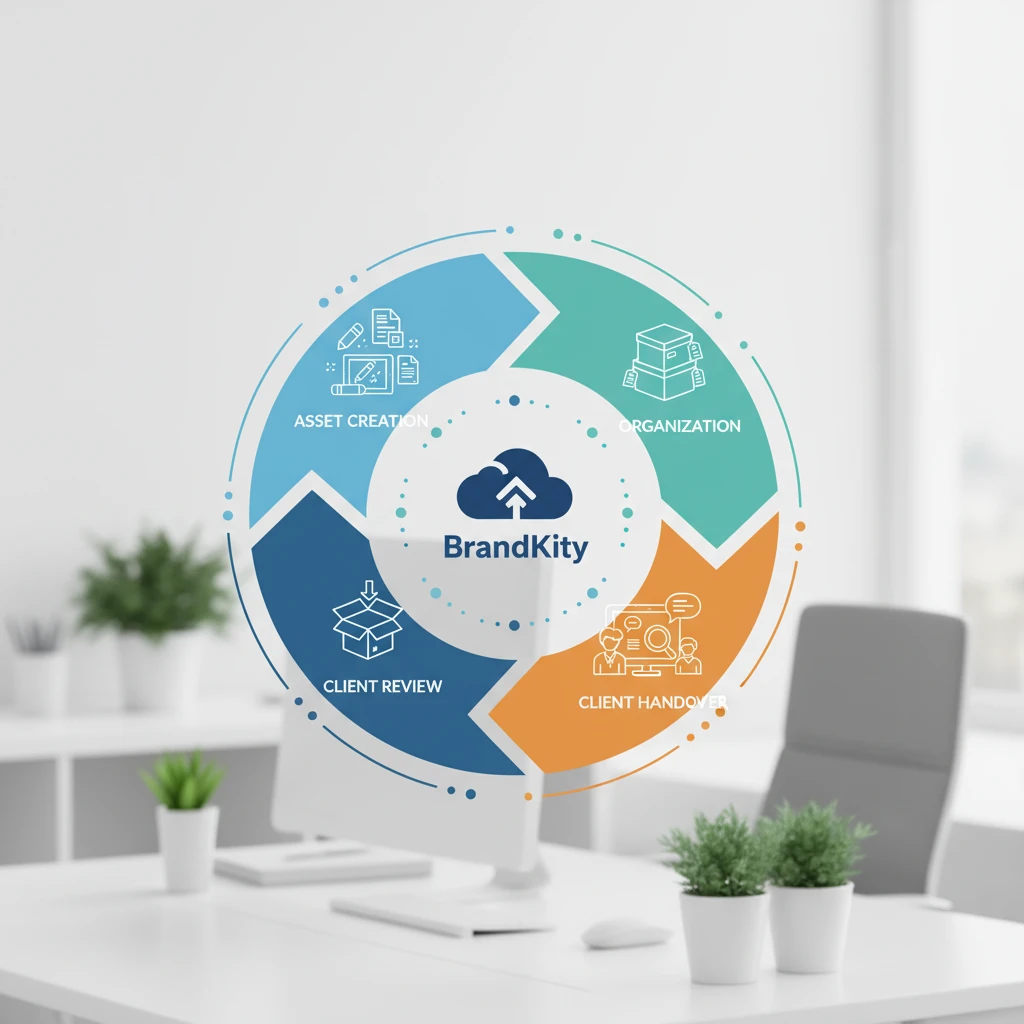
A seamless brand delivery workflow is a meticulously planned process designed to ensure that all necessary brand assets are organized, accessible, and delivered to clients in a structured, professional manner. It goes beyond simply sending a ZIP file; it’s about creating a predictable and reliable system that minimizes confusion and maximizes efficiency for both the agency and the client. This workflow should encompass the entire lifecycle of an asset, from its creation and refinement to its final handover and ongoing access. Key to its success is defining clear roles and responsibilities, establishing standardized naming conventions, and utilizing technology that supports consolidation and easy retrieval. A well-defined workflow also anticipates future needs, making it simpler for clients to find what they require long after the initial project is complete.
The core principles of a seamless workflow include centralization, standardization, and accessibility. Centralization means all brand assets reside in a single, authoritative location, preventing duplication and version conflicts. Standardization ensures that assets are formatted correctly and consistently, adhering to brand guidelines. Accessibility refers to making these assets easily retrievable through a user-friendly interface or a single, shareable link, empowering clients to self-serve. For agencies, this translates into reduced support requests, fewer errors, and faster project turnarounds. Implementing such a workflow is not a one-time task but an ongoing commitment to refining processes and adapting to evolving client needs, ultimately contributing to stronger client relationships and a more sustainable business model. This approach is fundamental to any successful brand delivery strategy.
Essential Components of a Professional Brand Asset Hub
A professional brand asset hub is the cornerstone of efficient and trustworthy brand delivery. It’s more than just a digital folder; it’s a curated, organized repository designed for clarity and ease of use. The primary goal is to make every essential brand element discoverable and downloadable in the appropriate formats. This includes ensuring that all vector-based logos are readily available for large-scale applications, alongside optimized web versions for digital platforms. Similarly, having readily accessible color codes in various formats—HEX for web, RGB for screen displays, and CMYK for print—eliminates guesswork and ensures brand color consistency across all mediums. A well-structured hub acts as the single source of truth, preventing the use of incorrect or outdated brand elements.
Beyond logos and colors, a comprehensive hub must manage typography effectively. This involves storing font files (ensuring proper licensing is clear) and providing straightforward guidelines on their usage, including font weights and sizes for different applications. Visual assets, such as high-quality images, icons, and illustrations that align with the brand’s aesthetic, also need to be organized and easily browsable. The hub should facilitate quick searches and downloads, ideally with a clear categorization system. Implementing a robust asset hub not only streamlines internal processes for the agency but also significantly enhances the client experience, reducing the likelihood of misunderstandings and empowering them to utilize brand assets confidently. This centralized approach is crucial for maintaining brand integrity and operational excellence, forming the basis of effective brand asset management.
Centralizing Logos: From Vector to Web Formats
Logos are arguably the most critical brand asset, and their availability in the correct formats is non-negotiable for professional delivery. A robust brand asset hub prioritizes the organization of logos, ensuring that vector formats like AI, EPS, and SVG are accessible for scalable applications such as large-format printing, signage, or merchandise. These files maintain their quality regardless of size. Simultaneously, optimized raster formats such as PNG (with transparent backgrounds) and JPG are essential for web use, social media, and digital presentations. Providing these web-ready versions in various pixel dimensions helps clients avoid the pitfalls of stretching low-resolution images, which can degrade brand perception.
The process of centralizing logos involves not just storing them but also categorizing them logically. This might include separating primary logos from secondary variations, icon versions, or monochrome equivalents. Clear naming conventions are vital; for instance, `CompanyName-Logo-Primary-Vector.svg` or `CompanyName-Logo-Web-PNG-Transparent.png`. This level of organization prevents the common issue of clients downloading the wrong file, leading to pixelation or incorrect color profiles. Ensuring all these variations are securely housed within a single, accessible location is key to providing a seamless experience and maintaining brand consistency across all platforms. This systematic approach significantly reduces the need for ad-hoc requests and ensures the brand always looks its best, whether online or offline.
Standardizing Color Palettes: HEX, RGB, CMYK & More
Color is a fundamental element of brand identity, and its consistent application is crucial for recognition and recall. A professional brand asset hub standardizes color palettes by providing all necessary specifications for different media. This means offering primary and secondary brand colors, along with any accent colors, in their most usable forms: HEX codes for digital design and web development, RGB values for screen-based applications like presentations and digital advertising, and CMYK values for print materials such as brochures, business cards, and packaging. Including Pantone references can also be beneficial for print accuracy, especially for large clients with stringent brand guidelines.
The pitfall here is when clients or internal teams have to guess or convert colors themselves, often leading to subtle but noticeable discrepancies. By presenting a clear, consolidated list of color values, agencies empower their clients and internal teams to implement the brand accurately every time. This eliminates subjective interpretation and ensures that the brand’s emotional resonance is preserved across all touchpoints. Furthermore, within the asset hub, these colors can be presented visually, with swatches that clients can easily sample or copy. This attention to detail in color standardization is a hallmark of a professional and detail-oriented agency, reinforcing trust and reliability in the brand’s visual execution.
Managing Typography: Font Files, Licensing, and Usage Guidelines
Typography plays a vital role in conveying brand personality and ensuring readability. A comprehensive brand asset hub must manage font families, ensuring clients have access to the correct files and understand how to use them. This includes providing downloadable font files for approved typefaces, clearly stating whether they are for desktop or web use. Crucially, it’s essential to include information on font licensing. Many fonts require specific licenses for commercial use, and ignorance of these terms can lead to legal issues for both the agency and the client. Clearly outlining which licenses are included and any restrictions prevents costly oversights.
Beyond the technicalities of files and licenses, robust usage guidelines are indispensable. This means providing clear instructions on the intended use of each font: which fonts are for headlines, body copy, captions, or specific digital interfaces. Specifying preferred weights (e.g., Bold, Regular, Light) and establishing hierarchical rules for text sizes and line spacing helps maintain visual consistency and readability. For instance, indicating that the primary heading font should always be used in sentence case at 24pt ensures uniformity across all communications. By centralizing these typographic assets and their associated rules, agencies prevent brand dilution and ensure that text contributes positively to the overall brand experience. This detailed management is a key aspect of effective brand asset management.
Curating Visual Assets: Images, Icons, and Illustrations
Visual assets – encompassing photography, icons, and illustrations – are powerful tools for storytelling and brand differentiation. A well-organized brand asset hub makes these elements easily discoverable and usable. This involves categorizing images by theme, campaign, or subject matter, and providing them in multiple resolutions suitable for both web and print. For icons, offering them in vector formats (SVG) alongside PNGs ensures scalability and compatibility across various design applications. Illustrations, if part of the brand’s visual language, should be organized by style or series, making it simple for users to select complementary pieces.
The key is to curate these assets to reflect the brand’s established aesthetic and tone. This means including only imagery that aligns with the brand’s values and messaging. Providing clear usage guidelines for these visual elements is also paramount. For example, specifying whether certain types of imagery are reserved for specific campaigns or if there are restrictions on their use (e.g., avoiding overly generic stock photos). A structured approach to visual assets not only saves clients time searching but also ensures that their creative output remains on-brand, reinforcing the brand’s identity and narrative consistently. This curated collection is vital for maintaining a cohesive and impactful visual presence, preventing brand dilution that can arise from inconsistent or inappropriate visual choices.

Best Practices for Client Handoffs That Build Trust and Prevent Misunderstandings
Client handoffs are pivotal moments where the agency’s professionalism and thoroughness are directly assessed. Implementing best practices ensures this transition is smooth, builds confidence, and establishes a foundation for future collaboration. A primary principle is proactive communication; don’t wait for the client to ask questions or encounter problems. Instead, anticipate their needs and provide clear, concise information at every step. This includes explaining the structure of the delivered assets, the rationale behind certain file formats, and how to access support if they face difficulties. A well-managed handoff demonstrates respect for the client’s time and investment, fostering a sense of partnership rather than a mere transactional exchange.
Another critical best practice is to document everything. This includes providing a comprehensive guide or README file that details the contents of the asset package, explains naming conventions, and offers troubleshooting tips. This written record serves as a valuable reference for the client and reduces the likelihood of repetitive queries. By investing in a structured and transparent handoff process, agencies not only deliver assets but also deliver peace of mind. This methodical approach is essential for building long-term client loyalty and positioning the agency as a reliable and expert partner in brand management. It transforms the handoff from a potential bottleneck into a strategic opportunity to solidify client relationships, as detailed in guides on mastering brand delivery.
Pre-Handoff Checklist: Ensuring Everything is Ready
Before any brand assets are shared with a client, a rigorous pre-handoff checklist is indispensable for guaranteeing completeness and accuracy. This checklist should begin with a thorough review of all deliverables against the initial project scope and client brief. It’s crucial to confirm that all agreed-upon assets have been created, finalized, and approved. This includes verifying the correct versions of logos, the complete set of color codes in all required formats, the final font files with confirmed licensing, and all approved visual assets like images, icons, and illustrations. Each item should be cross-referenced to ensure no element has been overlooked or mistakenly omitted from the final package.
Beyond just the existence of files, the checklist must verify their technical integrity. Are the files named according to established conventions? Are vector files properly vectorized and fonts embedded where necessary? Are raster images optimized for their intended use (e.g., high resolution for print, web-optimized for digital)? A vital step is also to conduct a final quality assurance check for any errors, inconsistencies, or formatting issues. This might involve opening files in their native applications or previewing them across different platforms. By meticulously working through a pre-handoff checklist, agencies proactively identify and resolve potential problems before they reach the client, significantly reducing the risk of rework and client dissatisfaction, and ensuring a polished final delivery that reflects the agency’s commitment to excellence.
Communicating Asset Structure and Access
Once the brand assets are organized and ready, clear communication about their structure and how to access them is paramount. This involves providing the client with a simple, intuitive guide that explains the organization of the asset hub or delivered package. For instance, detailing folder names and the types of files contained within each, such as “Logos/Vector,” “Logos/Web,” “Colors,” or “Typography.” If a centralized platform is used, providing a clear, shareable link along with login credentials (if applicable) is essential. Explaining the purpose of different file formats (e.g., why SVG is for scalability, why PNG is for transparency) empowers the client to make informed decisions about which assets to use for various applications.
It’s also important to communicate the version control system, if one is in place, and how to identify the most current versions of assets. This prevents the client from inadvertently using outdated materials. The communication should be tailored to the client’s technical proficiency, avoiding jargon where possible or providing clear explanations. This proactive approach to explaining the asset structure and access method transforms a potentially confusing delivery into a user-friendly experience, building client confidence and reducing their reliance on agency support for basic asset retrieval. This level of clarity is a hallmark of agencies that prioritize a positive client experience and aim to foster long-term partnerships, contributing to effective client asset management.
Setting Client Expectations for Future Asset Needs
Effectively setting client expectations regarding future asset needs is crucial for managing ongoing relationships and ensuring continued brand consistency. This involves proactively discussing how the client will access and manage brand assets beyond the initial project delivery. Agencies should clearly outline support structures for asset requests; will new assets be provided upon request, or is there a retainer or service package for ongoing brand management? Explaining the process for requesting updates or new asset variations, including estimated timelines and any associated costs, helps prevent misunderstandings and scope creep.
Furthermore, it’s beneficial to educate clients on best practices for asset utilization and storage. This might include advising them on how to organize files on their end and emphasizing the importance of always using the most current versions provided. For clients who may not have dedicated design resources, suggesting solutions like a centralized, user-friendly brand asset platform can be invaluable. This not only simplifies their access but also ensures they consistently adhere to brand guidelines. By establishing these clear expectations upfront, agencies foster a collaborative environment, minimize future friction, and position themselves as a long-term strategic partner in the client’s brand journey, thereby streamlining overall brand asset delivery.
Leveraging Brand Guidelines for Consistent Delivery
Robust brand guidelines are the bedrock of consistent brand delivery. They serve as the authoritative source of truth, dictating how a brand’s visual and verbal elements should be used across all communication channels. Without clear guidelines, agencies risk creating fragmented brand experiences that dilute impact and confuse audiences. This involves more than just listing colors and fonts; it requires detailed explanations of acceptable and unacceptable usage, tone of voice, and overall brand personality. Well-defined guidelines empower teams to make independent decisions that align with the brand’s core identity, significantly reducing the need for constant approvals and clarifications. They are not static documents but living resources that evolve with the brand itself.
Moving Beyond Static PDFs: Interactive Brand Guides
Traditional, static PDF brand guidelines, while functional, often fall short in modern digital workflows. They can be clunky to navigate, difficult to update, and lack the dynamic interactivity that designers and marketers need. Interactive brand guides, however, offer a far more engaging and practical experience. These can include embedded videos demonstrating correct usage, clickable examples of approved layouts, and even direct links to downloadable brand assets. Imagine a guideline for social media that not only shows the correct aspect ratios but also provides templates that users can immediately download and adapt. This level of interactivity bridges the gap between instruction and application, making adherence to guidelines more intuitive and less of a chore. Platforms offering such features transform brand guidelines from mere documents into active brand-building tools.
Defining Usage Rules for Key Brand Elements
At the heart of effective brand delivery are clear, unambiguous rules for using core brand elements. This encompasses logos, color palettes, typography, imagery, and iconography. For instance, logo usage guidelines should detail clear space requirements, minimum size, acceptable color variations (e.g., full color, grayscale, reversed), and outright prohibitions like stretching or altering the logo’s proportions. Similarly, color guidelines must specify primary, secondary, and accent colors, along with their intended applications and accessibility considerations (e.g., contrast ratios for text). Typography rules should define primary and secondary fonts, acceptable weights, and guidance on hierarchy and readability. Defining these rules prevents common missteps and ensures a unified visual language across all outputs.
Integrating Guidelines with Asset Delivery
The true power of brand guidelines is unlocked when they are seamlessly integrated with the actual delivery of brand assets. Instead of having guidelines in one place and assets in another, a combined approach ensures that context always accompanies assets. For example, when a user downloads a logo file, the accompanying guideline section should immediately be accessible, reinforcing proper usage. This can be achieved through a centralized brand asset management system that not only hosts files but also links them directly to their relevant usage instructions. This holistic approach helps prevent the misuse of assets even when users access them outside of their initial design environment. This synergy is crucial for maintaining brand integrity, especially when dealing with multiple stakeholders or external partners.
The Power of a Single, Shareable Brand Link
In today’s fast-paced creative environment, managing and distributing brand assets can become a significant bottleneck. The traditional method of emailing files, managing version control, and fielding constant requests is inefficient and prone to error. A single, shareable brand link offers a revolutionary solution, consolidating all necessary brand materials into one accessible, organized, and easily distributable hub. This link acts as a central point of truth, ensuring that everyone working with the brand has access to the most up-to-date logos, color palettes, fonts, imagery, and approved guidelines. It simplifies the entire handover process, whether for internal teams, external agencies, or third-party collaborators, streamlining workflows and reducing the potential for brand inconsistency.
Simplifying Access for Internal Teams and External Partners
Providing access to brand assets shouldn’t be an administrative burden. A single, shareable link drastically simplifies this process for everyone involved. Internal teams, from marketing to sales, can quickly retrieve the exact logo or visual they need for presentations or collateral without having to track down the design department. External partners, such as freelancers, advertising agencies, or web developers, receive instant access to everything they require to represent the brand accurately. This eliminates the need for cumbersome file transfers and lengthy email chains, allowing collaborators to start work immediately. By democratizing access to brand assets, you empower your entire ecosystem to uphold brand standards effortlessly.
Reducing Duplicate Asset Requests and Confusion
One of the most common pain points in brand management is the constant stream of repetitive requests for the same brand assets. Designers spend valuable time searching for and resending logos, and clients often receive outdated versions. A centralized brand link tackles this head-on by acting as a self-service portal. When a team member or partner needs an asset, they can simply access the link, locate the required file, and download it themselves. This drastically reduces the number of duplicate requests and the associated administrative overhead. Furthermore, by always providing the latest approved versions, it minimizes confusion and ensures that everyone is working with consistent, on-brand materials, thereby enhancing overall project efficiency and brand integrity.
Maintaining Brand Consistency Across All Touchpoints
Brand consistency is paramount for building recognition and trust. When brand assets are scattered across various platforms and individuals, maintaining a unified look and feel becomes a significant challenge. A single, authoritative link ensures that every touchpoint—from social media posts and website elements to print advertisements and product packaging—reflects the brand’s intended identity. This controlled distribution mechanism guarantees that everyone is accessing the same approved versions of logos, color palettes, and typography. By making it easy to find and use correct assets, you proactively prevent deviations and ensure a seamless, professional brand experience for your audience, strengthening brand recall and loyalty over time. This strategic approach to asset delivery is fundamental to robust brand building, as detailed in guides on pro brand assets and streamlined delivery.
From Scattered Files to Structured Delivery: Reclaiming Agency Time
Agencies often find themselves bogged down by the inefficiencies of managing and delivering brand assets. Disorganized folders, multiple versions of files, and constant requests for specific assets consume valuable time that could otherwise be dedicated to creative work and client strategy. Transitioning from a scattered file system to a structured, centralized delivery method is essential for reclaiming lost hours and boosting overall productivity. This involves critically evaluating existing workflows, identifying points of friction, and implementing a system that streamlines the entire asset handover process. By adopting a more organized approach, agencies can reduce errors, improve client satisfaction, and ultimately operate with greater efficiency and profitability.
Identifying Bottlenecks in Current Handoff Processes
The first step towards optimizing brand asset delivery is to pinpoint where the system is breaking down. Common bottlenecks include lack of a centralized asset repository, unclear file naming conventions, inconsistent version control, and manual processes for sharing files. For example, designers might spend hours searching through shared drives for the correct logo file, or clients might receive outdated versions of brand assets via email, leading to confusion and rework. Another significant bottleneck is the time spent responding to repeated requests for the same assets. Understanding these specific pain points allows for targeted solutions that address the root cause of inefficiency, rather than applying superficial fixes.
Implementing a Centralized System: A Step-by-Step Approach
Transitioning to a structured brand asset delivery system requires a methodical approach. Begin by auditing all existing brand assets to consolidate and organize them. Next, select a suitable platform that can serve as a central hub for all logos, colors, fonts, images, and guidelines. This system should allow for easy categorization, tagging, and searching of assets. Implement clear naming conventions and version control policies to maintain order. Finally, train your internal team and inform your clients about the new system, emphasizing the benefits of easy access and consistent delivery. For many, this might involve adopting a dedicated brand asset management tool, which can significantly simplify the entire process. You can find comprehensive advice on how to streamline your agency’s brand delivery.
Measuring the Impact on Project Timelines and Client Satisfaction
After implementing a new asset delivery system, it’s crucial to measure its impact. Track key metrics such as the reduction in time spent on asset-related queries and the decrease in requests for repeat assets. Quantify the impact on project timelines by noting any acceleration in project completion rates that can be attributed to faster asset access. Solicit feedback from both internal teams and clients regarding their experience with the new system. Improved client satisfaction often stems from faster turnaround times, greater transparency, and the professional presentation of brand assets. A positive shift in these areas confirms the effectiveness of the new process and highlights the value of a well-managed brand asset strategy.
Future-Proofing Your Brand Delivery in an Evolving Digital Landscape
The digital landscape is in constant flux, with new technologies, file formats, and platforms emerging regularly. To ensure your brand delivery processes remain effective, it’s essential to build a system that is adaptable and forward-thinking. Future-proofing your brand asset management involves anticipating changes and designing a flexible infrastructure that can accommodate evolving needs. This includes considering how new digital experiences, such as augmented reality or immersive web environments, might require different types of assets and how your delivery system can support them. Embracing scalability and accessibility ensures that your brand remains consistent and impactful, regardless of technological advancements.
Adapting to New File Formats and Asset Types
As digital technologies advance, so too do the requirements for brand assets. What was once sufficient—standard JPEGs and PNGs—is now often complemented by vector-based formats for scalability (like SVG), animated assets (like GIFs or Lottie files), and even 3D models for emerging platforms. A robust brand delivery system must be capable of storing, organizing, and distributing these diverse asset types efficiently. This means looking for solutions that support a wide range of file formats and allow for easy previewing and downloading. Staying ahead means proactively researching emerging trends in digital media and ensuring your asset management strategy can accommodate them, preventing your brand from becoming outdated.
Ensuring Accessibility and Usability for All Stakeholders
Brand delivery is not just about providing assets; it’s about ensuring they are usable and accessible to everyone who needs them. This includes adhering to accessibility standards for digital content, such as providing alt text for images and ensuring sufficient color contrast in brand guidelines. A user-friendly interface for your brand asset hub is paramount, allowing individuals with varying technical skills to navigate and download files with ease. Consider offering assets in multiple formats to cater to different software requirements and user needs. Prioritizing accessibility and usability broadens the reach of your brand assets and ensures inclusivity, making brand representation simpler and more equitable for all stakeholders involved.
Scalability: Growing Your Brand Asset Management System
As your organization or client base grows, so too will the volume and complexity of your brand assets. A scalable brand asset management system is one that can expand seamlessly to accommodate increasing numbers of assets, users, and projects without compromising performance or usability. This involves choosing a platform that offers flexible storage solutions, robust user management features, and the ability to integrate with other tools your agency might use. Whether you’re a growing startup or a large agency managing multiple client brands, ensuring your system can scale prevents future costly overhauls and maintains operational efficiency. This forward-thinking approach is key to long-term success in managing and delivering brand identity, aligning with best practices for mastering brand delivery the smart way.
Actionable Steps to Implement Efficient Brand Delivery Today
Implementing an efficient brand delivery system isn’t just about tidiness; it’s a strategic move that directly impacts client satisfaction and agency profitability. To start, define clear internal processes for asset creation and organization. This means establishing naming conventions, version control protocols, and a standardized folder structure that all team members adhere to. For instance, instead of a free-for-all in a shared drive, designate specific folders for logos (broken down by file type and color variation), fonts, imagery, and brand guidelines. Next, invest in a centralized platform. Cloud storage is a start, but a dedicated brand asset management solution offers more robust features like controlled access, direct sharing, and usage analytics. Consider platforms that allow for custom branding of the delivery portal, reinforcing your agency’s professionalism. This is crucial for preventing the dreaded “scattered files” scenario, where crucial assets become lost or inaccessible. A well-defined process and a central hub drastically reduce the time spent searching for assets, allowing designers to focus on creative work rather than administrative tasks. This foundational step sets the stage for streamlined client handoffs and improved internal collaboration.
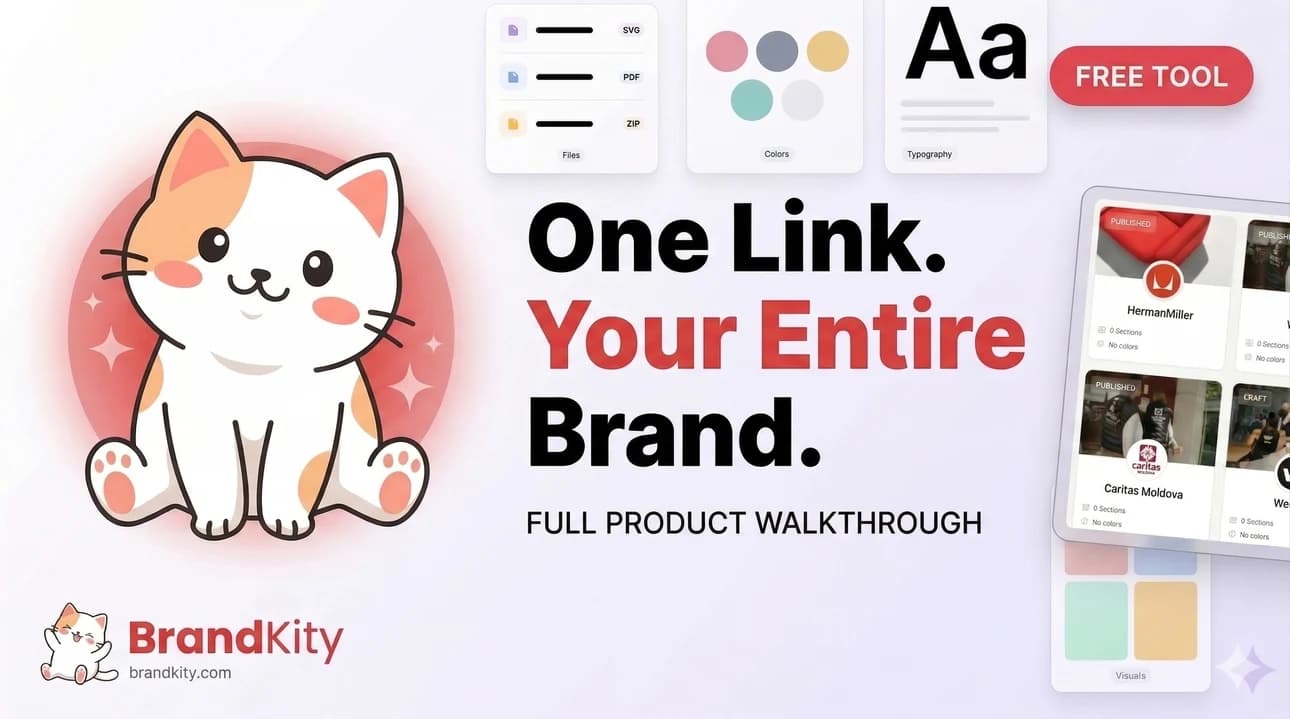
The next critical step involves standardizing the client handoff experience. This means creating a consistent, professional, and branded presentation for all client deliverables. Rather than sending a zipped folder of miscellaneous files, package assets in a way that tells a story and guides the client. This could involve creating a dedicated brand guidelines document that clearly explains how to use each asset, alongside the assets themselves. Crucially, consolidate all these elements into a single, easily shareable link. This not only simplifies access for the client but also minimizes the risk of outdated versions being used. For example, instead of sending multiple emails with different file attachments, provide one link that opens to a clean, organized dashboard showcasing logos, color palettes, typography, and key visual elements. This unified approach addresses client confusion head-on and projects an image of competence and attention to detail. Many agencies find that this single-link strategy significantly reduces follow-up questions regarding asset location or usage, freeing up valuable account management time. Explore how a platform like BrandKity can help you organize brand assets with its one-link solution.
Finally, establish ongoing feedback loops and maintenance protocols. Brand delivery isn’t a one-time event; brands evolve. Implement a system for clients to request updates or new assets and for your agency to easily manage these requests. This could involve setting up a dedicated support email or integrating a simple request form within your brand asset portal. Regularly review asset usage and gather client feedback to identify any gaps or areas for improvement. For instance, if clients consistently ask for specific file formats not initially provided, update your standard delivery package accordingly. Consider scheduling periodic reviews, perhaps quarterly or bi-annually, to ensure all brand assets are up-to-date and compliant with the latest brand guidelines. This proactive approach not only keeps clients happy but also ensures brand consistency across all their applications. The goal is to transition from a reactive “firefighting” mode to a proactive, service-oriented delivery model. By maintaining open communication and a commitment to ongoing support, you build stronger client relationships and reinforce your agency’s value. This continuous improvement cycle is key to long-term efficiency and client retention, as detailed in practices for boosting agency efficiency through asset delivery.
By systematically defining processes, leveraging centralized platforms for a single-link delivery, and maintaining ongoing client engagement, agencies can achieve a truly efficient brand delivery workflow. This not only solves the common pain points of scattered files and client confusion but also elevates the agency’s professionalism and strengthens client relationships, ultimately leading to more successful projects and repeat business.
Saurabh Kumar
Founder, BrandKity
Saurabh writes about practical brand systems, faster client handoffs, and scalable workflows for designers and agencies building repeatable delivery operations.
Connect on LinkedIn