Organized Brand Assets: Win Client Trust
In the fast-paced world of design and branding, the delivery of brand assets is more than just a final step; it’s a critical juncture that significant…

Table of contents
- The Silent Killer of Client Confidence: Disorganized Brand Assets
- Beyond the Final Mockup: What ‘Done’ Really Means for Clients
- Understanding the Client’s Post-Design Needs
- The Cost of Incomplete Deliverables: Wasted Time and Revisions
- Building Trust Through Professional Brand Handoffs
- Why a Structured Handoff Matters for Long-Term Relationships
- First Impressions: How Asset Organization Sets the Tone
- The Domino Effect of Scattered Files: Client Confusion and Frustration
- Common Pitfalls: Version Control Nightmares and Missing Files
- The ‘Where’s My Logo?’ Syndrome: Impact on Client’s Internal Teams
- Leveraging a Single Source of Truth for Brand Consistency
- What Constitutes a Comprehensive Brand Asset Library?
- Defining Key Asset Categories: Logos, Colors, Typography, Imagery, and More
- Crafting a Streamlined Brand Asset Delivery Workflow
- Essential Components of an Organized Handoff Process
- Pre-Handoff Checklist: Ensuring Everything is Client-Ready
- The Power of the ‘One Link’ Solution for Effortless Access
- Simplifying Client Access: No More Email Attachments Chaos
- How a Centralized Link Enhances Client Self-Sufficiency
- Translating Brand Guidelines into Actionable Assets
- Making Brand Guidelines Living Documents, Not Static PDFs
- Ensuring Assets Adhere to Guidelines: Color Codes, Font Formats, and Usage Rules
- Anticipating Client Needs: Beyond the Basic Logo Pack
- Including Various File Formats (Vector, Raster, Web-Optimized)
- Providing Different Logo Variations (Full Color, Black & White, Icon)
- Empowering Client Teams with Clear Asset Management
- How Organized Assets Facilitate Internal Marketing and Design
- Reducing the Need for Repeated Asset Requests
- Future-Proofing Your Client Relationships with Robust Delivery
- The Long-Term Benefits of Professional Asset Management
- Becoming the Go-To Agency for Seamless Brand Experiences
In the fast-paced world of design and branding, the delivery of brand assets is more than just a final step; it’s a critical juncture that significantly impacts client perception and trust. A disorganized approach can undermine even the most brilliant creative work, leading to frustration and a damaged professional relationship.
Imagine a client excited to launch their new brand, only to be met with a chaotic jumble of files. This is where the true value of meticulous organization shines, transforming a potentially awkward handover into a demonstration of professionalism and reliability. Understanding what clients truly need after the design phase is paramount.
The Silent Killer of Client Confidence: Disorganized Brand Assets
The visual appeal and strategic messaging of a new brand are only part of the equation for a client. What often goes unnoticed until the final stages is the practical usability of the delivered assets. When a client receives a disorganized collection of files—misnamed, in inconsistent formats, or lacking clear hierarchy—it breeds immediate uncertainty. This confusion erodes the confidence they placed in your agency or freelance services. Disorganization is a direct reflection of process, suggesting a lack of attention to detail that can make clients question the overall quality of your work. They might wonder if the same haphazard approach was applied to the creative strategy or execution itself. A robust brand asset management system is crucial here, ensuring every file serves its purpose without causing headaches.
The decision criteria for assessing brand asset organization hinge on accessibility, clarity, and completeness. Can the client easily find the specific logo variation they need for a social media post versus a large-format print ad? Are color palettes defined with specific hex, RGB, and CMYK values? Are fonts clearly labeled with their intended usage? Key pitfalls include inconsistent file naming conventions (e.g., “logo_final_v2_real.ai” versus “logo_transparent_bg.png”), missing essential file types (like SVG for web scalability or high-resolution JPGs for print), and a lack of guidance on how and where to use each asset. For instance, a client might mistakenly use a low-resolution web banner for a billboard, leading to a costly and embarrassing display error. This is why investing time in proper asset cataloging, perhaps using a platform designed for such tasks, becomes a non-negotiable aspect of professional service delivery.
Beyond the Final Mockup: What ‘Done’ Really Means for Clients
Understanding the Client’s Post-Design Needs
For a client, the completion of a design project isn’t marked by the delivery of a final mockup, but by their ability to independently and effectively use the created brand assets across all their marketing and operational needs. This means going beyond simply handing over editable files. Clients require a comprehensive understanding of how to implement their new brand identity consistently. Key considerations include the intended application of each asset: logos in various formats (vector for scalability, raster for web use), color codes (HEX, RGB, CMYK, Pantone), typography guidelines (font families, weights, sizes, and usage rules), imagery styles, and any other brand collateral. Providing clear instructions, often through a dedicated brand guideline document or a centralized digital hub, is essential. This ensures the client feels empowered, not overwhelmed, by the deliverables. They need to know they can confidently apply their branding to everything from a business card to a full-scale website redesign without constant reliance on the design team.
The primary goal here is to facilitate self-sufficiency for the client. This involves anticipating their questions and providing preemptive answers within the handover package. For example, instead of just providing font files, include guidelines on preferred font pairings or specific use cases for different weights. Similarly, for color palettes, offer a clear breakdown of primary, secondary, and accent colors with their corresponding values for digital and print media. A common oversight is neglecting to provide assets in the correct file types needed for various platforms—a vector file is crucial for print, while optimized PNGs or JPGs are better for web. Empowering the client with the right tools and knowledge prevents misuse and ensures brand integrity long after the project concludes. This thoroughness is what truly defines a project as ‘done’ from a client’s perspective.
The Cost of Incomplete Deliverables: Wasted Time and Revisions
When brand assets are not delivered in a comprehensive and organized manner, the direct consequence is a significant drain on both the client’s and the designer’s time. Clients, faced with a confusing array of files or missing elements, will inevitably reach out with questions. This might start with simple queries like “Which logo file should I use for my website?” or escalate to more complex issues if they attempt to use incorrect files. Each of these interactions requires your team to pause ongoing work and provide support, effectively turning a completed project back into an active one. This ongoing support, while sometimes necessary, becomes a costly burden when it stems from poor initial delivery. For agencies, this translates directly into reduced profitability, as billable hours are spent on support rather than new projects. It’s estimated that agencies can lose up to 15% of project profitability due to these types of post-delivery inefficiencies.
Furthermore, incomplete deliverables often lead to extensive revision cycles. A client might realize they need a specific file format that wasn’t provided, or they might have misused an asset due to lack of guidance, requiring a fix. These aren’t creative revisions but rather rectifications of delivery shortcomings. This can lead to client frustration, damage their perception of your professionalism, and potentially strain the relationship. For example, a client might inadvertently use a CMYK logo file on a website, resulting in incorrect color representation. Correcting this requires not only re-exporting the correct file but also explaining the error and guiding the client on its proper use. This scenario is entirely avoidable with a structured and complete asset handover, such as those detailed in guides on delivering brand assets professionally. Ultimately, the upfront investment in organizing and thoroughly delivering assets pays for itself many times over by preventing these costly downstream issues.
Building Trust Through Professional Brand Handoffs
Why a Structured Handoff Matters for Long-Term Relationships
The handover of brand assets is far more than a transactional final step; it’s a pivotal moment that shapes the client’s perception of your agency or service. A structured and professional brand asset delivery signals meticulousness, reliability, and a deep understanding of the client’s ongoing needs. When clients receive a well-organized package—complete with clear instructions, consistent file naming, and all necessary formats—it instills confidence that their brand is in capable hands, not just creatively, but operationally. This organized approach demonstrates foresight, anticipating potential challenges the client might face when implementing their new brand identity. Such professionalism fosters a strong foundation of trust, essential for nurturing long-term client relationships and encouraging repeat business or referrals. It transforms a simple delivery into a partnership-building experience.
Conversely, a chaotic or incomplete handover can quickly erode the goodwill built throughout the project. Clients often equate the organization of their brand assets with the overall quality and efficiency of the design process itself. If they receive a jumbled collection of files, it can lead them to question the thoroughness of the strategic work that preceded it. A streamlined process, often facilitated by specialized platforms, ensures that clients feel supported and empowered to use their new brand assets independently. This empowerment is key to client satisfaction and loyalty. As highlighted in discussions around boosting agency profit through streamlined delivery, efficiency in this final stage directly impacts client retention and overall business success. It’s about making the client’s life easier, which in turn makes them a more valuable long-term partner.
First Impressions: How Asset Organization Sets the Tone
The initial presentation of brand assets upon project completion forms a crucial “first impression” for the client regarding the practical application of their new identity. Imagine a client eagerly awaiting their new brand kit, only to be met with a confusing assortment of files with cryptic names and lacking clear organizational structure. This immediately creates a sense of unease and can undermine the positive sentiment from the creative work. A well-organized asset library, however, acts as a testament to your professionalism and attention to detail. It tells the client, “We’ve thought of everything, so you don’t have to.” This proactive approach ensures they can easily locate and utilize every asset, from high-resolution logos for print to specific color codes for digital platforms, without needing extensive guidance.
Consider the impact on the client’s internal teams who will be responsible for brand implementation. If the brand assets are a puzzle to navigate, it delays marketing efforts, website updates, and even internal communications. This can lead to frustration and, in some cases, the accidental misuse of brand elements, potentially diluting the brand’s integrity. A structured delivery, such as a centralized, easily navigable link provided by platforms like BrandKity, sets a positive and empowering tone from the outset. It signifies that you’ve not only delivered creative excellence but also practical, usable tools. This organized handoff can prevent issues that might otherwise require extensive, and often costly, revisions down the line, contributing to a smoother client experience and reinforcing your reputation as a reliable partner, much like simplifying brand delivery offers a designer’s edge.
The Domino Effect of Scattered Files: Client Confusion and Frustration
When brand assets are not meticulously organized, the consequences ripple outwards, creating a cascade of confusion and frustration for the client. It’s not just about a few misplaced files; it’s about the entire user experience of interacting with their new brand identity. A client might receive multiple versions of a logo, each with slightly different file names, making it impossible to discern the correct one for their specific needs. This ambiguity can lead to hesitation, as the client second-guesses their choices, or worse, they might select an inappropriate version, leading to branding inconsistencies across their platforms. This initial friction can be a significant roadblock, hindering their ability to launch or implement their brand effectively, and can directly impact their perception of the design’s overall success. This lack of clarity turns a valuable asset into a source of anxiety.
The impact extends beyond the initial handover. As clients begin to integrate their new brand into various touchpoints—website updates, marketing collateral, social media campaigns—the scattered nature of the files becomes a recurring problem. They might find themselves repeatedly searching for specific file types or color codes, interrupting their workflow and delaying crucial tasks. This ongoing struggle can lead to a significant erosion of trust and satisfaction, making them less likely to recommend your services or engage in future projects. It’s a stark contrast to the smooth experience offered by a centralized system designed to end client confusion by providing a single source of truth for all brand elements.
Common Pitfalls: Version Control Nightmares and Missing Files
One of the most insidious problems arising from disorganized brand assets is the breakdown of version control. Designers often iterate on logos, color palettes, and other elements, creating multiple versions throughout the project. When these aren’t clearly labeled and organized, clients can end up with outdated or incorrect files. This creates a nightmare scenario where a client might use a preliminary logo version on official stationery or a superseded color palette for their website, leading to branding inconsistencies. The confusion around which file is the definitive “final” version can cause significant delays and require costly rectifications. For instance, a client using an older logo version for a major product launch could lead to an embarrassing and expensive reprinting of materials. Proper versioning is non-negotiable for maintaining brand integrity and client confidence.
Another common pitfall is the simple omission of critical files. This can range from missing essential file formats (like SVG for scalability, or high-resolution JPGs for print) to the absence of supporting assets such as social media icons, favicon files, or even specific font licenses. When a client discovers a missing file after the initial handover, it necessitates a follow-up request, which, again, interrupts their workflow and reflects poorly on the thoroughness of the delivery. It requires your team to revisit the project, find the missing asset, and resend it, all of which could have been avoided with a comprehensive checklist and organized delivery process. This is precisely the kind of inefficiency that can be mitigated by adopting best practices for mastering brand delivery, ensuring every required element is present and accounted for.
The ‘Where’s My Logo?’ Syndrome: Impact on Client’s Internal Teams
The client’s internal teams—marketing departments, graphic designers, social media managers, and even administrative staff—rely heavily on accessible and accurate brand assets. When these assets are scattered, mislabeled, or incomplete, it triggers the dreaded “Where’s my logo?” syndrome. This isn’t just a minor inconvenience; it’s a productivity killer. Imagine a marketing manager needing a specific logo variation for an urgent campaign, only to spend hours sifting through folders, unsure of which file is correct or where to find it. This wasted time directly impacts their ability to execute campaigns efficiently and can lead to missed deadlines or rushed, suboptimal creative output. This constant searching breeds frustration and can make the brand feel like more of a burden than a valuable asset.
The consequences extend to brand consistency. Without a clear, centralized repository, different team members might inadvertently use disparate versions of logos, colors, or fonts. This leads to a fragmented brand image across all touchpoints, weakening its impact and diluting its recognition. For example, one team member might use a full-color logo while another uses a monochrome version without context, or different font weights might be applied inconsistently. This lack of a single source of truth is a breeding ground for brand degradation. Agencies that provide organized, easily accessible brand assets, perhaps through a dedicated platform, empower these internal teams and ensure brand consistency is maintained effortlessly. This proactive approach to asset management is a cornerstone of effective brand delivery for agency efficiency, preventing the “Where’s my logo?” chaos and fostering a cohesive brand identity.
Leveraging a Single Source of Truth for Brand Consistency
Establishing a single source of truth for all brand assets is paramount for maintaining consistency across every touchpoint. When clients, internal teams, or external partners have a clear, unified location for approved brand elements, the risk of using outdated or incorrect versions diminishes significantly. This not only prevents visual fragmentation but also builds credibility by demonstrating a professional and organized approach to brand management. A well-organized asset library acts as the bedrock of a strong brand identity, ensuring that every application, from a business card to a global advertising campaign, reflects the brand’s intended message and aesthetic.
What Constitutes a Comprehensive Brand Asset Library?
A comprehensive brand asset library goes beyond simply housing a collection of files; it’s a strategically organized repository designed for accessibility and usability. It should include not only the primary brand elements but also variations and context for their use. Key decision criteria for what belongs in your library include its relevance to client use, its up-to-dateness, and its accessibility to authorized users. Pitfalls to avoid include including deprecated versions, lacking clear naming conventions, or failing to categorize assets logically. For instance, a library might include high-resolution logos in EPS, SVG, and PNG formats, alongside specific color codes (HEX, RGB, CMYK, Pantone), approved font files with licensing information, and a curated selection of brand imagery or icons. The goal is to anticipate the client’s needs and provide everything they might require to represent the brand effectively, thereby preventing frustrating back-and-forth requests.
Defining Key Asset Categories: Logos, Colors, Typography, Imagery, and More
Categorizing brand assets is crucial for efficient navigation and retrieval. The core categories typically include logos, requiring versions for various applications (e.g., full logo, icon-only, horizontal, vertical, color variations, and monochrome). Next, color palettes should be clearly defined with their corresponding codes (HEX, RGB, CMYK, Pantone) for digital and print use. Typography encompasses approved fonts, their weights, and clear instructions on usage (e.g., headlines vs. body text). Beyond these essentials, a robust library often includes imagery (photos, illustrations, icons) that aligns with brand style, as well as specific templates for common documents like presentations or social media posts. Other valuable additions can be motion graphics, audio branding elements, and even content guidelines. Prioritizing these categories ensures that clients can quickly locate the exact asset they need, reducing friction and promoting accurate brand representation.
Crafting a Streamlined Brand Asset Delivery Workflow
A streamlined brand asset delivery workflow is the backbone of efficient client communication and trust-building. It’s not just about having the assets; it’s about how they are packaged, presented, and handed over. The objective is to create a process that is both professional for the client and efficient for your team. This means minimizing manual steps, reducing the possibility of errors, and ensuring that the client feels supported and empowered to use the assets correctly. A well-defined workflow contributes significantly to client satisfaction and can be a differentiator for agencies looking to elevate their service offering. It’s about making the transition of brand ownership as seamless and positive as possible, fostering long-term relationships built on reliability and clear communication. This approach helps to simplify brand delivery for designers and agencies alike.
Essential Components of an Organized Handoff Process
An organized handoff process requires a clear structure and proactive communication. Essential components include a clearly defined delivery package that anticipates client needs, a centralized and accessible location for all assets (avoiding scattered emails or cloud folders), and comprehensive instructions on how to use the assets. This also involves establishing clear points of contact for any questions. For example, instead of sending a ZIP file via email, a link to a dedicated brand asset portal is far superior. Pitfalls include delivering assets in unusable formats, lacking usage guidelines, or assuming the client has the technical expertise to handle complex files. A crucial element is also ensuring that all assets are properly licensed for client use. By focusing on these components, you ensure that the client receives not just files, but a complete brand foundation they can confidently build upon, leading to a more professional brand handoff.
Pre-Handoff Checklist: Ensuring Everything is Client-Ready
Before the final brand asset handover, a rigorous pre-handoff checklist is indispensable. This checklist should verify that all assets are correctly named and organized according to established conventions, preventing any confusion. It must confirm that all requested file formats are present and optimized for their intended use (e.g., web-ready JPEGs, print-ready PDFs, scalable SVGs). Furthermore, it’s vital to ensure that usage guidelines are clear, concise, and readily accessible, perhaps included within the delivery package or linked from the asset portal. Checking for any broken links or missing files is also paramount. A final review of licensing agreements confirms that the client has the necessary rights to use all provided materials. Completing this checklist not only guarantees that the client receives a polished and complete set of assets but also instills confidence in your agency’s meticulous attention to detail, helping to ace client delivery with organized brand assets.
The Power of the ‘One Link’ Solution for Effortless Access
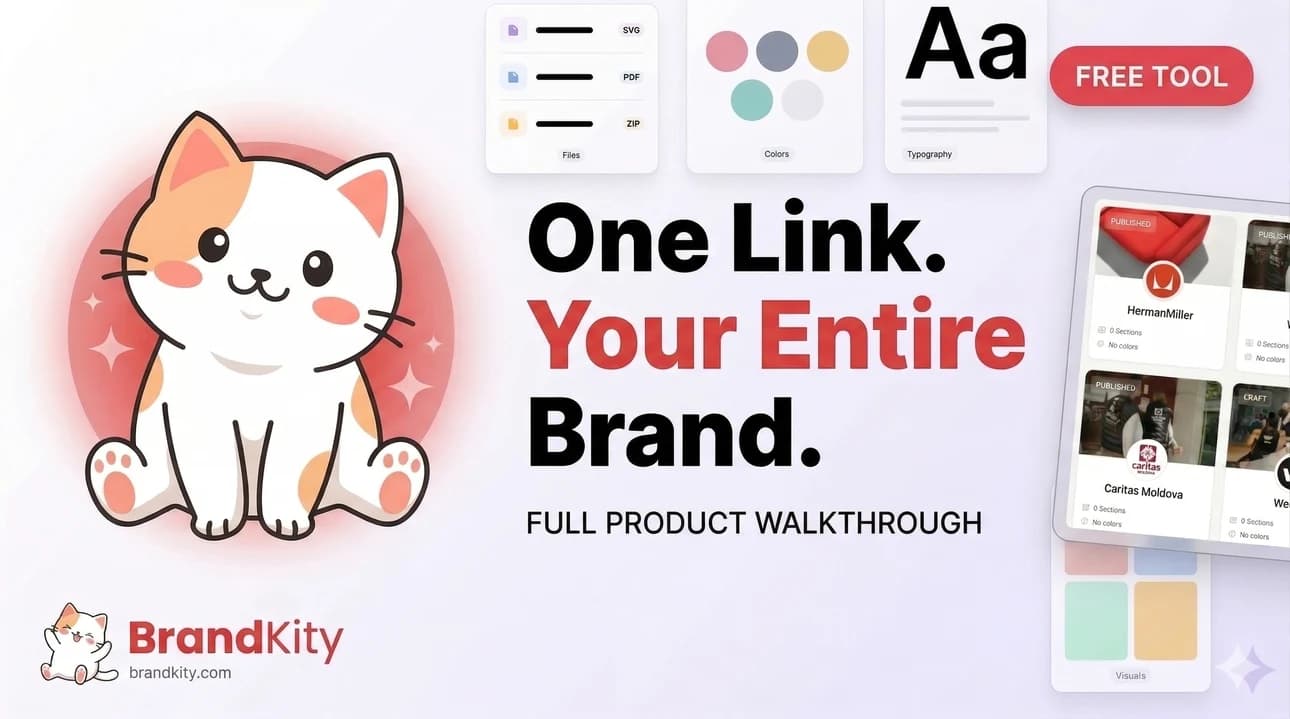
The concept of a “one link” solution revolutionizes how brand assets are managed and shared, transforming a potentially chaotic process into an elegantly simple experience. Instead of clients digging through emails, downloading multiple attachments, or navigating complex folder structures, they receive a single, persistent URL. This URL grants access to a curated and organized repository of all approved brand materials. This approach is not just about convenience; it’s about providing a unified and professional gateway to the brand’s visual identity. By consolidating everything into a single access point, you eliminate common points of failure and confusion, ensuring that clients can always find what they need, when they need it, without friction. This efficiency is key to unlocking agency efficiency through streamlined brand delivery.
Simplifying Client Access: No More Email Attachments Chaos
The traditional method of delivering brand assets via email attachments is fraught with peril. File size limitations, version control issues, and the sheer volume of individual emails can quickly lead to a chaotic and frustrating experience for clients. Implementing a single, shareable link dramatically simplifies this. Clients receive one URL that leads to an organized dashboard of all brand materials. This eliminates the need to search through an inbox or manage numerous downloaded files. For example, instead of sending five separate emails with logo variations, font files, color guides, and image packs, you send one link. This not only saves your team time but, more importantly, provides a significantly better client experience, reducing their cognitive load and ensuring they don’t miss critical assets. It’s a direct pathway to ending client confusion regarding brand assets.
How a Centralized Link Enhances Client Self-Sufficiency
A centralized link for brand assets empowers clients by fostering greater self-sufficiency. When all approved logos, color palettes, typography guidelines, and imagery are easily accessible through one URL, clients can confidently retrieve the assets they need without constant reliance on their design partners. This reduces the number of repetitive requests your team receives, freeing up valuable time for more strategic work. For instance, a marketing team member needing a specific logo for a social media post can navigate to the link, download the correct format, and proceed without delay. This elevated level of access and organization demonstrates a commitment to client success and builds trust, allowing them to effectively represent the brand on their own, thereby contributing to a more professional brand delivery. This approach is a key component in learning to deliver brand assets the professional way.
Translating Brand Guidelines into Actionable Assets
Brand guidelines are essential, but their true value is unlocked when they are effectively translated into tangible, usable assets. This translation process involves more than just stating rules; it’s about embedding those rules into the very files you deliver. The goal is to make it effortless for clients and internal teams to adhere to the brand standards. This requires a proactive approach, ensuring that every asset provided is not only correct but also easy to implement. By bridging the gap between abstract guidelines and concrete deliverables, you empower users to maintain brand integrity consistently, avoiding the common pitfalls of misinterpretation or incorrect application of brand elements. This strategic translation is fundamental to building and maintaining a strong, cohesive brand identity.
Making Brand Guidelines Living Documents, Not Static PDFs
Static PDF brand guidelines, while informative, often become outdated or are simply too cumbersome for everyday use. The true power of guidelines lies in their ability to be dynamic and easily integrated into daily workflows. This means moving beyond a document that clients rarely open and towards a system where brand rules are embedded within the assets themselves or are easily accessible alongside them. Consider how color codes are directly available within a palette tool, or how font families can be previewed and downloaded directly from a brand portal. This makes the guidelines a living resource rather than a dusty artifact. This approach helps in establishing design systems for unified brand assets, ensuring consistency is a practical reality, not just a theoretical concept.
Ensuring Assets Adhere to Guidelines: Color Codes, Font Formats, and Usage Rules
The crucial step in translating guidelines is ensuring that all delivered assets strictly adhere to them. This involves meticulous attention to detail. For color codes, provide HEX, RGB, CMYK, and Pantone values for both digital and print applications. For typography, ensure the correct font files (e.g., OTF, TTF) are supplied with clear licensing and usage instructions for primary and secondary fonts, weights, and sizes. Every asset should be correctly formatted for its intended use – high-resolution for print, optimized for web, and scalable for digital platforms. Clear usage rules for logos, such as minimum size requirements, clear space, and prohibited alterations, should be visually demonstrated or explicitly stated. For example, providing logo variations like favicon-sized icons alongside full-bleed hero images. This rigorous adherence ensures that clients can use the assets correctly from the outset, preventing brand dilution and reinforcing a professional image, which is vital for mastering brand delivery and avoiding client confusion.
Anticipating Client Needs: Beyond the Basic Logo Pack
Moving beyond a simple logo file delivery is crucial for demonstrating thoroughness and professionalism. Clients often have diverse applications for their brand assets, and anticipating these needs proactively builds significant trust. It’s not just about handing over a JPEG; it’s about providing a comprehensive toolkit that empowers them to use the brand effectively across all platforms. This foresight prevents frustration and positions you as a strategic partner rather than just a service provider. Think about where and how your client will deploy their branding – digital ads, social media, print collateral, presentations, merchandise. Each requires specific file types and formats.
Including Various File Formats (Vector, Raster, Web-Optimized)
A fundamental aspect of comprehensive brand asset delivery involves providing files in multiple formats to cater to different use cases. For logos and scalable graphics, vector formats like AI (Adobe Illustrator), EPS (Encapsulated PostScript), and SVG (Scalable Vector Graphics) are non-negotiable. These files can be resized infinitely without losing quality, making them perfect for print, signage, and high-resolution applications. Raster formats, such as JPEG and PNG, are essential for digital use, with PNG being particularly valuable for its transparency capabilities. Beyond these staples, consider web-optimized formats like WebP or optimized JPEGs/PNGs to ensure fast loading times on websites and social media, directly impacting user experience and SEO. Providing these formats ensures your client’s design team or their developers can immediately implement the branding without conversion hassles or quality degradation.
Providing Different Logo Variations (Full Color, Black & White, Icon)
Beyond file types, offering various stylistic variations of the logo is paramount for flexibility. A primary full-color logo is the standard, but clients frequently require monochromatic versions. This includes both a solid black version and a solid white (knockout) version, essential for use on dark or light backgrounds respectively. Additionally, providing the icon or mark component of the logo as a standalone asset is incredibly useful. This icon can be used for favicons, social media profile pictures, app icons, or as a subtle branding element within larger designs. Anticipating these common variations demonstrates a deep understanding of branding application and saves clients the trouble of asking for them, thus streamlining their own design processes and reinforcing their brand’s consistent appearance across diverse media.
Empowering Client Teams with Clear Asset Management
When clients receive a well-organized and comprehensive set of brand assets, it empowers their internal teams immensely. This isn’t just about convenience; it’s about enabling consistent brand application across all departments and marketing efforts. A clear system makes it easy for marketing managers, social media coordinators, and even external vendors to access and use the correct files, preventing off-brand implementations that can dilute a brand’s message. Think of it as providing them with a user manual for their own identity. This structured approach fosters brand integrity and reduces the potential for miscommunication, ensuring everyone is working with the most up-to-date and correctly formatted assets. It’s a foundational step towards building a strong, cohesive brand presence.
How Organized Assets Facilitate Internal Marketing and Design
Organized brand assets act as the bedrock for efficient internal marketing and design operations. When a marketing team needs to create a new social media campaign, a presentation, or a flyer, having readily accessible, correctly formatted logos, color palettes, and typography guidelines drastically cuts down on preparation time. Instead of searching through scattered folders or emailing back and forth for files, they can instantly retrieve what they need from a central, logical repository. This accessibility promotes brand consistency, ensuring that all outward-facing materials adhere to the established visual identity. For design teams, having a structured library also aids in developing new marketing collateral more rapidly. This streamlined workflow supports quicker campaign launches and more cohesive brand storytelling, ultimately contributing to a stronger overall brand impact. Discover how to simplify brand assets within your agency workflow and extend that ease to your clients.
Reducing the Need for Repeated Asset Requests
One of the most significant benefits of providing meticulously organized brand assets is the dramatic reduction in repeated asset requests. Clients often reach out for the same files multiple times, especially if their internal team members change or if they need assets for a new project. When you deliver a complete, well-structured package—ideally through a centralized platform—you effectively eliminate this recurring pain point. This not only saves your client time and resources but also significantly reduces the administrative burden on your agency. Imagine the cumulative hours saved across multiple clients if each request for a logo variation or specific file type is no longer necessary. This efficiency allows your team to focus on higher-value strategic work rather than repetitive fulfillment tasks. It’s a clear indicator of exceptional client service and operational excellence, making you a more desirable partner for future projects. This is key to stopping wasted time and streamlining brand delivery.
Future-Proofing Your Client Relationships with Robust Delivery
Delivering brand assets in a structured, comprehensive, and easily accessible manner is a strategic investment in the longevity of your client relationships. By going above and beyond a basic handover, you’re not just completing a project; you’re setting your client up for long-term success and demonstrating your agency’s commitment to their ongoing brand health. This proactive approach anticipates future needs, reduces friction, and builds a foundation of trust that transcends the initial project scope. It positions you as an indispensable partner who understands their broader business objectives, not just their immediate design requirements. This foresight is what separates good agencies from great ones, fostering loyalty and repeat business.
The Long-Term Benefits of Professional Asset Management
Investing in professional brand asset management pays dividends long into the future. For clients, this means a consistent brand identity across all touchpoints, which is crucial for building recognition and trust. It simplifies onboarding new team members, allows for quicker marketing campaign deployment, and reduces the risk of costly brand dilution due to incorrect asset usage. For your agency, the benefits are equally significant. It enhances your reputation for professionalism and thoroughness, leading to positive referrals and testimonials. Furthermore, reducing the need for repeated asset requests frees up your team’s valuable time, allowing them to focus on strategic growth and client acquisition, ultimately boosting profitability. A well-managed asset delivery process also serves as a powerful differentiator in a competitive market, showcasing your commitment to client success beyond project completion. Consider the value of ensuring your clients can future-proof their brand assets.
Becoming the Go-To Agency for Seamless Brand Experiences
By consistently delivering organized, comprehensive, and accessible brand assets, you solidify your agency’s position as the go-to partner for seamless brand experiences. Clients remember agencies that make their lives easier and their brands stronger. When a client’s internal team or even other vendors can effortlessly access and utilize brand materials, it reflects directly on the quality and professionalism of your agency’s work. This reliability fosters deep trust and encourages clients to return for future projects, confident in your ability to provide not just design, but a complete, polished brand handover. This focus on a superior client experience is what transforms transactional relationships into long-term, symbiotic partnerships. It’s about delivering value that extends far beyond the initial project deliverables, enabling your clients to truly ace client delivery with organized brand assets.
Saurabh Kumar
Founder, BrandKity
Saurabh writes about practical brand systems, faster client handoffs, and scalable workflows for designers and agencies building repeatable delivery operations.
Connect on LinkedIn