Deliver Brand Assets: The Professional Way
Delivering brand assets to clients can feel like a final hurdle, a necessary step that’s often overlooked in its true importance. It’s the moment your…

Table of contents
- The Messy Truth: Why Brand Asset Handoff is More Than Just Zipping Files
- Defining ‘Professional’ in Brand Asset Delivery: What Clients Expect in 2026
- Building Your Client’s Digital Brand Bible: Essential Asset Categories
- Streamlining Your Workflow: The Power of a Centralized Asset Hub
- The ‘One Link’ Advantage: Simplifying Client Access and Collaboration
- How a single, structured link transforms client experience
- Key features to look for in a brand asset delivery platform
- Real-world scenarios: quick client access for marketing teams
- Beyond Files: Crafting Comprehensive Brand Guidelines
- Essential elements of effective brand guidelines (no matter the size)
- Making guidelines actionable: practical examples and use cases
- The role of visual examples and do’s/don’ts
- Managing Different Brand Assets: Logos, Colors, Fonts, and Visuals
- Logo variations and their correct usage
- Color systems: primary, secondary, and accessibility considerations
- Typography: font families, weights, and licensing
- Image and illustration libraries: style guides and best practices
- The Handoff Checklist: Ensuring Nothing Falls Through the Cracks
- Pre-delivery audit: ensuring all assets are present and correct
- Client onboarding: guiding them through the asset hub
- Setting expectations for ongoing asset needs and updates
- Scaling Your Agency: How Professional Delivery Boosts Efficiency
- Reducing repetitive client queries and support requests
- Empowering clients to self-serve their brand assets
- Freeing up design resources for more creative work
- Future-Proofing Your Brand Delivery: Adapting to Evolving Needs
- The importance of version control for brand assets
- Preparing for new platforms and media formats
- Leveraging technology for smarter brand management
Delivering brand assets to clients can feel like a final hurdle, a necessary step that’s often overlooked in its true importance. It’s the moment your meticulously crafted brand identity transitions from your creative hands to the client’s operational world. When done poorly, this handover can sow seeds of confusion, hinder future brand application, and damage the professional relationship you’ve worked hard to build.
The way you package and present your client’s brand assets speaks volumes about your professionalism and attention to detail. A disorganized delivery can lead to immediate frustration and costly rework, undermining the value of your creative work. Conversely, a structured, intuitive handoff reinforces your expertise and sets the client up for long-term brand success.
The Messy Truth: Why Brand Asset Handoff is More Than Just Zipping Files
The act of delivering brand assets is frequently reduced to a simple file transfer – a zipped folder containing logos and perhaps a PDF. However, this superficial approach overlooks the profound impact a disorganized handoff can have on a client’s ability to utilize and maintain their brand effectively. It’s not just about providing files; it’s about enabling consistent brand application across all touchpoints. When designers view this as a mere administrative task, they miss the opportunity to solidify their value and empower their clients. The underlying assumption that a client can intuitively navigate and understand a raw collection of files is a dangerous one, leading to a cascade of downstream problems that erode brand integrity and client satisfaction. This is where a strategic asset delivery process becomes paramount, transforming a routine task into a value-added service.
The true cost of poor handoff extends far beyond the initial inconvenience. Clients who receive unorganized or incomplete asset packages often struggle to implement the brand consistently. This can result in mismatched logos, incorrect color usage, and general visual incoherence, which directly harms their market perception. Imagine a client needing a specific logo variation for a social media campaign but being unable to locate it, or worse, using a low-resolution version. This leads to frustration, wasted time searching for files, and ultimately, requests for costly revisions or additional support from you. These types of issues can lead to significant client dissatisfaction and a higher likelihood of them not returning for future work, as highlighted in discussions around managing client revisions.
Traditional methods of file sharing, such as basic cloud storage links or email attachments, often fall short in today’s dynamic digital landscape. These methods lack the structure, context, and discoverability needed for effective brand asset management. Clients are increasingly operating in fast-paced environments where quick access to the right asset in the right format is crucial. Relying on manually curated folders or generic file-sharing services forces clients to act as their own asset managers, a role they are often ill-equipped for. This is compounded by the sheer volume of assets required for a modern brand, from web banners and social media icons to print collateral and app assets. Without a streamlined system, brand consistency erodes, and the initial design investment is jeopardized. This is why adopting a more robust approach is essential for today’s agencies and designers looking to streamline brand delivery.
Defining ‘Professional’ in Brand Asset Delivery: What Clients Expect in 2026
In 2026, “professional” brand asset delivery transcends mere aesthetics; it embodies clarity, accessibility, and future-proofing. Clients now expect more than just a visually appealing brand identity. They anticipate a comprehensive, organized package that empowers them to use their assets effectively and consistently across all platforms, now and in the future. This means providing assets in all necessary formats (vector, raster, web-optimized), clearly labeled and categorized. Furthermore, the delivery mechanism itself should be intuitive, allowing for easy navigation and quick retrieval of any required asset. This proactive approach ensures that your client can confidently implement their brand without requiring constant support, thereby maximizing their investment in your services and demonstrating your commitment to their long-term brand success.
The way you deliver your client’s brand assets significantly impacts their perception of your agency or freelance service. An organized, well-structured handoff communicates competence, reliability, and a deep understanding of their needs. It builds trust by showing that you’ve anticipated potential challenges and provided solutions proactively. Conversely, a chaotic delivery can create an impression of disorganization and a lack of attention to detail, even if the design work itself is exceptional. This positive first impression of organized delivery is crucial for fostering long-term client relationships and encouraging repeat business. It reinforces that you are a partner invested in their success, not just a vendor providing a service. This aligns with the goal of ending client confusion through well-managed brand assets.
Digital-first brands, in particular, have evolving expectations shaped by the rapid pace of online communication and marketing. They require assets that are not only visually perfect but also technically optimized for a multitude of digital channels – from responsive website elements and high-resolution social media graphics to animated logos and app icons. This necessitates a delivery system that can accommodate a wide array of file types and formats, all readily accessible. Clients expect their brand assets to be instantly usable, requiring minimal intervention to adapt them for new campaigns or platforms. This emphasis on agility and technical readiness means that providing static files without context or clear guidelines is no longer sufficient; clients demand a complete brand ecosystem.
Building Your Client’s Digital Brand Bible: Essential Asset Categories
A comprehensive brand asset delivery goes beyond just logos; it’s about constructing a client’s complete digital brand bible. This starts with core identity elements, primarily logos. Ensure you provide logos in vector formats like AI, EPS, and SVG for scalability without quality loss. Also include raster versions (JPG, PNG) in various resolutions suitable for web and print. Crucially, offer different logo variations: primary logo, secondary logo, logomarks, and wordmarks, along with reversed-out versions for use on dark backgrounds. Clearly label each file type and its intended use to prevent misapplication.
Beyond the logo, the visual language is paramount. This includes defining and providing all necessary files for your client’s color palettes, including HEX, RGB, CMYK, and Pantone values for digital and print applications. Typography requires providing font files or clear links to licensing information, along with guidance on primary and secondary fonts and their usage hierarchy. Imagery styles should be illustrated with example photos or illustrations that capture the brand’s aesthetic, mood, and subject matter. This entire visual system needs to be meticulously organized so that clients can easily understand and replicate the brand’s look and feel across all communications.
To ensure consistent application, provide clear usage guidelines and Do’s/Don’ts. This section is critical for preventing brand dilution. For logos, specify minimum size requirements, clear space rules, and prohibited alterations (e.g., do not stretch, recolor, or add effects). For color, define primary and secondary usage ratios. For typography, outline acceptable applications for headlines, body copy, and calls to action. Include examples of both correct and incorrect usage to leave no room for ambiguity. This detailed guidance acts as a reference point, empowering clients to be responsible custodians of their brand identity, a key component for any robust design system.
The importance of providing assets in the correct file formats and their importance for various platforms cannot be overstated. For web use, optimized JPGs and PNGs are essential, with SVGs being crucial for logos and icons that need to scale across responsive designs. For print, CMYK-based PDFs and high-resolution JPGs are standard. Consider animated formats like GIFs or Lottie for digital motion graphics. Clients often lack the technical expertise to convert files themselves, so providing ready-to-use formats for common platforms like social media (various aspect ratios), websites, and presentations streamlines their workflow and ensures brand integrity. This attention to technical detail is a hallmark of professional brand asset delivery.
Streamlining Your Workflow: The Power of a Centralized Asset Hub
Moving from scattered folders across various cloud drives, local hard drives, and email attachments to a single source of truth is a fundamental shift towards professional brand asset delivery. This centralization eliminates the “where is that file?” panic that often plagues creative teams and clients alike. A dedicated hub provides a clear, consistent location for all approved brand assets, ensuring that everyone is working with the most up-to-date versions. This not only saves significant time but also dramatically reduces the risk of using outdated or incorrect assets, thereby protecting brand consistency and the client’s investment. This is the core principle behind effective asset management for client delivery.
Effective organization within your asset hub relies heavily on implementing clear naming conventions and folder structures. A logical folder hierarchy—perhaps by asset type (Logos, Colors, Typography), then by variation (Primary, Secondary, Reversed)—makes assets easily discoverable. Naming conventions should be descriptive and consistent, such as `[ClientName]_[AssetName]_[Version]_[Format]_[Date]`, e.g., `AcmeCorp_Logo_Primary_Vector_AI_20260523`. This meticulous organization ensures that even complex brand libraries are manageable and accessible, turning what could be a chaotic collection into an intuitive resource. This clarity is crucial for clients and internal teams to quickly find exactly what they need, preventing frustration and rework, and ultimately contributing to agency efficiency.
Integrating asset management into your existing design process means treating asset organization not as an afterthought, but as an integral part of the project lifecycle. From the initial design phase, consider how assets will be categorized and named. This could involve setting up templates or using project management tools that have built-in asset management features. When working on revisions, ensure that approved changes are immediately updated in the centralized hub. This proactive approach ensures that your asset library is always current and reflects the latest brand guidelines. By making asset management a core workflow component, you not only improve your own efficiency but also provide a superior, seamless handover experience for your clients, aligning with the goals of building design systems as asset hubs.
The ‘One Link’ Advantage: Simplifying Client Access and Collaboration
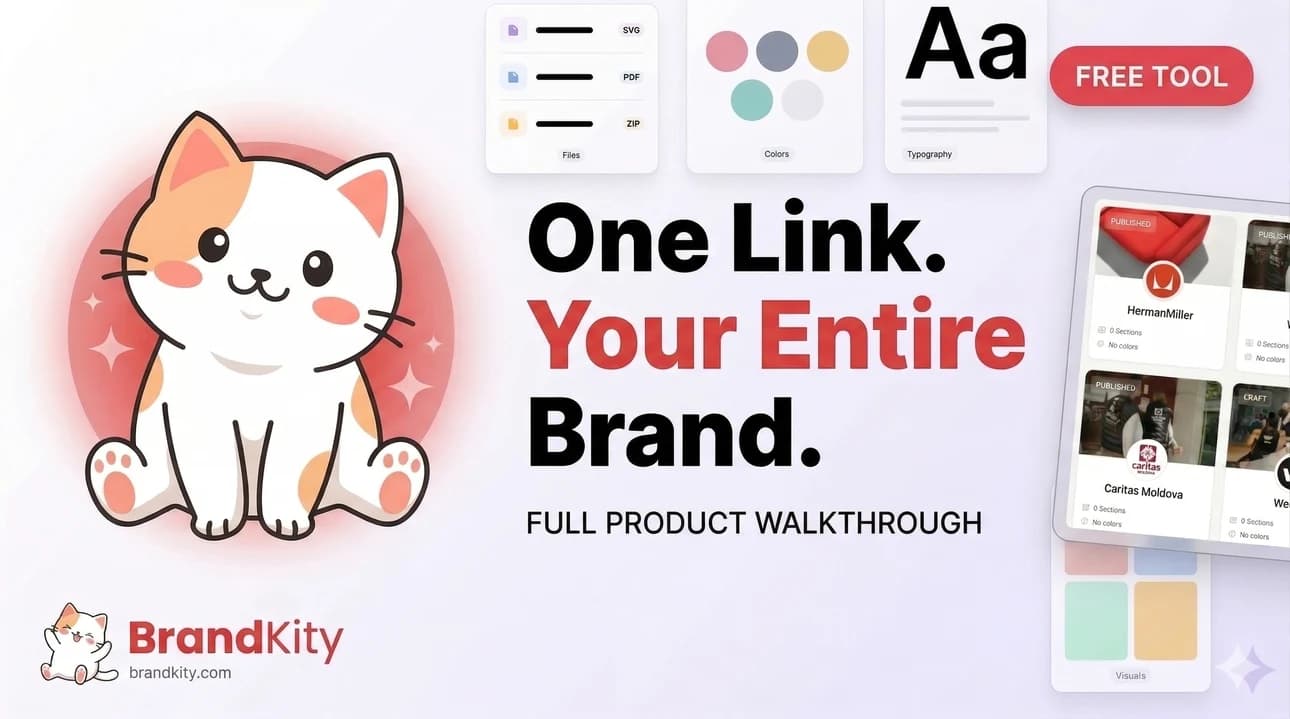
In today’s fast-paced digital landscape, providing clients with seamless access to their brand assets is paramount. The traditional method of sending numerous files via email or cloud storage links can lead to confusion, version control issues, and a fractured client experience. Embracing a unified approach, often referred to as the ‘one link’ advantage, transforms how agencies and designers deliver brand collateral. This single, curated link acts as a central hub, offering clients an organized and intuitive way to access everything they need, precisely when they need it. It moves beyond mere file delivery to fostering genuine collaboration and empowering clients to use their brand assets confidently and consistently, significantly reducing back-and-forth communication and accelerating their marketing efforts.
This centralized approach not only simplifies access for the client but also streamlines the delivery process for the agency. Instead of managing multiple file-sharing platforms or email threads, a single link consolidates all necessary assets into a professionally presented package. This saves valuable time and resources, allowing creative teams to focus on what they do best. Furthermore, a well-structured asset hub can reduce the likelihood of clients using outdated or incorrect versions of logos and other brand elements, thereby safeguarding brand integrity. For agencies looking to boost agency efficiency: asset delivery, this consolidated link is a game-changer, ensuring a professional and efficient handoff every time.
How a single, structured link transforms client experience
A single, structured link fundamentally elevates the client experience by shifting from a chaotic deluge of files to an organized, self-serve portal. Imagine a client needing a specific logo variation for a new social media campaign; instead of sifting through email attachments from months ago, they click one link and instantly find high-resolution logos in all required formats (SVG, PNG, JPG). This immediate access fosters a sense of control and professionalism, reducing client frustration and the need for constant support requests. It’s about empowering them with their own brand identity in an easily digestible format. This enhanced user journey directly impacts client satisfaction and retention, as they perceive your agency as organized, efficient, and client-focused. This structured approach minimizes opportunities for error and ensures that clients can confidently implement their brand identity across all touchpoints.
Key features to look for in a brand asset delivery platform
When selecting a platform to facilitate this ‘one link’ delivery, several key features are non-negotiable for ensuring both internal efficiency and client satisfaction. Categorization and organization are paramount; assets should be logically grouped by type (logos, colors, fonts, images) and sub-grouped where necessary (e.g., logo variations for web, print, social). Search functionality is also critical, allowing clients to quickly find specific assets without endless scrolling. Version control is another vital feature, ensuring clients always access the latest iterations of brand elements, which is crucial for maintaining brand consistency. Look for platforms that allow for customizable branding of the asset hub itself, reinforcing your agency’s professional image. Furthermore, granular permissions can be beneficial, allowing you to control who sees what, especially in complex client structures. Finally, robust analytics can provide insights into how clients are using the assets, informing future content strategy. A platform that supports secure and reliable file sharing ensures peace of mind for both parties.
Real-world scenarios: quick client access for marketing teams
Consider a scenario where a client’s marketing team needs to rapidly deploy a new promotional campaign. They require a specific color palette hex code, a high-resolution logo for digital ads, and a set of approved imagery. With a consolidated asset link, the marketing manager can access the exact primary and secondary brand colors with their corresponding codes, download the correct logo format instantly, and select from a curated library of approved lifestyle shots. This process, which might have previously taken hours of searching through shared drives and emailing design teams, is reduced to minutes. This speed is invaluable for time-sensitive campaigns, preventing missed opportunities. Another example: a client’s social media manager needs to create graphics for an upcoming holiday promotion. They can access the brand’s font files, illustration library, and a guide on using specific brand patterns, all from the single link. This immediate availability allows for consistent brand execution across all digital channels, reinforcing brand recognition and trust.
Beyond Files: Crafting Comprehensive Brand Guidelines
Effective brand asset delivery extends far beyond simply providing files; it necessitates the creation of comprehensive brand guidelines. These guidelines serve as the authoritative rulebook for how a brand’s identity should be represented. They are crucial for maintaining consistency across all communications and touchpoints, regardless of who is implementing the brand – be it an internal team, a freelance contractor, or another agency. Well-crafted guidelines prevent common pitfalls such as incorrect logo usage, misapplication of colors, or the use of unauthorized fonts, all of which can dilute brand impact and confuse audiences. Think of them as the essential DNA of a brand’s visual and verbal identity, meticulously documented to ensure its integrity and strength over time. For agencies, this documentation is a key deliverable that adds significant value and professional polish to their client relationships, solidifying their role as strategic partners.
These guidelines act as a vital reference point, empowering anyone interacting with the brand to do so correctly. They encapsulate the strategic thinking behind the brand’s visual elements, explaining the rationale for specific choices and how they contribute to the overall brand narrative. This educational aspect is invaluable, especially for clients who may not have dedicated brand managers. By providing clear, actionable instructions, you equip them with the knowledge to be effective brand custodians. This proactive approach not only minimizes errors but also builds client confidence and fosters a deeper understanding and appreciation of their own brand. Investing time in developing thorough brand guidelines demonstrates a commitment to the long-term success and consistency of your client’s brand identity, turning a file delivery into a strategic brand foundation.
Essential elements of effective brand guidelines (no matter the size)
Regardless of the scale of the brand or the agency, certain core elements are indispensable for effective brand guidelines. At a minimum, a comprehensive set are required: Logo usage is paramount, detailing primary logos, secondary variations, minimum size requirements, clear space, and unacceptable alterations (e.g., stretching, recoloring). Color palettes must be clearly defined, specifying primary, secondary, and accent colors with their CMYK, RGB, HEX, and Pantone values. Accessibility considerations, such as contrast ratios, should also be addressed here. Typography guidelines should outline approved font families, their intended usage (headings, body text, captions), weights, and licensing information. Finally, a section on visual style, including photography and illustration, is crucial. This might cover mood, subject matter, composition, and any specific stylistic treatments. Even for a small startup, these foundational elements ensure a cohesive visual identity. For larger brands, these sections expand to include detailed rules for every conceivable application.
Making guidelines actionable: practical examples and use cases
To ensure brand guidelines are more than just a static document, they must be actionable and easy to understand. This means moving beyond abstract rules to provide concrete examples and real-world applications. For instance, under the logo section, instead of just stating “do not stretch the logo,” include a visual example of a stretched logo next to a clear “X” and a correctly proportioned logo with a green checkmark. For color usage, show examples of how primary and secondary colors should be used in digital banners or print advertisements, demonstrating effective combinations and avoiding awkward pairings. Consider a use case for social media: provide templates or examples of how to incorporate the brand’s color palette and typography into Instagram Story templates. Another practical approach is to offer pre-approved messaging or tone-of-voice examples for different communication scenarios, like customer service interactions or marketing taglines. This practical guidance empowers users and reduces ambiguity, making it easier to maintain brand integrity across all platforms.
The role of visual examples and do’s/don’ts
Visual examples are the backbone of effective brand guidelines, transforming abstract rules into easily digestible directives. The “do’s and don’ts” format is particularly powerful because it directly addresses common mistakes and clarifies correct implementation with immediate visual feedback. For example, showing a “Do” image of a logo correctly placed with ample clear space, alongside a “Don’t” image where the logo is crammed next to other elements or too close to the edge, leaves no room for misinterpretation. Similarly, demonstrating the correct hierarchy of headings using different font weights and sizes visually guides users on how to structure text. These visual cues are especially critical for digital assets where precise pixel measurements can be challenging. When it comes to brand voice, visual examples of approved imagery or illustrations that match the brand’s personality reinforce the desired aesthetic. This **clarity through visualization** is indispensable, ensuring that brand elements are applied consistently and professionally, thereby strengthening brand recognition and impact, and fulfilling the promise of a unified brand asset.
Managing Different Brand Assets: Logos, Colors, Fonts, and Visuals
A robust brand asset management strategy is crucial for maintaining a consistent and professional brand identity. This involves meticulously organizing and controlling various types of assets, including logos, color palettes, typography, and imagery. Each category presents its own set of considerations for effective management. For logos, it’s about providing a range of variations suitable for different applications, from small favicons to large-format print. Color systems need to be defined with precision, encompassing primary, secondary, and accent colors, while also considering accessibility standards. Typography requires careful selection and management of font families, weights, and licensing to ensure legal compliance and consistent readability. Image and illustration libraries need clear style guides and best practices to maintain visual cohesion. Effectively managing these diverse assets ensures that all brand communications are aligned, reinforcing brand recognition and trust. It’s about creating a single source of truth that anyone can access and utilize confidently.
The complexity of managing these assets can escalate quickly, especially for brands with multiple product lines, international operations, or a large team of contributors. Without a centralized system, inconsistencies are almost inevitable. This can lead to a diluted brand image, unprofessional presentations, and wasted time correcting errors. A well-defined process for asset management, often facilitated by a dedicated platform, streamlines these operations. It allows for easy updating of assets, ensuring that everyone is working with the most current versions. Furthermore, it provides a clear framework for how each asset should be used, minimizing misuse and maximizing brand impact. This proactive approach to asset organization is a cornerstone of effective branding, enabling businesses to project a unified and strong identity in all their communications, which is essential for boosting agency efficiency: asset delivery.
Logo variations and their correct usage
Logos are often the most recognizable element of a brand, making their correct usage critical. A comprehensive asset library will include various logo variations tailored to specific needs. This typically encompasses: primary logos (the main, full-color version), secondary logos (simplified or alternative versions, like horizontal lockups or emblem-only marks), and icon/symbol versions (often used for favicons or social media avatars). Equally important are guidelines dictating their usage. This includes specifying the correct file formats (e.g., SVG for scalability, PNG for web transparency, JPG for general use), defining minimum size requirements to ensure legibility, and establishing clear space zones around the logo to prevent visual clutter. Crucially, guidelines must detail unacceptable uses, such as altering colors, stretching, distorting, or placing the logo on busy backgrounds that compromise its visibility. Providing these distinct variations and clear usage instructions ensures brand consistency across all applications, safeguarding brand integrity.
Color systems: primary, secondary, and accessibility considerations
A brand’s color system is fundamental to its visual identity, evoking specific emotions and associations. Effective management requires defining clear hierarchies: primary colors, which form the core of the brand’s identity and are used most frequently; secondary colors, which complement the primary palette and offer flexibility for design elements; and accent colors, used sparingly for calls to action or highlighting key information. For each color, it’s essential to provide its precise specifications across different color models: CMYK for print, RGB for digital displays, and HEX codes for web design. Beyond aesthetics and application, accessibility must be a key consideration. Guidelines should address color contrast ratios to ensure text is legible for users with visual impairments, adhering to standards like WCAG (Web Content Accessibility Guidelines). Demonstrating example color pairings that meet these contrast requirements is invaluable. This ensures the brand is not only visually appealing but also inclusive and compliant with modern digital standards, supporting design systems: asset delivery hub.
Typography: font families, weights, and licensing
Typography plays a vital role in establishing a brand’s voice and ensuring readability. A well-managed typography system includes defined font families for various uses, such as headings, subheadings, body text, and captions. This often involves selecting a primary font for prominent elements and a secondary font for longer text passages, ensuring they complement each other. Beyond the font families themselves, specifying weights (e.g., bold, regular, light) and their appropriate applications is crucial for creating visual hierarchy and emphasis. For instance, bold weights are typically used for headlines, while regular weights are best for body copy. Crucially, any discussion of fonts must include their licensing agreements. This ensures that the brand is using fonts legally across all intended platforms and territories, preventing potential legal issues. Providing clear instructions on where to source licensed fonts or including the necessary files within the asset delivery platform offers peace of mind and legal protection for the client and agency alike.
Image and illustration libraries: style guides and best practices
Visuals, including photography and illustrations, are powerful tools for communicating a brand’s personality and message. A curated image and illustration library, managed as part of the brand assets, ensures visual consistency. This requires developing a clear style guide that defines the aesthetic, mood, and subject matter of approved visuals. For photography, this might specify criteria such as lighting (natural vs. studio), composition (close-ups vs. wide shots), subject matter (people, products, abstract), and color tone. For illustrations, it could outline the preferred style (flat design, hand-drawn, abstract), color usage, and thematic elements. Best practices also include organizing visuals by theme or category for easy retrieval and specifying appropriate file formats and resolutions for different uses (e.g., high-resolution for print, optimized for web). This meticulous approach ensures that all visual content reinforces the brand’s identity and narrative, preventing the use of off-brand or inconsistent imagery.
The Handoff Checklist: Ensuring Nothing Falls Through the Cracks
The final stage of brand asset delivery is the handoff – a critical moment that can either cement a positive client relationship or leave lingering issues. A thorough handoff checklist is essential to guarantee that all necessary assets are present, correct, and that the client fully understands how to access and utilize them. This process moves beyond simply sending files; it involves a strategic review and onboarding experience designed to empower the client and ensure the long-term success of their brand’s application. Neglecting this phase can lead to confusion, incorrect usage, and repeated requests for assistance, undermining the effort invested in creating high-quality assets. Implementing a structured checklist provides a systematic approach, minimizing the risk of overlooking crucial details and ensuring a seamless transition, which is key to ace client delivery: organized brand assets.
A well-executed handoff is not just about completion; it’s about setting the stage for future success. It ensures that the client feels confident and equipped to manage their brand assets independently. This includes providing clear instructions, offering support, and setting expectations for ongoing needs. For agencies, a robust handoff process is a testament to their professionalism and attention to detail. It streamlines their workflow by reducing post-delivery follow-ups and clarifies the scope of their responsibilities regarding asset management. Ultimately, the handoff is the culmination of the design and branding process, designed to deliver maximum value and ensure the client can leverage their new brand identity effectively. By treating this phase with the importance it deserves, you create a lasting positive impression and build a foundation for continued collaboration, directly contributing to unlock agency efficiency: brand delivery.
Pre-delivery audit: ensuring all assets are present and correct
Before any handoff occurs, a comprehensive pre-delivery audit is non-negotiable. This internal review acts as a final quality control checkpoint, ensuring that every asset intended for the client is accounted for and meets all stipulated requirements. The checklist should verify the presence of all logo variations in their correct formats (SVG, PNG, JPG), ensuring they adhere to specified dimensions and naming conventions. Color palettes must be confirmed with all relevant codes (CMYK, RGB, HEX, Pantone) accurately documented. Typography files or access to them, along with licensing details, should be checked. Image and illustration libraries need to be reviewed for adherence to the defined style guide and proper organization. Crucially, this audit should also confirm that all required brand guidelines are finalized and formatted correctly, ready for client consumption. This meticulous verification process prevents the embarrassing situation of discovering missing or incorrect assets after the delivery, safeguarding the agency’s reputation and the client’s brand integrity.
Client onboarding: guiding them through the asset hub
Once the pre-delivery audit is complete, the next crucial step is client onboarding. This involves more than just sending a link; it’s about actively guiding the client through their new brand asset hub. Schedule a brief meeting or create a short video tutorial demonstrating how to navigate the platform, locate different asset categories, and download files in the appropriate formats. Highlight key features, such as search functionality and clear space guidelines for logos. Explain the structure of the guidelines document and emphasize the importance of adhering to them. For example, show them where to find the exact HEX codes for digital use or the CMYK values for print. The goal is to empower them with the knowledge to use their assets confidently and independently, fostering a sense of partnership. This **structured orientation** minimizes potential confusion and ensures the client immediately understands the value and ease of access provided by the asset delivery system.
Setting expectations for ongoing asset needs and updates
A critical component of a successful handoff is clearly defining expectations regarding ongoing asset needs and updates. This involves discussing how the client will manage their brand assets moving forward. Will they require periodic updates to the asset library as their brand evolves? Are there specific processes for requesting new assets or modifications? It’s important to clarify who is responsible for maintaining the asset hub after the initial delivery. Agencies should outline their policies on providing support for asset-related queries and detail any associated costs for future updates or expansions to the asset library. This transparency prevents misunderstandings and ensures both parties are aligned on long-term asset management. Establishing a clear protocol for handling revisions or new asset requests ensures that the client can continue to leverage their brand assets effectively and that the agency can manage its resources efficiently, fostering a sustainable and collaborative relationship that addresses their brand assets: end client confusion.
Scaling Your Agency: How Professional Delivery Boosts Efficiency
As agencies grow, the volume of brand asset delivery can quickly become a bottleneck. A professional, streamlined approach isn’t just about aesthetics; it’s a fundamental driver of operational efficiency. When brand assets are organized, easily accessible, and delivered with clear guidelines, the entire project lifecycle benefits. This structured process minimizes the time spent on administrative tasks, allowing your team to focus on what they do best: creating exceptional creative work. Adopting a robust system for asset management and delivery can significantly reduce the overhead associated with each client project, directly impacting your agency’s profitability and capacity to take on new work. It transforms what could be a chaotic handoff into a smooth, predictable, and professional experience for both your team and your clients.
Reducing repetitive client queries and support requests
One of the most significant drains on agency resources stems from repetitive client inquiries and support requests. Clients often need clarification on file types, usage rights, or simply where to find the latest version of a logo. When brand assets are scattered across shared drives, email chains, or personal cloud storage, these questions become inevitable and time-consuming. A centralized, well-organized platform addresses this head-on. By providing a single source of truth for all brand assets, complete with clear naming conventions and categorization, clients can find what they need independently. This proactive approach not only saves your team from answering the same questions repeatedly but also fosters greater client autonomy and satisfaction. Imagine reducing support tickets related to asset retrieval by 50% or more – that’s significant time and money reinvested into creative output. This is a core benefit of implementing a structured brand asset delivery workflow.
Empowering clients to self-serve their brand assets
Empowering clients to self-serve their brand assets through a dedicated portal or link transforms the post-launch relationship. Instead of clients constantly emailing for updated logos or specific file formats, they can access a curated library of approved materials anytime. This self-service model builds client confidence and reduces their reliance on your team for basic asset retrieval, freeing up valuable time. A well-structured delivery hub should include comprehensive brand guidelines, ensuring clients understand how to use assets correctly, thus preventing misuse and brand dilution. For instance, providing downloadable assets in various formats (e.g., SVG for web, EPS for print, PNG for general use) directly within the portal eliminates the need for back-and-forth requests. This level of client empowerment is a hallmark of professional brand delivery, fostering stronger, more independent client partnerships.
Freeing up design resources for more creative work
The administrative burden of managing and distributing brand assets can consume a substantial portion of a designer’s day. When designers are frequently pulled away from their core creative tasks to locate, format, and send files, their productivity plummets, and morale can suffer. Implementing a professional asset delivery system automates many of these mundane tasks. By creating a central repository where all finalized assets are stored and easily shareable, designers can spend less time on logistics and more time on conceptualization, design, and innovation. This shift allows them to tackle more complex projects, explore new creative avenues, and contribute more meaningfully to the agency’s overall success. For example, a designer who previously spent 4 hours per week managing asset requests might reclaim that time for a new campaign concept or refining a client’s visual identity, directly impacting the quality and value delivered.
Future-Proofing Your Brand Delivery: Adapting to Evolving Needs
The digital landscape is in constant flux, with new platforms, technologies, and media formats emerging regularly. Your brand asset delivery strategy must be agile enough to accommodate these changes. Future-proofing means building a system that is not only robust for today’s needs but also adaptable for tomorrow’s. This involves anticipating how brands will be used across an ever-expanding ecosystem of touchpoints, from traditional media to emerging virtual and augmented reality applications. A forward-thinking approach to brand delivery ensures that clients can leverage their brand assets effectively across all relevant channels, maintaining consistency and impact. Investing in a flexible and scalable delivery solution today will prevent costly rework and strategic missteps down the line, keeping your agency and your clients at the forefront of brand communication.
The importance of version control for brand assets
Inconsistent branding can significantly damage a client’s reputation and confuse their audience. The core of preventing this lies in effective version control for all brand assets. Without a clear system, clients or even internal team members might inadvertently use outdated logos, incorrect color palettes, or superseded font files. A professional delivery platform must provide robust versioning capabilities, ensuring that only the most current and approved assets are accessible. This means clearly marking previous versions as deprecated and providing a historical log. For example, if a logo undergoes a minor revision, the new version should be clearly identifiable, and the old one archived but accessible for historical reference if needed. This meticulous management prevents errors and maintains brand integrity across all applications, safeguarding the client’s visual identity. Understanding the lifecycle of assets is crucial for long-term brand health, a concept explored in detail when you future-proof your brand assets.
Preparing for new platforms and media formats
The rapid evolution of technology means that the platforms and media formats used to display and interact with brands are constantly changing. From dynamic interactive websites and immersive AR experiences to short-form video content and emerging metaverse environments, clients need to ensure their brand assets are ready for anything. A future-proof brand delivery system anticipates these shifts. This involves providing assets in adaptable formats (like SVGs that scale infinitely) and considering how brand elements will translate into new mediums. For instance, designing animated logo variations or providing guidelines for 3D asset creation can prepare clients for future applications. Agencies that proactively address this can offer significant added value, positioning themselves as strategic partners rather than just asset providers. This foresight ensures that clients’ brands remain relevant and impactful across all current and future digital frontiers.
Leveraging technology for smarter brand management
The future of brand asset delivery is intrinsically linked to technological advancement. Embracing technology allows for more intelligent and automated brand management. This goes beyond simple storage and retrieval. Advanced platforms can integrate AI for asset tagging, suggesting usage best practices, or even identifying potential brand misuse. Automation can streamline the creation of asset variations needed for different platforms, such as generating social media cropped versions of images automatically. Furthermore, robust analytics can provide insights into how clients are using assets, highlighting popular formats or identifying areas where more guidance might be needed. By leveraging these technological capabilities, agencies can offer a more sophisticated, efficient, and proactive service, ensuring clients’ brands are managed optimally and can adapt seamlessly to future market demands. This intelligent approach to managing brand assets is key to maintaining a competitive edge.
By focusing on efficiency through organized delivery, empowering clients with self-service options, and actively preparing for future technological shifts, agencies can elevate their brand asset management from a functional necessity to a strategic advantage. This forward-thinking approach ensures consistent brand application and fosters stronger client relationships in an ever-changing digital world.
Saurabh Kumar
Founder, BrandKity
Saurabh writes about practical brand systems, faster client handoffs, and scalable workflows for designers and agencies building repeatable delivery operations.
Connect on LinkedIn