
Brand Asset Management Software: Mastering Client Handoff
The successful delivery of a branding project or marketing campaign doesn’t culminate with a final invoice. For agencies, designers, and marketing tea…
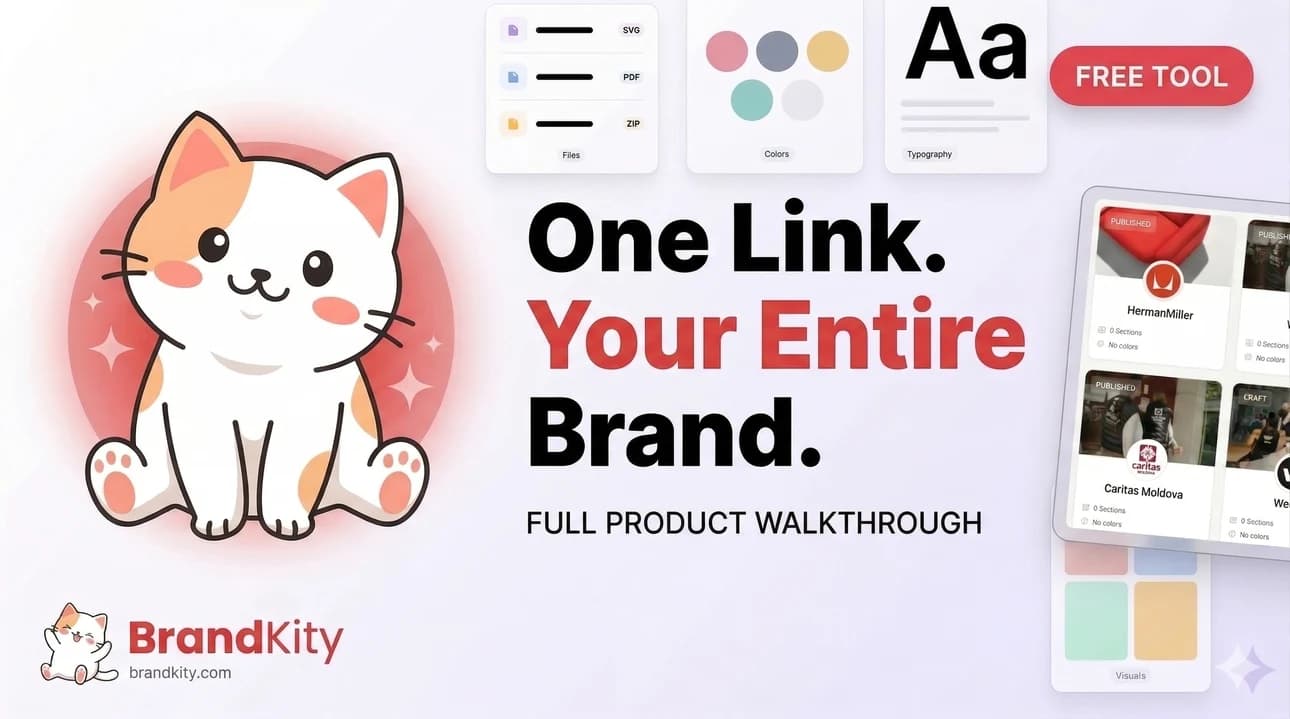
Table of contents
- Beyond Project Completion: Why Client Handoff is Your Brand’s Next Big Test
- The Hidden Costs of Disorganized Brand Deliverables
- Elevating Client Relationships Through Seamless Asset Transfer
- The Critical Challenges of Traditional Brand Asset Handoff
- Version Control Nightmares and Outdated Files
- The Frustration of Scattered Assets Across Platforms
- Brand Inconsistency and Misuse Post-Handoff
- Empowering Clients with Self-Service Brand Portals
- Ensuring Brand Consistency Long After Project Completion
- Key Features of BAM Software Essential for Mastering Client Handoff
- Intuitive Brand Portals and Shareable BrandKits
- Granular Permissions and Access Control
- Versioning, Asset History, and Usage Guidelines
- Brand Asset Management Software: The Solution for Streamlined Client Deliveries
- Crafting an Agency-Ready Client Handoff Workflow with BAM
- Structuring Your Brand Assets for Client Accessibility
- Real-World Use Cases: Agencies and Startups Leveraging BAM for Handoff
- Freelance Designer Delivering a Full Brand Identity
- Marketing Agency Transitioning a New Client’s Brand Assets
- Startup Scaling Brand Resources to New Teams and Partners
- Maximizing Client Adoption and Brand Governance Post-Handoff
- The Role of Comprehensive Brand Guidelines Within the Portal
- Best Practices for Client Training and Ongoing Support
- Monitoring Asset Usage and Ensuring Brand Compliance
- The ROI of Seamless Client Handoff: Time, Trust, and Tangible Value
- Reducing Client Support Requests and Revision Cycles
- Strengthening Client Loyalty and Referral Opportunities
- Protecting Brand Integrity and Future-Proofing Assets
- FAQs About Brand Asset Management for Client Handoff
- How does BAM differ from generic cloud storage for handoff?
- What if I need to update assets after the initial handoff?
- Elevating Your Brand Delivery: The Future of Client Collaboration
The successful delivery of a branding project or marketing campaign doesn’t culminate with a final invoice. For agencies, designers, and marketing teams, the true test of a project’s long-term value often lies in the client handoff process. This critical phase dictates how effortlessly clients can adopt, utilize, and maintain their new brand assets, directly impacting their ongoing satisfaction and the integrity of the brand you’ve meticulously crafted.
In an increasingly digital landscape, merely sending a Dropbox link or a hefty zip file is no longer sufficient. A strategic approach to brand asset delivery is essential for sustaining brand consistency, fostering client autonomy, and ultimately safeguarding your agency’s reputation and future partnerships. This involves moving beyond reactive delivery to proactive brand asset management.
Beyond Project Completion: Why Client Handoff is Your Brand’s Next Big Test
The Hidden Costs of Disorganized Brand Deliverables
A poorly managed client handoff often leads to a cascade of problems, many of which carry significant hidden costs. Initially, there’s the immediate expenditure of internal team time spent answering repetitive “Where is X?” questions or tracking down the correct logo version. Beyond that, the long-term impact can be far more damaging, eroding both financial margins and client trust. When clients struggle to access or correctly use their brand assets, it often results in off-brand collateral, necessitating costly reworks or, worse, damaging the brand’s public perception. Imagine a scenario where a client uses an outdated brand font for a major advertising campaign because the correct typography files were buried in an unorganized folder; this directly impacts the client’s marketing effectiveness and reflects poorly on the agency that delivered the assets. These inefficiencies not only strain resources but also signal a lack of professionalism, potentially jeopardizing future retainers and valuable referral opportunities.
Elevating Client Relationships Through Seamless Asset Transfer
Conversely, a well-executed brand asset handoff can transform a transactional relationship into a lasting partnership, significantly elevating the perceived value of your services. When clients receive a clear, organized, and easily accessible repository of their brand assets, it communicates a profound level of professionalism and care. This approach fosters client independence, empowering them to effortlessly find and utilize approved assets for their ongoing marketing and operational needs. Such seamlessness significantly reduces post-delivery support requests, freeing up your team to focus on new projects. More importantly, it builds deep client confidence and loyalty, making them more likely to recommend your services and engage you for future work. A successful handoff ensures that the client’s experience of their new brand is positive and empowering from day one, reinforcing the agency’s expertise in not just creation, but also practical implementation and long-term brand stewardship.
The Critical Challenges of Traditional Brand Asset Handoff
Version Control Nightmares and Outdated Files
In traditional client handoff scenarios, agencies often rely on a patchwork of tools like email attachments, shared cloud drives, or even physical USBs to deliver brand assets. This fragmented approach invariably leads to version control nightmares. Clients frequently struggle to identify the definitive “final” logo, the latest color palette, or the most up-to-date brand guidelines. Files stored across various platforms and local hard drives mean there’s no single source of truth. It’s common for clients to inadvertently use outdated assets for critical marketing materials, leading to brand inconsistencies and the need for expensive, time-consuming corrections. The risk of diluting a carefully crafted brand identity increases exponentially when designers and marketers within the client organization cannot quickly and confidently access the correct versions of brand elements.
The Frustration of Scattered Assets Across Platforms
Imagine a client’s internal marketing team needing a specific social media graphic or a vector logo for a new print ad. In a traditional setup, they might have received a collection of files spread across a Google Drive folder, a Dropbox link from an email sent months ago, and perhaps a PDF brand guide downloaded from a WeTransfer link that has since expired. This highly fragmented delivery system creates immense frustration and inefficiency. Employees waste valuable time searching for assets, often resorting to asking colleagues or, worse, recreating files from scratch. This scattered asset environment not only bottlenecks client operations but also diminishes the perceived value of the delivered brand identity, as the practical utility is hampered by poor accessibility. Without a centralized hub, the daily management of brand assets becomes an arduous chore rather than a streamlined process.
Brand Inconsistency and Misuse Post-Handoff
Perhaps the most significant long-term challenge of traditional handoffs is the inevitable rise of brand inconsistency and misuse. Without a clear, intuitive system for accessing approved assets alongside their usage guidelines, clients are left to interpret how brand elements should be applied. This often results in a dilution of the brand’s visual identity across various touchpoints. Examples include logos being stretched, incorrect color variations being used, or fonts being substituted because the official ones weren’t readily available. This lack of proper single source of truth for all brand assets. Instead of disparate folders, emails, and cloud drives, every approved logo, guideline, font, color palette, and marketing collateral lives in one secure, accessible location. This centralization eliminates ambiguity, ensuring that clients and their internal teams consistently access the most current and correct versions of every asset. Agencies can confidently deliver projects knowing that their meticulously crafted brand elements are protected from fragmentation and unauthorized modifications. This approach dramatically reduces the common headaches associated with finding the right files, fostering a streamlined workflow that benefits both the agency and the client, simplifying their ongoing brand operations.
Empowering Clients with Self-Service Brand Portals
One of BAM software’s most powerful features for client delivery is the creation of
Ensuring Brand Consistency Long After Project Completion
The true value of BAM software for client handoff extends far beyond initial delivery; it actively ensures brand consistency long after project completion. By centralizing assets and embedding usage guidelines directly within the platform, BAM solutions proactively prevent brand dilution and misuse. Clients aren’t just given files; they’re given an ecosystem that educates them on proper application. For instance, a logo might be accompanied by clear safe-zone rules, preferred color variations, and inappropriate usage examples. This integrated guidance means that whether a client’s internal team is designing a new presentation or an external vendor is creating merchandise, everyone adheres to the same brand standards. This proactive governance protects the integrity of the brand, safeguarding the agency’s creative work and the client’s investment in their brand identity.
Key Features of BAM Software Essential for Mastering Client Handoff
Intuitive Brand Portals and Shareable BrandKits
At the core of effective client handoff within BAM software are intuitive brand portals and shareable BrandKits. These features provide a personalized, branded experience for clients, moving far beyond generic cloud storage links. A well-designed brand portal allows clients to easily navigate through categories like logos, typography, color palettes, imagery, and marketing collateral. The brilliance lies in the ‘shareable BrandKit link’ concept: agencies can simply provide a single, secure URL that serves as the gateway to the client’s entire brand universe. This eliminates the need for cumbersome zip files, expired links, or complex login procedures. The interface should be user-friendly enough for any client team member to quickly locate and download specific assets, often in various formats, dramatically improving post-handoff usability and client satisfaction. This streamlined access reflects a commitment to operational excellence.
Granular Permissions and Access Control
For agencies managing multiple clients or for clients with diverse internal teams, granular permissions and access control are indispensable BAM features. This functionality allows agencies to dictate precisely who can view, download, or manage specific brand assets. For example, a client’s marketing department might have full access to all marketing collateral and logos, while an external vendor might only be granted temporary access to specific print-ready files. This level of control safeguards sensitive brand information, prevents unauthorized use, and ensures that only approved assets are distributed. It eliminates the risk of a new hire accidentally downloading a draft logo or an external contractor accessing confidential brand strategy documents. Implementing robust access control strengthens security and maintains the integrity of the intellectual property delivered during the handoff process.
Versioning, Asset History, and Usage Guidelines
Beyond simple storage, advanced BAM software provides crucial features like versioning, asset history, and integrated usage guidelines, all vital for mastering client handoff. Versioning tracks every iteration of an asset, allowing clients (with appropriate permissions) to see past versions or revert if necessary, eliminating confusion about the “final” file. Asset history logs provide an audit trail of downloads and modifications, offering transparency and accountability. Most importantly, the ability to embed comprehensive usage guidelines directly alongside each asset is a game-changer. Imagine a logo file that, when clicked, immediately displays rules for minimum size, safe space, and color variations. This proactive approach prevents brand dilution by providing immediate context for proper application. Major design platforms, such as Adobe tools, often rely on structured asset management to maintain design integrity, and BAM mirrors this by bringing structure to the entire brand ecosystem. This ensures clients not only receive assets but also understand precisely how to use them to maintain brand consistency.
Brand Asset Management Software: The Solution for Streamlined Client Deliveries
Having explored the critical features that make brand asset management (BAM) software indispensable, it becomes clear that these platforms offer a holistic solution for modern agencies navigating the complexities of client deliverables. BAM transcends the limitations of generic cloud storage or email attachments by providing a purpose-built environment for brand assets. It centralizes every element, from logos and typography to imagery, video, and comprehensive brand guidelines, ensuring clients receive a complete, organized, and readily usable package.
The implementation of a robust BAM system fundamentally transforms the client handoff process from a potential bottleneck into a seamless, professional experience. Agencies can provide clients with a branded portal where they can self-service their asset needs, dramatically reducing the back-and-forth typically associated with asset requests. This shift not only frees up valuable agency time but also empowers clients with immediate access and the assurance that they are always utilizing the most current and approved versions of their brand materials. By incorporating features like granular permissions and embedded usage guidelines, BAM minimizes the risk of misuse and upholds brand consistency across all client touchpoints, cementing the agency’s reputation for precision and excellence.
Crafting an Agency-Ready Client Handoff Workflow with BAM
A successful client handoff is not merely the delivery of files; it’s the transfer of a brand’s living identity into the client’s hands, facilitated by a robust brand portal. This portal, powered by BAM software, becomes the single source of truth for all brand assets. Agencies should customize the portal with the client’s branding, ensuring a familiar and professional environment. During onboarding, provide a brief, focused tour of the portal’s key features, emphasizing how to locate and download assets. Clearly define user roles and permissions, giving clients appropriate access without overwhelming them with unnecessary administrative functions. A common pitfall is providing an unguided, full-access dump of assets, which can lead to confusion and incorrect usage. Instead, guide them through finding specific logos, color palettes, and typography. The aim is a smooth introduction to their easy-to-navigate BrandKit link.
Structuring Your Brand Assets for Client Accessibility
Effective organization is paramount for client self-service. Before handoff, meticulously structure all brand assets within the BAM platform using a logical hierarchy. Implement clear folder categories such as “Logos,” “Typography,” “Color Palettes,” “Imagery,” “Templates,” and “Guidelines.” Utilize consistent file naming conventions and leverage metadata tags (e.g., “web,” “print,” “vertical,” “horizontal”) to make assets easily searchable. Ensure all assets are the latest approved versions, with older versions archived but accessible if needed. The decision criteria for a good structure are intuitiveness and searchability for a non-designer client. A poorly organized portal, resembling a digital junk drawer, is a major pitfall, causing frustration and leading clients to request files directly, defeating the purpose of a BAM system. This proactive organization simplifies latest approved assets, preventing the dissemination of outdated materials. A critical actionable step is to establish clear internal processes for updating assets and communicating these changes. The pitfall here is relying on manual email chains or shared drives, which inevitably leads to brand inconsistency and clients using old versions, undermining the concept of a single source of truth.
Real-World Use Cases: Agencies and Startups Leveraging BAM for Handoff
The practical application of Brand Asset Management (BAM) software in client handoff extends across various business models, from individual freelancers to rapidly scaling startups and established marketing agencies. These entities leverage BAM to transform what used to be a fragmented, manual process into a streamlined, professional experience. By centralizing brand assets and guidelines within a dedicated portal, they ensure that clients and partners always have immediate access to accurate, up-to-date materials. This approach not only enhances efficiency but also reinforces brand integrity, showcasing a commitment to client success and long-term brand governance. Understanding these diverse use cases highlights the versatility and strategic value of BAM platforms in today’s dynamic creative landscape.
Freelance Designer Delivering a Full Brand Identity
Example: “Pixel Perfect Designs,” a freelance graphic designer, recently completed a comprehensive brand identity project for a new tech startup. Instead of delivering a cluttered ZIP file via email, Pixel Perfect Designs leveraged a BAM platform to create a dedicated brand portal for their client. The portal contained the final logo suite (in various formats for web and print), a detailed color palette with HEX and CMYK codes, typography files, brand guidelines, and even a selection of social media templates. This centralized approach meant the client’s in-house marketing specialist could immediately access every asset needed without sending follow-up emails. The designer saved countless hours not having to re-send files, and the client felt empowered with a professional, organized brand kit from day one. This streamlined delivery is crucial for maintaining a positive client relationship and securing future referrals.
Marketing Agency Transitioning a New Client’s Brand Assets
Example: “Ignite Marketing Agency” onboarded a new e-commerce client with an extensive existing brand history. The first critical step was migrating the client’s disparate brand assets from various legacy systems and cloud drives into a unified BAM portal. Ignite’s team then organized these assets, updated outdated files, and added a robust set of brand guidelines to the portal. When the client’s internal marketing team needed specific product imagery or approved ad copy for an upcoming campaign, they simply logged into their dedicated BrandKit. This eliminated the need for lengthy email exchanges and ensured that all campaign materials were brand-compliant from inception. Ignite experienced a 30% reduction in asset-related inquiries within the first month, allowing their team to focus on strategic campaign execution rather than asset retrieval, solidifying the agency’s reputation for efficient client delivery.
Startup Scaling Brand Resources to New Teams and Partners
Example: “InnovateCo,” a fast-growing SaaS startup, found itself constantly struggling with brand consistency as it expanded its marketing efforts, product development, and sales teams. They needed a solution to provide new hires, international partners, and external agencies with instant, accurate access to their brand elements. InnovateCo implemented a BAM platform to create a universal brand hub. This portal served as the go-to resource for everything from pitch decks and website imagery to UI/UX components and employee onboarding materials. When a new regional sales manager joined, they had immediate access to localized logos and approved presentation templates. This proactive approach ensured brand consistency across all touchpoints during a critical growth phase. By centralizing resources, InnovateCo significantly reduced the time spent by their design team responding to ad-hoc asset requests, improving operational efficiency and accelerating market entry.
Maximizing Client Adoption and Brand Governance Post-Handoff
Achieving a seamless client handoff with Brand Asset Management (BAM) software is just the initial victory. The true measure of success lies in maximizing client adoption of the new system and ensuring ongoing brand governance. This involves more than simply providing access; it requires proactive strategies to educate clients, integrate brand guidelines, and monitor usage. The objective is to empower clients to become self-sufficient brand stewards, reducing their reliance on the agency for basic asset retrieval while simultaneously protecting the integrity of the brand. Effective post-handoff strategies are crucial for cementing the value of the BAM investment and fostering a lasting, productive partnership.
The Role of Comprehensive Brand Guidelines Within the Portal
Integrating comprehensive brand guidelines directly within the brand portal is foundational to maximizing client adoption and ensuring governance. Instead of static, separate PDF documents, dynamic guidelines presented alongside the assets themselves provide immediate context. These guidelines should clearly articulate usage rules for logos, color application, typography hierarchies, and imagery styles. For instance, specific instructions on minimum logo size or forbidden color combinations should be easily clickable from the respective asset. This ‘show, don’t just tell’ approach dramatically reduces misinterpretation and incorrect asset usage. The key decision criterion is how seamlessly clients can access and understand these rules while browsing. A major pitfall is providing only a general guidelines document, leaving clients to guess how specific assets should be applied. Dynamic guidelines promote autonomy and significantly reduce instances of brand dilution.
Best Practices for Client Training and Ongoing Support
To truly maximize client adoption, agencies must implement structured client training and provide accessible ongoing support. Initial training should be concise and focused on common tasks: how to search, download, and understand basic usage rules. Consider creating short, branded video tutorials or an FAQ section within the portal itself. Establishing a clear point of contact for technical or brand-related queries is essential. Proactive check-ins post-handoff can identify any challenges early, preventing client frustration. An actionable step is to develop a concise “Quick Start Guide” that highlights key features and troubleshooting tips. The pitfall here is assuming clients will instinctively know how to navigate a new system. Effective training empowers clients, transforming them into proficient users and reducing the agency’s long-term support burden, fostering a sense of partnership and competence.
Monitoring Asset Usage and Ensuring Brand Compliance
Maintaining brand integrity post-handoff requires a proactive approach to monitoring asset usage. While BAM platforms may offer analytics on downloads, agencies should establish a routine for auditing how clients are utilizing assets in their public-facing materials. This might involve periodic checks of client websites, social media, or marketing collateral. Implement a feedback loop where any detected non-compliance can be gently addressed, offering corrective guidance rather than punitive measures. Regularly update the brand guidelines based on common errors or new brand directions, ensuring the portal remains the definitive source. The pitfall is a ‘set it and forget it’ mentality, which inevitably leads to brand drift over time. Continuous monitoring and a collaborative approach to compliance are vital for safeguarding brand equity and ensuring that assets are consistently deployed as intended.
The ROI of Seamless Client Handoff: Time, Trust, and Tangible Value
Investing in a seamless client handoff process, powered by robust Brand Asset Management (BAM) software, delivers significant returns that extend far beyond initial convenience. The return on investment (ROI) manifests in tangible savings of time and resources, while also building invaluable client trust and loyalty. Agencies and startups that prioritize this aspect of their operations experience reduced administrative overhead, stronger client relationships, and a more resilient brand presence in the market. This section delves into the specific ways a well-executed BAM handoff contributes to both the bottom line and long-term business success, highlighting the strategic advantages of a professional and organized approach.
Reducing Client Support Requests and Revision Cycles
One of the most immediate and quantifiable benefits of a seamless client handoff is the significant reduction in client support requests. When clients have direct, 24/7 access to an organized brand portal with the latest assets and clear guidelines, they no longer need to email the agency repeatedly for logo files, color codes, or typography specifics. This self-service capability frees up valuable agency time, allowing teams to focus on creative work and strategic initiatives rather than administrative tasks. Furthermore, clear guidelines embedded within the portal drastically reduce instances of incorrect asset usage, thereby minimizing the need for costly and time-consuming revision cycles on marketing materials. Agencies can expect to see a measurable decrease in non-billable hours spent on asset retrieval and correction, leading to improved project profitability and overall operational efficiency, showcasing the value of a well-structured creative workflow.
Strengthening Client Loyalty and Referral Opportunities
A professional and organized client handoff process is a powerful differentiator that significantly strengthens client loyalty. When clients experience the ease and efficiency of a dedicated brand portal, it reflects positively on the agency’s professionalism and attention to detail. This streamlined experience builds deep trust, as clients feel empowered and supported in managing their brand. Satisfied clients are not only more likely to return for future projects but also become invaluable sources of referral business. Word-of-mouth recommendations from clients who’ve experienced a truly effortless brand asset delivery can drive substantial new leads, creating a virtuous cycle of growth. The investment in a sophisticated BAM handoff translates directly into a higher Client Lifetime Value (CLTV) and a robust pipeline of qualified referral opportunities, making it a critical component of strategic business development.
Protecting Brand Integrity and Future-Proofing Assets
Perhaps the most critical long-term ROI of a seamless client handoff is the protection and future-proofing of brand integrity. By centralizing all approved assets and guidelines in a single source of truth, agencies ensure that the client’s brand remains consistent across all platforms and applications, regardless of who is using the assets. This prevents brand dilution, where different versions of logos or inconsistent color palettes proliferate. Furthermore, a BAM system facilitates easy updates and version control. When a brand evolves, new assets can be seamlessly uploaded, instantly making older versions obsolete and ensuring everyone accesses the most current materials. This proactive approach safeguards the client’s valuable brand equity and ensures that their visual identity remains cohesive and impactful for years to come. It’s an essential investment in the longevity and recognition of the brand, offering peace of mind and resilience against inconsistencies.
FAQs About Brand Asset Management for Client Handoff
How does BAM differ from generic cloud storage for handoff?
Generic cloud storage solutions (like those from Microsoft or Google) offer general file hosting, but lack the specialized features crucial for efficient brand asset handoffs. Dedicated brand portal presents logos, color palettes, and typography in a visually appealing and organized manner, often with integrated usage instructions. Clients typically find what they need with minimal clicks, requiring no extensive onboarding beyond a simple access link. This focus on ease of use significantly reduces client inquiries and enhances the professionalism of the client delivery process, turning a complex handoff into a seamless, self-service experience.
What if I need to update assets after the initial handoff?
One of BAM’s most significant advantages is its dynamic asset update capability. When you upload a new version of an asset – be it a logo, a marketing visual, or a guideline document – the platform automatically implements version control. This ensures that any client accessing that specific asset through the brand portal will immediately see and download the most current version. There’s no need to manually resend files or worry about clients using outdated materials. This capability guarantees brand consistency across all applications and dramatically reduces administrative overhead. Many BAM solutions also provide notification features, allowing you to alert specific clients about critical asset updates, fostering transparent and efficient post-handoff communication.
Elevating Your Brand Delivery: The Future of Client Collaboration
The landscape of client collaboration is rapidly evolving, moving beyond transactional file transfers to a more integrated and strategic partnership, driven by advanced brand asset management solutions. The future of brand delivery lies in creating immersive, self-service brand environments that empower clients while maintaining stringent brand governance. This involves leveraging platforms that offer not just asset storage but intelligent organization, intuitive user interfaces, and robust collaboration features. Imagine a scenario where a client can not only download approved assets but also access interactive brand guidelines, request new assets directly through the portal, or even provide feedback on mockups within the same ecosystem. This fosters a deeper level of engagement and transforms the client experience from a passive recipient to an active brand steward. The strategic advantage here is the reduction of communication bottlenecks and the prevention of off-brand usage, solidifying the agency-client relationship.
For agencies and marketing teams, this evolution translates into substantial gains in efficiency and operational scalability. By minimizing manual requests for assets, ensuring adherence to brand standards through automated checks, and streamlining the approval process, teams can reallocate valuable time to creative work and strategic initiatives. This paradigm shift enables creative teams to focus on innovation rather than administrative burdens. The integration of BAM with other essential tools, such as project management software or even design platforms like Adobe Creative Cloud, further solidifies its role as the central hub for all brand-related activities. Adopting these advanced systems is not merely an upgrade; it’s a strategic move to future-proof your brand delivery model, significantly enhance client satisfaction, and ensure impeccable brand consistency across all projects and campaigns.
By embracing specialized brand asset management software, agencies and businesses can fundamentally transform their client handoff processes, moving from reactive problem-solving to proactive, strategic brand delivery. This shift ensures not only greater efficiency and consistency but also significantly elevates the client experience, forging stronger, more reliable partnerships.
For more in-depth discussions on optimizing your brand workflows and selecting the right tools, explore the comprehensive resources available on blog.brandkity.com.
Saurabh Kumar
Founder, BrandKity
Saurabh writes about practical brand systems, faster client handoffs, and scalable workflows for designers and agencies building repeatable delivery operations.
Connect on LinkedIn