
Brand Asset Management Software: Your Single Source of Truth
In today’s fast-paced digital environment, managing a brand’s visual and textual elements has become an increasingly complex challenge. From logos and…
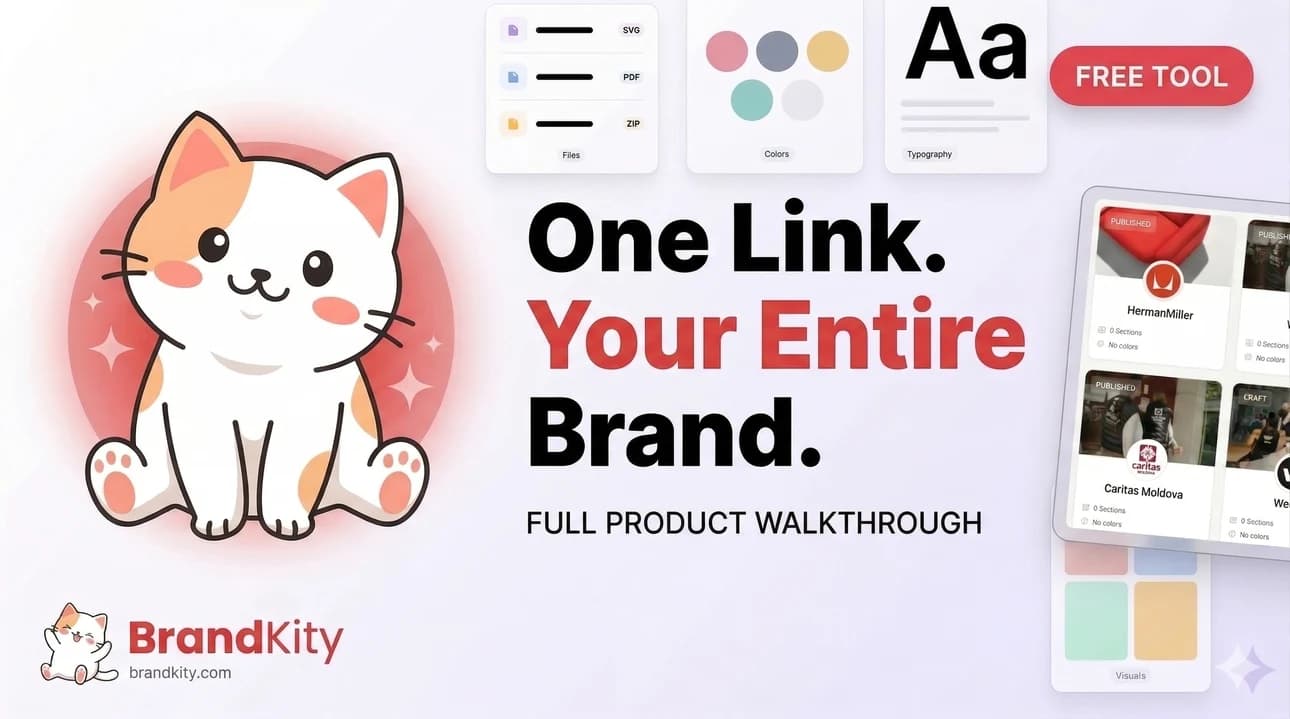
Table of contents
- Navigating the Chaos of Brand Assets: Why a Single Source is Non-Negotiable
- The Pervasive Problem of Dispersed Brand Elements for Agencies and Startups
- From Fragmented Files to Unified Vision: The Business Imperative
- Strategic Advantages: Consistency, Efficiency, and Brand Governance
- The Hidden Drain: How Disjointed Assets Hamper Productivity and Brand Consistency
- Eliminating “Where is that logo?” and “Is this the latest version?” Scenarios
- Mitigating Brand Dilution and Compliance Risks Across Teams
- Streamlining Client Handoffs and Agency-Client Communication Challenges
- Core Capabilities of a World-Class Brand Asset Management Platform
- Intuitive Brand Portals for Effortless Access and Sharing
- Version History, Approval Workflows, and Granular User Permissions
- Understanding Brand Asset Management Software: Beyond Simple Storage
- Revolutionizing Agency & Startup Workflows with Brand Asset Management
- Accelerating Client Onboarding and Project Kickoffs
- Empowering Design Collaboration and Creative Operations
- BrandKity’s Distinctive Approach: Simplifying Brand Delivery and Management
- The Power of a Single Shareable BrandKit Link for All Your Brand Assets
- Designed for Simplicity: User Experience and Fast Onboarding for Agencies and Startups
- Making Your Choice: Best Fit for Agency, Startup, or Enterprise Needs
- Brand Asset Management Software Alternatives: A Comparative Look (and When to Choose Each)
- Practical Implementation: Getting Started with Your Brand Asset Management System
- Addressing Common Questions: Your Brand Asset Management FAQs Answered
- Is BAM only for large enterprises or can startups benefit too?
- How does BAM directly improve brand consistency across all touchpoints?
- What’s the typical ROI of investing in brand asset management software?
- The Indispensable Value of a Single Source of Truth for Your Brand
- Empowering Growth Through Brand Cohesion and Operational Efficiency
- Recommendations for Streamlined Brand Operations and Client Delivery
In today’s fast-paced digital environment, managing a brand’s visual and textual elements has become an increasingly complex challenge. From logos and fonts to marketing collateral and critical legal documents, the sheer volume of assets generated across various teams, projects, and client engagements often leads to fragmentation and inefficiency. This dispersion of vital brand components directly impacts consistency and overall operational fluidity, especially for dynamic entities like marketing agencies and scaling startups.
The solution lies not just in storage, but in strategic organization and accessibility. Adopting a unified approach to brand asset management is no longer a luxury but a fundamental requirement for maintaining brand integrity, accelerating workflows, and ensuring every team member and external partner operates from a single, current source of truth. Without this centralized system, brands risk dilution and significant productivity drains.
Navigating the Chaos of Brand Assets: Why a Single Source is Non-Negotiable
The Pervasive Problem of Dispersed Brand Elements for Agencies and Startups
For creative agencies and burgeoning startups, the struggle to maintain a cohesive brand identity amidst a proliferation of digital files is a daily reality. Teams often find themselves sifting through countless shared drives, email attachments, and legacy systems, leading to a constant state of uncertainty. This “where is that logo?” scenario isn’t just frustrating; it’s a significant drain on creative efficiency and a direct threat to client satisfaction. Outdated versions of key assets, like a logo with an old tagline or an unapproved color palette, frequently slip through the cracks, resulting in costly revisions, project delays, and the embarrassing public display of inconsistent branding.
The problem deepens when multiple freelancers, remote teams, or external vendors are involved. Each stakeholder might have their own repository or local copies, making version control nearly impossible. For an agency, this translates to delays in client reviews and a perceived lack of professionalism. For a startup, inconsistent branding across investor decks, product launches, and social media can erode market trust before it even has a chance to solidify. These dispersed brand elements are not merely inconvenient; they actively undermine strategic marketing efforts and operational agility.
From Fragmented Files to Unified Vision: The Business Imperative
The transition from a chaotic collection of fragmented files to a unified, accessible vision is a core business imperative for any organization serious about its brand. Establishing a single source of truth for all brand assets ensures that every team member, from designers to sales professionals, is working with the most current, approved, and on-brand materials. This consolidation eliminates ambiguity and empowers teams to execute with confidence, knowing they are always representing the brand accurately.
Implementing a comprehensive brand asset management (BAM) strategy drives measurable improvements in brand consistency and operational efficiency. It means less time wasted searching for files, fewer errors in application, and a stronger, more coherent brand presence across all touchpoints. For digital asset management solutions, BAM places a particular emphasis on the unique requirements of brand identity, incorporating features specifically designed for logos, typography, color palettes, tone of voice guidelines, and other critical elements that define a brand. In the modern creative and marketing landscape, BAM serves as the nerve center for all brand communications, ensuring that every visual and textual output adheres strictly to established brand guidelines.
The core distinction lies in its focus on brand integrity and usability. A robust BAM platform not only stores files but also provides tools for contextualizing them, ensuring that users understand how and when to apply each asset. This includes linking assets directly to brand guidelines, providing usage rights, and streamlining approval processes. It effectively transforms a collection of files into a dynamic, living brand ecosystem, enabling seamless collaboration and safeguarding brand equity across all marketing and creative operations.
Strategic Advantages: Consistency, Efficiency, and Brand Governance
The strategic advantages of implementing a dedicated Brand Asset Management platform are profound and far-reaching. Foremost among them is the absolute assurance of brand consistency across every customer touchpoint, from social media campaigns to print advertisements and internal presentations. This uniformity builds trust and strengthens brand recognition, which is invaluable in a competitive market. By centralizing all assets and guidelines, BAM eliminates guesswork and drastically reduces the chances of off-brand usage, fortifying the brand’s identity.
Beyond consistency, BAM drives significant gains in operational efficiency. Creative teams spend less time searching for assets and more time designing. Marketing teams can launch campaigns faster, confident that all materials are current and compliant. This improved workflow directly impacts productivity and reduces time-to-market for new initiatives. Furthermore, a robust BAM system establishes clear brand governance, providing granular control over who can access, edit, and approve assets. This is critical for protecting intellectual property, managing compliance risks, and maintaining strict adherence to brand standards across a distributed workforce, ensuring a disciplined approach to brand management.
The Hidden Drain: How Disjointed Assets Hamper Productivity and Brand Consistency
Eliminating “Where is that logo?” and “Is this the latest version?” Scenarios
The infamous “Where is that logo?” and “Is this the latest version?” queries are common symptoms of disjointed asset management, indicative of a significant drag on productivity. For creative and marketing teams, valuable hours are often squandered sifting through disparate folders, cloud drives, and email chains in pursuit of the correct brand elements. This isn’t just an inconvenience; it’s a direct assault on deadlines and creative flow. A study might reveal that 15-20% of a designer’s week is spent on administrative tasks related to asset retrieval, rather than actual creative work. This invisible drain accumulates rapidly, impacting project profitability and team morale.
A dedicated Brand Asset Management platform directly addresses these pain points by providing an intuitive, centralized hub where every asset is easily discoverable. With advanced search, tagging, and categorization features, finding the exact logo, font, or image becomes a matter of seconds, not minutes or hours. This immediate access to the approved, latest version of every asset eliminates ambiguity and guesswork, empowering teams to focus on their core tasks. Example: A marketing manager needing a specific campaign graphic can find it in under 10 seconds, compared to 15 minutes of searching previous emails and shared drives, freeing up crucial time for strategic planning.
Mitigating Brand Dilution and Compliance Risks Across Teams
When brand assets are scattered and uncontrolled, the risk of brand dilution skyrockets. Inconsistent application of logos, colors, and messaging across different platforms and materials can weaken a brand’s identity, making it less recognizable and trustworthy to consumers. This fragmentation can also lead to serious compliance issues, especially in regulated industries where specific disclaimers or legal graphics must be included. An outdated legal disclaimer used inadvertently could result in fines or reputational damage. The problem is exacerbated when multiple teams or external partners are creating content, each potentially pulling from an unverified source, leading to a patchwork of off-brand materials that erode the brand’s perceived value.
A robust BAM system is crucial for mitigating these risks by enforcing brand governance. It centralizes all approved assets and associated usage guidelines, making it impossible to accidentally use an incorrect or outdated version. Granular user permissions ensure that only authorized individuals can access or modify critical assets, while approval workflows prevent non-compliant materials from being published. This proactive approach safeguards the brand’s integrity, maintains a consistent public image, and significantly reduces legal and reputational exposure, ensuring adherence to established guidelines across all teams.
Streamlining Client Handoffs and Agency-Client Communication Challenges
For agencies, the process of client handoffs and ongoing communication often presents a bottleneck, particularly when exchanging brand assets. Clients frequently request specific files, brand guidelines, or campaign assets, leading to endless email threads, large file transfers, and the inevitable “did you send me the right one?” follow-ups. This back-and-forth not only consumes valuable agency time but can also frustrate clients, impacting the overall perception of efficiency and professionalism. The challenge intensifies with multiple ongoing projects or when onboarding new clients who require immediate access to foundational brand elements to maintain brand portals, agencies can provide clients with a self-service, single source of truth for all approved assets and guidelines. Clients can access what they need, when they need it, without burdening agency teams with repeated requests. This clear, organized approach improves client satisfaction, reduces communication overhead, and strengthens the agency-client relationship. It ensures that clients always have access to the latest, approved brand assets, eliminating confusion and fostering a more collaborative and efficient working dynamic for all parties involved in a project.
Core Capabilities of a World-Class Brand Asset Management Platform
Intuitive Brand Portals for Effortless Access and Sharing
A cornerstone of any leading Brand Asset Management platform is the provision of intuitive brand portals, designed to centralize and simplify access to all brand assets. These portals act as a dedicated online hub, offering a curated and branded experience for internal teams, external partners, and clients to retrieve necessary files. Instead of navigating complex folder structures or requesting assets via email, users are presented with a clean, easy-to-understand interface where everything from logos and typography to marketing templates and brand guidelines is readily available. This transforms the often-cumbersome process of asset distribution into an effortless self-service model.
Platforms like BrandKity, for example, leverage a single shareable BrandKit link, making it incredibly simple to deliver an entire brand’s ecosystem to anyone who needs it. This eliminates the need for large file transfers, ensures everyone accesses the most current versions, and significantly reduces the administrative burden on creative teams. The goal is to make brand assets not only discoverable but also instantly usable, fostering quicker project execution and consistent brand application across all channels. This focus on accessibility and ease of sharing is crucial for brand asset organization not only boosts individual productivity but also fosters a shared understanding of the asset library across the entire organization. For agencies, this means designers and project managers can quickly locate the precise files needed for a client brief, while startups can ensure consistent application of their branding without wasting precious development or marketing cycles searching for assets.
Version History, Approval Workflows, and Granular User Permissions
Maintaining control and integrity over brand assets is paramount, and this is where robust features like version history, approval workflows, and granular user permissions become indispensable. Version history ensures that every iteration of an asset is tracked and accessible, providing a clear audit trail and the ability to revert to previous versions if needed. This eliminates the confusion of multiple copies floating around and guarantees that only the latest, approved file is in circulation. No more worries about “is this the final version?”—the system makes it explicit.
Integrated approval workflows streamline the review and sign-off process, ensuring that assets meet brand guidelines and legal requirements before publication. These configurable workflows can involve multiple stakeholders, accelerating approvals and reducing bottlenecks. Furthermore, granular user permissions provide administrators with precise control over who can view, download, edit, or approve specific assets. This level of control is vital for brand governance, protecting sensitive brand elements, and ensuring that brand guidelines are upheld across all teams and external collaborators, preventing unauthorized use or modification of critical brand identity components. This secure and controlled environment is essential for maintaining brand equity.
Understanding Brand Asset Management Software: Beyond Simple Storage
While often conflated with generic cloud storage solutions, Brand Asset Management (BAM) software offers a specialized suite of tools that extends far beyond simple file storage. It’s not merely a repository for images and documents; it’s a strategic platform designed to manage the entire lifecycle of a brand’s visual and textual assets. Unlike Dropbox or Google Drive, BAM systems are purpose-built to address the unique challenges of brand consistency, discoverability, and controlled distribution. They integrate sophisticated features like advanced metadata tagging, which allows for granular organization and lightning-fast searching, making it possible to locate specific assets based on parameters like color, campaign, usage rights, or target audience.
Furthermore, BAM software often includes features such as automated asset transformations, enabling users to generate different formats or sizes of an asset on the fly without needing graphic design software. Many platforms also offer analytics to track asset usage, providing insights into which assets are most effective or frequently downloaded. This comprehensive approach to managing brand elements ensures that every team member, partner, or external agency has immediate access to the right, approved assets, reducing guesswork and promoting adherence to brand guidelines. This elevates asset management from a logistical task to a strategic function that underpins brand integrity and operational efficiency across the organization.
Revolutionizing Agency & Startup Workflows with Brand Asset Management
Accelerating Client Onboarding and Project Kickoffs
For agencies and startups, the initial phase of any project — client onboarding and kickoff — often involves a flurry of asset requests and transfers. Brand asset management (BAM) software dramatically streamlines this by providing a centralized repository for all critical brand elements, from logos and typography to color palettes and usage guidelines. Instead of relying on email attachments, shared cloud folders, or lengthy PDF documents, a single, shareable BrandKit link ensures new clients and project teams immediately access the correct, up-to-date versions of every asset. This significantly reduces the time spent on administrative tasks and prevents the common pitfall of starting a project with outdated or incorrect brand elements, thereby accelerating the entire project timeline from day one.
Empowering Design Collaboration and Creative Operations
Creative teams thrive on efficiency and access to accurate resources. A robust BAM system empowers designers by providing an intuitive platform for managing and accessing all approved brand assets. This fosters seamless collaboration, allowing designers to pull the latest versions of logos, imagery, and design templates directly into their projects, eliminating guesswork and reducing rework. Features like version control ensure everyone is always working with the most current assets, and clear usage guidelines prevent off-brand designs. By centralizing creative assets, agencies can significantly improve their
BrandKity’s Distinctive Approach: Simplifying Brand Delivery and Management
The Power of a Single Shareable BrandKit Link for All Your Brand Assets
BrandKity redefines brand delivery with its unique emphasis on the single shareable BrandKit link. This innovative approach moves beyond the limitations of traditional file sharing, offering a dynamic, always-up-to-date portal for all your brand assets. Imagine sending a client or a new team member one simple URL instead of a cumbersome email with multiple attachments or a link to an unorganized cloud folder. This BrandKit link acts as the definitive single source of truth, ensuring that everyone always has access to the latest logos, typography, color palettes, and brand guidelines. Any updates made within the BrandKity platform are instantly reflected for all users of that link, eliminating confusion and drastically simplifying brand asset sharing and version control.
Designed for Simplicity: User Experience and Fast Onboarding for Agencies and Startups
Many digital asset management (DAM) platforms are built with enterprise-level complexity, often leading to steep learning curves and significant implementation times. BrandKity, in contrast, is meticulously designed for simplicity, making it an ideal solution for agencies and startups. The user experience prioritizes intuition, allowing for incredibly fast onboarding. Teams can begin organizing and sharing their brand assets within minutes, not weeks or months. This focus on ease of use means less time spent on training and more time dedicated to creative work and client service. For organizations that need to quickly establish a professional and efficient brand delivery system without the overhead of complex software, BrandKity offers an immediate and impactful solution, driving alternative for agencies seeking to streamline their client-facing brand management without the complexity or cost associated with heavy enterprise platforms. It’s about delivering brand excellence with unparalleled ease.
Making Your Choice: Best Fit for Agency, Startup, or Enterprise Needs
The optimal brand asset management software is not a one-size-fits-all solution; it’s about aligning the platform with your organization’s specific needs and scale. For large enterprises with extensive asset libraries, global teams, and stringent internal compliance, feature-rich DAMs like Brandfolder, Frontify, or Bynder offer the deep integrations and robust governance required. Their investment reflects their capacity for complex workflows. However, for agencies and startups primarily focused on efficient client delivery, streamlined creative collaboration, and a user-friendly experience, BrandKity provides a purpose-built solution. Its emphasis on the shareable BrandKit link and rapid onboarding makes it ideal for those who need to manage and deliver brand assets effectively without the overhead of enterprise-grade complexity. If your priority is quick, clean brand handoffs and intuitive asset organization, platforms designed for simplicity like BrandKity are often the best fit for LogoPrimary_CMYK.eps”), and a comprehensive metadata strategy. Think about the keywords users will employ when searching for assets. A well-defined taxonomy ensures that your BAM system becomes a truly searchable and organized hub, preventing the new platform from merely replicating the chaos of your previous file management system. Invest time in this planning phase; it’s the foundation for long-term usability and efficiency in your reduction in time spent searching for assets (measured through user surveys or internal tracking), a decrease in brand guideline violations (through audits or feedback), faster project completion times due to improved asset accessibility, and an increase in content repurposing efficiency. Other metrics could involve the number of active users, download statistics, or a reduction in rework related to outdated assets. By establishing baseline metrics before implementation and consistently monitoring these KPIs, you can objectively assess the value of your BAM system and demonstrate its positive influence on operational efficiency and overall creative productivity.
Brand Asset Management Software Alternatives: A Comparative Look (and When to Choose Each)
While Brand Asset Management (BAM) software excels at centralizing and distributing brand-specific creative assets, it’s important to understand how it compares to other digital tools. The right choice depends heavily on your organization’s specific needs, budget, and the scope of assets you manage.
- Traditional Cloud Storage (e.g., Google Drive, Dropbox, Microsoft OneDrive): These services are excellent for basic file syncing, sharing, and collaborative document editing. They are ideal for very small teams or individuals with minimal brand asset management needs and no budget for specialized software. However, they lack advanced features like robust metadata management, version control tailored for creative assets, brand guideline enforcement, public sharing portals with custom branding, and sophisticated search capabilities. Choose these when your primary need is simple file storage and sharing, and brand consistency isn’t a critical, large-scale concern.
- Generic Digital Asset Management (DAM) Systems: DAM systems are broader in scope than BAM, designed to manage all types of digital assets—images, video, audio, documents, and more—across an entire organization. While they can house brand assets, they might not offer the specialized brand-centric features like BrandKit generation, dedicated brand guideline integration, or specific focus on brand identity elements that a purpose-built BAM system provides. Choose a generic DAM when you have a vast and diverse range of digital assets beyond just branding, spanning multiple departments (e.g., marketing, sales, product development), and require extensive integrations and complex workflows that are not exclusively focused on brand identity.
- Project Management Tools (e.g., Asana, Trello, Jira, Monday.com): These platforms are invaluable for task management, team collaboration, and tracking project progress. They allow for file attachments related to specific tasks or projects. However, they are not designed for the systematic organization, comprehensive search, robust version control, or efficient distribution of a centralized, evergreen brand asset library. Assets stored within them are typically tied to specific projects rather than an overarching brand system. Choose these for project execution, task tracking, and team collaboration, but not as your primary hub for brand assets.
- Marketing Resource Management (MRM) Systems: MRM platforms are comprehensive solutions that often include a broader suite of tools for managing the entire marketing lifecycle, encompassing campaign planning, budget management, workflow automation, and frequently, a DAM or BAM component. An MRM provides an integrated environment for all marketing operations. Choose an MRM when your organization requires an extensive platform to manage the entire marketing lifecycle, with brand asset management being one integrated component of a larger strategic framework.
- Product Information Management (PIM) Systems: PIM systems specifically focus on centralizing and managing product data, specifications, and related content (like product images, descriptions, and manuals) for sales, marketing, and e-commerce channels. While they handle some assets related to products, their core purpose is product data enrichment and syndication, not general brand asset management or maintaining brand consistency across all touchpoints. Choose a PIM when your primary need is to centralize, enrich, and distribute product information for sales and distribution channels.
Practical Implementation: Getting Started with Your Brand Asset Management System
Implementing a new Brand Asset Management (BAM) system is a strategic investment that requires careful planning and execution to ensure successful adoption and maximum return. Here are the practical steps to get started:
- Define Your Goals and Scope: Before selecting or deploying any system, clearly articulate what you aim to achieve. Are you looking to improve brand consistency, speed up content creation, reduce search times for assets, or streamline external sharing? Identify the specific problems you want to solve and the key stakeholders who will use the system. This foundational step will guide all subsequent decisions.
- Conduct a Thorough Asset Audit and Clean-up: Inventory all your existing brand assets, identifying where they reside (e.g., shared drives, individual desktops, cloud services). During this process, identify duplicates, outdated versions, and missing files. Archive or delete what is no longer needed to prevent migrating clutter into your new system. A clean slate ensures better organization from the start.
- Develop a Robust Naming Convention and Folder Structure: Consistency is key to usability. Establish clear, logical rules for file naming (e.g., “BrandNameAssetTypeDescriptor_Version.ext”) and a hierarchical folder structure that makes sense to all users. This ensures that assets are easily findable and organized, preventing the new system from becoming a digital junkyard.
- Implement a Comprehensive Metadata Strategy: Metadata is the backbone of an efficient BAM system, enabling powerful search and filtering. Determine the key metadata tags relevant to your assets (e.g., asset type, product line, campaign, usage rights, expiration dates, target audience). Training users on consistent metadata application is crucial for long-term searchability.
- Establish User Roles and Permissions: Define who can upload, edit, approve, download, and delete assets within the system. Create different access levels for internal teams, clients, and external partners based on their roles and needs. This ensures security, control, and prevents unauthorized access or accidental modifications to critical brand assets.
- Plan for Migration and Onboarding: Develop a phased approach for migrating your cleaned and organized existing assets into the new system. Equally important is developing a comprehensive onboarding and training plan for all users. Provide clear documentation, tutorials, and workshops to ensure everyone understands how to effectively leverage the system’s features. User adoption is critical for success.
- Integrate with Existing Workflows: Identify opportunities to connect your BAM system with other tools essential to your creative and marketing workflows. This could include integrations with your creative design software, content management system (CMS), marketing automation platforms, or project management tools. Seamless integration reduces manual effort and streamlines operations.
- Monitor, Iterate, and Evolve: A BAM system is not a set-it-and-forget-it solution. Regularly monitor its usage, gather user feedback, and track the Key Performance Indicators (KPIs) you established in step one. Be prepared to make adjustments, update metadata, archive old assets, and adapt the system to meet evolving brand needs and technological advancements. Continuous improvement ensures your BAM system remains a valuable asset.
Addressing Common Questions: Your Brand Asset Management FAQs Answered
Is BAM only for large enterprises or can startups benefit too?
While historically associated with large corporations managing vast portfolios, Brand Asset Management (BAM) software is increasingly vital for businesses of all sizes, including startups and scaling agencies. For enterprises, BAM centralizes millions of assets, enforces complex global guidelines, and streamlines multi-departmental workflows, often integrating with extensive ERP systems. It tackles the immense challenge of ensuring brand cohesion across diverse business units, international markets, and numerous internal and external stakeholders. A dedicated evaluating brand asset management software for agencies, consider scalability and ease of use.
Decision criteria for any size involve assessing the volume of digital assets, the number of people who need access, the frequency of updates, and the importance of brand consistency for growth. Even a solopreneur managing multiple client brands or a small agency with a growing client roster can drastically improve their workflow and client delivery by adopting a BAM solution. The key is choosing a platform that is simple to onboard, easy to use, and scales with your needs, rather than imposing unnecessary complexity.
How does BAM directly improve brand consistency across all touchpoints?
Brand consistency is not merely about using the same logo; it encompasses the uniform application of visual identity, messaging, and tone across every customer touchpoint. BAM software serves as the central nervous system for your brand assets, ensuring this uniformity. By providing a single source of truth, it eliminates the guesswork and manual checks that often lead to inconsistencies. Every approved asset – from logos and color palettes to typography, imagery, and approved messaging templates – is stored, categorized, and made readily accessible within the platform. This means a social media manager, a web developer, and an external agency all pull from the exact same, approved library.
A major pitfall without BAM is asset sprawl, where different versions of files exist on shared drives, personal computers, or email attachments. This inevitably leads to outdated logos appearing on new collateral, incorrect hex codes being used, or off-brand imagery making it into campaigns. BAM addresses this through robust version control, metadata tagging, and clear permission settings. When an asset is updated, the old version is archived or clearly marked, preventing its accidental use. Users are always directed to the latest, approved iteration, guaranteeing that every piece of communication, whether internal or external, adheres strictly to brand guidelines.
Actionable steps to leverage BAM for consistency include creating a comprehensive brand portal within the software, detailing usage guidelines for each asset, and establishing automated approval workflows for new asset submissions. By providing a dedicated digital asset management for marketing strategy.
What’s the typical ROI of investing in brand asset management software?
The Return on Investment (ROI) from brand asset management software extends beyond mere cost savings, encompassing significant gains in efficiency, brand value, and risk mitigation. Quantifying ROI involves looking at both tangible and intangible benefits. Tangibly, BAM drastically reduces the time creative and marketing teams spend searching for assets. An agency, for instance, might spend 5-10 hours per week across its team just locating files, reviewing for brand compliance, or recreating lost assets. With BAM, this time can be cut by 70-80%, allowing these highly skilled professionals to focus on value-adding creative and strategic work.
Consider the cost of errors: an outdated logo used in a major campaign could necessitate a costly recall or reprinting, damaging brand reputation and incurring direct financial loss. BAM minimizes these risks through centralized version control and approval workflows. For example, a marketing department spending $50,000 on a print run for a brochure containing an old logo could avoid this entire expense with proper BAM in place. Furthermore, the ability to rapidly deploy marketing campaigns with accurate, on-brand assets means faster time-to-market, potentially translating into increased sales or market share gains. This efficiency is critical for Adobe Creative Cloud (Photoshop, Illustrator, InDesign) allow assets to be accessed, edited, and saved back into the BAM system without ever leaving their design environment, drastically speeding up production cycles and maintaining version control.
For marketing teams, integrations with platforms like HubSpot, Salesforce Marketing Cloud, or even email marketing tools ensure that approved brand assets are readily available for campaigns, website updates, and lead generation materials. Project management tools such as Asana, Trello, or Jira can also be integrated, allowing teams to link specific assets to tasks, track their usage, and manage approval processes within their existing project workflows. This interconnectivity fosters greater collaboration and reduces friction between different departments or external agencies, ensuring that everyone is working with the most current and approved brand elements.
When evaluating BAM software, inquire about its API (Application Programming Interface) capabilities. A robust and well-documented API indicates a platform’s flexibility and potential for custom integrations with niche or proprietary systems. Beyond direct integrations, many BAM solutions offer embed codes or simple shareable links, such as a “BrandKit link,” which allow assets or entire brand guidelines portals to be easily shared with external partners or clients. This flexibility ensures that brand assets are not just stored, but are also dynamically distributed and utilized across your entire ecosystem, improving overall efficiency and ensuring consistent brand delivery.
The Indispensable Value of a Single Source of Truth for Your Brand
Empowering Growth Through Brand Cohesion and Operational Efficiency
Establishing a single source of truth (SSOT) for your brand assets is not merely an organizational convenience; it is a strategic imperative that directly empowers business growth by fostering brand cohesion and vastly improving operational efficiency. When every team member, partner, and client accesses assets from a unified, centralized repository, it eliminates discrepancies, saves valuable time, and builds a consistent brand narrative. This cohesion is critical for market recognition, customer trust, and ultimately, conversion rates. Scattered assets and outdated files lead to inconsistent messaging and visuals, which can dilute brand identity and confuse audiences, hindering growth efforts.
From an operational standpoint, an SSOT streamlines workflows significantly. Agencies, for instance, often juggle multiple client brands, each with unique guidelines and asset libraries. Without a centralized system, designers and marketers spend excessive time sifting through folders, requesting files, or verifying asset usage, leading to bottlenecks and delayed project delivery. A BAM platform acts as that SSOT, providing instant access to approved logos, imagery, fonts, and guidelines, thereby reducing search times and eliminating redundant work. This operational efficiency translates into faster project completion, higher team productivity, and a greater capacity to take on new business, directly fueling growth. Learning how to effectively grow rapidly without compromising consistency. The choice of future-proofing your brand, ensuring its longevity and adaptability. Without an SSOT, managing brand evolution – such as a logo refresh, a new product line, or an updated brand narrative – becomes a monumental task, often resulting in fragmentation and inconsistencies across various touchpoints. The ability to update, disseminate, and control brand assets from one central location is paramount for navigating market dynamics effectively.
Robust version control within a BAM system is a cornerstone of future-proofing. It allows for the safe storage of older asset versions while making the latest approved assets immediately available globally. This means that if a brand undergoes a significant redesign, all previous iterations are archived, but new, compliant assets are automatically pushed to all users. This prevents the accidental use of deprecated assets and ensures that brand guidelines remain current and universally enforced. Moreover, an SSOT simplifies auditing and compliance, providing a clear record of asset usage and modification over time, which can be invaluable for legal or intellectual property considerations.
Future-proofing also involves anticipating technological shifts. An SSOT built on a modern, API-driven BAM platform allows for easier integration with emerging technologies and new content formats. As augmented reality, virtual reality, or interactive experiences become more prevalent, your brand assets need to be readily available in various formats and resolutions without requiring extensive manual conversion or re-uploading. By centralizing assets and metadata, your brand is equipped to flexibly respond to market demands, adopt new channels, and maintain a cutting-edge presence without compromising its core identity. This proactive management safeguards brand equity against the erosion of inconsistency and technological obsolescence.
Recommendations for Streamlined Brand Operations and Client Delivery
To truly harness the power of a single source of truth for your brand, implementing strategic recommendations for streamlined operations and client delivery is essential. First, begin by conducting a comprehensive audit of all existing brand assets. This initial step helps identify outdated, redundant, or missing files, providing a clean slate for migration into your chosen BAM platform. Classify assets meticulously using consistent naming conventions and rich metadata tagging, ensuring that every file is easily searchable and retrievable. This foundational organization is crucial for efficient operations.
Next, establish clear roles and permissions within your BAM system. Not everyone needs full administrative access; define who can upload, edit, approve, and merely view assets. Implement robust approval workflows for new or modified assets, ensuring that all changes are reviewed by brand guardians before public dissemination. This governance structure prevents unauthorized usage and maintains brand integrity. For client delivery, leverage the BAM platform’s capabilities to create dedicated, branded client portals or BrandKits. These portals should offer a curated selection of relevant assets, brand guidelines, and usage instructions, making it effortless for clients to access what they need while adhering to your brand’s standards.
Finally, integrate your BAM system with your existing workflow tools where possible. Connecting with project management software, design applications, or marketing automation platforms can automate asset flow and reduce manual touchpoints. Provide thorough training to all internal teams and external collaborators on how to use the BAM system effectively, emphasizing the benefits of a single source of truth. Regularly review and update your brand assets and guidelines within the platform to ensure they remain current and relevant. By prioritizing these steps, you can transform your best DAM software to simplify brand delivery for agencies.
Embracing a robust brand asset management solution transforms how organizations manage, distribute, and maintain their brand identity. By serving as a single source of truth, these platforms empower teams of all sizes to achieve unparalleled brand consistency, drive operational efficiencies, and confidently navigate the complexities of a dynamic market, ensuring their brand remains strong and cohesive for years to come.
Saurabh Kumar
Founder, BrandKity
Saurabh writes about practical brand systems, faster client handoffs, and scalable workflows for designers and agencies building repeatable delivery operations.
Connect on LinkedIn