
Lingo Alternative: Streamlined Brand Asset Delivery
The landscape of brand management has evolved dramatically, moving beyond simple file storage to demand sophisticated systems for brand asset delivery…
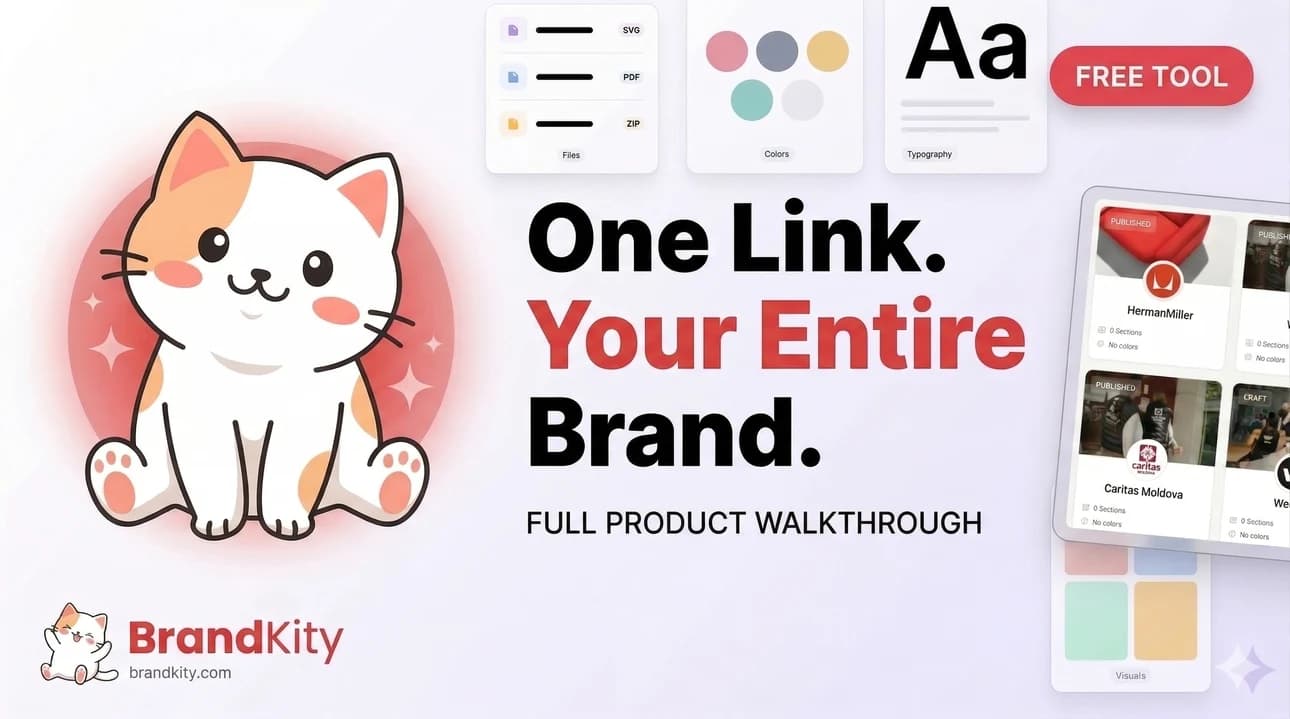
Table of contents
- Beyond Basic Brand Asset Storage: The Evolving Need for Seamless Brand Delivery
- The Hidden Costs of Disorganized Brand Assets and Outdated Processes
- The Imperative for Streamlined Client Handoffs and Brand Accessibility
- Lingo’s Key Features and Intended User Base
- Where Lingo Excels: Quick Sharing and Basic Organization
- Potential Limitations of Lingo for Specific Agency and Startup Workflows
- BrandKity: A Fresh Perspective on Streamlined Brand Asset Delivery
- The BrandKity Philosophy: Simplicity Meets Robust Brand Delivery
- Core Differentiators: Focus on Client Handoffs, Brand Portals, and Accessibility
- BrandKity vs. Lingo: A Head-to-Head Comparison for Agencies and Startups
- Usability and Onboarding: Getting Your Team and Clients Up to Speed
- Client Delivery & External Sharing: The ‘One Shareable BrandKit Link’ Advantage
- Pricing Models and Scalability for Growing Teams and Expanding Projects
- Workflow Integration and Automation for Creative Operations
- Understanding Lingo’s Approach to Brand Asset Management and Its Core Strengths
- Transforming Client Handoffs with BrandKity’s Shareable BrandKits
- Creating a Single Source of Truth with Modern, Branded Portals
- Ensuring Brand Consistency Across All Touchpoints with Dynamic Guidelines
- Practical Examples: Agency Brand Handoffs and Startup Launch Kits
- Who Benefits Most? Ideal Scenarios for Choosing BrandKity Over Lingo
- For Branding and Creative Agencies: Elevating Client Relationships and Deliverables
- For Startups and Marketing Teams: Rapid, Consistent Brand Rollouts and Internal Adoption
- Simple Cloud Storage vs. Dedicated Brand Portals: The Hidden Gaps
- Practical Steps to Transition and Maximize Your Brand Asset Delivery with BrandKity
- Migration Strategies and Best Practices for Existing Brand Assets
- Exploring Other Brand Asset Management Alternatives (and When to Choose Them)
- Frequently Asked Questions About Brand Asset Delivery, Lingo, and BrandKity
- How does BrandKity handle version control for brand assets?
- Can BrandKity integrate with our existing design and marketing tools?
- What kind of support does BrandKity offer during onboarding and beyond?
- Recommendation: Embracing a Platform Built for Modern Brand Delivery
- The Long-Term Impact of a Unified Brand Asset Management System
- Making the Right Choice: Streamlining Your Brand Assets for Future Growth and Consistency
The landscape of brand management has evolved dramatically, moving beyond simple file storage to demand sophisticated systems for brand asset delivery. For agencies, startups, and marketing teams, the efficiency with which brand assets are shared, accessed, and utilized directly impacts project timelines, client satisfaction, and overall brand consistency. This article explores the imperative for streamlined asset delivery, dissecting Lingo’s capabilities and introducing BrandKity as a potent alternative designed to tackle modern brand challenges.
Navigating the complexities of digital asset management requires a solution that not only centralizes files but actively facilitates their seamless distribution, especially to external stakeholders. We’ll delve into how different platforms address these needs, examining their strengths, limitations, and specific suitability for diverse creative workflows in today’s fast-paced digital environment.
Beyond Basic Brand Asset Storage: The Evolving Need for Seamless Brand Delivery
The Hidden Costs of Disorganized Brand Assets and Outdated Processes
Disorganized brand assets are more than just an inconvenience; they represent a significant drain on resources and a tangible threat to brand integrity. The most immediate cost is often wasted time, as creative teams, marketers, and clients spend countless hours searching for the correct logo, the latest brand guidelines, or the approved color palette. This inefficiency can translate into delayed project launches, missed deadlines, and increased operational expenses. Beyond time, inconsistent branding across channels due to outdated or incorrect assets can erode customer trust and dilute a brand’s market presence. Legal ramifications also lurk, particularly when unapproved versions of assets are used, potentially leading to copyright infringement or non-compliance with licensing agreements.
Example: A digital marketing agency, “Innovate Digital,” estimates its team spends an average of 15 hours per week collectively tracking down assets across various cloud drives and email chains. At an average hourly rate of $50, this amounts to $750 weekly, or $39,000 annually, solely on asset retrieval. Furthermore, a client campaign once launched with an outdated logo variant, necessitating a costly re-run of advertisements and damaging the agency’s reputation for meticulous execution. These hidden costs underscore the critical need for robust brand portals, no intrinsic brand guidelines integration, and often result in a scattered, chaotic experience for external partners trying to access approved assets.
The fundamental disconnect lies in their design philosophy: traditional DAMs prioritize internal control and archiving, while simple storage focuses solely on file hosting. Neither inherently addresses the nuanced requirements of client handoffs or the need for a universally accessible, self-service brand hub. This gap forces creative teams to cobble together workarounds, leading to version control issues, security vulnerabilities, and ultimately, a fractured brand experience for their clients and external collaborators. The modern creative landscape demands a solution that is both powerful and intuitively easy to deploy for dynamic delivery.
The Imperative for Streamlined Client Handoffs and Brand Accessibility
In today’s fast-paced creative industries, the ability to execute flawless client handoffs and ensure immediate brand accessibility is not just a convenience—it’s a competitive advantage. Agencies and startups frequently collaborate with multiple clients, freelancers, and media partners, each requiring quick, accurate access to brand elements. Without a streamlined system, the process of sharing logos, fonts, color codes, and usage guidelines becomes a significant bottleneck, delaying project approvals and increasing administrative overhead. A lack of central accessibility often leads to clients using outdated assets or incorrect branding, undermining weeks or months of meticulous brand development work.
The imperative here is to establish a single source of truth for all brand assets, making it effortlessly accessible to approved stakeholders. This means moving beyond sending individual files via email or sharing generic folder links. Instead, a dedicated platform that offers branded portals ensures that everyone from a junior designer to a global marketing director can instantly find and download the correct, approved assets, complete with associated guidelines. This not only safeguards
Lingo’s Key Features and Intended User Base
Lingo positions itself primarily as a visual library for creative teams, designed to help organize and share visual assets quickly. Its key features center around an intuitive interface that allows users to upload, categorize, and browse assets like logos, icons, illustrations, and UI components. The platform supports various file types, providing a centralized place for commonly used brand elements. Lingo excels in its ability to create a visually driven repository where assets can be easily tagged and searched. The platform is particularly intended for design teams, small marketing departments, and individual freelancers who need a straightforward way to manage a relatively contained collection of visual assets. Its strength lies in being a digital style guide and asset organizer for internal use or simple external sharing, rather than a comprehensive digital asset management system for complex enterprise needs.
Users typically appreciate Lingo for its focus on visual clarity and ease of contribution. It allows designers to quickly add new elements and ensure that their internal team has access to the most current versions. However, its scope is generally confined to assets that are primarily visual in nature, with less emphasis on broader document management, video handling, or detailed rights management common in more robust DAM solutions.
Where Lingo Excels: Quick Sharing and Basic Organization
Lingo truly shines in environments where the primary need is for quick, visual asset sharing and straightforward organization. For a design studio working on a single brand or a small in-house team managing marketing visuals, Lingo provides an excellent solution to keep assets consolidated and accessible. Its drag-and-drop interface for uploading and creating “kits” (collections of assets) makes the initial setup and ongoing management relatively simple. This ease of use translates directly into faster internal sharing, as team members can quickly locate and download approved assets without navigating complex folder structures or requesting files via email. The platform’s visual display allows for rapid identification of assets, reducing the time spent searching.
For instance, a startup’s design team might use Lingo to host all approved social media graphics, website icons, and presentation templates. When a new marketing campaign requires specific assets, team members can access a curated “campaign kit” directly, ensuring brand consistency and adherence to guidelines. Lingo’s strength lies in offering a more visual and less technical alternative to traditional file servers, making it highly effective for those focused on the immediate distribution of visual components within a contained creative workflow.
Potential Limitations of Lingo for Specific Agency and Startup Workflows
While Lingo offers compelling benefits for basic asset organization, certain limitations can emerge when scaling to the demands of dynamic brand portals or robust permission structures can feel less developed compared to platforms built with external sharing as a core tenet.
Furthermore, advanced features crucial for larger operations, such as detailed version control histories, audit trails, deep third-party integrations (e.g., with design software like Adobe Creative Cloud), or sophisticated reporting on asset usage, are not Lingo’s primary focus. This can lead to fragmented workflows for agencies requiring tighter integration with their entire creative stack or startups needing granular control over who accesses what, particularly for sensitive or legally regulated content. For these complex scenarios, the platform’s simplicity, while an advantage for basic needs, can become a workflow bottleneck.
BrandKity: A Fresh Perspective on Streamlined Brand Asset Delivery
The BrandKity Philosophy: Simplicity Meets Robust Brand Delivery
BrandKity emerges as a purpose-built platform designed to bridge the gap between simple file storage and overly complex Digital Asset Management (DAM) systems, specifically catering to the needs of agencies, startups, and marketing teams. Its core philosophy revolves around making brand asset delivery effortless, without sacrificing robust organization or professional presentation. BrandKity understands that the goal isn’t just to store assets, but to ensure they are easily discoverable, correctly used, and consistently applied across all touchpoints, especially when collaborating externally. This approach prioritizes user experience for both internal teams and external clients, ensuring that managing and sharing brand assets becomes an efficient, rather than burdensome, part of the creative process.
At the heart of BrandKity’s design is the concept of a “single shareable BrandKit link.” This innovative feature transforms a chaotic collection of files into an organized, branded portal that can be shared instantly, providing a unified source of truth for all brand elements. This philosophy directly combats the common pain points of scattered assets and inconsistent branding, enabling users to maintain brand integrity with unprecedented ease and speed.
Core Differentiators: Focus on Client Handoffs, Brand Portals, and Accessibility
BrandKity stands apart through its unwavering focus on streamlining client handoffs and enhancing brand accessibility. Unlike platforms that treat external sharing as an afterthought, BrandKity makes it a central pillar of its functionality. Its signature feature, the ability to create bespoke branded portals for each project or client, eliminates the need for manual file transfers, email attachments, or complex cloud folder permissions. These portals act as dynamic, self-service hubs where clients can access approved logos, color palettes, typography, brand guidelines, and other essential assets with just one click.
This emphasis on external delivery dramatically improves the client experience, offering a professional and intuitive interface that reflects well on the delivering agency or startup. It ensures that everyone, from a new hire to an external vendor, can quickly find and utilize the correct, up-to-date brand elements. This proactive approach to brand accessibility not only prevents the use of outdated assets but also empowers clients to maintain their brand’s integrity independently, significantly reducing the back-and-forth communication that often plagues creative projects. BrandKity redefines what it means to deliver a brand effectively, fostering stronger client relationships and more efficient
Furthermore, BrandKity’s robust version control means that obsolete files are clearly marked or archived, preventing the accidental use of outdated assets. This is particularly crucial for agencies managing multiple brand iterations or startups undergoing rapid rebrands. By providing a clean, accessible interface with powerful search capabilities and clear asset tagging, BrandKity effectively eliminates the common frustrations of chasing down files. It empowers teams to work more efficiently, knowing that the assets they access are always the latest approved versions, thereby safeguarding brand consistency and optimizing creative workflows.
BrandKity vs. Lingo: A Head-to-Head Comparison for Agencies and Startups
Usability and Onboarding: Getting Your Team and Clients Up to Speed
When evaluating brand asset platforms, usability and onboarding are paramount, especially for agile agencies and resource-conscious startups. Lingo is generally praised for its visual simplicity and intuitive interface, making it quick for internal design teams to get started with basic asset organization. Its drag-and-drop functionality and kit creation are straightforward, allowing users to upload and share visual assets with minimal training. However, when it comes to onboarding clients or external collaborators, the experience can become less guided, often relying on simple shared links to asset collections rather than structured, branded environments.
BrandKity, conversely, prioritizes an equally intuitive experience but extends it explicitly to external stakeholders. Its setup process for creating a branded portal is designed to be self-explanatory, enabling agencies to quickly build client-ready BrandKits. For internal teams, the learning curve is minimal, as the platform focuses on logical organization and clear navigation. For clients, accessing their dedicated BrandKit link presents a professional, easy-to-understand interface, ensuring they can find what they need without confusion or requiring extensive support from the agency. This focus on seamless onboarding for all users, both internal and external, makes BrandKity particularly appealing for service-oriented businesses.
Client Delivery & External Sharing: The ‘One Shareable BrandKit Link’ Advantage
This is perhaps the most significant differentiator between BrandKity and Lingo, especially for agencies and startups whose business relies heavily on external collaboration. Lingo facilitates sharing through public or private links to asset “kits,” which serve as collections of visual assets. While functional for internal teams or direct shares, these links typically lead to a generic Lingo page and lack the comprehensive, branded experience crucial for client delivery. The client might receive a collection of files, but not necessarily a holistic brand guide or a dedicated portal that reinforces the agency’s professionalism.
BrandKity’s ‘One Shareable BrandKit Link’ is a game-changer. It creates an entirely separate, branded microsite or portal for each client or project, complete with brand colors, logos, and custom domains, if desired. This link provides clients with a single source of truth for all their brand assets, including not just visual elements but also guidelines, documents, and videos, all presented within a professional, intuitive interface. This approach vastly simplifies
Pricing Models and Scalability for Growing Teams and Expanding Projects
Evaluating pricing models and scalability is crucial for agencies and startups anticipating growth. Lingo typically offers tiered pricing based on the number of users and the total storage capacity, often suiting smaller design teams or individuals with a relatively stable volume of assets. Its straightforward approach means that costs are generally predictable for basic asset management. However, as teams expand, acquire more clients, or the volume and diversity of assets grow significantly, the limitations in client-facing features or advanced integrations might necessitate additional tools or workarounds, indirectly increasing overall operational costs.
BrandKity, on the other hand, is designed with scalability for agencies and evolving startups in mind. Its pricing models often factor in the number of BrandKits (client portals) or projects, recognizing that agencies manage multiple client relationships, each requiring a dedicated, branded environment. This structure allows businesses to grow their client base without encountering feature limitations for external delivery. While both platforms aim for cost-effectiveness, BrandKity’s model is inherently geared towards accommodating the dynamic needs of businesses that rely on extensive client collaboration and a constantly expanding portfolio of brands, making it a more robust long-term solution for managing diverse projects and ensuring consistent brand delivery at scale.
Workflow Integration and Automation for Creative Operations
Seamless workflow integration and the potential for automation are critical factors for modern creative operations seeking to maximize efficiency. Lingo, while offering a simple and visually appealing interface, focuses more on manual organization and sharing of visual assets. Its integration capabilities are generally more limited, often relying on basic file exports or manual linking within design software. For teams with complex efficiently delivered and consumed, supporting a more automated and less manual process for managing brand elements across the entire project lifecycle, leading to more productive agency workflows.
Understanding Lingo’s Approach to Brand Asset Management and Its Core Strengths
Lingo distinguishes itself as a user-friendly platform primarily focused on streamlining the management and distribution of visual brand assets for creative teams. Its core strength lies in its intuitive, visually-driven interface, which makes it exceptionally easy for designers to upload, organize, and share images, logos, fonts, and other graphic elements. The platform excels at providing a centralized hub where design teams can quickly access approved brand assets, ensuring consistency across various projects.
One of Lingo’s significant advantages is its simplicity. It offers a straightforward drag-and-drop functionality for asset management, alongside basic organizational tools like tagging and collections, which are highly effective for maintaining an orderly visual library. This approach is particularly beneficial for individual designers, small creative agencies, or in-house design departments that prioritize ease of use and rapid access to visual components. While it offers essential features for internal collaboration and asset sharing, Lingo’s strength truly shines in its ability to keep visual assets consistent and readily available, fostering a more organized and efficient creative workflow for design-centric tasks.
Transforming Client Handoffs with BrandKity’s Shareable BrandKits
Creating a Single Source of Truth with Modern, Branded Portals
In the landscape of brand asset management, establishing a single source of truth is paramount, particularly when engaging with clients. BrandKity excels by allowing users to create sophisticated, branded portals that centralize all essential brand elements – from logos and typography to comprehensive brand guidelines and marketing assets. This approach eliminates the common pitfall of fragmented asset distribution, where clients receive disparate files via email, cloud drives, or outdated PDFs. The decision to adopt a dedicated brand portal hinges on the need for undisputed asset authority and simplified access. When every stakeholder, internal or external, knows exactly where to find the latest, approved assets, creative work accelerates, and errors diminish. This centralization fosters client trust and significantly reduces the administrative overhead traditionally associated with asset sharing, making for a much smoother brand portals are designed for simplicity and immediate utility.
Ensuring Brand Consistency Across All Touchpoints with Dynamic Guidelines
Brand consistency is the bedrock of strong brand recognition and market perception. BrandKity elevates this by integrating dynamic brand guidelines directly within its asset delivery system, moving far beyond static, easily overlooked PDF documents. The platform ensures that approved logos, precise color codes, correct typography, and usage rules are not just documented but intrinsically linked to the assets themselves. This dynamic integration means that when an asset is updated, its associated guidelines are automatically current within the portal, preventing the use of obsolete brand elements. The primary pitfall of traditional guideline delivery is their detachment from the actual assets, leading to misinterpretation or outright neglect by those implementing the brand.
By providing a living, breathing set of guidelines, BrandKity makes it effortless for anyone, from internal marketing teams to external partners, to adhere strictly to brand standards. This dramatically minimizes the risk of diluted brand messaging across various touchpoints, from social media campaigns to print collateral. For example, if a brand’s primary color palette undergoes a subtle hex code adjustment, this change is reflected instantly across all relevant assets and guidelines within the portal. This proactive approach to brand governance is critical for maintaining a cohesive brand identity as the brand evolves. It ensures that every creative output consistently reinforces the brand’s core visual and verbal identity, strengthening its market presence.
Practical Examples: Agency Brand Handoffs and Startup Launch Kits
Consider the typical scenario of a branding agency completing a major rebrand project. Traditionally, this involved compiling numerous files into cloud folders, attaching large documents to emails, and hoping the client would understand the organizational structure. With BrandKity, an agency can now prepare a complete BrandKit – a bespoke, branded portal containing all finalized logos, brand marks, color palettes, font files, imagery, and detailed usage guidelines. Upon project completion, a single, secure link is shared with the client. This not only presents a professional, polished deliverable but also acts as an enduring resource for the client, accessible anytime, anywhere. This streamlined approach significantly enhances the perceived value of the agency’s work and simplifies ongoing asset management for the client.
Another compelling use case is for startups on the cusp of launching. A startup often needs to rapidly distribute its brand assets to various stakeholders: web developers, PR agencies, social media managers, and early hires. Without a centralized system, this becomes a chaotic scramble for files, risking inconsistent brand application during a critical launch phase. BrandKity enables startups to create a comprehensive launch kit within hours. This kit serves as the definitive reference point for all branding elements, ensuring everyone involved in the launch utilizes the correct assets from day one. For instance, a new startup, “EcoInnovate,” used BrandKity to distribute its logo variations, brand story, and tone-of-voice guide to its early marketing partners. This allowed them to hit the ground running with a unified brand message and visual identity across all launch channels, demonstrating the platform’s utility for rapid, consistent brand rollouts.
Who Benefits Most? Ideal Scenarios for Choosing BrandKity Over Lingo
For Branding and Creative Agencies: Elevating Client Relationships and Deliverables
Branding and creative agencies operate at the forefront of identity development, where the presentation and accessibility of deliverables are as crucial as the creative work itself. BrandKity offers a distinct advantage over platforms like Lingo, which often prioritize internal design system management over client-facing delivery. Agencies benefit immensely from BrandKity’s focus on creating shareable, branded portals that clients can easily navigate. This transforms the often-clunky client handoff process into a seamless, professional experience. By providing a single, intuitive link to a complete BrandKit, agencies eliminate the need for cumbersome file transfers, ensuring clients always access the latest, approved assets and guidelines. This not only streamlines internal
For Startups and Marketing Teams: Rapid, Consistent Brand Rollouts and Internal Adoption
Startups and marketing teams often face the dual challenge of rapid brand deployment and ensuring consistency across a lean, agile operation. BrandKity is particularly well-suited for these groups, offering a more streamlined and accessible solution compared to more complex systems or those geared primarily for design system developers like Lingo. Startups, with their limited resources, benefit from BrandKity’s quick setup and intuitive interface, enabling them to establish a centralized brand hub without extensive training or IT support. This facilitates rapid brand rollouts, ensuring that all marketing materials, press kits, and internal communications adhere to the brand guidelines from inception. The platform becomes an indispensable tool for maintaining a cohesive brand identity during periods of fast growth and expansion.
Marketing teams, whether within startups or larger organizations, require immediate access to campaign assets, up-to-date logos, and consistent messaging. BrandKity’s focus on simplicity and ease of sharing makes it an ideal platform for ensuring broad internal adoption. Instead of teams sifting through shared drives or requesting assets from design departments, they can instantly retrieve what they need from a dedicated BrandKit. This significantly boosts productivity and helps enforce enterprise integrations (e.g., with platforms like Adobe Creative Cloud across hundreds of users), the learning curve and operational overhead of these high-end solutions can far outweigh their benefits. They are best suited for organizations where a DAM system is a mission-critical component of their global content supply chain, and where the budget and resources for deployment and maintenance are substantial.
Simple Cloud Storage vs. Dedicated Brand Portals: The Hidden Gaps
Many organizations, particularly smaller teams or freelancers, initially resort to simple cloud storage solutions like Google Drive, Dropbox, or SharePoint for managing their brand assets. These platforms offer undeniable convenience for basic file storage and sharing. They are generally affordable, easy to set up, and familiar to most users. For ad-hoc file transfers or storing personal documents, they serve their purpose well. However, when it comes to effective brand asset management and reliable brand delivery, these generic cloud storage options reveal significant hidden gaps that can quickly lead to chaos and inconsistency. They lack the fundamental features required for professional brand governance, such as integrated brand guidelines, dynamic asset linking, or dedicated portals for external sharing.
The primary pitfalls of relying on simple cloud storage for brand assets include a severe lack of version control, making it difficult to ascertain the “latest approved” file. Searchability is often basic, relying on filenames rather than rich metadata, leading to lost or difficult-to-find assets. Crucially, they offer no native way to embed or enforce brand guidelines alongside the assets themselves, meaning users can easily download and misuse a logo without understanding its usage rules. Furthermore, presenting a client with a messy shared folder full of unorganized files lacks the professionalism of a dedicated, branded portal. These hidden gaps ultimately lead to inefficiencies, communication breakdowns, and a diluted brand image. While convenient for general file storage, they are fundamentally ill-equipped to function as a strategic
These niche solutions are typically suitable for users with extremely specialized needs that don’t extend to the full spectrum of brand asset management. They might serve as supplementary tools in a broader creative workflow, but they rarely stand alone as a centralized brand portal. The primary limitation is their inability to act as a single source of truth for an entire brand identity across all asset types. For any organization that needs to manage logos, colors, fonts, guidelines, imagery, and more, and crucially, deliver these assets easily and consistently to internal teams and external clients, these specialized tools fall short. They highlight the value of a platform like BrandKity, which balances dedicated brand asset management features with an emphasis on simplicity and efficient brand delivery, making it a more practical choice for a wider range of branding and marketing needs.
Practical Steps to Transition and Maximize Your Brand Asset Delivery with BrandKity
Migration Strategies and Best Practices for Existing Brand Assets
Transitioning to a new brand asset management platform like BrandKity requires a thoughtful migration strategy to ensure a smooth and efficient process. The first critical step is a comprehensive asset audit and clean-up. Review all existing brand assets currently scattered across cloud drives, local servers, and individual workstations. Identify duplicates, outdated versions, and assets that no longer align with current brand guidelines. This pruning phase is crucial for ensuring that only relevant, approved assets are migrated, preventing the propagation of legacy issues into your new system. Organize remaining assets into logical categories and subfolders that mirror your brand’s structure, anticipating how your team and clients will intuitively search for and use them.
Next, focus on metadata and naming conventions. Before uploading, standardize filenames and prepare essential metadata tags (e.g., usage rights, keywords, project association) where possible. BrandKity’s intuitive organization will simplify this post-upload, but a solid foundation saves time. Develop a phased upload plan, perhaps starting with your most critical assets like logos and core brand guidelines, followed by imagery, documents, and videos. Utilize BrandKity’s bulk upload features to expedite the process. After uploading, rigorously verify that all assets are correctly categorized, tagged, and displayed within your new BrandKits. This methodical approach to migration ensures that your BrandKity portal becomes a truly reliable and efficient
source of truth for your brand assets.
Exploring Other Brand Asset Management Alternatives (and When to Choose Them)
While BrandKity offers a compelling blend of simplicity and powerful brand asset delivery, it’s valuable to understand the broader landscape of brand asset management tools. Various alternatives exist, each with specific strengths and ideal use cases. Recognizing these differences helps organizations make informed decisions tailored to their unique requirements, budget, and operational scale.
For organizations with very basic needs and extremely limited budgets, generic cloud storage solutions like Dropbox, or Adobe Experience Manager Assets, Bynder offer extensive features, deep integrations with other enterprise software, highly customizable workflows, and advanced analytics. These are typically suited for very large corporations with complex, global operations, immense asset libraries, stringent compliance requirements, and significant budgets to invest in implementation and ongoing management. For many small to medium-sized businesses or even larger agencies, such comprehensive systems can be overkill, introducing unnecessary complexity and cost that outweighs the benefits.
Furthermore, some project management platforms, such as Asana, or Trello, include file attachment and sharing capabilities. While useful for linking assets directly to specific tasks or projects, they are not designed as centralized brand portals. They typically lack the specialized features for organizing, distributing, and enforcing brand guidelines across a broad spectrum of brand assets. Their asset management functions are usually secondary to project coordination.
Ultimately, the choice of a brand asset management tool depends on balancing features with usability, scalability, and cost. BrandKity carves out a niche by offering a dedicated, easy-to-use solution for brand asset delivery, making it an excellent fit for businesses and agencies that need to efficiently distribute a wide range of brand assets without the complexity or expense of enterprise-grade DAM systems, and with far more brand-centric functionality than generic cloud storage or project management tools.
Frequently Asked Questions About Brand Asset Delivery, Lingo, and BrandKity
How does BrandKity handle version control for brand assets?
BrandKity provides robust single source of truth for your brand’s visual identity.
For creative agencies and marketing teams, this feature is invaluable. Consider an example: a client requests a minor color adjustment to their primary logo. A designer uploads the updated SVG. BrandKity automatically archives the old version and marks the new one as current, notifying relevant stakeholders if desired. Anyone accessing the BrandKit link will now only see and download the approved, new logo. This streamlined process prevents designers from working on outdated files and ensures that all marketing collateral aligns perfectly with the latest brand standards. The system’s clarity around active versions and historical revisions significantly boosts operational efficiency and maintains brand integrity.
Can BrandKity integrate with our existing design and marketing tools?
BrandKity is designed to complement your existing creative and marketing ecosystem, rather than replace it. While it focuses on being the ultimate platform for brand asset delivery and organization, it facilitates seamless workflows with a wide array of tools. Users can easily export assets in various formats directly from BrandKity for use in their preferred design software, such as Adobe Creative Suite, or upload finished assets from these tools directly into their BrandKits. The platform supports a broad range of file types, ensuring compatibility with virtually any project. This approach avoids the common pitfall of requiring teams to learn entirely new design interfaces or abandon established creative processes.
For marketing operations, BrandKity acts as a central repository for approved campaign assets, ready for deployment across social media platforms, email marketing tools, or content management systems. While BrandKity focuses on ease of use and immediate client delivery over complex API-driven automations, its strength lies in providing universally accessible, ready-to-use assets. This eliminates the manual drudgery of hunting down files, ensuring that marketing teams always have the correct, high-quality images, videos, and documents at their fingertips. The goal is to enhance, not disrupt, your team’s productivity by ensuring consistent brand messaging through simplified asset access.
What kind of support does BrandKity offer during onboarding and beyond?
BrandKity prides itself on offering comprehensive support to ensure a smooth transition and continuous success for all users, from freelance designers to large enterprises. The onboarding process is designed for fast adoption, featuring intuitive self-help documentation, video tutorials, and a user-friendly interface that guides you through setting up your first BrandKit. For more personalized assistance, BrandKity provides direct support channels including live chat and email support, where experienced team members can help troubleshoot issues or offer best practices for organizing your brand assets.
Beyond initial setup, BrandKity’s commitment to user success continues with ongoing resources and assistance. This includes regular updates to features based on user feedback, educational content on
Choosing the optimal brand asset management solution requires careful consideration of your organization’s strategic goals and operational realities. While platforms like Lingo serve specific niches, a comprehensive system like BrandKity is often better suited for modern businesses prioritizing brand consistency and fostering operational efficiency. Your chosen platform must align with your long-term vision for brand integrity and growth.
Recommendation: Embracing a Platform Built for Modern Brand Delivery
For agencies, marketing teams, and startups seeking to revolutionize their brand asset delivery, the recommendation is clear: embrace a platform built specifically for the demands of modern brand management. BrandKity stands out as a superior choice, offering a user-friendly interface combined with powerful features designed to simplify the entire process. Its unique focus on providing a single shareable BrandKit link streamlines client handoffs and internal communication, eliminating the chaos of scattered files and outdated documents. This approach is fundamentally different from traditional Digital Asset Management (DAM) systems that often prove overly complex and cumbersome for agencies and growing businesses.
We recommend exploring BrandKity for its ability to create branded portals that serve as a comprehensive home for all your logos, guidelines, marketing assets, and supporting files. This shift ensures
The Long-Term Impact of a Unified Brand Asset Management System
Implementing a unified brand asset management system like BrandKity offers far-reaching benefits that extend well beyond immediate operational improvements. In the long term, such a system significantly enhances brand consistency across all channels, from digital marketing campaigns to print collateral, reinforcing brand recognition and trust. This consistency is critical for market positioning and consumer perception. Organizations will experience substantial time and cost savings by eliminating redundant asset creation, reducing approval cycles, and preventing the costly errors associated with using incorrect brand elements. The overall operational efficiency gains are measurable and impactful.
Furthermore, a centralized system fosters improved collaboration among creative, marketing, and sales teams, ensuring everyone is working with the same approved resources. This leads to faster campaign launches and more agile responses to market changes. The strategic advantage lies in building a robust foundation for future growth, allowing brands to scale without sacrificing integrity or control. Without a unified system, the potential for brand dilution, missed opportunities, and escalating management costs becomes a significant liability. BrandKity ensures a future where your brand assets are a strategic advantage, not an operational burden, paving the way for sustainable brand growth and stronger market presence.
Making the Right Choice: Streamlining Your Brand Assets for Future Growth and Consistency
The decision to invest in a dedicated brand asset management solution is a pivotal one for any organization aiming for sustainable growth and unwavering brand consistency. While the allure of generic Digital Asset Management systems might seem broad, the specific needs of agencies and businesses focused on maintaining strong brand integrity demand a specialized approach. Choosing a platform like BrandKity means opting for clarity, efficiency, and control, moving away from the complexities and limitations of less focused tools. This strategic choice simplifies asset distribution, ensures adherence to features page, ensuring your brand is prepared for whatever the future holds.
Saurabh Kumar
Founder, BrandKity
Saurabh writes about practical brand systems, faster client handoffs, and scalable workflows for designers and agencies building repeatable delivery operations.
Connect on LinkedIn