
Master Client Brand Delivery: Pro Workflow
Delivering polished, professional brand assets to clients is more than just a final step; it’s a critical touchpoint that can solidify your reputation…
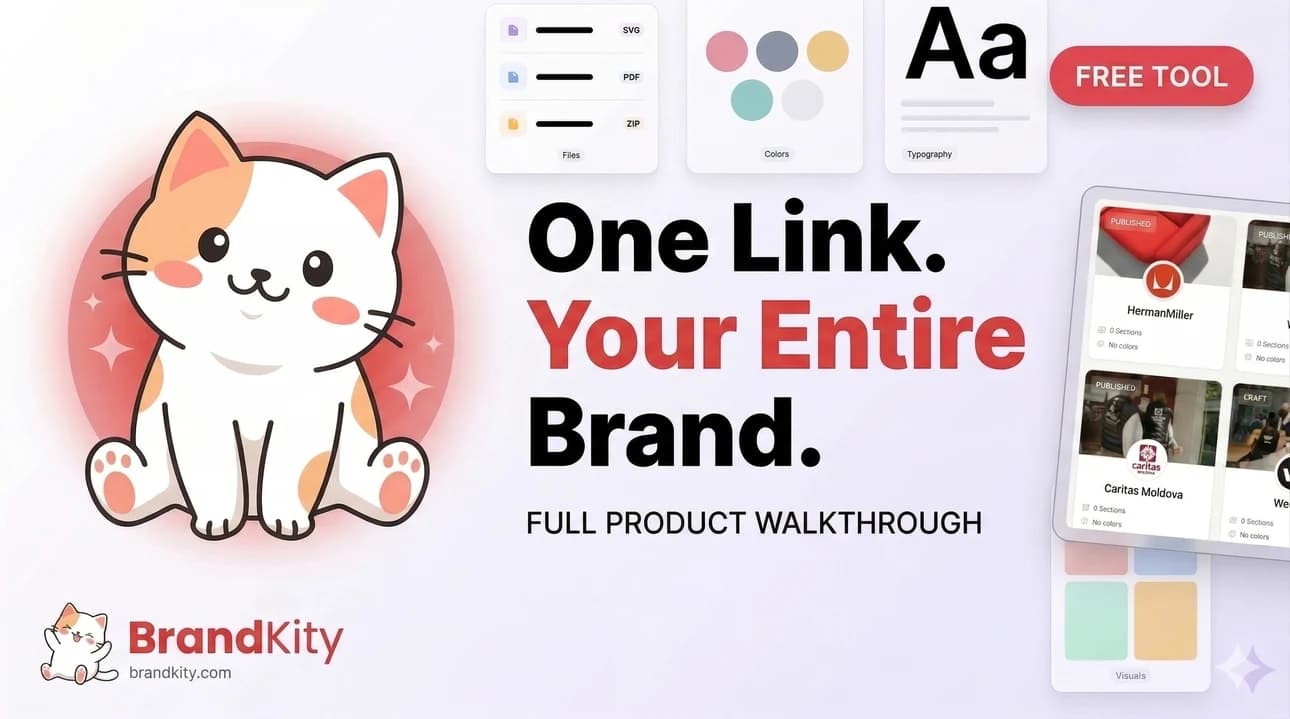
Table of contents
- Stop Client Confusion: The Art of Seamless Brand Asset Handoff
- Why scattered files are costing you (and your clients)
- The future of brand delivery: Structured, simple, and professional
- Building Your Client’s Single Source of Brand Truth
- What belongs in a comprehensive brand kit?
- Organizing logos, color palettes, and typography effectively
- Beyond the basics: Including visuals, templates, and usage guidelines
- Designing a Client-Centric Brand Delivery Workflow
- Mapping out key stages: From final approval to asset distribution
- Pre-delivery checklist: Ensuring everything is polished and accurate
- Setting client expectations from the outset
- The Power of the ‘One Link’ Concept for Brand Assets
- How a consolidated brand portal streamlines communication
- Benefits for designers: Reduced back-and-forth, increased efficiency
- Client advantages: Easy access, consistent application
- Crafting Clear and Actionable Brand Guidelines
- Essential elements for effective brand governance
- Illustrating proper and improper usage with real examples
- Making guidelines accessible and understandable for non-designers
- Leveraging Technology for Proactive Brand Asset Management
- Key features to look for in a brand asset delivery platform
- Automating organization and version control
- Integrating with your existing design tools and processes
- From Design System to Delivery: Bridging the Gap
- How a robust design system simplifies asset export
- Translating design system components into client-ready assets
- Ensuring consistency across all delivered brand elements
- Common Pitfalls in Client Brand Handoff (and How to Avoid Them)
- The trap of overwhelming clients with too many files
- Misunderstandings around file formats and their usage
- Failing to account for future client needs and updates
- Alternatives to a Dedicated Brand Delivery Platform (and When to Choose Them)
- Using cloud storage services: Pros, cons, and limitations
- Manual methods: The DIY approach and its challenges
- When a specialized platform offers superior value
- Elevating Your Agency’s Professionalism with Strategic Delivery
- Making brand handoff a competitive advantage
- Building client trust and encouraging repeat business
- Case study snippet: How BrandKity transformed a client delivery process
- Future-Proofing Your Brand Delivery Process
- Adapting to evolving client needs and digital trends
- The role of AI in streamlining asset management
- Continuous improvement: Gathering client feedback for workflow optimization
Delivering polished, professional brand assets to clients is more than just a final step; it’s a critical touchpoint that can solidify your reputation or leave a lasting impression of disorganization. When clients receive their brand identity elements in a clean, structured package, it speaks volumes about your attention to detail and commitment to their success.
A seamless handoff transforms a potentially chaotic moment into a demonstration of your expertise. This process directly impacts client satisfaction, future collaborations, and the overall perception of your agency or freelance business. Mastering this crucial stage ensures your clients can confidently implement their new brand, fostering consistency and impact.
Stop Client Confusion: The Art of Seamless Brand Asset Handoff
The days of clients sifting through endless email attachments, scattered cloud storage folders, and outdated versions are thankfully behind us. A haphazard approach to brand asset delivery creates unnecessary friction, leading to client frustration, increased revision requests, and a diminished sense of professionalism. When files are difficult to locate or understand, clients may hesitate to use them, or worse, use them incorrectly, undermining the very brand identity you meticulously crafted. This confusion isn’t just inconvenient; it directly impacts the client’s ability to launch or maintain a consistent brand presence, potentially costing them valuable time and marketing opportunities.
The future of brand delivery is rooted in structure, simplicity, and an unwavering commitment to professionalism. Imagine a scenario where your client receives a single, elegant link that unlocks a perfectly organized vault of all their approved brand assets. This isn’t a distant dream but a current best practice that leverages dedicated platforms designed for this exact purpose. By moving away from ad-hoc file sharing and embracing a consolidated, easy-to-navigate system, you empower your clients with immediate access to everything they need, fostering a positive and efficient post-project experience. This structured approach reflects a mature business operation and sets a new standard for client collaboration.
Why scattered files are costing you (and your clients)
Scattered files are more than just an organizational nuisance; they represent a tangible cost to both your business and your clients. For designers and agencies, the time spent hunting for the correct logo version, the right file format, or the latest color palette is billable hours lost. This inefficiency can lead to project delays, scope creep as clients request your help finding assets, and a general decrease in overall productivity. Furthermore, the reputational damage from appearing disorganized can be significant, potentially deterring future business. Clients, on the other hand, face the immediate challenge of inconsistent branding. If they can’t easily find and use the correct assets, their marketing materials, website, and social media profiles may present a fractured image. This inconsistency erodes brand recognition and trust, directly impacting their business’s effectiveness. A study by a leading marketing consultancy found that brands with consistent messaging across all platforms saw an average increase of 23% in brand recall.
The future of brand delivery: Structured, simple, and professional
The evolution of brand delivery is marked by a decisive shift towards structured, simple, and unequivocally professional workflows. Gone are the days of overwhelming clients with zip files or links to generic cloud folders. The modern approach centers on providing a dedicated, branded space where clients can effortlessly access all their approved brand assets. This not only streamlines the handoff process but also elevates the perceived value of your services. When clients receive a single, curated link to a well-organized repository of logos, color codes, typography files, and usage guidelines, it communicates meticulous attention to detail and a deep understanding of their needs. This professional presentation ensures they feel confident and equipped to implement their new brand identity effectively, setting the stage for successful long-term brand application.
Building Your Client’s Single Source of Brand Truth
Establishing a “single source of truth” for a client’s brand assets is paramount for ensuring consistency and empowering their team. This central hub, often delivered through a dedicated platform, consolidates every approved visual and stylistic element, making it the definitive reference point. It eliminates the ambiguity that arises from multiple file versions, outdated specifications, or conflicting information scattered across various communication channels. By providing this definitive resource, you equip your client with the confidence that they are always using the most accurate and appropriate brand materials, which is fundamental for maintaining a strong and cohesive brand identity across all touchpoints. This approach fundamentally shifts brand management from a reactive chore to a proactive, well-managed process.
What belongs in a comprehensive brand kit?
A truly comprehensive brand kit goes far beyond just the logo files. It should encompass a complete ecosystem of brand elements that allow a client to consistently represent their identity. At its core, this includes all logo variations (full color, grayscale, single color, favicon, social media avatars) in various formats suitable for both print (AI, EPS, PDF) and digital (SVG, PNG, JPG). Essential elements also include the defined color palette, specifying primary, secondary, and accent colors with their HEX, RGB, CMYK, and Pantone values. Typography is another critical component, detailing the primary and secondary typefaces with guidance on usage, weight, and hierarchy. Beyond these foundational elements, consider including approved imagery styles, iconography, brand voice guidelines, and even pre-designed templates for common collateral like social media posts or presentations. The goal is to provide a client with everything they need to maintain brand integrity without needing further assistance.
Organizing logos, color palettes, and typography effectively
Effective organization of core brand elements—logos, color palettes, and typography—is the bedrock of a client’s single source of truth. For logos, this means categorizing them by usage (e.g., “Primary Logos,” “Secondary Logos,” “Iconography”) and by file format (e.g., “Vector Files,” “Raster Files,” “Web-Optimized”). Each file should be clearly named and include its intended purpose. Color palettes require precise specification, listing each color with its official name and all relevant codes (HEX, RGB, CMYK, Pantone) to ensure accurate reproduction across all mediums. Typography should detail the selected fonts, including their respective weights and styles (e.g., Bold, Regular, Italic). Crucially, include guidance on when and how to use these fonts, specifying their role in headlines, body copy, and captions to maintain visual hierarchy and readability. Providing these organized elements prevents misuse and ensures a consistent visual language.
Beyond the basics: Including visuals, templates, and usage guidelines
To truly empower your clients, the brand kit must extend beyond fundamental assets to include more practical applications. This involves curating a library of approved visuals—stock photography, illustrations, or even pre-shot client imagery—that align with the brand’s aesthetic. Think of it as a visual mood board brought to life. Additionally, providing pre-designed templates for common marketing materials, such as social media graphics, presentation slides, email signatures, or letterheads, significantly reduces the learning curve for your clients. These templates serve as tangible examples of how the brand elements should be applied in real-world scenarios. Finally, comprehensive usage guidelines are non-negotiable. These go deeper than basic do’s and don’ts, offering detailed explanations and visual examples of correct and incorrect brand application, including spacing rules, minimum size requirements, and acceptable background usage. This level of detail ensures your brand vision is not only understood but also faithfully executed.
Designing a Client-Centric Brand Delivery Workflow
A client-centric brand delivery workflow is designed with the end-user—your client—firmly in mind. It prioritizes clarity, accessibility, and ease of use at every stage, from the initial handover of final approvals to the moment they access their complete brand asset library. This means anticipating their needs, addressing potential points of confusion proactively, and ensuring the entire process feels smooth and professional. By mapping out each step and considering the client’s perspective, you can identify opportunities to add value, build trust, and leave them feeling empowered and supported. This focus on the client experience transforms brand delivery from a transactional task into a relationship-building opportunity, setting the stage for continued collaboration and advocacy.
Mapping out key stages: From final approval to asset distribution
The journey from final client approval to seamless asset distribution can be broken down into several distinct, yet interconnected, stages. It begins with formal client approval, a critical sign-off that confirms all design decisions are finalized and the project is ready for its definitive asset compilation. Following approval, the crucial phase of asset compilation and organization takes place. This involves gathering all approved logos, color codes, typography files, and other relevant assets, ensuring they are in their correct formats and are meticulously named according to established conventions. Next, a quality assurance check is performed to verify the accuracy, completeness, and integrity of all compiled assets, catching any last-minute errors. Once validated, the assets are uploaded to a centralized, professional delivery platform, leading to the generation of a single, shareable link. Finally, the client notification and onboarding stage involves sending this link along with clear instructions on how to access and utilize the brand assets, effectively completing the workflow and empowering the client.
Pre-delivery checklist: Ensuring everything is polished and accurate
Before any brand assets are handed over, a rigorous pre-delivery checklist is essential to guarantee polish and accuracy, preventing potential client dissatisfaction. Begin by verifying that all final design approvals have been officially received and documented. Next, confirm that all logo files are present in the required formats (e.g., EPS, SVG, PNG, JPG) and that each variation serves its intended purpose. Cross-reference the defined color palettes against actual color values in the files, ensuring HEX, RGB, CMYK, and Pantone codes are exact and consistently applied. For typography, ensure the correct font files are included, alongside clear usage guidelines that match the design system. Check that any imagery or iconography aligns with the approved brand aesthetic and is properly licensed if applicable. Lastly, review any brand guidelines documentation for clarity, completeness, and adherence to the final approved designs. This meticulous process is your last line of defense against errors and inconsistencies, safeguarding the integrity of the brand and your professional reputation.
Setting client expectations from the outset
Proactive expectation setting is a cornerstone of a successful client-centric brand delivery workflow. From the initial project kick-off, it’s vital to clearly communicate the process of brand asset delivery. Explain precisely what assets will be provided, in what formats, and the expected timeline for their handover. Outline the system you will use for delivery, whether it’s a dedicated platform or a structured cloud folder, and highlight its benefits for them, such as ease of access and organization. Discuss the importance of a comprehensive brand kit and how it will serve as their definitive guide moving forward. Be transparent about any steps involved in asset organization or final approval, ensuring they understand their role in the process. By providing this clarity upfront, you minimize potential misunderstandings later on and build trust by demonstrating a well-planned and organized approach to their project’s conclusion.
The Power of the ‘One Link’ Concept for Brand Assets
The “one link” concept revolutionizes how brand assets are delivered and managed. Instead of overwhelming clients with numerous files or complicated access instructions across multiple platforms, a single, curated link provides instant, organized access to everything. This consolidated approach dramatically simplifies the client’s experience, ensuring they can readily locate and utilize brand materials without confusion. It transforms a potentially cumbersome final step into an elegant, user-friendly solution that reinforces the professionalism of your work. This streamlined method not only enhances client satisfaction but also serves as a powerful tool for promoting brand consistency across all their communications and applications, making it an indispensable part of a modern design workflow.
How a consolidated brand portal streamlines communication
A consolidated brand portal, accessible via a single link, acts as a powerful catalyst for streamlining client communication. By centralizing all approved logos, color palettes, typography, and usage guidelines in one accessible location, you eliminate the need for repetitive email exchanges requesting specific assets. Clients no longer need to search through old project folders or ask for updated files; everything they need is readily available and clearly categorized. This dramatically reduces the volume of inquiries related to asset access, freeing up your time and allowing your clients to self-serve. Furthermore, when updates or additions are made to the brand kit, they can be managed within the portal, ensuring your client always has access to the most current information. This single point of truth fosters clarity and efficiency, significantly improving the overall communication loop around brand assets.
Benefits for designers: Reduced back-and-forth, increased efficiency
For designers and agencies, adopting a “one link” approach to brand asset delivery offers significant operational advantages, primarily through reduced back-and-forth. The days of fielding constant emails asking for specific file formats, logo variations, or color codes are drastically minimized. When clients have direct access to a well-organized portal, they can find what they need independently, saving valuable designer time that can be redirected to new projects or client development. This increased efficiency directly translates to improved profitability and allows for a more scalable business model. It also minimizes the risk of errors stemming from miscommunication or outdated files being provided, ensuring your work is consistently represented. The ease of updating a central hub means less manual distribution of new assets, further enhancing workflow productivity.
Client advantages: Easy access, consistent application
Clients reap substantial rewards from the “one link” concept, primarily centered around unparalleled ease of access. Instead of navigating multiple file directories or deciphering complex cloud storage structures, they are presented with a clear, intuitive interface housing all their brand assets. This immediate accessibility empowers them to quickly find and implement logos, brand colors, and typography across their marketing materials, websites, social media, and any other touchpoint. The direct result of this easy access is a significant improvement in consistent application of their brand identity. When all the necessary elements are readily available and organized, clients are far more likely to adhere to brand guidelines, leading to a stronger, more recognizable, and professional brand presence. This consistency builds trust and recognition, ultimately benefiting their business objectives.
Crafting Clear and Actionable Brand Guidelines
Effective brand guidelines are the bedrock of consistent client brand delivery. They serve as a comprehensive rulebook, ensuring that a brand’s identity is maintained across all touchpoints, regardless of who is executing the work. Think of them as the DNA of a brand, dictating everything from its visual appearance to its tonal voice. Without them, brand dilution is not a matter of if, but when. The goal is to create a document that is not only thorough but also practical, empowering users to apply the brand correctly with confidence.
Essential elements for effective brand governance
A robust set of brand guidelines should cover fundamental elements that define a brand’s identity. This includes defining the primary and secondary logo variations, specifying clear space, minimum sizes, and acceptable color variations. Color palettes are crucial; guidelines must detail primary, secondary, and accent colors using precise values for different mediums (e.g., CMYK, RGB, HEX, Pantone). Typography guidelines should specify font families, weights, hierarchies, and usage rules for headlines, body text, and captions. Beyond visual elements, a brand’s voice and tone need articulation. This involves defining the personality of the brand and providing examples of appropriate language and messaging. Finally, consider imagery and iconography. Guidelines should offer direction on the style, subject matter, and ethical considerations for visual assets, along with rules for icon usage.
Illustrating proper and improper usage with real examples
Abstract rules are less impactful than concrete demonstrations. Therefore, brand guidelines must include clear visual examples of both correct and incorrect application of brand elements. For logos, this means showing instances where the logo is stretched, distorted, placed on an incompatible background, or has its colors altered incorrectly. Conversely, display the logo used in approved contexts with proper clear space. For typography, illustrate correct hierarchy and spacing versus cramped or illegibly sized text. When discussing tone, provide contrasting examples: a message that sounds aligned with the brand’s personality versus one that is off-brand. For instance, a luxury fashion brand’s guidelines might show an example of an overly casual social media post that is explicitly discouraged, alongside an elegant, aspirational post that exemplifies the desired voice. These visual comparisons leave little room for interpretation and significantly reduce the likelihood of errors.
Making guidelines accessible and understandable for non-designers
Brand guidelines are not solely for designers; they are for anyone who might interact with the brand’s identity. This includes marketing teams, content creators, developers, and even external partners. To ensure broad accessibility, the language used must be clear, concise, and free of excessive jargon. Visuals play a key role here, making complex concepts easy to grasp. Consider using infographics, checklists, and simplified diagrams. A common mistake is creating an overly technical document that alienates those without a design background. Instead, prioritize clarity and ease of use. Organizing information logically with a clear table of contents and an easily searchable index will help users find the information they need quickly. The ultimate aim is to empower everyone within or associated with the brand to be a confident brand steward.
Leveraging Technology for Proactive Brand Asset Management
In today’s fast-paced digital environment, managing brand assets manually is a recipe for disorganization and inefficiency. Technology offers sophisticated solutions that can automate many of these processes, ensuring assets are not only stored but also accessible, up-to-date, and used correctly. A well-implemented brand asset management system transforms how teams interact with brand materials, moving from reactive searching to proactive deployment. This shift is critical for maintaining brand integrity and speed in delivering client projects. Such systems are designed to centralize all brand collateral, providing a single source of truth that can be accessed by authorized users anytime, anywhere. This not only saves time but also significantly reduces the risk of using outdated or incorrect assets, which can damage a brand’s credibility.
Key features to look for in a brand asset delivery platform
When selecting a platform to manage and deliver brand assets, several key features are indispensable for optimizing workflow and client satisfaction. Foremost is a user-friendly interface that allows for intuitive navigation and asset organization. Robust search and filtering capabilities are essential, enabling users to quickly locate specific assets based on keywords, categories, or tags. Version control is paramount; the platform should clearly indicate the latest versions of assets and archive older ones to prevent accidental misuse. Permissions and access control are also vital, allowing administrators to define who can view, download, or edit specific asset types. Furthermore, the ability to categorize assets logically, such as by product line, campaign, or usage type, enhances discoverability. Look for platforms that support various file formats and offer download options in different resolutions or variations, catering to diverse needs. Finally, analytics and reporting features can provide insights into asset usage, helping to understand what assets are most valuable and frequently accessed.
Automating organization and version control
Manual organization of brand assets is a time-consuming and error-prone process, often leading to duplicate files, misplaced assets, and the dreaded “latest version” confusion. Modern brand asset management systems automate these tasks through smart tagging, categorization, and advanced versioning. When a new asset is uploaded, AI-powered tagging can suggest relevant keywords, or custom tags can be applied by administrators, making future searches highly effective. Version control ensures that when an asset is updated, the system automatically tracks the changes, maintaining a clear history and marking the most current iteration. This eliminates the need for users to sift through numerous file names like “logo_final_v3_really_final.ai.” Instead, they access the definitive, most recent version directly. This automation not only saves hours of administrative work but also guarantees consistency and accuracy across all brand communications, significantly streamlining the designer’s workflow.
Integrating with your existing design tools and processes
A brand asset management system should not operate in a silo. Its true power is unlocked when it seamlessly integrates with the tools and workflows designers and agencies already use. This means looking for platforms that offer plugins or connectors for popular design software like Adobe Creative Suite, Figma, Sketch, or project management tools such as Asana or Trello. Integration allows for direct asset retrieval from within design applications, reducing the need to switch between multiple windows and download/upload files manually. For example, a designer could pull the correct brand logo directly into their Photoshop document without leaving the application. This streamlining reduces friction, speeds up the creative process, and ensures that designers are always working with approved, up-to-date assets. An integrated approach fosters a more cohesive and efficient client’s toolkit, preventing bottlenecks and maintaining a consistent brand identity across all outputs.
From Design System to Delivery: Bridging the Gap
The journey from conceptualizing a brand identity to delivering final assets to a client can be fraught with inconsistencies if not managed systematically. A robust design system acts as the central nervous system for this process, ensuring that foundational elements are defined and repeatable. This system then becomes the blueprint for generating the actual assets clients need. Bridging the gap between a structured design system and tangible, client-ready deliverables requires a deliberate workflow. It’s about translating the principles and components established in the design system into accessible, usable formats that clients can easily implement. This ensures that the brand’s integrity, as defined in the design system, is preserved throughout the delivery phase and beyond, fostering long-term brand cohesion.
How a robust design system simplifies asset export
A well-structured design system inherently simplifies the process of exporting brand assets. By defining components, styles, and their relationships upfront, the system establishes clear rules for how elements should be constructed and rendered. This means that instead of creating each asset from scratch for every client need, designers can leverage pre-defined, production-ready components. For example, a button component within a design system would already have its various states (default, hover, active), color variations, and typography defined. When it’s time to export, these components can be rendered into appropriate formats (e.g., SVG for web, PNG for presentations) with minimal manual intervention. This systematic approach reduces the likelihood of errors in export settings, color profiles, or dimensions, leading to cleaner, more reliable assets. Furthermore, it ensures that all exported assets align perfectly with the brand’s foundational principles, reinforcing consistency. This also makes it easier to scale brand efforts, as new assets can be generated efficiently from the existing system, making design systems an effortless asset hub.
Translating design system components into client-ready assets
The transition from a design system’s codified components to tangible, client-ready assets requires a strategic approach. The design system provides the framework, but the final output needs to be tailored to the client’s specific use cases and technical requirements. This involves selecting the appropriate components and configuring them according to the client’s project needs, while still adhering to the overall brand guidelines. For instance, if the design system defines a set of testimonial blocks, the delivery process would involve selecting the relevant variations, ensuring they are populated with client-provided content, and then exporting them in formats suitable for the client’s website or marketing materials—such as optimized JPEGs or interactive UI elements. Crucially, this translation process must maintain the visual fidelity and functional integrity of the original design system components. It’s about adapting the abstract rules into concrete, usable outputs, making the brand’s identity truly actionable for the client.
Ensuring consistency across all delivered brand elements
Consistency is the ultimate goal of any brand delivery process, and it’s where the synergy between a design system and a structured workflow truly shines. By using a design system as the source of truth, designers can ensure that every logo variation, color swatch, typographic scale, and UI element exported is a direct derivative of the established standards. This systematic approach mitigates the risk of minor deviations that can accumulate and dilute the brand over time. For example, if a client requests multiple versions of a banner ad, each one should utilize the same color palette, typography, and logo treatments as defined in the design system. Tools that facilitate direct export from the design system or use a single source of truth for asset generation are invaluable here. This meticulous attention to detail guarantees that the client receives a cohesive set of brand assets, reinforcing their brand’s professional image and making it easier for them to maintain that consistency themselves, which is key to simplified brand delivery.
Common Pitfalls in Client Brand Handoff (and How to Avoid Them)
The final stage of a design project—the client handoff—is often the most critical for long-term brand success, yet it’s surprisingly prone to errors. A disorganized or incomplete handover can lead to immediate client frustration and, more critically, long-term brand degradation as they struggle to implement assets correctly. These pitfalls stem from a lack of foresight regarding the client’s technical capabilities, understanding, and future needs. By anticipating common mistakes, designers and agencies can proactively build a handoff process that empowers clients rather than overwhelming them, ensuring the brand’s integrity is maintained long after the project is complete. This proactive approach transforms a potentially chaotic final step into a smooth, professional, and confidence-building experience.
The trap of overwhelming clients with too many files
One of the most common mistakes in client brand delivery is overwhelming recipients with an unmanageable deluge of files. Designers, wanting to be thorough, might export every possible variation of a logo, every font file, and dozens of image formats, burying the client under a mountain of data. This approach, while well-intentioned, often leads to confusion, frustration, and the inability for the client to find what they actually need. It increases the chance of them using an incorrect or outdated file, thereby compromising brand consistency. Instead, focus on delivering only the essential, clearly labeled assets required for their immediate and foreseeable use cases. Curating the delivery into logical folders and providing a clear overview of what each file is for can significantly mitigate this problem. A simplified, focused delivery ensures the client feels equipped, not buried, which is crucial for preventing asset chaos.
Misunderstandings around file formats and their usage
A significant source of error in brand asset delivery lies in the misunderstanding of file formats and their appropriate applications. Clients may not understand the difference between a vector file (like SVG or AI) and a raster file (like JPG or PNG), or when each is most suitable. For instance, providing only JPGs for logos can lead to pixelation when scaled for large print applications. Conversely, sending unoptimized, high-resolution raster images for web use can slow down website loading times. Clear guidance accompanying the asset delivery is essential. This guidance should explain why certain formats are provided and under which circumstances they should be used. For example, explaining that SVGs are ideal for web graphics due to their scalability and that AI files are for professional printing or further editing by graphic designers. Ensuring clients understand the utility of each format empowers them to use assets correctly and avoid costly mistakes, leading to a more professional outcome and preventing unnecessary revisions.
Failing to account for future client needs and updates
A common oversight during brand handoff is failing to consider the client’s future needs and the inevitable updates that will be required. Projects rarely end at the initial delivery; brands evolve, marketing campaigns change, and new collateral is always needed. If the delivered assets are not easily updateable or if the process for requesting new assets is unclear, clients can be left in a difficult position. This might involve a client needing a new logo variation for a specific campaign and not knowing who to ask or how to get it. Providing a clear roadmap for future updates, including information on how to access new asset versions or request modifications, is crucial. This might involve setting up a dedicated portal for future asset requests or clearly outlining the process for engaging the agency for ongoing support. Planning for the future ensures the brand can adapt and grow smoothly, fostering a long-term, collaborative relationship and ensuring agency success.
Alternatives to a Dedicated Brand Delivery Platform (and When to Choose Them)
While a specialized brand delivery platform offers unparalleled efficiency, understanding alternative methods is crucial for choosing the right approach for your agency’s specific needs and client base. These alternatives often involve existing tools or manual processes, each with its own set of advantages and significant drawbacks. Evaluating these options helps define scenarios where a dedicated solution becomes not just beneficial, but essential for professional client handoffs. Understanding the limitations of simpler methods allows for better strategic decisions regarding investment in more robust systems.
Using cloud storage services: Pros, cons, and limitations
Cloud storage services like Google Drive, Dropbox, or OneDrive can seem like an intuitive solution for sharing files. Their primary advantage lies in their ubiquity and familiarity; most clients and agencies already use them. This can lead to a quick setup with minimal additional cost, especially if you already have a subscription. However, the limitations quickly become apparent. Organizing assets effectively within folders can be challenging, leading to a cluttered experience for both the sender and receiver. Version control can become a nightmare, with multiple copies of the same file potentially causing confusion and errors. The lack of branding customization means the delivery interface is generic, not reflecting the professional image your agency cultivates. Furthermore, managing permissions for numerous files and folders can be cumbersome, and there’s no central hub for brand guidelines or usage instructions, making comprehensive brand handoff difficult. For instance, an agency relying solely on shared folders might find clients struggling to locate the correct logo file or understand font usage rules, necessitating time-consuming email exchanges.
Manual methods: The DIY approach and its challenges
The most basic manual method involves simply zipping up all brand assets and emailing them, perhaps with a separate PDF for brand guidelines. This “DIY” approach is the cheapest upfront but is rife with pitfalls. File size limits on emails can be a significant hurdle for large asset packages. Sending multiple files or links via email increases the risk of crucial assets being missed or lost in a busy inbox. Clients may struggle to extract zip files or navigate through numerous attachments. This method offers zero professional polish and can make your agency appear disorganized or unprofessional. It’s akin to sending a beautifully crafted report on a crumpled piece of paper. For example, a small design studio might try this for their first few clients, only to face repeated requests for specific file formats or clarification on usage, consuming valuable time that could be spent on billable work. It fails to scale and quickly becomes unsustainable as client volume grows, hindering the agency’s ability to offer a streamlined and branded experience.
When a specialized platform offers superior value
A dedicated brand delivery platform transcends the limitations of cloud storage and manual methods by offering a structured, branded, and intuitive experience. The key differentiator is its focus on the *delivery* aspect itself, not just file storage. These platforms allow for the creation of a single, shareable link that houses all brand assets, guidelines, and even interactive elements. Decision criteria for choosing a specialized platform include the need for robust version control, clear categorization of assets (logos, fonts, colors, templates), integrated brand guidelines, and a professional, customizable interface that reinforces your agency’s brand identity. If your clients frequently express confusion about where to find assets, or if you spend significant time answering repetitive questions about brand usage, a specialized platform is likely a worthwhile investment. Consider an agency that handles numerous branding projects annually; the time saved by having a centralized, easily navigable asset hub far outweighs the cost of the platform, leading to happier clients and more efficient workflows. This approach is central to achieving agency brand delivery from chaos to clarity.
Elevating Your Agency’s Professionalism with Strategic Delivery
The way your agency delivers brand assets is a direct reflection of its professionalism and attention to detail. Moving beyond haphazard file sharing transforms a routine task into a strategic advantage. A well-executed brand delivery process not only satisfies clients but also builds lasting trust and fosters a collaborative environment, setting your agency apart from competitors. It’s about creating a memorable and positive final impression that reinforces the value of your work. This deliberate approach to client handoff contributes significantly to client retention and positive word-of-mouth referrals.
Making brand handoff a competitive advantage
In a crowded creative market, the client handoff experience can be a significant differentiator. A seamless, professional delivery process makes your agency stand out. Instead of simply handing over files, you’re providing a comprehensive, organized toolkit that empowers the client to use their new brand assets effectively. This proactive approach demonstrates foresight and a deep understanding of their needs beyond the initial design phase. For instance, providing clear instructions on logo usage, color palettes, and typography within the delivery platform itself minimizes potential misuse and protects the integrity of the brand you’ve helped build. This level of detail and care cultivates a perception of higher quality service, which can justify premium pricing and attract clients seeking a truly partner-oriented agency. It’s about making the final step of your engagement as impressive as the first.
Building client trust and encouraging repeat business
Trust is the bedrock of any successful client-agency relationship. A well-structured brand delivery process is a powerful tool for building and reinforcing that trust. When clients receive their assets in a clean, organized, and easily accessible format, it signals reliability and competence. This reduces client anxiety and demonstrates that you’ve anticipated their needs. For example, a client who can effortlessly find and download all necessary file formats for a marketing campaign without having to contact your team for help will feel more confident in your services. This positive experience directly influences their decision to work with you again. Furthermore, a consistent, professional delivery experience can lead to invaluable streamlined brand assets that support their ongoing marketing efforts, making your agency the go-to choice for future projects. Happy clients become repeat clients and brand advocates.
Case study snippet: How BrandKity transformed a client delivery process
Example: “Nova Designs,” a mid-sized branding agency, struggled with fragmented client deliveries. Assets were scattered across various cloud folders, and brand guidelines were often lost in email chains. This led to numerous client inquiries and rework requests. After implementing BrandKity, Nova Designs consolidated all client assets into single, branded delivery links. For their recent project with “GreenLeaf Co.,” a startup in the sustainable packaging sector, the delivery link included all logo variations, a comprehensive color palette guide, typography rules, and even a quick-start guide for social media templates. GreenLeaf Co.’s marketing manager reported a 75% reduction in time spent searching for brand assets and a significant increase in confidence using the new brand identity. This allowed Nova Designs to reduce post-project support queries by an average of 60% per client, freeing up valuable team resources for new business development.
Future-Proofing Your Brand Delivery Process
The digital landscape is in constant flux, with new technologies and evolving client expectations shaping how creative work is managed and delivered. To remain competitive and efficient, agencies must adopt a forward-thinking approach to their brand delivery workflows. This involves not only adapting to current trends but also anticipating future needs, leveraging emerging technologies, and committing to continuous improvement. By building flexibility and scalability into your delivery process, you ensure your agency can consistently provide exceptional service regardless of market shifts or technological advancements.
Adapting to evolving client needs and digital trends
Client expectations are continuously shaped by the digital tools they use daily. They increasingly expect accessible, organized, and easily integrated brand assets, mirroring their experiences with user-friendly software. This means moving beyond static files to consider dynamic brand elements and accessibility across various platforms. For instance, clients might require interactive style guides, readily available design templates for new marketing initiatives, or assets optimized for specific digital channels like augmented reality applications. Staying ahead involves regularly assessing new design tools, marketing technologies, and client project types. Agencies must also consider the increasing demand for design systems, which provide a robust framework for managing brand consistency and scalability, essentially serving as a more comprehensive version of organized brand assets. Regularly updating your delivery strategy to accommodate these shifts ensures you remain a relevant and valuable partner, capable of meeting the dynamic demands of the modern market.
The role of AI in streamlining asset management
Artificial intelligence is rapidly transforming how we manage and interact with digital assets, and brand delivery is no exception. AI can automate tedious tasks, enhance searchability, and even assist in content creation. Imagine AI-powered tools that can automatically tag assets with relevant keywords, identify duplicate files, or even suggest appropriate brand assets for a specific marketing campaign based on content analysis. This capability goes beyond simple organization; it starts to make asset management predictive and proactive. For example, an AI could analyze a client’s upcoming social media post and automatically recommend the correct logo size and format, or flag potential brand guideline violations before they occur. Implementing AI-driven solutions can significantly reduce the manual effort involved in asset management, freeing up designers and account managers to focus on more strategic and creative aspects of client work. This technology promises to make brand asset hubs even more intelligent and responsive.
Continuous improvement: Gathering client feedback for workflow optimization
The most effective brand delivery processes are not static; they are living systems that evolve based on real-world usage and feedback. Actively soliciting input from clients after each delivery is crucial for identifying pain points and areas for enhancement. This feedback loop is vital for optimizing your workflow and ensuring it remains client-centric. For example, you might ask clients about the ease of navigation within the delivery platform, the clarity of brand guidelines, or the availability of specific file formats they needed. Implementing a simple post-delivery survey or a brief follow-up call can yield invaluable insights. Analyzing this feedback allows you to make targeted improvements, whether it’s reorganizing asset categories, adding more detailed usage examples, or refining the communication around the delivery itself. This commitment to continuous improvement not only refines your internal processes but also demonstrates to clients that you value their experience and are dedicated to providing the best possible service.
Saurabh Kumar
Founder, BrandKity
Saurabh writes about practical brand systems, faster client handoffs, and scalable workflows for designers and agencies building repeatable delivery operations.
Connect on LinkedIn