
Build Trust: Clear Brand Asset Delivery for Clients
When a design project wraps up, the excitement of a job well done can quickly turn into frustration if the final brand asset delivery is a mess. Scatt…
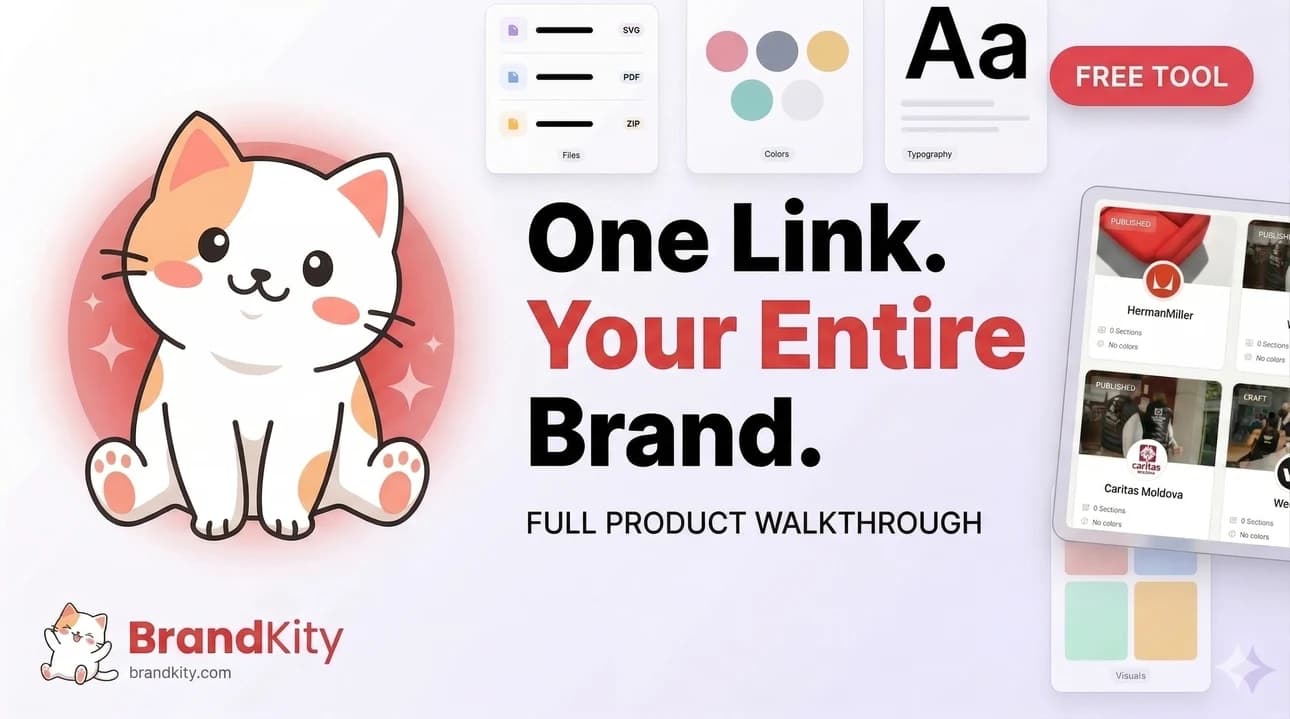
Table of contents
- The Silent Killer of Client Relationships: Disorganized Brand Assets
- Why scattered files and unclear delivery undermine trust
- The costly impact of repeated asset requests and confusion
- Beyond the Final Files: Crafting a Professional Brand Handoff
- Defining what ‘delivered’ truly means for your client
- Setting client expectations from project kickoff
- The ‘One Link’ Advantage: Centralizing Your Client’s Brand Universe
- How a single, structured link simplifies asset access
- Organizing logos, colors, fonts, visuals, and more for clarity
- Structuring Your Client’s Brand Kit: Essential Components
- Logo variations and usage guidelines
- Color palettes and their strategic application
- Typography hierarchy and font file delivery
- Imagery, icons, and other visual assets
- Implementing a Streamlined Brand Asset Workflow
- Mapping out your post-design asset organization process
- Tools and techniques for efficient asset management
- Delegation and team collaboration in asset delivery
- From Chaos to Clarity: Best Practices for Client Brand Guidelines
- Making guidelines accessible and actionable
- Explaining the ‘why’ behind brand rules
- Keeping guidelines updated and relevant
- The Designer’s Role in Building Long-Term Client Confidence
- Educating clients on brand asset stewardship
- Proactive problem-solving for asset misuse
- Becoming a trusted advisor, not just a vendor
- Leveraging Digital Brand Asset Management for Agency Growth
- Saving time and resources with organized delivery
- Enhancing client satisfaction and repeat business
- Creating a repeatable, scalable asset handoff process
- Avoiding Pitfalls: Common Mistakes in Client Brand Delivery
- Your Brand Asset Delivery Checklist for Client Success
Think of it this way: your client is entrusting you with their brand’s visual identity. If you can’t present that identity back to them in a clear, organized, and professional manner, how can they be confident in your ability to manage their brand moving forward? A disorganized delivery suggests a disorganized process, which can lead to apprehension and a feeling that critical details might have been overlooked.
The Silent Killer of Client Relationships: Disorganized Brand Assets
Why scattered files and unclear delivery undermine trust
Delivering brand assets shouldn’t feel like a scavenger hunt. When clients receive a jumble of files with inconsistent naming conventions or unclear folder structures, it immediately erodes their confidence. This disorganization can lead them to believe that the project wasn’t handled with the meticulous care it deserved, even if the creative output was strong. They might question if all necessary formats are present or if the files are correctly optimized for their intended use. This lack of clarity can turn a moment of triumph into one of anxiety. A professional delivery, conversely, demonstrates your attention to detail and your commitment to providing a seamless experience, reinforcing that you are a reliable and organized partner.
The costly impact of repeated asset requests and confusion
Beyond the immediate dent in trust, disorganized asset delivery leads to tangible costs. Clients, unable to find what they need, will inevitably resort to repeated requests for clarification or specific files. This drains your valuable time, pulling you away from new projects or client work. For example, a client needing a specific logo format for a social media campaign might spend hours searching through your delivery, only to have to email you for it, costing them their productive time and you, your focus. This can quickly escalate into a situation where clients feel they are paying for your disorganization, leading to dissatisfaction and potentially impacting future business or referrals. According to industry insights, excessive revision requests stemming from poor handoffs can add up to 15-20% to a project’s overall timeline and cost. Streamlining your delivery process, perhaps by implementing a structured system for mastering client brand delivery, can significantly mitigate these expenses and prevent client churn.
Beyond the Final Files: Crafting a Professional Brand Handoff
Defining what ‘delivered’ truly means for your client
For many creatives, “delivery” simply means sending over the final files. However, for a client, especially one less familiar with design intricacies, “delivered” means receiving a complete, organized, and easily usable package that empowers them to implement their brand effectively. This includes not just the core visual assets but also any necessary usage guidelines, clear file naming conventions, and perhaps even a brief overview of how to best utilize the provided resources. It’s about anticipating their needs and providing them with the tools and knowledge to succeed independently. A truly delivered package ensures they can immediately begin using the assets across various platforms and applications without further assistance, demonstrating your proactive approach to client success. This comprehensive definition of delivery is key to a positive post-project experience.
Setting client expectations from project kickoff
Proactive communication is paramount. From the very first meeting, it’s crucial to outline exactly how and when brand assets will be delivered. Discuss the types of files they can expect (e.g., vector, raster, web-optimized), the formats (e.g., AI, EPS, SVG, JPG, PNG), and how they will be organized. This upfront clarity prevents misunderstandings and manages expectations. For instance, you might say, “Upon project completion, you’ll receive a secure link to a dedicated brand kit containing all logo variations, color codes in HEX, RGB, and CMYK, and font files, along with a brief PDF guide on proper usage.” This sets a professional tone and assures the client that a well-thought-out delivery process is in place. Referencing resources on delivering assets professionally can help establish these best practices early on.
The ‘One Link’ Advantage: Centralizing Your Client’s Brand Universe
How a single, structured link simplifies asset access
The chaos of multiple email attachments or cloud storage folders is a thing of the past with a unified delivery link. Providing clients with a single, well-organized URL acts as their central hub for all brand assets. This eliminates the endless searching and downloading from various sources. Imagine a client needing to update their website or brief a new printer; with one link, they can access the latest logo, color palette, and font files instantly. This not only saves them time and reduces frustration but also minimizes the risk of them using outdated or incorrect assets. This streamlined approach is a cornerstone of modern brand asset management, ensuring consistency and brand integrity long after the project concludes.
Organizing logos, colors, fonts, visuals, and more for clarity
A well-structured brand kit accessible via a single link goes beyond mere convenience; it’s about providing clarity and empowerment. Within this central hub, assets should be logically grouped. For example, a dedicated “Logos” folder could contain primary, secondary, and icon variations in both vector and raster formats. A “Colors” section might list HEX, RGB, CMYK, and Pantone values with clear labels. Typography details, imagery libraries, and even brand guidelines documents should be similarly categorized. This methodical organization ensures clients don’t have to guess what file to use or where to find it. It transforms raw data into actionable brand intelligence, making it easy for them to maintain a cohesive brand presence across all touchpoints and significantly reducing the chances of errors. This is a core principle of effective design systems for simplified asset management.
Structuring Your Client’s Brand Kit: Essential Components
Logo variations and usage guidelines
Every client’s brand kit must prominently feature their logo in all necessary variations. This includes the primary logo, secondary logos, submarks, and any favicon or app icon versions. Crucially, these files need to be provided in multiple formats suitable for both print (AI, EPS, PDF) and digital (SVG, PNG, JPG) applications. Accompanying these visuals should be clear usage guidelines. This involves specifying minimum size requirements, clear space rules, acceptable and unacceptable uses (e.g., no stretching, no altering colors), and correct placement on different backgrounds. Detailed instructions help prevent brand dilution and ensure the logo is always presented faithfully, maintaining its intended impact and recognition.
Color palettes and their strategic application
Your client’s brand color palette is more than just a few shades; it’s a fundamental aspect of their brand identity. The delivery should include all primary and secondary brand colors, meticulously listed with their corresponding values across different color models: HEX for digital, RGB for screens, CMYK for print, and ideally, Pantone for precise color matching. Beyond just listing the codes, offer context. Explain the strategic role of each color within the brand’s visual language and provide examples of how they can be applied in marketing materials, website design, or product packaging. This educates the client and empowers them to use colors consistently and effectively to evoke the desired brand emotions and associations.
Typography hierarchy and font file delivery
Consistent typography is vital for brand readability and recognition. A comprehensive brand kit must clearly define the brand’s typographic hierarchy, specifying which fonts are used for headings, subheadings, body text, and captions. Beyond naming the fonts, it’s essential to deliver the actual font files (e.g., .otf, .ttf, .woff, .woff2) to the client. Ensure you have the appropriate licensing to distribute these files or guide the client on how to obtain them. Including a brief explanation of font pairings and how to maintain correct spacing and legibility across different media will further enhance the client’s ability to use typography correctly, contributing to a polished and professional brand presentation.
Imagery, icons, and other visual assets
Beyond logos and colors, a complete brand kit should encompass all other essential visual elements. This includes a library of approved imagery – photos, illustrations, or graphics that align with the brand’s aesthetic and messaging. Provide guidance on the style, tone, and usage of these visuals. If applicable, include a set of custom icons, ensuring they are provided in scalable vector formats for maximum versatility. This holistic approach to visual asset delivery equips the client with a comprehensive toolkit, enabling them to create consistent, on-brand communications across all platforms and ensuring their visual identity remains cohesive and impactful.
Implementing a Streamlined Brand Asset Workflow
A well-defined workflow for delivering brand assets is the bedrock of professional client relationships. It’s not merely about handing over files; it’s about creating a predictable and reassuring process that minimizes confusion and maximizes efficiency for both the agency and the client. This involves meticulous planning from the initial stages of a project, ensuring that asset organization is considered from the outset, not as an afterthought. The goal is to move beyond ad-hoc file sharing and establish a structured system that can be consistently applied. This approach significantly reduces the risk of errors, lost files, and the dreaded “where is that logo?” email that can derail productivity.
Mapping out your post-design asset organization process
Before any final files are generated, dedicating time to map out your post-design asset organization process is crucial. This involves identifying all potential asset types your clients will need – logos in various formats (vector, raster, color variations), color palettes with HEX, RGB, and CMYK values, typography specifications, iconography, photography style guides, and any other relevant visual elements. For each asset type, determine the necessary file formats and versions. For instance, logos should include AI, EPS, SVG for scalability, and PNG/JPG for web use. Consider the structure of your delivery: will it be a single compressed folder, or a more organized hierarchy? Mapping this out allows you to anticipate client needs and avoid last-minute scrambling. A common pitfall here is underestimating the sheer volume and variety of assets a comprehensive brand requires. Clear categorization and naming conventions are paramount to prevent confusion down the line. For example, instead of “logofinal.ai,” use “BrandNameLogoPrimaryVector.ai.” This foresight is key to enabling effortless brand delivery for agency success.
Tools and techniques for efficient asset management
Leveraging the right tools and techniques can dramatically enhance the efficiency of brand asset management. Cloud storage solutions like Google Drive, Dropbox, or specialized digital asset management (DAM) platforms offer centralized access and version control, preventing clients from using outdated files. For more advanced needs, a dedicated DAM system can provide advanced search capabilities, metadata tagging, and usage analytics. Even simpler solutions can be effective; for instance, utilizing BrandKity’s core functionality to create a single, organized link for all assets can transform the handoff process. This eliminates the need for clients to navigate multiple folders or download large, unmanageable zip files. Techniques such as creating a comprehensive asset inventory spreadsheet or checklist during the mapping phase ensures nothing is overlooked. Regularly auditing your asset library for redundancy or obsolescence is also a best practice. The decision criteria for choosing tools should revolve around scalability, ease of use for both your team and the client, and security features. A significant pitfall is relying on email attachments, which are prone to version confusion and easy loss.
Delegation and team collaboration in asset delivery
Effective delegation and team collaboration are essential for a smooth asset delivery process, especially within larger agencies. Clearly define roles and responsibilities within your team for asset finalization, organization, quality assurance, and delivery. Ensure that everyone involved understands the established workflow and naming conventions. Implementing a system for internal review and approval before the client receives assets can catch errors early. For instance, a project manager might be responsible for the final check of all assets against the project brief, while a designer might handle the technical formatting. Collaboration tools that facilitate real-time feedback and communication, such as Slack or project management software, are invaluable. A common pitfall is assuming one person can handle the entire asset delivery process, leading to burnout and potential oversights. Consider using a shared asset library where team members can contribute and access files, fostering a unified approach to branding workflow: deliver assets professionally.
From Chaos to Clarity: Best Practices for Client Brand Guidelines
Brand guidelines are more than just a document; they are the blueprint for maintaining brand consistency across all touchpoints. For clients, especially those who may not have dedicated marketing teams, these guidelines are instrumental in empowering them to use brand assets correctly. Without clear, actionable guidelines, even the best-designed brand can devolve into a visual cacophony, eroding its impact and recognition. The goal is to translate complex design principles into easily understandable instructions that any user, regardless of their design expertise, can follow. This proactive approach to education and standardization prevents common errors and ensures the brand’s integrity is preserved long after the initial design project is complete. It’s about setting clients up for success by providing them with the knowledge and tools they need to be excellent brand stewards.
Making guidelines accessible and actionable
The effectiveness of brand guidelines hinges on their accessibility and actionability. A lengthy PDF document buried in a client’s shared drive is unlikely to be consulted regularly. Instead, consider integrating key guideline elements directly into the asset delivery platform. For example, BrandKity allows you to include descriptions, usage notes, and even interactive color swatches directly within the asset portal. When creating guidelines, use clear, concise language and avoid jargon. Employ visual examples liberally: show what “good” looks like with clear dos and don’ts for logo usage, typography combinations, and color application. Decision criteria for accessibility include the format (web-based, easily searchable PDFs, or integrated into a DAM) and the user’s technical proficiency. A common pitfall is presenting guidelines as a dense block of text without visual aids. Actionability means clients can immediately understand how to apply the rules to their daily tasks, whether it’s selecting a font for a social media post or formatting a presentation. This focus on ease of use is essential for a professional brand delivery.
Explaining the ‘why’ behind brand rules
Clients are more likely to adhere to brand guidelines when they understand the rationale behind them. Simply stating “use this logo variation” is less impactful than explaining why that variation is preferred for specific applications. For instance, explaining that a simplified logo version is used on small digital screens to maintain legibility, or that a specific color palette evokes a feeling of trust and professionalism, connects the rules to business objectives. This educational approach fosters a deeper appreciation for the brand’s strategy and design choices. Contextualizing brand rules helps clients see them not as arbitrary restrictions, but as strategic tools for building recognition and trust. When demonstrating this, consider the client’s business goals. For example, if a client aims to appear more authoritative, explain how specific font choices and color harmonies contribute to that perception. A pitfall is assuming clients automatically understand the strategic implications of design decisions; therefore, clear communication of the ‘why’ is vital for effective client brand delivery.
Keeping guidelines updated and relevant
Brand guidelines are not static documents; they must evolve with the brand and its market context. Regularly reviewing and updating guidelines ensures they remain relevant and continue to serve their purpose effectively. This process should ideally be tied to any brand refreshes, new product launches, or significant market shifts. The decision criteria for updates should include feedback from internal teams and clients, as well as an analysis of current design trends and competitor strategies. A common pitfall is letting guidelines become outdated, leading to inconsistencies and a diluted brand message. For example, if new product photography styles are introduced, the photography section of the guidelines needs to be updated promptly. Keeping guidelines current demonstrates a commitment to the brand’s ongoing success and reinforces your role as a proactive partner, not just a one-time vendor. This ongoing stewardship is crucial for maintaining long-term client confidence.
The Designer’s Role in Building Long-Term Client Confidence
A designer’s responsibility extends far beyond the initial creation of visual assets. Building long-term client confidence involves actively guiding clients on how to best utilize and protect their brand identity. This proactive engagement transforms the designer from a service provider into a trusted advisor, fostering deeper relationships and encouraging repeat business. By demonstrating a commitment to the client’s ongoing brand success, designers can solidify their value and differentiate themselves in a competitive market. This confidence is built on clear communication, consistent support, and a shared understanding of the brand’s strategic objectives. It’s about empowering clients with the knowledge to be effective brand custodians and ensuring their brand flourishes.
Educating clients on brand asset stewardship
A key aspect of building long-term confidence is educating clients on the importance of brand asset stewardship. This means teaching them not only how to use assets but also why it’s crucial to protect them from misuse or dilution. Explain the potential consequences of inconsistent application, such as reduced brand recognition or a perception of unprofessionalism. Demonstrating the proper storage and sharing of assets is also vital. For instance, encouraging clients to always download official logo files from a central, authorized source, rather than using low-resolution copies from presentations or websites, prevents degradation. Empowering clients with knowledge about copyright and trademark basics can also be beneficial. A pitfall is assuming clients possess this knowledge inherently. By actively teaching them about asset stewardship, you not only protect the brand but also elevate your perceived value as a strategic partner, reinforcing the effectiveness of organized delivery.
Proactive problem-solving for asset misuse
Anticipating and addressing potential asset misuse before it happens is a hallmark of a proactive designer. This involves identifying common areas where clients might stumble – perhaps using outdated logo versions, applying incorrect color codes, or misaligning design elements. By understanding these potential pitfalls, you can build preventative measures into your handover process. This might include creating short, clear “quick start” guides or offering brief training sessions focused on common asset usage scenarios. When misuse does occur, addressing it professionally and constructively is key. Frame feedback not as criticism, but as an opportunity to reinforce best practices and maintain brand integrity. For example, instead of saying “you used the wrong logo,” try “for this context, the simplified logo is usually more effective due to its legibility at smaller sizes.” Addressing issues promptly and supportively solidifies trust and demonstrates your commitment to the client’s brand health. This approach can significantly slash revisions by establishing clear expectations early on.
Becoming a trusted advisor, not just a vendor
Transitioning from a vendor to a trusted advisor involves a shift in mindset and communication. It means consistently demonstrating expertise, offering strategic insights, and acting in the client’s best interest. This is achieved through regular check-ins, offering guidance on evolving brand needs, and providing proactive solutions rather than just reactive fixes. When a client views you as an advisor, they are more likely to seek your input on future projects and rely on your judgment. This position is earned through reliability, transparency, and a deep understanding of their business objectives. For example, suggesting a brand refresh or updated asset library based on market changes shows you are thinking strategically about their long-term success. A significant pitfall is a purely transactional relationship. By consistently delivering value beyond the initial project scope, you build a foundation for enduring partnerships and ensure the client perceives the true value of a professional brand delivery.
Leveraging Digital Brand Asset Management for Agency Growth
For creative agencies, adopting robust digital brand asset management (BAM) practices is no longer a luxury but a necessity for sustainable growth. Efficiently organized and easily accessible brand assets are foundational to delivering exceptional client experiences, streamlining internal workflows, and ultimately, increasing profitability. By implementing systematic approaches to asset delivery, agencies can reduce operational friction, enhance client satisfaction, and foster stronger, long-term relationships. This strategic investment in BAM can transform how an agency operates, moving from a reactive, chaotic model to a proactive, streamlined engine of creative excellence. The ultimate outcome is a more agile, responsive, and profitable agency that consistently delivers professional brand assets, ensuring client happiness and fostering repeat business.
Saving time and resources with organized delivery
One of the most immediate benefits of organized brand asset delivery is the significant saving of time and resources. When assets are consistently formatted, clearly named, and centrally located, the need for repeated requests, searches, and reformatting is drastically reduced. For instance, if a client needs a specific logo variation for a print ad, having it readily available in the correct vector format saves hours compared to searching through old project files or recreating it from scratch. This efficiency translates directly into cost savings, as agency staff spend less time on administrative tasks and more time on creative, billable work. Tools that offer a single, shareable link, like those provided by BrandKity, are particularly effective in cutting down on internal coordination and client communication overhead. A key decision criterion for implementing new BAM practices should be the demonstrable reduction in time spent on asset-related queries and retrieval. This streamlining directly impacts the agency’s bottom line, contributing to overall efficiency and profitability.
Enhancing client satisfaction and repeat business
A seamless and professional brand asset delivery process directly correlates with increased client satisfaction. When clients receive their final assets in an organized, easy-to-understand format, it instills confidence and reflects positively on the agency’s professionalism. This positive experience is a powerful driver of repeat business and organic referrals. Clients who feel well-supported and impressed by the delivery process are more likely to engage the agency for future projects. For example, an agency that delivers a comprehensive, well-structured asset hub alongside brand guidelines is perceived as highly competent and client-focused. Conversely, a disorganized or confusing handover can lead to frustration and damage client relationships, even if the creative work was exceptional. Prioritizing a smooth brand assets: one link, happy clients experience is a strategic imperative for long-term agency success. The ability to easily access and use brand assets empowers clients, making them feel more in control and satisfied with the partnership.
Creating a repeatable, scalable asset handoff process
To truly leverage BAM for agency growth, establishing a repeatable and scalable asset handoff process is essential. This involves documenting the entire workflow, from final file preparation to client delivery and onboarding. By creating a standardized procedure, any team member can execute the handoff consistently, regardless of their experience level. This scalability means the agency can handle an increasing client load without a proportional increase in operational complexity or errors. For example, a checklist outlining required file formats, naming conventions, and the steps for uploading to a brand asset management platform ensures that every client receives the same high-quality experience. Regularly reviewing and refining this process based on feedback and evolving best practices is key. A crucial element for scalability is utilizing platforms that can accommodate growing libraries of assets and increasing numbers of clients, such as employing a robust design systems: effortless asset hub approach. This systematic approach not only boosts efficiency but also builds the agency’s reputation for reliability and expertise, facilitating further growth and mastery of client brand delivery.
Avoiding Pitfalls: Common Mistakes in Client Brand Delivery
Delivering brand assets to clients can be a complex process, and overlooking key details can lead to frustration for both parties. One common oversight is the temptation to send generic file folders. While it might seem efficient to group all files together, a lack of logical organization within these folders can quickly become overwhelming. Clients may struggle to locate specific assets, leading to repeated requests and a perception of disorganization. For example, a client might need a specific social media graphic size but can’t find it amidst hundreds of other files, causing delays in their marketing efforts. Properly categorizing assets by type (logos, icons, images, fonts) and then by usage (web, print, social media) is crucial. This structured approach ensures clients can immediately access what they need, fostering a sense of professionalism and efficiency.
Another significant pitfall is underestimating the client’s need for clear instructions. Simply handing over a collection of files isn’t enough. Clients, especially those who aren’t design-savvy, often require guidance on how to use the assets correctly. This includes information on color profiles, preferred usage for different logo variations (e.g., full color vs. single color), and font pairings. Without this guidance, clients might misuse assets, leading to brand inconsistencies. For instance, a client might stretch a logo to fit a banner, distorting its proportions, or use a font in a context where it’s illegible. Providing a concise user guide or embedding basic usage notes directly within the asset delivery platform can significantly mitigate these issues, ensuring the brand’s integrity is maintained. This proactive communication is a cornerstone of successful client handoffs, much like the principles outlined in a comprehensive guide for creatives.
Finally, forgetting crucial file formats and resolutions is a frequent mistake that can cause major headaches. Clients often have diverse needs, requiring assets suitable for various applications—from high-resolution print collateral to optimized web graphics and social media posts. Failing to provide these different formats means clients will either have to seek them out elsewhere or attempt to convert them themselves, often with suboptimal results. For example, a client might receive only JPG files and then discover they need a vector EPS for large-scale printing or a transparent PNG for overlaying on images. Ensuring a comprehensive selection of formats, including AI, EPS, SVG for vector assets, and high-quality JPG, PNG, and potentially WebP for raster images, along with clear indications of their intended use, is paramount. This attention to detail prevents costly rework and ensures clients can seamlessly integrate the brand assets into their workflows.
Your Brand Asset Delivery Checklist for Client Success
A robust brand asset delivery process begins long before the final handover. The pre-delivery asset audit is a critical first step to ensure accuracy and completeness. This involves meticulously reviewing every asset intended for delivery. Are all logo variations present and correctly formatted? Are the correct font files included, and are they licensed for client use? Are all visual assets (photos, illustrations, icons) appropriately tagged and organized? A thorough audit also includes checking for consistency in naming conventions and file structures, which directly impacts the client’s ability to navigate the delivered package. For instance, a missing brand guideline document or an outdated version of a primary logo can lead to immediate confusion and require a secondary delivery. Performing this audit with a clear understanding of the project scope and client’s intended usage prevents last-minute scrambling and reinforces your professional image. This meticulous preparation is a key component of a strong branding workflow.
Once the audit is complete, the next phase is the final delivery package confirmation. This is where you compile all verified assets into a structured, client-friendly format. If using a platform like BrandKity, this involves ensuring the single delivery link contains everything needed, neatly organized. The confirmation step means double-checking that the link is active, accessible, and that the organization within the link mirrors the agreed-upon structure. It’s also crucial to confirm that any accompanying documentation, such as brand guides or usage instructions, is included and up-to-date. For example, before sending the link, quickly browse through it yourself as if you were the client: can you find the primary logo, secondary logos, and a set of web-optimized social media icons within 30 seconds? This final verification step ensures a smooth and professional handover, preventing the common issue of scattered files that clients struggle with, a problem that a well-managed asset hub aims to solve. This aligns with the goal of achieving brand assets with one link for happy clients.
The delivery doesn’t end when the link is sent. A crucial, yet often overlooked, element is post-delivery follow-up and support. Schedule a brief follow-up call or email a few days after delivery to confirm the client has successfully accessed and understood the assets. Offer a short window of availability for clarifying any questions they might have. This could involve explaining a specific file type or demonstrating how to use a particular graphic. For example, a client might have trouble applying a logo to a dark background and needs guidance on using the appropriate version. Providing this post-delivery support builds immense trust and goodwill, reducing the likelihood of incorrect asset usage down the line and minimizing future revision requests. It transforms the delivery from a transactional event into a partnership, solidifying client relationships and encouraging repeat business. This proactive approach is fundamental to mastering client brand delivery.
Saurabh Kumar
Founder, BrandKity
Saurabh writes about practical brand systems, faster client handoffs, and scalable workflows for designers and agencies building repeatable delivery operations.
Connect on LinkedIn