
Ace Brand Delivery: Guide for Creatives 2026
In the fast-paced world of 2026, creatives face a unique challenge: delivering polished, usable brand assets to clients without the accompanying chaos…
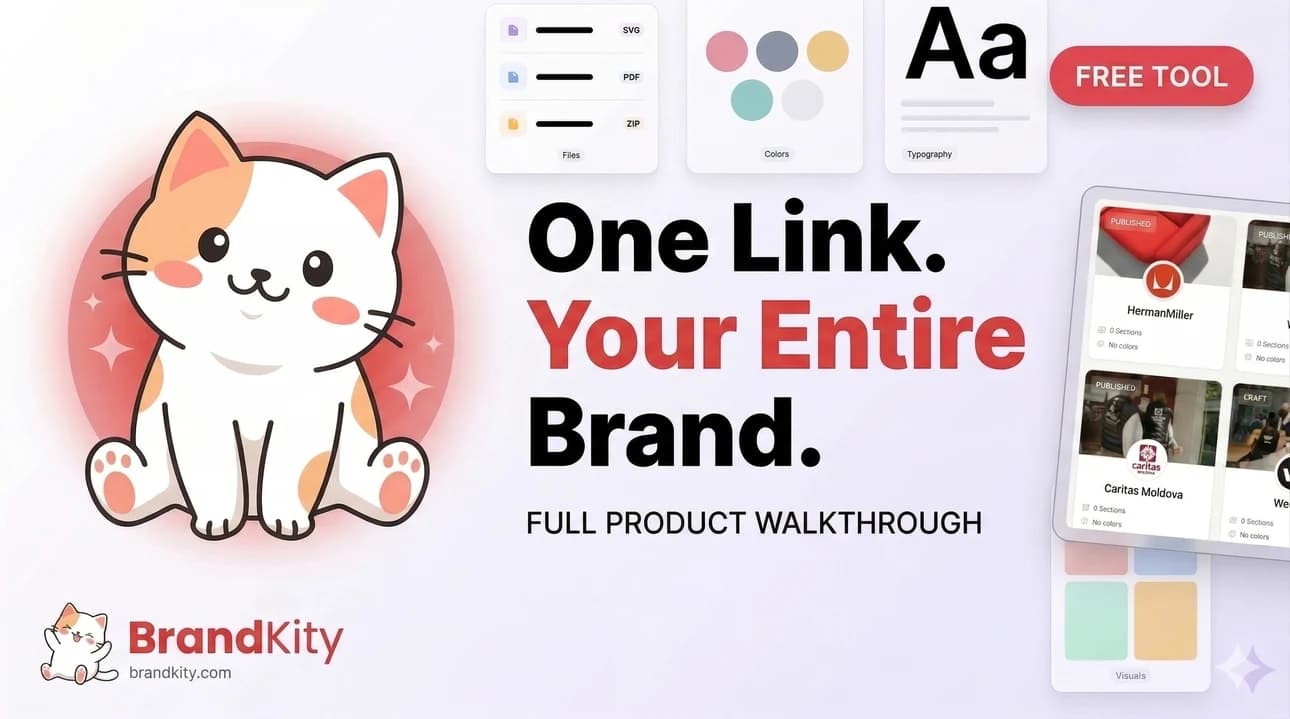
Table of contents
- The Modern Creative’s Handoff Dilemma: Why ‘Brand Delivery’ Matters More Than Ever in 2026
- The Evolution of Brand Asset Complexity
- The High Cost of Disorganized Deliverables for Agencies
- Client Expectations in a Rapidly Evolving Digital Landscape
- Beyond the Folder: Crafting a Unified Brand Experience
- The ‘One Link’ Philosophy for Seamless Client Access
- Structuring Your Brand Assets for Clarity and Scalability
- Key Components of a Comprehensive Brand Delivery Package
- Deconstructing the Perfect Brand Kit: Essential Elements for 2026
- Logos: Variations, File Formats, and Usage Guidelines
- Color Palettes: From HEX to CMYK, Ensuring Consistency
- Typography: Font Files, Licensing, and Hierarchy Explained
- Visual Assets: Imagery, Icons, and Illustrations Best Practices
- Streamlining Your Workflow: Practical Steps for Efficient Handoffs
- Pre-Handoff Checklist: What to Verify Before Sending
- Automating File Organization with Smart Tagging
- Setting Up Clear Naming Conventions That Stick
- Client Education is Key: Empowering Your Clients with Brand Assets
- Onboarding Clients to Your Delivery System
- Providing Context: Explaining the ‘Why’ Behind Asset Choices
- Anticipating Client Questions and Providing Clear Answers
- Designing for the Future: Scalable Brand Guidelines for Growing Brands
- Modular Brand Guidelines: Adaptable to New Channels
- Interactive Guidelines: Beyond Static PDFs
- Integrating Brand Guidelines with Design Systems
- The Freelancer’s Edge: Delivering Professionalism and Peace of Mind
- Standing Out with Superior Client Handoffs
- Minimizing Revision Cycles Through Clear Asset Delivery
- Building Repeat Business with a Seamless Experience
- Agency Power-Up: Elevating Your Brand Delivery Processes
- Standardizing Handoffs Across Teams and Projects
- Reducing Onboarding Time for New Clients and Team Members
- Showcasing Your Agency’s Expertise Through Organized Delivery
- Common Pitfalls in Brand Delivery and How to Avoid Them
- The Scattered File Nightmare: Solutions for Disorganization
- Client Confusion: When Assets Don’t Make Sense
- Outdated Assets: The Danger of Sending the Wrong Version
- The ‘Ace Brand Delivery’ Checklist for 2026 Success
- Is Your Delivery Platform Intuitive?
- Are All Essential Asset Types Included?
- Is the Handoff Process Clearly Documented for the Client?
- Can Clients Easily Access and Download What They Need?
In the fast-paced world of 2026, creatives face a unique challenge: delivering polished, usable brand assets to clients without the accompanying chaos. The days of simple logo files are long gone. Today, a comprehensive brand delivery is a testament to professionalism and a critical factor in client satisfaction.
This guide dives deep into the art and science of brand delivery, equipping you with the strategies and tools needed to transform what can be a complex, often frustrating process into a streamlined, client-pleasing experience. From understanding the evolving landscape to building the ultimate brand kit, we’ll cover it all.
The Modern Creative’s Handoff Dilemma: Why ‘Brand Delivery’ Matters More Than Ever in 2026
The concept of “brand delivery” has transcended the simple act of transferring files. It’s now an intrinsic part of the creative service offering, directly impacting how clients perceive your professionalism and the value of your work. In 2026, a disorganized or incomplete brand handoff can lead to significant downstream issues for both the client and your agency, including project delays, brand inconsistencies, and even lost revenue due to rework or misinterpretation of assets. A clear, organized brand delivery system is no longer a luxury but a necessity for maintaining client trust and ensuring brand integrity across all touchpoints.
The Evolution of Brand Asset Complexity
Brand assets today are vastly more complex than a decade ago. Beyond static logos, creative professionals are now responsible for delivering a diverse range of materials: multiple logo variations (horizontal, stacked, icon-only), adaptable color systems (RGB, HEX, CMYK, Pantone), a full suite of typography files (including web fonts and licensing information), a library of approved imagery, icon sets, illustration packs, and often, comprehensive brand guidelines. The digital-first mandate has further amplified this complexity, requiring assets optimized for various screen densities, social media formats, and interactive platforms. This evolution demands a structured approach to asset management and delivery that can accommodate this growing intricacy.
The High Cost of Disorganized Deliverables for Agencies
When brand assets are scattered across multiple cloud drives, email threads, or even local hard drives, the cost to agencies can be substantial. Clients often face delays trying to locate the correct file, leading to frustration and increased communication overhead. Internally, agency teams spend valuable time searching for assets or recreating them because the original versions are inaccessible or poorly organized. This inefficiency directly impacts profitability. For instance, a hypothetical agency might lose an average of 5-10 billable hours per client per month simply due to inefficient asset retrieval and organization. This translates to significant lost revenue and reduced team capacity for core creative work. This is why mastering client brand delivery is paramount for operational efficiency.
Client Expectations in a Rapidly Evolving Digital Landscape
Clients in 2026 expect more than just beautiful design; they expect a seamless and professional experience from start to finish. They are accustomed to the ease and accessibility of cloud-based services and expect their brand assets to be delivered with similar efficiency. A well-organized brand kit demonstrates attention to detail and respect for their investment. Conversely, a chaotic handoff can erode confidence. Clients increasingly value platforms that offer instant, organized access to all their brand collateral, minimizing their need to ask clarifying questions or chase down files. This expectation is driven by the rapid pace of digital marketing, where brands need to deploy assets quickly and consistently across numerous channels.
Beyond the Folder: Crafting a Unified Brand Experience
Moving beyond the traditional, often chaotic, file transfer is crucial for providing a superior client experience. A unified brand experience means presenting all brand assets in a cohesive, easily navigable manner that reflects the professionalism of the work delivered. It’s about creating a single source of truth for the client’s brand identity, accessible and understandable for everyone on their team, from marketing managers to new hires. This unified approach minimizes confusion and empowers clients to use their brand assets correctly and confidently, fostering long-term brand consistency.
The ‘One Link’ Philosophy for Seamless Client Access
The “one link” philosophy is a game-changer for brand delivery. Instead of sending multiple files or pointing clients to various folders, you provide a single, beautifully organized URL that houses their entire brand kit. This link acts as a central hub, simplifying access and reducing the potential for error. Whether it’s a logo, a color palette, or a set of social media templates, everything is logically categorized and readily available. This approach significantly streamlines the client’s workflow, allowing them to quickly find what they need without sifting through disorganized directories. This simplification is key to fostering client satisfaction and encouraging proper brand implementation.
Structuring Your Brand Assets for Clarity and Scalability
The way you structure your brand assets directly impacts their usability. A well-organized system should be intuitive for clients, even those without a design background. Categorize assets logically, such as by asset type (Logos, Colors, Typography) or by application (Web, Print, Social Media). Use clear, consistent naming conventions for all files and folders to avoid ambiguity. Scalability is also paramount; your structure should easily accommodate future additions, such as new campaign visuals or product branding. An effective structure ensures that as the brand grows, the delivery system remains a reliable and accessible resource.
Key Components of a Comprehensive Brand Delivery Package
A truly comprehensive brand delivery package goes beyond just the core visual elements. It should include everything a client needs to maintain brand integrity across all communications. This typically encompasses: logo variations in various formats (vector and raster), a complete color system with precise values (HEX, RGB, CMYK, Pantone), all approved font files with clear licensing information, a curated library of photography and illustrations, icon sets, and often, templates for common applications like presentations or social media posts. Including a well-written brand guideline document that explains the proper usage of these elements is also critical for ensuring consistency and empowering the client’s team.
Deconstructing the Perfect Brand Kit: Essential Elements for 2026
Building an effective brand kit in 2026 requires a deep understanding of contemporary design needs and client workflows. It’s no longer sufficient to simply provide a few logo files. A modern brand kit acts as a living document and a comprehensive resource that empowers clients to maintain brand consistency across all platforms. This means including not only the fundamental visual elements but also detailed usage guidelines, diverse file formats, and considerations for digital and print applications. The goal is to create a single source of truth that minimizes confusion and maximizes brand impact.
Logos: Variations, File Formats, and Usage Guidelines
Logos are the cornerstone of brand identity, and their delivery must be thorough. Provide multiple logo variations: primary logos, secondary logos (e.g., stacked or horizontal layouts), and favicon or app icon versions. Crucially, offer these in the correct file formats for diverse applications. This includes vector formats like AI, EPS, and SVG for scalability without quality loss, and raster formats like PNG (with transparent backgrounds) and JPG for web and digital use. Clear usage guidelines are essential, dictating minimum size, clear space requirements, and unacceptable modifications. This ensures the logo is always represented correctly, preventing brand dilution.
Color Palettes: From HEX to CMYK, Ensuring Consistency
Color is a powerful emotional cue and a critical component of brand recognition. Your brand kit must provide the complete color palette with all necessary specifications. This includes HEX codes for digital use, RGB values for screen displays, CMYK percentages for print production, and Pantone equivalents where precise color matching is required. Explaining the intended use of primary, secondary, and accent colors helps clients understand how to apply the palette effectively across different media. For instance, providing a specific Pantone color ensures that a client’s print collateral will match their website exactly, maintaining a unified visual identity.
Typography: Font Files, Licensing, and Hierarchy Explained
Typography conveys tone and readability, making font selection and delivery critical. A comprehensive brand kit should include all necessary font files for the brand. This means providing the actual font files (e.g., TTF, OTF for desktop, or WOFF/WOFF2 for web) and crucially, clear information about their licensing. Clients need to know if fonts are free for commercial use or require paid licenses, and for how many users. Furthermore, outlining the typographic hierarchy – which fonts are used for headings, subheadings, body text, and captions – ensures consistent application and improves overall communication clarity for the client.
Visual Assets: Imagery, Icons, and Illustrations Best Practices
Beyond logos and typography, a complete brand kit should encompass all other visual assets. This includes a curated library of approved photography, specifying style, subject matter, and any usage restrictions. Similarly, icon sets should be provided in various formats (SVG, PNG) and sizes, with clear guidelines on their application. If illustrations are part of the brand identity, include a collection of approved illustrations and best practices for their use. This ensures that all visual elements, from photographs to custom icons, work harmoniously and consistently represent the brand’s aesthetic and messaging.
Streamlining Your Workflow: Practical Steps for Efficient Handoffs
An efficient brand handoff is the culmination of a well-managed creative process. It’s not just about having the right assets; it’s about ensuring they are delivered in a way that is clear, organized, and easy for the client to use. By implementing practical steps and adopting a systematic approach, creatives and agencies can transform this critical final stage from a potential pain point into a seamless and professional experience. This focus on process directly enhances client satisfaction and reinforces the value of your services.
Pre-Handoff Checklist: What to Verify Before Sending
Before delivering any brand assets, a thorough pre-handoff checklist is indispensable. This ensures that everything is accounted for and meets quality standards. Key items to verify include: confirmation that all requested asset types are included (logos, colors, fonts, visuals), checking that files are in the correct formats and resolutions for their intended use (e.g., CMYK for print, RGB/HEX for digital), ensuring all files are properly named according to established conventions, and confirming that usage guidelines or brand manuals are up-to-date and readily accessible. A final review by a second team member can catch overlooked details and prevent common errors.
Automating File Organization with Smart Tagging
Manual file organization can be time-consuming and prone to human error. Implementing smart tagging within your asset management system can significantly automate the organization process. By assigning relevant keywords, categories, and metadata to each asset (e.g., ‘logo,’ ‘primary,’ ‘print,’ ‘web,’ ‘campaign-name’), you create a searchable and easily filterable library. This not only speeds up your own internal processes but also makes it much easier for clients to find exactly what they need within their brand kit. For example, a client needing a specific social media graphic can simply search for “social media” and the relevant campaign name to instantly retrieve the correct assets.
Setting Up Clear Naming Conventions That Stick
Consistent and clear naming conventions are the backbone of any organized digital asset library. Without them, even the most well-intentioned delivery can devolve into chaos. Establish a logical and easy-to-understand system that reflects the asset’s content, purpose, and version. A common format might be: `BrandNameAssetTypeColorVersionFormatVersionNumber.extension`. For example, `ACMELogoPrimaryRGBv2.png`. Communicate these conventions clearly to your team and ensure they are applied consistently across all projects. This meticulous approach prevents confusion, streamlines workflows, and ensures that assets can be easily identified and utilized by both your team and the client long after the initial handoff.
Client Education is Key: Empowering Your Clients with Brand Assets
As creatives, we often understand the intrinsic value of well-organized brand assets. However, our clients may not share this perspective. A crucial step in professional brand delivery is educating your clients on how to effectively use and manage the assets you provide. This isn’t just about handing over files; it’s about empowering them to maintain brand consistency long after your project concludes. By investing time in client education, you not only enhance their brand stewardship but also reduce the likelihood of off-brand applications, ultimately protecting your creative work and their brand integrity. This proactive approach minimizes confusion and fosters a stronger, more informed partnership.
Onboarding Clients to Your Delivery System
The initial handover can be a point of friction if not handled with care. A well-defined onboarding process for your brand assets ensures clients can navigate and access what they need without frustration. Start by clearly outlining the structure of the delivered assets. Use a logical folder hierarchy that makes intuitive sense, such as organizing by asset type (logos, color palettes, typography) or by usage context (web, print, social media). Provide a simple, step-by-step guide, perhaps a short video or a PDF, demonstrating how to access, download, and use the core assets. For example, if you’re using a platform like BrandKity, you can provide a single, shareable link that acts as a central hub. Explain the benefits of this centralized approach, highlighting how it prevents asset misplacement and ensures they always have the latest versions. Consider a brief virtual walkthrough to answer immediate questions and reinforce the provided documentation, making the entire process feel supported and straightforward.
Providing Context: Explaining the ‘Why’ Behind Asset Choices
Clients often see brand assets as mere files, not as carefully considered strategic tools. To truly empower them, take the time to explain the rationale behind your choices. When delivering logo variations, for instance, clarify when to use the primary logo versus secondary marks or simplified versions. Explain how specific color palettes evoke certain emotions or align with their brand personality. Similarly, detailing why particular fonts were selected – their legibility on screen, their typographic hierarchy, and their association with the brand’s tone – adds significant value. This educational component moves beyond a transactional delivery to a strategic brand partnership. It helps clients understand that these assets are designed for specific purposes and contribute to a cohesive brand experience. A deeper understanding fosters greater respect for the brand guidelines and encourages more thoughtful application across all their communications.
Anticipating Client Questions and Providing Clear Answers
Proactive communication is paramount in preventing future issues. Before you even send the final delivery, think about the questions your client is likely to ask. Common queries revolve around file types (e.g., “When do I use a .JPG vs. a .PNG?” or “Why are there EPS files?”), color modes (RGB vs. CMYK), and font licensing. Prepare a comprehensive FAQ section within your delivery package or a separate document. For file types, explain that raster formats like JPG and PNG are generally for screen use, while vector formats like SVG and EPS are best for scalability and print applications. Clearly state any font licensing limitations, advising them on when to purchase their own licenses for broader team use. If you’ve used any specific software features or require certain plugins for asset manipulation, document those as well. This foresight demonstrates your professionalism and minimizes client downtime when they encounter minor hurdles, reinforcing your role as a reliable partner.
Designing for the Future: Scalable Brand Guidelines for Growing Brands
A static, rigid set of brand guidelines can quickly become outdated, especially for dynamic businesses. For growing brands, the ideal approach involves creating guidelines that are inherently scalable and adaptable. This means thinking beyond the immediate project and anticipating future needs, new platforms, and evolving brand expressions. The goal is to build a framework that can accommodate expansion without requiring a complete overhaul. This future-proofing not only saves time and resources down the line but also ensures the brand maintains a consistent identity even as it grows and diversifies. By implementing modularity and interactive elements, you equip clients with a brand system that can truly grow with them.
Modular Brand Guidelines: Adaptable to New Channels
The digital landscape is constantly shifting, with new platforms and channels emerging regularly. Your brand guidelines should reflect this fluidity. Instead of a monolithic document, consider creating modular guidelines that can be easily updated or expanded to include new usage scenarios. For example, a core set of guidelines might cover logos, colors, and typography for general use. Then, separate, easily digestible modules can address specific applications like social media graphics, video intros, or emerging digital ad formats. This approach allows clients or your agency to quickly reference and implement brand standards for specific contexts without wading through irrelevant information. When a new social media platform arises, you can simply add a new module detailing best practices for that channel, referencing the core brand elements. This flexibility ensures brand relevance across all touchpoints and makes the guidelines a living, breathing document rather than a dusty relic.
Interactive Guidelines: Beyond Static PDFs
Static PDF brand guidelines, while functional, can be limiting. Moving towards interactive and digital formats significantly enhances usability and engagement for clients. Imagine guidelines that allow users to click on a color swatch to copy its HEX code directly, or tap a logo variation to instantly download it in the correct format. Platforms designed for asset delivery often facilitate this. These interactive elements transform guidelines from passive reading material into an active toolkit. For instance, a webpage-based guideline could include embedded animated examples of logo usage, or clickable simulations of typography hierarchy. This not only makes the information more accessible but also provides immediate utility, allowing clients to implement brand elements with confidence. Such an approach makes complex brand rules digestible and actionable, fostering better adherence and a more dynamic brand presence.
Integrating Brand Guidelines with Design Systems
For brands that are scaling rapidly or have complex digital products, integrating brand guidelines with a comprehensive design system is the ultimate step in creating a cohesive and efficient brand experience. A design system acts as the single source of truth for all UI components, patterns, and brand assets. Brand guidelines inform the foundational elements of the design system – the core colors, typography, spacing, and tone of voice. The design system then operationalizes these guidelines into reusable components and clear documentation. This synergy between brand and design ensures that every touchpoint, from a website to a mobile app, adheres to the brand’s visual and strategic intent. By linking your brand guidelines directly to the design system’s code and asset libraries, you create an environment where consistent branding is not just a rule, but an intrinsic part of the development and design process. This is crucial for maintaining brand integrity across multiple products and platforms, as explored in resources on design systems simplifying asset management.
The Freelancer’s Edge: Delivering Professionalism and Peace of Mind
For freelance creatives, delivering a polished and professional brand package is a significant differentiator. It’s not just about the final creative output; it’s about the entire client experience. A superior brand delivery process directly impacts client perception, satisfaction, and future engagement. By investing in streamlined, organized, and comprehensive asset handoffs, freelancers can build a reputation for excellence that transcends the immediate project. This focus on professional delivery can significantly reduce confusion, minimize revisions, and foster loyalty, leading to more repeat business and stronger client relationships.
Standing Out with Superior Client Handoffs
In a competitive freelance market, the way you deliver final assets can be a powerful selling point. A disorganized or incomplete handover can leave clients feeling anxious and questioning your professionalism. Conversely, a meticulously organized and clearly communicated asset delivery instills confidence and leaves a lasting positive impression. This includes providing all necessary file formats (vector, raster, web-optimized), clear explanations of their usage, and organized documentation. Using a dedicated platform for brand asset delivery, like BrandKity, allows you to present everything in a single, professional link that clients can easily access and share with their team. This elevates your service beyond just design execution to comprehensive brand stewardship. A superior handoff demonstrates that you understand the client’s needs beyond the design phase, offering them peace of mind and a streamlined path to implementing their new brand identity.
Minimizing Revision Cycles Through Clear Asset Delivery
Ambiguity in asset delivery is a prime catalyst for unnecessary revision cycles. When clients aren’t sure how to use a logo, which color variation to choose, or where to find specific graphic elements, they often resort to trial and error or direct requests for clarification that could have been preempted. By providing clear instructions, contextual explanations, and readily accessible asset libraries, you significantly reduce the opportunities for misunderstanding. For instance, if you deliver a logo suite with explanations for each variation (e.g., primary, icon, monochrome), clients are less likely to misuse the main logo. Similarly, a well-structured folder system with descriptive filenames prevents them from accidentally using outdated versions. This proactive approach to clarity, much like strategies to slash revisions with smart asset delivery, saves both your time and the client’s, making the entire process more efficient and cost-effective.
Building Repeat Business with a Seamless Experience
A positive and seamless client experience is the bedrock of repeat business. When clients feel supported, understood, and impressed throughout the entire project lifecycle, they are far more likely to return for future needs and recommend your services. A professional asset delivery process is a critical component of this positive experience. It demonstrates reliability, attention to detail, and a commitment to their long-term brand success. By making it incredibly easy for them to access, understand, and utilize their new brand assets, you eliminate potential pain points that could sour their perception of the project. This creates a sense of trust and partnership, encouraging them to view you not just as a one-off service provider, but as a valuable, ongoing creative resource for their evolving brand. This focus on a frictionless handoff can be a key differentiator in securing future engagements.
Agency Power-Up: Elevating Your Brand Delivery Processes
For creative agencies, delivering a consistent and professional brand experience to every client is paramount for scaling and maintaining a stellar reputation. Inefficient or disparate delivery methods can lead to internal confusion, client dissatisfaction, and ultimately, a drain on resources. Elevating your agency’s brand delivery processes involves standardization, automation, and a strategic focus on client education. The aim is to transform the handoff from a potential bottleneck into a streamlined, value-adding touchpoint that reinforces your agency’s expertise and commitment to client success. This strategic shift allows for greater efficiency, improved client relationships, and a stronger competitive advantage.
Standardizing Handoffs Across Teams and Projects
In an agency setting, multiple teams and individuals may be involved in client projects. A lack of standardization in brand asset delivery can lead to inconsistencies, missed assets, and a fragmented client experience. Implementing a unified delivery protocol is crucial. This means establishing clear guidelines for how all assets are organized, packaged, and presented to clients, regardless of the project manager or designer. Utilize a centralized platform that can enforce these standards. For example, a common template for brand guideline documents, a consistent folder structure for all asset packages, and a single, shareable link for final delivery ensure uniformity. This not only simplifies the process for your internal teams but also provides a predictable and professional experience for every client, reinforcing your agency’s reliability and operational excellence. This systematic approach minimizes errors and ensures that every client receives the same high level of service, as highlighted in best practices for agency brand delivery from chaos to clarity.
Reducing Onboarding Time for New Clients and Team Members
Efficient onboarding is critical for both new clients and new agency hires. When it comes to brand assets, a clearly defined and easily accessible delivery system significantly cuts down on the time required for everyone to get up to speed. For new clients, a simple, centralized link with intuitive navigation and clear instructions means they can quickly understand and access their brand assets without extensive hand-holding. This reduces the burden on account managers and designers. Similarly, for new team members joining the agency, a standardized and well-organized asset repository allows them to familiarize themselves with client brands rapidly. They can quickly locate logos, color codes, and typography without having to ask multiple colleagues or sift through scattered files. This accelerates their productivity and integration into ongoing projects, directly contributing to the agency’s overall efficiency and output.
Showcasing Your Agency’s Expertise Through Organized Delivery
The way your agency delivers brand assets is a powerful reflection of its expertise and professionalism. A chaotic, last-minute handover can undermine even the most brilliant creative work, leaving clients with a less-than-ideal impression. Conversely, a structured, comprehensive, and visually polished delivery package acts as a testament to your agency’s meticulous attention to detail and strategic thinking. By presenting assets in an organized, accessible format, perhaps through a branded delivery portal or a thoughtfully curated link, you demonstrate that you understand the full lifecycle of a brand. This proactive approach not only satisfies immediate client needs but also builds confidence in your agency’s ability to manage and evolve their brand effectively. It’s an opportunity to reinforce your value proposition and establish your agency as a trusted, long-term partner in their brand’s journey.
Common Pitfalls in Brand Delivery and How to Avoid Them
Even with meticulous design work, brand delivery can become a stumbling block, leading to frustration for both creators and clients. Recognizing these common issues is the first step toward a smoother, more professional handoff. One of the most prevalent problems is the “scattered file nightmare”, where assets are buried across multiple cloud storage services, email threads, or even local drives. This disorganization makes it incredibly difficult for clients to locate what they need, often leading to repeated requests and wasted time. Imagine a client needing a specific logo variation for a social media post and spending an hour searching through folders labeled vaguely like “Final Logos” or “Brand Assets – Rev 7”. The solution lies in consolidating all brand elements into a single, accessible, and logically structured location. This centralization is key to preventing a chaotic delivery experience and ensuring your hard work is easily utilized.
The Scattered File Nightmare: Solutions for Disorganization
The sheer volume of assets generated during a branding project—logos in various formats (SVG, PNG, JPG), color palettes, font files, style guides, mockups, and imagery—can quickly become overwhelming. Without a systematic approach, these files can end up in a digital labyrinth. A crucial pitfall is the lack of a centralized repository. Teams might use different cloud storage solutions, leading to version control issues and duplicated efforts. To combat this, establish a single source of truth for all brand assets. This could be a dedicated folder structure within a shared drive, or more effectively, a specialized brand asset management platform. Implementing clear naming conventions is also vital; for instance, `LogoPrimaryVectorRGB.svg` is far more descriptive than `LogoFinal_New.svg`. Regularly auditing and organizing these files ensures that when a client or internal team member needs an asset, it’s readily available. Consider implementing a consistent folder hierarchy, perhaps categorizing by asset type (Logos, Typography, Imagery) and then by usage (Web, Print, Social). This proactive organization drastically reduces the time spent searching and minimizes the risk of using incorrect or outdated files.
Client Confusion: When Assets Don’t Make Sense
Beyond simple disorganization, clients can be confused by assets that are not clearly labeled or categorized, or when the file formats provided are not aligned with their technical needs. For example, providing only high-resolution print-ready TIFF files when the client primarily needs web-optimized PNGs for their website can lead to immediate usability issues. This often stems from a disconnect between the designer’s understanding of the deliverables and the client’s actual requirements. To avoid this, engage in a thorough discovery phase to understand precisely how the client will be using each asset. Are they a small business owner with limited design software, or a larger marketing department with specific technical specifications? Providing a mix of common formats (e.g., JPG, PNG, SVG for logos; PDF, JPG for mockups) and clearly labeling them by use case (e.g., `LogoWebRGB.png`, `LogoPrintCMYK.eps`) is essential. A comprehensive brand guidelines document that explains the usage and purpose of each asset type can also significantly demystify the handoff. This ensures clients not only receive the files but also understand how and when to use them, empowering them to leverage the brand effectively.
Outdated Assets: The Danger of Sending the Wrong Version
One of the most damaging pitfalls in brand delivery is inadvertently sending outdated versions of assets. This can happen if multiple versions of a logo or color palette exist, and the wrong one is selected for the final delivery. Using an old logo on new marketing materials can dilute brand consistency and even create a perception of unprofessionalism or disarray. This is particularly risky when multiple team members are involved in the project or if updates were made late in the process without clear communication. The core issue is the absence of a robust version control system. To mitigate this, implement a strict process for designating and delivering final assets. This involves clearly marking the definitive “final” versions and ensuring that all previous iterations are archived or clearly marked as superseded. Using a platform that automatically manages versions and allows for easy rollback can be a lifesaver. Before delivering, always perform a final review, cross-referencing the delivered assets against the approved project scope and ensuring that only the most current, approved versions are included. This diligence protects the integrity of the brand and builds client trust.
The ‘Ace Brand Delivery’ Checklist for 2026 Success
Achieving seamless brand delivery in 2026 requires a strategic approach that prioritizes clarity, accessibility, and client empowerment. It’s about transforming the handoff from a potential point of friction into a demonstration of professionalism and foresight. A well-structured delivery process not only ensures clients receive the assets they need but also equips them to use those assets effectively, maximizing the impact of the branding work. This checklist focuses on the critical elements that contribute to a successful and positive client experience, moving beyond simply handing over files to providing a comprehensive brand toolkit. By addressing each of these points, designers and agencies can establish a repeatable workflow that builds confidence and fosters long-term client relationships.
Is Your Delivery Platform Intuitive?
The user experience of your delivery platform is paramount. Clients, who may not be designers themselves, need to navigate and understand the provided assets without confusion. An intuitive platform is one where assets are logically organized, easily searchable, and presented in a clean, uncluttered interface. Key decision criteria include the ease of navigation – can a client find what they need within a few clicks? Is the visual presentation clear, showing thumbnails and relevant information for each asset? Avoid platforms that require extensive training or have a steep learning curve. For instance, a client needing a favicon should be able to find it quickly, rather than sifting through multiple folders of print-resolution logos. A well-designed delivery portal should feel like a professional extension of your brand, offering a sense of order and control. Consider the different skill levels of your clients; the platform should cater to both the tech-savvy and those less familiar with digital asset management. The goal is to make accessing and downloading brand materials feel effortless, encouraging adoption and consistent usage.
Are All Essential Asset Types Included?
A critical aspect of a successful brand delivery is ensuring that the client receives every type of asset they will realistically need to implement the brand across various touchpoints. This goes beyond just logos and color codes. Essential asset types often include primary and secondary logos, different logo lockups (horizontal, vertical, stacked), favicon variations, brand color palettes in various formats (HEX, RGB, CMYK, Pantone), typography files or links to licensed fonts, essential imagery or icon sets, and potentially brand guideline documents or templates for common applications like social media posts or presentations. A pitfall here is assuming the client knows what they need or only providing what was explicitly asked for during the design phase. To avoid this, proactively consider the client’s business and marketing activities. For a digital-first startup, web-optimized graphics are crucial. For a company attending trade shows, print-ready collateral files are essential. Providing a comprehensive package demonstrates foresight and a commitment to the client’s ongoing success. This also prevents a common issue: the client needing a specific asset weeks or months later, leading to a new, often rushed, request.
Is the Handoff Process Clearly Documented for the Client?
Even with the best-organized assets, clients can feel lost without clear instructions on how to use them. A well-documented handoff process acts as a bridge, ensuring clients understand the purpose and usage of each asset. This documentation should be easily accessible and written in clear, jargon-free language. Key elements to include are explanations of different file formats (e.g., why SVG is used for web, why CMYK is for print), guidelines for logo usage (clear space, minimum size, acceptable variations), and a brief overview of the brand’s color palette and typography. A common pitfall is omitting this crucial step, leaving clients to guess. For example, explaining that the PNG files are for web use and the EPS files are for professional printing can prevent costly mistakes. Consider including a “quick start” guide or a link to a more comprehensive brand guidelines document. This proactive approach empowers clients, reduces the likelihood of misuse, and reinforces the professionalism of your delivery, ultimately saving time and preventing revisions down the line.
Can Clients Easily Access and Download What They Need?
Ultimately, the success of brand delivery hinges on accessibility. Clients should be able to locate and download the specific assets they require quickly and efficiently, without encountering technical hurdles or an overwhelming interface. This means the delivery system must be user-friendly and reliable. Decision criteria include the speed of downloads, the reliability of the hosting, and the clarity of the download process itself. Are files grouped logically for easy selection? Is there a clear call to action for downloading specific assets or entire folders? A pitfall might be a platform that requires complex sign-ups or has slow loading times, discouraging the client from accessing the materials. For instance, if a client needs a single logo variation for a social media post, they shouldn’t have to download a massive ZIP file of every single asset. Providing options for downloading individual files or curated selections can significantly improve the user experience. Ensuring mobile responsiveness is also key, as many clients may need to access assets on the go. A streamlined and accessible process reinforces a positive client relationship and ensures the brand assets are put to good use.
By diligently addressing these common pitfalls and implementing the checklist items, you can transform your brand delivery process from a potential source of stress into a streamlined, professional, and client-pleasing experience. This proactive approach ensures your creative work is not only delivered but also utilized effectively, maximizing its impact.
For designers and agencies seeking to elevate their client handoff, exploring dedicated solutions can make a significant difference. Platforms like BrandKity offer a centralized, intuitive way to organize and share all your brand assets, ensuring a professional and efficient delivery every time.
Saurabh Kumar
Founder, BrandKity
Saurabh writes about practical brand systems, faster client handoffs, and scalable workflows for designers and agencies building repeatable delivery operations.
Connect on LinkedIn