
Brand Asset Management: The SEO Kingpin’s Guide
In the intricate dance of digital presence, your brand assets are the lead dancers. They dictate the rhythm, the mood, and the entire performance. Whe…
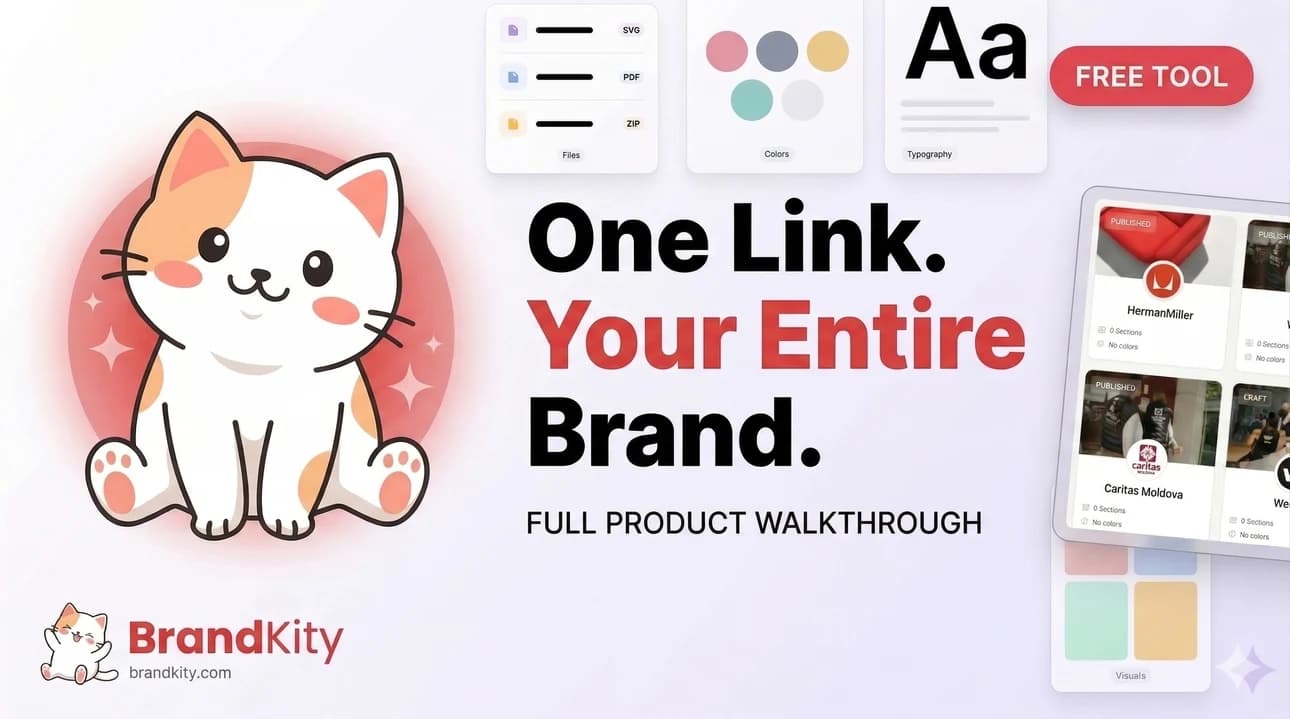
Table of contents
- Why Your Brand Assets Are the Undisputed Rulers of Your Digital Kingdom
- The Myth of Scattered Files: Where Great Brands Go to Die
- Defining Your Brand Assets: Beyond Just the Logo
- The Real Cost of Poor Brand Asset Management in 2026
- The Pillars of a Powerful Brand Asset Management Strategy
- Centralization: The Foundation of Your Brand Empire
- Organization: Structuring for Scalability and Speed
- Accessibility: Empowering Your Team (and Clients) Seamlessly
- Governance: Maintaining Brand Integrity Across All Touchpoints
- From Chaos to Clarity: Implementing a Single Source of Truth for Your Brand
- The ‘One Link to Rule Them All’: The Power of a Unified BrandKit
- Mapping Your Existing Asset Landscape: A Practical Audit
- Establishing Clear Naming Conventions and Tagging Systems
- Versioning Control: Ensuring Everyone Uses the Latest and Greatest
- Brand Guidelines as Your Royal Decrees: Enforcement and Evolution
- Beyond Static PDFs: Interactive and Dynamic Brand Guidelines
- Integrating Guidelines Directly into Asset Management
- Training and Onboarding: Ensuring Adherence from Day One
- Measuring the Impact of Effective Guideline Implementation
- The Agency Advantage: Streamlining Client Delivery and Internal Workflows
- Client Handoffs That Impress: Beyond a Zip File
- Onboarding New Clients: Setting the Stage for Brand Success
- Managing Multiple Client Brands Under One Roof: A Scalable Approach
- Boosting Creative Team Productivity and Collaboration
- Startup Supremacy: Building a Strong Brand Foundation from Day One
- The Lean Startup’s Asset Management Imperative
- Scaling Your Brand Assets as Your Business Grows
- Empowering Early Marketing Efforts with Accessible Resources
- Avoiding Costly Rebranding Due to Poor Asset Management
- Decoding Digital Asset Management (DAM) for Modern Businesses
- DAM vs. BAM: Understanding the Nuances for Brand-Centric Needs
- Key Features Your DAM Solution Must Have (and Ones You Can Skip)
- Evaluating DAM Platforms for Specific Business Needs (Agencies, Startups, Marketing Teams)
- The Art of the Brand Portal: Your Digital Crown Jewel
- Designing a User-Friendly and Branded Experience
- Essential Components of a High-Performing Brand Portal
- Use Cases for Internal and External Brand Portal Audiences
- Measuring ROI: How Brand Portals Drive Business Value
- Maximizing Marketing Team Productivity with Organized Assets
- The Impact of Instant Asset Retrieval on Campaign Speed
- Streamlining Content Creation Workflows
- Collaborating Effectively with External Marketing Partners
- Future-Proofing Your Brand: The Ever-Evolving Landscape of Asset Management
- AI and Automation in Brand Asset Management
- The Rise of Video and Rich Media Asset Management
- Integrating BAM with Other Business Systems (CRM, CMS, Project Management)
In the intricate dance of digital presence, your brand assets are the lead dancers. They dictate the rhythm, the mood, and the entire performance. When managed poorly, they stumble, creating discord that echoes across your marketing efforts. This isn’t just about aesthetics; it’s about the very essence of your brand’s perception and its ability to connect. In 2026, a robust brand asset management system isn’t a luxury—it’s the bedrock upon which digital authority is built.
Neglecting this core function is akin to a kingdom neglecting its treasury. Your logos, fonts, color palettes, and campaign materials are invaluable resources. Their strategic management directly impacts your brand’s consistency, recognition, and ultimately, its search engine ranking. Let’s explore why mastering your brand assets is the ultimate SEO power play.
Why Your Brand Assets Are the Undisputed Rulers of Your Digital Kingdom
Think of your brand assets as the foundational pillars of your entire digital kingdom. They are the visual and conceptual elements that, when wielded consistently, forge recognition, build trust, and communicate your brand’s identity. Without a unified strategy for their management, these vital components become disorganized, diluted, and ultimately, ineffective. In today’s hyper-competitive digital landscape, the power of consistent branding cannot be overstated; it directly influences user experience, brand recall, and critically, search engine algorithms that prioritize authority and trustworthiness. Effective brand asset management ensures that every piece of content, from a social media graphic to a website banner, speaks with a singular, powerful voice, reinforcing your brand’s message and making it easier for both users and search engines to understand and remember who you are. This consistency is a significant, yet often overlooked, ranking factor.
The Myth of Scattered Files: Where Great Brands Go to Die
The illusion of organization often leads to the reality of chaos. Many teams operate under the mistaken belief that simply having files on a shared drive or in various cloud storage folders constitutes proper management. This “scattered files” approach is a slow, insidious killer of brand consistency and, by extension, brand authority. When marketing teams, designers, sales representatives, or even external partners struggle to find the correct, up-to-date logo, a specific brand color hex code, or the latest campaign imagery, the result is a patchwork of inconsistent visuals. This not only erodes customer trust but also signals a lack of professionalism to search engine crawlers. Imagine a scenario where one team uses a slightly outdated logo on a social media campaign, while another uses the correct one on a press release. This isn’t just an aesthetic misstep; it’s a fragmentation of your brand’s identity, making it harder for search engines to associate all these disparate efforts with a single, authoritative entity. This fundamental lack of cohesion actively harms your ability to rank.
Defining Your Brand Assets: Beyond Just the Logo
While the logo is often the most recognized symbol of a brand, it represents only a fraction of the critical assets that define your identity. A comprehensive understanding of brand assets includes a wide spectrum of elements: color palettes (primary, secondary, accent), typography (fonts, weights, usage hierarchies), imagery (photography styles, illustrations, icons), video assets (logos, intros, testimonials), tone of voice guidelines, mission statements, and even specific product or service naming conventions. Each of these elements, when used consistently, contributes to a cohesive brand experience. For SEO, this breadth matters. Search engines analyze the totality of your brand’s expression. A well-defined set of assets ensures that your brand messaging is consistent across all platforms, reinforcing your expertise and authority in your niche. For example, consistent use of specific imagery styles can signal to search algorithms that you are a specialist in a particular area, thereby improving your relevance for targeted queries. This holistic view is crucial for establishing a strong digital footprint.
The Real Cost of Poor Brand Asset Management in 2026
The financial and reputational costs associated with poor brand asset management in 2026 are substantial and far-reaching. Beyond the obvious inefficiency of time wasted searching for files, the constant risk of using outdated or incorrect assets leads to inconsistent messaging. This inconsistency directly impacts brand recognition and trust, which are vital for customer loyalty and conversion rates. For search engines, this translates into a weaker signal of authority. If your brand’s online presence is a mishmash of different visual styles and messaging, search algorithms struggle to pinpoint your core identity and expertise. This can result in lower rankings for relevant keywords, reduced click-through rates from search results, and a diminished overall online presence. Furthermore, the legal implications of using unapproved or improperly licensed assets can lead to significant financial penalties and reputational damage. The cost isn’t just in lost revenue from missed opportunities; it’s in the erosion of the brand equity you’ve worked so hard to build. Think of it as leaky pipes in a multi-million dollar mansion – the damage is often hidden but ultimately catastrophic.
The Pillars of a Powerful Brand Asset Management Strategy
A robust brand asset management (BAM) strategy is not a single tool or process, but a holistic system built upon several interconnected pillars. These pillars ensure that your brand’s identity is not only preserved but also effectively leveraged across all communication channels. Without a solid foundation in these core areas, even the most sophisticated software will falter. This strategic approach moves beyond mere storage and retrieval, aiming to create a dynamic system that empowers your teams, protects your brand integrity, and ultimately enhances your digital footprint. Each pillar plays a critical role in transforming raw assets into a powerful engine for brand recognition and search engine visibility. This structured approach is what separates a disorganized collection of files from a powerful, cohesive brand identity.
Centralization: The Foundation of Your Brand Empire
The cornerstone of any effective brand asset management strategy is centralization. This means consolidating all your brand assets—logos, images, videos, documents, fonts, and more—into a single, secure, and easily accessible repository. The myth of scattered files, where crucial assets reside on individual hard drives, local servers, or various cloud storage accounts, is a direct consequence of a lack of centralization. This fragmented approach inevitably leads to version control issues, the use of outdated materials, and significant time wastage as employees search for the correct files. A centralized system, often referred to as a digital asset management (DAM) system or, more accessibly, a Brand Portal like BrandKity, acts as the single source of truth. It ensures that everyone in the organization, from marketing to sales to product development, is accessing the most current and approved versions of brand assets, fostering consistency across all touchpoints and reinforcing your brand’s professional image to both users and search engines. This is the first, non-negotiable step towards brand mastery.
Organization: Structuring for Scalability and Speed
Once assets are centralized, the next critical pillar is organization. This involves creating a logical, intuitive structure that makes assets easily discoverable, even as your brand and asset library grow exponentially. Simply dumping files into a central location without a system is akin to hoarding without curating. Effective organization employs a combination of folder structures, metadata tagging, and keyword hierarchies. Consider the vastness of assets a large organization might possess: campaign materials from different years, product launches, regional variations, and diverse media types. Without a clear system, finding a specific asset could take hours, if not days. A well-organized system allows users to locate exactly what they need in seconds, drastically improving productivity. This speed and efficiency also have a positive indirect impact on SEO by enabling faster content creation and deployment cycles. When your teams can quickly access and utilize approved assets, they can produce more high-quality, consistent content, which is a fundamental driver of organic search performance.
Accessibility: Empowering Your Team (and Clients) Seamlessly
The third vital pillar is accessibility. It’s not enough to have assets centralized and organized; they must be readily available to everyone who needs them, when they need them, and in the formats they need them. This principle extends beyond internal teams to include external partners, agencies, and even clients. Think about the process of onboarding a new agency or handing off a project to a client. If they have to jump through hoops or request specific files piecemeal, it creates friction and delays. A robust BAM system, particularly one that offers shareable links or branded portals, makes accessing assets effortless. For instance, a single BrandKit link can provide controlled access to a curated selection of assets. This ease of access fosters collaboration, speeds up project timelines, and ensures that your brand’s integrity is maintained even when external parties are involved. Seamless accessibility empowers your entire ecosystem to use your brand correctly, leading to more consistent messaging and a stronger, more recognizable digital presence that search engines can easily interpret.
Governance: Maintaining Brand Integrity Across All Touchpoints
The final, yet arguably most crucial, pillar is governance. This refers to the policies, processes, and controls put in place to ensure that brand assets are used correctly and consistently across all channels. Without governance, even the most centralized, organized, and accessible system can devolve into brand dilution. Governance is about establishing the rules of engagement for your brand assets. This includes defining who has permission to access, download, and use specific assets, establishing clear usage guidelines (e.g., minimum logo size, correct color application), and implementing an approval workflow for new or modified assets. For example, a governance policy might dictate that only authorized marketing personnel can download high-resolution logos for print collateral, while social media managers have access to web-optimized versions. Implementing strong governance prevents brand misuse, protects against legal issues, and most importantly, ensures that every interaction with your brand reinforces a clear, consistent, and authoritative identity. This unwavering consistency is a key signal to search engines that your brand is reliable and well-managed, directly contributing to improved search visibility and trust.
From Chaos to Clarity: Implementing a Single Source of Truth for Your Brand
The journey from a disorganized collection of files to a harmonized brand ecosystem hinges on establishing a single source of truth. This isn’t merely a conceptual ideal; it’s a practical implementation that fundamentally transforms how your organization interacts with its brand identity. In today’s digital-first environment, relying on scattered folders, email attachments, or outdated shared drives is a recipe for inconsistency, inefficiency, and reputational damage. A single source of truth consolidates all approved brand assets, guidelines, and related collateral into one accessible, secure location. This eliminates the confusion and “rogue asset” problem, ensuring that every team member, agency partner, and freelancer is working with the definitive, up-to-date materials. This clarity is paramount for maintaining brand consistency, which is not only vital for customer recognition and trust but also for how search engines perceive and rank your brand’s authority and relevance in your industry. It’s the bedrock for professional brand delivery and effective marketing.
The ‘One Link to Rule Them All’: The Power of a Unified BrandKit
Imagine a world where sharing your brand assets with a new client, a freelance designer, or an external marketing partner is as simple as sending a single link. This is the transformative power of a unified BrandKit. Instead of compiling multiple files, creating zip archives, or granting access to complex systems, a single, shareable link provides controlled access to a curated collection of your most important brand assets and guidelines. This approach dramatically simplifies collaboration and brand delivery workflows. For agencies, it means faster onboarding for new clients and a more professional handoff process. For startups, it ensures that even early-stage partners can access and use brand elements correctly. This ease of sharing fosters consistency by ensuring everyone is working from the same, approved materials. This consistency, in turn, strengthens your brand’s digital footprint. Search engines favor brands that present a unified, coherent identity across all platforms, and a single link to your BrandKit is a powerful tool for achieving that uniformity, making your brand more discoverable and reputable.
Mapping Your Existing Asset Landscape: A Practical Audit
Before you can implement a new system or achieve clarity, you must understand your current state of chaos. A practical audit of your existing brand asset landscape is an indispensable first step. This involves a thorough inventory and assessment of all brand-related files currently in use across your organization. Where are your logos stored? What versions exist? Are there outdated color palettes or fonts being used in legacy materials? This audit should identify redundancies, inconsistencies, and potential risks, such as unlicensed imagery or unapproved brand collateral. For example, you might discover dozens of variations of your logo spread across different departments and cloud storage services. Documenting the location, format, and usage of each asset provides the crucial data needed to plan your migration and consolidation strategy. This meticulous mapping process is essential for understanding the scope of work required to establish a single source of truth and lays the groundwork for effective brand asset management.
Establishing Clear Naming Conventions and Tagging Systems
With a clear understanding of your existing assets, the next critical step is establishing robust naming conventions and a comprehensive tagging system. These two elements work in tandem to ensure that assets are not only findable but also understandable at a glance. Naming conventions provide a standardized format for file names, ensuring consistency and preventing confusion. For instance, `LogoPrimaryFullColor_RGB.png` is far more descriptive and useful than `logo final final v2.png`. Equally important is a well-defined tagging system, which uses metadata to categorize and describe assets. Tags can include information like color, subject matter, campaign name, product, usage rights, and expiry dates. A strong tagging strategy allows for powerful search functionality, enabling users to quickly filter and locate specific assets, even within a massive library. For example, searching for “blue social media graphic summer campaign 2025” can instantly pull up the correct assets. This structured approach dramatically reduces search time, minimizes the use of incorrect assets, and makes your brand information more accessible and actionable for all stakeholders, directly supporting a coherent brand message.
Versioning Control: Ensuring Everyone Uses the Latest and Greatest
In the dynamic world of branding and marketing, assets are rarely static. They evolve, are updated, and sometimes need to be retired. This is where versioning control becomes a non-negotiable component of your brand asset management strategy. Without it, teams can easily fall back on older, less effective, or even incorrect versions of logos, taglines, or imagery, leading to a fragmented brand experience. A robust system automatically tracks changes, assigns version numbers, and clearly indicates the current, approved version of each asset. This eliminates guesswork and ensures that everyone, from a junior designer to a senior marketing manager, is always working with the most up-to-date materials. For instance, if a logo is updated, the previous version is archived but clearly marked as obsolete, while the new version is prominently displayed as the current standard. This commitment to using the latest and greatest assets maintains brand integrity, prevents costly errors, and presents a consistent, authoritative front to your audience, which search engines consistently reward.
Brand Guidelines as Your Royal Decrees: Enforcement and Evolution
Brand guidelines are the definitive rulebook for your brand’s identity. They are the codified principles that dictate how your brand should be represented visually and verbally across all communications. In the context of brand asset management, these guidelines are not mere static documents; they are active enforcement mechanisms that ensure consistency, protect brand integrity, and guide every creative decision. Think of them as your kingdom’s royal decrees – essential for maintaining order and a unified appearance. Effective guidelines go beyond listing colors and fonts; they provide context, explain the ‘why’ behind the rules, and offer practical examples. Their enforcement is critical for building a strong, recognizable brand that resonates with audiences and, crucially, signals authority and coherence to search engines. The evolution of these guidelines ensures your brand remains relevant and competitive in an ever-changing digital landscape.
Beyond Static PDFs: Interactive and Dynamic Brand Guidelines
The traditional PDF brand guideline document, while foundational, often falls short in today’s fast-paced digital environment. Static PDFs can be difficult to navigate, quickly become outdated, and lack interactive elements that truly help users understand and apply the guidelines. The future, and indeed the present for forward-thinking brands, lies in interactive and dynamic brand guidelines. These are often integrated directly into brand asset management platforms, offering a more engaging and user-friendly experience. Imagine guidelines that include clickable color swatches that copy hex codes, live font previews that demonstrate typography hierarchies, or even short video tutorials on correct logo usage. These dynamic resources allow users to explore, experiment, and understand the nuances of the brand identity in a more intuitive way. For example, a user might click on a logo usage example and immediately see a dropdown of approved variations and their specific applications. This enhanced accessibility and interactivity make adherence to guidelines easier, leading to more consistent brand application across all touchpoints, a key factor for SEO success and brand recognition.
Integrating Guidelines Directly into Asset Management
The most potent way to ensure adherence to brand guidelines is to integrate them directly into your asset management system. This transforms guidelines from a supplementary document into an intrinsic part of the asset workflow. When users access an asset, the relevant guideline information should be immediately available or even contextually applied. For instance, when a user downloads a logo, the system could automatically provide a link to the logo usage guidelines or even display a brief reminder about acceptable use cases. Similarly, if a user attempts to download an asset for a purpose that contravenes the guidelines, the system could flag it or prevent the download. This seamless integration automates enforcement, reducing the reliance on manual checks and training. It creates a proactive environment where brand consistency is built into the very process of accessing and using assets. This continuous reinforcement of brand rules ensures that every piece of content produced is aligned with the brand’s intended identity, strengthening your overall digital presence and improving search engine perception. This is crucial for maintaining brand consistency.
Training and Onboarding: Ensuring Adherence from Day One
Even the most sophisticated asset management system and comprehensive guidelines are only effective if your team understands how to use them. Training and onboarding are critical components for ensuring adherence from day one. This means proactively educating all relevant personnel—employees, freelancers, agencies—on the importance of brand guidelines and the functionality of your asset management platform. For new hires, this training should be an integral part of their onboarding process. For existing teams, regular refresher sessions can reinforce best practices and introduce any updates to guidelines or systems. This could involve live workshops, e-learning modules, or easily accessible video tutorials hosted within the asset management platform itself. The goal is to instill a deep understanding of the brand’s visual and verbal identity and to empower individuals to confidently and correctly apply these principles. When everyone is trained and understands the ‘why’ and ‘how’ of brand adherence, the quality and consistency of your brand’s representation across all channels improve dramatically, leading to a stronger, more cohesive online presence that search engines can easily interpret and rank.
Measuring the Impact of Effective Guideline Implementation
To truly understand the value of your brand guidelines and asset management efforts, you must measure their impact. This isn’t just about qualitative observations; it requires establishing key performance indicators (KPIs) to track adherence and its effects. Metrics can include the frequency of guideline violations flagged by your system or reviewed by brand managers, the time saved in asset retrieval due to organized systems, and the number of assets downloaded and used correctly. Beyond internal efficiency, the external impact is also measurable. Look for improvements in brand recall and recognition through surveys, monitor consistency across marketing campaigns via content audits, and observe any correlation with improved search engine rankings for branded and unbranded keywords. For instance, a reduction in guideline violations, coupled with an increase in search traffic for core brand terms, suggests a positive correlation between effective guideline implementation and enhanced online authority. This data-driven approach allows you to continually refine your strategy, demonstrate ROI, and solidify the importance of brand asset management as a core business function.
The Agency Advantage: Streamlining Client Delivery and Internal Workflows
For agencies, efficient client delivery and robust internal workflows are not just about operational smoothness; they are direct drivers of client satisfaction, retention, and ultimately, profitability. A well-structured brand asset management strategy acts as the bedrock for achieving this. It transforms chaotic file-sharing into a seamless, professional experience. This isn’t merely about tidying up folders; it’s about empowering your teams, impressing clients, and positioning your agency as a strategic partner rather than just a service provider. Implementing a centralized system for brand assets means reducing the time spent searching for logos, brand guides, and marketing collateral, freeing up valuable creative and account management hours. This efficiency translates directly into faster project turnaround times and a more agile response to client needs, which are critical in today’s fast-paced digital landscape.
Client Handoffs That Impress: Beyond a Zip File
The final client handoff is a pivotal moment. Delivering brand assets via a disorganized collection of files or a clunky cloud storage link can undermine months of hard work and professional effort. Agencies that elevate this process move beyond the rudimentary “zip file” delivery to a more structured, branded, and user-friendly experience. This involves providing clients with a curated, easily navigable package of all necessary brand assets, complete with clear instructions and accessible brand guidelines. Think of it as a digital welcome kit that empowers the client to use their new brand assets effectively from day one. Such a refined handoff process not only instills confidence in the agency’s capabilities but also sets the client up for long-term brand consistency, reducing the likelihood of them misusing assets and requiring costly revisions later. This structured approach demonstrates a deep understanding of brand stewardship and client success.
Onboarding New Clients: Setting the Stage for Brand Success
The onboarding phase is critical for establishing a strong foundation for any new client relationship and their brand. For agencies, this means meticulously gathering, organizing, and understanding the client’s existing brand assets, even if they are incomplete or in disarray. A robust brand asset management system allows for the efficient consolidation of all inherited brand elements—logos, color palettes, typography, imagery, and past campaign materials. This central repository becomes the single source of truth from which all subsequent creative work will draw. It prevents the common pitfalls of working with fragmented assets, such as design inconsistencies or the use of outdated brand elements. A thorough onboarding process, supported by a strong BAM system, ensures that the agency has a clear, comprehensive grasp of the brand’s identity, enabling them to deliver work that is both on-brand and strategically aligned with the client’s objectives.
Managing Multiple Client Brands Under One Roof: A Scalable Approach
Agencies, by their nature, manage a portfolio of diverse clients, each with its own unique brand identity and set of assets. The ability to effectively compartmentalize and manage these distinct brand libraries within a single platform is paramount for scalability and operational efficiency. A well-implemented brand asset management solution allows for clear segregation between client brands, preventing cross-contamination and ensuring that the right assets are accessible to the right teams at the right time. This is crucial for maintaining brand integrity for each client. Without this, agencies risk accidental asset misuse, confusion among team members, and significant time wasted sifting through irrelevant files. A scalable system supports growth, enabling agencies to take on more clients without a proportional increase in organizational overhead or a decline in service quality.
Boosting Creative Team Productivity and Collaboration
The heart of any agency is its creative talent, and their productivity is directly impacted by the tools and processes they use. Brand asset management plays a significant role in enhancing creative team output and fostering seamless collaboration. When designers and creatives have instant access to approved logos, high-resolution imagery, fonts, and brand guidelines, they can focus on creative ideation and execution rather than the tedious task of asset hunting. Centralized platforms also facilitate version control, ensuring everyone is working with the latest approved assets, thereby minimizing errors and rework. Furthermore, features like commenting, asset tagging, and shared workspaces within a BAM system can significantly improve communication and collaboration between team members, leading to more cohesive and high-quality creative deliverables. This operational efficiency is key to unlocking the full creative potential of your team.
Startup Supremacy: Building a Strong Brand Foundation from Day One
For startups, brand is not an afterthought; it’s a critical component of their identity and market positioning. Establishing a strong brand foundation from the outset is essential for making a lasting impression and building trust with early adopters and investors. This foundation is heavily reliant on how brand assets are managed. A proactive approach to brand asset management, even in the leanest of startup environments, prevents future headaches and costly rebranding efforts. It ensures that as the startup grows and evolves, its visual identity remains consistent and professional. This is about more than just having a logo; it’s about having a cohesive system of visual and verbal elements that communicate the brand’s value proposition effectively and reliably across all touchpoints. Investing time and resources into organizing and governing these core brand assets early pays dividends in credibility and market recognition.
The Lean Startup’s Asset Management Imperative
The lean startup methodology emphasizes efficiency, iteration, and resourcefulness. Within this framework, brand asset management (BAM) might seem like a complex overhead. However, it’s actually a cornerstone of lean operations. The imperative is to establish a single, accessible source of truth for all brand elements from the very beginning, even if it’s a simple system. This prevents wasted time and money on recreating lost logos, reformatting outdated brand guides, or correcting inconsistent visual applications. For a lean startup, every hour and every dollar counts. A well-managed asset library ensures that marketing collateral, pitch decks, website elements, and social media graphics are all created using approved, up-to-date assets. This avoids the “design debt” that can accumulate rapidly, forcing expensive and disruptive rebrands later down the line. It’s about building agility and consistency into the brand’s DNA from inception.
Scaling Your Brand Assets as Your Business Grows
As a startup gains traction and begins to scale, so too will its marketing efforts and, consequently, its brand assets. A system that is robust enough to handle initial needs must also be capable of accommodating growth without becoming unwieldy. This means choosing a solution that allows for the addition of new asset types (e.g., product imagery, video content, campaign-specific graphics), increased user access, and more sophisticated organizational structures as the team expands. The ability to scale ensures that the brand’s visual identity remains coherent and professional, regardless of the volume of new content being generated or the number of team members accessing the assets. Failing to plan for scalability can lead to a fragmented asset landscape, where important files are lost, outdated versions are used, and brand consistency erodes, ultimately hindering further growth and market penetration. A flexible brand asset hub is key here.
Empowering Early Marketing Efforts with Accessible Resources
In the crucial early stages of a startup, every marketing touchpoint matters. The ability to quickly and consistently deploy branded materials is vital for building brand awareness and credibility. Accessible brand assets are the fuel for these efforts. When marketing teams, founders, or even outsourced freelancers can easily find and download approved logos, correct color codes, and appropriate imagery, they can execute marketing campaigns with speed and confidence. This eliminates bottlenecks and ensures that all outward-facing communications align with the brand’s intended visual identity. Conversely, a lack of organized assets leads to delays, inconsistent messaging, and a diluted brand presence, which can be detrimental to a startup trying to establish its foothold in a competitive market. Empowering your team with readily available resources is a foundational step for successful early-stage marketing.
Avoiding Costly Rebranding Due to Poor Asset Management
One of the most significant, yet often overlooked, costs for growing businesses is the expense and disruption associated with a forced rebranding due to poor asset management. Startups often begin with informal systems, but as they evolve, inconsistent logo usage, outdated color palettes, and fragmented typography can creep in. These visual misalignments erode brand recognition and trust. A proactive approach to brand asset management, focusing on establishing clear guidelines and a centralized library from the outset, acts as a powerful preventative measure. It ensures that the brand’s visual identity remains cohesive and on-point throughout its growth trajectory. This significantly reduces the likelihood of needing a complete overhaul because the existing assets have been consistently maintained and governed, saving the startup considerable time, money, and potential reputational damage associated with a large-scale rebranding initiative.
Decoding Digital Asset Management (DAM) for Modern Businesses
Digital Asset Management (DAM) has evolved into a critical component of modern business operations, particularly for organizations that rely heavily on digital content. While often discussed in parallel with Brand Asset Management (BAM), understanding its core functionalities and distinctions is crucial for selecting the right tools. DAM systems are designed to store, organize, search, retrieve, and share large volumes of digital files, including images, videos, audio, documents, and more. The primary goal is to streamline workflows, improve collaboration, and ensure that assets are discoverable and usable across an organization. For businesses aiming to leverage their digital content as a strategic advantage, a robust DAM solution is often indispensable. It provides a centralized repository that prevents asset silos and ensures brand consistency across diverse digital channels. The strategic implementation of a DAM can transform how an organization manages and utilizes its valuable digital inventory.
DAM vs. BAM: Understanding the Nuances for Brand-Centric Needs
While both Digital Asset Management (DAM) and Brand Asset Management (BAM) focus on organizing digital files, their core emphasis and target use cases differ significantly. DAM systems are typically broad, designed to manage any type of digital asset across an entire organization – from marketing collateral and product images to internal documents and HR forms. They excel at handling vast quantities of files and complex metadata for robust searchability. BAM, on the other hand, is a subset of DAM specifically tailored for managing assets that define and maintain a brand’s identity. This includes logos, color palettes, typography, brand guidelines, and approved marketing templates. BAM solutions prioritize consistency, governance, and ease of distribution for brand-related materials, often integrating brand guidelines directly. For businesses where brand integrity is paramount, BAM offers a more focused and efficient approach than a generic DAM. You can learn more about how AI is shaping the future of this in brand asset management’s next frontier.
Key Features Your DAM Solution Must Have (and Ones You Can Skip)
When evaluating Digital Asset Management (DAM) platforms, discerning essential features from nice-to-haves is crucial for maximizing return on investment and ensuring user adoption. Core functionalities that are non-negotiable include robust search capabilities (with advanced filtering and metadata tagging), secure storage with version control, controlled user permissions and access levels, and efficient asset sharing options (including external sharing). Features like advanced analytics on asset usage, integration with other marketing and creative tools (e.g., Adobe Creative Cloud, project management software), and AI-powered auto-tagging can also significantly boost productivity. However, some features often found in enterprise DAMs might be overkill for smaller businesses or those with simpler needs. This could include highly complex workflow automation for niche industries, advanced video editing capabilities, or extensive e-commerce integrations if not directly relevant to your business model. Always prioritize features that directly address your organization’s specific pain points related to asset access, usage, and consistency.
Evaluating DAM Platforms for Specific Business Needs (Agencies, Startups, Marketing Teams)
The ideal Digital Asset Management (DAM) solution varies considerably based on the specific needs and operational scale of different business types. For agencies, key considerations include ease of client onboarding, seamless brand asset delivery, and the ability to manage multiple distinct client brand libraries efficiently. Startups, conversely, often prioritize affordability, user-friendliness, and scalability, needing a system that can grow with them without a steep learning curve. Marketing teams, meanwhile, will look for robust integration capabilities with their existing MarTech stack, strong analytics for tracking asset performance, and features that facilitate campaign planning and execution. When evaluating platforms, consider the following: Does it support collaborative workflows? Is the interface intuitive for all user levels? What is the cost structure, and does it align with your budget? Does it offer the specific integrations you rely on? A careful assessment against these criteria will lead to a more successful and impactful DAM implementation.
The Art of the Brand Portal: Your Digital Crown Jewel
A brand portal serves as the centralized, online hub for all an organization’s brand assets and guidelines. Think of it as the digital embodiment of your brand’s identity, designed to be easily accessible and user-friendly for both internal teams and external partners. Unlike a simple cloud storage folder, a well-constructed brand portal is an actively managed resource that ensures consistency, protects brand integrity, and empowers users to engage with the brand effectively. It’s where stakeholders can find approved logos, understand color and typography usage, access templates, and adhere to brand standards. For any organization serious about maintaining a strong, cohesive brand presence, a brand portal is not just a tool, but a strategic asset that drives brand recognition and operational efficiency. Its design and functionality directly impact how easily and accurately your brand is represented across all communications.
Designing a User-Friendly and Branded Experience
The effectiveness of a brand portal hinges on its user experience (UX) and how well it reflects the brand it serves. A user-friendly portal is intuitive, requiring minimal training to navigate. This means clear labeling, logical organization, and a powerful, yet simple, search function. Equally important is the branding of the portal itself. It should visually align with the organization’s overall brand identity, using its colors, fonts, and tone of voice. This consistency reinforces the brand’s presence from the moment a user accesses the portal. For external users like partners or freelancers, a branded portal instills confidence and professionalism. For internal teams, it acts as a constant reminder of brand standards. Prioritizing a clean, branded, and intuitive design ensures that the portal is not just a repository, but an engaging and helpful resource that encourages consistent brand application.
Essential Components of a High-Performing Brand Portal
A truly high-performing brand portal goes beyond simply housing files; it’s a dynamic resource designed for utility and governance. At its core, it must provide easy access to all approved brand assets, including logos (in various formats and sizes), color palettes (with HEX, RGB, CMYK values), typography guidelines (including font files or links), imagery libraries, and approved templates for common marketing collateral. Crucially, it needs comprehensive and clearly articulated brand guidelines that explain the “why” and “how” of brand usage. Beyond static assets, essential components also include version control to ensure users always access the latest approved elements, robust search functionality with effective tagging, user permission management to control access, and clear instructions for asset download and usage. The ability to integrate with other tools and provide analytics on asset usage can further elevate a portal’s performance.
Use Cases for Internal and External Brand Portal Audiences
Brand portals cater to a diverse range of users, each with distinct needs. Internally, marketing teams leverage portals for quick access to campaign assets, sales teams use them for branded pitch decks and presentations, and HR might use them for employee onboarding materials. Designers rely on them for precise brand elements to ensure consistency across all creative projects. Externally, partners, vendors, and agencies can use the portal to access approved logos and brand guidelines, ensuring they represent the brand correctly. This democratizes brand access while maintaining strict governance. For instance, a co-marketing partner can easily download the correct co-branded logo, or a freelance graphic designer can access the official font files without needing to ask multiple internal stakeholders, significantly speeding up collaborative projects and ensuring brand integrity across all touchpoints, much like how specialized tools aid in asset mastery for startups.
Measuring ROI: How Brand Portals Drive Business Value
Quantifying the return on investment (ROI) of a brand portal might seem challenging, but its impact on business value is substantial and measurable through several key metrics. Primarily, a brand portal drives significant time savings by reducing the hours employees spend searching for or requesting assets. This directly translates to increased productivity for marketing, design, and sales teams. Secondly, by ensuring brand consistency, portals minimize the risk of off-brand communications, which can dilute brand equity and negatively impact customer perception. This reduces costly errors and potential rebranding expenses. Trackable metrics can include the reduction in asset-related support requests, the speed at which marketing campaigns are deployed, and a decrease in instances of incorrect brand asset usage. Furthermore, improved brand consistency can lead to stronger brand recognition and customer loyalty, indirectly contributing to revenue growth. The platform itself acts as a key enabler for brand consistency across all channels.
Maximizing Marketing Team Productivity with Organized Assets
In today’s fast-paced digital landscape, the efficiency of a marketing team is directly correlated with the accessibility and organization of its brand assets. When logos, images, videos, and collateral are scattered across shared drives, individual hard drives, or cloud storage silos, significant time is lost searching for the right file. This lack of a centralized, searchable repository is a productivity killer, leading to missed deadlines and wasted resources. A robust
The Impact of Instant Asset Retrieval on Campaign Speed
The ability to instantly retrieve approved brand assets is a critical determinant of campaign speed. Imagine launching a new product or a seasonal promotion. Marketing teams need access to high-resolution logos, product imagery, approved ad copy, and specific campaign templates. If these assets require manual searching through numerous folders or requesting them from another department, the entire launch timeline can be significantly delayed. With a well-organized BrandKity provide a single source of truth, ensuring that from social media posts to print advertisements, the brand message remains cohesive and professional, significantly strengthening brand equity.
Streamlining Content Creation Workflows
The process of content creation often involves multiple stages and team members, from initial concept to final delivery. Without a structured approach to asset management, this workflow can become bogged down by inefficient asset handling. A brand asset management system streamlines this by providing a single repository for all necessary components. Designers can easily find approved imagery and logos, copywriters can access brand voice guides and product fact sheets, and production teams can locate final artwork and video files. This centralized access minimizes back-and-forth communication, reduces the risk of using incorrect or unapproved assets, and accelerates the entire production cycle. For example, a startup developing marketing collateral can ensure all team members are using the latest approved logo and color codes, preventing costly revisions down the line and speeding up the delivery of marketing materials.
Collaborating Effectively with External Marketing Partners
Many organizations work with external agencies, freelancers, or distributors, all of whom require access to brand assets. Managing these relationships and ensuring consistent brand application can be challenging. A comprehensive brand asset management solution simplifies this by allowing controlled access to specific asset libraries. External partners can be granted permissions to download only the necessary files, such as logos in various formats, brand guideline documents, and approved imagery. This eliminates the need for emailing large files, managing multiple versions, and constantly answering requests for assets. It ensures that partners are always working with the most up-to-date and on-brand materials, fostering seamless collaboration and maintaining brand integrity across all external communications. An agency, for instance, can provide a client with a secure portal link, granting their team access to all campaign-specific assets, simplifying the handover process and ensuring brand alignment.
Future-Proofing Your Brand: The Ever-Evolving Landscape of Asset Management
The field of brand asset management is not static; it is a dynamic environment constantly reshaped by technological advancements and evolving digital media. To truly future-proof a brand’s identity and its marketing efforts, organizations must embrace innovative solutions and adapt to emerging trends. This involves understanding how new technologies like artificial intelligence can enhance asset management and recognizing the growing importance of rich media formats, particularly video. Furthermore, integrating brand asset management systems with other core business platforms is no longer a luxury but a necessity for seamless operations. Staying competitive requires a proactive approach to continuous improvement, ensuring that your brand’s digital assets remain accessible, secure, and aligned with your strategic goals, regardless of future shifts in technology or market demands.
AI and Automation in Brand Asset Management
Artificial intelligence (AI) and automation are rapidly transforming how brands manage their digital assets, moving beyond simple storage and retrieval. AI can now automate the tedious tasks of tagging, categorizing, and organizing vast libraries of assets. Features like intelligent metadata generation, content recognition, and automated quality checks significantly reduce manual effort and improve accuracy. For example, AI can identify objects, colors, or even sentiment within images and videos, automatically assigning relevant tags that make assets highly searchable. This level of automation accelerates workflows, reduces human error, and ensures that assets are discoverable with unprecedented ease. As explored in discussions around , these advancements are not just about efficiency; they enable a deeper understanding and more strategic utilization of a brand’s entire asset portfolio, paving the way for more data-driven marketing decisions.
The Rise of Video and Rich Media Asset Management
In the current digital era, video content and other rich media formats are no longer optional additions to a marketing strategy; they are central to engagement. This shift necessitates robust solutions for managing these complex assets. Unlike static images or documents, videos require specialized handling for various formats, resolutions, and editing stages. A forward-thinking brand asset management system must accommodate these needs, offering features like video transcoding, preview generation, and integration with editing tools. Effectively managing a growing library of video testimonials, product demos, social media clips, and animated graphics is crucial for maintaining brand narrative consistency and ensuring that high-quality video content can be deployed quickly across multiple platforms. The ability to efficiently store, organize, and share these dynamic assets is paramount for brands looking to leverage the power of visual storytelling.
Integrating BAM with Other Business Systems (CRM, CMS, Project Management)
To unlock the full potential of brand asset management (BAM), its integration with other critical business systems is essential. Connecting a BAM platform with Customer Relationship Management (CRM) software, Content Management Systems (CMS), and project management tools creates a unified ecosystem where brand assets flow seamlessly through various operational workflows. For instance, integrating with a CRM allows sales teams to easily access approved marketing collateral and case studies directly from their customer interaction interface. A CMS integration means that website content creators can pull approved images and graphics without leaving their content editing environment. Similarly, linking BAM with project management software ensures that all project-related assets are readily available to team members, reducing delays and miscommunication. This interconnectedness fosters greater operational efficiency and ensures that brand consistency is maintained across all touchpoints of the customer journey. Understanding how these integrations can elevate your the next frontier of AI in asset management, is fundamental to sustained success.
Saurabh Kumar
Founder, BrandKity
Saurabh writes about practical brand systems, faster client handoffs, and scalable workflows for designers and agencies building repeatable delivery operations.
Connect on LinkedIn