
Brand Asset Management for Agencies: A Practical Guide
In the fast-paced world of creative services, agencies are constantly juggling multiple clients, projects, and a dizzying array of brand assets. From …
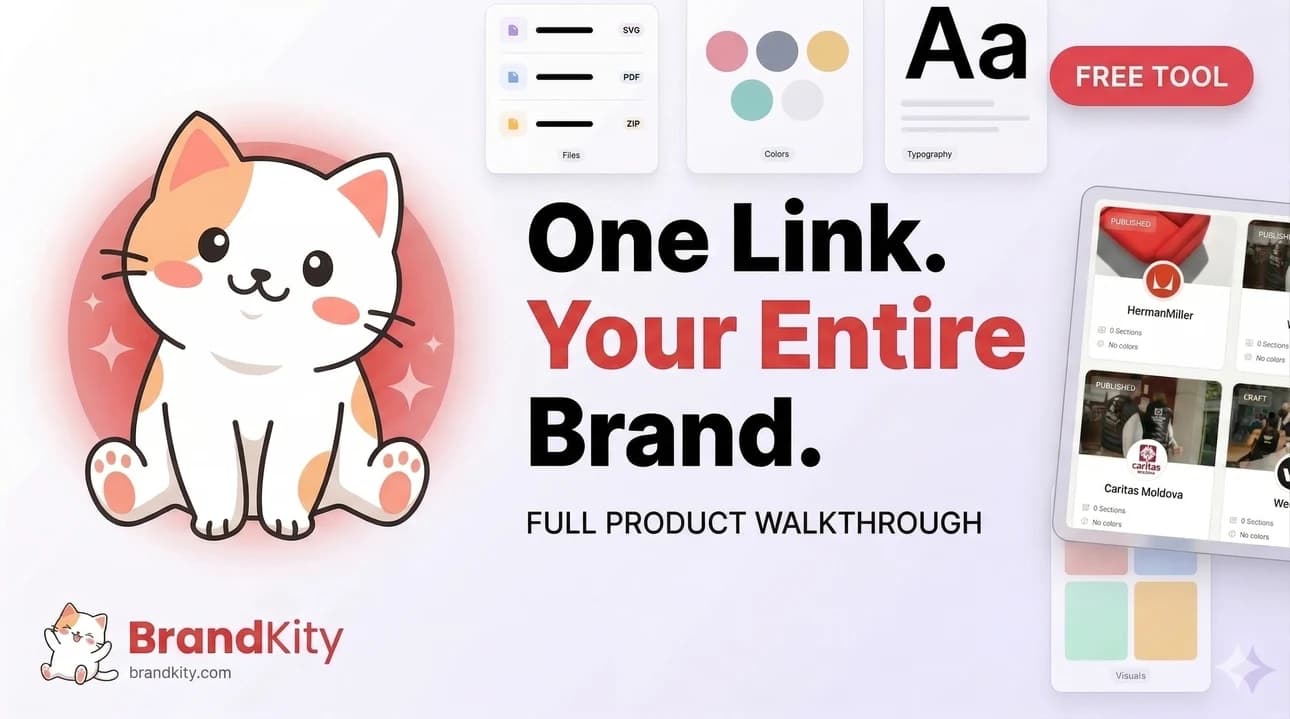
Table of contents
- The Agency’s Struggle: Reclaiming Control Over Scattered Brand Assets in 2026
- The Modern Agency’s Asset Overload Problem
- Why Traditional File Management Fails Agencies
- The Cost of Inefficiency: Time, Money, and Client Trust
- Defining Brand Asset Management (BAM) for the Creative Professional
- Beyond Basic DAM: What Agencies Truly Need
- Core Components of an Effective BAM System
- Key Differences: BAM vs. Traditional Cloud Storage
- Building Your Agency’s Single Source of Truth: Practical Setup Guide
- Step 1: Auditing and Categorizing Your Assets
- Step 2: Establishing Naming Conventions and Tagging Strategies
- Step 3: Implementing Version Control for Design Assets
- Step 4: Defining User Roles and Permissions
- Optimizing Agency Workflows with a Centralized Brand Hub
- Streamlining Internal Collaboration and Feedback Loops
- Accelerating Client Onboarding with Pre-organized Kits
- Reducing Revisions Due to Asset Confusion
- Empowering Designers with Easy Access to Approved Materials
- Mastering Client Handoffs: Delivering Brands with Confidence
- The Power of the Shareable BrandKit Link for Clients
- Creating Branded Portals for Seamless Client Access
- Ensuring Client Teams Understand and Use Brand Assets Correctly
- Post-Project Support: Ongoing Asset Management for Clients
- Essential Brand Assets Every Agency Needs to Manage Effectively
- Logo Variations and Usage Guidelines
- Typography Systems: Fonts, Weights, and Applications
- Color Palettes: Primary, Secondary, and Accent Colors
- Imagery and Iconography Libraries
- Templates and Marketing Collateral
- Leveraging Brand Asset Management for Enhanced Brand Consistency
- The Ripple Effect of Inconsistent Branding
- How BAM Enforces Brand Guidelines Across Projects
- Measuring and Maintaining Brand Integrity Over Time
- Proactive Risk Management: Preventing Brand Misuse
- Choosing the Right BAM Solution: Key Decision Criteria for Agencies
- Usability and Onboarding Experience
- Integration Capabilities with Existing Tools
- Scalability and Future-Proofing
- Security and Compliance
- Client-Facing Features and Collaboration Tools
- Real-World Agency Scenarios: BAM in Action
- Scenario 1: The Fast-Growing Startup Rebrand
- Scenario 2: The Enterprise Client with Multiple Marketing Teams
- Scenario 3: The Freelancer Managing Several Client Brands
- Scenario 4: Streamlining a Multidisciplinary Creative Agency’s Workflow
- Beyond Assets: Building a Culture of Brand Operations Excellence
- The Role of BAM in Fostering Brand Governance
- Training Your Team for Optimal Asset Utilization
- Gathering Feedback for Continuous Improvement
- The Long-Term Value of Organized Brand Assets
In the fast-paced world of creative services, agencies are constantly juggling multiple clients, projects, and a dizzying array of brand assets. From logos and fonts to campaign imagery and legal disclaimers, keeping everything organized and accessible is a monumental, often overwhelming, task. This struggle is amplified in 2026, as the volume and diversity of digital content continue to explode.
The consequence? Valuable time is lost searching for files, brand consistency suffers, and the risk of using outdated or incorrect materials increases. This chaotic reality directly impacts an agency’s efficiency, profitability, and, most importantly, client satisfaction. It’s time for a fundamental shift in how agencies manage their most critical intellectual property: their clients’ brands.
The Agency’s Struggle: Reclaiming Control Over Scattered Brand Assets in 2026
The Modern Agency’s Asset Overload Problem
Agencies in 2026 face an unprecedented deluge of brand assets. Each client project generates a continuous stream of logos in various formats, intricate typography files, color palettes, photography, videography, iconography, illustration libraries, style guides, and marketing collateral. This isn’t just about quantity; it’s about the sheer diversity of file types, versions, and specifications required across different platforms and deliverables. Disparate storage locations, such as individual designer hard drives, scattered cloud folders (like Dropbox, Google Drive, or OneDrive), and project management tools, exacerbate the problem. The result is a fragmented ecosystem where finding the correct, up-to-date asset can feel like searching for a needle in a digital haystack. This constant hunt for files diverts creative energy away from strategic thinking and design execution, directly impacting productivity.
The complexity is further compounded by the collaborative nature of agency work. Teams are often global, with designers, account managers, strategists, and clients all needing access to brand assets. Without a unified system, sharing these assets becomes a manual, error-prone process, leading to version control nightmares. For instance, a junior designer might download an older version of a logo, unaware that a newer, approved iteration exists. This situation is a breeding ground for brand inconsistency, a cardinal sin in the agency world that erodes client trust and diminishes the perceived value of the agency’s work. The expectation in 2026 is for seamless, immediate access to brand resources, a demand that traditional file management methods simply cannot meet.
Why Traditional File Management Fails Agencies
Traditional file management systems, often rooted in folder structures on local drives or basic cloud storage solutions, are fundamentally ill-equipped to handle the demands of modern agency operations. These methods typically rely on manual organization, where the burden of categorization and retrieval falls entirely on the user. This is highly susceptible to human error, leading to inconsistent naming conventions, misplaced files, and duplicated content. Searching for a specific asset often involves navigating through an endless labyrinth of nested folders, wasting precious hours that could be dedicated to client work. Furthermore, these systems lack sophisticated metadata capabilities, making it nearly impossible to search for assets based on attributes like color, campaign, or usage rights.
Moreover, traditional cloud storage solutions, while offering some accessibility, are not designed for the specific needs of brand asset management. They lack robust version control for design files, often overwriting previous iterations or creating confusing duplicates. They also offer limited control over user permissions, making it difficult to restrict access to sensitive or proprietary brand materials. The absence of features like visual previews, advanced search filters, and direct integration with creative software means that designers and marketers are forced into a workflow of downloading, editing, and re-uploading, which is inherently inefficient. For a busy agency, this lack of specialized functionality translates directly into lost productivity and an increased risk of non-compliance with brand guidelines.
The Cost of Inefficiency: Time, Money, and Client Trust
The cumulative effect of scattered and poorly managed brand assets is a significant drain on an agency’s resources. Time spent searching for files translates directly into billable hours lost or, worse, unpaid overtime. A conservative estimate might suggest that each team member spends an average of 3-5 hours per week searching for assets, which, multiplied across a team of 20, amounts to a staggering 40-60 hours per week. This lost productivity directly impacts an agency’s bottom line. Beyond the tangible loss of time, there’s the financial cost associated with duplicated efforts, such as re-creating assets that were already available but couldn’t be found, or paying for expedited revisions due to the use of incorrect brand elements.
Perhaps the most damaging cost, however, is the erosion of client trust. When an agency consistently delivers work that deviates from brand guidelines due to asset confusion, or when clients themselves struggle to access approved materials, it signals a lack of professionalism and control. This can lead to decreased client retention, negative word-of-mouth, and a damaged agency reputation. Imagine a scenario where a client’s new product launch is delayed because the marketing team used an outdated logo, or a critical presentation features inconsistent typography. These are not minor blunders; they are brand integrity failures that can have substantial business repercussions for the client, reflecting poorly on the agency’s ability to manage their brand effectively. In the competitive landscape of 2026, a spotless record of brand consistency and efficient delivery is paramount.
Defining Brand Asset Management (BAM) for the Creative Professional
Beyond Basic DAM: What Agencies Truly Need
For agencies, Brand Asset Management (BAM) transcends the capabilities of traditional Digital Asset Management (DAM) systems. While DAMs excel at storing and organizing vast libraries of digital files, BAM for agencies necessitates a more dynamic, collaborative, and client-centric approach. Agencies don’t just need a repository; they need a centralized hub for brand intelligence that empowers their teams and streamlines client interactions. This means a system that goes beyond simple storage to include robust version control for design files, advanced metadata tagging for nuanced searching, and intuitive user roles and permissions tailored to agency workflows. It must also facilitate seamless collaboration, offering features for feedback, approvals, and easy sharing, both internally and externally.
Furthermore, an effective BAM system for agencies must support the entire lifecycle of brand assets, from creation and approval to distribution and archiving. This includes the ability to create and manage comprehensive brand guidelines directly within the platform, ensuring that all usage rules are accessible and enforced. For client delivery, BAM should enable the creation of branded portals or shareable kits that clients can easily access, fostering a sense of ownership and transparency. The ultimate goal is not just asset organization, but also brand governance, consistency, and efficient delivery. As highlighted by Adobe’s”>https://www.adobe.com/creativecloud/business/teams/resources/creative-operations.html”>Adobe’s perspective on creative operations, streamlining these processes is key to agency success in today’s market.
Core Components of an Effective BAM System
An effective Brand Asset Management system tailored for agencies is built on several critical components designed to foster organization, collaboration, and brand integrity. At its core is a robust digital asset library capable of storing a wide variety of file types, from logos and fonts to videos and documents, with powerful search functionality powered by rich metadata. This metadata should include not only standard file information but also custom tags related to campaigns, clients, usage rights, and approval status. Version control is paramount, ensuring that only the latest approved versions of assets are readily available, with a clear history of all changes and previous iterations accessible for reference. This prevents the use of outdated materials and maintains a clean audit trail.
Beyond asset storage, a comprehensive BAM system must facilitate seamless collaboration. This includes features for user management, allowing agencies to define granular permissions based on roles (e.g., designer, account manager, client reviewer) to control who can view, download, or edit assets. Integrated feedback and approval workflows are also essential, enabling team members and clients to comment directly on assets and track their approval status within the platform. Finally, the ability to create shareable BrandKits or client portals is a significant differentiator. These curated collections of assets and brand guidelines provide a single, easily accessible link for clients, partners, or new team members, accelerating onboarding and ensuring consistent brand representation across all touchpoints. This unified approach minimizes confusion and maximizes efficiency.
Key Differences: BAM vs. Traditional Cloud Storage
The distinction between a dedicated Brand Asset Management (BAM) system and traditional cloud storage services like Google Drive or Dropbox is profound, particularly for agencies. Traditional cloud storage excels at providing raw file storage and basic sharing capabilities. You can upload folders, create links, and collaborate on documents. However, it fundamentally lacks the specialized features required for effective brand governance. BAM systems, on the other hand, are purpose-built for managing brand assets with a focus on organization, control, and delivery. This includes advanced metadata tagging, visual search capabilities, and sophisticated version control that tracks changes and revisions meticulously, something basic cloud storage often mishuffles or overwrites.
Consider user permissions: While cloud storage offers basic sharing permissions, BAM systems provide granular control, allowing agencies to define specific roles and access levels for different team members and clients. This is crucial for protecting sensitive brand assets. Furthermore, BAM platforms often integrate brand guidelines directly, linking them to assets and enforcing usage rules. They also facilitate the creation of curated BrandKits or client portals, offering a polished, branded experience for sharing assets externally—a feature entirely absent from generic cloud storage. The workflow efficiency gained through BAM, such as streamlined feedback loops and rapid asset retrieval, far surpasses the manual processes required when relying solely on traditional cloud storage. For an agency, this translates into enhanced professionalism, reduced errors, and quicker project turnaround times.
Building Your Agency’s Single Source of Truth: Practical Setup Guide
Step 1: Auditing and Categorizing Your Assets
The foundational step to building a centralized brand hub is a comprehensive audit of all existing brand assets. This involves systematically identifying where your brand assets are currently stored—across individual hard drives, various cloud services, project management tools, and even physical archives if applicable. For each asset discovered, categorize it based on its purpose and type. Common categories include logos (primary, secondary, favicon), typography (primary fonts, secondary fonts, web fonts), color palettes (primary, secondary, accent), imagery (photography, illustration, iconography), video, audio, documents (templates, legal, proposals), and marketing collateral (brochures, social media templates). This initial categorization provides a clear blueprint for structuring your BAM system and helps identify redundancies or missing elements.
During this audit, it’s also crucial to assess the quality and usability of each asset. Are logos provided in multiple formats (vector, raster, different color variations)? Are fonts properly licensed for agency and client use? Are images high-resolution and on-brand? This is an opportune moment to archive or eliminate outdated, low-quality, or redundant files that clutter your current systems. For instance, you might discover multiple versions of a client’s logo, some of which are no longer approved. Deciding which assets to retain, which to update, and which to discard is critical for establishing a clean and efficient repository. This rigorous process ensures that you’re not simply migrating existing chaos into a new system but are actively curating your brand’s digital inventory.
Step 2: Establishing Naming Conventions and Tagging Strategies
Implementing clear, consistent naming conventions and a robust tagging strategy is the backbone of a searchable and organized BAM system. For naming conventions, aim for a predictable structure that includes key identifying information. A common approach is: `[Client Abbreviation][Asset Type][Description][Version Number][Format]`. For example, `ACMELogoPrimaryVectorv3.ai` or `XYZBrochureQ4Campaign2026v1.pdf`. This ensures that anyone can understand what a file is at a glance, even without opening it. Consistency is key; all team members must adhere strictly to these established rules to prevent the reintroduction of chaos.
Complementing naming conventions, a well-defined tagging strategy unlocks the true power of searchability. Go beyond basic file names and leverage your BAM system’s metadata capabilities. Assign relevant tags based on client, project, campaign, usage (e.g., web, print, social media), color, orientation (landscape, portrait), and approval status. For example, a logo might be tagged with `Client: Acme Corp`, `Usage: Web`, `Type: Primary`, `Status: Approved`. This allows for powerful, multi-faceted searches, enabling users to quickly find assets based on specific criteria. Consider creating a controlled vocabulary for your tags to maintain uniformity and prevent variations like “social media” versus “social_media.” This meticulous approach ensures that finding the exact asset needed is a quick and effortless process, rather than a time-consuming scavenger hunt.
Step 3: Implementing Version Control for Design Assets
For agencies, particularly those handling dynamic design projects, robust version control for assets is non-negotiable. A well-implemented system ensures that only the latest, approved versions of designs are easily accessible, while still retaining a history of all previous iterations. This prevents costly mistakes, such as a client inadvertently using an outdated logo or a designer building collateral based on a superseded design element. Your BAM system should automatically track changes, allowing you to see who made what modifications, when they were made, and provide the ability to revert to earlier versions if necessary.
When setting up your BAM system, configure its version control features to align with your agency’s workflow. This might involve automatically creating a new version every time a file is uploaded or modified, or requiring a manual version increment upon approval. Clearly communicate to your team how versioning works and the importance of respecting it. For example, when a designer completes a new iteration of a client’s brochure, they should upload it as a new version within the existing asset’s record, rather than uploading it as a completely new file. This maintains asset integrity and traceability, ensuring that all related design iterations are linked and easily navigable, providing a clear lineage for every creative asset.
Step 4: Defining User Roles and Permissions
Establishing a clear structure for user roles and permissions is paramount to maintaining security, control, and efficiency within your agency’s BAM system. Not every team member needs access to every asset, nor should they have the same level of control. Your BAM system should allow you to create distinct user groups or roles based on job functions and responsibilities. Typical roles might include administrators (full access), designers (upload, edit, download), account managers (view, download), clients (view, download specific assets), and external collaborators (limited view/download access).
For each role, meticulously define the permissions they will have within the system. This involves specifying whether they can view, download, upload, edit, delete, or manage assets. For example, clients might only have permission to view and download approved logo files and brand guidelines, while designers have the ability to upload new versions and edit certain file types. This granular control is essential for protecting sensitive brand materials and ensuring that only authorized personnel can modify or access specific assets. A well-defined permission structure not only enhances security but also prevents accidental overwrites or misuse of assets, contributing to a more streamlined and professional workflow for everyone involved.
Optimizing Agency Workflows with a Centralized Brand Hub
Streamlining Internal Collaboration and Feedback Loops
A centralized Brand Asset Management (BAM) hub fundamentally transforms internal collaboration by providing a single, accessible platform for all brand-related materials. Instead of relying on dispersed file shares or lengthy email chains for asset requests and approvals, teams can operate from a unified source of truth. This means designers, copywriters, account managers, and strategists can all access the latest approved logos, fonts, and imagery directly from the BAM system. Features like integrated commenting and annotation tools within the BAM platform allow for precise feedback directly on assets, eliminating the ambiguity that often arises from vague email feedback. This structured communication ensures that everyone is working with the same information, reducing misunderstandings and accelerating the approval process.
The ability to create specific project folders or collections within the BAM system further enhances collaboration. Teams can gather all relevant assets for a particular campaign or client in one designated space, providing immediate context for all team members. This reduces the time spent searching for files and ensures that everyone is aligned on the approved brand elements for that specific project. When new team members join, they can be onboarded quickly by being granted access to relevant project collections and brand guidelines, allowing them to contribute effectively from day one. This streamlined access fosters a more efficient and cohesive working environment, leading to faster project completion times and higher quality output.
Accelerating Client Onboarding with Pre-organized Kits
Onboarding new clients can be a time-consuming process, often involving the manual collation and delivery of various brand assets and guidelines. A centralized BAM system revolutionizes this by enabling agencies to create pre-organized, shareable BrandKits or client portals. These curated collections can house all essential brand elements—logos, color palettes, typography, brand guidelines documents, and approved imagery—in a single, easily accessible location. Instead of sending multiple files via email or cloud links, the agency can simply share a single, branded URL with the client. This creates a professional and streamlined first impression, signaling the agency’s organizational prowess and commitment to clarity from the outset.
These BrandKits are not static; they can be updated in real-time as brand assets evolve, ensuring that clients always have access to the most current information. This proactive approach minimizes the chances of clients using outdated materials, thus safeguarding brand consistency. For clients, having a dedicated portal provides a clear, user-friendly resource they can refer to whenever needed, whether for internal use or when briefing external vendors. The ease of access and professional presentation of these BrandKits significantly reduces friction, accelerates the client’s understanding of their own brand, and frees up agency time that would otherwise be spent on repetitive administrative tasks related to asset delivery.
Reducing Revisions Due to Asset Confusion
One of the most significant drains on agency resources is the cycle of revisions stemming from asset confusion. When designers or account managers inadvertently use incorrect logos, outdated color codes, or wrong font families, it necessitates rework, often at a critical stage of a project. A BAM system acts as a powerful antidote to this problem by serving as the single source of truth for all approved brand assets. With all assets organized, clearly tagged, and version-controlled within a centralized hub, the likelihood of selecting the wrong file diminishes dramatically.
Furthermore, many BAM platforms integrate brand guidelines directly, linking usage rules to specific assets. This means designers can quickly reference—or are even prompted by—the correct usage parameters for a logo or the approved applications for a specific font. For example, a BAM system might prevent a user from downloading a logo in a CMYK format when the intended use is digital, or it might flag that a particular font is only licensed for web use. By minimizing the possibility of human error and providing instant access to authoritative brand information, a BAM system drastically reduces the need for revisions caused by asset confusion. This leads to faster project timelines, happier clients, and more profitable work for the agency. According to Brandfolder’s”>Brandfolder’s”>https://www.brandfolder.com/resources/blog/creative-operations”>Brandfolder’s insights on creative operations, efficient asset management is a direct driver of reduced revision cycles.
Empowering Designers with Easy Access to Approved Materials
For creative professionals, constant interruptions to find assets or verify brand details can be a significant impediment to their workflow and creative flow. A centralized BAM system empowers designers by providing instantaneous access to a meticulously organized library of all approved logos, typography, color palettes, imagery, and templates. Gone are the days of digging through shared drives or submitting tedious asset requests. Designers can log into the BAM system and, with a few quick searches or by navigating intuitive categories, retrieve exactly what they need, precisely when they need it.
This direct, frictionless access not only saves considerable time but also fosters greater confidence and autonomy. Designers can be assured that the assets they are using are the most current and compliant versions, reducing the anxiety associated with potential brand missteps. Furthermore, by integrating features like visual previews, keyword searching, and the ability to save frequently used assets to personal dashboards, BAM systems cater specifically to the visual nature of design work. This enhanced accessibility and certainty allow designers to focus their energy and talent on creative problem-solving and delivering exceptional work, rather than getting bogged down in asset management minutiae. The result is a more productive, innovative, and less frustrated design team.
Mastering Client Handoffs: Delivering Brands with Confidence
The final stage of any agency project is the brand handoff. This is where all the hard work culminates, and the client receives the assets and guidelines they need to carry the brand forward. A successful handoff isn’t just about delivering files; it’s about empowering the client with the tools and understanding to use them effectively, ensuring long-term brand consistency and minimizing potential misuse. A disorganized or confusing handoff can lead to immediate frustration and future brand dilution, undermining the agency’s efforts and the client’s investment. Therefore, a strategic approach to client handoffs, leveraging modern asset management practices, is crucial for agency success and client satisfaction.
The Power of the Shareable BrandKit Link for Clients
At the heart of a streamlined client handoff lies the concept of a single, accessible source of truth. For agencies, this translates to a shareable BrandKit link. Instead of sending countless email attachments, zip files, or directing clients to confusing cloud storage folders, a BrandKit link provides a centralized hub for all finalized brand assets. This link acts as a living, breathing repository that can be updated as needed, ensuring clients always access the most current versions of logos, fonts, imagery, and approved marketing collateral. The simplicity of a single URL dramatically reduces confusion and the potential for outdated assets to be used. It demonstrates professionalism and meticulous organization, leaving a lasting positive impression on the client. This method also significantly cuts down on repetitive client queries about where to find specific assets, freeing up agency resources.
Decision Criteria for Implementing a BrandKit Link:
- Ease of Access: Can clients access it from any device without complex logins or software installations?
- Asset Organization: Are assets logically categorized and easily searchable within the BrandKit?
- Version Control: Does the system clearly indicate the latest versions of assets, and is there a history available?
- Branding: Can the BrandKit be customized with the client’s logo and colors for a seamless, white-labeled experience?
- Security: Are there options for password protection or access control for sensitive projects?
Pitfalls to Avoid:
- Overcrowding: Dumping all assets without proper categorization.
- Outdated Information: Failing to update the BrandKit after minor brand adjustments.
- Poor Navigation: Creating a complex or unintuitive interface for the client.
Example:
An agency completes a full brand identity for a new tech startup. Instead of sending a 2GB zip file, they create a BrandKity BrandKit. The link is shared with the startup’s marketing team. They can immediately access all logo variations, the brand style guide PDF, approved photography, and social media templates. When the startup later refines its tagline, the agency updates the BrandKit, and the startup automatically sees the new approved version without any further action needed from either party.
Creating Branded Portals for Seamless Client Access
Beyond a simple link, offering clients a dedicated branded portal elevates the handoff experience to a new level of professionalism and utility. A branded portal, often powered by a Brand Asset Management (BAM) platform like BrandKity, serves as a white-labeled, custom-designed hub where clients can access their brand assets. This portal can be customized with the client’s logo, brand colors, and even include sections for project-specific assets or internal team communications related to the brand. It transforms the delivery of assets from a transactional event into an ongoing, branded resource. This not only reinforces the agency’s commitment to the client’s brand but also provides a more intuitive and engaging experience for the client’s internal teams. The portal acts as a single source of truth, reducing the need for clients to search across multiple platforms or contact the agency for repeated asset requests.
Decision Criteria for Branded Portals:
- Customization Options: How deeply can the portal be branded to match the client’s identity?
- User Roles and Permissions: Can different client team members have varying levels of access?
- Integration with Guidelines: Can brand guidelines be embedded or linked directly within the portal?
- Search and Filtering: How robust are the search and filtering capabilities for large asset libraries?
- Analytics: Does the portal offer insights into asset usage by the client?
Pitfalls to Avoid:
- Generic Templates: Using a portal template that looks too similar across different clients.
- Difficult Navigation: Overloading the portal with too many unorganized sections.
- Lack of Training: Not providing clear instructions on how clients can best utilize the portal.
Example:
A large consumer goods company partners with an agency for a major brand refresh. The agency sets up a custom-branded portal for the client, accessible via a dedicated URL. This portal features the company’s logo prominently, along with sections for product photography, advertising templates, and a comprehensive brand style guide. Different departments within the company receive unique login credentials, allowing the marketing team to access all assets, while the product development team might only have access to specific technical asset files. This ensures controlled and organized access to all brand collateral.
Ensuring Client Teams Understand and Use Brand Assets Correctly
Delivering assets is only half the battle; ensuring the client’s team understands how to use them correctly is paramount to maintaining brand integrity. This requires more than just a static PDF of brand guidelines. Agencies should leverage their BAM system to present guidelines in an interactive, accessible, and digestible format. Embedding usage examples directly within the asset library, providing short video tutorials, or creating interactive quizzes can significantly improve comprehension. The goal is to move beyond theoretical understanding to practical application. When clients can see clear do’s and don’ts for logo placement, typography hierarchy, and color application directly alongside the assets, the likelihood of misuse decreases dramatically. Proactive education prevents costly mistakes and strengthens the brand’s visual identity across all client touchpoints.
Actionable Steps for Agencies:
- Interactive Style Guides: Upload and link to dynamic brand guideline documents within the BAM platform, rather than just static PDFs.
- Usage Examples: Include visual examples of correct and incorrect asset usage directly within the asset descriptions or alongside the assets themselves.
- Short Video Tutorials: Create brief, focused videos explaining key brand elements, such as how to use specific templates or apply color variations.
- Contextual Information: For critical assets like logos, include brief descriptions of their intended use and any restrictions.
- Q&A Section: Incorporate a frequently asked questions (FAQ) section within the portal or BrandKit to address common user queries.
Pitfalls to Avoid:
- Information Overload: Presenting too much information at once, making it difficult for clients to digest.
- Outdated Guidelines: Not keeping the brand guidelines updated within the portal as the brand evolves.
- Technical Jargon: Using overly technical design or marketing terms that the client’s team may not understand.
Example:
An agency hands off a new brand identity for a hospitality chain. Along with the logo files, they include a short, embedded video within the BrandKit demonstrating the correct clear space and minimum size requirements for the logo on various applications. They also provide interactive examples showing how primary and secondary colors should be used in marketing materials. This proactive approach ensures the hotel’s regional managers and social media coordinators understand the nuances of brand application from day one.
Post-Project Support: Ongoing Asset Management for Clients
The agency-client relationship doesn’t end at the handoff. Providing ongoing support for brand asset management is a value-added service that solidifies partnerships and ensures long-term brand health. This involves regular check-ins to see if the client needs updated assets, has questions about usage, or requires new collateral. A robust BAM system makes this support efficient. Agencies can grant clients ongoing access to their BrandKit or portal, allowing them to self-serve for routine needs. For more complex requests, the BAM platform can facilitate communication and asset retrieval. Offering retainer-based support for asset management can also be a valuable revenue stream for agencies, demonstrating a commitment to the client’s continued brand success. This proactive support model prevents brand degradation over time and fosters deeper client loyalty.
Actionable Steps for Agencies:
- Retainer Services: Offer packages for ongoing asset management, updates, and new collateral creation.
- Regular Audits: Schedule periodic reviews of the client’s brand usage to identify and address inconsistencies.
- Asset Refresh Cycles: Advise clients on when it might be time to refresh certain assets or collateral based on market trends.
- On-Demand Support: Make it clear how clients can reach out for urgent asset needs or clarifications.
- User Training: Offer occasional refresher training sessions for new client team members on how to use the BrandKit or portal effectively.
Pitfalls to Avoid:
- Disappearing After Handoff: Abandoning the client post-project, leading to potential brand erosion.
- Unclear Support Channels: Making it difficult for clients to know who to contact for support.
- Charging for Basic Access: Overcharging for continued access to already delivered assets.
Example:
An agency completes a website redesign and brand overhaul for a SaaS company. They provide the client with a comprehensive BrandKit link. Six months later, the client launches a new product feature and needs updated graphics for their website and app. Using the same BrandKit link, the agency quickly uploads the new assets and notifies the client. This seamless process, facilitated by the ongoing access to the BrandKit, saves the client time and ensures their brand remains current and cohesive across all platforms.
Essential Brand Assets Every Agency Needs to Manage Effectively
A core function of any agency is the meticulous management of brand assets. These are the fundamental building blocks that define a brand’s visual and verbal identity. From the iconic logo to the subtle nuances of typography and color, each element plays a critical role in how a brand is perceived. For agencies, maintaining a well-organized and easily accessible library of these assets for each client is not just a matter of good practice; it’s essential for delivering consistent, high-quality work and ensuring clients can confidently represent their brands. Effective management means understanding the various forms these assets take, their specific use cases, and the guidelines that govern their application. This foundational knowledge allows agencies to build robust brand systems that stand the test of time and evolving marketing landscapes.
Logo Variations and Usage Guidelines
The logo is arguably the most recognizable element of any brand identity. Agencies must manage a comprehensive library of logo variations to ensure its correct and consistent application across all mediums. This includes the primary logo, secondary logos (e.g., logomarks, wordmarks), simplified versions for small applications (favicon, app icon), and color variations (full color, grayscale, single color, reversed out). Crucially, each variation needs clear usage guidelines. These guidelines should dictate appropriate sizing (minimum and maximum), clear space requirements (the area around the logo that must remain free of other elements), and unacceptable uses (e.g., stretching, altering colors, placing on busy backgrounds). A well-documented and accessible set of logo guidelines, often housed within a Brand Asset Management system, prevents misinterpretation and protects the integrity of the client’s primary visual identifier.
Decision Criteria for Logo Management:
- File Formats: Are all essential formats provided (vector: AI, EPS, SVG; raster: PNG, JPG)?
- Color Profiles: Are CMYK, RGB, and HEX values clearly specified for print and digital use?
- Clear Space & Minimum Size: Are these defined with visual examples?
- Incorrect Usage Examples: Are there clear “do not” examples to prevent common mistakes?
- Accessibility: Can clients easily find and download the correct logo variation for their needs?
Pitfalls to Avoid:
- Providing only one logo format.
- Lack of clear guidelines on clear space or minimum size.
- Allowing clients to arbitrarily change logo colors.
Example:
An agency designs a logo for a coffee shop. They provide the client with the logo in vector formats (EPS, SVG) for large-scale printing (signage) and raster formats (PNG with transparency) for digital use (website, social media). They also include a simplified version for their app icon. The guidelines clearly define the mandatory clear space around the logo and specify that it should never be placed on a dark coffee-bean background without a reversed-out white version. This ensures the logo remains legible and impactful across all applications.
Typography Systems: Fonts, Weights, and Applications
Typography is the unsung hero of brand communication, conveying tone, personality, and hierarchy. Agencies must manage a defined typography system for each client, specifying primary and secondary fonts, their respective weights (e.g., Light, Regular, Bold, Black), and their intended applications. This includes defining styles for headlines, subheadings, body text, captions, and calls-to-action. Clear guidelines should also address font licensing to ensure clients are legally using the typography. For digital applications, web font formats (WOFF, WOFF2) and their embedding strategies are critical. By providing a well-defined typographic system, agencies ensure that headlines are impactful, body copy is legible, and the overall brand voice remains consistent across all written communication, whether it’s on a website, a brochure, or a social media post.
Decision Criteria for Typography Management:
- Font Files: Are both desktop and web font files provided where applicable?
- Usage Hierarchy: Are clear definitions provided for headline, subhead, body copy, etc.?
- Font Licensing: Is information on licensing and where to obtain further licenses included?
- Character Set Support: Does the font support necessary languages and special characters?
- Accessibility: Are font sizes and weights specified with readability in mind?
Pitfalls to Avoid:
- Using too many font families.
- Not specifying font weights for different uses.
- Clients using unauthorized or incorrect fonts.
Example:
An agency develops a brand identity for a financial services firm. They select a sans-serif font for headlines and a serif font for body copy to convey trustworthiness and readability. The guidelines specify that headlines should always use the “Bold” weight of the sans-serif font, while body copy uses the “Regular” weight of the serif font. They also provide the client with the necessary web font files and instructions for embedding them into their website, ensuring a consistent typographic experience online and offline.
Color Palettes: Primary, Secondary, and Accent Colors
Color is a powerful psychological tool that evokes emotions and builds recognition. Agencies are responsible for defining and managing a client’s color palette, which typically includes primary colors (the most frequently used), secondary colors (complementary colors used for emphasis or contrast), and accent colors (used sparingly for highlights or calls-to-action). For each color, precise specifications are needed: HEX codes for digital use, RGB values for screen displays, and CMYK or Pantone references for print. Guidelines should also cover how these colors should be used in conjunction with each other, ensuring visual harmony and brand recognition. For instance, certain colors might be reserved for specific product lines or marketing campaigns. A well-defined color palette, managed within a BAM system, ensures that all brand communications utilize colors consistently, reinforcing brand identity and emotional resonance.
Decision Criteria for Color Palette Management:
- Color Specifications: Are HEX, RGB, CMYK, and Pantone values provided?
- Usage Ratios: Are there guidelines on the proportional use of primary, secondary, and accent colors?
- Accessibility Contrast: Are contrast ratios considered for text legibility?
- Emotional Associations: Are the psychological impacts of colors briefly explained?
- Consistency: Can these colors be easily applied across digital and print media?
Pitfalls to Avoid:
- Providing only HEX codes.
- Not specifying usage hierarchy for colors.
- Clients deviating from the approved palette.
Example:
A wellness brand agency defines a color palette with a calming teal as the primary color, a warm sand tone as secondary, and a vibrant coral as an accent. The BrandKit provides precise HEX, RGB, and CMYK values. Guidelines specify that teal should dominate marketing materials, sand should be used for backgrounds and supporting elements, and coral should be reserved for call-to-action buttons or promotional highlights. This ensures the brand consistently communicates its serene yet energetic brand personality.
Imagery and Iconography Libraries
Visual assets like photography and iconography are crucial for storytelling and communicating brand values. Agencies must curate and manage libraries of approved imagery and iconography that align with the client’s brand identity and target audience. This includes selecting high-quality photographs that reflect the brand’s aesthetic, tone, and message, as well as ensuring a consistent style for icons used in interfaces, websites, or presentations. Guidelines should specify the style of photography (e.g., lifestyle, product, abstract), any restrictions on image content, and the preferred mood. For iconography, consistency in line weight, style, and detail is key. A well-managed library ensures that all visual communication is on-brand, reinforcing the brand’s narrative and aesthetic without relying on generic stock imagery that can dilute brand distinctiveness.
Decision Criteria for Imagery/Iconography:
- Asset Types: Are photos, illustrations, and icons included?
- Style Consistency: Is there a clear, unified visual style?
- Usage Rights: Are licenses clearly defined for photography?
- Categorization: Are assets searchable by theme, subject, or usage context?
- Resolution: Are high-resolution versions available for print and web?
Pitfalls to Avoid:
- Using inconsistent icon styles.
- Clients resorting to generic stock photos.
- Lack of clear usage guidelines for imagery.
Example:
An agency developing a brand for an adventure travel company curates a library of high-resolution photographs showcasing dramatic landscapes and authentic travel experiences. They also design a set of custom icons with a rugged, hand-drawn aesthetic for use on the company’s website and app. The guidelines specify that all photography should feel aspirational and genuine, avoiding overly staged or cliché travel shots. The icons are provided in various sizes and formats, ensuring they integrate seamlessly into digital interfaces.
Templates and Marketing Collateral
To ensure consistency and efficiency in marketing efforts, agencies should provide clients with pre-designed templates and collateral. This includes templates for presentations, social media posts, email newsletters, brochures, business cards, and more. These templates are pre-populated with brand fonts, colors, and logo placements, requiring only the insertion of client-specific content. Managing these assets means providing them in various formats suitable for different platforms and user capabilities (e.g., editable InDesign files for designers, and simpler formats like editable PDFs or Canva templates for less technical users). Offering a library of approved marketing collateral simplifies content creation for the client, reduces the risk of branding errors, and ensures that all outward-facing materials maintain a professional and cohesive brand appearance.
Decision Criteria for Templates/Collateral:
- File Formats: Are editable files (e.g., INDD, DOCX, PPTX) and easily usable formats (e.g., PDF, Canva) provided?
- Template Scope: Does it cover essential marketing needs?
- Customization Ease: How simple is it for clients to update content?
- Brand Consistency: Do templates adhere strictly to brand guidelines?
- Instructions: Are there clear instructions on how to use each template?
Pitfalls to Avoid:
- Providing only static, non-editable files.
- Templates that don’t adhere to brand guidelines.
- Not offering templates for essential marketing needs.
Example:
An agency that rebrands a B2B software company provides a suite of marketing collateral templates. This includes editable PowerPoint templates for sales presentations, InDesign templates for case studies, and pre-sized social media graphic templates optimized for platforms like LinkedIn and Twitter. These templates are pre-set with the brand’s fonts, color palette, and logo placeholders, allowing the client’s marketing team to quickly generate professional, on-brand content with minimal design input.
Leveraging Brand Asset Management for Enhanced Brand Consistency
Brand consistency is the bedrock of a strong, recognizable brand. It ensures that a brand is perceived the same way by every customer, across every touchpoint, over time. In today’s fragmented digital landscape, achieving and maintaining this consistency is a significant challenge for businesses, and especially for agencies managing multiple client brands. Brand Asset Management (BAM) platforms are designed to tackle this very problem. By centralizing all approved brand elements and providing clear guidelines, BAM systems empower teams to work cohesively and adhere to brand standards. This leads to a more unified brand experience, increased customer trust, and a stronger market position. Without effective BAM, brands risk dilution, confusion, and a loss of competitive edge.
The Ripple Effect of Inconsistent Branding
Inconsistent branding is more than just an aesthetic flaw; it creates a cascade of negative consequences that can erode brand equity and damage customer perception. When different team members or departments use varying logos, colors, or messaging, the brand message becomes diluted and confusing. Customers may question the legitimacy or professionalism of the company if its visual identity lacks coherence. This inconsistency can lead to a loss of trust, reduced brand recall, and a weaker connection with the target audience. For agencies, this means their hard work in establishing a strong brand identity can be undermined by careless application. The ripple effect extends to marketing ROI, as inconsistent campaigns are less effective and waste valuable resources. Ultimately, a lack of brand consistency can hinder growth and create a perception of disorganization.
Key Impacts of Inconsistency:
- Eroded Trust: Customers may doubt the reliability of a brand that appears unorganized.
- Reduced Recognition: A fragmented visual identity makes it harder for consumers to remember the brand.
- Wasted Resources: Inconsistent campaigns require more effort to achieve less impact.
- Lowered Perceived Value: A sloppy brand can suggest a lower quality product or service.
- Internal Confusion: Employees may be unsure of the correct brand representation.
Pitfalls to Avoid:
- Assuming consistency will happen organically.
- Not having centralized, accessible guidelines.
- Failing to provide updated assets promptly.
Example:
A retail chain’s marketing team uses bright, saturated blues in their online ads, while their in-store signage uses a duller, muted blue. Their website features a slightly different shade of the company’s primary logo. This inconsistency leads to customer confusion about the brand’s primary colors and visual identity. Over time, shoppers may associate the brand with a less vibrant, less memorable image than intended, impacting sales and brand loyalty.
How BAM Enforces Brand Guidelines Across Projects
Brand Asset Management (BAM) systems act as the enforcer of brand guidelines by centralizing all approved assets and making them easily accessible with clear usage instructions. When a BAM platform is implemented, all logos, fonts, color palettes, imagery, and templates are stored in one designated location. Critically, these assets are often accompanied by embedded or linked usage guidelines. This means that when a team member needs to use a logo, they access it through the BAM system, where they can see its approved variations, clear space requirements, and forbidden uses. The system itself, through its organized structure and accompanying information, guides users towards correct application. For agencies, this means that every project, regardless of who is working on it or which department the client is in, draws from the same verified pool of assets, ensuring a uniform brand experience and significantly reducing the possibility of brand guideline violations.
Mechanisms of Enforcement:
- Centralized Asset Repository: All approved assets are in one place.
- Embedded Usage Rules: Guidelines are accessible directly with the assets.
- Version Control: Ensures only the latest, approved versions are used.
- Controlled Access: Permissions can restrict who can download or modify certain assets.
- Templated Workflows: Pre-designed templates reduce the need for manual brand application.
Pitfalls to Avoid:
- Not integrating the BAM system into daily workflows.
- Allowing direct downloads from unapproved sources.
- Failing to update the BAM system with new brand directions.
Example:
An agency uses a BAM platform to manage a client’s brand. When a new intern needs to create a social media graphic, they go to the BAM platform. They select an approved template for Instagram posts, which automatically pulls in the correct brand fonts and colors. They then choose from a curated library of approved brand imagery. Because the system guides them through the process and provides only approved assets, the resulting graphic is inherently on-brand, eliminating the risk of errors associated with manual asset selection and application.
Measuring and Maintaining Brand Integrity Over Time
Maintaining brand integrity is an ongoing process, not a one-time task. Effective Brand Asset Management systems facilitate this by providing tools for monitoring and auditing brand asset usage. Regular audits can identify instances where brand guidelines are not being followed, allowing agencies to address these issues proactively. Furthermore, BAM platforms can track which assets are most frequently used, providing insights into what resonates with the audience and where there might be gaps in the asset library. By analyzing usage patterns and conducting periodic reviews of brand application across various channels, agencies can identify emerging inconsistencies and adapt their strategies. This continuous feedback loop is crucial for evolving the brand while preserving its core identity and ensuring it remains relevant and impactful in the long term.
Methods for Measurement and Maintenance:
- Regular Brand Audits: Periodically review marketing materials and digital presence for consistency.
- Usage Analytics: Track which assets are downloaded and used most frequently.
- Feedback Mechanisms: Establish clear channels for reporting potential brand misuse.
- Asset Updates: Maintain a schedule for reviewing and updating assets as the brand evolves.
- Team Training: Conduct ongoing training for internal teams and clients on brand guidelines.
Pitfalls to Avoid:
- Treating brand integrity as a “set it and forget it” task.
- Not having a system for tracking asset usage.
- Ignoring feedback or audit findings.
Example:
An agency manages the brand for a national restaurant chain. They use their BAM system to track logo downloads and template usage. An audit reveals that some regional managers are using older versions of the menu template. The agency uses the BAM platform’s analytics to identify who downloaded the older templates and then reaches out to provide the correct, updated versions and reinforce the importance of using current collateral.
Proactive Risk Management: Preventing Brand Misuse
Brand misuse poses a significant risk to a company’s reputation and legal standing. Unauthorized alteration of logos, use of off-brand colors, or misrepresentation of brand messaging can lead to confusion, dilute brand value, and even result in legal action. Brand Asset Management systems play a crucial role in proactive risk management by minimizing the opportunities for misuse. By providing a single source of truth with clearly defined usage rules and only offering approved assets, BAM platforms create a barrier against accidental or intentional brand violations. Features like granular permission controls, watermarking, and audit trails further enhance security. Educating client teams on the importance of brand integrity and the risks of misuse, combined with the technical safeguards of a BAM system, forms a robust strategy for protecting the brand’s identity and legal compliance.
Risk Mitigation Strategies:
- Centralized Control: Limit the number of sources for brand assets.
- Clear Usage Rights: Document and communicate ownership and usage restrictions.
- Access Controls: Restrict access to sensitive or critical brand assets.
- Audit Trails: Track who accesses and downloads assets.
- Education and Training: Ensure all stakeholders understand brand policies and risks.
Pitfalls to Avoid:
- Assuming clients understand the risks of misuse.
- Not having clear legal disclaimers or usage policies.
- Allowing uncontrolled sharing of assets outside the BAM system.
Example:
An agency delivers brand assets for a new cryptocurrency startup. Recognizing the sensitive nature and potential for misuse in the crypto space, they implement a BAM system with strict access controls. Only authorized marketing team members can download logos, and specific usage rules are embedded, prohibiting their use in conjunction with unverified endorsements or speculative claims. This proactive measure helps protect the startup from reputational damage and potential regulatory issues stemming from brand misrepresentation.
Choosing the Right BAM Solution: Key Decision Criteria for Agencies
Selecting a Brand Asset Management (BAM) solution is a significant decision for any agency. The right platform can revolutionize client delivery, streamline internal workflows, and enhance brand consistency. However, the wrong choice can lead to frustration, wasted investment, and continued operational inefficiencies. Agencies need to evaluate BAM solutions based on a comprehensive set of criteria that align with their specific needs, client base, and growth objectives. This involves looking beyond basic features to consider usability, integration capabilities, scalability, security, and how well the platform serves both internal teams and external clients. A thoughtful selection process ensures the chosen BAM solution becomes a strategic asset rather than a cumbersome addition to the agency’s tech stack.
Usability and Onboarding Experience
For an agency and its clients, the usability of a BAM solution is paramount. If the platform is complex, unintuitive, or difficult to navigate, adoption rates will suffer. This means less internal team engagement and frustrated clients who are less likely to utilize the system effectively. Agencies should prioritize solutions with a clean, user-friendly interface that requires minimal training. The onboarding experience is equally critical. A smooth onboarding process, often involving guided tours, clear documentation, and responsive support, ensures that both agency staff and clients can quickly understand and leverage the platform’s capabilities. A steep learning curve can negate the benefits of a powerful BAM system, leading to missed opportunities for efficiency and consistency. Consider how quickly a new team member or a new client can be up and running.
Key Considerations:
- Intuitive Navigation: Is it easy to find and manage assets?
- Minimal Training Required: Can users understand the interface quickly?
- Clear Visual Hierarchy: Is information presented logically?
- Streamlined Onboarding: Does the platform offer guided setup or readily available tutorials?
- Search Functionality: Is the search robust and user-friendly?
Pitfalls to Avoid:
- Choosing a system based solely on feature count, not user experience.
- Underestimating the importance of client-side usability.
- Assuming all users will adapt easily without support.
Example:
An agency evaluates two BAM platforms. Platform A has a vast array of features but a cluttered interface. Platform B has a more focused feature set but an exceptionally clean and intuitive design. The agency chooses Platform B because they anticipate their designers and client teams will adopt it more readily and require less intensive training, leading to faster project turnarounds and happier clients. They conduct a demo with a sample client, who navigates the system with ease, validating the choice.
Integration Capabilities with Existing Tools
Agencies typically operate within a complex ecosystem of software and tools for design, project management, communication, and marketing. A crucial decision criterion for a BAM solution is its ability to integrate seamlessly with these existing tools. Poor integration creates silos, requiring manual data transfer, duplicate efforts, and increased chances of errors. An effective BAM platform should connect with design software (e.g., Adobe Creative Suite), project management tools (e.g., Asana, Monday.com), cloud storage services (e.g., Dropbox, Google Drive), and marketing automation platforms. These integrations ensure that assets can be accessed and utilized directly within the workflows where they are needed, fostering efficiency and maintaining brand consistency across all creative and marketing outputs. This prevents assets from becoming isolated in a separate system.
Key Integration Areas:
- Design Software: Direct access to assets within Adobe Creative Cloud, Figma, Sketch.
- Project Management: Linking assets to specific tasks or projects.
- Cloud Storage: Syncing or connecting with platforms like Google Drive or Dropbox.
- Marketing Platforms: Integrating with email marketing tools or social media schedulers.
- CMS: Connecting to content management systems for easy website asset updates.
Pitfalls to Avoid:
- Choosing a standalone system that doesn’t talk to other tools.
- Overlooking the need for integrations critical to your agency’s workflow.
- Assuming integrations are simple plug-and-play; some require configuration.
Example:
An agency relies heavily on Adobe InDesign for creating marketing collateral. They select a BAM solution that offers a direct InDesign plugin. This allows their designers to browse and place approved brand logos and graphics directly into layouts without leaving InDesign, dramatically speeding up the design process and ensuring they are always using the correct, latest versions of assets. This integration prevents the common issue of designers pulling outdated logos from local drives.
Scalability and Future-Proofing
As an agency grows, its needs for managing brand assets will evolve. A BAM solution must be scalable enough to accommodate an increasing number of clients, assets, users, and storage requirements without compromising performance. Consider a platform that can grow with your agency, rather than one you’ll quickly outgrow. This involves looking at tiered pricing models, unlimited asset storage options, and the ability to add users or features as needed. Future-proofing also means choosing a platform that is regularly updated with new features, security patches, and technologies. An agency investing in a BAM system today needs assurance that it will remain a valuable asset for years to come, supporting new workflows and emerging digital trends. This foresight prevents costly migrations down the line.
Scalability Factors:
- User Growth: Can the platform easily accommodate more agency staff and client users?
- Asset Volume: Does it handle large and ever-growing libraries without performance degradation?
- Storage Capacity: Are there flexible storage options, ideally unlimited?
- Feature Expansion: Can new modules or functionalities be added as needs change?
- Performance: Does the system maintain speed and responsiveness under increasing load?
Pitfalls to Avoid:
- Choosing a solution with strict user limits that will be quickly exceeded.
- Underestimating future asset storage needs.
- Investing in a platform that appears stagnant in terms of updates and innovation.
Example:
A small creative agency starts with a BAM solution that has a cap on user licenses and storage. Within two years, they’ve tripled their client roster and asset volume. The system becomes slow, and they’re hitting license limits. They have to undergo a costly and time-consuming migration to a more scalable platform. By initially opting for a solution known for its scalability, they could have avoided this disruption and continued to grow their operations seamlessly.
Security and Compliance
Brand assets, especially those for high-profile clients or those containing proprietary information, are sensitive. Therefore, robust security measures are non-negotiable when choosing a BAM solution. Agencies must ensure the platform protects client data from unauthorized access, breaches, and data loss. This includes features like encryption, secure login protocols, multi-factor authentication, and regular security audits. Compliance with relevant data protection regulations (e.g., GDPR, CCPA) is also crucial, particularly when handling client data from different regions. A BAM solution that demonstrates a strong commitment to security and compliance builds trust with clients and mitigates legal and reputational risks for the agency. Understanding the platform’s data center security and backup procedures is essential.
Security & Compliance Checklist:
- Data Encryption: Both in transit and at rest.
- Access Controls: Role-based permissions and granular user management.
- Authentication: Support for multi-factor authentication (MFA).
- Compliance Standards: Adherence to GDPR, CCPA, SOC 2, etc.
- Audit Trails: Logging of user activities for accountability.
- Disaster Recovery: Robust backup and recovery protocols.
Pitfalls to Avoid:
- Assuming all cloud platforms are equally secure.
- Neglecting to review the vendor’s security certifications and policies.
- Not understanding compliance requirements for your client base.
Example:
An agency works with financial institutions and healthcare providers, industries with stringent data privacy requirements. They select a BAM solution that is SOC 2 Type II compliant and offers features like granular user permissions and audit logs. This ensures they can confidently assure their clients that their sensitive brand assets are protected and that the agency is meeting its compliance obligations.
Client-Facing Features and Collaboration Tools
For agencies, a BAM solution isn’t just an internal tool; it’s a vital client delivery and collaboration platform. Therefore, client-facing features and collaboration tools are critical decision criteria. The platform should empower clients to easily access, download, and understand brand assets. Features like customizable brand portals, shareable BrandKit links, clear asset previews, and embedded usage guidelines directly benefit the client. Furthermore, effective collaboration tools allow for seamless communication between the agency and client regarding assets. This can include commenting on assets, requesting new assets, version review processes, and centralized feedback mechanisms. A platform that enhances the client experience and fosters collaboration will lead to stronger client relationships and more efficient project cycles.
Key Client-Focused Features:
- Branded Portals/BrandKits: White-labeled, easy-to-access hubs.
- Simple Asset Download: One-click downloads in various formats.
- Interactive Guidelines: Embedded usage instructions alongside assets.
- Commenting & Feedback: Tools for client reviews and approvals.
- Request Management: Workflow for clients to request new assets.
- User Management: Ability for clients to manage their own team’s access.
Pitfalls to Avoid:
- Choosing a system that is only designed for internal use.
- Overcomplicating client access with too many features.
- Not providing clear training or support for clients using the platform.
Example:
An agency works with a fast-growing startup that needs to iterate quickly on marketing materials. They choose a BAM solution that offers a shareable BrandKit link with robust commenting features. This allows the startup’s marketing manager to leave specific feedback directly on logo variations during the approval process and easily request a new graphic size, all within the same platform where they access the final approved assets. This streamlined collaboration accelerates their go-to-market strategy.
Real-World Agency Scenarios: BAM in Action
Brand Asset Management (BAM) is more than a theoretical concept; it’s a critical operational component that directly impacts an agency’s efficiency, client satisfaction, and bottom line. By implementing robust BAM strategies and platforms, agencies can overcome common hurdles and elevate their service delivery. This section explores practical scenarios where effective BAM makes a tangible difference, demonstrating its value across diverse agency types and client engagements. Understanding these real-world applications can help agencies identify their own pain points and visualize how a streamlined approach to brand assets can transform their operations.
Scenario 1: The Fast-Growing Startup Rebrand
Imagine a tech startup that has just secured significant Series B funding and needs a complete rebrand to reflect its expanded market position. They’ve hired your agency to lead this initiative. The startup’s existing assets are scattered across Google Drive, individual designer laptops, and outdated presentation decks, leading to inconsistencies and delays in delivering new marketing collateral. Without a centralized system, the rebrand process becomes a time-consuming scavenger hunt for the latest logo files, correct color codes, and approved typography. This situation is ripe for BAM implementation. Decision criteria for a startup rebrand would focus on speed, ease of use, and scalability. An ideal BAM solution should allow for rapid upload and organization of the new brand identity elements once finalized. It needs to be intuitive enough for the startup’s internal team to adopt quickly for future use, ensuring ongoing brand consistency. Pitfalls to avoid include relying on manual file-sharing, which breeds version control issues, and failing to establish clear naming conventions, which makes searching for assets frustrating. Actionable steps involve setting up a dedicated brand portal early in the project, clearly defining asset categories (logos, fonts, imagery, templates), and implementing strict version control from day one. Providing the client with a shareable link to this portal ensures they have a single source of truth for all their new brand assets, facilitating a smooth handover and empowering them to maintain brand integrity post-launch.
Scenario 2: The Enterprise Client with Multiple Marketing Teams
Consider an enterprise client with a complex organizational structure, featuring several distinct marketing teams (e.g., Product Marketing, Demand Generation, Brand Communications) each managing their own campaigns and collateral. They’ve engaged your agency for a global campaign rollout, but internal brand governance is challenging; different teams inadvertently use slightly varied logo versions, incorrect hex codes, or deprecated imagery, leading to brand fragmentation. The decision criteria for BAM in this enterprise context prioritize robust user permissions, granular access control, and comprehensive auditing capabilities to track asset usage. The system must cater to potentially thousands of assets and a large user base. Pitfalls include inconsistent brand application across various regions and sub-brands, leading to a diluted brand message, and significant wasted time for marketing teams searching for approved assets or creating their own, often incorrectly. Actionable steps for your agency would include conducting a thorough audit of the client’s existing assets and understanding their complex team structures. Implementing a BAM system with advanced tagging and search functionalities is crucial. You’d establish clear user roles and permissions, ensuring each marketing team only accesses assets relevant and approved for their specific use cases. Providing centralized access to approved templates, such as PowerPoint decks or social media graphics, significantly reduces the risk of brand drift and accelerates campaign deployment. This ensures a unified brand experience across all their initiatives.
Scenario 3: The Freelancer Managing Several Client Brands
As a freelance designer or a small boutique agency owner, you juggle multiple clients, each with their own unique brand identity. Keeping track of logos, color palettes, font files, and client-specific guidelines across various projects can quickly become overwhelming. Without a structured approach, you risk sending the wrong logo to a client or using an outdated color code, damaging your professional reputation and client trust. The decision criteria for a freelancer center on affordability, simplicity, and quick setup. You need a solution that doesn’t require extensive IT support or a steep learning curve. Pitfalls include misplacing critical assets, leading to costly rework, and spending excessive time searching for files instead of focusing on creative work. This can also lead to inconsistent client deliverables, impacting your perceived professionalism. Actionable steps involve creating a separate, organized brand kit for each client within your BAM platform. Implement a clear folder structure (e.g., Logos, Typography, Color Palettes, Imagery, Templates) and maintain strict naming conventions for all files. Regularly back up your client’s asset libraries to prevent data loss. By having a single, accessible location for each client’s brand assets, you can confidently pull the correct files, ensure brand consistency in your designs, and respond to client requests for assets much faster, enhancing your efficiency and client satisfaction.
Scenario 4: Streamlining a Multidisciplinary Creative Agency’s Workflow
Consider a large, multidisciplinary creative agency that houses separate departments for graphic design, web development, video production, and content marketing. Each department requires access to a consistent set of brand assets, but also has specialized needs. Historically, asset sharing between departments has been ad-hoc, leading to confusion, duplicated effort, and inconsistencies in final deliverables. The decision criteria for such an agency must balance broad accessibility with specialized access, robust version control, and integration capabilities with other creative software. A key consideration is enabling seamless inter-departmental collaboration. Pitfalls include departments working with outdated assets, leading to design or development errors, and a lack of a single source of truth, causing brand dilution across different media types. This can result in significant time spent by team members correcting errors or searching for the correct files. Actionable steps involve establishing a comprehensive agency-wide BAM system. This includes defining asset categories that serve all departments (logos, brand guides) and creating specialized sub-folders for department-specific assets (e.g., video intros/outros, web UI kits, campaign-specific imagery). Implement a clear approval workflow for new assets before they are made available to all teams. Training all staff on how to access and utilize the BAM system correctly is paramount. This ensures that whether a web developer is pulling a logo or a video editor is accessing approved B-roll, they are all working from the same, up-to-date, and approved library, fostering efficiency and maintaining a cohesive brand presentation across all agency output.
Beyond Assets: Building a Culture of Brand Operations Excellence
Effective Brand Asset Management is not merely about digital repositories; it’s a cornerstone of broader brand operations and a driver of organizational excellence. Moving beyond simply storing files, BAM practices foster a culture of accountability, consistency, and proactive brand stewardship. This shift requires a holistic approach that integrates BAM into the agency’s DNA, transforming how teams interact with and leverage brand resources. By embedding these principles, agencies can ensure that brand integrity is maintained not just in final outputs, but in every internal process and client interaction, ultimately leading to stronger brands and more satisfied clients.
The Role of BAM in Fostering Brand Governance
Brand governance refers to the system of rules, policies, and processes that ensure a brand is managed consistently and effectively across all touchpoints. Brand Asset Management platforms are instrumental in enforcing these governance rules. By providing a centralized, single source of truth, BAM ensures that only approved, up-to-date assets are accessible and utilized. This directly combats common governance challenges such as the use of outdated logos, incorrect color applications, or off-brand imagery. For instance, a well-configured BAM system can restrict access to older logo versions or mandate the use of specific font files. Pitfalls of poor governance include brand dilution, customer confusion, and damage to brand reputation, all of which can be mitigated with a strong BAM foundation. Decision criteria for selecting a BAM solution from a governance perspective should heavily weigh features like user permissions, audit trails, and version control capabilities. Actionable steps include establishing clear guidelines for asset creation and approval within the BAM system, assigning brand champions responsible for overseeing asset integrity, and conducting regular audits of asset usage to identify and correct any deviations from brand standards.
Training Your Team for Optimal Asset Utilization
Even the most sophisticated Brand Asset Management system is only as effective as the team using it. Proper training is crucial to ensure that all employees, from junior designers to account managers, understand how to access, use, and adhere to brand guidelines within the BAM platform. Without adequate training, users may revert to old habits, continue searching through scattered folders, or incorrectly use assets, undermining the entire purpose of implementing BAM. The decision criteria for a training program should focus on accessibility, comprehensiveness, and ongoing support. Pitfalls of inadequate training include underutilization of the BAM platform, continued brand inconsistencies, and frustration among team members who cannot easily find or use the assets they need. Actionable steps involve developing tailored training modules for different roles within the agency. For creative teams, this might include in-depth sessions on using advanced search functions and understanding asset usage rights. For client-facing teams, training should focus on quick access to approved logos and marketing collateral for presentations. Regularly scheduled refreshers and easily accessible FAQs or video tutorials can further empower your team to leverage the BAM system effectively, ensuring consistent and professional brand representation in all their work.
Gathering Feedback for Continuous Improvement
A Brand Asset Management system should not be a static entity; it requires ongoing refinement to remain effective and meet the evolving needs of the agency and its clients. Gathering feedback from users is a critical component of this continuous improvement process. By actively soliciting input, agencies can identify pain points, uncover new asset requirements, and optimize the user experience. Decision criteria for feedback mechanisms should prioritize ease of submission, anonymity (where appropriate), and a clear process for acting on the feedback received. Pitfalls of neglecting user feedback include a BAM system that becomes outdated or irrelevant, leading to low adoption rates and a return to inefficient legacy processes. Users may feel their input is not valued, leading to disengagement. Actionable steps include implementing a user-friendly feedback channel directly within the BAM platform, such as a suggestion box or a simple rating system for asset usability. Regularly survey your team about their experience with the BAM system, asking specific questions about searchability, asset clarity, and any missing resources. Establish a process for reviewing this feedback, prioritizing actionable suggestions, and communicating updates and improvements back to the team. This iterative approach ensures the BAM system remains a dynamic and valuable tool, supporting optimal brand operations.
The Long-Term Value of Organized Brand Assets
The true long-term value of a well-managed Brand Asset Management system extends far beyond immediate efficiency gains. It contributes significantly to brand equity, client loyalty, and operational resilience. By maintaining a consistently presented brand across all channels, agencies build stronger, more recognizable brands for their clients. This consistency fosters trust and perceived professionalism, which are invaluable in a competitive market. Furthermore, organized assets reduce the time and resources spent on searching for files, correcting errors, and recreating materials, freeing up valuable human capital for more strategic and creative endeavors. Decision criteria for measuring long-term value should include improvements in client satisfaction scores related to brand consistency, reductions in asset-related errors and rework, and increased team productivity. Pitfalls of neglecting BAM in the long term include gradual brand erosion, increased operational costs due to inefficiency, and a diminished ability to scale effectively. Actionable steps involve regularly analyzing usage data from the BAM platform to understand which assets are most frequently used and by whom, identifying gaps in the asset library, and forecasting future asset needs based on market trends and client growth. Investing in a robust BAM solution is an investment in the sustainable success and growth of both the agency and the brands it serves, ensuring a lasting competitive advantage.
Implementing and maintaining a robust Brand Asset Management strategy is an ongoing commitment that yields significant returns. By embracing these principles and utilizing the right tools, agencies can transform how they manage and deliver brand experiences.
For agencies and businesses looking to streamline their brand asset management and client delivery workflows, resources like blog.brandkity.com offer valuable insights and practical solutions to establish a single source of truth for all brand assets.
Saurabh Kumar
Founder, BrandKity
Saurabh writes about practical brand systems, faster client handoffs, and scalable workflows for designers and agencies building repeatable delivery operations.
Connect on LinkedIn