
How Does Brand Asset Management Software Impact Client Trust?
In the dynamic landscape of creative partnerships, client trust serves as the bedrock for successful, long-term collaborations. Agencies, designers, a…
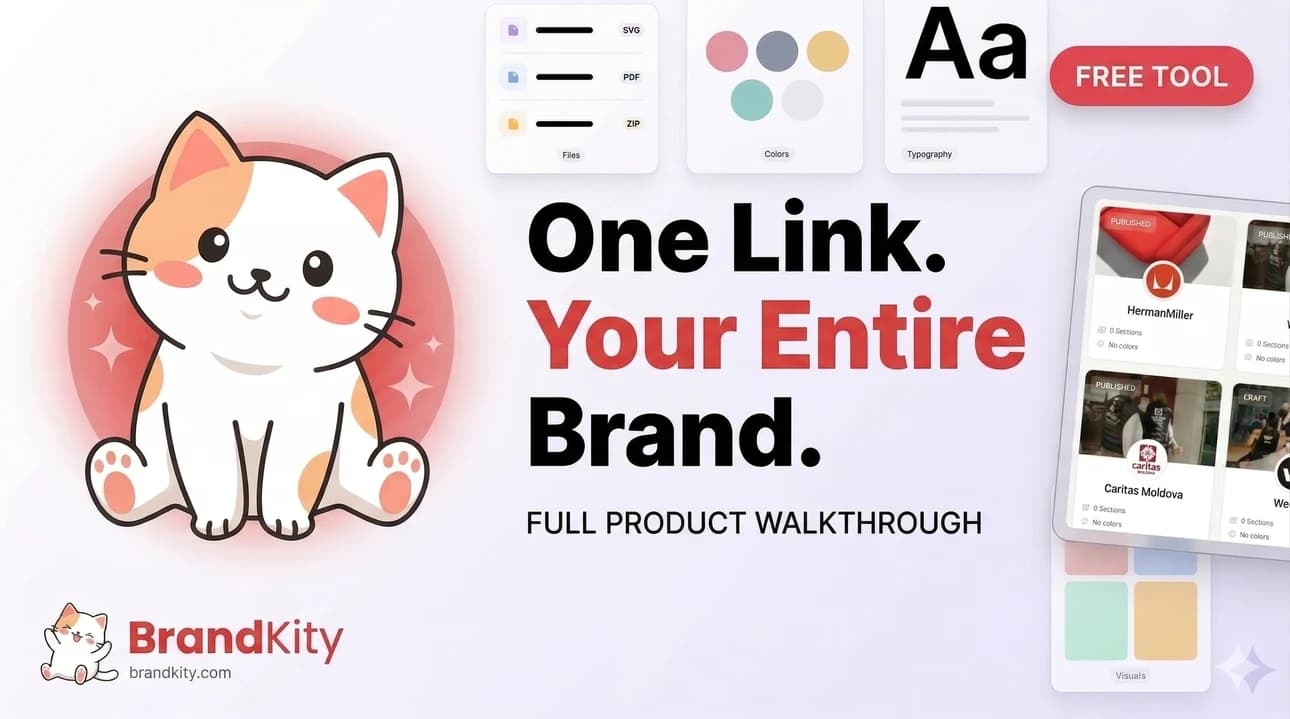
Table of contents
- The Foundation of Client Trust in Creative Partnerships
- Why consistent brand representation is paramount for client confidence
- The hidden costs of disjointed or mismanaged brand assets
- Bridging the Trust Gap: How Brand Asset Management Software Transforms Client Relationships
- Moving beyond manual chaos to structured confidence
- Ensuring Brand Consistency: The Cornerstone of Reliable Client Delivery
- How a single source of truth eliminates brand drift and discrepancies
- Streamlining Client Workflows: Building Trust Through Efficiency and Clarity
- Faster approvals and feedback cycles with organized asset access
- Eliminating miscommunication and delays with centralized brand materials
- Elevating the Client Handoff: A Professional Brand Experience
- The impact of a modern brand portal on client perception and satisfaction
- Mitigating Brand Risk: Safeguarding Client Reputation and Intellectual Property
- Robust version control and asset accuracy for peace of mind
- Protecting brand integrity across all channels and deliverables
- The Trust Erosion: When Brand Asset Management Falls Short
- Scenarios leading to client frustration, confusion, and distrust
- The real cost of scattered folders, outdated PDFs, and missing assets
- Implementing BAM for Enhanced Client Trust: Key Considerations for Agencies and Brands
- Beyond the Project: Fostering Long-Term Client Loyalty with BAM
- Turning satisfied clients into brand advocates through consistent excellence
- Frequently Asked Questions About BAM and Client Trust
- Actionable Recommendations for Agencies and Brands
In the dynamic landscape of creative partnerships, client trust serves as the bedrock for successful, long-term collaborations. Agencies, designers, and marketing teams understand that beyond delivering exceptional creative output, their ability to instill confidence in clients is paramount.
This trust is forged through reliability, transparency, and, critically, a consistent representation of the client’s brand. When brand assets are disorganized or inconsistently applied, it subtly erodes client confidence, signaling potential operational weaknesses. This is precisely where modern brand asset management (BAM) software emerges as an indispensable tool, transforming scattered files into a robust foundation for client assurance.
The Foundation of Client Trust in Creative Partnerships
Why consistent brand representation is paramount for client confidence
At the core of any creative partnership, clients expect their brand to be handled with meticulous care and a deep understanding of its identity. Any deviation from established brand guidelines, whether in logo usage, color palettes, or typography, immediately raises questions about the agency’s attention to detail and overall professionalism. This lack of brand consistency can swiftly undermine client confidence, suggesting a lack of control over critical creative elements.
For clients, a reliably represented brand reflects an organized, capable partner who genuinely understands their vision and values. Conversely, encountering even minor inconsistencies across different deliverables, such as a website, social media campaign, or print collateral, can lead to distrust. Clients need assurance that every touchpoint accurately reflects their brand identity, making unwavering consistency a non-negotiable aspect of building and maintaining trust.
The hidden costs of disjointed or mismanaged brand assets
The ramifications of disjointed brand assets extend far beyond mere aesthetic concerns, manifesting as significant hidden operational costs. When brand files are scattered across emails, shared drives, and personal desktops, the time spent searching for the correct version quickly accumulates. This “search tax” leads to inefficiencies, delays in project delivery, and frequent requests for reworks, all of which strain resources and budget.
Beyond the direct financial implications, the greatest cost is often the erosion of client trust and potential damage to the agency’s reputation. Imagine an example where a client’s critical advertising campaign is launched with an outdated logo version because the design team couldn’t quickly access the approved asset. Such a pitfall not only incurs immediate corrective costs but also impacts the client’s perception of the agency’s reliability, potentially jeopardizing future engagements and fostering an environment of mistrust due to preventable errors.
Bridging the Trust Gap: How Brand Asset Management Software Transforms Client Relationships
Moving beyond manual chaos to structured confidence
The transition from a chaotic, manual system of managing brand assets to a structured, centralized platform is a definitive step in building client trust. Historically, agencies grappled with version control issues, lost files, and the constant burden of sharing assets through disparate channels. Brand asset management (BAM) software provides a dedicated repository, ensuring that every approved logo, guideline document, and visual element resides in one easily accessible location. This systematic organization removes the guesswork and creates a seamless experience for both internal teams and external clients, instilling a profound sense of structured confidence.
Implementing a robust BAM solution means that agencies can confidently assure clients that their brand assets are not only secure but also consistently up-to-date and readily available. This transforms the cumbersome process of asset retrieval into an intuitive experience, making it easier for agencies to manage how they brand portal and download it instantly. This seamless experience not only demonstrates the agency’s commitment to efficiency but also solidifies client trust through unparalleled ease of access and real-time visibility into their brand assets.
Ensuring Brand Consistency: The Cornerstone of Reliable Client Delivery
How a single source of truth eliminates brand drift and discrepancies
Brand drift, the gradual divergence from established brand guidelines, is a common pitfall that can significantly dilute a brand’s identity and erode client trust. It often occurs when multiple versions of assets exist across various storage locations, leading to teams inadvertently using outdated or incorrect files. A brand asset management system combats this by acting as the definitive single source of truth for all brand components. Every logo, color code, font file, and usage guideline is housed in one centralized, version-controlled platform, ensuring that only the most current and approved assets are ever available.
This centralized approach prevents discrepancies that might otherwise arise from ad-hoc sharing or reliance on local copies. For example, if a client’s social media team needs an updated profile picture, they access it directly from the BAM system, knowing it’s the official, pixel-perfect version. This systematic enforcement of correct asset usage not only safeguards the brand’s integrity but also reinforces the agency’s reputation as a meticulous and dependable partner. Ensuring that clients understand
Streamlining Client Workflows: Building Trust Through Efficiency and Clarity
Faster approvals and feedback cycles with organized asset access
Inefficient approval processes can be a significant source of client frustration and a drain on creative resources. When assets are scattered, finding the right version for review, annotating feedback, and tracking changes becomes a convoluted ordeal, leading to delays and potential miscommunications. Brand asset management software revolutionizes this by centralizing all creative materials, making them instantly accessible for review. This means creative teams can upload new designs, and clients can provide feedback directly within the platform, referencing the exact asset in question, thereby facilitating significantly faster approval cycles.
The clarity offered by an organized asset repository translates directly into a more efficient and transparent feedback loop. Clients can see the progress of their projects in real-time, easily identify which assets require their attention, and track previous revisions. This structured approach minimizes the back-and-forth email chains that often plague traditional workflows, allowing both agency and client to focus on substantive feedback rather than logistical challenges. This operational efficiency is a powerful trust builder, assuring clients that their projects are managed with precision and speed, as seen in advanced platforms like Adobe’s creative suite integrations.
Eliminating miscommunication and delays with centralized brand materials
Miscommunication and delays are often rooted in ambiguity surrounding which brand materials are current, approved, or even available. In a traditional setup, a client might mistakenly use an outdated logo from an email attachment, leading to costly reworks and a perception of disorganization. A brand asset management system eliminates these pitfalls by providing a single, unequivocal source for all brand-related materials. There’s no room for doubt when every team member and client knows exactly where to find the official brand guidelines, templates, and approved images.
This centralized repository acts as a crucial preventative measure against errors, ensuring that all stakeholders are consistently working from the same playbook. When agencies effectively demonstrate what makes brand asset management software essential for workflows, they underscore their commitment to operational excellence. By removing the guesswork and providing instant access to validated brand assets, BAM software drastically reduces instances of miscommunication and eliminates unnecessary delays, reinforcing client trust through consistent, clear, and reliable delivery of creative projects.
Elevating the Client Handoff: A Professional Brand Experience
The impact of a modern brand portal on client perception and satisfaction
A client’s initial experience with a brand’s assets profoundly shapes their perception of the creative agency or internal marketing team. When agencies leverage a modern brand portal, such as BrandKity, for client delivery, it immediately signals a high degree of professionalism and organization. Clients no longer wade through scattered email attachments or confusing cloud drives. Instead, they access a meticulously curated, intuitive hub that acts as a consistent brand application across all client-generated materials. For example, a client’s marketing team can quickly download the correct logo for a new advertisement or verify brand colors for a social media campaign, eliminating potential errors and costly reworks. This self-sufficiency builds confidence and demonstrates the agency’s commitment to providing a robust and accessible resource, solidifying the client-agency partnership.
Mitigating Brand Risk: Safeguarding Client Reputation and Intellectual Property
Robust version control and asset accuracy for peace of mind
Effective brand asset management software is paramount for safeguarding a client’s brand reputation and intellectual property through robust version control and guaranteed asset accuracy. Agencies often manage numerous iterations of logos, campaign visuals, and legal disclaimers. Without a centralized system, the risk of a client inadvertently using an outdated or incorrect asset on a critical campaign is substantial, potentially leading to brand dilution or legal complications. A sophisticated BAM platform ensures that only the most current, approved versions are accessible, complete with clear version histories and approval trails. This meticulous control provides agencies and their clients with profound peace of mind, knowing that every asset distributed or published adheres to the latest brand standards and legal requirements, thereby mitigating significant brand risk.
Protecting brand integrity across all channels and deliverables
Maintaining brand integrity consistently across diverse channels and deliverables is a complex challenge that robust brand asset management solutions are uniquely positioned to address. From digital advertisements and social media graphics to print collateral and video content, a client’s brand must speak with a singular, unified voice. A BAM system centralizes all approved assets and guidelines, ensuring that every piece of content created or distributed, regardless of the channel, adheres strictly to the established brand standards. This prevents the haphazard use of off-brand elements, inconsistent messaging, or incorrect visual representations that can erode brand equity over time. By acting as the definitive repository for brand specifications, BAM empowers all stakeholders to protect the brand’s identity, safeguarding its cohesion and impact in the marketplace.
The Trust Erosion: When Brand Asset Management Falls Short
Scenarios leading to client frustration, confusion, and distrust
When brand asset management is neglected or poorly executed, it inevitably leads to a cascade of negative scenarios that erode client trust. Imagine a client needing a specific campaign image, only to find multiple versions scattered across email threads, old shared drives, and designer desktops, none clearly marked as final. This disorganization causes significant client frustration and wasted time. Furthermore, if a client accidentally uses an outdated logo or incorrect color palette on a major deliverable, it reflects poorly on both their brand and the agency responsible for its management, leading to confusion. Such inconsistencies demonstrate a lack of control and professionalism, making clients question the agency’s capabilities and commitment to their brand’s integrity, fostering deep distrust and dissatisfaction.
The real cost of scattered folders, outdated PDFs, and missing assets
The “soft costs” associated with a lack of proper brand asset management quickly accumulate into substantial financial and reputational damages. Relying on scattered folders, outdated PDF guidelines, and perpetually missing assets means creative teams spend hours sifting through irrelevant files instead of focusing on strategic work. This inefficiency directly impacts project timelines and budgets, leading to missed deadlines and increased labor costs. For the client, it translates into their own teams wasting time, potential rework expenses for incorrectly produced materials, and even lost market opportunities if campaigns are delayed due to asset issues. Ultimately, the cumulative effect of these inefficiencies can damage an agency’s reputation, lead to client churn, and reduce new business referrals, representing a significant and tangible business cost far beyond initial perceived savings from avoiding a dedicated platform. For more insights on this, consider client confidence. To avoid common pitfalls, consider client-centric service delivery. For more insights into creative workflows, consider best practices from industry leaders like Adobe.
Implementing BAM for Enhanced Client Trust: Key Considerations for Agencies and Brands
Successfully implementing Brand Asset Management (BAM) is a strategic imperative for agencies and brands aiming to cultivate and maintain client trust. A fundamental consideration is the adoption of a centralized, cloud-based platform that serves as the single source of truth for all brand assets. This ensures universal accessibility for approved users, eradicating the inefficiencies and confusion caused by scattered files. Agencies should prioritize platforms offering robust version control, allowing clients to always access the latest approved logos, campaign visuals, and brand guidelines, while also retaining historical versions for compliance or reference. Clear access permissions and user roles are also critical, providing granular control over who can view, download, or upload assets, thereby safeguarding brand integrity.
Beyond technology, effective BAM implementation requires a strong focus on process and people. Agencies must establish clear workflows for asset submission, review, and approval, ensuring that all new materials meet brand standards before being made available. Regular training sessions for both internal teams and client stakeholders are essential to ensure everyone understands how to navigate the BAM system, utilize assets correctly, and report any discrepancies. Integrating BAM with existing project management and creative tools can further streamline operations and reduce friction. By demonstrating a proactive commitment to organized, accessible, and compliant brand asset management, agencies reinforce their professionalism and dedication to their clients’ success, transforming BAM from a mere tool into a cornerstone of a trusting relationship. For guidance on selecting the right platform, research reputable Digital Asset Management (DAM) solutions, which often encompass BAM functionalities, by consulting industry reviews on sites like G2 or Capterra.
Beyond the Project: Fostering Long-Term Client Loyalty with BAM
Turning satisfied clients into brand advocates through consistent excellence
True client loyalty extends far beyond the successful completion of a single project; it thrives on a foundation of sustained trust and consistent brand experience. Brand Asset Management (BAM) software acts as the critical infrastructure to achieve this, ensuring that every subsequent client touchpoint—from new marketing campaigns to internal communications—aligns seamlessly with the established brand identity. When clients consistently encounter a cohesive and authentic representation of their brand, it reinforces their initial investment and builds profound trust. A significant pitfall in post-project client relationships is the gradual erosion of brand integrity due to inconsistent asset usage. BAM platforms mitigate this by providing an client brand assets, enabling organizations to efficiently onboard new team members, external partners, or even global offices while strictly adhering to established brand guidelines. Without a robust BAM solution, rapid growth often results in asset disorganization, rampant version control issues, and a noticeable decline in the quality of branded outputs—all of which severely undermine client trust. To successfully scale, prioritize BAM solutions featuring sophisticated versioning capabilities, streamlined collaborative workflows, and an intuitive interface that simplifies consistent brand delivery for multiple stakeholders. This strategic approach ensures that even at significant scale, every client touchpoint remains perfectly on-brand and reflective of the initial quality, securing enduring client relationships.
Frequently Asked Questions About BAM and Client Trust
Navigating the intersection of brand asset management and client relationships often raises specific questions for agencies and brands dedicated to fostering trust. Here are some common inquiries:
How does BAM proactively prevent brand inconsistencies that could erode client trust?
BAM software establishes a single source of truth for all brand assets, from logos and typography to imagery and brand guidelines. This centralization ensures that every team member, partner, or client always accesses the most current and approved versions. Through robust version control, granular permission settings, and intuitive search functions, BAM eliminates the risk of using outdated or incorrect assets. This consistent application of the brand across all channels and materials—be it a marketing campaign, a sales presentation, or a product launch—builds unwavering confidence and reinforces the client’s perception of your organization’s professionalism and reliability. Without BAM, scattered files and manual sharing methods frequently lead to costly errors and a perceived lack of diligence, directly damaging client trust.
Can implementing BAM significantly improve client onboarding and reduce initial friction?
Absolutely. A common pain point during client onboarding is the cumbersome process of gathering and distributing brand assets. Traditional methods involving email attachments, shared drives, or fragmented folders create delays and confusion. BAM streamlines this dramatically by providing new clients and their teams with immediate access to a complete, organized client satisfaction and reducing the administrative burden for both parties.
Actionable Recommendations for Agencies and Brands
To fully leverage Brand Asset Management (BAM) software in building and sustaining client trust, agencies and brands must adopt a strategic, proactive approach. Simply implementing a platform is not enough; its integration into daily workflows and client interactions is paramount.
- Conduct a Comprehensive Asset Audit and Centralize: Before anything else, perform a thorough audit of all existing client brand assets. Identify every logo, guideline, image, video, and document across all storage locations. Then, meticulously migrate these into your chosen BAM platform. This initial centralization is the foundation of becoming a single source of truth and is critical for ensuring that no valuable asset is overlooked or left scattered across disparate systems.
- Integrate Brand Guidelines Directly: Don’t just store assets; embed the corresponding brand guidelines directly within the BAM platform. Ensure that usage instructions, dos and don’ts, and contextual information are linked to or housed alongside the relevant assets. This proactive approach educates clients and their teams on proper usage, significantly reducing instances of off-brand collateral and fostering consistent brand application.
- Implement a Phased Client Onboarding Strategy: For existing clients, introduce the new BAM portal gradually, perhaps starting with a specific project or department. For new clients, make the BAM portal their primary point of access for all brand assets from day one. Provide clear instructions and brief training sessions. A smooth Adobe Creative Cloud further streamlines workflows for all involved parties.
- Leverage Client-Facing Portals for Easy Access: Utilize the client-facing features of your BAM software, such as custom BrandKits or dedicated client portals. These intuitive interfaces allow clients to quickly find, download, and share approved assets without needing agency intervention for every request. This self-service capability empowers clients, enhances their perception of efficiency, and strengthens their confidence in your operational transparency and asset accessibility.
- Establish Ongoing Feedback Loops: Regularly solicit feedback from clients regarding their experience with the BAM portal. Understand their pain points, identify areas for improvement, and adapt your asset organization or delivery methods accordingly. Demonstrating responsiveness and a commitment to refining their experience reinforces trust and shows your dedication to their long-term brand success. Continuous improvement ensures the BAM solution remains a valuable tool for all stakeholders.
Ultimately, the strategic implementation of Brand Asset Management software transcends mere organizational efficiency; it becomes a cornerstone for building enduring client trust. By ensuring brand consistency, facilitating seamless delivery, and empowering client self-service, BAM transforms transactional relationships into long-term partnerships, solidifying an organization’s reputation for reliability and excellence.
Saurabh Kumar
Founder, BrandKity
Saurabh writes about practical brand systems, faster client handoffs, and scalable workflows for designers and agencies building repeatable delivery operations.
Connect on LinkedIn