
Is Your Brand Portal Software Truly a Single Source of Truth?
In the rapidly evolving digital landscape of 2026, the concept of a “single source of truth” (SSOT) has transcended mere data management, becoming an …
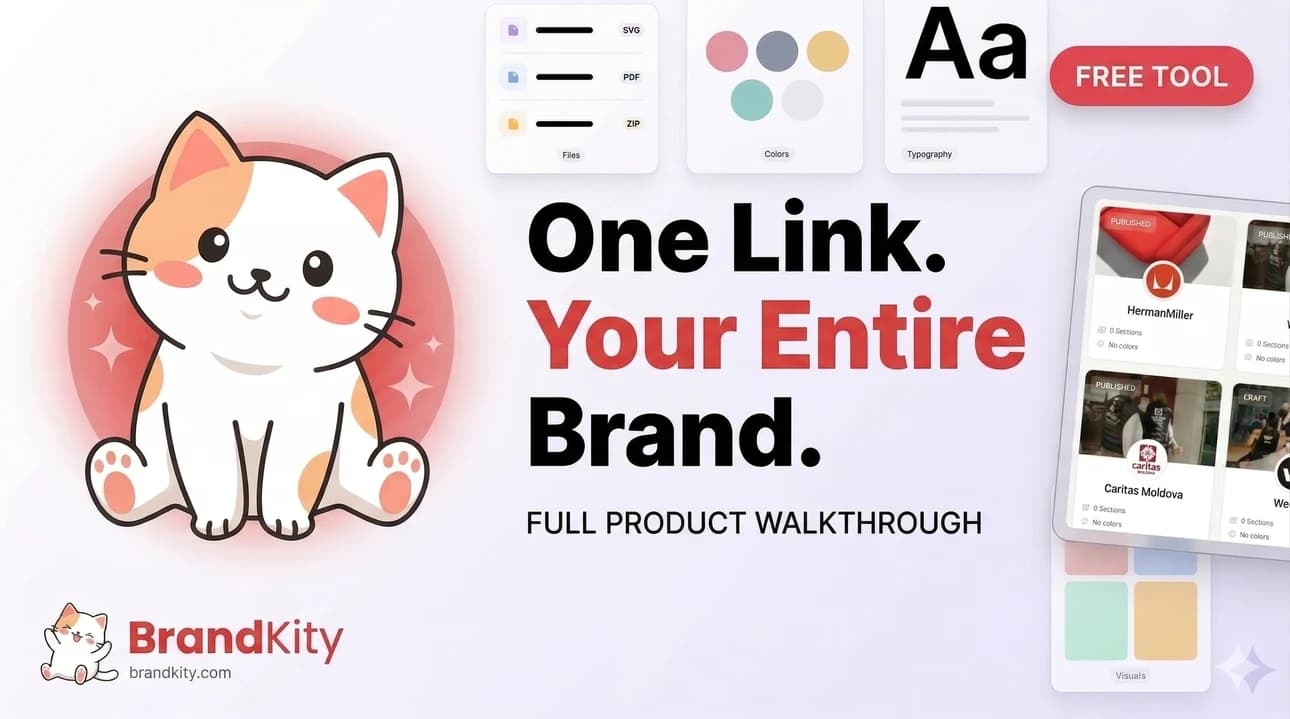
Table of contents
- The Elusive Ideal: Defining the Single Source of Truth for Your Brand
- Why ‘Single Source of Truth’ Matters More Than Ever in Branding
- Beyond a Digital Asset Repository: What it Truly Means for Brand Assets
- The Cost of a Disconnected Brand Ecosystem: Time, Consistency, and Trust
- Identifying the Gaps: Is Your Current Brand Portal Truly Unified?
- Recognizing the Symptoms of Fragmented Brand Asset Management
- The Hidden Pitfalls of Outdated PDFs and Scattered Folders
- The Burden on Your Creative and Marketing Teams: The ‘Where Is It?’ Dilemma
- Empowering Seamless Sharing with a Single, Shareable BrandKit Link
- Revolutionizing Agency Workflows and Client Handoffs
- Accelerating Client Onboarding and Brand Adoption with Effortless Access
- Simplifying Feedback Loops and Asset Distribution for Agencies
- The Hallmarks of a Genuine Single Source of Truth Brand Portal
- Boosting Operational Efficiency and Brand Consistency
- Minimizing Time Spent Searching and Maximizing Creative Output
- Streamlining Marketing Campaigns and Content Creation Cycles
- Beyond Basic DAM: The Strategic Advantage of a Modern Brand Portal
- Scalability and Adaptability for Growing Brands and Startups
- Future-Proofing Your Brand Assets and Strategy in a Dynamic Market
- Transitioning to a Unified Solution: A Practical Roadmap
- Assessing Your Current Brand Asset Landscape and Identifying Needs
- Measuring Success: KPIs for Your Single Source of Truth Portal
- Making the Right Choice: What to Prioritize in a Brand Portal
- User Experience and Intuitive Navigation: The Key to Adoption
- Support for a Wide Range of Brand Asset Types (Videos, Documents, Logos, etc.)
- Frequently Asked Questions About Single Source of Truth Brand Portals
In the rapidly evolving digital landscape of 2026, the concept of a “single source of truth” (SSOT) has transcended mere data management, becoming an absolute imperative for brand consistency and operational efficiency. For brands and the agencies that serve them, scattered assets and outdated guidelines no longer just hinder productivity; they actively erode brand equity and trust.
This article delves into how a truly unified brand portal can serve as this vital SSOT, transforming chaotic brand ecosystems into streamlined, reliable, and consistent operations. We explore the critical gaps in traditional approaches and illuminate the path toward a brand asset management solution that empowers every stakeholder.
The Elusive Ideal: Defining the Single Source of Truth for Your Brand
Why ‘Single Source of Truth’ Matters More Than Ever in Branding
In a world characterized by multi-channel marketing, remote teams, and instant global communication, the need for a definitive source for all brand assets has never been more critical. Brands interact with audiences across myriad touchpoints – from social media and digital advertising to print collateral and physical products. Any discrepancy in logos, color palettes, typography, or messaging can instantly create confusion, dilute brand identity, and undermine consumer trust. A true single source of truth ensures that every piece of communication, regardless of who creates it or where it’s deployed, adheres precisely to established brand standards, fostering a cohesive and memorable brand experience.
Beyond a Digital Asset Repository: What it Truly Means for Brand Assets
Many organizations mistake a simple digital asset management (DAM) system or cloud storage for a single source of truth. While a DAM provides centralized storage, a true SSOT for brand assets goes significantly further. It’s not just about where files live; it’s about their context, accessibility, and inherent connection to dynamic brand guidelines. This means embedding metadata, usage rights, and version history directly with each asset, making it impossible to misuse an outdated logo or incorrect font. It transforms passive storage into an active, intelligent brand ecosystem where assets are always current, approved, and correctly applied, providing immediate clarity for any user.
The Cost of a Disconnected Brand Ecosystem: Time, Consistency, and Trust
The financial and reputational costs of a fragmented brand ecosystem are substantial. Creative and marketing teams spend countless hours searching for the correct files, validating versions, and rectifying inconsistencies – time that could be spent on innovation and strategy. Inconsistent brand representation across different channels confuses customers and weakens market positioning. For instance, an agency delivering a campaign with an outdated brand color palette because the client’s guidelines were an old PDF, creates rework and damages trust. This erosion of consistency ultimately diminishes brand value, making it harder to build and maintain strong relationships with both internal stakeholders and external audiences.
Identifying the Gaps: Is Your Current Brand Portal Truly Unified?
Recognizing the Symptoms of Fragmented Brand Asset Management
The indicators of a disconnected brand ecosystem are often subtle but pervasive. Do your teams frequently ask, “Where’s the latest logo?” or “Which version of the brand guidelines should I use?” Are different departments using slightly varied brand colors or fonts for their communications? These questions signal a lack of a central, authoritative source. Another common symptom is the existence of multiple file repositories—Dropbox, Google Drive, internal servers—all holding fragments of your brand identity, leading to version control nightmares and wasted effort as team members struggle to confirm asset validity before use.
The Hidden Pitfalls of Outdated PDFs and Scattered Folders
Relying on static PDF brand guidelines and assets scattered across various folders is a recipe for inefficiency and inconsistency. PDFs become instantly outdated the moment a brand evolves, and distributed folders make it nearly impossible to ensure everyone has access to the most current versions. This archaic approach leads to a constant cycle of emails, requests, and manual updates, consuming valuable time. Moreover, it exposes brands to significant risk; using an unapproved or outdated asset can result in costly re-prints, re-shoots, or even legal repercussions if usage rights are violated due to poor asset oversight. For a deeper dive into these challenges, explore why your scattered brand assets need a central platform.
The Burden on Your Creative and Marketing Teams: The ‘Where Is It?’ Dilemma
The daily struggle to locate the correct brand assets places an immense burden on creative and marketing teams. Designers spend hours sifting through folders, marketing managers delay campaign launches, and brand strategists get bogged down in asset validation rather than strategic planning. This “where is it?” dilemma isn’t just an inconvenience; it’s a significant drain on productivity and morale. It stifles creativity, leads to missed deadlines, and ultimately impacts the quality and consistency of all branded output. Empowering these teams with most current and approved brand standards. This dynamic integration not only ensures compliance but also allows brands to evolve fluidly without constant re-education or manual updates across distributed teams. Organizations like Adobe often emphasize the importance of design systems as a living source of truth for design assets and guidelines.
Empowering Seamless Sharing with a Single, Shareable BrandKit Link
One of the most powerful features of an authentic single source of truth brand portal is its ability to simplify sharing. Instead of sending large files or complex folder structures, users can share all necessary brand assets via a single, secure BrandKit link. This link provides instant access to approved logos, typography, colors, guidelines, and other essential brand elements, without the need for recipients to download bulky files or navigate disparate systems. It ensures that external partners, agencies, and media always receive the correct, up-to-date versions, streamlining workflows, enhancing security through controlled access, and guaranteeing brand consistency with every handover.
Revolutionizing Agency Workflows and Client Handoffs
Accelerating Client Onboarding and Brand Adoption with Effortless Access
For agencies, the initial client onboarding phase can be fraught with delays as teams gather brand assets and guidelines. A brand portal serving as a single source of truth revolutionizes this process by providing immediate, effortless access to all approved brand elements from day one. New clients or agency teams can swiftly access logos, style guides, photography, and other crucial assets via a secure link, dramatically cutting down setup time. This capability not only accelerates project initiation but also ensures instant brand alignment, preventing early inconsistencies and fostering faster brand adoption. This dramatically streamlines the process compared to traditional methods, addressing whether your meticulous brand execution. This commitment to consistency is vital, particularly when considering why your client handoff might be missing a brand asset platform.
Simplifying Feedback Loops and Asset Distribution for Agencies
The traditional cycle of feedback and asset distribution in agency workflows is often cumbersome, involving numerous email attachments, review platforms, and version tracking headaches. A single source of truth brand portal simplifies this immensely. Agencies can securely share project assets, receive feedback directly within the platform, and distribute final, approved files via a single, controlled link. This streamlined process reduces miscommunication, ensures everyone is working from the same page, and significantly shortens revision cycles. By centralizing these operations, agencies can enhance efficiency, improve collaboration, and deliver projects faster, providing clients with a more transparent and professional project experience.
The Hallmarks of a Genuine Single Source of Truth Brand Portal
To truly serve as a single source of truth, a brand portal must possess several critical features that ensure consistency, control, and efficiency. It’s not enough to simply store assets; the platform must actively manage and distribute them in a controlled environment. Here are the essential hallmarks:
-
Centralized and Comprehensive Asset Management: All brand assets—logos, color palettes, fonts, imagery, video, guidelines, and templates—are stored in one secure, easily navigable location. This eliminates scattered files across emails, cloud drives, and local desktops, ensuring everyone knows exactly where to find what they need. For a deeper understanding of consolidated access, explore the benefits of a .
-
Robust Version Control: The portal automatically manages different versions of assets, always presenting the most current and approved iteration. Users can be confident they are accessing the latest files, preventing the use of outdated or unapproved branding elements. Historical versions should also be accessible for auditing or reference, but the primary view defaults to the active version.
-
Granular Access Control and Permissions: A true single source of truth allows administrators to define who can view, download, edit, or approve specific assets. This permission-based access ensures that sensitive materials are protected and that external partners or specific teams only see what is relevant and approved for their use, enhancing security and governance.
-
Real-time Updates and Synchronization: Any changes or additions made to brand assets or guidelines within the portal are immediately reflected across all user interfaces. This real-time synchronization means that every stakeholder, regardless of their location or access point, is always working with the most up-to-date information, eliminating delays and ensuring immediate brand alignment.
-
Intuitive Search and Organization: Despite housing a vast array of assets, the portal must offer powerful search capabilities, tagging, and logical categorization to make finding specific elements effortless. Users shouldn’t have to wade through countless folders; smart search and filtering should bring them to their desired assets quickly, contributing to overall efficiency.
Boosting Operational Efficiency and Brand Consistency
Minimizing Time Spent Searching and Maximizing Creative Output
One of the most insidious drains on creative teams and marketing departments is the incessant search for approved brand assets. Without a centralized, easily navigable system, employees waste valuable hours sifting through scattered folders, outdated email attachments, and various cloud drives. A robust brand portal acts as a single source of truth, providing a dedicated and intuitive brand guidelines. With features like version control and granular permissions, organizations can confidently distribute assets knowing that only the most current and approved versions are accessible, thereby safeguarding brand integrity across all touchpoints. The pitfall of decentralized storage and rogue assets is entirely circumvented.
Streamlining Marketing Campaigns and Content Creation Cycles
The pace of modern marketing demands agility and speed. Launching new campaigns, producing social media content, or updating sales collateral can be bottlenecked by slow asset retrieval and approval processes. A brand portal accelerates these cycles by providing immediate, self-service access to all necessary assets. Marketing teams can quickly pull relevant images, videos, and messaging frameworks, reducing dependency on design teams for routine requests. This not only empowers marketers but also fosters greater cross-functional collaboration. For example, a global marketing team can simultaneously access localized campaign assets, ensuring consistency while adapting to regional nuances. This significant boost in efficiency leads to faster campaign execution and more responsive content creation cycles, giving brands a competitive edge.
Beyond Basic DAM: The Strategic Advantage of a Modern Brand Portal
Scalability and Adaptability for Growing Brands and Startups
Traditional Digital Asset Management (DAM) systems, while powerful, can often be overly complex and rigid for the dynamic needs of growing brands and startups. A modern brand portal, however, is built with scalability and adaptability at its core, allowing it to evolve alongside your organization. It easily accommodates an increasing volume of assets, new brand guidelines, and an expanding user base without requiring significant overhaul or specialized IT support. For integration capability ensures a seamless data flow, allowing assets to be pushed and pulled across different applications without manual transfers. This interconnected ecosystem enhances collaboration, reduces errors, and automates workflows, ensuring that your brand assets are not just stored, but actively utilized and synchronized across every facet of your business operations. It’s about creating a unified operational environment.
Future-Proofing Your Brand Assets and Strategy in a Dynamic Market
The digital landscape is in constant flux, with new technologies, media formats, and consumption habits emerging regularly. A forward-thinking brand portal is designed to future-proof your brand assets and strategy against this rapid evolution. It supports a wide array of existing and emerging asset types, from traditional images and videos to interactive 3D models and augmented reality components. Beyond mere storage, these platforms are increasingly leveraging artificial intelligence for advanced tagging, content suggestions, and even predictive analytics on asset performance. By investing in a modern brand portal, organizations safeguard their creative investments, ensuring that brand assets remain accessible, relevant, and adaptable to new platforms and consumer expectations for years to come. This strategic foresight protects your brand’s longevity and market relevance.
Transitioning to a Unified Solution: A Practical Roadmap
Assessing Your Current Brand Asset Landscape and Identifying Needs
The first critical step in transitioning to a unified brand portal solution is a thorough assessment of your existing brand asset landscape. This involves conducting a comprehensive asset audit, cataloging where all current brand files are stored—be it on shared drives, individual computers, various cloud platforms, or even outdated physical media. Simultaneously, you must analyze your current workflows to pinpoint bottlenecks, inefficiencies, and areas prone to off-brand usage. Engage key stakeholders from design, marketing, sales, and legal teams to gather their specific needs, challenges, and expectations. This foundational understanding allows you to define clear objectives for your new brand portal, ensuring the chosen solution directly addresses your organization’s unique requirements and pain points, like Smooth client onboarding is also a key benefit.
Measuring Success: KPIs for Your Single Source of Truth Portal
To truly understand the impact and value of your brand portal, it’s essential to define and track key performance indicators (KPIs). These metrics provide tangible evidence of improved efficiency and brand consistency. Relevant KPIs might include the reduction in time spent searching for assets (e.g., a 40% decrease in help desk requests for logos), the increase in on-brand asset usage (monitored through portal analytics), the acceleration of content creation and campaign launch cycles, and improved asset reuse rates. Other indicators could be user engagement metrics within the portal, or a measurable reduction in brand compliance issues. By regularly reviewing these key performance indicators, you can demonstrate the portal’s return on investment and continuously optimize its use to further enhance operational effectiveness and overall brand health.
Making the Right Choice: What to Prioritize in a Brand Portal
User Experience and Intuitive Navigation: The Key to Adoption
The ultimate success of a brand portal hinges on its user experience (UX). If the platform is complex, confusing, or difficult to navigate, adoption rates will plummet, regardless of its feature set. Prioritize solutions with a clean, modern interface and intuitive navigation that allows users to quickly find, preview, download, and share assets with minimal clicks. Look for features like robust search functionality with advanced filters, clear categorization, and a customizable dashboard. An exceptional user experience minimizes the learning curve, empowers self-service, and encourages consistent usage across all departments. This is particularly vital for creative agencies and marketing teams where speed and ease of access directly impact productivity and client satisfaction, solidifying the portal’s role as the agencies choosing brand asset management software.
Support for a Wide Range of Brand Asset Types (Videos, Documents, Logos, etc.)
A true single source of truth for brand assets must go beyond simply storing images and logos. Modern brand portals need to accommodate a diverse range of asset types, including high-resolution images, vector graphics, video files (with integrated playback and transcoding capabilities), audio files, marketing documents (PDFs, Word, PowerPoint), web assets, and even emerging formats like 3D models or AR/VR assets. The platform should intelligently preview these different file types and allow for extensive metadata tagging to ensure they are discoverable and usable. Comprehensive support for all creative formats ensures that every piece of your brand’s identity, regardless of its medium, is centralized, managed, and readily available for any application, further cementing the portal’s value as a comprehensive asset management solution for essential workflows.
Frequently Asked Questions About Single Source of Truth Brand Portals
What precisely makes a brand portal a “single source of truth” (SSOT) for brand assets? An SSOT brand portal centralises and governs all official brand assets and guidelines, ensuring unwavering consistency and accuracy across every touchpoint. It means designers, marketers, and partners access the identical, approved, and most current version from one authoritative hub. For instance, if a global campaign requires a new product visual, an SSOT ensures every regional team accesses that specific, approved visual immediately. This eliminates scattered files, outdated PDFs, and manual version tracking, providing a definitive, real-time repository for your entire brand ecosystem. The core benefit is preventing brand dilution and strengthening overall brand perception.
How can you identify if your current brand asset system falls short of being a true SSOT? Indicators that your existing setup isn’t a robust SSOT include frequent questions about “which version is correct,” the presence of multiple, conflicting asset folders (e.g., on shared drives, cloud storage, or email chains), and struggling to enforce digital assets. Crucially, it should offer granular access permissions, enabling administrators to control who can view, download, or edit specific asset categories. Seamless integration with other marketing and creative tools is also vital, ensuring the portal isn’t an isolated silo but a central component of your overall workflow.
Understanding these core aspects of an SSOT brand portal is crucial for any organization looking to streamline brand operations and safeguard its visual identity in an increasingly complex digital landscape. By selecting a platform that truly centralizes and governs your assets, you empower your teams and partners to deliver consistent brand experiences efficiently.
Saurabh Kumar
Founder, BrandKity
Saurabh writes about practical brand systems, faster client handoffs, and scalable workflows for designers and agencies building repeatable delivery operations.
Connect on LinkedIn