
BrandKity: Your “SEO Kingpin” Brand Asset Hub
In today’s hyper-connected world, a brand’s visual and verbal identity is its most valuable currency. Yet, many businesses operate with a chaotic scat…
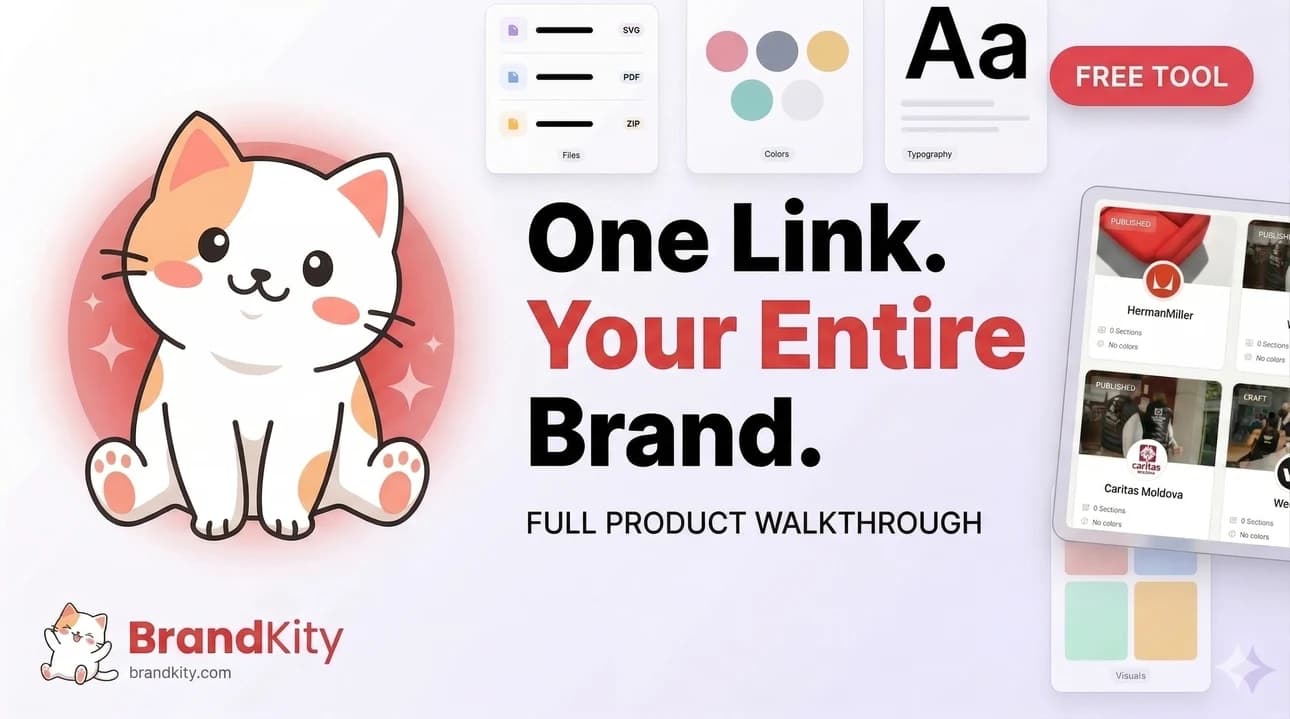
Table of contents
- The Brand Asset Chaos: Why ‘Organized’ is the New ‘Kingpin’ in 2026
- The Evolving Landscape of Brand Assets in the Digital Age
- The Hidden Costs of Scattered Brand Files: From Logo Fumbles to Inconsistent Campaigns
- Introducing the Concept of a ‘Brand Asset Hub’ as Your Ultimate Solution
- What Exactly is a Brand Asset Hub and Why Does it Matter Now?
- Defining the Core Functionality: Beyond Basic File Storage
- The ‘Single Source of Truth’ Principle: Eliminating Brand Confusion
- Key Features of a Robust Brand Asset Hub for Today’s Businesses
- BrandKity: Your Centralized Command for All Brand Elements
- Unpacking the ‘Brand Asset Hub’ Promise of BrandKity
- The Power of the Single Shareable BrandKit Link: Instant Access, Controlled Sharing
- How BrandKity Solves the ‘Where is that file?’ Problem Forever
- Mastering Brand Guidelines: Enforcing Consistency with Precision
- Why Static PDFs Are a Thing of the Past for Brand Guidelines
- Interactive and Accessible Brand Guidelines: The BrandKity Advantage
- Ensuring Brand Consistency Across All Touchpoints: A Practical Guide
- Streamlining Agency Workflows: From Client Handoff to Campaign Launch
- The Agency Pain Points: Inefficient Asset Sharing and Client Frustration
- BrandKity’s Role in Elevating Agency Operations and Client Delivery
- Real-World Agency Scenarios: How BrandKity Transforms Collaboration and Output
- Empowering Startups and Marketing Teams: Agility Meets Brand Integrity
- The Unique Challenges for Growing Businesses and Marketing Departments
- How BrandKity Fosters Rapid Growth Without Sacrificing Brand Cohesion
- Boosting Marketing Team Productivity: Quicker Content Creation, Seamless Asset Retrieval
- Beyond Logos and Colors: Managing Your Entire Marketing Asset Ecosystem
- The Expanding Definition of Brand Assets: Videos, Documents, Social Media Templates, and More
- Organizing Diverse File Types for Optimal Accessibility and Use
- Leveraging Your BrandKity Hub for Comprehensive Marketing Asset Management
- The ‘SEO Kingpin’ Angle: How BrandKity Powers Your Brand’s Online Authority
- Connecting Brand Consistency to Search Engine Visibility and Trust
- The Impact of Professional Brand Presentation on User Experience and SEO
- How a Well-Managed Brand Asset Hub Contributes to a Stronger Digital Footprint
- User Experience and Onboarding: Simplicity as a Superpower
- Why Complicated DAM Systems Fail Creative Teams and Marketers
- BrandKity’s Intuitive Design: Fast Onboarding, Immediate Value
- Accessibility for All Stakeholders: Designers, Marketers, Clients, and Beyond
- Future-Proofing Your Brand: Scalability and Evolution with BrandKity
- Adapting to Changing Brand Needs and Expanding Asset Libraries
- The Long-Term Benefits of a Centralized and Organized Brand Asset Strategy
- Why BrandKity is the Smart Choice for Sustainable Brand Growth
Imagine a client asking for a specific logo file at the last minute, only for your team to spend hours digging through unsorted cloud folders, email threads, and local drives. The frustration is palpable, and the potential for using an outdated or incorrect asset is high. This is where the concept of a centralized brand asset hub emerges not just as a helpful tool, but as an essential component of modern brand management.
The Brand Asset Chaos: Why ‘Organized’ is the New ‘Kingpin’ in 2026
The Evolving Landscape of Brand Assets in the Digital Age
The sheer volume and variety of brand assets have exploded. Beyond the traditional logo and color palette, businesses now manage an ever-growing library of marketing collateral, social media templates, video files, photography, pitch decks, and more. Each asset needs to be discoverable, usable, and up-to-date. The digital-first environment demands agility; brands need to deploy consistent messaging across numerous platforms, from websites and apps to social media feeds and advertising campaigns. This complexity makes ad-hoc file management unsustainable. The lines between design assets, marketing materials, and sales collateral have blurred, requiring a unified approach to governance. Effective brand asset management is no longer a nice-to-have; it’s a foundational requirement for any organization serious about maintaining a strong, cohesive identity.
The Hidden Costs of Scattered Brand Files: From Logo Fumbles to Inconsistent Campaigns
The downstream effects of disorganized brand assets are costly and pervasive. A misplaced logo can lead to a print ad featuring an old version, damaging brand recognition. Inconsistent color palettes across digital touchpoints create a jarring user experience, eroding trust. Marketing teams spending hours searching for approved images or copy waste valuable time that could be spent on strategy and execution. This inefficiency directly impacts productivity and campaign effectiveness. For agencies, delivering disparate asset files to clients can lead to confusion and a perception of unprofessionalism. The financial impact of these “logo fumbles” and inconsistent campaigns, while difficult to quantify precisely, undoubtedly amounts to significant lost revenue and diminished brand equity over time. It’s a problem that affects every department interacting with the brand.
Introducing the Concept of a ‘Brand Asset Hub’ as Your Ultimate Solution
A brand asset hub is the strategic antidote to the chaos. It’s a centralized, cloud-based system designed to store, organize, manage, and distribute all brand-related materials. Think of it as a secure, intelligent library for your brand’s DNA. Unlike basic cloud storage, a hub offers advanced features like version control, granular permissions, robust search capabilities, and integrated brand guidelines. It ensures that everyone in the organization, from marketing and design to sales and external partners, has access to the correct and approved assets at any given time. This concept moves beyond simple file storage to become a dynamic, living repository that actively supports brand consistency and operational efficiency. It’s the single source of truth for your brand identity.
What Exactly is a Brand Asset Hub and Why Does it Matter Now?
Defining the Core Functionality: Beyond Basic File Storage
At its heart, a brand asset hub is far more than a glorified digital folder. While it securely stores files like logos, images, videos, and documents, its true power lies in its advanced management capabilities. This includes sophisticated metadata tagging for rapid search, version control to ensure users always access the latest approved iteration, and granular user permissions to dictate who can view, download, or edit specific assets. Many hubs also integrate with other creative and marketing tools, streamlining workflows. For example, a designer might access approved brand colors directly from the hub within their design software. Intelligent search and AI-powered recommendations can also help users find exactly what they need, even with vague search queries. This level of control and accessibility is critical in today’s fast-paced digital environment.
The ‘Single Source of Truth’ Principle: Eliminating Brand Confusion
The concept of a ‘single source of truth’ is paramount for any effective brand asset hub. It means that regardless of who is looking for an asset or where they are located, they can always rely on the hub to provide the definitive, approved version. This eliminates the confusion and potential for error that arises when multiple, potentially outdated, versions of assets exist across different devices and cloud storage locations. When marketing teams, external agencies, or even new hires can access an indisputable repository of brand elements, the risk of using incorrect logos, outdated color codes, or unapproved imagery is drastically reduced. This consistency in access fosters a unified brand experience for customers and a more efficient operational environment internally.
Key Features of a Robust Brand Asset Hub for Today’s Businesses
A modern brand asset hub goes beyond basic storage to offer a suite of features essential for robust brand governance. Expect capabilities like advanced search and filtering based on metadata, tags, or even visual recognition; comprehensive version history with the ability to revert to previous iterations; customizable user roles and permissions for secure access control; and robust analytics to track asset usage and identify popular or underutilized resources. Integration capabilities with design software (like Adobe Creative Suite) and marketing platforms (like content management systems) are also crucial for seamless workflows. Many hubs offer public-facing portals for easy client or partner access, alongside private workspaces for internal teams. The ability to automate asset updates and notifications is another hallmark of a truly effective hub, ensuring everyone is working with the most current materials.
BrandKity: Your Centralized Command for All Brand Elements
Unpacking the ‘Brand Asset Hub’ Promise of BrandKity
BrandKity embodies the modern brand asset hub, designed from the ground up to simplify brand management and delivery for agencies, startups, and marketing teams. It moves beyond the complexity often associated with traditional Digital Asset Management (DAM) systems by focusing on user experience, accessibility, and the critical need for a single, shareable source of truth. BrandKity allows you to consolidate all your brand collateral – logos, typography, color palettes, brand guidelines, marketing materials, and more – into a beautifully organized, branded portal. This eliminates the endless searching through disorganized folders and email chains. The platform is built with the understanding that brand consistency is key, providing the tools to ensure every piece of communication reflects the brand’s intended identity, accurately and efficiently.
The Power of the Single Shareable BrandKit Link: Instant Access, Controlled Sharing
One of BrandKity’s most transformative features is the single, shareable BrandKit link. This isn’t just a URL; it’s a meticulously organized, branded gateway to your entire asset library. Instead of sending large, cumbersome file packages or granting access to entire cloud drives, you can share one link. This link leads to a clean, intuitive interface where recipients can quickly find and download precisely the assets they need. Crucially, BrandKity allows for controlled sharing. You can set permissions, specify expiration dates for shared links, and even track who has accessed the BrandKit. This ensures that sensitive or frequently updated assets remain secure while still providing immediate, convenient access for clients, partners, or internal teams, drastically streamlining external communication and collaboration.
How BrandKity Solves the ‘Where is that file?’ Problem Forever
The perennial question, “Where is that file?” becomes a relic of the past with BrandKity. By centralizing all your brand assets – from high-resolution logos and vector files to typography kits, color swatches, and marketing templates – into one accessible location, BrandKity eliminates the guesswork and wasted time. Its intuitive organization, robust search functionality, and clear categorization mean that users can locate precisely what they need within seconds. Furthermore, with features like version control and clear approval workflows, you’re always assured that you’re accessing the most current and on-brand materials. This not only boosts productivity for design and marketing teams but also ensures that your brand’s integrity is maintained across all applications, preventing costly errors and maintaining a professional image. Achieving brand consistency has never been more straightforward.
Mastering Brand Guidelines: Enforcing Consistency with Precision
Why Static PDFs Are a Thing of the Past for Brand Guidelines
Static PDF brand guidelines, while once standard, are increasingly inadequate in today’s dynamic digital landscape. They are difficult to update, meaning outdated information—like old logos or incorrect color codes—can persist and propagate errors. Searching within a PDF is often cumbersome, and accessing specific visual elements like logos or font files directly from the document is impossible. This format fails to reflect the interactive and accessible nature of modern brand management. Outdated guidelines create friction, leading to inconsistent brand application and a diluted brand message. They represent a missed opportunity to actively guide and empower users to uphold brand standards correctly and efficiently.
Interactive and Accessible Brand Guidelines: The BrandKity Advantage
BrandKity elevates brand guidelines from static documents to dynamic, interactive resources. Within the platform, your brand guidelines are integrated directly alongside your assets, making them easily discoverable and constantly up-to-date. This means users can instantly access approved color palettes, typography rules, logo usage examples, and correct spacing requirements right when they need them, often alongside the assets themselves. This contextual access is invaluable for ensuring accurate brand application. Furthermore, BrandKity’s interface is designed for intuitive navigation, allowing users to find specific rules or examples quickly without sifting through pages of text. This interactive approach transforms guidelines from a passive reference into an active tool for maintaining brand integrity, significantly reducing misinterpretations and errors.
Ensuring Brand Consistency Across All Touchpoints: A Practical Guide
Achieving consistent branding across every customer touchpoint requires a systematic approach, and a brand asset hub like BrandKity is central to this strategy. Start by ensuring all your core brand elements—logos, color palettes, typography, imagery style, and tone of voice—are meticulously organized and uploaded into your hub. Develop clear, actionable brand guidelines within BrandKity that provide explicit instructions for using these assets. Then, empower your teams and external partners by granting them access to the relevant sections of the hub via the shareable BrandKit link. Regularly review and update assets and guidelines as your brand evolves, ensuring everyone is working with the latest approved versions. For agencies managing multiple client brands, a hub is indispensable for maintaining brand integrity and delivering polished, consistent work. This proactive management system is the bedrock of a strong, recognizable brand presence in any market. For a deeper dive into this critical aspect, consider exploring brand asset management best practices for agencies.
Streamlining Agency Workflows: From Client Handoff to Campaign Launch
The Agency Pain Points: Inefficient Asset Sharing and Client Frustration
Agencies often grapple with a chaotic ecosystem of brand assets. Scattered files across shared drives, emails, and individual hard drives lead to significant time drains and increased error rates. This disorganization directly impacts client relationships. When a client requests a specific logo variation or an outdated brand guideline PDF is mistakenly sent, it erodes trust and professional credibility. The process of searching for, verifying, and delivering these assets can consume hours that could otherwise be dedicated to strategic thinking and creative execution. Furthermore, onboarding new team members or freelancers becomes a laborious scavenger hunt for approved brand materials, delaying project starts and introducing the risk of inconsistent brand application. This lack of a centralized, accessible system creates friction at every stage of a project lifecycle, from initial client brief to final campaign deployment. The constant need to “find the right file” becomes a de facto bottleneck, hindering the agility that clients expect from their agency partners.
Common pitfalls include version control nightmares, where multiple iterations of a logo or asset exist without clear differentiation, leading to the use of incorrect or superseded files. This can result in costly rework and damage to the client’s brand perception. Decision criteria for adopting new asset management solutions often center on ease of use for both agency staff and clients, robust search functionalities, granular permission controls, and the ability to integrate with existing agency tools. Without these, agencies risk perpetuating the very problems they aim to solve, leading to continued client dissatisfaction and internal inefficiency. The sheer volume of digital assets generated by modern marketing campaigns exacerbates these challenges, making manual management increasingly untenable.
Consider a scenario where an agency is preparing a crucial social media campaign for a new product launch. The design team needs high-resolution product images, approved copy snippets, and specific social media templates. If these assets are spread across multiple cloud storage folders or buried in email threads, finding them quickly and ensuring they are the most up-to-date versions can take a significant amount of time. This delay can mean missing optimal posting windows or submitting work that doesn’t adhere to the latest brand standards, leading to last-minute revisions and client frustration. The financial impact of such inefficiencies can be substantial, reflecting in reduced profitability and missed opportunities.
BrandKity’s Role in Elevating Agency Operations and Client Delivery
BrandKity acts as a centralized command center for all brand assets, fundamentally transforming how agencies manage and deliver for their clients. By providing a single, shareable BrandKit link, agencies can present a unified and professional front to their clients, ensuring everyone is working from the same, approved set of materials. This drastically reduces the time spent searching for assets and minimizes the risk of using outdated or incorrect files. The platform’s intuitive interface and customizable portals mean that clients can easily access the resources they need, fostering greater collaboration and trust. For agencies, this translates into streamlined workflows, faster project turnaround times, and a significant reduction in internal friction.
The decision to implement BrandKity often hinges on its ability to solve specific agency pain points, such as the struggle with client asset requests and the need for a foolproof brand governance system. Key criteria for adoption include the platform’s scalability, its user-friendliness for both internal teams and external clients, and its capacity to manage a wide array of asset types. BrandKity excels by offering a simple yet powerful solution that doesn’t require extensive technical expertise or lengthy onboarding processes. This allows agencies to quickly gain control over their brand assets and improve their client delivery mechanisms, moving from a reactive “find-and-fix” approach to a proactive, organized system. The platform helps agencies maintain strict adherence to brand guidelines, ensuring every piece of collateral reflects the client’s intended image consistently.
Actionable steps for agencies looking to leverage BrandKity include a thorough audit of existing brand assets to identify what needs to be organized and uploaded. This is followed by configuring user permissions to ensure secure access for internal teams and clients, and then customizing the BrandKit portal to align with the agency’s and its clients’ branding. Regular training for team members on best practices for asset management within BrandKity will further cement its value, ensuring the platform becomes an integral part of the daily workflow rather than an afterthought. This systematic approach guarantees that the benefits of improved efficiency and client satisfaction are fully realized.
Real-World Agency Scenarios: How BrandKity Transforms Collaboration and Output
Imagine a fast-paced creative agency tasked with launching a new campaign for a major consumer goods brand. The campaign requires assets for print, digital advertising, social media, and in-store displays. Previously, the account manager would spend days coordinating with designers and clients to gather approved logos, color palettes, typography guidelines, and product imagery. With BrandKity, the agency uploads all these approved assets into a dedicated client BrandKit. The account manager simply shares the BrandKit link with the client for final approval or directly with the production team. This instantaneous access to a single source of truth eliminates miscommunication and reduces the project timeline by days, if not weeks. The client feels confident knowing that only the most current, approved assets are being used, reinforcing the agency’s professionalism and efficiency.
Another common scenario involves a branding agency working with a startup that is rapidly scaling. The startup needs a consistent visual identity across all its marketing materials, from website elements to pitch decks and merchandise. The agency uses BrandKity to create a comprehensive BrandKit for the startup. This kit not only houses the logo, colors, and fonts but also includes templates for social media posts, presentation slides, and even email signatures. As the startup grows and brings on new team members or external partners, the agency simply grants them access to the BrandKity portal. This ensures that brand integrity is maintained regardless of who is creating content or where it’s being deployed, preventing the dilution of the brand’s image that often plagues growing companies. The decision-making process for the startup becomes simpler, as they have a clear, accessible repository for all their brand needs.
Consider the challenges of remote collaboration. A global agency with teams spread across different continents can leverage BrandKity to ensure seamless asset sharing and brand consistency. When a new campaign is developed, all approved assets are uploaded to the relevant BrandKit. Designers in one region can access vector logos, while copywriters in another can retrieve approved taglines and product descriptions, all from the same organized hub. This eliminates the delays and potential errors associated with international file transfers and differing time zones. The actionable step here is to train all global team members on utilizing BrandKity for all asset-related tasks, making it the default method for retrieving and sharing brand materials, thus fostering a truly unified global brand presence and efficient workflow.
Empowering Startups and Marketing Teams: Agility Meets Brand Integrity
The Unique Challenges for Growing Businesses and Marketing Departments
Startups and growing marketing teams face a distinct set of hurdles when it comes to managing their brand assets. Often operating with lean budgets and fast-paced environments, they must balance the need for rapid content creation with the imperative to maintain a consistent and professional brand identity. The temptation is to prioritize speed over organization, leading to a proliferation of unmanaged files across various platforms. This can result in brand dilution, where different marketing channels or team members inadvertently present slightly varied logos, color schemes, or messaging. The result is a fragmented brand image that can undermine customer trust and perceived professionalism, which is critical for a growing business trying to establish its market presence.
Marketing departments within larger organizations also struggle with asset management. Siloed teams, the introduction of new marketing technologies, and a constant influx of new campaign materials can create a complex web of digital assets. Ensuring that all team members, from social media managers to content creators and product marketers, have access to the correct, up-to-date versions of logos, imagery, and collateral is a significant operational challenge. The decision to invest in a dedicated system is often driven by the escalating costs associated with inefficient asset retrieval, rework due to outdated files, and the time lost by marketing professionals searching for the materials they need to do their jobs effectively.
A common pitfall for startups is the lack of formal brand guidelines or the failure to enforce them as the team grows. New hires might create marketing materials using personal interpretations of the brand, leading to inconsistencies. For marketing departments, a key challenge is managing assets generated by external agencies or freelancers, ensuring they adhere to internal brand standards before being deployed. The actionable step for both is to establish clear protocols for asset creation, approval, and storage from the outset, which a platform like BrandKity can facilitate. This proactive approach prevents the chaos that often ensues as a business scales.
How BrandKity Fosters Rapid Growth Without Sacrificing Brand Cohesion
BrandKity provides startups and marketing teams with a robust yet user-friendly solution to manage their expanding universe of brand assets, enabling agile growth without compromising brand integrity. The platform serves as a single, authoritative source for all brand collateral, from core identity elements like logos and color palettes to more dynamic assets such as video clips, social media templates, and presentation decks. For a startup, this means that as new team members join or new marketing initiatives are launched, they can instantly access and utilize approved brand materials, ensuring consistency across all touchpoints. This accelerates the onboarding process and empowers teams to create marketing content rapidly and confidently, knowing they are adhering to established brand standards.
For marketing departments, BrandKity streamlines the complexities of managing diverse assets and collaborating across teams. It offers a clear structure for organizing different file types and categorizing them by campaign, product, or region. This enhances accessibility and efficiency, allowing marketers to quickly find the specific asset they need without sifting through endless folders or outdated versions. By centralizing all assets, BrandKity eliminates confusion and ensures that all marketing efforts are aligned with the overarching brand strategy. The decision to implement BrandKity can be driven by the need to democratize access to brand assets while maintaining strict control over their usage, a critical balance for any growing organization.
The key benefit is BrandKity’s ability to act as a scalable solution. As a startup evolves or a marketing team’s needs grow, the platform can accommodate an increasing volume and variety of assets without becoming unwieldy. This ensures that the investment in brand asset management pays dividends over time, supporting sustained growth. An actionable step for these teams is to regularly review and update their BrandKity portal, incorporating new assets and retiring old ones, thereby keeping their brand’s digital footprint clean and current. This proactive management ensures that BrandKity remains an effective tool for maintaining brand cohesion throughout the business’s expansion.
Boosting Marketing Team Productivity: Quicker Content Creation, Seamless Asset Retrieval
For marketing teams, time is a critical currency. The constant demand for fresh content across multiple channels can be severely hampered by inefficient asset management. BrandKity directly addresses this by providing instantaneous retrieval of approved brand assets. Imagine a social media manager needing a specific logo variation or a pre-sized banner image for an upcoming campaign. Instead of contacting the design team or digging through shared drives, they can access BrandKity, locate the asset in seconds, and proceed with their task. This immediate access significantly reduces turnaround times for content creation and deployment.
Beyond retrieval, BrandKity facilitates quicker content creation by offering organized access to templates and guidelines. Marketing teams can quickly find and adapt social media templates, presentation slides, or email signature designs, ensuring brand consistency is baked into the creation process from the start. This eliminates the need for designers to repeatedly recreate foundational elements, freeing them up for more strategic creative work. The decision to centralize assets in BrandKity is an investment in productivity, allowing marketing professionals to focus more on strategy and less on asset hunting. The platform essentially empowers every team member to be a brand custodian, capable of producing on-brand materials efficiently.
The impact on campaign launch speed is substantial. When marketing teams can quickly access all necessary visual assets, copy blocks, and approved messaging, campaign deployment becomes a much smoother and faster process. This agility is crucial in today’s competitive landscape. An actionable step for marketing teams is to integrate BrandKity into their project management workflows. When a new campaign is initiated, the first step should be to identify and gather all required assets from the BrandKity portal. This ensures that the entire team is working from a unified and approved set of materials, thereby minimizing delays and ensuring a polished, consistent final output.
Beyond Logos and Colors: Managing Your Entire Marketing Asset Ecosystem
The Expanding Definition of Brand Assets: Videos, Documents, Social Media Templates, and More
The traditional view of brand assets often stops at logos, color palettes, and typography. However, in today’s dynamic marketing landscape, a brand’s asset ecosystem is far more expansive and diverse. It now encompasses a wide array of content types crucial for effective communication and engagement. This includes high-definition videos for advertising and social media, audio files for podcasts or brand jingles, detailed product datasheets and whitepapers, interactive presentations, comprehensive style guides, and a multitude of social media templates tailored for various platforms. For businesses to maintain a cohesive and impactful brand presence, managing this entire spectrum of assets is no longer optional but essential.
This evolution means that a simple folder structure or a basic cloud storage solution is inadequate. Organizations need a system that can not only store these diverse files but also organize, categorize, and provide context for each. For instance, a video might require specific usage rights information, or a document might be tied to a particular product launch or marketing campaign. Without a structured approach, these valuable marketing resources can become lost, outdated, or misused, leading to brand inconsistencies and missed opportunities. The decision to adopt a comprehensive brand asset management platform like BrandKity is driven by the recognition that all these elements contribute to the overall brand experience.
Examples of these expanded assets include animated explainer videos that simplify complex product features, client testimonials that build trust, infographic templates that present data compellingly, and even well-formatted email newsletter templates that maintain brand recognition. Each of these requires careful management to ensure it aligns with brand guidelines. The actionable step for any organization is to conduct a thorough audit of all their marketing collateral to understand the full scope of their brand asset ecosystem and identify the need for a centralized management system that can handle this complexity.
Organizing Diverse File Types for Optimal Accessibility and Use
Effectively managing a vast array of brand assets, from vector logos to video files and detailed PDFs, requires a sophisticated organizational framework. BrandKity excels by providing a flexible and intuitive system for categorizing and tagging diverse file types. This allows teams to create logical structures within their BrandKit, such as grouping assets by campaign, product line, region, or file type (e.g., “Logos,” “Photography,” “Videos,” “Templates”). Robust tagging capabilities further enhance searchability, enabling users to find specific assets quickly using keywords, metadata, or custom attributes, regardless of where they are stored within the portal.
The pitfalls of poor organization are numerous: wasted time searching, the use of incorrect or outdated files, and a general lack of clarity about available resources. BrandKity mitigates these issues by offering standardized organizational methods that can be customized to an organization’s specific needs. For instance, a marketing team might tag all images with relevant product names and campaign identifiers, while an agency might categorize assets by client. This meticulous organization ensures that brand assets are not only stored but also easily discoverable and usable by anyone who needs them, reducing bottlenecks in creative and marketing workflows.
Consider a global brand that needs to ensure its marketing teams in different countries can access localized assets while still adhering to global brand standards. Using BrandKity, they can create distinct folders or tags for regional variations of marketing materials, while ensuring core brand elements like logos and fonts are centrally managed and universally accessible. The actionable step here is to develop a clear and consistent taxonomy for tagging and categorizing assets within the BrandKity platform, potentially creating a shared document outlining these conventions for all team members. This ensures that the organizational structure remains effective as the volume of assets grows.
Leveraging Your BrandKity Hub for Comprehensive Marketing Asset Management
A BrandKity hub transcends the role of a mere storage system; it functions as a strategic asset for comprehensive marketing management. By centralizing all brand assets, including logos, color codes, typography, photography, videos, approved copy, presentation templates, and more, it becomes the definitive single source of truth for every marketing initiative. This unified approach drastically reduces the time marketing teams spend searching for materials, freeing them up to focus on campaign strategy and execution. The platform’s ability to manage version control ensures that only the latest, approved assets are ever used, preventing costly errors and maintaining brand consistency across all channels.
The decision to use BrandKity as the core of a marketing asset management strategy is driven by its capacity to support an entire marketing campaign lifecycle. From initial concept development, where designers can access brand guidelines and visual elements, to content creation, where copywriters can retrieve approved messaging and marketers can utilize pre-designed templates, the hub streamlines every step. Furthermore, features like granular permission controls ensure that different team members or external partners have access only to the assets relevant to their roles, safeguarding brand integrity while facilitating collaboration. This empowers marketing teams with agility and control.
An actionable strategy for leveraging the BrandKity hub involves integrating it directly into the marketing team’s daily workflow. This means establishing clear processes for uploading, updating, and retrieving assets, and ensuring all team members are trained on its capabilities. For example, before launching any new campaign, a checklist item should be to verify all necessary assets are available and up-to-date within BrandKity. This systematic approach ensures that the platform’s full potential for enhancing marketing productivity and brand governance is realized, transforming how marketing campaigns are conceptualized, created, and deployed.
The ‘SEO Kingpin’ Angle: How BrandKity Powers Your Brand’s Online Authority
Connecting Brand Consistency to Search Engine Visibility and Trust
In the digital realm, a brand’s consistency is not merely an aesthetic concern; it’s a foundational element of its online authority and, consequently, its search engine visibility. Search engines like Google aim to provide users with the most relevant, trustworthy, and high-quality results. A brand that consistently presents itself across all online touchpoints—website, social media, content marketing, and even third-party listings—signals credibility and professionalism to both users and search algorithms. This uniformity in visual identity, messaging, and tone builds a recognizable and reliable brand presence, which search engines interpret as a positive signal of authority and trustworthiness.
When a brand’s assets are managed cohesively through a platform like BrandKity, it ensures that every piece of content, from a blog post image to a website banner, adheres to the same visual standards. This consistency reduces the likelihood of users encountering conflicting brand information or disjointed user experiences, which can lead to higher bounce rates and lower engagement metrics—factors that negatively impact SEO. Conversely, a unified brand presentation fosters a stronger, more memorable brand identity, encouraging users to return and engage with the brand’s content. The decision to invest in a system that enforces this consistency is therefore a direct investment in improving user experience and search engine rankings.
Consider the impact on brand recall and authority. If a user consistently sees a recognizable logo, color scheme, and design style across various platforms, they are more likely to remember and trust that brand. This familiarity can translate into more direct traffic, increased branded searches, and higher click-through rates from search engine results pages (SERPs). An actionable step for any business aiming to enhance its SEO through brand consistency is to ensure all marketing materials are centrally managed and disseminated via a platform like BrandKity. This guarantees that every published piece of content reinforces the brand’s identity, contributing to a stronger online presence and improved search engine performance.
The Impact of Professional Brand Presentation on User Experience and SEO
A polished and professional brand presentation is critical for both user experience (UX) and search engine optimization (SEO). When users encounter a website or digital content that is visually appealing, well-organized, and consistent with its branding, they are more likely to perceive the entity as credible and trustworthy. This positive user experience is a direct signal to search engines. Factors like reduced bounce rates, increased time on site, and higher engagement rates are all indicators that users find value in the content and the brand’s presentation, which can positively influence search rankings.
Conversely, inconsistent branding, poor quality imagery, or outdated design elements can lead to a fractured user experience. Users may become confused, lose trust, or simply leave the site in search of more professionally presented alternatives. Search algorithms are designed to prioritize user satisfaction, and a poor UX can translate into lower SEO performance. Platforms like BrandKity are instrumental in ensuring that all brand assets are high-quality and consistently applied, directly supporting a superior user experience. The decision to maintain brand integrity through such a system is therefore a strategic move to enhance both user perception and search engine favorability.
For instance, using high-resolution, correctly formatted logos and images across all digital properties ensures a seamless visual experience. If a brand’s logo appears pixelated on its website or social media profiles, it immediately detracts from professionalism and user trust. BrandKity helps maintain these standards by providing easy access to approved, high-quality assets. An actionable step is to regularly audit all online presences to ensure brand consistency. This includes checking website banners, social media profile images, and any embedded media for adherence to brand guidelines, ensuring that every digital touchpoint contributes positively to both user experience and SEO efforts.
How a Well-Managed Brand Asset Hub Contributes to a Stronger Digital Footprint
A robust brand asset management hub, like BrandKity, plays a pivotal role in constructing and fortifying a brand’s digital footprint. By ensuring that all visual and textual brand elements are consistently applied across every digital channel—from websites and social media to email campaigns and online advertisements—it creates a cohesive and recognizable brand narrative. This uniformity is not just about aesthetics; it’s about building trust and credibility with the audience. When a brand’s presentation is consistent and professional, it signals reliability and competence, encouraging user engagement and fostering brand loyalty.
Search engines prioritize brands that offer clear, consistent, and valuable experiences to users. A well-managed hub ensures that all content published by a brand is on-brand, utilizing approved logos, color schemes, and messaging. This consistency contributes to a stronger brand signal, which search algorithms can interpret positively, potentially leading to improved rankings and higher visibility. The decision to centralize assets within a platform like BrandKity is therefore a strategic investment in building a sustainable digital authority. It moves beyond ad-hoc content creation to a structured approach where every asset contributes to the overarching brand message. This enhances brand recall and recognition significantly.
Furthermore, the ease of access and version control offered by a brand asset hub ensures that marketing teams can deploy campaigns rapidly and confidently. This agility allows brands to react quickly to market trends and opportunities, maintaining a relevant and active digital presence. An actionable step for businesses is to integrate their BrandKity hub into all content creation and marketing workflows. This means making it the default repository for all approved brand assets and training teams to retrieve materials exclusively from this source. By consistently leveraging the hub, businesses can systematically strengthen their digital footprint, ensuring their brand message is clear, consistent, and impactful across the entire online landscape.
User Experience and Onboarding: Simplicity as a Superpower
The effectiveness of any brand asset management system hinges on its usability. For creative teams and marketing departments, who are often juggling numerous projects and tight deadlines, a complex or cumbersome platform can become a significant bottleneck. The promise of streamlined workflows and organized assets is quickly undermined if the tool itself requires extensive training, intricate setup, or constant troubleshooting. This complexity is a primary reason why many Digital Asset Management (DAM) systems, despite their robust feature sets, fail to gain traction within organizations.
Why Complicated DAM Systems Fail Creative Teams and Marketers
Traditional Digital Asset Management solutions are often built with a broad scope, aiming to serve enterprise-level needs with extensive metadata, granular permissions, and intricate archival processes. While these features can be invaluable in large, structured organizations, they frequently overwhelm smaller teams, agencies, or businesses focused on rapid iteration and client delivery. The steep learning curve associated with these platforms means valuable time and resources are diverted from core creative and marketing tasks. Furthermore, such systems can become silos of information, requiring specialized personnel to manage, rather than empowering the end-users. When designers can’t easily find the right logo version, or marketers struggle to access the latest campaign imagery, the system’s intended benefits evaporate, leading to frustration and a return to less efficient, albeit familiar, methods like shared drives or cloud storage folders.
Decision criteria for selecting a DAM should prioritize ease of use and rapid adoption. Consider: How intuitive is the interface for someone who isn’t a system administrator? What is the typical onboarding time? Can a user become productive within hours, not weeks? Are the core functions easily discoverable? For example, a common pitfall is a system that requires extensive manual tagging of every asset before it’s useful. While metadata is crucial, overly rigid or complex requirements can stall the adoption process. A system that offers smart defaults or AI-assisted tagging can significantly reduce this burden. The goal is a tool that enhances productivity, not hinders it.
Example: An agency specializing in digital marketing adopted a comprehensive DAM system. Within three months, only 40% of their design team was actively using it, citing difficulties in uploading and categorizing assets consistently. The marketing team, responsible for campaign deployment, found it challenging to locate specific video assets and frequently resorted to emailing designers for files. This resulted in an estimated 15% increase in project delays and a notable dip in team morale, demonstrating how a feature-rich but complex system can be counterproductive.
BrandKity’s Intuitive Design: Fast Onboarding, Immediate Value
BrandKity was engineered with the express purpose of combating the complexity often found in traditional DAM platforms. Its design philosophy centers on simplicity and accessibility, ensuring that users can begin organizing, managing, and sharing their brand assets almost immediately after signing up. The onboarding process is streamlined, focusing on guided setup rather than overwhelming technical documentation. Core functionalities, such as uploading assets, creating categories, and generating shareable BrandKit links, are presented through a clear, logical flow that minimizes user friction. This approach means that designers, marketers, and even clients can quickly become proficient, extracting value from the platform without extensive training. The emphasis is on making brand asset management an integrated, natural part of daily workflows, not an additional chore.
The platform’s architecture is built to guide users effectively. When you upload your first logo, for instance, BrandKity might suggest common categories or provide prompts for essential information, making the process interactive rather than a dry data entry task. This guided experience is crucial for ensuring that assets are organized correctly from the outset, preventing the clutter that plagues poorly managed asset libraries. The immediate value is realized when a team can generate a branded portal or shareable link within minutes, providing clients or internal stakeholders with a single, organized source of truth for all necessary brand materials. This contrasts sharply with systems that require days or weeks of configuration before any external sharing can occur.
Actionable Step: When evaluating BrandKity or any similar platform, simulate a real-world scenario. Imagine you need to onboard a new junior designer or share a client’s brand assets for a project launch. Time how quickly you can upload logos, color palettes, and fonts, and then create a shareable link. Assess the clarity of instructions and the intuitiveness of the navigation during this simulated task.
Accessibility for All Stakeholders: Designers, Marketers, Clients, and Beyond
A truly effective brand asset hub must cater to a diverse range of users, each with different technical proficiencies and needs. BrandKity excels by providing an accessible experience for everyone involved in the brand lifecycle – from the graphic designers meticulously crafting visuals to the marketing managers deploying campaigns, and even external clients or partners who need to access approved brand materials. This universal accessibility ensures that the brand’s integrity is maintained across all touchpoints, regardless of who is handling the assets.
The platform’s user-friendly interface is designed to be intuitive, requiring minimal technical expertise. This means that a marketing intern can easily find and download the correct social media graphic, just as a senior designer can access and manage master logo files. For clients, BrandKity’s branded portals offer a professional and organized way to receive and refer to their brand assets, enhancing the agency’s perceived value and efficiency. This broad accessibility directly contributes to a more cohesive brand experience, as it reduces the likelihood of unofficial or outdated assets being used. It transforms the brand asset hub from a tool for a select few into a resource for the entire ecosystem.
Example: A branding agency uses BrandKity to deliver final assets to their clients. Instead of sending multiple large zip files, they provide a secure, branded portal link. This allows the client’s internal team to access logos, style guides, and marketing collateral at their convenience, 24/7. The client’s marketing manager reported a 50% reduction in requests for approved assets and a significant improvement in brand consistency across their own marketing materials since implementing this centralized delivery system.
Future-Proofing Your Brand: Scalability and Evolution with BrandKity
In today’s dynamic business environment, brands are not static entities. They evolve, expand, and adapt to market shifts. A brand asset management system that cannot grow with your brand risks becoming obsolete, leading to fragmentation and inconsistency. BrandKity is designed with scalability at its core, ensuring that your organized brand assets and streamlined workflows can adapt to changing needs, whether that involves expanding your asset library, entering new markets, or growing your team. This forward-thinking approach to brand asset management is crucial for maintaining a strong and cohesive brand identity over the long term.
The platform’s architecture allows for continuous growth. As your brand matures, you’ll inevitably accumulate more assets: new product lines, updated logos, expanded campaign materials, and various file formats. BrandKity’s robust organizational tools, including customizable categorization and robust search functionalities, ensure that your growing library remains manageable and easily searchable. This means that as your brand expands, your ability to access and deploy assets efficiently does not diminish; instead, it is enhanced. This scalability is a key differentiator, providing a foundation that supports your brand’s journey without requiring a disruptive system change down the line.
Decision Criteria: When assessing a platform’s future-proofing capabilities, consider its flexibility in handling different asset types and sizes, its capacity for managing an ever-increasing volume of files, and its ability to adapt to evolving metadata standards or compliance requirements. A platform that offers robust version control and clear audit trails also contributes significantly to long-term asset integrity and governance.
Adapting to Changing Brand Needs and Expanding Asset Libraries
Brands are living entities, constantly requiring updates to logos, color palettes, typography, and marketing collateral. A rigid system can quickly become a hindrance when these changes occur. BrandKity’s flexible structure allows for seamless adaptation. Whether you’re launching a sub-brand, updating your primary visual identity, or expanding into new media formats like AR/VR assets, the platform can accommodate these shifts without requiring a complete overhaul. The ability to organize and update assets efficiently means that your brand’s single source of truth remains current and reliable.
For instance, when a company decides to refresh its logo, BrandKity makes it straightforward to upload the new version, clearly mark it as the current iteration, and archive older versions while retaining them for historical reference if needed. This process is crucial for maintaining brand consistency across all platforms and communications. Similarly, as marketing teams develop new campaign assets, these can be uploaded, categorized by campaign or product, and made immediately available. This agile asset management ensures that your brand’s visual and informational resources are always up-to-date and readily accessible, supporting dynamic marketing efforts and brand evolution. The platform’s capacity to handle a growing volume and diversity of assets means you won’t outgrow its capabilities.
Example: A fast-growing SaaS company, through a series of acquisitions and product expansions, found their brand assets scattered across multiple cloud storage accounts and internal drives. They implemented BrandKity, creating distinct sections for each product line and clearly labeling core brand identity elements. Within six months, they launched a major brand refresh; the process of uploading new guidelines, logos, and template updates took less than two days, thanks to BrandKity’s intuitive structure and efficient upload capabilities, minimizing disruption to their marketing and product development teams.
The Long-Term Benefits of a Centralized and Organized Brand Asset Strategy
Investing in a centralized and organized brand asset strategy, powered by a platform like BrandKity, yields significant long-term advantages that extend far beyond mere file storage. It fosters brand consistency, which is paramount for building trust and recognition. When everyone in an organization, and its partners, has access to the definitive, up-to-date brand assets, the likelihood of off-brand visuals or messaging decreases dramatically. This consistency strengthens brand identity, making it more memorable and impactful in the marketplace. It’s a foundational element of effective brand governance.
Beyond consistency, a centralized approach dramatically improves efficiency and reduces wasted resources. Marketers and designers spend less time searching for assets, recreating lost files, or verifying correct versions. This reclaimed time can be redirected towards strategic initiatives and creative work. Furthermore, it minimizes the risk of legal issues arising from the use of outdated or unlicensed assets. A well-managed asset library, accessible through a single link or portal, also enhances collaboration, both internally and externally, by providing a clear, single source of truth. The cumulative effect of these benefits is a more agile, professional, and resilient brand operation, contributing to sustained growth and a stronger market position.
Pitfall: A common long-term pitfall is neglecting to regularly audit and update asset libraries within a DAM system. Without periodic review, even the most well-organized system can become cluttered with outdated materials, diminishing its effectiveness. Ensuring a process for asset retirement and archive management is key to maintaining long-term value.
Why BrandKity is the Smart Choice for Sustainable Brand Growth
Choosing BrandKity for your brand asset management needs is a strategic decision that supports sustainable brand growth. Unlike platforms that require significant IT overhead or extensive user training, BrandKity’s emphasis on simplicity and immediate value ensures rapid adoption and ongoing usability. This allows businesses, from burgeoning startups to established agencies, to quickly establish a single source of truth for their brand, eliminating the chaos of scattered files and outdated versions.
The platform’s scalability means it grows with your brand, accommodating expanding asset libraries and evolving visual identities without becoming a bottleneck. This adaptability is crucial for long-term success in a market that constantly demands innovation and consistency. By providing an intuitive, accessible hub for all brand assets, BrandKity empowers teams to maintain unparalleled brand consistency, enhance collaboration, and ultimately, accelerate their growth trajectory. It’s an investment in brand integrity and operational efficiency that pays dividends over time, making it the intelligent choice for organizations committed to building and nurturing a strong, lasting brand.
Saurabh Kumar
Founder, BrandKity
Saurabh writes about practical brand systems, faster client handoffs, and scalable workflows for designers and agencies building repeatable delivery operations.
Connect on LinkedIn