
Startup SEO Kingpin: Asset Mastery
In today’s fast-paced digital landscape, startups often find themselves in a constant race to establish their brand presence and capture market share. Yet, a silent efficiency killer lurks within many organizations, hindering their growth and undermining their professional image: disorganized brand assets. This isn’t just about a missing logo file; it’s a systemic issue that
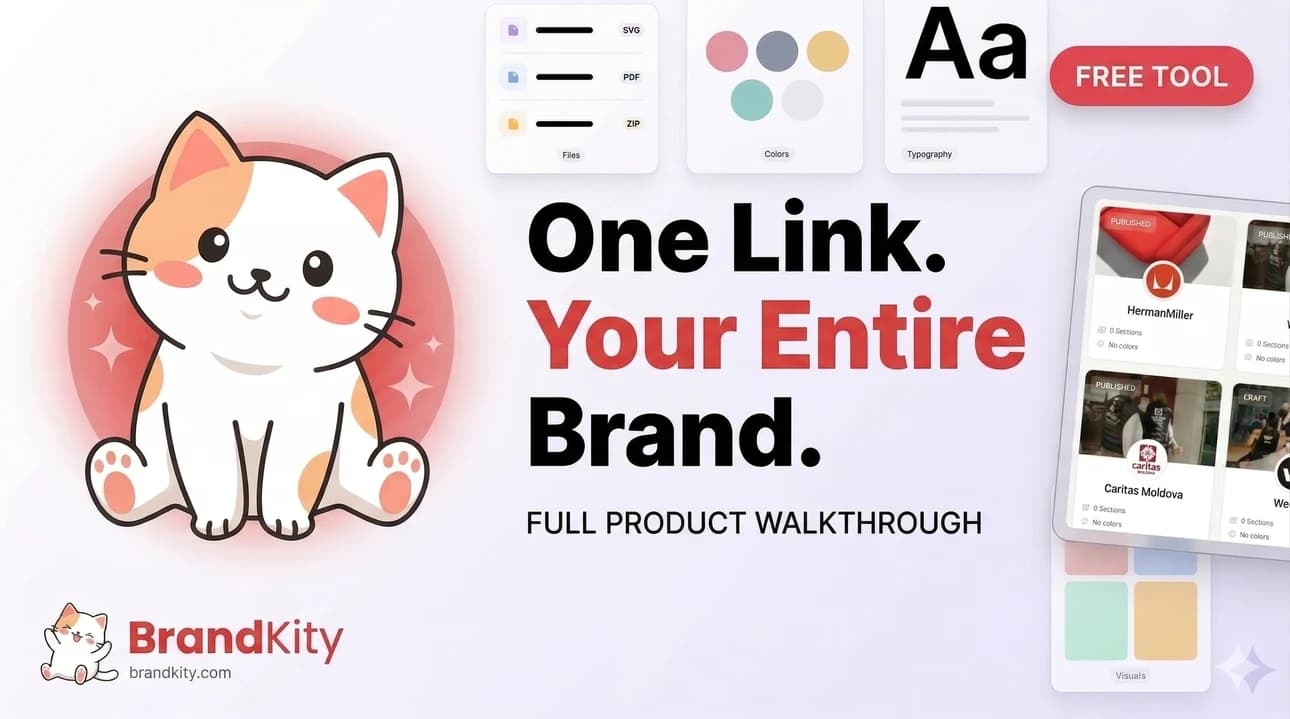
Table of contents
- The Untapped Power of Brand Assets: Why Startups Are Losing to Inefficiency
- The Modern Startup’s Asset Dilemma: From Seed to Scale
- The True Cost of Disorganized Brand Assets: Beyond Lost Logos
- Defining ‘Asset Mastery’ in the 2026 Startup Landscape
- Beyond Spreadsheets and Shared Drives: The Evolution of Brand Asset Management
- The Limitations of Traditional File Storage for Brand Assets
- Why Generic Cloud Storage Fails Marketers and Designers
- Introducing the Centralized Brand Hub: A Single Source of Truth
- Building Your Startup’s Digital Vault: Key Components of Asset Mastery
- Organizing Your Core Brand Identity: Logos, Typography, and Color Palettes
- Managing Marketing Collateral: From Social Media Graphics to Pitch Decks
- Incorporating Rich Media: Videos, Audio, and Interactive Assets
- The Crucial Role of Brand Guidelines: Ensuring Consistency at Scale
- Workflow Wins: Streamlining Asset Access for Your Entire Team
- Empowering Designers: Fast Retrieval and Version Control
- Equipping Marketing Teams: On-Brand Content Creation, Instantly
- Enabling Sales and Partnerships: Seamless Asset Sharing
- The ‘BrandKit Link’ Revolution: Instant, Controlled Access for All
- Mastering Client Handoffs: The Agency’s Secret Weapon for Brand Delivery
- The Pain Points of Traditional Client Deliverables
- Creating Professional, Branded Client Portals
- Simplifying Feedback and Approval Loops
- Case Study: How Stellar Creative Transformed Client Delivery with BrandKity
- The Strategic Advantage: How Asset Mastery Fuels Startup Growth
- Accelerating Time-to-Market for Campaigns and Products
- Ensuring Brand Consistency Across All Touchpoints
- Reducing Redundancy and Wasted Design/Marketing Efforts
- Building Internal Trust and External Brand Credibility
- Choosing Your Command Center: Navigating Brand Asset Management Software
- Essential Features for Startup-Focused BAM Platforms
- Usability and Onboarding: The True Measure of Efficiency
- Scalability: Growing with Your Startup’s Needs
- The Critical Factor: Client Delivery and Collaboration Capabilities
- Alternatives to Digital Asset Management Giants (and When to Choose Them)
- Understanding the Landscape: Brandfolder, Frontify, Bynder, Lingo, Playbook
- Key Differentiators: Feature Sets, Pricing Models, Target Audiences
- When a Full-Scale DAM Might Be Overkill for Your Startup
- The ‘Simplified Brand Hub’ Advantage for Agencies and Growing Businesses
- Implementing Your Asset Mastery Strategy: A Practical Checklist
- Future-Proofing Your Brand: The Long-Term Benefits of Asset Mastery
In today’s fast-paced digital landscape, startups often find themselves in a constant race to establish their brand presence and capture market share. Yet, a silent efficiency killer lurks within many organizations, hindering their growth and undermining their professional image: disorganized brand assets. This isn’t just about a missing logo file; it’s a systemic issue that impacts every facet of a business.
Mastering your brand assets is no longer a ‘nice-to-have’ for large corporations. For startups aiming to punch above their weight and compete effectively, it’s a critical strategic imperative. This section delves into why inefficient asset management is a significant roadblock and how achieving ‘asset mastery’ can become a startup’s secret weapon.
The Untapped Power of Brand Assets: Why Startups Are Losing to Inefficiency
The Modern Startup’s Asset Dilemma: From Seed to Scale
Startups are born from innovation and agility, but their early stages are often characterized by rapid iteration and a lean approach to infrastructure. This can inadvertently lead to a chaotic accumulation of brand assets. Logos created in haste, multiple versions of taglines, and a scattered collection of marketing materials housed in personal cloud drives or even email chains become the norm. As the team grows, so does this disorganization, creating significant onboarding challenges and making it difficult to maintain a cohesive brand identity. The initial scramble for survival often overshadows the need for structured asset management, setting the stage for long-term inefficiencies that can impede scaling. The foundational elements of a brand’s visual and verbal identity are often treated as afterthoughts, leading to a fragmented perception in the market.
The True Cost of Disorganized Brand Assets: Beyond Lost Logos
The impact of poor asset management extends far beyond the frustration of searching for a lost logo file. Consider the wasted designer hours spent recreating assets that already exist or confirming which version is the latest. Marketing teams might launch campaigns using outdated brand colors or fonts, leading to inconsistency that erodes trust and perceived professionalism. Sales teams struggle to present polished, on-brand pitch decks, potentially losing crucial deals. For a startup, every dollar and every minute counts; such inefficiencies directly translate to lost revenue and decreased productivity. Furthermore, brand dilution from inconsistent messaging and visuals can significantly hamper brand recognition and customer loyalty, making it harder to stand out in a crowded marketplace. This lack of internal order inevitably reflects externally, impacting stakeholder confidence.
Defining ‘Asset Mastery’ in the 2026 Startup Landscape
Asset mastery in the current startup environment (2026) means establishing a centralized, accessible, and consistently governed system for all brand-related materials. It’s about transforming your brand assets from scattered digital files into a strategic resource. This involves not just storing logos and fonts but also managing marketing collateral, brand guidelines, product imagery, and even video content in a way that ensures brand integrity and operational efficiency across the entire organization. It’s a proactive approach that equips every team member with the correct, approved assets, empowering them to represent the brand effectively without constant oversight. Think of it as building the digital infrastructure that supports your brand’s narrative and allows for rapid, consistent deployment of your identity across all touchpoints. This mastery fosters a culture of brand custodianship rather than just asset management.
Beyond Spreadsheets and Shared Drives: The Evolution of Brand Asset Management
The Limitations of Traditional File Storage for Brand Assets
Many startups begin their journey using conventional file-sharing methods like shared network drives, cloud storage services (e.g., Google Drive, Dropbox), or even email attachments. While these tools are adequate for general document storage, they fall woefully short when it comes to managing branded assets. The primary limitations include a lack of robust search functionality, making it difficult to find specific files amidst countless folders. Version control is often manual and error-prone, leading to the use of outdated materials. Furthermore, these platforms typically lack the ability to enforce brand guidelines or provide context around asset usage. Without dedicated features for categorization, tagging, and metadata, these systems quickly become digital landfills, increasing the risk of brand misuse and inconsistency.
Why Generic Cloud Storage Fails Marketers and Designers
For marketing and design teams, generic cloud storage solutions present a significant bottleneck. Marketers need quick access to the latest approved versions of social media templates, ad creatives, and presentation slides, often on tight deadlines. Without proper organization and searchability, they waste valuable time hunting for files, or worse, use incorrect assets, leading to off-brand campaigns. Designers face similar frustrations. They require precise, high-resolution versions of logos, specific font files, and color codes. Generic drives offer little in the way of detailed metadata or usage rights information, forcing designers to guess or constantly verify. This lack of specialized functionality hampers creative workflows, increases the likelihood of errors, and ultimately slows down the entire marketing and content creation process.
Introducing the Centralized Brand Hub: A Single Source of Truth
The solution to these widespread issues lies in the adoption of a centralized brand hub. This is a dedicated platform designed specifically for managing brand assets, acting as the single source of truth for all brand-related materials. Unlike generic cloud storage, a brand hub offers advanced features such as intuitive search, intelligent tagging, version control with clear history, and granular permission settings. It provides a structured environment where logos, fonts, color palettes, brand guidelines, marketing collateral, and rich media can be systematically organized, categorized, and easily accessed by authorized users. This central repository ensures that everyone within the organization, and even external partners, is always working with the most current and approved assets, significantly enhancing efficiency and maintaining brand consistency, which is crucial for unlocking brand consistency.
Building Your Startup’s Digital Vault: Key Components of Asset Mastery
Organizing Your Core Brand Identity: Logos, Typography, and Color Palettes
At the heart of asset mastery lies the meticulous organization of your core brand identity elements. This includes all variations of your logo (primary, secondary, icon-only), ensuring they are available in various formats (SVG, PNG, JPG) and resolutions suitable for both digital and print applications. Typography is equally critical; ensure all approved fonts are stored and clearly labeled, with guidance on usage for different contexts. Similarly, establish and store your exact color palette, including HEX, RGB, CMYK, and Pantone values, making it easily accessible to designers and developers. This foundational step ensures that every piece of communication starts with the correct, approved visual building blocks, preventing common mistakes like using incorrect logo versions or off-brand shades. Clear categorization within your asset management system is paramount here.
Managing Marketing Collateral: From Social Media Graphics to Pitch Decks
Beyond the core identity, a robust asset management system must effectively house all marketing collateral. This encompasses a wide range of assets, including social media templates, banner ads, email templates, brochures, case studies, and sales pitch decks. For each asset, it’s vital to include metadata that clarifies its purpose, target audience, and usage guidelines. Version control is particularly important here, as marketing materials are frequently updated to reflect new campaigns or product features. A well-organized library allows marketing teams to quickly find and adapt existing collateral, saving significant time and ensuring that all outward-facing communications are consistent with the brand’s current messaging and visual style. This efficiency boost is invaluable for agile startup marketing efforts.
Incorporating Rich Media: Videos, Audio, and Interactive Assets
Modern branding extends beyond static images and text; rich media assets like videos, audio clips, and interactive content play an increasingly significant role. Your asset management strategy should accommodate these dynamic elements. This means storing high-resolution video files, audio jingles or voiceovers, animated graphics, and even interactive infographics. Key considerations include file size management, appropriate format conversions, and clear categorization based on intended use (e.g., website, social media, presentations). Ensuring these assets are easily discoverable and accessible allows your team to leverage them effectively across various marketing channels, enriching the brand experience and engaging your audience more deeply. Secure hosting and playback options are also crucial for these data-intensive files.
The Crucial Role of Brand Guidelines: Ensuring Consistency at Scale
Brand guidelines are the rulebook for your brand’s identity, and they are indispensable for achieving asset mastery, especially as your startup grows. Your digital vault should house a living, accessible version of your brand guidelines, easily discoverable by everyone who needs them. This document should clearly articulate how to use logos, typography, colors, imagery, and tone of voice. For effective asset management, guidelines should be linked directly to the relevant assets within your system. This provides immediate context and instruction on correct usage, minimizing the risk of misuse and ensuring that every team member, from new hires to seasoned professionals, understands and adheres to brand standards. Integrating these guidelines seamlessly makes them a practical tool, not just a reference document, supporting brand asset management for agencies and internal teams alike.
Workflow Wins: Streamlining Asset Access for Your Entire Team
Empowering Designers: Fast Retrieval and Version Control
For designers, efficient access to brand assets is paramount for productivity. A well-structured asset management system means instantly locating the correct file versions—be it a logo in SVG format or a specific font file—without the typical search-and-rescue mission. Robust version control features are critical, allowing designers to easily access previous iterations, understand changes, and ensure they are always working with the latest approved master files. This eliminates the guesswork and the risk of using outdated elements. Furthermore, features like advanced filtering, tagging, and collections allow for rapid organization and retrieval of assets needed for specific projects, significantly reducing project turnaround times and fostering a more creative and less frustrating workflow. This is where a system becomes a true partner to the creative process.
Equipping Marketing Teams: On-Brand Content Creation, Instantly
Marketing teams benefit immensely from streamlined asset access by being able to create on-brand content with speed and confidence. Imagine a marketer needing to generate a social media graphic for an upcoming campaign. With a centralized hub, they can quickly find approved templates, logos, and brand colors, often with the ability to customize within pre-defined parameters. This eliminates the need to wait for designers or spend time searching for the right files, enabling them to react quickly to market trends and launch campaigns faster. The assurance that the assets used are always current and compliant with brand guidelines reduces the risk of off-brand messaging, strengthening the overall marketing effort and enhancing brand consistency across all platforms. This direct access empowers marketers to be more agile and effective.
Enabling Sales and Partnerships: Seamless Asset Sharing
The sales and partnerships teams are often on the front lines, requiring polished and professional materials to close deals and build relationships. Asset mastery ensures they have easy, controlled access to up-to-date pitch decks, product sheets, case studies, and company presentations. Instead of relying on outdated files stored in disparate locations, they can access a curated library of approved collateral through a user-friendly interface. Furthermore, the ability to share specific assets or curated collections externally, often via a shareable link, simplifies collaboration with partners, distributors, or clients. This seamless sharing process reinforces professionalism and ensures that every external communication accurately reflects the brand’s identity and messaging, contributing to stronger business relationships.
The ‘BrandKit Link’ Revolution: Instant, Controlled Access for All
The concept of a single, shareable link—often referred to as a BrandKit link—represents a revolutionary step in asset accessibility and control. This feature consolidates all essential brand assets into a single, branded, web-based portal that can be shared via a simple URL. For startups, this is a game-changer. It provides instant, controlled access to brand materials for employees, freelancers, agencies, and even clients, without requiring them to log into complex systems or navigate cluttered shared drives. Permissions can be granularly managed, ensuring that only authorized individuals can access specific asset categories. This drastically simplifies onboarding, client handoffs, and external collaborations, while maintaining the integrity and security of your brand assets. It transforms brand asset management from a chore into a strategic advantage, embodying the essence of BrandKity: Your “SEO Kingpin” Brand Asset Hub.
Mastering Client Handoffs: The Agency’s Secret Weapon for Brand Delivery
For agencies, the final step in a successful project is often the most critical: the client handoff. This is where raw creative talent meets practical brand implementation, and a flawless delivery can solidify a lasting client relationship. However, the traditional methods of client deliverables are frequently riddled with inefficiencies, leading to frustration on both sides and potentially undermining the very brand equity the agency worked to build. When agencies fail to nail this crucial phase, it can result in a loss of trust and a diminished perception of professional capability, regardless of the quality of the creative work itself. A smooth, organized, and branded handoff is not just about delivering files; it’s about empowering the client for future success and showcasing the agency’s commitment to comprehensive brand stewardship.
The Pain Points of Traditional Client Deliverables
The common pitfalls of traditional client handoffs are numerous and impactful. Often, agencies resort to sending sprawling collections of files via email or cloud storage links. This can result in outdated assets being used, confusion over file versions, and a general lack of clarity on how to implement the brand correctly. Imagine a client needing a specific logo variation or a brand color code and having to sift through dozens of folders, unsure which is the definitive version. This disorganization not only wastes valuable client time but also opens the door to brand inconsistencies. Furthermore, crucial supporting documents like brand guidelines are often delivered as static, unsearchable PDFs, making them cumbersome to reference. This lack of accessibility for brand assets and guidelines is a direct contributor to brand drift and missed opportunities for consistent marketing efforts.
Creating Professional, Branded Client Portals
Moving beyond the chaos of scattered files, the solution lies in creating a centralized, branded client portal. This portal acts as a single source of truth, offering a curated and organized repository for all brand assets. Instead of generic cloud storage, a branded portal immerses the client in their visual identity, reinforcing the agency’s work and professionalism. Key decision criteria for such a portal include intuitive navigation, clear categorization of assets (logos, colors, typography, imagery, templates), and easy download options in various formats. Pitfalls to avoid include overly complex permission structures or a cluttered interface that mimics the very disorganization the portal aims to solve. The goal is a user-friendly experience that makes finding and using brand assets effortless. For instance, a graphic designer at the client’s company should be able to locate the correct logo file for a social media graphic in seconds, rather than minutes or hours.
Simplifying Feedback and Approval Loops
Efficient feedback and approval processes are integral to successful project completion and client satisfaction. When delivering assets, the ability for clients to provide consolidated, clear feedback directly within the context of the assets is invaluable. This avoids the dreaded email chains where comments get lost or misinterpreted. Decision criteria for effective feedback loops include real-time annotation capabilities, version control for feedback, and clear status indicators for approvals. A pitfall here is a system that requires multiple logins or complex interfaces, which can deter usage. Instead, a streamlined process, perhaps integrated directly into the asset delivery portal, ensures that revisions are tracked, communication is clear, and the final sign-off is unambiguous. This structured approach minimizes misunderstandings and accelerates the finalization of projects, reflecting positively on the agency’s operational efficiency.
Case Study: How Stellar Creative Transformed Client Delivery with BrandKity
Example: Stellar Creative, a boutique branding agency, struggled with client handoffs after completing rebranding projects. Clients frequently reported difficulty locating specific assets and adhering to brand guidelines, leading to inconsistent brand application post-launch. This often resulted in follow-up revision requests and a sense of incompletion, impacting client retention. After implementing BrandKity as their primary client delivery system, Stellar Creative experienced a significant shift. They now create a custom-branded portal for each client, populated with all final logos, color palettes, typography, imagery, and downloadable templates. Decision Criteria: Stellar Creative chose BrandKity for its ease of use for both their internal team and their clients, its customizable branding options for the client portal, and its affordability compared to enterprise-level DAMs. Pitfall Avoided: They sidestepped the complexity of full-scale Digital Asset Management (DAM) systems, which they found overkill for their agency size and client needs. The result? Clients reported a 90% improvement in ease of accessing and using brand assets, drastically reducing post-launch brand confusion. Stellar Creative saw a 25% increase in positive client testimonials citing the seamless delivery process and a notable uptick in repeat business from satisfied clients who appreciated the long-term brand support.
The Strategic Advantage: How Asset Mastery Fuels Startup Growth
For startups, agility and consistent brand representation are paramount. Asset mastery, enabled by efficient brand asset management and delivery, becomes a powerful engine for growth. It’s not merely about having files organized; it’s about leveraging those assets to accelerate market entry, maintain a cohesive brand narrative, and build immediate credibility. In the fast-paced startup environment, where every moment and resource counts, having a single source of truth for all brand elements significantly reduces friction. This allows marketing teams, designers, and even founders to operate with speed and confidence, knowing they are always working with the correct, up-to-date materials. This strategic advantage translates directly into faster campaign launches, more consistent product messaging, and a stronger overall market presence from day one.
Accelerating Time-to-Market for Campaigns and Products
Startups live and die by their ability to launch quickly and respond to market shifts. When brand assets are scattered across shared drives, personal computers, or disparate cloud folders, the process of preparing marketing collateral, website updates, or product packaging becomes a time-consuming scavenger hunt. Asset mastery streamlines this dramatically. With a centralized, easily accessible hub for logos, images, fonts, and brand guidelines, teams can retrieve necessary assets in minutes, not hours. Decision criteria for choosing an asset management system should prioritize speed and ease of access. For example, a startup planning a Black Friday sale can quickly pull approved product imagery, promotional banners, and social media templates without delay. The pitfall of not having this organized system is missed launch windows, rushed design work leading to errors, and a slower competitive response, directly impacting revenue potential and market share gains.
Ensuring Brand Consistency Across All Touchpoints
Brand consistency is the bedrock of trust and recognition, especially for emerging startups. Inconsistent branding can confuse consumers, dilute the brand message, and make a startup appear unprofessional or disorganized. Asset mastery ensures that every touchpoint, from a social media post and website banner to an email newsletter and sales presentation, adheres to the brand’s visual identity. This means always using the correct logo variations, the official brand colors, and approved typography. The key decision criteria here are the robustness of version control and accessibility of brand guidelines. A pitfall is a system that doesn’t adequately enforce correct usage or provide clear instructions. For instance, a marketing team launching a new ad campaign needs to be certain they are using the official logo and brand colors across all platforms. A platform like BrandKity facilitates this by providing a clear, single source of truth that brand managers can point to, ensuring uniformity and strengthening brand recall among the target audience.
Reducing Redundancy and Wasted Design/Marketing Efforts
Inefficient asset management leads directly to duplicated work and wasted resources. When designers and marketers can’t easily find what they need, they often recreate it – leading to multiple versions of the same graphic, outdated logos being used, or significant time spent searching. Asset mastery, through a well-organized brand hub, eliminates this redundancy. Decision criteria for selecting a system should focus on its ability to deduplicate assets and provide a clear audit trail. The pitfall is allowing a chaotic asset library to persist, forcing teams to spend valuable time and budget on tasks that should be automated. For example, instead of a designer spending hours finding and resizing approved imagery for a new blog post, they can access a library of pre-sized, approved visuals in seconds. This frees up their time for more strategic creative work, boosting overall team productivity and reducing operational costs, a critical advantage for any lean startup.
Building Internal Trust and External Brand Credibility
A well-managed brand asset library fosters both internal confidence and external credibility. Internally, when employees can easily access and use correct brand materials, it builds trust in the brand’s leadership and marketing efforts. They feel empowered and equipped, rather than frustrated and uncertain. Externally, consistent and professional brand application across all customer-facing channels signals reliability and polish. Decision criteria for a successful system include its ability to grant appropriate access levels and provide clear usage instructions. The pitfall is a system that is either too restrictive, hindering necessary access, or too open, leading to misuse. For a startup securing its first major funding round, presenting a professional pitch deck with perfectly rendered logos and brand colors is crucial. Having a reliable repository of these assets ensures that every presentation reflects the professionalism and seriousness of the company, directly impacting investor confidence and perception.
Brand consistency is the bedrock of trust and recognition, especially for emerging startups. Inconsistent branding can confuse consumers, dilute the brand message, and make a startup appear unprofessional or disorganized. Asset mastery ensures that every touchpoint, from a social media post and website banner to an email newsletter and sales presentation, adheres to the brand’s visual identity. This means always using the correct logo variations, the official brand colors, and approved typography. The key decision criteria here are the robustness of version control and accessibility of brand guidelines. A pitfall is a system that doesn’t adequately enforce correct usage or provide clear instructions. For instance, a marketing team launching a new ad campaign needs to be certain they are using the official logo and brand colors across all platforms. A platform like BrandKity facilitates this by providing a clear, single source of truth that brand managers can point to, ensuring uniformity and strengthening brand recall among the target audience. You can further explore how to unlock brand consistency with BrandKity to understand its capabilities in this area.
Choosing Your Command Center: Navigating Brand Asset Management Software
Selecting the right Brand Asset Management (BAM) software is akin to choosing the central nervous system for your brand’s digital presence. It’s where organization, governance, and accessibility converge. For startups and agencies, this choice is critical, as it impacts efficiency, brand consistency, and ultimately, the speed at which they can operate and grow. The market offers a spectrum of solutions, from robust enterprise Digital Asset Management (DAM) systems to more streamlined, user-friendly platforms designed for specific workflows. Understanding the core functionalities and the unique needs of your team – whether it’s a lean marketing department or a growing creative agency – will guide you toward the most effective command center. Prioritizing ease of use and integration capabilities can prevent the software from becoming a costly, underutilized burden.
Essential Features for Startup-Focused BAM Platforms
When evaluating BAM platforms for startups, certain features rise to the top of the priority list. Intuitive organization is paramount, allowing for easy categorization of assets like logos, fonts, imagery, and templates, often through customizable tags and folders. Search functionality needs to be powerful and fast, enabling users to find specific assets quickly. Version control is non-negotiable, ensuring that only the latest approved versions are accessible. Decision criteria should also include robust permission settings to control who can view, download, or upload assets, crucial for maintaining brand integrity. A significant pitfall is platforms that are overly complex or require extensive technical expertise to manage. For a startup, features like quick sharing links, integration with common design tools (like Adobe Creative Cloud or Figma), and automated metadata tagging can significantly enhance daily workflows.
Usability and Onboarding: The True Measure of Efficiency
Even the most feature-rich BAM software is ineffective if it’s difficult to use or requires weeks of training. For startups, speed of adoption is critical. A platform’s usability and onboarding process are often more telling than a long list of advanced features. Look for interfaces that are clean, intuitive, and require minimal training for both internal teams and external collaborators like clients or freelancers. Decision criteria should heavily weigh user reviews and available demo experiences. The pitfall is investing in a powerful system that becomes a bottleneck due to its complexity, leading to low adoption rates and continued reliance on disorganized manual processes. Platforms that offer guided tours, clear documentation, and excellent customer support during the initial setup phase are invaluable for ensuring that the software quickly becomes an integrated, efficient part of the startup’s operational toolkit.
Scalability: Growing with Your Startup’s Needs
A startup’s needs evolve rapidly. What works for a team of five today might be insufficient for a team of fifty in a year. Therefore, the chosen BAM platform must be scalable. This means it should accommodate a growing number of users, an increasing volume of assets, and potentially more complex asset types (like video or 3D models) as the company matures. Decision criteria for scalability include the platform’s ability to handle increased storage demands, expand user licenses without prohibitive cost increases, and offer tiered feature upgrades. The pitfall of neglecting scalability is having to undergo a disruptive and costly migration to a new system just as the company hits a growth spurt. A platform that can grow alongside the business, offering flexibility in its plans and features, ensures long-term strategic value and avoids future operational headaches.
The Critical Factor: Client Delivery and Collaboration Capabilities
For agencies and startups that frequently collaborate with external partners or clients, the BAM platform’s ability to facilitate seamless brand delivery and collaboration is paramount. This goes beyond internal organization; it’s about sharing assets effectively and gathering feedback efficiently. Key features to consider include the creation of shareable BrandKits, guest access capabilities, and integrated annotation or commenting tools. The critical pitfall here is a platform that treats client sharing as an afterthought, forcing you back into cumbersome email or file-sharing services. For example, an agency completing a website redesign needs a straightforward way to share final logos, imagery, and style guides with the client’s web development team. A BAM system that simplifies this process, perhaps by offering branded client portals or temporary guest links, not only demonstrates professionalism but also significantly reduces the chances of errors and delays in the final rollout.
Alternatives to Digital Asset Management Giants (and When to Choose Them)
While full-scale Digital Asset Management (DAM) systems like Adobe Experience Manager Assets or Widen Collective offer comprehensive solutions, they often come with significant costs, complexity, and a steep learning curve that can be overwhelming for many startups and smaller agencies. Fortunately, a vibrant ecosystem of alternatives exists, catering to more specific needs and budget constraints. These platforms often prioritize ease of use, faster onboarding, and more targeted functionalities, such as streamlined client delivery or brand portal creation. Understanding the nuances of these alternatives can help businesses identify a solution that perfectly matches their operational requirements without over-investing in features they won’t use. The key is to match the complexity and feature set of the tool to the actual needs of the organization, rather than opting for the largest solution by default.
Understanding the Landscape: Brandfolder, Frontify, Bynder, Lingo, Playbook
The alternative BAM space is populated by several key players, each with a distinct focus. Brandfolder is known for its user-friendly interface and strong emphasis on asset organization and searchability. Frontify excels in creating comprehensive brand guidelines and developer hubs, making it a favorite for teams focused on detailed brand consistency. Bynder offers a robust suite of features, often bridging the gap between smaller solutions and enterprise DAMs, with strong workflow automation capabilities. Lingo is particularly praised for its simplicity and focus on brand guidelines and asset sharing for design teams. Finally, Playbook offers a visually appealing and intuitive platform, often favored by marketing teams looking for easy asset creation and distribution. Decision criteria for choosing among these depend heavily on your primary pain points: Are you struggling with asset organization, brand guideline implementation, or seamless client delivery?
Key Differentiators: Feature Sets, Pricing Models, Target Audiences
The differentiators between these BAM alternatives are crucial for making an informed choice. Feature sets vary significantly; some platforms excel at interactive brand guidelines (Frontify), while others prioritize simple asset sharing (Lingo, Playbook) or robust metadata and asset management (Brandfolder, Bynder). Pricing models are another major factor: some use per-user, per-asset, or feature-tiered pricing, which can drastically impact costs for growing businesses. For instance, a startup with a small, dedicated marketing team might find Lingo or Playbook more cost-effective than a larger, feature-rich platform like Bynder. The target audience also provides clues: Frontify is often geared towards larger organizations and established brands needing detailed governance, while BrandKity, for example, focuses heavily on agency and startup client delivery workflows. Understanding these distinctions helps pinpoint the best fit.
When a Full-Scale DAM Might Be Overkill for Your Startup
A full-scale Digital Asset Management (DAM) system, while powerful, can be overkill for many startups and smaller agencies. The primary reasons include prohibitive costs, extensive implementation time, and a level of complexity that outweighs the immediate benefits. Decision criteria for avoiding a full DAM should include your current asset volume, the number of users requiring access, and your budget. If your primary need is organized asset storage, easy sharing, and basic brand guideline access, rather than complex workflow automation, rights management, or integration with enterprise-level marketing clouds, a simpler alternative is likely more appropriate. The pitfall of adopting an overly complex DAM is that it can become a costly white elephant – a system that is difficult to manage, underutilized, and doesn’t deliver the expected ROI, ultimately hindering rather than helping your brand operations.
The ‘Simplified Brand Hub’ Advantage for Agencies and Growing Businesses
Platforms focusing on a “Simplified Brand Hub” approach offer a compelling middle ground between basic cloud storage and complex enterprise DAMs. These solutions, like BrandKity, are specifically designed to address the core needs of agencies and growing businesses: centralized brand asset organization, easy client delivery, and clear brand guideline dissemination. Their advantage lies in their focused feature sets, intuitive interfaces, and more accessible pricing. For an agency, a simplified brand hub means a more professional and efficient client handoff process, leading to happier clients and repeat business. For a growing startup, it means establishing strong brand governance early on without the burden of enterprise-level complexity. Decision criteria for choosing such a platform should include its ability to create branded portals, support custom sharing links, and offer a clear, single source of truth for all brand assets, thereby streamlining operations and fostering brand consistency effectively.
Implementing Your Asset Mastery Strategy: A Practical Checklist
Transitioning to a robust asset mastery strategy requires meticulous planning and execution. It’s not just about adopting new software; it’s about fundamentally changing how your organization interacts with and leverages its brand assets. The initial phase involves a thorough audit of existing assets, a critical step that often reveals inconsistencies and redundancies. This audit should catalog every type of brand collateral, from logos and color palettes to presentation templates and video files. Consider the decision criteria for what constitutes a valuable asset – is it actively used, does it align with current brand standards, and is it easily accessible? A common pitfall here is underestimating the sheer volume and dispersion of assets across disparate cloud storage, individual hard drives, and outdated servers. Actionable steps include assigning a dedicated team or individual to conduct this audit, using a standardized spreadsheet or a dedicated brand asset management tool to log findings. This detailed inventory forms the bedrock of your asset mastery system.
Following the audit, the next crucial step is defining a clear and scalable folder structure and tagging strategy. This isn’t merely an organizational exercise; it directly impacts searchability and retrieval efficiency. Think about how users will naturally look for assets. Common structures might include categorization by asset type (logos, imagery, videos), by campaign, by product line, or by region. The tagging strategy should be equally deliberate, incorporating keywords that reflect both the asset’s content and its intended use. Consider implementing metadata fields such as usage rights, creation date, responsible department, and version control. A pitfall to avoid is over-complication; a system that’s too complex will lead to low adoption. Instead, prioritize simplicity and logical progression. For example, a fashion brand might structure folders by ‘Collections’, then ‘Season’, then ‘Asset Type’ (e.g., ‘Lookbook Imagery’, ‘Product Shots’, ‘Social Media Graphics’). Tagging would include ‘Spring 2026’, ‘Collection Name’, ‘Model Name’, and ‘Usage: Website Hero Banner’. Consistency in naming conventions is paramount to prevent duplicate assets and confusion.
Establishing clear brand governance and usage guidelines is non-negotiable for maintaining brand integrity. This involves creating definitive rules for how brand assets can and cannot be used. These guidelines should cover everything from logo variations and minimum clear space to correct typography usage, color specifications (including CMYK, RGB, HEX, and Pantone values), and imagery style. A crucial decision criterion here is accessibility: are these guidelines easily found and understood by everyone who needs them? A pitfall is having comprehensive guidelines that are buried in obscure documents or are overly technical and inaccessible to non-designers. Actionable steps include creating a dedicated brand guidelines document, potentially integrated within your asset management platform itself, that is visually appealing and easy to navigate. For example, a software company might specify that its logo should never be placed on a busy background without a clear container, and that its primary typeface, ‘Inter’, should always be used at a minimum size of 10px for legibility. This ensures consistent brand representation across all touchpoints.
The successful implementation of any asset management system hinges on effective team onboarding and adoption. Without buy-in and understanding from your users, even the most sophisticated system will fail. Training should be tailored to different user roles, acknowledging that a graphic designer will need different knowledge than a marketing coordinator or a sales representative. Best practices include conducting hands-on workshops, creating short video tutorials for common tasks, and establishing a clear point of contact for questions and support. A significant pitfall is assuming everyone will intuitively understand the system; this can lead to frustration and a return to old, disorganized habits. For instance, a startup might conduct an initial onboarding session for its entire marketing team, demonstrating how to find the correct logo files, download approved social media templates, and understand the basic tagging system. Providing ongoing support and celebrating early wins can foster a culture of asset mastery and encourage consistent usage.
Finally, asset mastery is not a set-it-and-forget-it process. It requires a commitment to regularly review and refine your system. As your brand evolves, so too will your asset library and the needs of your users. Schedule periodic reviews – quarterly or bi-annually – to assess the effectiveness of your folder structure, tagging, and guidelines. Solicit feedback from your team about what’s working well and what could be improved. Are there new asset types that need to be incorporated? Are existing categories still relevant? Are the guidelines being adhered to? A common pitfall is letting the system become stagnant, which can lead to it becoming outdated and less effective over time. Actionable steps include conducting user surveys, analyzing asset download and usage patterns, and updating the system based on new brand initiatives or team requirements. This iterative approach ensures your asset management system remains a dynamic and valuable tool for maintaining brand consistency.
Future-Proofing Your Brand: The Long-Term Benefits of Asset Mastery
The strategic advantage of mastering your brand assets extends far beyond immediate organizational benefits. In today’s rapidly evolving digital landscape, adapting to evolving marketing channels and asset types is critical for sustained relevance. As new platforms emerge and content formats shift – from short-form video dominating social media to interactive web experiences – your asset management system must be flexible enough to accommodate these changes. A robust system allows for the easy integration of new asset types, such as AR filters or immersive 3D models, without disrupting existing workflows. Decision criteria for future-proofing include the system’s scalability and its ability to support diverse file formats. A pitfall is investing in a system that is rigid and quickly becomes obsolete, forcing costly migrations. For example, a brand that anticipates a future need for personalized video content must ensure its system can manage and tag video templates and dynamic content elements efficiently. This foresight allows brands to be agile and capitalize on emerging opportunities.
One of the most profound long-term benefits is the ability to maintain brand equity through seamless brand governance. When brand assets are consistently applied across all touchpoints, it reinforces a unified and professional brand identity in the minds of consumers. This consistency builds trust and recognition, making your brand more memorable and impactful. A key decision criterion for achieving this is the ease with which users can access and correctly implement brand guidelines. If it’s difficult or time-consuming to find approved assets and usage rules, mistakes are inevitable, eroding brand equity. A pitfall is relying on informal communication or outdated static documents that are prone to misinterpretation. For instance, a company that diligently manages its brand assets ensures that every marketing email, social media post, and product packaging adheres to precise color standards and typographic hierarchies. This meticulous attention to detail fosters a perception of reliability and quality, directly contributing to stronger brand recognition.
Furthermore, a well-established asset mastery strategy lays the groundwork for future brand expansion and potential acquisitions. When your brand assets are organized, documented, and easily accessible, it significantly streamlines the process of launching new products, entering new markets, or integrating acquired companies. Decision criteria here include the system’s ability to support multiple brand identities or sub-brands within a single platform, and the clarity of its asset versioning and licensing information. A pitfall is a disorganized asset library that makes it difficult to identify and transfer key brand elements during M&A activities, leading to delays and potential legal complications. Consider a scenario where a larger corporation acquires a smaller startup; having a comprehensive, well-managed asset repository for the acquired entity allows for a much smoother integration of its brand identity into the parent company’s portfolio. This ensures a cohesive brand narrative moving forward.
Ultimately, mastering your brand assets positions your organization as the ‘go-to’ brand in your niche through consistent excellence. When customers, partners, and even potential employees consistently encounter a well-defined, polished, and reliable brand presence, it builds a powerful reputation. This perceived excellence stems from the consistent application of brand identity, made possible by efficient asset management. The decision criterion for achieving this status is the continuous delivery of a high-quality brand experience. A pitfall is sporadic brand messaging or inconsistent visual identity, which can make a brand appear unprofessional or unreliable. For example, a SaaS company that consistently uses high-quality, on-brand imagery and messaging across its website, sales collateral, and user interface fosters a perception of premium quality and attention to detail. This builds confidence and loyalty, making it the preferred choice in its market segment. Brands like BrandKity offer solutions designed to facilitate this level of consistent excellence across all marketing and operational functions, ensuring your brand is always presented at its best.
By embracing these long-term benefits, brands can transform their asset management from a logistical challenge into a strategic differentiator. Investing in a robust system today ensures your brand remains adaptable, trustworthy, and a leader in its field for years to come.
For further exploration into optimizing your brand’s digital presence and asset management, resources like BrandKity’s blog offer in-depth guides and practical advice tailored for modern businesses.
Saurabh Kumar
Founder, BrandKity
Saurabh writes about practical brand systems, faster client handoffs, and scalable workflows for designers and agencies building repeatable delivery operations.
Connect on LinkedIn