
Brand Asset Management Software for Startup Growth 2026
Startups in 2026 operate in a hyper-competitive digital landscape where brand perception dictates market traction. Building a strong, consistent brand…
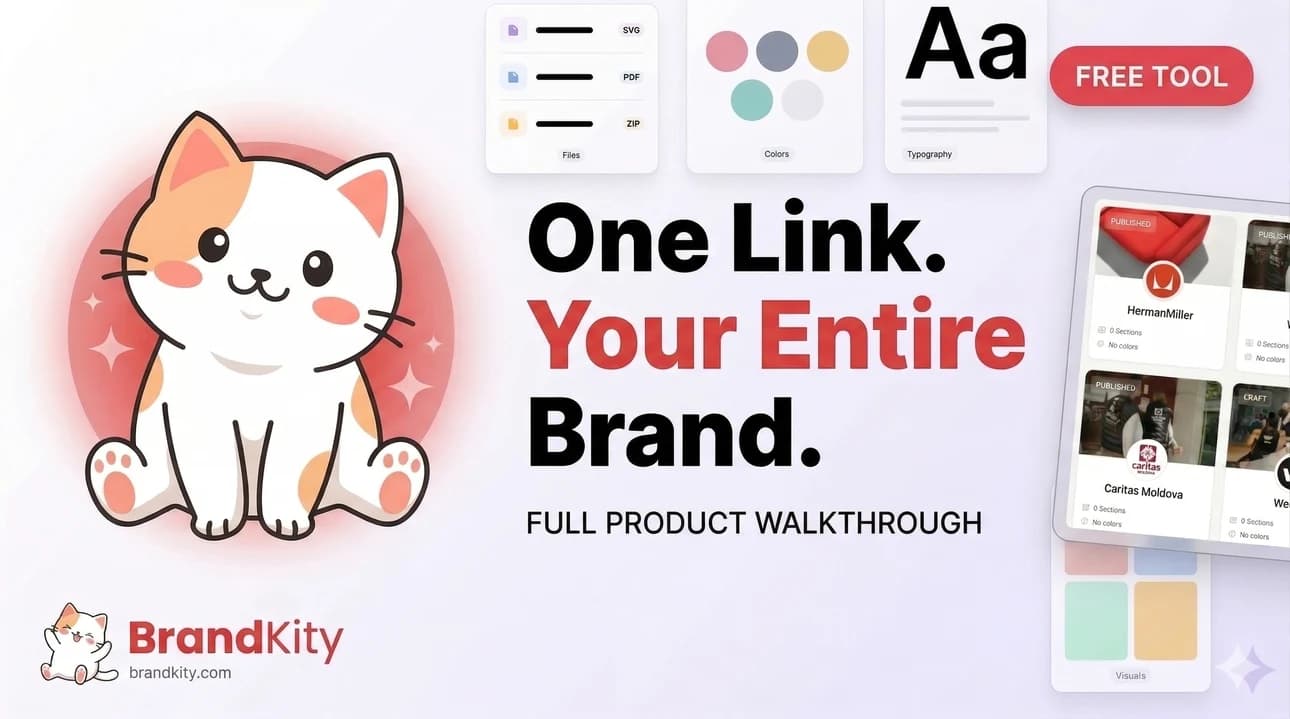
Table of contents
- The Brand Battlefield: Why Startups in 2026 Can’t Afford Disjointed Assets
- The Cost of Chaos: Missing Logos, Outdated Guidelines, and Wasted Time
- Brand Dilution in a Rapidly Scaling Environment
- Beyond Basic Storage: The Strategic Value of Brand Asset Management
- Understanding Brand Asset Management (BAM) for the Modern Startup
- Defining BAM: More Than Just Digital Asset Storage
- The “Single Source of Truth” Philosophy for Scaling Brands
- How BAM Streamlines Creative Operations and Marketing Workflows
- Core Features Startups Need in a BAM Solution by 2026
- Centralized Hub for All Brand Elements (Logos, Fonts, Colors, Guidelines)
- Effortless Sharing and Client Delivery via Branded Portals (One Shareable BrandKit Link)
- Version Control, Permissions, and User Accessibility
- Driving Startup Growth: Tangible Benefits of Robust Brand Asset Management
- Accelerating Time-to-Market for Campaigns and Product Launches
- Ensuring Unwavering Brand Consistency Across All Touchpoints
- Boosting Marketing and Design Team Productivity & Collaboration
- Brand Asset Management vs. Traditional Digital Asset Management (DAM) for Startups
- Simplicity and Speed: Why Traditional DAM Can Overwhelm Lean Teams
- Focus on Brand Delivery and Accessibility Over Enterprise Complexity
- The Brand Portal Advantage for Agencies and Client Handoffs
- Design Team: Maintaining Brand Guidelines & Creative Collaboration
- Sales & Business Development: Empowering Teams with On-Brand Collateral
- Choosing the Right Brand Asset Management Platform for Your Startup
- Key Decision Criteria: Scalability, Usability, and Integration Capabilities
- Prioritizing Features for Your Specific Growth Stage
- Implementing BAM: Best Practices for Rapid Startup Adoption
- Structuring Your BrandKit: A Guide to Optimal Asset Organization
- Measuring Success: Tracking Efficiency and Brand Consistency Metrics
- Real-World Startup Use Cases for BAM Software
- E-commerce Brands Scaling Rapidly
- SaaS Companies Streamlining Sales & Marketing
- Multi-Location Businesses Maintaining Brand Cohesion
- Frequently Asked Questions About Brand Asset Management for Startups
- Is BAM only for large enterprises?
- How quickly can a startup see ROI from BAM?
- What is a Brand Portal and why do I need one?
- Your Brand’s Future in 2026: Actionable Steps for Sustainable Growth
- Embrace a Single Source of Truth for Brand Assets
Startups in 2026 operate in a hyper-competitive digital landscape where brand perception dictates market traction. Building a strong, consistent brand presence from the outset is no longer a luxury but a fundamental requirement for sustainable growth and investor confidence.
Effectively managing every visual and textual element of your brand across multiple channels and rapidly expanding teams demands sophisticated solutions. This guide explores how robust brand asset management (BAM) software empowers startups to maintain brand integrity, streamline operations, and ultimately accelerate their path to market leadership.
The Brand Battlefield: Why Startups in 2026 Can’t Afford Disjointed Assets
The Cost of Chaos: Missing Logos, Outdated Guidelines, and Wasted Time
In 2026, the cost of disorganized brand assets for a startup extends far beyond mere inconvenience; it directly impacts efficiency, budget, and reputation. Imagine a scenario where a marketing team needs a high-resolution logo for an urgent campaign, only to find multiple versions scattered across cloud drives and local desktops, with no clear indication of the correct, approved file. This common “cost of chaos” results in significant wasted time spent searching, requesting, and correcting. Furthermore, relying on outdated brand guidelines or incorrect color codes for a new investor deck or product launch material can lead to costly rework, missed deadlines, and a perception of unprofessionalism. For a lean startup, every hour counts, and diverting creative and marketing resources to fix preventable asset-related issues is a tangible drain on productivity and innovation.
Brand Dilution in a Rapidly Scaling Environment
As startups scale rapidly, often onboarding new marketing channels, agency partners, and international teams, maintaining a cohesive brand identity becomes increasingly challenging. Without a centralized system, brand assets inevitably become fragmented, leading to various teams and individuals using inconsistent logos, fonts, messaging, or imagery. This lack of control fosters brand dilution, where the core identity of the company begins to lose its distinctiveness and impact. Potential pitfalls include conflicting visual styles in advertising, inconsistent tone of voice in communications, and a general weakening of brand recognition among the target audience. For a startup striving to establish a memorable market presence, such inconsistencies can severely undermine trust and reduce the effectiveness of all marketing efforts, making it harder to stand out in a crowded market.
Beyond Basic Storage: The Strategic Value of Brand Asset Management
While simple cloud storage solutions like Google Drive or Dropbox can store files, they lack the specialized functionalities required for true brand asset management. Strategic BAM software, by contrast, transforms a collection of files into a living, organized system that acts as a single source of truth for all brand elements. This goes beyond mere archiving; it ensures that every team member, partner, or external agency has immediate access to the correct, approved, and up-to-date versions of logos, typefaces, color palettes, and brand guidelines. This strategic value is particularly critical for startups seeking to build a scalable and recognizable brand identity from the ground up, providing the necessary infrastructure to grow without compromising consistency. It enables proactive brand governance rather than reactive damage control, safeguarding the brand’s equity.
Understanding Brand Asset Management (BAM) for the Modern Startup
Defining BAM: More Than Just Digital Asset Storage
Brand Asset Management (BAM) is often conflated with Digital Asset Management (DAM), but for startups, the distinction is crucial. While DAM focuses broadly on managing any digital file – from internal documents to video archives – BAM specifically targets assets that embody and represent a company’s brand. This includes official logos, approved typography, color palettes, imagery, voice and tone guidelines, marketing templates, and complete brand manuals. A robust BAM platform is designed not just for storage, but for the organization, distribution, and governance of these critical brand elements. It serves as a dedicated ecosystem where every brand component is readily accessible, correctly contextualized, and always up-to-date, ensuring that brand integrity is maintained across all touchpoints. For growing startups, this specialized focus makes BAM an indispensable tool for building a strong, unified identity.
The “Single Source of Truth” Philosophy for Scaling Brands
The core principle behind effective brand asset management is establishing a “single source of truth” for all brand-related materials. This philosophy eliminates the widespread problem of disparate versions of logos, outdated guidelines, or inconsistent marketing collateral. Instead of teams sifting through email attachments or various cloud folders, all approved brand assets reside in one centralized, easily searchable location. This approach is transformative for scaling startups because it drastically reduces errors, saves invaluable time, and ensures every internal team member, external agency, or partner is always working with the definitive, correct brand elements. This consistent access to accurate assets is paramount for rapidly deploying new campaigns or expanding into new markets without compromising brand cohesion. Many platforms, like BrandKity, champion this “single source of truth” by providing a comprehensive system for organizing brand assets and simplifying brand delivery. You can learn more about this approach for brand consistency here.
How BAM Streamlines Creative Operations and Marketing Workflows
Implementing a dedicated BAM solution dramatically streamlines creative operations and marketing workflows, especially for resource-constrained startups. Designers can spend less time fulfilling requests for logo variations or checking brand guidelines, instead focusing on high-value creative tasks. Marketing teams can launch campaigns faster, knowing they have instant access to approved imagery and templates, significantly cutting down on review cycles. For agencies working with startups, a BAM system simplifies the client handoff process and ensures that external partners consistently use the correct brand elements. This efficiency translates into tangible benefits: faster campaign deployment, reduced operational costs, and an enhanced ability to iterate and adapt quickly to market demands. Ultimately, BAM empowers teams to operate with greater agility and precision, crucial for any startup aiming for rapid growth and market penetration.
Core Features Startups Need in a BAM Solution by 2026
Centralized Hub for All Brand Elements (Logos, Fonts, Colors, Guidelines)
For any startup, the foundational feature of a BAM solution must be its ability to serve as a centralized hub for every brand element. This isn’t just about file storage; it’s about intelligent organization. Look for platforms that allow you to upload and categorize not only various logo formats (SVG, PNG, JPG) but also specific font files, precise color codes (Hex, RGB, CMYK), and comprehensive brand guidelines. The ideal system will allow direct embedding of brand manuals or links to them, ensuring that the rules governing asset use are inseparable from the assets themselves. This holistic approach prevents fragmentation and ensures that everything a team needs to build on the brand, from design to copywriting, is accessible in one coherent place, eliminating the need to search multiple disconnected repositories.
Effortless Sharing and Client Delivery via Branded Portals (One Shareable BrandKit Link)
One of the most critical features for a modern startup’s BAM is the capability for effluent sharing and client delivery. Traditional methods of emailing large files or sharing complex cloud folders are inefficient and unprofessional. A superior BAM solution offers branded portals or “Brand Kits” that can be shared with a single, secure link. This allows agencies to easily deliver complete brand packages to their startup clients, and startups themselves to disseminate assets to partners, investors, or media without hassle. These portals should be customizable to reflect the brand’s aesthetic, providing a professional and intuitive experience. This streamlined delivery ensures that stakeholders always receive the correct, approved assets, enhancing brand consistency and reducing the administrative burden on creative teams. This focus on simplifying delivery is a key differentiator for platforms specifically designed for modern brand management.
Version Control, Permissions, and User Accessibility
Robust version control is indispensable, especially as brand assets evolve. A BAM system must automatically track changes, allowing users to revert to previous versions if needed and clearly indicating the most current approved asset. Alongside this, granular permissions are vital. Startups need to control who can view, download, edit, or approve assets, ensuring that sensitive or unapproved materials are not accidentally used externally. Different user roles (e.g., administrator, designer, marketing, external collaborator) should have distinct access levels. Finally, exceptional user accessibility means the platform is intuitive and easy to navigate for all users, regardless of technical proficiency. A complex system, no matter how powerful, will go unused if it creates barriers to access. These features collectively prevent costly errors and maintain brand integrity as the startup grows.
Driving Startup Growth: Tangible Benefits of Robust Brand Asset Management
Accelerating Time-to-Market for Campaigns and Product Launches
For startups, speed to market is often a make-or-break factor. Robust brand asset management significantly accelerates time-to-market for new campaigns and product launches. With a centralized BAM solution, marketing and design teams can instantly access all necessary, approved brand elements—logos, images, copy snippets, and templates—without delays. This eliminates the bottlenecks associated with searching for files, requesting approvals, or correcting outdated assets. Example: A SaaS startup, “InnovateCo,” needed to launch a new feature with a multi-channel campaign. Before BAM, their marketing team spent 3-5 days coordinating assets. After implementing BAM, they reduced this to less than a day, allowing them to capture early market attention and generate leads faster. This efficiency means startups can be more agile, react quickly to market trends, and capitalize on opportunities before competitors, driving substantial growth.
Ensuring Unwavering Brand Consistency Across All Touchpoints
Brand consistency is paramount for building trust and recognition, especially for nascent brands. A powerful BAM solution acts as the guardian of this consistency across every touchpoint—from social media posts and website elements to investor presentations and print advertisements. By providing a single, unequivocal source for all official brand assets, BAM ensures that every piece of communication adheres to the established brand guidelines. This prevents the unintentional use of incorrect colors, outdated logos, or unapproved imagery, which can dilute brand identity and confuse the audience. Maintaining unwavering brand consistency helps startups solidify their market position, builds stronger brand equity, and reinforces their professional image, which is crucial for attracting both customers and investors. To learn more about how a BAM system can ensure consistency, consider reading about digital asset management for marketing.
Boosting Marketing and Design Team Productivity & Collaboration
Beyond mere asset storage, a well-implemented BAM platform transforms team productivity and fosters seamless collaboration. Designers no longer act as gatekeepers or spend valuable hours fulfilling repetitive requests for assets; instead, they can focus on creative innovation. Marketing professionals can self-serve, instantly pulling the correct brand elements for their campaigns, reducing dependency on design teams. This efficiency is amplified when collaborating with external agencies or freelancers, as the BAM system provides a clear, governed framework for asset usage and delivery. The ability to easily share assets via a streamlined client delivery system, track versions, and manage permissions empowers teams to work independently yet cohesively. This increased efficiency translates directly into more output, higher quality creative work, and a more engaged, less frustrated workforce, all of which are vital for a startup’s sustained growth.
Brand Asset Management vs. Traditional Digital Asset Management (DAM) for Startups
Simplicity and Speed: Why Traditional DAM Can Overwhelm Lean Teams
Traditional Digital Asset Management (DAM) platforms, while powerful, are often designed for large enterprises with complex needs, extensive taxonomies, and deep integration requirements. For a startup, this can translate into a significant upfront investment in time, resources, and training, which lean teams typically cannot afford. The sheer breadth of features, often including advanced metadata management, rights management, and complex workflow automation, can create an unnecessary burden. Startups need solutions that offer immediate value and a minimal learning curve, allowing them to focus on growth rather than managing an overly intricate system.
Decision Criteria: Startups should evaluate platforms based on ease of setup, intuitive user interfaces, and the ability to scale up features only as needed. Over-provisioning a DAM system early on can be a significant pitfall, tying up crucial capital and human resources. Look for solutions that simplify asset organization and sharing, rather than adding layers of unnecessary governance that are better suited for global corporations. A common mistake is adopting a system that requires a dedicated DAM manager, a role many startups simply don’t have.
Example: A tech startup, “InnovateTech,” initially adopted an enterprise-grade DAM thinking it would future-proof their asset management. They spent three months on implementation and training, only to find their marketing team struggled with uploading and finding simple social media assets, leading to delays in campaigns and a hefty monthly fee for features they rarely used. They realized their need was for brand delivery and quick access, not extensive archiving.
Focus on Brand Delivery and Accessibility Over Enterprise Complexity
Brand Asset Management (BAM) shifts the paradigm by prioritizing the delivery and accessibility of on-brand assets. Unlike traditional DAM, which often focuses on the deep archival and management of all digital assets across an organization, BAM hones in specifically on brand-related elements: logos, typography, color palettes, brand guidelines, marketing collateral, and communication templates. For startups, this targeted approach means a clearer, more focused system that directly supports marketing, sales, and design teams in maintaining brand consistency. The goal is to make it incredibly easy for anyone, internal or external, to find and use the correct, up-to-date brand assets.
This emphasis on brand delivery is crucial for startups needing to rapidly establish and scale their brand identity. Platforms designed for BAM typically offer streamlined interfaces, focusing on what’s essential for brand consistency rather than exhaustive features that might complicate simple tasks. A key benefit is the ability to create a single source of truth for all brand elements, significantly reducing the risk of outdated logos or incorrect color usage. This focus ensures that every touchpoint, from a social media post to a sales presentation, reinforces the desired brand image effectively and efficiently. This streamlined approach to asset organization is vital for agile marketing efforts.
The Brand Portal Advantage for Agencies and Client Handoffs
One of the most significant differentiators of BAM, particularly for agencies and startups working with external partners, is the integrated brand portal. This functionality allows for the creation of customized, shareable web pages that serve as a centralized hub for all brand assets and guidelines. Instead of sending clients or partners scattered email attachments, Dropbox links, or outdated PDFs, a brand portal provides a single, easy-to-access link. This ensures that everyone has access to the most current versions of logos, imagery, and brand guidelines, fostering stronger brand consistency. You can learn more about how this empowers agencies by exploring centralized repository where all approved marketing assets are easily discoverable, correctly formatted, and always up-to-date. This eliminates the frantic search through shared drives or outdated folders, ensuring that every piece of content published aligns perfectly with the brand’s visual identity and messaging.
Actionable Steps: Implement a clear tagging system for marketing assets by campaign, channel, and content type. Utilize the platform’s sharing features to quickly distribute assets to external agencies or social media managers. A common pitfall for startups is inconsistent branding across social media profiles, which a BAM system directly addresses by providing one reliable source for all approved social media assets. This ensures that complete brand alignment, significantly faster than their previous manual methods.
Design Team: Maintaining Brand Guidelines & Creative Collaboration
The design team is the custodian of a startup’s visual identity, and BAM software empowers them to enforce brand guidelines effortlessly while fostering efficient creative collaboration. Designers can upload final logos, typography sets, color palettes (with hex, RGB, and CMYK values), iconography, and brand photography directly into the system, making them instantly accessible to everyone. This prevents colleagues from using outdated logo versions or off-brand colors, which is a common challenge for rapidly growing companies. A robust BAM solution provides a design tools can update a brand’s primary logo, and that change is immediately reflected across the entire system, preventing the use of obsolete files. This streamlining of creative operations significantly enhances productivity.
Sales & Business Development: Empowering Teams with On-Brand Collateral
Sales and business development teams are often the frontline representatives of a startup, directly interacting with potential clients and partners. Equipping them with readily available, on-brand collateral is critical for projecting a professional and consistent image. BAM software allows these teams to quickly access the latest sales presentations, product sheets, case studies, and pitch decks, ensuring they always have the most compelling and current materials at their fingertips. This eliminates the need for sales reps to hunt down documents, or worse, use outdated versions.
Actionable Steps: Create a dedicated “Sales & BD” section within your brand portal, organized by product, service, or customer segment. Include templates for proposals and presentations that automatically pull in approved brand elements. This empowers sales professionals to customize documents while maintaining brand integrity. The significant pitfall here is when sales teams create their own versions of collateral due to a lack of access to approved assets, leading to inconsistent messaging and a diluted brand experience. With BAM, every sales interaction reinforces the professional and unified brand identity.
Choosing the Right Brand Asset Management Platform for Your Startup
Key Decision Criteria: Scalability, Usability, and Integration Capabilities
Selecting a BAM platform requires careful consideration of several critical factors to ensure it aligns with your startup’s trajectory. First, scalability is paramount; the platform must be able to grow with your company, accommodating increasing numbers of users, assets, and evolving brand complexities without requiring a complete system overhaul. Second, usability is non-negotiable for lean startup teams. An intuitive interface with minimal training requirements ensures rapid adoption and maximum efficiency, preventing the system from becoming a costly shelfware. Look for a platform that simplifies asset organization and discovery.
Third, evaluate integration capabilities. Your BAM system should ideally connect seamlessly with other tools in your startup’s tech stack, such as project management software, marketing automation platforms, or CRM systems. This reduces manual work, streamlines workflows, and ensures a cohesive digital ecosystem. The lack of crucial integrations can create silos and negate many of the benefits of a centralized asset management system. Always prioritize platforms that offer robust APIs or pre-built connectors to popular startup tools. This holistic view of asset management enhances overall operational efficiency.
Pitfall: Choosing a platform based solely on price without assessing its long-term scalability can lead to significant re-platforming costs and business disruption as your startup grows beyond its initial capabilities.
Prioritizing Features for Your Specific Growth Stage
Startups should avoid the trap of seeking every possible feature and instead focus on what truly supports their current growth stage and immediate needs. For an early-stage startup, core features like a centralized repository, basic brand guideline management, and easy sharing via a brand portal are often sufficient. As the startup matures, features such as version control, access permissions, advanced search filters, and potentially basic analytics for asset usage become more critical. It’s about finding a platform that offers essential functionalities without overwhelming your team with unnecessary complexity.
Create a list of “must-have” and “nice-to-have” features, prioritizing those that directly impact your ability to maintain brand consistency and streamline client delivery. For instance, if your startup frequently collaborates with external agencies, a robust brand portal for client handoffs will be a “must-have.” Conversely, highly advanced digital rights management might be a “nice-to-have” that can wait for later stages. A platform that allows you to easily share and deliver brand assets will always be a priority. Consider how Ease of onboarding directly impacts how quickly your team can become productive with the new system.
Furthermore, assess the availability of training resources, such as video tutorials, webinars, or self-help guides. These resources empower your team to independently learn and troubleshoot, reducing reliance on direct support for common queries. A platform with excellent support ensures that any issues are resolved swiftly, minimizing downtime and allowing your team to stay focused on core business activities. This emphasis on rapid adoption and strong support is particularly vital for lean startup teams where every minute counts.
Implementing BAM: Best Practices for Rapid Startup Adoption
Structuring Your BrandKit: A Guide to Optimal Asset Organization
Effective implementation of Brand Asset Management software begins with a thoughtfully structured BrandKit. This initial organization is paramount for ensuring long-term usability and preventing asset chaos. Start by defining a clear, intuitive folder hierarchy that mirrors your team’s workflow or asset types (e.g., “Logos,” “Imagery,” “Marketing Collateral,” “Templates,” “Brand Guidelines”). Within each folder, establish consistent naming conventions (e.g., brand-namelogoprimary_CMYK.eps, brand-namecampaign-Q3social-banner_instagram.jpg). This meticulous approach to organization makes assets incredibly easy to find and use.
Actionable Step: Appoint a “Brand Guardian” or a small team responsible for the initial upload and categorization of all core brand assets. They will ensure everything is correctly tagged with relevant keywords (e.g., product name, campaign name, asset type, color scheme). Leveraging metadata effectively transforms your BrandKit into a powerful, searchable database, allowing users to quickly locate specific assets without prior knowledge of folder structures. A well-organized BrandKit acts as a single source of truth, reducing confusion and speeding up asset retrieval. This systematic approach is key to
Best Practice: Develop short, easily accessible “how-to” guides or video tutorials for common tasks, such as uploading new assets, downloading specific file types, or sharing a brand portal link. Designate internal champions within each team who can act as first-line support and encourage peer-to-peer learning. The key is to make using the BAM system a natural, integrated part of their daily routine, rather than an added burden. Stress the benefits of streamlined brand asset delivery and the time saved by having everything organized in one place.
Measuring Success: Tracking Efficiency and Brand Consistency Metrics
To demonstrate the ROI of your BAM investment, it’s crucial to establish metrics for measuring its success. Start by defining baseline metrics before implementation. For example, track the average time spent by marketing or sales teams searching for assets, or the number of instances where outdated logos were accidentally used. After implementation, monitor these metrics to observe improvements. Key performance indicators (KPIs) can include:
- Asset Retrieval Time: Measure the average time it takes a user to find and download a specific asset.
- Brand Consistency Score: Conduct periodic audits of external communications (website, social media, presentations) to track adherence to brand guidelines.
- Usage Rates: Monitor how frequently different teams access and utilize the brand assets within the platform.
- Reduction in Redundant Requests: Track the decrease in direct requests to designers for common assets or brand guideline clarifications.
By consistently tracking these metrics, startups can quantify the improvements in efficiency and brand consistency, showcasing the tangible value of their BAM software investment. This data can also inform future optimizations and demonstrate the platform’s role in supporting overall business growth.
Real-World Startup Use Cases for BAM Software
Understanding how BAM software translates into tangible benefits can be best illustrated through practical examples from various startup sectors. These scenarios highlight how different types of growing businesses leverage brand asset management to overcome common challenges related to scalability, consistency, and operational efficiency.
E-commerce Brands Scaling Rapidly
A burgeoning e-commerce startup, constantly launching new products and seasonal campaigns, faces a deluge of visual assets: product shots, lifestyle imagery, social media graphics, and advertising banners. Without a BAM system, their marketing team might waste hours searching for the correct high-resolution image, accidentally use an outdated campaign visual, or struggle to provide partners with approved assets. With BAM software, they centralize all these assets, tagging them by product, collection, campaign, and usage rights. This ensures that every product page, social post, and ad features the latest, on-brand visuals, accelerating campaign launches and reducing compliance risks. Imagine a holiday campaign requiring hundreds of distinct images; BAM makes it possible to deploy these across multiple channels seamlessly, maintaining a consistent brand story.
SaaS Companies Streamlining Sales & Marketing
For a fast-growing Software-as-a-Service (SaaS) company, maintaining a unified brand voice across sales presentations, marketing collateral, support documentation, and partner resources is paramount. Sales teams need immediate access to the latest product screenshots, demo videos, and case studies, while the marketing department distributes whitepapers, ebooks, and webinar recordings. A BAM solution serves as the central repository for all these critical assets. It allows sales representatives to quickly pull the most current, branded pitch deck for a client meeting, and enables marketing to easily share a comprehensive press kit with media outlets. Furthermore, it helps ensure that all visual elements within the user interface (UI) and user experience (UX) documentation align perfectly with the overall brand identity, avoiding fragmentation as the product evolves.
Multi-Location Businesses Maintaining Brand Cohesion
Consider a startup expanding its footprint with multiple physical locations, perhaps a chain of boutique fitness studios, cafes, or co-working spaces. Each location needs marketing materials – flyers, local promotions, in-store signage – that adhere strictly to the corporate brand guidelines. Distributing these assets and ensuring consistency manually is a nightmare. A BAM system provides a centralized platform where headquarters can upload approved templates and brand assets. Local managers can then customize these templates with local details (e.g., store hours, specific promotions) within predefined boundaries, ensuring brand integrity while allowing for local relevance. This empowers local teams to create on-brand marketing materials quickly, without needing constant oversight from a central design team, thereby significantly reducing design bottlenecks and maintaining a cohesive brand presence across all outlets.
Frequently Asked Questions About Brand Asset Management for Startups
Is BAM only for large enterprises?
No, this is a common misconception. While large enterprises certainly benefit from robust brand asset management (BAM) solutions, startups stand to gain significantly, often more acutely due to their lean teams and rapid growth trajectories. For a startup, every minute counts, and inefficient asset management leads to wasted time, inconsistent branding, and missed opportunities. A well-implemented BAM system provides immediate value by centralizing all brand elements, ensuring consistency across marketing, sales, and product development, even with a small, agile team. It scales with your company, establishing good habits from day one.
Startups face unique challenges such as frequent design iterations, quick pivots, and the need to present a professional, consistent image to investors, partners, and early customers. Without a BAM solution, assets can quickly become scattered across different cloud drives, email threads, or local desktops, leading to confusion, outdated versions, and a diluted brand presence. Adopting BAM early helps standardize brand usage and frees up valuable creative and marketing resources to focus on innovation and growth, rather than asset retrieval.
How quickly can a startup see ROI from BAM?
The return on investment (ROI) from brand asset management for startups can be remarkably swift, often visible within the first few months of implementation. Tangible benefits include significant time savings on asset retrieval and reduced costs associated with recreating lost or outdated files. For instance, a marketing lead who previously spent 5 hours per week searching for the correct logo or campaign imagery could repurpose that time for strategic initiatives, accelerating content creation and campaign launches. Intangible ROI manifests in stronger brand consistency, enhanced team collaboration, and a more professional external perception.
Consider an Example: A fledgling SaaS startup, struggling with inconsistent investor decks and website imagery, implemented a BAM platform. Within two months, they reported a 30% reduction in time spent preparing marketing materials and a noticeable improvement in overall brand coherence. This efficiency directly contributed to faster campaign rollouts and a more polished presentation for their seed funding round. The key to rapid ROI lies in selecting a user-friendly platform that prioritizes quick onboarding and simplifies everyday workflows, making it easy for all team members to adopt.
What is a Brand Portal and why do I need one?
A Brand Portal is a centralized, web-based hub where all approved brand assets, guidelines, and related resources are stored, organized, and made accessible to relevant stakeholders. For startups, it acts as a critical single source of truth for your evolving brand identity. Rather than relying on shared folders or email attachments, a Brand Portal provides a streamlined experience for internal teams, external agencies, media, and partners to access the most current and correct versions of logos, typography, color palettes, imagery, and communication guidelines.
The necessity of a Brand Portal for a startup cannot be overstated. It ensures brand consistency across all touchpoints, preventing rogue branding and ensuring every team member and external collaborator uses the approved assets. This is vital for building trust and recognition in competitive markets. Platforms like BrandKity, which offer intuitive Brand Portals often through a simple shareable link, eliminate the chaos of scattered files and empower startups to maintain professional brand governance without needing extensive IT support, crucial for lean operations.
Your Brand’s Future in 2026: Actionable Steps for Sustainable Growth
Embrace a Single Source of Truth for Brand Assets
In 2026, establishing a single source of truth for your brand assets is no longer a luxury but a fundamental requirement for sustainable growth. This means centralizing all your brand elements – logos, imagery, fonts, color codes, voice and tone guidelines, and marketing templates – in one easily accessible and managed location. The alternative, scattered files across disparate systems, invariably leads to brand inconsistencies, wasted time searching for assets, and the unintentional use of outdated versions. For startups, this practice is foundational to maintaining agility and a coherent brand narrative as you scale.
Actionable steps involve selecting a dedicated brand asset management platform that can host all digital assets and associated guidelines. Implement clear naming conventions and folder structures from the outset. Crucially, enforce a policy where all creative output, upon approval, is immediately uploaded to this central repository, ensuring that version control is maintained and everyone always accesses the most current files. This proactive approach prevents costly reworks and safeguards your brand’s integrity. Further insights on this critical concept can be found by understanding the importance of a
A practical step is to leverage platforms that enable sharing through simple, branded links, acting as a mini-brand portal for specific projects or clients. This eliminates download barriers and ensures recipients always access the latest versions. Furthermore, consider systems that allow for custom download options, ensuring assets are delivered in the correct format and resolution for their intended use. This not only streamlines workflows but significantly enhances the client experience. For a deeper dive into improving these processes, explore how to streamline organizing brand assets for agencies.
To thrive in the dynamic business landscape of 2026, startups must view brand asset management not as an overhead, but as a strategic investment in efficiency, consistency, and scalable growth. By proactively addressing asset organization, accessibility, and streamlined delivery, founders can build a robust brand foundation that supports rapid expansion and sustained market presence.
For additional insights and practical strategies on managing and delivering your brand assets effectively, blog.brandkity.com serves as a comprehensive resource for agencies, startups, and marketing teams alike.
Saurabh Kumar
Founder, BrandKity
Saurabh writes about practical brand systems, faster client handoffs, and scalable workflows for designers and agencies building repeatable delivery operations.
Connect on LinkedIn