
Is Your DAM Platform Designed for Modern Brand Delivery?
In the rapidly evolving digital landscape of 2026, brands face unprecedented challenges in maintaining coherence and impact across myriad touchpoints….
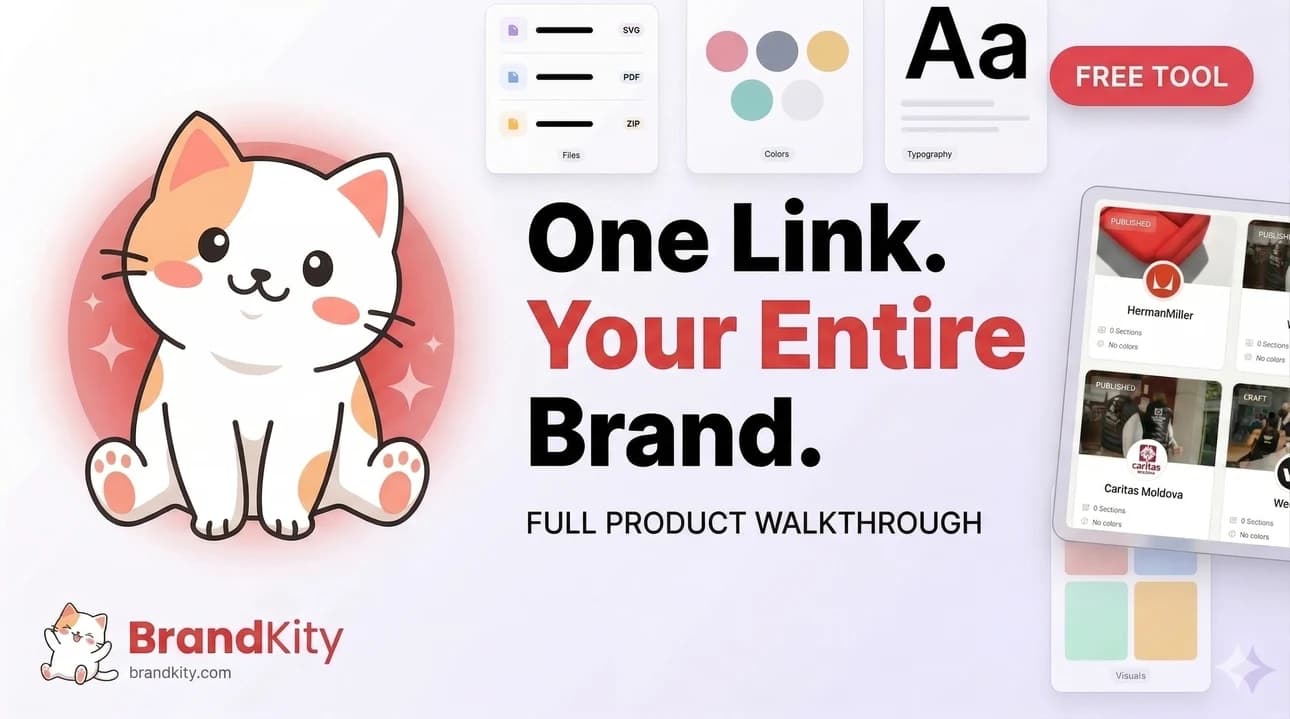
Table of contents
- The Evolving Landscape of Brand Delivery in 2026
- The Shift from Static Guidelines to Dynamic Brand Experiences
- Why ‘Just Storing Assets’ Isn’t Enough Anymore for Modern Brands
- Signs Your Current DAM Platform Falls Short for Modern Brand Delivery
- The Pain Points of Scattered Assets and Outdated Information
- Hindrances to Seamless Client Handoff and Collaboration
- When Brand Consistency Becomes a Constant Battle
- Defining a DAM Platform Built for Modern Brand Delivery
- The Core Principles of a Single Source of Truth for Your Brand
- Prioritizing User Experience for Both Creators and Consumers
- Beyond Storage: The Power of Modern Brand Portals
- Dynamic Brand Guidelines and Living Asset Libraries
- Simplifying Client Access and Secure Sharing with a Single Link
- Streamlining Agency and Startup Workflows with Advanced Brand Asset Management
- Accelerating Onboarding and Project Kick-offs with Organized Assets
- Ensuring Brand Compliance from Conception to Delivery
- Maximizing Creative Operations Efficiency
- Key Features to Look for in a Modern Brand Delivery Platform
- Intuitive Asset Organization and Smart Search Capabilities
- Analytics and Usage Insights for Brand Assets
- Empowering Teams with Self-Service Brand Access
- Evaluating Your Brand Asset Management Needs for Tomorrow’s Challenges
- A Checklist for Assessing Your Current Brand Operations
- Identifying Gaps in Client Delivery and Brand Handoff Processes
- The ROI of Investing in a Future-Proof Brand Asset Management Solution
- Embracing a Unified Approach to Brand Organization and Delivery
- The Journey Towards Effortless Brand Management
- Future-Proofing Your Brand’s Digital Presence and Equity
- Can a modern DAM platform effectively manage brand consistency globally?
- Frequently Asked Questions About Modern Brand Delivery Platforms
In the rapidly evolving digital landscape of 2026, brands face unprecedented challenges in maintaining coherence and impact across myriad touchpoints. The era of static brand guidelines and disjointed asset repositories is rapidly fading, giving way to a more dynamic and integrated approach to brand delivery.
For agencies, startups, and marketing teams, the question is no longer simply “Do we have a Digital Asset Management (DAM) platform?” but rather, “Is our DAM platform truly equipped for the demands of modern brand delivery and an always-on digital presence?”
The Evolving Landscape of Brand Delivery in 2026
The Shift from Static Guidelines to Dynamic Brand Experiences
The traditional notion of brand guidelines, often encapsulated in a static PDF document, has become increasingly inadequate for the complexities of modern marketing. In 2026, brands are expected to deliver a cohesive and responsive experience across a multitude of channels, from interactive web applications and social media feeds to augmented reality campaigns and connected devices. This demands a shift towards dynamic brand guidelines that are not only accessible but also adaptive, reflecting real-time updates and varying contexts. A modern DAM platform must support living guidelines, where elements like color palettes, typography, and logo usage can be updated centrally and propagate instantly to all linked assets and brand portals. The pitfall of relying on outdated static documents is profound: it inevitably leads to inconsistencies, diluted brand equity, and a significant drain on creative resources spent on manual corrections. Effective brand delivery today requires systems that actively enforce and evolve brand standards without constant human intervention.
Why ‘Just Storing Assets’ Isn’t Enough Anymore for Modern Brands
For many years, the primary function of a DAM platform was perceived as a sophisticated storage solution for digital assets. While centralizing assets remains fundamental, the modern brand delivery paradigm in 2026 demands significantly more. Simply housing files in a repository, however well-organized, fails to address the critical need for intelligent distribution and contextual application. Modern brands operate at a speed that necessitates seamless asset orchestration across global teams, external partners, and various content management systems. For instance, a global marketing campaign launched by a major apparel brand requires thousands of localized assets – images, videos, copy – to be instantly available, correctly formatted, and approved for specific regions or platforms. A DAM that merely stores assets without offering robust integration capabilities, automated workflows, and self-service portals creates bottlenecks. The actionable step for organizations is to evaluate if their DAM facilitates not just the storage, but the rapid, intelligent, and secure delivery of brand assets to the right audience, in the right format, at the right time.
Signs Your Current DAM Platform Falls Short for Modern Brand Delivery
The Pain Points of Scattered Assets and Outdated Information
One of the most immediate indicators that your DAM platform is underperforming is the persistent problem of scattered brand assets. Despite having a designated DAM, teams often resort to saving files on local drives, unapproved cloud storage services, or sharing via email. This fragmentation inevitably leads to confusion about which version is current and approved. For example, a marketing team preparing a new product launch might inadvertently use an outdated logo or an unapproved image because the correct asset was buried in an obscure folder or a past email thread. This not only wastes valuable time in searching but significantly increases the risk of brand dilution and legal compliance issues. The core pitfall here is the failure of the existing system to establish itself as the undisputed
Hindrances to Seamless Client Handoff and Collaboration
For creative agencies and design studios, the process of client onboarding involves extensive manual explanations and repeated asset requests, it’s a clear sign your current platform is hindering collaboration and failing to streamline the crucial transition from creation to application. Modern brand delivery demands a solution that empowers clients with self-service access and clarity.
When Brand Consistency Becomes a Constant Battle
Maintaining brand consistency across all marketing channels, regional campaigns, and product lines should be a streamlined process, not an ongoing struggle. If your brand managers and creative teams are constantly engaged in a battle to enforce guidelines, correct misapplications, or chase down proper asset usage, your DAM platform is likely falling short. This issue often manifests in disparate brand expressions: perhaps the social media team uses a slightly different shade of the brand color than the print advertising department, or an international division implements an older logo version. Such inconsistencies erode brand recognition and trust, making your brand appear less professional and cohesive. The root cause is often the absence of a centralized, easily accessible, and enforceable system for brand assets and guidelines. Without a modern DAM that acts as a gatekeeper and an educational tool, enforcing consistency becomes a manual, resource-intensive task. The ultimate pitfall is the gradual degradation of your brand’s equity and the increased costs associated with rectifying preventable errors in brand application.
Defining a DAM Platform Built for Modern Brand Delivery
The Core Principles of a Single Source of Truth for Your Brand
A DAM platform designed for modern brand delivery fundamentally operates on the principle of being the single source of truth for every brand element. This means centralizing not just visual assets like logos, images, and videos, but also critical components such as brand guidelines, typography specifications, color palettes, tone of voice documentation, and legal disclaimers. The benefit is profound: it eliminates ambiguity, drastically reduces search times, and ensures that every stakeholder, from internal marketing teams to external agency partners, is working with the most current and approved versions. An actionable step for organizations is to evaluate platforms that prioritize comprehensive brand organization, rather than just asset storage. For example, a company with multiple product lines can ensure that each sub-brand’s specific guidelines and assets are meticulously organized and easily distinguishable within the same unified system, preventing cross-contamination and maintaining distinct brand identities. This foundational principle is paramount for achieving operational efficiency and unwavering brand integrity in today’s fast-paced environment.
Prioritizing User Experience for Both Creators and Consumers
The efficacy of a modern DAM platform extends beyond its technical capabilities; its user experience (UX) for all stakeholders is a critical differentiator. For creators – designers, photographers, videographers – the platform must offer intuitive upload processes, robust metadata tagging, and seamless integration with creative tools. It should simplify version control and approval workflows, freeing them to focus on creativity rather than administrative overhead. Simultaneously, for consumers of brand assets – marketers, sales teams, PR specialists, and external partners – the UX must be equally exceptional. This means easy search functionalities, clear categorization, and a straightforward download process for various formats. Imagine a marketing manager needing to quickly pull high-resolution product shots for a press release; an intuitive DAM allows them to do this in minutes without needing to consult a designer. Platforms that prioritize a positive UX for both content creators and content consumers significantly reduce friction, increase adoption, and ensure that brand assets are consistently used correctly across the organization and beyond. This dual focus on user-centric design is non-negotiable for modern brand delivery.
Beyond Storage: The Power of Modern Brand Portals
Dynamic Brand Guidelines and Living Asset Libraries
Moving far beyond static PDFs, modern brand portals integrate dynamic brand guidelines and living asset libraries into a cohesive, interactive experience. These portals are not just repositories; they are active, evolving representations of your brand identity. Imagine a scenario where a brand updates its primary color palette. In a dynamic portal, this change isn’t just noted in a document; the new color value automatically updates across all relevant visual examples, swatch displays, and potentially even linked design files. This automation ensures instant consistency and eliminates the arduous task of manually updating countless documents and assets. Furthermore, these portals can provide contextual usage examples, demonstrating how logos should appear on different backgrounds, or showcasing appropriate typography pairings. This interactivity enhances understanding and adherence to guidelines, making it easier for users to correctly apply brand elements. They transform passive guidelines into an active resource, enabling brands to remain agile and consistent in their evolution, a necessity for competing in the current digital landscape.
Simplifying Client Access and Secure Sharing with a Single Link
One of the most transformative features of modern DAM platforms is the ability to simplify
client access and secure sharing with a single, controlled link. This eliminates the need for cumbersome email attachments, unreliable file transfer services, or outdated FTP sites. With a modern DAM, brand managers can generate secure, time-limited, or password-protected links to specific collections of assets, entire folders, or even individual files. This empowers them to share approved materials with external agencies, media partners, freelancers, or internal teams quickly and efficiently, without sacrificing security or control. Furthermore, these links often come with tracking capabilities, allowing administrators to see who has accessed or downloaded assets, providing invaluable insights into usage. This streamlined approach not only enhances collaboration but also significantly reduces the risk of incorrect or outdated assets being used, reinforcing brand consistency across all external communications.
Streamlining Agency and Startup Workflows with Advanced Brand Asset Management
Accelerating Onboarding and Project Kick-offs with Organized Assets
For agencies and startups, the initial phase of any project or client engagement is critical. Delays often stem from the frantic search for existing brand assets, outdated files, or incomplete brand guidelines, leading to a significant drag on efficiency. A modern brand asset management (BAM) platform serves as a centralized repository, ensuring all stakeholders — internal teams, new hires, and clients — have immediate, secure access to the latest approved versions of logos, imagery, typography, and documentation. This eliminates the common pitfall of scattered folders across multiple cloud drives or local servers, which inevitably leads to confusion and rework.
To truly accelerate onboarding, the platform should offer intuitive search functionalities and clear categorization, often leveraging metadata and tags. Imagine a scenario where a new designer can instantly locate all required brand elements for a specific client by typing a simple keyword, rather than navigating convoluted folder structures. Actionable steps include establishing a consistent asset tagging strategy and creating dedicated brand portals for each client or project. This proactive organization significantly reduces the learning curve for new team members and enables agencies to demonstrate professionalism from the outset, ensuring a smooth transition into project execution. A streamlined onboarding process for clients can be a significant competitive advantage.
Ensuring Brand Compliance from Conception to Delivery
Maintaining brand consistency across all touchpoints is paramount for both established brands and rapidly scaling startups. Without a robust system, the risk of misusing logos, incorrect color palettes, or off-brand messaging escalates with every new campaign or creative iteration. A sophisticated brand asset management solution provides the tools to enforce strict brand guidelines, acting as a digital guardian of your brand’s integrity. It ensures that only approved assets and templates are accessible for use, significantly reducing the chances of costly errors and subsequent reworks.
Decision criteria for evaluating a platform’s compliance capabilities should include granular access controls, usage rights management, and built-in brand guidelines integration. For example, a creative director can set permissions that restrict certain assets to specific teams or external partners, or automatically flag content that deviates from established visual identity rules. Example: An agency managing brand assets for five diverse clients successfully eliminated 95% of its off-brand content errors within six months by implementing a BAM platform with stringent usage policies and automated checks. This proactive approach not only safeguards brand reputation but also cultivates a culture of brand diligence across the entire organization, from initial concept development through final delivery.
Maximizing Creative Operations Efficiency
Creative teams, whether in agencies or startups, often grapple with repetitive tasks that detract from actual creative work, such as endless asset searching, managing feedback rounds, and tracking version histories. A modern brand asset management platform fundamentally transforms creative operations by automating many of these time-consuming processes. By providing a single source of truth for all creative assets, designers, copywriters, and video editors can dedicate more time to innovation rather than administrative overhead. This centralization minimizes asset duplication and ensures everyone is working with the most current files, dramatically reducing creative friction.
Key features that enhance creative efficiency include integrated proofing tools, automated version control, and seamless integrations with popular creative software. For instance, a designer working in a creative suite could theoretically access and update assets directly from the DAM, and then initiate an approval workflow without ever leaving their primary application. This interconnected ecosystem fosters a more agile and collaborative environment, enabling teams to iterate faster and deliver campaigns more quickly. Maximizing creative throughput directly impacts project timelines and the overall volume of work an agency or startup can effectively manage, leading to greater profitability and market responsiveness.
Key Features to Look for in a Modern Brand Delivery Platform
Intuitive Asset Organization and Smart Search Capabilities
The foundation of any effective brand delivery platform lies in its ability to organize vast quantities of diverse assets in a logical, accessible manner. Beyond traditional folder structures, a truly modern solution leverages advanced metadata, customizable taxonomies, and AI-powered tagging to create an intelligent asset library. This means that assets are not just stored, but meticulously described and interconnected, making them incredibly easy to find. Decision criteria should include the flexibility to define custom metadata fields relevant to your specific brand, as well as support for rich media types and complex asset relationships.
Crucially, the platform must offer smart search capabilities that go beyond basic keyword matching. This includes visual search (e.g., finding similar images), faceted search (filtering by multiple criteria like color, orientation, or usage rights), and natural language processing to understand complex queries. An intuitive search experience drastically reduces the time creative and marketing teams spend hunting for assets, shifting focus from searching to creating. Without powerful search and organization, even the most comprehensive asset library becomes a digital junkyard, hindering rather than helping v2,” “finalfinal,” and “finalfinalapproved” files, which are common pitfalls in traditional file-sharing environments. Each asset should have a clear, traceable history, ensuring accountability and transparency throughout its lifecycle.
Equally vital are collaborative approval workflows that streamline the review process. These workflows should allow for multi-stage approvals, comments, annotations directly on assets, and automated notifications to relevant stakeholders. This replaces cumbersome email chains and manual feedback consolidation with an efficient, centralized system. For instance, a marketing manager can initiate a workflow for a new campaign banner, collecting feedback from legal, brand, and design teams simultaneously within the platform. This accelerates decision-making and ensures all necessary sign-offs are captured, significantly reducing time-to-market for campaigns and ensuring compliance.
Analytics and Usage Insights for Brand Assets
Beyond merely storing and organizing assets, a truly future-proof brand delivery platform provides actionable insights into how these assets are being utilized. Integrated analytics and reporting tools offer a data-driven perspective on asset performance, allowing brand managers to understand which assets are most popular, who is downloading them, and for what purposes. This visibility is invaluable for optimizing creative investments and refining brand strategy. Key metrics to monitor include download counts, view frequencies, sharing patterns, and even geographic usage, offering a comprehensive view of your brand’s global reach and internal adoption.
These insights empower teams to make informed decisions. For example, if analytics reveal that certain product images are rarely used, designers can focus their efforts on creating more impactful visuals. Conversely, high-performing assets can be identified and repurposed for broader campaigns, maximizing their value. Understanding asset usage patterns helps identify ready-to-use, approved assets.
The return on investment (ROI) here is tangible: faster access to assets means creative teams can spend more time innovating and less time on administrative tasks. Expedited approval workflows ensure that campaigns move from concept to execution with unparalleled agility. Example: A mid-sized marketing agency leveraging a comprehensive BAM platform was able to reduce its average campaign launch time by 30%, which enabled them to take on 20% more client projects annually. This efficiency gain isn’t just about saving time; it’s about increasing capacity, improving responsiveness to market trends, and ultimately, securing a greater share of the market by being first or faster with compelling content. This strategic advantage highlights
Investing in a BAM solution mitigates these risks by embedding brand guidelines directly into the asset workflow. Features like usage rights management, automated approval gates, and easy access to integrated creative tools ensure that assets are used correctly every time. This proactive approach significantly reduces the potential for costly errors. The ROI isn’t just in avoiding rework costs, but in safeguarding the invaluable asset of brand reputation. A cohesive brand experience across all channels reinforces brand identity, builds customer loyalty, and sustains long-term growth, demonstrating a clear financial benefit by preventing revenue loss and maintaining market position.
Empowering Teams with Self-Service Brand Access
One of the often-overlooked yet significant benefits of a modern brand asset management solution is its ability to empower teams through self-service access. In many organizations, creative teams or brand managers become bottlenecks, constantly fielding requests for logos, images, or brand guidelines from internal departments, sales teams, partners, and even external media. This constant interruption siphons valuable time and resources away from strategic initiatives. A BAM platform with intuitive search and clear permissions liberates these teams by enabling others to find and download the assets they need independently.
The ROI of self-service access manifests in several ways. Firstly, it dramatically reduces the administrative burden on central brand and creative teams, allowing them to focus on high-value tasks. Secondly, it accelerates the pace of work across the entire organization, as marketing, sales, and HR departments no longer wait for asset delivery. This increased autonomy fosters greater efficiency and responsiveness, especially for distributed or remote teams. By decentralizing asset retrieval while centralizing control, the platform democratizes brand access, saving countless hours and ensuring that brand materials are consistently and correctly applied throughout the enterprise, enhancing overall operational agility.
Evaluating Your Brand Asset Management Needs for Tomorrow’s Challenges
A Checklist for Assessing Your Current Brand Operations
Before committing to a new brand asset management solution, a thorough assessment of your current brand operations is crucial. This involves identifying existing pain points, inefficiencies, and the specific challenges your team faces daily. Start by asking critical questions: Are your brand assets scattered across various cloud storage platforms, internal servers, and individual hard drives? Do you frequently encounter issues with outdated logos or incorrect color usage in marketing materials? Is there a clear, documented process for asset creation, review, and distribution, or is it largely ad hoc?
Consider the following checklist: 1. Asset Discoverability: How long does it typically take to find a specific brand asset? 2. Version Control: Do you have a reliable system for tracking asset changes and preventing the use of old versions? 3. Brand Consistency: How often do off-brand materials slip through the cracks? 4. Approval Workflows: Are your asset approval processes slow, manual, or prone to miscommunication? 5. Team Onboarding: How quickly can new employees or external partners get up to speed with your brand guidelines and asset library? Answering these questions honestly will highlight the most pressing needs and help you articulate clear requirements for a new platform, ultimately guiding you toward a solution that effectively addresses your operational gaps.
Identifying Gaps in Client Delivery and Brand Handoff Processes
For agencies and creative service providers, seamless client delivery and efficient brand handoff processes are not just conveniences; they are cornerstones of client satisfaction and retention. Many agencies struggle with the transition of brand assets and guidelines to clients, often relying on cumbersome methods like email attachments, shared folders with complex permissions, or even physical drives. This often leads to
confusion, inconsistencies, and frustrated clients needing to chase down the correct files or guidelines. A specialized brand asset management platform addresses these pain points by offering a centralized, secure repository for all client-deliverable assets and brand standards. It enables agencies to create customized client portals, granting immediate access to approved logos, imagery, templates, and usage instructions, all while maintaining strict version control and ensuring brand compliance. This seamless transition not only elevates the client experience but also minimizes post-delivery queries, allowing agencies to focus on creative work rather than administrative asset management. By standardizing the handoff, the platform ensures that clients are always equipped with the latest and most accurate brand tools, fostering stronger, more professional relationships and reinforcing the value of the agency’s work.
The ROI of Investing in a Future-Proof Brand Asset Management Solution
Investing in a comprehensive brand asset management (BAM) solution is not merely an operational upgrade; it’s a strategic financial decision with a clear return on investment. The initial outlay is quickly offset by tangible and intangible benefits that directly impact your bottom line and future growth. Consider the substantial reduction in time spent by creative teams, marketers, and sales staff who no longer have to hunt for assets across disparate systems, recreate missing files, or manually verify brand compliance. This reclaimed productivity translates directly into cost savings and allows valuable personnel to focus on high-impact, revenue-generating activities rather than administrative tasks.
Beyond direct time savings, a robust BAM system minimizes costly errors. Preventing the accidental use of outdated logos, incorrect color palettes, or non-compliant imagery avoids expensive re-prints, re-shoots, or even legal repercussions. Enhanced brand consistency across all touchpoints, from digital campaigns to physical collateral, reinforces brand recognition and equity, ultimately leading to stronger market positioning and increased customer loyalty. The platform also streamlines approval workflows, significantly cutting down the time from concept to market for campaigns and product launches, enabling faster revenue generation and responsiveness to market trends.
Furthermore, a future-proof BAM solution offers scalability that supports organizational growth without proportional increases in overhead. As your brand expands into new markets, adds product lines, or engages more external partners, the system effortlessly accommodates new users and assets, ensuring that brand governance remains intact. It acts as a single source of truth, empowering self-service access while maintaining centralized control, thereby reducing the burden on internal teams and enabling partners to work autonomously and on-brand. By protecting your most valuable brand assets, optimizing workflows, and accelerating market initiatives, a well-implemented brand asset management solution delivers a measurable and sustainable ROI, safeguarding your brand’s future.
Embracing a Unified Approach to Brand Organization and Delivery
The Journey Towards Effortless Brand Management
The traditional landscape of brand asset management often resembles a chaotic collection of scattered files across various cloud drives, email threads, and local hard disks. This fragmented approach leads to significant pitfalls, including the use of outdated brand assets, inconsistent messaging, and substantial time wasted searching for correct files. Creative agencies, marketing teams, and startups frequently grapple with these inefficiencies, hindering their ability to deliver brands effectively and swiftly. The journey towards effortless brand management begins with recognizing these pain points and committing to a centralized system that transforms chaos into order.
Modern brand delivery platforms are specifically engineered to provide a single source of truth for all brand elements. This transition involves more than just uploading files; it requires a strategic shift towards defining clear access roles, establishing robust version control, and integrating brand guidelines directly with the assets. By implementing such a platform, teams can significantly reduce the friction in client handoffs and internal workflows. For instance, an agency migrating from disparate systems like shared drives to a dedicated brand portal can expect to cut asset retrieval times by over 50%, ensuring that designers, developers, and marketers always access the latest approved logos, fonts, and imagery. Actionable steps include auditing your existing brand inventory, identifying key stakeholders and their access needs, and selecting a platform tailored for seamless client delivery and internal collaboration.
Future-Proofing Your Brand’s Digital Presence and Equity
In today’s rapidly evolving digital landscape, future-proofing your brand’s digital presence and equity is paramount. An ununified approach not only creates immediate operational headaches but also poses long-term risks to your brand’s market perception and overall value. Inconsistent branding, whether through incorrect color usage or outdated logos, erodes trust and diminishes brand recognition over time. A modern brand delivery platform acts as a critical safeguard, ensuring every digital touchpoint reflects the intended brand identity with precision and uniformity. This strategic move protects your brand’s investment and enhances its longevity in competitive markets.
Decision criteria for selecting a future-proof platform should extend beyond mere storage capabilities to encompass scalability, integration potential, and user adoption rates. A robust platform should offer flexible API access to seamlessly connect with other essential tools such as content management systems (CMS), marketing automation platforms, and project management software. This interconnectedness streamlines workflows and ensures brand assets are consistent across all channels. Furthermore, prioritizing platforms with intuitive user interfaces and strong security protocols is crucial for widespread internal adoption and protecting sensitive brand data. By embracing a comprehensive system that serves as a
In contrast, modern brand delivery platforms, like BrandKity, prioritize ease of use, external sharing, and ensuring brand consistency across all touchpoints. They are designed with client delivery, agency workflows, and brand guidelines at their heart, offering intuitive brand portals and shareable BrandKit links. The focus shifts from merely managing assets to actively deploying and governing their use, making it effortless for clients, partners, and internal teams to access the latest approved logos, fonts, and marketing materials. This distinction is crucial for creative teams and agencies who need efficient ways to For agencies seeking improved client handoff, the convenience of a modern brand portal translates directly into higher client satisfaction and reduced administrative overhead.
Can a modern DAM platform effectively manage brand consistency globally?
Absolutely, a modern DAM platform is instrumental in effectively managing brand consistency on a global scale. For organizations operating across different regions, markets, and languages, maintaining a unified brand identity is a formidable challenge. A centralized brand delivery platform addresses this by serving as the definitive single source of truth for all brand assets and guidelines, regardless of geographical location. It ensures that every team member, partner, or franchisee worldwide adheres to the same brand standards, preventing dilution or misinterpretation of the brand.
Key features that facilitate global consistency include the ability to store and manage regional variations of assets (e.g., localized logos or campaign imagery) within the same organized structure. Platforms can also offer multi-language support for guidelines and asset descriptions, ensuring clarity across diverse teams. By providing controlled access and version management from a central hub, a modern DAM platform empowers global teams to confidently execute marketing initiatives while upholding the brand’s integrity. This centralized control minimizes the risk of unauthorized or outdated materials being used, thereby strengthening overall brand equity and recognition in every market.
By embracing a modern brand delivery platform, organizations can move beyond fragmented asset management to achieve cohesive brand experiences. These platforms empower teams with the tools necessary to maintain consistency, streamline workflows, and ensure their brand’s digital presence is robust and future-ready.
Frequently Asked Questions About Modern Brand Delivery Platforms
-
What is the primary difference between a traditional Digital Asset Management (DAM) system and a modern Brand Delivery Platform?
While a traditional DAM system focuses primarily on storing, organizing, and retrieving digital assets, a modern Brand Delivery Platform extends this functionality significantly. It not only manages assets but actively facilitates their deployment, governance, and sharing, often through intuitive brand portals and shareable links. The emphasis shifts from mere storage to active usage, ensuring brand consistency and ease of access for internal and external stakeholders, particularly in client delivery and agency workflows.
-
How do these platforms improve collaboration among creative teams and external partners?
Modern brand delivery platforms streamline collaboration by providing a centralized hub for all approved brand assets and guidelines. This ensures everyone is working with the latest versions, eliminating confusion and reducing approval cycles. Features like controlled access, version history, and direct sharing capabilities via unique links allow creative teams to efficiently hand off materials to clients, partners, and media outlets, fostering seamless communication and preventing off-brand usage.
-
Are modern brand delivery platforms only suitable for large enterprises with complex brand structures?
While highly beneficial for large enterprises managing global brands, modern brand delivery platforms are increasingly scalable and accessible to businesses of all sizes. Even small to medium-sized businesses and agencies can leverage these platforms to standardize their brand assets, improve client delivery, and ensure consistency across their marketing efforts. The core benefit of maintaining a unified brand identity applies universally, regardless of organizational scale.
-
What security measures do these platforms typically offer to protect valuable brand assets?
Security is a paramount concern for brand delivery platforms. They typically offer robust security features including role-based access control, allowing administrators to define who can view, download, or edit specific assets. Version control ensures asset integrity, while audit trails track all activities within the platform. Secure sharing mechanisms, often with expiring links or password protection, further protect intellectual property when sharing assets externally, ensuring sensitive brand materials are only accessed by authorized individuals.
Saurabh Kumar
Founder, BrandKity
Saurabh writes about practical brand systems, faster client handoffs, and scalable workflows for designers and agencies building repeatable delivery operations.
Connect on LinkedIn