
Brand Asset Management for Agencies in 2026
Brand Asset Management for Agencies in 2026: Navigating the Evolving Landscape In the fast-paced world of agency operations, managing brand assets eff…
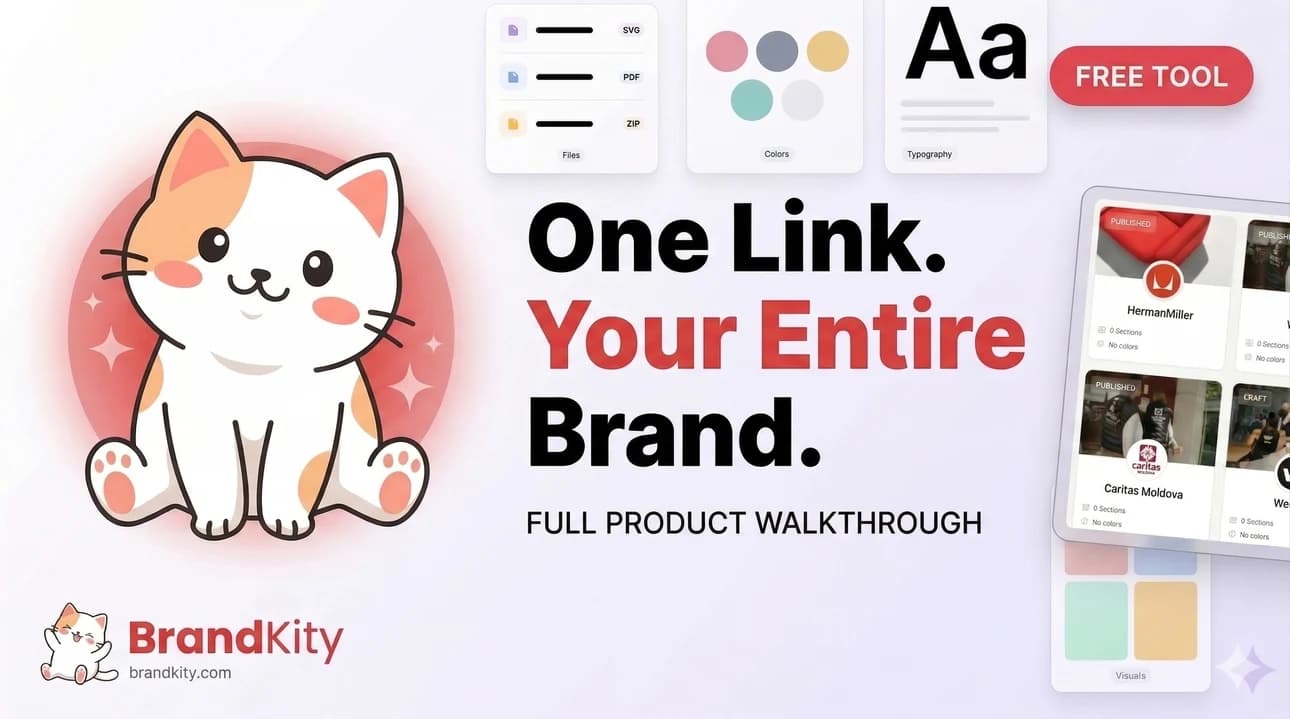
Table of contents
- Brand Asset Management for Agencies in 2026: Navigating the Evolving Landscape
- The Agency Imperative: Why BAM is Non-Negotiable
- Key Features of Modern Brand Asset Management Platforms in 2026
- 1. Centralized, Organized Asset Library
- 2. Advanced Search and Filtering
- 3. Brand Guidelines and Governance
- 4. Seamless Client Collaboration and Delivery
- 5. Integration Capabilities
- 6. Scalability and Performance
- Choosing the Right BAM Solution for Your Agency
- Understanding Different Platform Types
- Key Factors for Agency Selection
- Comparison of Popular BAM Solutions (Agency Focus)
- BrandKity
- Bynder
- Frontify
- Implementing a Successful Brand Asset Management Strategy
- 1. Audit and Consolidate Existing Assets
- 2. Define Your Taxonomy and Metadata Standards
- 3. Develop Clear Governance and Usage Policies
- 4. Train Your Team and Clients
- 5. Establish Ongoing Maintenance and Review
- The Future of Brand Asset Management for Agencies
- Conclusion: Empowering Agencies with Efficient Brand Asset Management
- Frequently Asked Questions (FAQs)
Brand Asset Management for Agencies in 2026: Navigating the Evolving Landscape
In the fast-paced world of agency operations, managing brand assets effectively is no longer a luxury – it’s a fundamental necessity. As we navigate 2026, the tools and strategies for handling everything from logos and typography to full-scale marketing campaigns have evolved significantly. Agencies that fail to adapt risk falling behind, leading to inconsistent brand messaging, wasted time, and frustrated clients. This comprehensive guide explores the current state of brand asset management (BAM) for agencies, highlighting best practices, emerging trends, and the critical role of dedicated platforms in fostering efficiency and client satisfaction.
The sheer volume and variety of digital assets creatives and marketers work with have exploded. Think social media graphics, video clips, website banners, internal documents, and countless iterations of client logos. Without a robust system, these assets can quickly become scattered across disparate cloud storage services, local drives, and email threads. This chaos breeds inefficiency, leading to the dreaded “Where’s the latest logo?” emails and the costly practice of recreating or repurposing old, incorrect materials. For agencies, this directly impacts their ability to deliver timely, on-brand work, which is the bedrock of their client relationships.
This is where a sophisticated approach to brand asset management becomes paramount. It’s not just about storage; it’s about organization, accessibility, governance, and seamless delivery. In 2026, the expectation from clients and internal teams alike is for a single source of truth – a centralized hub where all approved brand elements reside, are easily searchable, and can be accessed by authorized personnel at any time. This principle underpins the success of modern creative operations and client service.
The Agency Imperative: Why BAM is Non-Negotiable
Agencies operate under unique pressures. They juggle multiple clients, each with their own distinct brand identity and asset library. Project timelines are often tight, and the need for rapid iteration and feedback is constant. In this environment, any friction in accessing or using brand assets can have a cascading negative effect:
- Inconsistent Branding: When designers or marketers can’t easily find the correct, approved version of a logo, color palette, or typeface, they might use an outdated or incorrect element. This leads to fragmented brand experiences across different touchpoints, eroding client trust and brand recognition.
- Wasted Time and Resources: Searching for misplaced files, chasing down asset versions, or recreating assets that are lost or inaccessible is a significant drain on billable hours. This directly impacts an agency’s profitability and its ability to take on new projects.
- Reduced Productivity: A disorganized asset library acts as a bottleneck. Designers can’t start mockups quickly, marketers can’t pull assets for campaigns efficiently, and new team members spend excessive time learning where things are stored.
- Client Dissatisfaction: Ultimately, poor brand asset management reflects badly on the agency’s professionalism and capabilities. Clients expect their agency to be the guardian and efficient manager of their brand identity.
- Compliance Risks: For regulated industries, ensuring the correct usage of logos, disclaimers, and other branded elements is crucial. A robust BAM system helps enforce these compliance requirements.
The shift towards digital-first marketing and the proliferation of new channels (short-form video, AR/VR experiences, interactive content) only amplifies these challenges. Agencies need a scalable solution that can accommodate a growing number of assets and evolving formats. This is where advanced brand operations strategies come into play, with BAM at their core. Understanding how to build a single source of truth is no longer optional; it’s a core competency for agencies aiming for sustained success.
Key Features of Modern Brand Asset Management Platforms in 2026
The landscape of BAM software has matured significantly. While traditional Digital Asset Management (DAM) systems have existed for years, modern platforms are tailored to the specific needs of agencies and their clients. They move beyond simple file storage to offer sophisticated features that streamline workflows and enhance collaboration. Here’s what agencies should be looking for:
1. Centralized, Organized Asset Library
At its heart, a BAM system must provide a single, accessible repository for all brand assets. This includes:
- Logos (various formats: vector, raster, favicon)
- Typography (font files, usage guidelines)
- Color Palettes (HEX, RGB, CMYK, Pantone values)
- Imagery (photos, illustrations, icons)
- Templates (social media, presentations, documents)
- Videos and audio files
- Brand Guidelines documents (PDFs, interactive versions)
- Marketing collateral
Effective organization involves robust tagging, metadata management, and intuitive folder structures. Users should be able to find what they need in seconds, not minutes or hours. This is the foundation for building an effective brand operations ecosystem.
2. Advanced Search and Filtering
Simply having assets in one place isn’t enough; they need to be easily discoverable. Modern BAM platforms offer powerful search capabilities, often including:
- Keyword search
- Metadata filtering (by file type, client, project, usage rights, etc.)
- Visual search (in some advanced systems)
- AI-powered tagging and categorization for automated organization
This ensures that whether a designer is looking for a specific client’s logo or a marketer needs high-resolution images for a new campaign, they can locate them with minimal effort. This directly supports efforts around marketing asset management.
3. Brand Guidelines and Governance
A key differentiator for agencies is the ability to not only store assets but also to enforce their correct usage. This is achieved through integrated brand guidelines:
- Interactive Guidelines: Instead of static PDFs, modern platforms offer dynamic, web-based guidelines that are easily updated and accessible. These can include visual examples, do’s and don’ts, and clear explanations of how to use each asset.
- Usage Rules: Platforms can often define specific rules around asset usage, such as minimum size requirements for logos or approved color combinations, helping to prevent misuse.
- Version Control: Clear versioning ensures that everyone is working with the latest approved assets, eliminating confusion and the use of outdated materials.
This feature is crucial for maintaining brand consistency across all client projects and for ensuring that agencies themselves adhere to their own internal brand standards. Exploring brand asset management strategies should always include a focus on governance.
4. Seamless Client Collaboration and Delivery
For agencies, the ability to share assets and brand guidelines with clients is paramount. Modern BAM platforms excel here by offering:
- Shareable Brand Portals/BrandKits: A single, branded link that provides clients with controlled access to their approved assets and guidelines. This simplifies client onboarding, approvals, and ongoing brand management.
- Permissions and Access Control: Agencies can define granular permissions, allowing clients or specific team members to view, download, or even upload assets.
- Feedback and Approval Workflows: Some platforms integrate tools for commenting, reviewing, and approving assets directly within the system, streamlining the creative review process.
This is where platforms like BrandKity truly shine, offering a simplified yet powerful way to manage client relationships through a central brand asset hub. The concept of a single shareable link for client delivery is a game-changer for agency efficiency.
5. Integration Capabilities
A BAM system shouldn’t operate in a silo. In 2026, seamless integration with other tools agencies use is essential:
- Design Software: Plugins for Adobe Creative Suite (Photoshop, Illustrator, InDesign) or Figma allow designers to access assets directly within their creative environment.
- Project Management Tools: Integration with tools like Asana, Monday.com, or Trello can link assets to specific tasks or projects.
- Cloud Storage: Syncing with Google Drive, Dropbox, or OneDrive can be useful for broader team access, though a dedicated BAM often provides superior organization.
- CMS and Marketing Automation: For marketing teams, direct integration with content management systems or marketing platforms can automate asset deployment.
These integrations reduce context switching and ensure that assets are used consistently across all marketing and creative efforts.
6. Scalability and Performance
As agencies grow and take on more clients, their asset libraries will expand. The BAM platform must be able to scale without performance degradation. This means handling large file sizes, supporting a high volume of users, and maintaining fast loading and download speeds.
Choosing the Right BAM Solution for Your Agency
The market offers a range of BAM solutions, from robust enterprise DAMs to more streamlined, agency-focused platforms. The best choice depends on an agency’s specific needs, budget, and size. Here’s a breakdown of common considerations:
Understanding Different Platform Types
While the lines are blurring, it’s helpful to distinguish between traditional DAMs and modern, simplified BAM solutions:
- Traditional DAMs: Often feature-rich and highly customizable, but can be complex, expensive, and require significant IT support for implementation and maintenance. They are typically designed for very large organizations with complex asset workflows and archival needs. Examples might include Adobe Experience Manager Assets or Widen Collective.
- Agency-Focused BAMs: Prioritize ease of use, intuitive interfaces, client delivery, and streamlined workflows. They often offer more affordable pricing tiers and faster onboarding. These are built with the agency-client dynamic in mind. Examples include BrandKity, Bynder (though Bynder has evolved significantly), and others.
Key Factors for Agency Selection
When evaluating BAM platforms, agencies should consider:
- Ease of Use and Onboarding: How quickly can your team and your clients learn to use the platform? A steep learning curve can negate the benefits.
- Client Delivery Features: Does the platform facilitate easy, branded sharing with clients? A single, shareable link is a significant advantage here.
- Scalability: Can the platform grow with your agency and handle an increasing number of assets and clients?
- Pricing Structure: Does it fit your budget? Understand user limits, storage caps, and feature tiers. Many platforms offer tiered pricing based on agency size and needs.
- Integration Capabilities: Does it connect with your existing tech stack?
- Support and Customer Service: What level of support is provided? Responsive customer service is crucial for resolving issues quickly.
- Security: How are your assets and client data protected? Ensure compliance with relevant data protection regulations.
Comparison of Popular BAM Solutions (Agency Focus)
Many platforms claim to offer BAM solutions, but their suitability for agencies varies. Here’s a brief look at some common players and their typical agency-relevant strengths:
BrandKity
- Strengths: Highly focused on simplicity, client delivery through a single shareable BrandKit link, intuitive interface, fast onboarding, affordable for agencies and startups. Excellent for creating branded portals that act as a single source of truth for clients.
- Ideal for: Agencies of all sizes, freelancers, and startups prioritizing ease of use, efficient client handoffs, and a streamlined brand portal experience. It excels at consolidating brand assets and making them instantly accessible.
Bynder
- Strengths: A comprehensive DAM with a wide range of features, including advanced asset organization, workflow automation, and integrations. Suitable for larger agencies or those with complex DAM needs.
- Ideal for: Larger agencies with a significant volume of assets and complex workflow requirements, and those needing extensive customization. Can be more complex and costly for smaller teams.
Frontify
- Strengths: Strong emphasis on brand guidelines and brand portals, allowing for rich, interactive brand experiences. Good for agencies that want to offer clients robust digital brand books.
- Ideal for: Agencies that prioritize creating highly interactive and detailed brand guidelines as a core part of their client offering.
Note: This is a high-level overview. Detailed feature sets and pricing can change. It’s always recommended to request demos and trials to assess suitability.
Implementing a Successful Brand Asset Management Strategy
Adopting a BAM platform is only part of the solution. A successful strategy requires careful planning and implementation:
1. Audit and Consolidate Existing Assets
Before migrating to a new system, conduct a thorough audit of all existing brand assets. Identify redundant, outdated, or unapproved files. This is a critical step for building a clean and effective library. This process is fundamental to establishing a single source of truth for all your clients.
2. Define Your Taxonomy and Metadata Standards
Establish a clear and consistent system for naming files, tagging assets, and applying metadata. This will make searching and filtering far more efficient. Consider:
- Client Name
- Project Name
- Asset Type (Logo, Image, Video, Template)
- File Format (Vector, JPG, PNG, MP4)
- Usage Rights/Expiration
- Date Created/Last Updated
A well-defined taxonomy is the backbone of any effective brand asset management system.
3. Develop Clear Governance and Usage Policies
Document who has access to what, how assets should be used, and the process for updating or adding new assets. This ensures brand consistency and compliance, especially when working with multiple team members and clients.
4. Train Your Team and Clients
Invest time in training your internal team on how to use the BAM platform effectively. If the platform is also used by clients, provide them with clear instructions and support to ensure smooth adoption. Platforms that offer intuitive interfaces and straightforward client-sharing mechanisms, like BrandKity’s single link approach, significantly ease this process.
5. Establish Ongoing Maintenance and Review
Brand asset management is not a one-time setup. Regularly review your asset library, update guidelines, and ensure the system is being used correctly. This ongoing maintenance is key to keeping your brand assets organized and relevant.
The Future of Brand Asset Management for Agencies
Looking ahead, several trends will continue to shape BAM for agencies:
- AI Integration: Expect more sophisticated AI capabilities for automated tagging, content generation assistance (e.g., suggesting appropriate assets for a campaign), and predictive analytics for asset performance. Platforms like those driving the AI brand asset management revolution are leading the way.
- Personalized Brand Experiences: As marketing becomes more personalized, BAM systems will need to support dynamic asset delivery, allowing content to be tailored to specific audience segments.
- Emphasis on Video and Dynamic Content: The rise of video, interactive content, and immersive experiences will require BAM solutions to handle larger files and more complex media formats with greater efficiency.
- Sustainability and Ethics: Agencies and clients will increasingly demand transparency in asset sourcing, usage rights, and the environmental impact of digital asset storage.
- Enhanced Analytics: Better insights into how assets are being used, which ones are performing best, and where there are gaps will become more critical for optimizing marketing efforts.
The continued evolution of AI in BAM is particularly exciting, promising to automate more tedious tasks and unlock new creative possibilities. The next frontier in AI brand asset management will undoubtedly focus on smarter automation and deeper insights.
Conclusion: Empowering Agencies with Efficient Brand Asset Management
In 2026, brand asset management is a critical pillar of agency success. It directly impacts efficiency, profitability, client satisfaction, and brand integrity. Agencies that embrace modern BAM platforms and strategies will be better equipped to deliver exceptional work, streamline their operations, and foster stronger client relationships.
By focusing on a centralized, organized, and accessible asset library, coupled with robust governance and seamless client delivery, agencies can transform their approach to brand management. Platforms like BrandKity offer a modern, simplified solution that prioritizes the agency workflow, providing a vital tool for agencies looking to thrive in today’s competitive market. Investing in the right BAM strategy isn’t just about managing files; it’s about managing your agency’s reputation and its capacity for creative excellence. For agencies still relying on scattered folders and email chains, the time to upgrade to a dedicated brand asset management system is now.
Frequently Asked Questions (FAQs)
Q1: What is the primary benefit of using a Brand Asset Management (BAM) system for an agency?
A1: The primary benefit is significantly improved efficiency, leading to reduced wasted time, fewer errors, and consistent brand delivery for clients. It acts as a single source of truth for all brand assets, accessible to the entire team.
Q2: How does BAM help with client delivery?
A2: BAM platforms, especially those with branded portal or shareable link features (like BrandKity’s BrandKit), provide clients with easy, controlled access to their approved assets and brand guidelines. This simplifies onboarding, asset requests, and ensures clients always have the correct materials.
Q3: Is a BAM system necessary for small agencies or freelancers?
A3: Yes, even small agencies and freelancers benefit immensely. It helps professionalize client interactions, prevents lost assets, and builds a strong foundation for growth. Solutions tailored for smaller teams are often very affordable and easy to implement, supporting startup brand asset mastery.
Q4: How is BAM different from simple cloud storage like Google Drive or Dropbox?
A4: While cloud storage offers file synchronization, BAM platforms provide advanced organization, metadata management, version control, governance features (like usage rules), and dedicated brand portal capabilities. They are purpose-built for managing brand identities, not just storing files.
Q5: How can an agency choose the right BAM platform?
A5: Consider ease of use, client delivery features, integration capabilities with your existing tools, scalability, security, and pricing. Requesting demos and trials is crucial to find the best fit for your agency’s specific needs and workflow.
Q6: What role does AI play in modern BAM?
A6: AI is increasingly used for automated tagging, intelligent search, asset categorization, and even generating insights into asset performance. It helps automate mundane tasks and optimize how assets are managed and utilized.
Saurabh Kumar
Founder, BrandKity
Saurabh writes about practical brand systems, faster client handoffs, and scalable workflows for designers and agencies building repeatable delivery operations.
Connect on LinkedIn