
Build a Single Source of Truth: BrandOps Essentials
Build a Single Source of Truth: BrandOps Essentials In today’s fast-paced business environment, consistency and efficiency are paramount. For any organization aiming to build a strong, recognizable brand, establishing a single source of truth for all brand assets is no longer a luxury, but a fundamental necessity. This concept, central to effective Brand Operations (BrandOps),
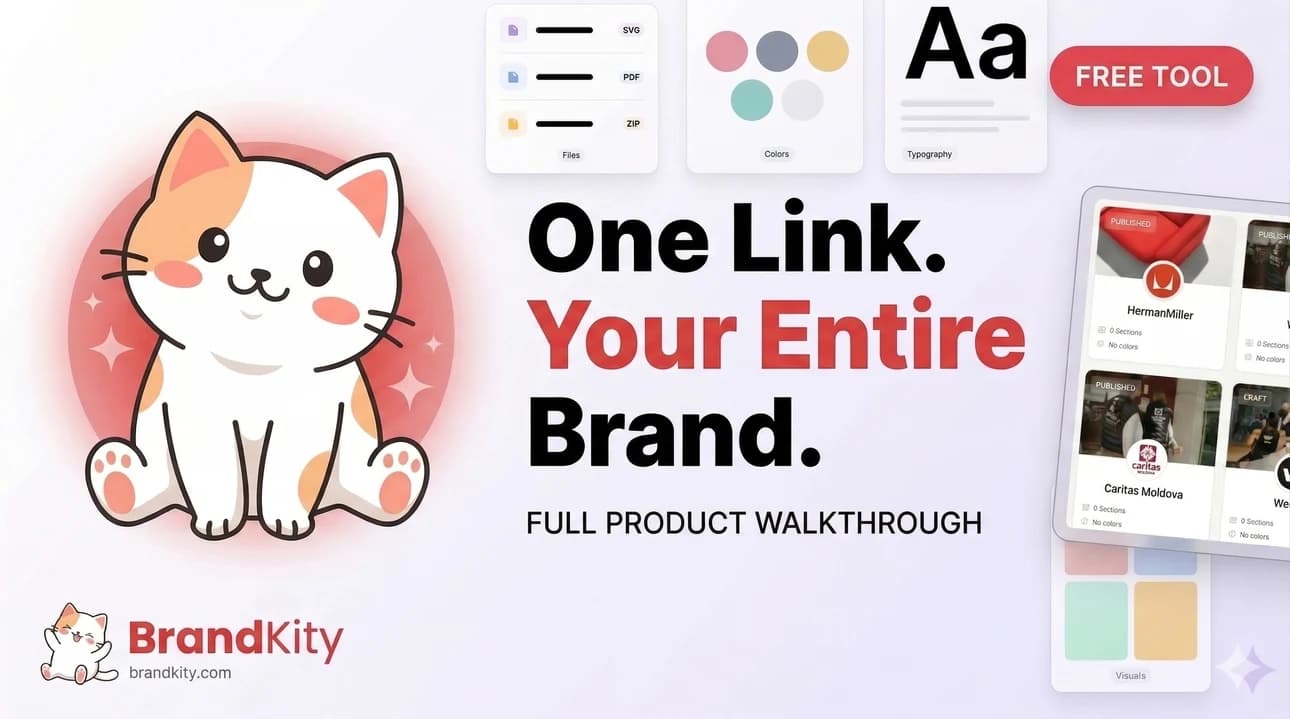
Table of contents
- Build a Single Source of Truth: BrandOps Essentials
- What is a Single Source of Truth (SSOT) in Brand Operations?
- Why is a Single Source of Truth Critical for Your Brand?
- 1. Ensures Brand Consistency Across All Touchpoints
- 2. Enhances Efficiency and Productivity
- 3. Reduces Errors and Rework
- 4. Streamlines Collaboration and Onboarding
- 5. Protects Brand Integrity and Value
- Key Components of a Brand Operations Single Source of Truth
- 1. Centralized Digital Asset Management (DAM) System
- 2. Comprehensive Brand Guidelines
- 3. Version Control and Audit Trails
- 4. Permissions and Access Management
- 5. Integration Capabilities
- Implementing Your Brand Operations Single Source of Truth
- Step 1: Audit Your Current Brand Assets
- Step 2: Define Your Brand Governance Policies
- Step 3: Choose the Right Technology Platform
- Step 4: Migrate and Organize Your Assets
- Step 5: Train Your Teams and Stakeholders
- Step 6: Implement and Enforce Usage Policies
- Step 7: Continuously Review and Improve
- Use Cases for a Brand Operations SSOT
- For Marketing Teams
- For Agencies and Freelancers
- For Startups and Small Businesses
- For Enterprise-Level Organizations
- Choosing the Right Tool: BrandKity vs. Alternatives
- BrandKity’s Approach: The Power of One Link
- Considering Other Solutions
- Enterprise-Grade DAMs (e.g., Brandfolder, Frontify, Bynder)
- Specialized Brand Guideline Tools (e.g., Lingo, Playbook)
- Who Should Choose Which?
- Conclusion: The Future of Brand Operations is Unified
- Frequently Asked Questions (FAQs)
Build a Single Source of Truth: BrandOps Essentials
In today’s fast-paced business environment, consistency and efficiency are paramount. For any organization aiming to build a strong, recognizable brand, establishing a single source of truth for all brand assets is no longer a luxury, but a fundamental necessity. This concept, central to effective Brand Operations (BrandOps), ensures that everyone, from internal teams to external partners, has access to the correct, up-to-date brand materials. Without it, brands risk fragmentation, confusion, and a diluted message.
Imagine a scenario where a marketing team uses an outdated logo on a campaign, a sales representative shares a presentation with incorrect brand colors, or a new agency partner struggles to find the latest brand guidelines. These are not isolated incidents; they are symptoms of a decentralized, unmanaged brand asset ecosystem. This leads to wasted time, resources, and, most critically, a damaged brand image.
This article will dive deep into the essentials of building and maintaining a single source of truth for your brand. We’ll explore what it entails, why it’s crucial, the components involved, and how to implement a robust system that supports your brand’s growth and integrity. We’ll cover practical strategies and highlight the tools that can empower your BrandOps.
What is a Single Source of Truth (SSOT) in Brand Operations?
A Single Source of Truth (SSOT) in the context of Brand Operations refers to a centralized, authoritative repository where all approved brand assets and related information are stored, managed, and accessed. It’s the definitive location that eliminates ambiguity and ensures that everyone interacting with the brand is using the same, correct set of resources.
Think of it as the brand’s digital DNA. It’s not just a file storage system; it’s a dynamic hub that includes:
- Core Brand Assets: Logos (in various formats and variations), color palettes, typography, iconography, imagery, video assets, and audio elements.
- Brand Guidelines: Comprehensive documentation detailing how to use brand assets correctly, including tone of voice, messaging, usage rules, and do’s and don’ts.
- Marketing Collateral: Templates for presentations, social media graphics, brochures, website elements, and any other creative assets used in marketing and communication efforts.
- Legal and Compliance Information: Trademark usage, disclaimers, and other legally required brand-related documentation.
- Product and Service Information: Key messaging, feature descriptions, and visual assets related to your offerings.
The core principle of an SSOT is that there is only one place to go for any given piece of information or asset. This drastically reduces the likelihood of using incorrect or outdated versions, which can happen when assets are scattered across individual hard drives, shared drives, email attachments, or outdated cloud storage folders.
Why is a Single Source of Truth Critical for Your Brand?
Establishing a single source of truth for brand assets is foundational for robust BrandOps. The benefits are far-reaching, impacting efficiency, consistency, and overall brand health.
1. Ensures Brand Consistency Across All Touchpoints
Brand consistency is the bedrock of brand recognition and trust. When all your brand assets are managed from a single, accessible location, you can ensure that every marketing campaign, social media post, client presentation, and product release adheres to the same visual and messaging standards. This uniformity reinforces your brand identity, making it instantly recognizable and memorable for your audience.
For example, a consistent visual language helps customers associate specific colors, fonts, and logos with your company, building familiarity and trust over time. Inconsistent branding, on the other hand, can lead to confusion and dilute your brand’s impact, making it appear unprofessional and unreliable.
2. Enhances Efficiency and Productivity
The time spent searching for the right logo, the correct brand guidelines, or an approved image can add up significantly. An SSOT streamlines these processes. Teams can quickly locate and download the assets they need without wasting hours digging through disorganized folders or sending multiple requests. This reclaimed time can then be redirected to more strategic and creative tasks.
Consider an agency tasked with launching a new campaign for a client. If they can instantly access all approved brand assets and guidelines from a single portal, they can move from concept to execution much faster. This rapid turnaround is a significant competitive advantage. This streamlining is a core benefit that platforms like BrandKity are built around, simplifying complex brand asset management into a single, shareable link.
3. Reduces Errors and Rework
Using outdated logos, incorrect color codes, or misapplied typography leads to costly errors and extensive rework. An SSOT minimizes these risks by ensuring that only the latest, approved versions of assets are available. When a brand element is updated, the change is made in one central location, and all users automatically access the new version.
Imagine a startup founder needing to update their logo. If the old logo is still circulating in various shared drives, it might inadvertently be used on new marketing materials. With an SSOT, updating the logo in the system means the old version is retired, and all access points point to the new, correct asset, preventing costly reprints or digital redos.
4. Streamlines Collaboration and Onboarding
For internal teams and external collaborators alike, an SSOT acts as a universal guide. New employees or freelance designers can get up to speed quickly by accessing all necessary brand resources in one place, ensuring they understand and apply the brand correctly from the outset. This is particularly valuable for agencies managing multiple clients or larger organizations with diverse teams.
For instance, an agency onboarding a new designer for a client project can simply share the client’s dedicated BrandKit. The designer then has immediate access to logos, color palettes, font files, and usage guidelines, significantly shortening the learning curve and enabling them to contribute effectively much sooner. This is a key aspect of efficient brand asset management for agencies.
5. Protects Brand Integrity and Value
Your brand is one of your most valuable assets. Allowing its assets to be misused or misrepresented can erode its perceived value and damage its reputation. An SSOT, coupled with proper governance, helps maintain the integrity of your brand by controlling who can access and use which assets, and how.
This control is vital in preventing brand dilution. When the brand is consistently and correctly represented, it builds a stronger, more reputable image in the eyes of consumers, partners, and stakeholders.
Key Components of a Brand Operations Single Source of Truth
Building an effective SSOT involves more than just selecting a storage solution. It requires a strategic approach to organizing, managing, and governing your brand assets.
1. Centralized Digital Asset Management (DAM) System
At its core, an SSOT relies on a robust Digital Asset Management (DAM) system. However, not all DAMs are created equal. Traditional enterprise DAMs can be complex and expensive, often overkill for smaller businesses or agencies. Modern solutions focus on user-friendliness, accessibility, and specific workflow needs.
A good DAM system should offer:
- Organized Storage: Intuitive folder structures, tagging, and metadata for easy searching and retrieval.
- Version Control: The ability to track asset history, manage updates, and revert to previous versions if needed.
- Format Support: Compatibility with a wide range of file types, including vector graphics (AI, EPS, SVG), raster images (JPG, PNG, TIFF), documents (PDF, DOCX), and videos (MP4, MOV).
- Access Control: Permissions to manage who can view, download, or edit specific assets.
- Search Functionality: Powerful search capabilities based on keywords, tags, file types, and custom metadata.
Platforms like BrandKity offer a streamlined approach to DAM, focusing on simplicity and client delivery. They often provide a single, shareable link (a BrandKit) that acts as the SSOT for a specific brand, simplifying access and sharing for everyone involved. This contrasts with more complex enterprise solutions and offers a more accessible option for many businesses and agencies.
For those looking for alternatives to enterprise-level solutions, comparing options is key. Understanding the differences between platforms like Brandfolder, Frontify, and Bynder can help you find the best fit for your needs.
2. Comprehensive Brand Guidelines
Digital assets alone are insufficient. Clear, accessible, and up-to-date brand guidelines are essential for ensuring that assets are used correctly. These guidelines should cover:
- Logo Usage: Clear rules on minimum size, clear space, acceptable color variations, and what not to do.
- Color Palettes: Primary, secondary, and accent colors with their respective HEX, RGB, CMYK, and Pantone values.
- Typography: Approved fonts, their intended usage (headlines, body text, etc.), and licensing information.
- Imagery and Iconography: Style guides for photography, illustrations, and icons, including mood boards and examples.
- Tone of Voice and Messaging: Guidelines for written communication, ensuring a consistent brand personality.
- Application Examples: Visual examples of how brand elements should and should not be applied across various mediums (e.g., websites, social media, print).
These guidelines should be integrated directly into the SSOT, making them easily accessible alongside the assets themselves. This eliminates the need for separate documents that might get lost or become outdated.
3. Version Control and Audit Trails
A crucial, yet often overlooked, aspect of an SSOT is its ability to track changes. Version control ensures that everyone is using the most current asset. An audit trail provides a record of who accessed or modified assets and when, which is invaluable for accountability and troubleshooting.
When an asset is updated, the old version should be archived, not deleted, allowing for a rollback if necessary. This process maintains a clear history and prevents accidental use of deprecated assets.
4. Permissions and Access Management
Not everyone needs access to every asset or administrative controls. Implementing granular permissions ensures that users only see and interact with the assets relevant to their role. This protects sensitive or proprietary assets and prevents accidental misuse.
For example, external partners might only need view and download access to specific marketing assets, while internal marketing managers might have editing rights for templates.
5. Integration Capabilities
An effective SSOT doesn’t operate in a vacuum. It should integrate with other tools your teams use daily, such as design software (Adobe Creative Suite), project management tools (Asana, Trello), or content management systems (WordPress, HubSpot). This allows for seamless asset retrieval and usage within existing workflows.
Imagine a designer pulling a logo directly from the BrandKit into Adobe Illustrator without leaving the application. This level of integration significantly boosts efficiency and reduces friction.
Implementing Your Brand Operations Single Source of Truth
Establishing an SSOT is a strategic initiative that requires planning and execution. Here’s a step-by-step approach:
Step 1: Audit Your Current Brand Assets
Before centralizing, you need to know what you have. Conduct a comprehensive audit of all your brand assets. This involves identifying:
- What assets exist?
- Where are they currently stored?
- What formats are they in?
- What is the current version of each asset?
- Are there any duplicates or outdated versions?
This audit will reveal the scope of the challenge and help you prioritize which assets to migrate first.
Step 2: Define Your Brand Governance Policies
Establish clear rules and procedures for how brand assets will be managed, updated, and used. This includes:
- Who is responsible for approving new assets or updates?
- What is the process for requesting new assets?
- How will assets be tagged and categorized?
- What are the guidelines for asset expiration or archiving?
These policies form the backbone of your BrandOps and ensure the long-term sustainability of your SSOT.
Step 3: Choose the Right Technology Platform
Selecting the appropriate technology is critical. Consider your budget, team size, technical expertise, and specific needs. Options range from dedicated DAM platforms to simpler brand portal solutions.
When evaluating platforms, ask yourself:
- Does it offer the features I need (version control, permissions, search)?
- Is it user-friendly for all my stakeholders?
- What is the onboarding process like?
- Does it offer a simple sharing mechanism, like a single link?
- What is the pricing structure?
Platforms like BrandKity excel in providing a simplified, yet powerful, solution focused on a single shareable BrandKit link, making it an excellent choice for many agencies and startups looking to establish an SSOT without the complexity of enterprise DAMs. For those exploring comprehensive solutions, understanding alternatives such as Brandfolder, Frontify, or Bynder is essential. Each offers different strengths in features, scalability, and pricing.
For instance, if your primary need is elegant client delivery and a centralized, easy-to-access portal, BrandKity’s approach might be ideal. If you have a vast library of complex assets requiring intricate metadata and integration with a wide array of enterprise systems, a more robust DAM might be necessary. The key is to match the tool to the task.
Step 4: Migrate and Organize Your Assets
Once your platform is chosen, begin migrating your audited assets. This is often the most time-consuming part.
- Cleanse Data: Ensure you are only migrating approved, current versions.
- Tag and Categorize: Apply consistent metadata and tags to all assets for effective searchability.
- Structure Logically: Create an intuitive folder hierarchy that makes sense for your users.
- Upload Brand Guidelines: Ensure all relevant documentation is uploaded and linked.
This phase requires meticulous attention to detail to ensure the integrity of your new SSOT.
Step 5: Train Your Teams and Stakeholders
A sophisticated system is only effective if people use it correctly. Provide comprehensive training to all internal teams and relevant external partners on how to access, use, and contribute to the SSOT.
Training should cover:
- Navigating the platform.
- Finding and downloading assets.
- Understanding brand guidelines.
- The process for requesting new assets or updates.
- The importance of using only assets from the SSOT.
Ongoing support and refreshers are also crucial for long-term adoption.
Step 6: Implement and Enforce Usage Policies
Make it clear that the SSOT is the only authorized source for brand assets. While education is key, some level of enforcement may be necessary. This could involve:
- Regular audits of marketing materials for compliance.
- Communication channels for reporting potential asset misuse.
- Clear consequences for non-compliance (especially for internal teams).
The goal is to foster a culture where relying on the SSOT becomes second nature.
Step 7: Continuously Review and Improve
Your brand is not static, and neither should your SSOT be. Regularly review the effectiveness of your system.
- Gather feedback from users.
- Monitor asset usage patterns.
- Update guidelines and assets as needed.
- Stay abreast of new technologies and best practices in BrandOps.
This iterative process ensures your SSOT remains relevant and effective as your brand evolves.
Use Cases for a Brand Operations SSOT
The application of a single source of truth spans across various organizational structures and needs.
For Marketing Teams
Marketing teams rely heavily on a consistent brand presentation to run effective campaigns. An SSOT provides:
- Campaign Asset Hub: All logos, imagery, video clips, and approved messaging for current and upcoming campaigns are readily available.
- Template Access: Easy access to approved templates for social media graphics, email newsletters, presentations, and advertisements.
- Brand Guideline Adherence: Ensures all marketing content aligns with brand standards, reinforcing brand recall.
- Faster Content Creation: Reduces time spent searching for assets, allowing marketers to focus on strategy and creativity.
For example, a marketing manager at a SaaS company can quickly pull the latest product screenshots and brand colors from the SSOT to update their website’s landing pages, ensuring consistency with their recent product release.
For Agencies and Freelancers
Agencies and freelance designers often juggle multiple clients, each with unique brand requirements. An SSOT simplifies this complexity:
- Client Brand Kits: Each client can have their own dedicated BrandKit within the platform, containing all their official assets.
- Streamlined Handoffs: When a project is completed, the client can be given access to a clean, organized BrandKit for their ongoing use.
- Onboarding New Team Members: Quickly bring new designers or account managers up to speed on a client’s brand.
- Version Control for Client Work: Ensure clients receive final, approved assets and that internal teams are always working with the most recent versions.
A branding agency, for instance, can manage assets for 20 clients within a platform like BrandKity, providing each client with a single shareable link to their BrandKit. This simplifies communication and asset delivery tremendously, a key aspect of brand asset management for agencies.
For Startups and Small Businesses
Startups often operate with lean teams and limited resources. An SSOT helps them build a professional brand presence from the start:
- Foundation of Brand Identity: Establishes clear brand guidelines and assets early on, preventing future inconsistencies.
- Cost-Effective Management: Simpler, more affordable solutions can provide all the necessary functionality without enterprise-level overhead.
- Scalability: As the startup grows, the SSOT can scale with it, accommodating more assets and users.
- Investor and Partner Presentations: Ensures that all external-facing materials are polished and consistent.
A newly launched tech startup can use a BrandKit to present a unified and professional image to potential investors and early customers, building credibility. This is crucial for startup asset mastery.
For Enterprise-Level Organizations
Larger organizations with multiple departments, global teams, and extensive marketing efforts benefit immensely from a centralized SSOT:
- Global Brand Consistency: Ensures that a brand message remains cohesive across different regions and markets.
- Cross-Departmental Collaboration: Facilitates seamless sharing of assets between marketing, sales, product development, and HR.
- Streamlined Onboarding: Helps new hires across various departments quickly understand and use brand assets.
- Brand Governance: Provides robust control over brand usage, essential for maintaining a strong corporate identity and compliance.
A global beverage corporation can use an SSOT to manage brand assets for hundreds of product lines across dozens of countries, ensuring brand equity is protected worldwide.
Choosing the Right Tool: BrandKity vs. Alternatives
The landscape of brand asset management tools is diverse, with solutions catering to different needs and scales. When establishing your SSOT, understanding your options is crucial. BrandKity offers a distinct approach focused on simplicity and powerful sharing capabilities.
BrandKity’s Approach: The Power of One Link
BrandKity champions the concept of a single, shareable BrandKit link. This approach simplifies BrandOps by creating a unified portal for all brand assets that can be easily distributed to anyone who needs it.
Key Strengths:
- Simplicity and Ease of Use: Designed for quick adoption and intuitive navigation, making it accessible for users of all technical abilities.
- Single Shareable Link: A core feature that provides a centralized, branded access point for all brand assets. This is ideal for client delivery and internal distribution.
- Focus on Brand Delivery: Excels at providing a polished, branded experience for recipients, enhancing the perception of professionalism.
- Cost-Effective: Often offers a more accessible pricing structure, making robust BrandOps achievable for startups and smaller agencies.
- Fast Onboarding: Teams can set up and start using their BrandKit quickly, minimizing disruption.
BrandKity is an excellent choice for agencies needing to deliver brand assets to clients, startups building their initial brand presence, or marketing teams looking for an efficient way to share and manage their brand collateral. It embodies the SSOT principle through its focused, shareable portal.
Considering Other Solutions
While BrandKity offers a streamlined solution, other platforms provide different sets of features and cater to different market segments.
Enterprise-Grade DAMs (e.g., Brandfolder, Frontify, Bynder)
These platforms are typically feature-rich and designed for larger organizations with complex needs, extensive asset libraries, and a need for deep integration into existing enterprise workflows.
Pros:
- Extensive customization options.
- Advanced analytics and reporting.
- Robust integration capabilities with a wide array of enterprise software.
- High scalability for massive asset libraries and user bases.
- Advanced features like AI-powered tagging, rights management, and campaign management.
Cons:
- Higher cost, often requiring significant investment.
- Can be complex and require dedicated IT resources for implementation and maintenance.
- Steeper learning curve for users.
- Overkill for smaller teams or those with simpler asset management needs.
These platforms are often considered when an organization has a very mature BrandOps function and requires enterprise-level control and integration. For example, a global corporation with thousands of digital assets and strict compliance requirements might find Brandfolder or Bynder to be a suitable Brandfolder alternative or a comprehensive solution.
Specialized Brand Guideline Tools (e.g., Lingo, Playbook)
Some tools focus more specifically on creating and managing interactive brand guidelines, often with less emphasis on broader digital asset management.
Pros:
- Excellent for creating interactive, dynamic brand guidelines.
- Often user-friendly for content creators focusing on guidelines.
- Can help maintain consistency in how brand rules are communicated.
Cons:
May lack the comprehensive asset storage, version control, and distribution features of a full DAM.
Might not serve as the primary repository for all digital assets (images, videos, etc.).
Can be less suitable for complex asset workflows.
These tools might complement a DAM or BrandKit but may not serve as the sole SSOT if comprehensive asset management is required.
Who Should Choose Which?
BrandKity: Ideal for agencies, startups, SMEs, and marketing teams that prioritize ease of use, fast client delivery, and an accessible, unified brand portal accessible via a single link. It’s a pragmatic solution for establishing an SSOT without unnecessary complexity.
Enterprise DAMs (Brandfolder, Frontify, Bynder): Best suited for large enterprises with vast asset libraries, complex workflows, stringent compliance needs, and the budget for enterprise-level solutions. They offer the deepest feature sets and integration capabilities.
Specialized Tools (Lingo, Playbook): Useful for organizations whose primary challenge is creating and distributing clear, interactive brand guidelines, potentially as a supplement to a more robust asset management system.
The choice depends heavily on your specific organizational size, budget, technical resources, and the complexity of your brand asset ecosystem. For many, BrandKity offers the sweet spot between functionality and usability, effectively delivering the benefits of an SSOT.
Conclusion: The Future of Brand Operations is Unified
Building a single source of truth for your brand assets is not just a best practice; it’s a strategic imperative for any organization that values consistency, efficiency, and brand integrity. In the evolving landscape of Brand Operations, a centralized, accessible, and well-governed repository of brand assets is the foundation upon which strong, recognizable brands are built.
By understanding the core components of an SSOT, implementing a systematic approach to its creation, and choosing the right technology that fits your needs—whether that’s a streamlined solution like BrandKity or a more comprehensive enterprise platform—you can empower your teams, delight your clients, and ensure your brand message resonates clearly and consistently across every touchpoint.
Don’t let scattered files and outdated assets undermine your brand’s potential. Invest in establishing your BrandOps SSOT today and pave the way for streamlined workflows, enhanced collaboration, and a stronger, more cohesive brand identity that stands the test of time. The journey to a unified brand begins with a single source of truth.
Discover how BrandKity can help you build your brand’s single source of truth and streamline your asset management workflows. Explore our platform and see the difference organized, accessible brand assets can make.
Frequently Asked Questions (FAQs)
Q1: What is the primary benefit of a single source of truth for brand assets?
A1: The primary benefit is ensuring brand consistency across all communications and touchpoints by providing one authoritative location for all approved brand assets. This also significantly improves efficiency and reduces errors.
Q2: How is a brand asset management system different from a cloud storage service like Google Drive or Dropbox?
A2: While cloud storage offers file hosting, a dedicated Brand Asset Management (DAM) system or Brand Portal provides specialized features like version control, granular permissions, robust search, metadata management, and brand guideline integration, all tailored to the needs of brand asset management. They are built for governance and controlled distribution, not just storage.
Q3: Is a single source of truth only for large corporations?
A3: Absolutely not. Startups, small businesses, and agencies of all sizes benefit immensely from establishing an SSOT. Tools like BrandKity make this accessible and practical for smaller organizations by focusing on essential features and ease of use.
Q4: How do I get my team to actually use the single source of truth?
A4: Effective implementation includes comprehensive training, clear communication about the system’s importance and benefits, strong leadership buy-in, and potentially implementing policies that encourage or require asset usage from the SSOT. Making the system easy to access and use is paramount.
Q5: What kind of assets should be included in my brand’s single source of truth?
A5: All approved brand assets should be included, such as logos, color palettes, typography, iconography, imagery, videos, brand guidelines documents, templates (presentations, social media graphics), and any other creative collateral that defines your brand.
Q6: How often should I update my brand assets in the single source of truth?
A6: Update assets whenever there is a brand refresh, a logo update, a change in brand colors, or when new templates or collateral are created and approved. The SSOT should always reflect the most current, official brand identity.
Q7: Can a single shareable link (like BrandKity’s BrandKit) truly act as a single source of truth?
A7: Yes, when implemented correctly. The BrandKit acts as a curated, branded gateway to all approved assets and guidelines. By ensuring only the latest, approved versions are uploaded and managed within the BrandKity platform, the single link effectively directs users to the definitive source, fulfilling the SSOT requirement for many organizations.
Saurabh Kumar
Founder, BrandKity
Saurabh writes about practical brand systems, faster client handoffs, and scalable workflows for designers and agencies building repeatable delivery operations.
Connect on LinkedIn