
Why Do Agencies Struggle With Brand Asset Client Delivery?
Agencies tirelessly craft compelling brand identities, yet the final step—client delivery of these intricate assets—often becomes an unexpected hurdle…
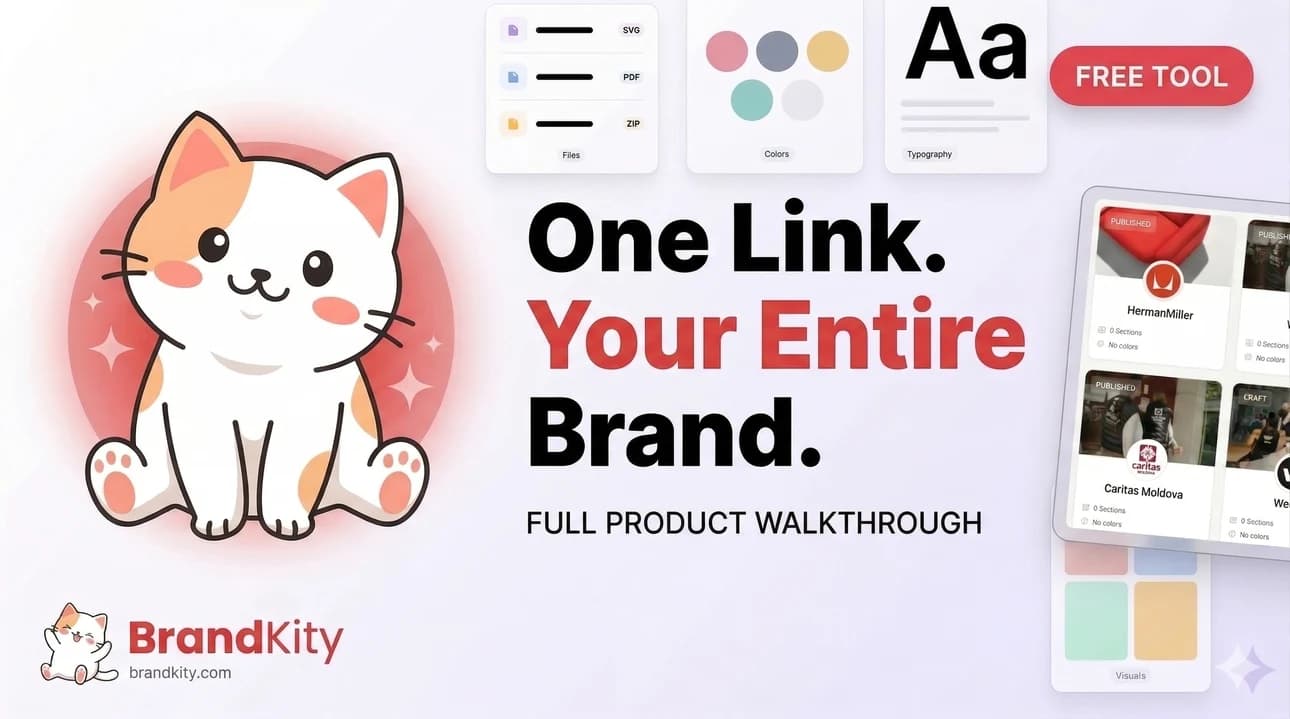
Table of contents
- The Silent Saboteurs of Successful Brand Handoffs
- The Expectation vs. Reality of Client Deliverables
- The Chaos of Scattered Assets and Outdated Information
- Why Folder Structures and Email Chains Inevitably Fail
- Erosion of Brand Consistency Across Client Touchpoints
- Bridging the Gap: Client Education and Brand Asset Adoption
- When Brand Guidelines Go Unread or Misinterpreted
- Empowering Clients to Use Assets Correctly and Confidently
- The Challenge of Accessibility and Ease of Use for Non-Designers
- Inefficient Approval Processes and Feedback Loops that Delay Projects
- Operational Bottlenecks Impeding Agency Workflows
- The Long-Term Erosion of Client Trust and Relationship Value
- How Inconsistent Branding Damages Client Perceptions
- The Perceived Lack of Professionalism in Disorganized Handoffs
- Stifling Opportunities for Long-Term Partnerships and Referrals
- The Evolution of Brand Asset Management for Agencies
- Beyond Simple Storage: The Need for Dedicated Brand Delivery Platforms
- What Modern Brand Portals Offer Beyond Traditional DAM
- Shifting Focus: From Asset Management to Seamless Brand Experience
- Crafting a Single Source of Truth for Every Brand
- Centralizing All Brand Elements in One Dynamic Location
- Ensuring Real-Time Updates and Universal Accessibility
- The Strategic Advantage of a Shareable, Live BrandKit Link
- Streamlining Agency Operations for Seamless Client Handoffs
- Integrating Brand Asset Management into Existing Creative Workflows
- Empowering Client Teams with Self-Service Brand Resource Access
- Practical Strategies for Elevating Client Brand Delivery
- Implementing Best Practices for Brand Organization and Structure
- Fostering Better Client Collaboration and Asset Feedback Loops
- Measuring Success: Improved Consistency and Client Satisfaction Metrics
- Frequently Asked Questions About Brand Asset Client Delivery
- What is the most effective way to deliver a brand toolkit to a client?
- How can agencies ensure brand consistency long after project completion?
- What are the key features to look for in a brand portal for client handoffs?
Agencies tirelessly craft compelling brand identities, yet the final step—client delivery of these intricate assets—often becomes an unexpected hurdle. This critical handoff, designed to empower clients, frequently devolves into a labyrinth of miscommunication and frustration, undermining the very value created.
The Silent Saboteurs of Successful Brand Handoffs
The Expectation vs. Reality of Client Deliverables
Clients expect a seamless, intuitive experience when receiving their brand assets, envisioning a unified portal for all elements. The reality often involves a disparate collection of email attachments, shared cloud folders, and fragmented guideline documents. This disconnect leads to immediate friction and a sense of disorganization right from the start. Agencies might believe they’ve delivered comprehensively, but if the assets are not easily accessible or understandable, the effort is largely wasted. The ideal scenario involves a
The Chaos of Scattered Assets and Outdated Information
Why Folder Structures and Email Chains Inevitably Fail
The reliance on conventional folder structures and lengthy email chains for brand asset delivery is a recipe for disaster in the long run. While seemingly convenient initially, these methods quickly become unmanageable as the volume and complexity of assets grow. Clients face the daunting task of navigating nested folders, often unsure which file is the most current or appropriate. Email chains, on the other hand, bury critical assets in threads, making retrieval a time-consuming chore and fostering a culture of “asking again.” This fragmented approach actively undermines the concept of a centralized brand portal, creating more work for both agencies and clients. It’s a significant factor in why agencies struggle to deliver a truly robust inconsistent brand presentation across different marketing channels, eroding trust and diluting brand equity. Rectifying these errors post-publication can involve significant costs in terms of reprinting, website updates, and potential reputational damage. Example: A client accidentally uses a deprecated logo version on a national ad campaign, costing the agency an estimated $15,000 in design revisions and media resubmissions.
Erosion of Brand Consistency Across Client Touchpoints
The ultimate consequence of scattered assets and poor version control is the erosion of brand consistency. Imagine a client attempting to launch a new product, pulling assets from a disorganized mix of folders, emails, and internal drives. The website might feature one shade of blue, while social media uses another, and print collateral a third. This patchwork approach creates a disjointed and unprofessional brand image, confusing the audience and weakening recognition. A strong brand relies on uniformity and deliberate application of its visual and verbal elements across every touchpoint. Without a dedicated system to maintain a
Bridging the Gap: Client Education and Brand Asset Adoption
When Brand Guidelines Go Unread or Misinterpreted
Agencies invest significant time developing comprehensive brand guidelines, yet these crucial documents often go unread or are misinterpreted by clients. A common pitfall is presenting guidelines as static, lengthy PDFs that are difficult to navigate and even harder to internalize. When clients aren’t equipped with an accessible, interactive way to understand logo usage, typography rules, or color palettes, they default to guesswork. This leads to common errors like stretching logos, using incorrect fonts, or applying off-brand colors, all of which compromise the integrity of the brand identity. The issue isn’t a lack of information, but rather a failure in the delivery and consumption of that information.
Empowering Clients to Use Assets Correctly and Confidently
True success in brand asset delivery means empowering clients, not just supplying files. This requires a shift from passive delivery to active enablement. Agencies need to provide platforms that integrate guidelines directly with assets, offering context and examples for correct application. Interactive tutorials, clear search functionalities, and instant previews can significantly boost client confidence. For instance, rather than just providing a hex code, a system might show how that color applies to different backgrounds or UI elements. By offering a guided experience, clients are far more likely to adhere to brand standards, reducing the need for constant agency intervention and allowing them to become stewards of their own brand. Example: A startup receives a brand portal that clearly illustrates do’s and don’ts for their logo use, complete with downloadable files for various applications, reducing incorrect usage by 70% in the first three months.
The Challenge of Accessibility and Ease of Use for Non-Designers
One of the most significant challenges in brand asset adoption is ensuring accessibility and ease of use for clients who are often non-designers. Marketing managers, sales teams, or even external vendors need to locate, understand, and utilize assets without requiring specialist software or design expertise. Traditional digital asset management (DAM) platforms can sometimes be overly complex, designed for internal agency use rather than seamless client consumption. The solution lies in platforms designed with a user-centric interface, intuitive navigation, and simplified downloading options. This allows anyone, regardless of their technical or design background, to confidently access the precise brand elements they need, fostering compliance and operational efficiency. Consider the difference between navigating a complex enterprise DAM versus clicking a simple, reduced morale and diminished client satisfaction, potentially impacting retention and future referrals. Investing in a robust brand portal is an investment in agency efficiency and client relationships.
Inefficient Approval Processes and Feedback Loops that Delay Projects
Inefficient approval processes and convoluted feedback loops are pervasive bottlenecks that significantly delay project timelines. When assets are shared via email or disparate cloud links, tracking feedback, consolidating revisions, and securing final approvals becomes a disjointed nightmare. Clients provide comments in various formats—email, PDFs, direct messages—making it difficult for agencies to manage a clear, single thread of communication. This often results in multiple rounds of unnecessary revisions, prolonged delivery schedules, and increased project overruns. A streamlined system that incorporates version control, contextual comments, and clear approval workflows can dramatically accelerate project completion, ensuring assets are finalized and distributed promptly and accurately. Effective solutions ensure that project delays due to asset management become a relic of the past.
One of the most profound impacts of disorganized brand asset management and client collaboration is the creation of significant operational bottlenecks within agency workflows. A substantial amount of valuable agency time is frequently consumed by non-productive tasks, such as searching for the latest version of a client’s logo, locating an approved image, or trying to find the most current brand guideline document. This “search tax” not only reduces billable hours but also increases the risk of utilizing incorrect or outdated assets, which inevitably leads to costly revisions and project delays. When creative teams are forced to spend hours sifting through emails or disparate cloud drives instead of focusing on actual design, or when account managers are perpetually consolidating feedback from various client communication channels, the entire project timeline suffers. This inefficiency directly drains agency resources, inflates project costs, and severely limits the agency’s capacity to manage multiple clients or pursue new business opportunities. A robust brand asset management system, featuring a centralized, easily searchable repository and integrated feedback loops, effectively eliminates these common bottlenecks, transforming them into streamlined, efficient processes. This strategic investment allows agency talent to dedicate their efforts to creative endeavors and strategic client engagement, rather than being bogged down by administrative overhead.
Operational Bottlenecks Impeding Agency Workflows
Building on the challenges already discussed regarding the “search tax” and the diversion of valuable agency time, these operational bottlenecks extend beyond mere inconvenience. They actively erode profit margins, stifle creativity, and impede growth. When creative teams are bogged down by administrative tasks like sifting through disparate folders for the correct brand assets or consolidating fragmented client feedback, their capacity for innovative thought and strategic execution is severely hampered. This not only frustrates talented professionals but also directly translates into lost opportunities for client acquisition and expanded service offerings. Agencies find themselves in a reactive state, constantly firefighting instead of proactively delivering exceptional work.
The Long-Term Erosion of Client Trust and Relationship Value
How Inconsistent Branding Damages Client Perceptions
Inconsistent brand asset delivery is a silent but potent threat to client trust, gradually eroding their confidence in an agency’s ability to safeguard their brand integrity. When clients receive varying versions of logos, outdated color palettes, or incorrect typography across different project deliverables, it signals a fundamental lack of control from the agency’s side. This pitfall forces the client into a defensive position, making them feel as though they must constantly police their own brand standards, rather than relying on the agency as their trusted brand steward. The subtle message conveyed is that the agency may not fully grasp or prioritize the client’s established
Decision criteria for clients often extend beyond creative output to the operational excellence of their partners. Agencies that consistently deliver a coherent and up-to-date suite of brand assets, accessible without friction, demonstrate a deeper commitment to the client’s long-term success. Conversely, those that stumble through asset delivery contribute to a narrative of unreliability. This often manifests in clients spending valuable time cross-referencing files, rather than focusing on strategic initiatives, highlighting a critical gap in the agency’s brand asset management strategy. Resolving these inconsistencies is paramount to rebuilding and maintaining a robust client relationship.
The Perceived Lack of Professionalism in Disorganized Handoffs
The process of delivering brand assets can be as impactful as the assets themselves. Disorganized handoffs, characterized by scattered files across multiple cloud drives, outdated PDFs attached to emails, or the need for clients to manually sift through folders to find a specific logo, project an image of operational inefficiency. This chaotic approach suggests a lack of systematic thinking within the agency, causing clients to perceive a fundamental lack of professionalism. Imagine a client needing a high-resolution logo for an urgent press release, only to receive a low-res JPG buried in an email chain from months prior. Such experiences not only frustrate clients but also add unnecessary administrative burden to their internal teams, making the agency seem like a contributor to their workload rather than a solution provider.
Example: A startup agency, “Digital Sparks,” routinely sends brand guidelines as disparate documents and assets via DropBox links. Their client, “EcoSolutions,” spent an average of 4 hours per month consolidating assets and verifying versions for their marketing team. This contrasted sharply with “Global Brands Inc.” who received a single, continuously updated link from another agency, reducing their internal asset management time to mere minutes. This stark difference directly impacts client satisfaction and their willingness to continue the partnership. Agencies must recognize that a streamlined, professional delivery mechanism is a non-negotiable expectation for modern clients, profoundly influencing their overall satisfaction and trust in the agency’s capabilities.
Stifling Opportunities for Long-Term Partnerships and Referrals
The long-term repercussions of poor brand asset delivery extend far beyond immediate project dissatisfaction; they actively stifle opportunities for sustained partnerships and valuable client referrals. Clients often evaluate agencies not just on the brilliance of their creative work, but on the ease of collaboration and the perceived value they bring to their daily operations. An agency that consistently delivers assets in a confusing or inefficient manner becomes a source of friction, making clients hesitant to commit to future projects or recommend the agency to their network. The decision criteria for selecting a long-term agency partner increasingly hinges on operational efficiency and client empowerment, beyond just creative prowess. Why would a client refer a partner who adds to their headaches?
Agencies that master the art of seamless brand asset delivery position themselves as indispensable partners, not just vendors. By making a client’s life easier, an agency fosters goodwill and a sense of shared success, which are critical for nurturing enduring relationships. Conversely, a pattern of disorganized handoffs leads to a perception of “high maintenance” — an agency that requires more effort than they’re worth. This significantly diminishes the likelihood of securing repeat business, contract extensions, or positive word-of-mouth referrals. Investing in a robust system for agency’s future growth and reputation.
The Evolution of Brand Asset Management for Agencies
Beyond Simple Storage: The Need for Dedicated Brand Delivery Platforms
For many years, agencies relied on generic cloud storage solutions or internal servers for managing client brand assets. While these platforms provided basic storage, they fundamentally lacked the capabilities required for efficient client delivery and brand governance. Simply dumping files into a shared folder, whether on Google Drive or Dropbox, falls short when it comes to version control, usage guidelines, and a cohesive client experience. The pitfall here is the assumption that storage equals management; in reality, it often leads to scattered assets and brand experience orchestration, directly addressing the complexities of multi-stakeholder brand deployment.
What Modern Brand Portals Offer Beyond Traditional DAM
Traditional Digital Asset Management (DAM) systems, while powerful for large enterprises managing vast internal libraries, often present a steep learning curve and excessive complexity for agencies primarily focused on client delivery. Modern brand portals, by contrast, are purpose-built to bridge this gap, offering a streamlined and intuitive experience that goes well beyond the scope of conventional DAM. These platforms provide a centralized hub not only for logos, colors, and typography but also for comprehensive brand guidelines, marketing templates, and video assets, all accessible via a single, easily shareable link. The key differentiator is their emphasis on external usability and accessibility, allowing clients to quickly find and download exactly what they need without extensive agency intervention.
Key features of these modern portals include robust version control specifically optimized for external access, ensuring clients always receive the most current approved asset. They integrate approval workflows that can involve client stakeholders, enhancing transparency and collaboration. Furthermore, they offer intuitive search functionalities and categorization, making asset discovery effortless. Example: Instead of a client emailing for a specific social media graphic, they can log into their brand portal, navigate to the “Social Media Assets” section, and download the approved variations directly, complete with usage notes. This proactive approach significantly reduces email traffic, frees up agency time, and ensures that the client’s team can operate with complete brand confidence. The goal is to eliminate the need for clients to ever question if they have the latest brand elements, making the agency’s work truly shine.
Shifting Focus: From Asset Management to Seamless Brand Experience
The paradigm for brand asset management within agencies is undergoing a critical transformation. The objective is no longer merely to manage digital files efficiently; it’s about crafting a seamless and positive brand experience for every client. This strategic pivot recognizes that the way an agency delivers and maintains brand assets directly impacts the client’s perception of their brand and the agency’s overall competence. Agencies must move beyond thinking of DAM as a back-office tool and embrace brand portals as front-facing platforms that actively contribute to client satisfaction and brand consistency. The underlying principle is to make it incredibly easy for clients to access, understand, and apply their brand elements correctly, thereby enhancing their own marketing and communication efforts.
This shift requires agencies to evaluate tools not just on their storage capacity or internal features, but on how they empower clients and facilitate a frictionless brand journey. A truly effective brand delivery platform minimizes client friction points, ensures clarity in brand usage, and instills confidence. By providing a unified, intuitive interface for all brand elements, agencies cultivate an environment where clients feel supported and in control of their brand’s deployment. This focus on the “seamless brand experience” transforms a typically administrative task into a strategic differentiator, cementing the agency’s reputation as a thoughtful and client-centric partner. Ultimately, it elevates the agency’s role from a creative producer to a holistic brand steward.
Crafting a Single Source of Truth for Every Brand
Centralizing All Brand Elements in One Dynamic Location
The concept of a “single source of truth” (SSOT) is paramount for effective brand asset management, especially in an agency context. It means consolidating every approved brand element – from logos and color palettes to typography, imagery, and comprehensive brand guidelines – into one definitive, dynamic location. The primary pitfall agencies face is the fragmentation of these assets across disparate systems: local hard drives, various cloud storage accounts, email attachments, and outdated PDFs. This scattershot approach inevitably leads to confusion, version control nightmares, and the costly use of incorrect assets. By committing to an SSOT model, agencies proactively eliminate these redundancies and ensure that every stakeholder accesses identical, verified brand information.
Implementing an SSOT through a dedicated brand portal simplifies the entire brand ecosystem. It acts as the central repository where all design files, usage instructions, and marketing collateral reside, accessible to authorized internal teams and clients alike. This centralization eradicates the constant question of “Which version is correct?” or “Where can I find that logo?” Instead, agencies can confidently direct everyone to a single, trusted hub. This not only streamlines internal agency workflows but also ensures that when clients receive brand assets, they are guaranteed to be the most current and officially approved versions, thereby bolstering mastering brand governance and delivery.
Ensuring Real-Time Updates and Universal Accessibility
A true single source of truth is effective only if it supports real-time updates and offers universal accessibility. In the fast-paced marketing environment of 2026, brand guidelines, campaign assets, and even core brand elements can evolve rapidly. An SSOT system must reflect these changes instantaneously across all touchpoints, preventing the distribution of outdated materials. Imagine a brand’s primary color hex code changing; an effective system updates this across all linked assets and guidelines simultaneously, ensuring everyone working with the brand sees the new specification immediately. This eliminates the manual, error-prone process of updating multiple documents and folders, saving significant time and preventing costly brand missteps due to incorrect usage. The ability for clients to rely on the latest version without constant verification is a cornerstone of agency credibility.
Furthermore, universal accessibility means that authorized users, both within the agency and on the client side, can access these brand assets anytime, anywhere, and from any device. This requires a robust, cloud-based infrastructure that is intuitive to navigate. The decision criteria for agencies should heavily weigh a platform’s ability to provide secure, 24/7 access to the latest assets and guidelines, ensuring that remote teams, external partners, and client marketing departments are never left without the resources they need. Such accessibility not only improves operational efficiency but also significantly enhances the collaborative spirit between agency and client, fostering a sense of shared ownership over the brand. This empowers everyone involved to uphold brand standards consistently and efficiently.
The Strategic Advantage of a Shareable, Live BrandKit Link
One of the most powerful manifestations of a single source of truth is the ability to share an entire brand’s essence through a single, live BrandKit link. This simple URL becomes the definitive gateway to all approved logos, color codes, typography, imagery, messaging, and usage guidelines. The strategic advantage here is multifaceted: it completely eliminates the need for cumbersome file transfers, reduces email clutter, and ensures that everyone accessing the link is always viewing the absolute latest version of the brand assets. Agencies can simply provide this link to new clients, external vendors, or internal marketing teams, confident that they are empowering them with accurate and up-to-date brand resources instantly.
This streamlined approach drastically improves client onboarding, as new partners gain immediate access to everything they need to represent the brand correctly. It also positions the agency as technologically advanced and exceptionally organized, reinforcing their professional image. A live BrandKit link facilitates true self-service for clients, freeing up agency account managers and designers from repeatedly answering requests for brand files or clarifying usage rules. By providing a truly dynamic and comprehensive brand resource, agencies not only simplify their own operations but also elevate the client experience, transforming asset delivery from a logistical headache into a seamless, intuitive process. This powerful tool is a definitive step towards modernizing brand management and client collaboration.
Streamlining Agency Operations for Seamless Client Handoffs
Integrating Brand Asset Management into Existing Creative Workflows
For brand asset management to truly streamline agency operations, it cannot exist as an isolated system; it must be seamlessly integrated into existing creative workflows. Agencies typically operate within environments rich with tools like Adobe Creative Suite. The challenge is ensuring that assets created or refined in these applications are easily uploaded, categorized, and made available within the brand portal without introducing additional friction. An effective brand asset management platform should facilitate this connection, reducing the need for manual exports, renaming, or re-uploading across multiple platforms. The pitfall of a disconnected system is that it creates more work, discouraging adoption and leading back to the very
Example: “Momentum Marketing” onboarded 15 new clients in Q3 2026. Prior to using a brand portal, each onboarding took approximately 3-5 hours of staff time to compile and explain brand assets. With an automated system providing a single BrandKit link and self-service access, this time was reduced to under 30 minutes per client. This substantial time saving illustrates the power of automation in scaling agency operations. Decision criteria for selecting a platform should therefore heavily consider its ability to streamline and automate client provisioning and content delivery, turning what was once a laborious task into a swift, efficient, and professional first impression. This allows agencies to deliver a seamless client experience from day one, setting a positive tone for the entire client relationship.
Empowering Client Teams with Self-Service Brand Resource Access
A truly streamlined client handoff extends beyond the initial delivery; it empowers client teams with ongoing, self-service access to their brand resources. This shift fundamentally alters the dynamic, moving the agency from being a gatekeeper of assets to an enabler of brand consistency. Instead of clients having to request specific logos, design elements, or guideline clarifications, they can independently navigate a well-organized brand portal to find exactly what they need, when they need it. This includes downloading various file formats, checking usage specifications, and even accessing marketing templates. This autonomy significantly reduces the administrative burden on agency account managers and creative teams, who no longer need to spend time fulfilling routine requests.
The benefits of empowering client teams are twofold: it dramatically increases client satisfaction by making their lives easier and accelerates their own marketing efforts, allowing them to execute campaigns with greater agility. When client teams have instant, reliable access to their brand’s single source of truth, they are far less likely to inadvertently use outdated assets or misinterpret brand guidelines. This continuous, self-service access reinforces agency and client productivity.
Practical Strategies for Elevating Client Brand Delivery
Agencies often find themselves in a cycle of delivering brand assets, only to face repeated questions about file formats, usage rights, or where to find specific elements. This inefficiency stems from a lack of robust systems for organization and communication. Implementing a centralized approach is paramount. This means moving beyond scattered cloud storage folders and embracing a unified system where all approved brand assets are readily accessible and properly cataloged. A key decision criterion for agencies should be the scalability and adaptability of their chosen delivery method. Can it accommodate a growing client roster and evolving brand needs without becoming a bottleneck? The pitfalls here are significant: lost revenue due to time spent searching for assets, damaged client relationships due to inconsistent brand representation, and the reputational cost of appearing disorganized.
Implementing Best Practices for Brand Organization and Structure
Effective brand asset delivery hinges on meticulous organization. Agencies must establish a clear, hierarchical structure for all brand collateral, from primary logos to secondary graphics and supporting documents. This structure should be intuitive, allowing clients and internal teams alike to locate assets quickly. Metadata tagging is a crucial element; categorizing assets by usage (e.g., web, print, social media), format (e.g., EPS, JPG, PNG), and project phase ensures discoverability. A common pitfall is the creation of overly complex or inconsistent folder naming conventions, which defeats the purpose of organization. For example, one team might label files as “LogoPrimaryRGB.eps” while another uses “PrimaryLogoRGBFinalv2.eps.” This inconsistency breeds confusion and errors. Instead, a standardized approach, perhaps guided by a digital asset management (DAM) system, ensures uniformity. Consider the decision to implement a single source of truth; this concept is central to preventing asset sprawl and ensuring everyone works with the most current versions. This proactive approach to asset management minimizes the risk of clients using outdated or incorrect branding, which can dilute brand impact and lead to costly reworks.
Fostering Better Client Collaboration and Asset Feedback Loops
The delivery process is not a one-way street; it requires active collaboration. Agencies must establish clear channels for client feedback and approvals regarding brand assets. This involves setting expectations upfront about review cycles, revision limits, and the preferred method for communication. A significant pitfall is relying on informal communication methods like email chains or fragmented chat messages, where important feedback can be lost or misinterpreted. Instead, a structured feedback loop, ideally integrated within a brand asset management platform, allows for annotations, version control, and clear audit trails. For instance, a client might receive a curated set of logo variations and be asked to provide feedback within a specific portal. This enables them to comment directly on each asset, streamlining the approval process. Empowering clients with controlled access to review stages also fosters trust and reduces the likelihood of miscommunication. This collaborative approach ensures that the final delivered assets align precisely with the client’s vision and brand strategy, preventing post-delivery disputes.
Measuring Success: Improved Consistency and Client Satisfaction Metrics
Quantifying the impact of improved brand asset delivery is essential for continuous improvement. Key performance indicators (KPIs) should focus on tangible outcomes such as a reduction in client queries regarding asset usage, a decrease in instances of incorrect asset application, and an improvement in client satisfaction scores. For example, an agency might track the number of support tickets related to asset retrieval before and after implementing a new system. A hypothetical metric could be a 30% reduction in asset-related support requests within the first quarter post-implementation. Another vital measure is client satisfaction, often gauged through post-delivery surveys. Positive feedback regarding the ease of access, clarity of guidelines, and overall professional presentation of assets directly correlates with successful delivery. This focus on measurable results, such as mastering brand consistency, validates the investment in better delivery systems and reinforces the agency’s value proposition to its clients.
Frequently Asked Questions About Brand Asset Client Delivery
What is the most effective way to deliver a brand toolkit to a client?
The most effective method involves providing a centralized, easily accessible, and well-organized repository for all brand assets. This is far superior to sending large zip files or providing access to cluttered cloud storage folders. A dedicated brand portal or a shareable link to a curated collection, such as a BrandKit, offers a single source of truth. This ensures clients have immediate access to approved logos in all necessary formats, color palettes, typography guidelines, imagery, and other essential brand collateral. The key decision criteria here are ease of use for the client, security of the assets, and the ability to update and manage assets dynamically. For instance, instead of emailing updated logos, the agency can simply update the asset within the portal, and the client will always access the latest version. This proactive approach minimizes confusion and supports long-term brand integrity, directly addressing why scattered folders are hurting brand delivery.
How can agencies ensure brand consistency long after project completion?
Ensuring long-term brand consistency relies on making brand assets and guidelines perpetually accessible and easy to understand. This is achieved through a robust brand asset management system that acts as a living brand guide. When clients can readily access and understand how to use approved assets, the risk of misuse or deviation from brand standards dramatically decreases. Agencies should implement systems that allow for version control, so outdated assets are clearly marked or removed. Furthermore, providing interactive brand guidelines within the delivery platform, rather than static PDFs, can significantly enhance comprehension and adherence. For example, a client needing a logo for a social media post can easily find the correct web-optimized version and view clear examples of its usage. This continuous availability supports the client’s ongoing brand efforts and reinforces the agency’s commitment to brand integrity, contributing to overall brand strategy.
What are the key features to look for in a brand portal for client handoffs?
When selecting a brand portal for client handoffs, prioritize features that streamline accessibility and management. Essential capabilities include intuitive navigation, robust search functionality with metadata tagging, and support for a wide range of file formats. The portal should allow for clear categorization of assets, such as by product line, campaign, or usage type. Security is paramount; look for features like user permissions, password protection, and audit trails to control who can access and download what. For seamless client interaction, consider portals that offer built-in feedback mechanisms or annotation tools, simplifying the review and approval process. An easy-to-use interface for clients, who may not be technically savvy, is also critical. Finally, the ability to generate shareable links for specific asset collections or the entire brand library simplifies distribution and ensures clients always have access to the most current materials, making it an ideal solution for client delivery.
Saurabh Kumar
Founder, BrandKity
Saurabh writes about practical brand systems, faster client handoffs, and scalable workflows for designers and agencies building repeatable delivery operations.
Connect on LinkedIn