
Why Invest in Brand Asset Management Software in 2026?
The landscape of brand management in 2026 is one of relentless digital expansion and heightened consumer scrutiny. Brands, irrespective of their size …
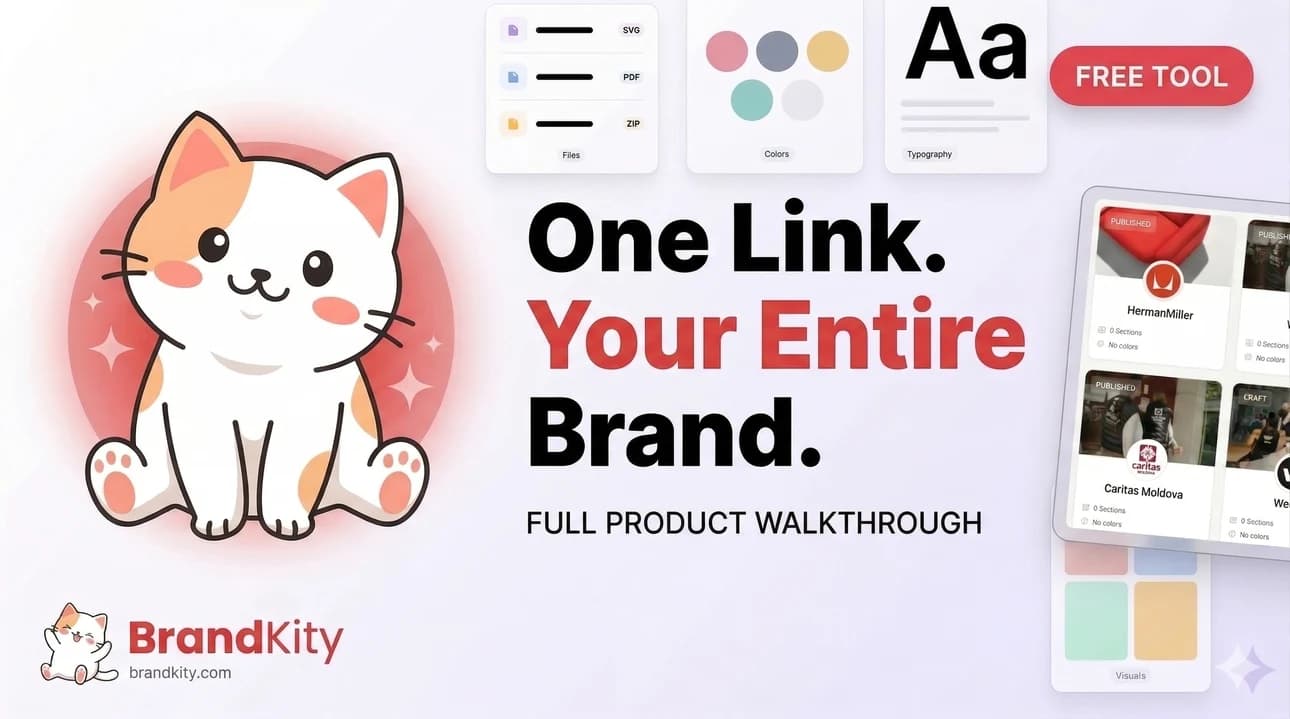
Table of contents
- The Urgent Need for Brand Consistency in 2026’s Hyper-Competitive Market
- The Escalating Challenge of Dispersed Brand Assets
- Client Expectations for Seamless Brand Delivery
- Centralizing Assets for Multiple Clients and Projects
- Expediting Client Approvals and Feedback Loops
- Empowering Startups and Marketing Teams with Agile Brand Management
- Maintaining Brand Integrity During Rapid Growth
- Scalable Solutions for Evolving Brand Needs
- Measuring Brand Asset Performance and Usage
- Beyond Basic DAM: What Defines Modern Brand Asset Management (BAM) Software?
- How BAM Software Transforms Agency Workflows and Client Delivery
- Achieving Unwavering Brand Consistency Across All Touchpoints
- Ensuring Every Logo, Font, and Color is On-Brand
- Minimizing Brand Dilution in Global Markets
- Facilitating Brand Governance and Compliance
- Key Features to Prioritize in a 2026 Brand Asset Management Solution
- Intuitive User Experience and Fast Onboarding
- Robust Search, Tagging, and Version Control
- Customizable Brand Portals for Different Audiences
- Integration Capabilities with Existing Tech Stacks
- Top Brand Asset Management Software Alternatives & How BrandKity Compares
- Brandfolder: Enterprise-Level Customization vs. BrandKity’s Simplicity
- Frontify & Bynder: Focus on Extensive DAM Features vs. BrandKity’s Client Delivery
- Lingo & Playbook: Design-Centric Niches vs. BrandKity’s All-in-One Brand Portals
- Comparison Table: Pricing, Usability, Onboarding, and Ideal Use Cases
- Realizing the ROI of Brand Asset Management in 2026
- Quantifying Time Savings and Efficiency Gains for Creative Teams
- Reducing Rework and Marketing Spend Through Centralized Assets
- Protecting and Enhancing Brand Equity: A Long-Term Investment
- Future-Proofing Your Brand Strategy with the Right Platform
- Adapting to AI-Driven Creative Processes and Emerging Tech
- Scaling Operations Without Sacrificing Brand Quality
- Preparing for Evolving Digital Channels and Audience Demands
- Frequently Asked Questions About Brand Asset Management
- What’s the difference between traditional DAM and modern BAM software?
- How quickly can an agency or startup implement BrandKity?
- Is BrandKity suitable for solo freelancers and small marketing teams?
- The Power of a Single Shareable BrandKit Link for Seamless Client Delivery
- Making Your Choice: Why BrandKity is the Modern Solution for Today’s Brands
The landscape of brand management in 2026 is one of relentless digital expansion and heightened consumer scrutiny. Brands, irrespective of their size or industry, face an unprecedented challenge in maintaining a cohesive and impactful presence across a myriad of touchpoints. This escalating complexity underscores the critical importance of strategic tools designed to preserve brand integrity.
For agencies navigating diverse client portfolios and marketing teams striving for impactful campaigns, outdated methods of asset organization and distribution are no longer sustainable. Investing in advanced brand asset management (BAM) software is not merely an operational upgrade; it is a fundamental shift towards future-proofing brand consistency and optimizing creative workflows.
The Urgent Need for Brand Consistency in 2026’s Hyper-Competitive Market
The Escalating Challenge of Dispersed Brand Assets
In 2026, the proliferation of digital channels—from social media to immersive metaverse experiences—means brand assets are created, shared, and stored across an ever-growing number of platforms. This dispersion leads to a significant risk of fragmentation, where different teams, agencies, or even external partners might use outdated logos, incorrect color palettes, or off-brand imagery. The challenge lies not just in storage, but in ensuring that every touchpoint reflects a unified brand identity, a task almost impossible without a centralized system. Many of these creative assets are developed using industry-standard tools from companies like Adobe. Without robust management, brand files become scattered across cloud drives, local desktops, and email threads, creating a chaotic environment ripe for errors and inefficiencies. The sheer volume of content required to engage modern audiences necessitates an intelligent solution to manage these dynamic asset libraries effectively.
Client Expectations for Seamless Brand Delivery
Clients today demand more than just creative output; they expect a seamless, efficient, and transparent delivery process that reflects the professionalism of their agency partners. This includes easy access to final assets, clear brand guidelines, and an intuitive method for reviewing and approving materials. When agencies rely on manual processes for asset sharing—think email attachments, shared folders with complex permissions, or even physical handoffs—they inevitably introduce friction. This friction can erode trust and diminish the perceived value of the creative work. Modern brand asset management software addresses this by providing dedicated brand portals, allowing clients to effortlessly retrieve approved assets and understand their usage, thereby reinforcing a positive and efficient client experience. A mastering brand consistency.
Centralizing Assets for Multiple Clients and Projects
Agencies inherently manage a multitude of brands, each with its unique identity and asset library. BAM software excels at centralizing assets for multiple clients and projects within a single, secure environment. Instead of disparate folders on shared drives or individual client logins across various platforms, an agency can manage every client’s brand kit from one unified dashboard. This not only streamlines internal operations but also drastically simplifies client delivery. Each client can have their own dedicated, branded portal, accessible via a single shareable link, containing only their relevant assets and guidelines. This approach eliminates the chaos of scattered files and ensures that creative teams always pull from the most current and approved versions, regardless of which client or project they are working on. This organizational efficiency is crucial for scaling agency operations.
Expediting Client Approvals and Feedback Loops
The approval process for creative assets is often a bottleneck in agency workflows, characterized by lengthy email threads, fragmented feedback, and unclear version control. Modern BAM software significantly expedites client approvals and feedback loops through integrated review features. Clients can annotate directly on assets, provide specific comments, and approve or request revisions within the platform itself. This centralizes all communication, making it easy to track changes, see who has reviewed what, and maintain a clear audit trail. Version histories ensure that every iteration is preserved, preventing confusion about which file is the “final” one. This streamlined process reduces turnaround times, minimizes miscommunication, and ultimately helps agencies deliver projects faster and more accurately, enhancing client satisfaction and project profitability.
Empowering Startups and Marketing Teams with Agile Brand Management
Maintaining Brand Integrity During Rapid Growth
Startups, particularly those experiencing rapid growth, face a unique challenge in maintaining brand integrity as their team expands and marketing efforts diversify. Without a robust system, new hires might inadvertently use outdated assets, third-party contractors could misinterpret brand guidelines, or marketing campaigns might launch with inconsistent visuals. BAM software provides a critical framework to prevent this fragmentation. It acts as a central repository for all brand elements, ensuring that every team member, from product development to sales and marketing, has instant access to the correct, approved assets and explicit usage instructions. This foundational consistency allows startups to scale their operations confidently, knowing their brand message remains unified and strong across all burgeoning touchpoints. It ensures that the brand story evolves cohesively, even during periods of intense expansion.
Scalable Solutions for Evolving Brand Needs
One of the most compelling reasons for startups and growing marketing teams to adopt BAM software in 2026 is its inherent scalability. Unlike rigid, enterprise-grade DAM systems that can be cumbersome and costly for smaller organizations, modern BAM solutions are designed to grow with a brand’s needs. They offer flexible pricing models and modular features, allowing teams to start with essential brand portal functionality and expand as their asset library, team size, and complexity increase. This adaptability is vital for companies whose brand needs are constantly evolving, from launching new products to entering new markets. A scalable BAM platform ensures that investments in brand management technology remain relevant and effective over time, avoiding the need for costly migrations or patchwork solutions as the brand matures. This supports agile brand management.
Measuring Brand Asset Performance and Usage
Beyond mere organization, modern BAM software empowers marketing teams to gain insights into brand asset performance and usage. Advanced platforms offer analytics dashboards that reveal which assets are being downloaded most frequently, by whom, and for what purpose. This data is invaluable for understanding asset effectiveness, identifying popular content, and making informed decisions about future creative investments. For example, a marketing team might discover that a particular campaign graphic consistently outperforms others, prompting them to create more content in a similar style. Conversely, underutilized assets can be identified and either repurposed or archived. This data-driven approach to brand asset management transforms it from a purely operational function into a strategic tool for optimizing marketing efforts and maximizing the return on creative investment.
Beyond Basic DAM: What Defines Modern Brand Asset Management (BAM) Software?
While traditional Digital Asset Management (DAM) systems primarily focus on the storage, organization, and distribution of digital assets, modern Brand Asset Management (BAM) software elevates this functionality by placing brand integrity and governance at its core. BAM goes beyond mere file management; it integrates brand guidelines, usage policies, and contextual information directly alongside the assets. This means users don’t just access a logo; they also see its approved colors, minimum clear space, and forbidden uses. Key differentiators include built-in templating tools that allow for on-brand customization of assets, automated compliance checks, and robust version control that tracks every modification and approval. Furthermore, BAM platforms often provide a more intuitive and user-friendly experience, making it easier for non-technical users across an organization to find, use, and share brand-approved content. This shift transforms asset management from a purely operational task into a strategic tool that actively safeguards and promotes a consistent brand identity across all touchpoints, ensuring that every piece of content reflects the brand’s true essence and values. Modern BAM is about empowering an entire organization to become brand stewards.
How BAM Software Transforms Agency Workflows and Client Delivery
For marketing agencies managing multiple clients and diverse campaigns, BAM software offers a transformative impact on both internal workflows and client delivery. Agencies can create dedicated brand portals for each client, providing a centralized, secure repository for all their approved brand assets, guidelines, and marketing materials. This eliminates the chaotic email chains and shared drives often associated with asset retrieval, ensuring that agency teams—from designers to copywriters and media buyers—always have instant access to the latest, on-brand assets. The ability to enforce brand guidelines directly within the platform significantly reduces errors and ensures consistency across all client deliverables, regardless of the team member or project. Furthermore, BAM facilitates seamless collaboration with clients, allowing them to review, approve, and download assets directly from their dedicated portal, streamlining the feedback loop and accelerating project timelines. This not only enhances efficiency and reduces administrative overhead for agencies but also elevates the quality and consistency of their client work, fostering stronger client relationships and ultimately delivering superior results. It allows agencies to focus more on creative strategy and less on asset management logistics, enhancing their agency brand portal capabilities.
Achieving Unwavering Brand Consistency Across All Touchpoints
Ensuring Every Logo, Font, and Color is On-Brand
Maintaining a cohesive brand identity demands that every visual element, from a primary logo to specific typography and color palettes, remains consistent across all platforms and collateral. Without a centralized system, teams often rely on scattered folders, outdated PDFs, or email attachments, leading to discrepancies. This manual approach inevitably results in someone using an old logo version or a slightly incorrect brand color, subtly undermining brand recognition. A robust brand asset management (BAM) solution acts as the single source of truth, housing all approved, high-resolution assets and their usage guidelines. It ensures that designers, marketers, and sales teams globally always access the definitive, on-brand files, preventing costly mistakes and rework.
Example: Imagine a multi-national corporation launching a new product campaign. Without BAM, the marketing team in Asia might inadvertently use an outdated logo variant, while the European team uses the correct one. This subtle inconsistency, though seemingly minor, creates a fragmented brand experience and erodes trust. A BAM platform with automated version control and clear asset categories makes such errors nearly impossible. Every asset, from your favicon to your corporate presentation template, is precisely managed, ensuring adherence to brand standards, an essential aspect of mastering brand consistency with marketing asset management.
Minimizing Brand Dilution in Global Markets
Expanding into global markets presents unique challenges for brand consistency. While local relevance is crucial, it must not come at the expense of core brand identity. Brand dilution often occurs when local teams adapt assets without proper oversight or access to localized, approved versions. A modern BAM system empowers organizations to manage a library of global and localized assets, ensuring that regional teams can access culturally appropriate content that still aligns perfectly with the overarching brand strategy. This capability is vital for maintaining a strong, unified brand image while also fostering regional engagement.
The pitfall here lies in giving too much freedom without the necessary guardrails, or conversely, being too rigid and failing to acknowledge local nuances. An effective BAM solution provides a framework for controlled localization, where core brand elements remain sacrosanct, but specific imagery, messaging, or even language variants are readily available. This strategic approach minimizes the risk of brand dilution by providing clear, approved alternatives, helping agencies streamline brand guidelines and assets across diverse audiences.
Facilitating Brand Governance and Compliance
Brand governance in 2026 goes beyond aesthetic consistency; it encompasses legal compliance, intellectual property protection, and ensuring ethical usage of assets. A BAM platform serves as the central engine for enforcing these policies. It defines specific user roles and permissions, controlling who can upload, download, edit, or approve assets. This granular control is crucial for preventing unauthorized use of copyrighted material or trademarks, and for ensuring that all published content adheres to industry regulations.
The system allows for embedding usage rights and expiry dates directly into asset metadata, automatically flagging or revoking access to assets that are no longer cleared for use. This feature is particularly valuable for industries with strict legal requirements, such as pharmaceuticals or finance. By centralizing these controls, companies can significantly reduce their risk of legal infringements and maintain a strong ethical standing. Robust governance features within a BAM system are not just about order; they are about protecting your brand’s reputation and legal standing, ensuring every team operates within defined parameters.
Key Features to Prioritize in a 2026 Brand Asset Management Solution
Intuitive User Experience and Fast Onboarding
In 2026, the success of any software adoption hinges heavily on its user experience (UX) and the speed of onboarding. Complex, clunky interfaces are a major barrier, especially for creative agencies, freelance designers, and startups that need solutions to be immediately productive. Prioritize platforms that offer a clean, intuitive design, allowing new users to navigate and utilize core features without extensive training. Solutions like BrandKity emphasize simplicity and speed, offering a straightforward approach to managing and sharing brand assets through a single shareable BrandKit link, making it easier for client delivery.
The ability for team members and clients to quickly understand and use the system translates directly into higher adoption rates and faster return on investment. Look for features like drag-and-drop uploads, clear navigation, and comprehensive help documentation. A system that minimizes the learning curve means your team can focus on creative work rather than struggling with software. This focus on fast onboarding is a stark contrast to traditional digital asset management (DAM) platforms, which often require significant time and resources for setup and user training, a topic explored further in discussions about whether traditional DAM hinders modern brand asset management.
Robust Search, Tagging, and Version Control
The value of a BAM system diminishes significantly if users cannot quickly find the assets they need. Therefore, prioritize solutions with powerful search capabilities, supported by intelligent tagging and metadata management. In 2026, this includes AI-powered auto-tagging, which can automatically identify objects, colors, and even text within images and videos, making assets searchable by descriptive keywords rather than obscure filenames. Advanced search filters allow users to pinpoint assets by type, date, creator, project, or custom attributes.
Equally critical is robust version control. Without it, creative teams risk working on outdated files, leading to costly rework and project delays. A top-tier BAM solution tracks every iteration of an asset, records who made changes and when, and allows users to easily revert to previous versions. This ensures that the entire team is always working with the most current and approved asset, eliminating confusion and maintaining a clear history of modifications. This feature is fundamental for preventing scattered folders and missing assets, ensuring everyone always accesses the single source of truth.
Customizable Brand Portals for Different Audiences
A key differentiator for modern BAM platforms is their ability to create customizable brand portals. These portals act as dedicated, branded hubs for specific audiences – whether internal teams, external agencies, or clients – providing tailored access to relevant assets and brand guidelines. For agencies, the ability to white-label these portals with client branding is invaluable, presenting a professional and unified experience. This capability moves beyond simple file sharing, offering a curated brand experience.
Look for features that allow granular control over what assets are visible, download formats available, and specific usage instructions for each portal. This means a marketing team might see editable files, while a sales team receives only web-optimized JPEGs with strict usage policies. Solutions like BrandKity excel in offering modern brand portals that simplify client delivery, acting as a dynamic, interactive brand guideline document that users can confidently rely on. These portals ensure that every stakeholder has appropriate, up-to-date access without overwhelming them with unnecessary files, truly embodying the single source of truth concept.
Integration Capabilities with Existing Tech Stacks
No software operates in a vacuum, and a BAM solution is no exception. For optimal efficiency, it must integrate seamlessly with your existing tech stack. Prioritize platforms that offer out-of-the-box integrations with widely used creative tools like Adobe Creative Cloud applications, project management software (e.g., Asana, Jira), marketing automation platforms, and content management systems. This connectivity minimizes manual data transfer, reduces errors, and streamlines workflows.
Beyond direct integrations, consider platforms that provide robust Application Programming Interfaces (APIs). An open API allows your developers to build custom connections, ensuring the BAM system can communicate effectively with any proprietary or niche tools your organization relies on. The absence of strong integration capabilities can lead to data silos, fragmented workflows, and undermine the very efficiency gains a BAM system is meant to deliver. Ultimately, a well-integrated BAM solution becomes an indispensable part of your creative operations ecosystem, ensuring smooth asset flow from creation to distribution.
Top Brand Asset Management Software Alternatives & How BrandKity Compares
Brandfolder: Enterprise-Level Customization vs. BrandKity’s Simplicity
Brandfolder is widely recognized for its robust, enterprise-grade digital asset management capabilities, offering extensive customization options that cater to large organizations with complex needs. Its strengths lie in powerful AI features, sophisticated analytics, and highly configurable workflows designed for intricate brand ecosystems. However, this depth can sometimes translate into a steeper learning curve and a higher price point, potentially making it less accessible for smaller teams or startups. Its comprehensive nature often requires a dedicated team for full implementation and ongoing management.
In contrast, BrandKity focuses on simplicity and rapid deployment, particularly for creative agencies, freelance designers, and startups. While Brandfolder provides a vast array of features, BrandKity prioritizes a streamlined user experience, fast onboarding, and effortless client delivery through its modern brand portals and shareable BrandKit links. For organizations where getting a brand kit to a client quickly and without confusion is paramount, BrandKity offers a more direct and user-friendly solution, often at a more accessible price point. The decision often boils down to whether an organization requires vast enterprise-level customization or prefers a more agile, dedicated solution for managing and delivering core brand assets efficiently.
Frontify & Bynder: Focus on Extensive DAM Features vs. BrandKity’s Client Delivery
Frontify and Bynder are prominent players in the digital asset management (DAM) space, known for their extensive feature sets that often encompass broader DAM capabilities beyond just brand assets, including rich media management, content creation tools, and powerful integrations for the entire content lifecycle. These platforms are designed for organizations that require comprehensive control over a vast array of digital assets and complex workflows. Their focus often extends to creative collaboration and asset lifecycle management, making them powerful choices for enterprises with diverse content needs. You can learn more about Bynder can deliver simple brand asset management for startups.
BrandKity carves out its niche by emphasizing simple client delivery and intuitive brand portals. While Frontify and Bynder excel in managing the entire asset lifecycle within an organization, BrandKity streamlines the process of organizing, sharing, and delivering brand guidelines and assets to external stakeholders, such as clients or partners. This focus makes BrandKity particularly attractive for agencies and startups whose primary challenge is client handoff and ensuring external parties always have access to the most current brand elements. It’s less about the sheer volume of DAM features and more about the efficiency of delivering a pristine, single source of truth for every brand.
Lingo & Playbook: Design-Centric Niches vs. BrandKity’s All-in-One Brand Portals
Lingo and Playbook often appeal to design teams and individuals with a strong focus on specific creative assets, such as icon libraries, UI kits, or mood boards. Lingo, for instance, is highly regarded for its ability to organize design systems and components, making it a favorite among product designers. Playbook focuses on visual organization for creative projects, often serving as a central hub for inspiration and work-in-progress assets. These tools are excellent for niche design requirements and fostering internal creative alignment.
BrandKity, while certainly valuable for designers, offers a broader solution with its all-in-one brand portals that encompass a wider range of brand assets, including logos, typography, color palettes, documents, videos, and comprehensive brand guidelines. Instead of focusing solely on specific design elements, BrandKity aims to be the definitive single source of truth for an entire brand’s identity, simplifying brand organization and client delivery for all stakeholders. For agencies and startups needing a unified platform for all their brand assets and guidelines, not just design components, BrandKity provides a more holistic and shareable solution that streamlines the entire brand management and distribution process.
Comparison Table: Pricing, Usability, Onboarding, and Ideal Use Cases
| Feature/Criterion | BrandKity | Brandfolder | Frontify/Bynder |
|---|---|---|---|
| Pricing Model | Tiered, transparent, accessible for agencies/startups | Custom, enterprise-focused, higher investment | Custom, enterprise-focused, comprehensive packages |
| Usability & UX | Highly intuitive, designed for quick adoption | Moderate complexity, powerful but requires learning | Moderate to high complexity, vast feature sets |
| Onboarding Time | Hours to days, very fast setup | Weeks to months, extensive setup & training | Weeks to months, significant implementation |
| Key Differentiator | Simple client delivery, modern brand portals, agency workflows, single shareable link | Enterprise customization, AI power, advanced analytics | Extensive DAM features, content creation, asset lifecycle management |
| Ideal Use Cases | Agencies, freelance designers, startups, marketing teams needing efficient client handoff and brand organization | Large enterprises, global corporations with complex asset management needs and deep integration requirements | Enterprises with extensive digital asset libraries, need for creative collaboration tools, and comprehensive content lifecycle management |
Realizing the ROI of Brand Asset Management in 2026
Quantifying Time Savings and Efficiency Gains for Creative Teams
The immediate return on investment (ROI) from brand asset management software often manifests as significant time savings and efficiency gains, particularly for creative and marketing teams. Without a centralized system, employees spend countless hours searching for approved logos, correct color codes, or the latest campaign imagery. This wasted time, often estimated to be several hours per week per creative professional, quickly adds up, impacting productivity and diverting resources from value-adding activities.
A BAM solution centralizes all assets, making them easily searchable, tagged, and always up-to-date. This dramatically reduces search time, allowing creative teams to focus on actual content creation and strategic tasks. For example, a creative director at a mid-sized agency might save 5-7 hours per week formerly spent on asset retrieval and approval coordination. Over a year, this translates into hundreds of hours saved, enabling teams to take on more projects, meet tighter deadlines, and improve overall output quality. These efficiency gains are not just about saving money; they’re about empowering teams to be more creative and effective, a key reason why brand asset management software is key to modern brands.
Reducing Rework and Marketing Spend Through Centralized Assets
One of the most tangible financial benefits of implementing a BAM system is the significant reduction in rework and wasted marketing spend. The use of outdated, incorrect, or off-brand assets in marketing campaigns can lead to costly reprints, reshoots, or even legal issues. Distributing physical materials like brochures, signage, or merchandise with an old logo or an incorrect brand message is an expensive mistake to rectify, potentially costing thousands of dollars per incident.
By providing a single source of truth for all approved brand assets and their usage guidelines, a BAM platform virtually eliminates these errors. Every team member and external partner accesses only the latest, compliant versions, preventing the accidental use of non-approved materials. Example: A global brand avoided an estimated $20,000 in reprint costs for a major event’s collateral simply by ensuring all vendors accessed the correct, updated brand assets through their BAM system. This proactive approach to asset management not only safeguards budgets but also ensures marketing spend is optimized for maximum brand impact.
Protecting and Enhancing Brand Equity: A Long-Term Investment
Beyond immediate time and cost savings, the most profound ROI of brand asset management lies in its ability to protect and enhance a brand’s long-term equity. Brand equity, the commercial value derived from consumer perception of the brand name of a particular product or service, is built on consistency, trust, and recognition. Inconsistent branding, scattered assets, and diluted messaging erode this equity over time, making it harder for consumers to recognize and connect with the brand.
A BAM solution ensures unwavering brand consistency across all touchpoints, from digital ads to physical packaging, fostering a strong, unified brand identity. This consistency builds consumer trust, strengthens brand recall, and differentiates the brand in a competitive market. It’s a strategic investment that safeguards the intangible value of your brand, which often constitutes a significant portion of a company’s overall worth. By ensuring every interaction reinforces your brand’s core identity, BAM platforms are indispensable tools for long-term brand health and sustainable growth, offering a competitive advantage in the dynamic market of 2026.
Future-Proofing Your Brand Strategy with the Right Platform
Adapting to AI-Driven Creative Processes and Emerging Tech
The acceleration of AI integration into creative workflows demands a brand asset management solution that is not merely a repository, but an active participant in your evolving creative ecosystem. By 2026, brands are increasingly leveraging AI for everything from initial concept generation to content localization. A future-proof platform must offer robust API integrations to connect seamlessly with AI tools, allowing for the ingestion of AI-generated assets and the output of approved brand elements for AI-driven campaigns. The key pitfall here is investing in a closed system that cannot adapt, leading to manual workarounds and fragmented workflows. Look for platforms that support advanced metadata tagging, enabling AI systems to better understand and utilize your brand assets while maintaining version control for human-edited AI outputs. This ensures that even as AI takes a larger role, your brand’s core identity remains cohesive and compliant across all touchpoints.
Scaling Operations Without Sacrificing Brand Quality
As brands expand, the complexity of managing and distributing assets grows exponentially. A robust brand asset management (BAM) platform becomes indispensable for maintaining brand quality at scale. It centralizes all approved assets, from logos and typography to video snippets and brand guidelines, making them accessible to global teams, partners, and agencies. Crucial decision criteria include granular user permissions, automated approval workflows, and templating capabilities that empower teams to create on-brand materials without needing constant oversight from the creative department. Without such a system, scaling operations often leads to brand dilution, where off-brand or outdated assets proliferate due to inefficient distribution and a lack of a single source of truth.
Preparing for Evolving Digital Channels and Audience Demands
The digital landscape is in constant flux, with new channels, content formats, and audience expectations emerging regularly. A modern brand asset management system must equip your brand to navigate this complexity without compromising consistency. This means supporting diverse asset types, from high-resolution images and videos to interactive elements and 3D models. The ability to generate multiple asset renditions for different platforms (e.g., social media, web, print, VR/AR) from a single master file is paramount. This avoids the time-consuming process of manual resizing and reformatting, which often introduces errors and inconsistencies. Platforms should also offer robust search capabilities and detailed analytics to understand asset performance across channels, allowing for data-driven optimization of your brand presence. Neglecting these capabilities can result in a fragmented brand experience, where your message and visual identity appear disjointed across various digital touchpoints, ultimately eroding brand trust and recall among your audience.
Frequently Asked Questions About Brand Asset Management
What’s the difference between traditional DAM and modern BAM software?
Traditional Digital Asset Management (DAM) platforms primarily focus on the storage, organization, and retrieval of a wide range of digital assets, treating them as generic files. While effective for archiving and finding assets, they often lack the contextual understanding of brand identity. Modern Brand Asset Management (BAM) software, in contrast, is purpose-built to manage assets with a direct connection to a brand’s identity and guidelines. It prioritizes features like interactive brand portals, automated guideline enforcement, and simplified client delivery. The core distinction lies in BAM’s emphasis on brand consistency and usability for creative and marketing teams, transforming assets from mere files into strategic brand elements. For a deeper dive, consider how mastering brand consistency with marketing asset management.
How quickly can an agency or startup implement BrandKity?
BrandKity is specifically designed for rapid deployment and ease of use, making it ideal for agencies and startups that require agility. Unlike complex enterprise DAM systems that demand extensive setup and training, BrandKity’s intuitive interface allows for significantly faster onboarding. Most agencies and startups can typically set up their first BrandKit and begin populating it with essential assets within a matter of hours or a few days, depending on the volume of existing assets. The platform’s focus on a single shareable link simplifies client delivery from day one, reducing the learning curve for both internal teams and external collaborators. This fast implementation minimizes disruption to ongoing projects and allows teams to immediately benefit from improved brand organization and asset accessibility.
Is BrandKity suitable for solo freelancers and small marketing teams?
Absolutely. BrandKity is meticulously crafted to serve the needs of solo freelancers and small marketing teams just as effectively as it supports larger agencies and startups. Its streamlined approach to brand asset management, centered around the ‘single source of truth’ concept, addresses the common pain points experienced by smaller operations: scattered files, outdated versions, and inefficient client handoffs. The platform offers a user-friendly experience that doesn’t require a dedicated asset manager, making it accessible even for those with limited technical expertise. For freelancers managing multiple client brands or small teams with tight budgets, BrandKity provides an affordable yet powerful solution to ensure professional brand delivery and maintain consistency across all projects, proving that
The Power of a Single Shareable BrandKit Link for Seamless Client Delivery
In today’s fast-paced agency and startup environments, the efficiency of client delivery is paramount. BrandKity revolutionizes this process with its core innovation: the single shareable BrandKit link. Instead of sending numerous files via email, cloud storage links, or fragmented folders, you can provide clients, partners, and internal teams with one secure, always-updated URL. This link instantly grants access to all approved logos, brand guidelines, typography, colors, and other essential assets, ensuring everyone is always working with the most current versions. This eliminates confusion, reduces back-and-forth communication, and significantly streamlines the client handoff process, making BrandKity an indispensable tool for fast onboarding means your teams can transition quickly and start realizing benefits without extensive training or a steep learning curve. BrandKity empowers agencies, startups, and marketing teams to maintain pristine brand consistency, scale operations confidently, and deliver exceptional brand experiences consistently across all touchpoints, making it the smart choice for any brand looking to thrive in 2026 and beyond.
This comprehensive overview underscores the critical role of modern brand asset management software in today’s dynamic business landscape. From navigating AI-driven creativity to ensuring seamless client delivery, the right platform provides an undeniable competitive edge.
For more insights into optimizing your brand asset management strategies and exploring cutting-edge solutions, visit blog.brandkity.com.
Making Your Choice: Why BrandKity is the Modern Solution for Today’s Brands
As we navigate a business landscape increasingly shaped by artificial intelligence and the demand for rapid, consistent brand delivery, the choice of a brand asset management solution is more critical than ever. BrandKity emerges as the modern solution, meticulously designed to meet these evolving needs. It’s not just a repository for files; it’s an intelligent platform that simplifies complex brand operations, ensuring that every asset, every guideline, and every brand touchpoint adheres to the highest standards of consistency and quality.
Choosing BrandKity means investing in a future where:
- AI-Powered Efficiency streamlines content generation and brand governance, freeing up valuable creative and strategic time.
- A Single Source of Truth eliminates version control issues and ensures all stakeholders, internal and external, are always working with the latest approved assets.
- Seamless Client Delivery is achieved through the revolutionary single shareable BrandKit link, enhancing professionalism and reducing operational friction.
- Accessibility and Scalability are inherent, supporting everyone from individual freelancers and small marketing teams to growing agencies and startups, regardless of technical expertise or budget constraints.
- Brand Consistency is effortlessly maintained across all channels, protecting brand integrity and strengthening market presence.
BrandKity offers an intuitive, powerful, and affordable path to superior brand management. It empowers brands to not only adapt to current market dynamics but to thrive, innovate, and consistently deliver exceptional brand experiences. Make the smart choice for your brand’s future.
In conclusion, the demands of the modern brand landscape are clear: agility, consistency, and intelligent automation. BrandKity is engineered to meet these demands head-on, providing a comprehensive solution that future-proofs your brand’s management strategy. By leveraging its advanced features, businesses can ensure their brand assets are always on point, accessible, and ready to make an impact.
Discover how BrandKity can transform your brand operations and explore more insights on modern brand management by visiting the BrandKity blog today.
Saurabh Kumar
Founder, BrandKity
Saurabh writes about practical brand systems, faster client handoffs, and scalable workflows for designers and agencies building repeatable delivery operations.
Connect on LinkedIn