
How Does Brand Asset Management Software Elevate Brand Strategy?
Modern brand strategy is no longer a luxury but a necessity for standing out in a crowded marketplace. However, without the right tools, maintaining a…
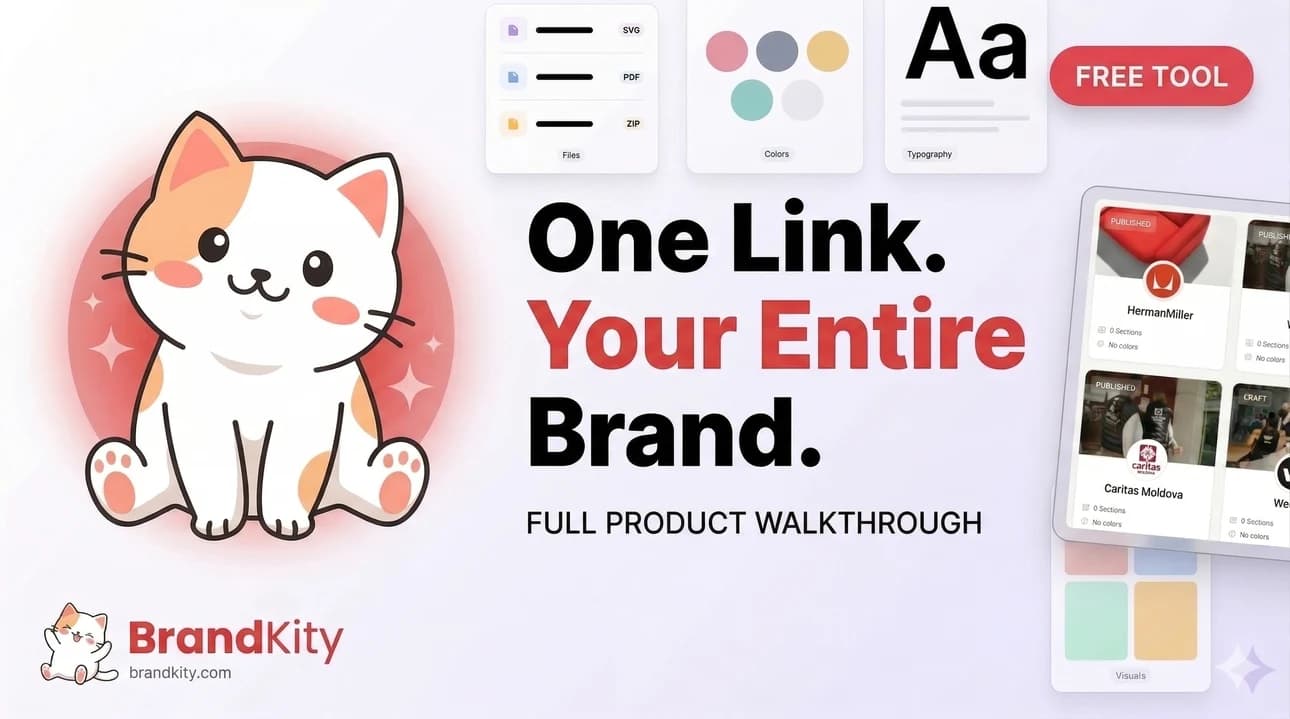
Table of contents
- Unlocking Brand Potential: Why Strategic Brand Asset Management is Non-Negotiable
- Shifting from reactive asset management to proactive brand strategy
- The hidden costs of disorganized brand assets and brand drift
- Ensuring consistent messaging and tone of voice globally
- Preventing off-brand usage and outdated asset distribution
- Optimizing asset retrieval for design and marketing teams
- Reducing friction in internal and external collaboration
- Elevating Client Delivery and Brand Adoption with Modern Portals
- Simplifying asset sharing through intuitive brand portals (e.g., shareable BrandKit links)
- Forging Unwavering Brand Consistency Across All Touchpoints
- Establishing a single source of truth for all brand assets
- Streamlining Creative Operations and Agency Workflows
- Safeguarding Brand Integrity and Mitigating Risk
- Centralized control over asset usage rights and permissions
- Version control and historical tracking for compliance
- Informing future brand campaigns and strategic adjustments
- Beyond Storage: Essential Features of a Strategic BAM Platform
- Intuitive organization and robust search capabilities for rapid access
- Key considerations for selecting the right platform for your brand’s unique needs
- Best practices for successful adoption and driving internal change management
- Empowering Data-Driven Brand Decisions and Performance
- Implementing Brand Asset Management: A Roadmap to Strategic Brand Elevation
- Tailoring BAM for Diverse Strategic Needs: Agencies, Startups, and Enterprise
- How agencies leverage BAM for efficient client portfolio management and delivery
- Meeting the complex demands of enterprise brand management and governance
Modern brand strategy is no longer a luxury but a necessity for standing out in a crowded marketplace. However, without the right tools, maintaining a coherent brand identity across every touchpoint can feel like an uphill battle, leading to inconsistencies that erode trust and dilute market presence.
This is precisely where dedicated brand asset management (BAM) software becomes indispensable. Far more than just storage, these platforms are engineered to be the central nervous system for your brand, transforming how agencies, designers, and marketing teams organize, distribute, and enforce their brand’s visual and verbal identity.
Unlocking Brand Potential: Why Strategic Brand Asset Management is Non-Negotiable
Shifting from reactive asset management to proactive brand strategy
The transition from a reactive approach to a proactive brand strategy is a cornerstone of modern brand development. Traditionally, teams might scramble to locate the correct logo or an approved image just as a campaign is launching, often leading to delays and compromises. A robust brand asset management system fundamentally changes this dynamic, allowing organizations to plan and prepare their assets strategically. This means having pre-approved, high-quality assets readily available for anticipated campaigns, product launches, or partner collaborations. When evaluating software, prioritize solutions that offer intuitive version control, clear approval workflows, and tagging capabilities that support future content planning, moving beyond mere cloud storage to a truly strategic platform. A common pitfall is adopting a system that lacks robust workflow automation, essentially just shifting disorganized files from local drives to a centralized, but still chaotic, digital repository.
The hidden costs of disorganized brand assets and brand drift
Disorganized brand assets carry significant, often unseen, financial and reputational costs. These hidden expenses manifest as wasted creative hours spent searching for files, repeated rework due to using outdated versions, and the erosion of brand recognition caused by inconsistent visual and verbal elements—a phenomenon known as brand drift. Imagine a global agency where creative teams collectively lose over 10 hours each week simply correcting off-brand client deliverables because designers pull outdated assets from various unmanaged sources. Over a year, this equates to thousands of dollars in lost productivity and compromised brand integrity. To mitigate this, consider solutions that provide comprehensive audit trails and enforce usage guidelines to prevent such inefficiencies. A critical pitfall is underestimating the cumulative impact of minor inconsistencies; these small deviations gradually dilute your brand’s market position and consumer trust. Effectively single source of truth effectively. A key pitfall is the failure to fully migrate all existing assets into the SSOT, leading to a hybrid system where fragmentation persists, undermining the very goal of consistency.
Ensuring consistent messaging and tone of voice globally
Brand consistency extends beyond visual elements to encompass messaging and tone of voice, especially in global markets. A comprehensive brand asset management solution can store and disseminate approved copy blocks, messaging frameworks, and detailed tone-of-voice guidelines alongside visual assets. This empowers marketing teams, sales departments, and public relations specialists worldwide to maintain a unified brand narrative that resonates consistently across diverse cultural and linguistic contexts. When evaluating platforms, prioritize those that support rich text editing for guidelines, version control for copy, and potentially multi-language capabilities. Neglecting the textual components of brand identity, even while perfecting visuals, can lead to a brand that looks consistent but speaks with a multitude of voices, creating disjointed customer experiences.
Preventing off-brand usage and outdated asset distribution
The proactive prevention of off-brand usage and the distribution of outdated assets is a significant advantage of modern BAM software. These platforms incorporate sophisticated permission controls, asset expiry dates, and automated archiving features, ensuring that only current, approved materials are available for use. Instead of relying on insecure email attachments or shared drives, teams can leverage secure, time-limited sharing links for external partners, significantly reducing the risk of brand dilution. The ability to Adobe. Furthermore, configurable approval workflows within the system ensure that feedback and sign-offs are centralized and efficient, reducing email chains and delays. A significant pitfall is adopting a system that doesn’t genuinely integrate with existing creative tools or introduces overly complex approval stages, thereby adding friction rather than removing it.
Optimizing asset retrieval for design and marketing teams
Efficient asset retrieval is a cornerstone of productive creative operations. Modern BAM solutions leverage advanced features such as robust metadata tagging, intelligent filtering, and even AI-powered search capabilities to ensure designers and marketing professionals can locate the exact asset they need in mere seconds. This eliminates the frustrating hours previously spent sifting through disorganized folders or network drives. When selecting a platform, scrutinize its search functionality, ease of bulk tagging, and the overall intuitiveness of the user interface for asset discovery. A key pitfall occurs when assets are poorly tagged or inconsistently categorized during migration, rendering even the most sophisticated search engine ineffective and forcing teams back to inefficient manual searching. An effectively optimized system frees up valuable creative time for strategic work.
Reducing friction in internal and external collaboration
Effective collaboration is crucial for any brand, and BAM software significantly reduces friction in both internal and external workflows. It facilitates seamless sharing of assets and feedback between diverse internal departments—such as marketing, sales, and product development—and external partners like agencies or freelance designers. Features such as secure, expiring share links, customizable guest access, and comprehensive version histories ensure that all collaborators are working with the correct, approved assets, avoiding miscommunications and rework. The alternative, relying on generic cloud storage or email, often leads to uncontrolled sharing, versioning chaos, and a lack of accountability. Choosing a system with flexible user roles and clear communication tools for feedback can vastly improve project efficiency, ensuring everyone is on the same page with brand assets and guidelines.
Elevating Client Delivery and Brand Adoption with Modern Portals
Simplifying asset sharing through intuitive brand portals (e.g., shareable BrandKit links)
Modern brand asset management fundamentally transforms how creative agencies and internal marketing teams deliver brand assets to clients and partners. Instead of cumbersome file transfers or disorganized cloud folders, organizations can now leverage intuitive brand portals, often accessible via a single, elegant BrandKit link. This simplifies the entire sharing process, providing recipients with a professional, branded destination where they can access logos, brand guidelines, imagery, and other essential assets on demand. When evaluating BAM platforms, assess the ease of creating and customizing these portals, the ability to control access permissions, and whether the portal design reflects your brand’s aesthetic. A significant pitfall is continuing to rely on outdated sharing methods that project an unprofessional image and make it harder for clients to access and utilize assets efficiently. Streamlining best brand asset management software for client delivery and ensuring a smooth transition.
Forging Unwavering Brand Consistency Across All Touchpoints
Establishing a single source of truth for all brand assets
Brand consistency is paramount for building trust and recognition. Brand asset management (BAM) software acts as the definitive single source of truth for all approved brand assets, from logos and typography to color palettes and photography guidelines. This centralization ensures that every team member, partner, and vendor has access to the most current and correct versions of assets, preventing the inadvertent use of outdated or off-brand materials. Without a BAM system, organizations risk a fragmented brand identity where different departments or external partners might use inconsistent imagery, old logos, or incorrect messaging, diluting the brand’s impact and confusing the audience. A robust BAM system empowers organizations to maintain a cohesive brand presence across all channels—digital, print, and experiential—reinforcing their identity and strengthening their market position. This unified approach to asset management significantly contributes to protecting a brand’s integrity and ensuring its consistent voice creative operations and faster delivery.
Streamlining Creative Operations and Agency Workflows
For creative agencies and internal marketing departments, brand asset management (BAM) is a game-changer for operational efficiency. It eliminates countless hours typically wasted searching for files, requesting approvals, or correcting off-brand materials. By centralizing all assets and providing intuitive search and filtering capabilities, BAM platforms drastically reduce the time creatives spend on administrative tasks, allowing them to focus more on strategic and creative work. Furthermore, many BAM systems integrate with popular design tools and project management software, creating a seamless workflow from creation to distribution. This integration not only speeds up the design process but also ensures that assets are consistently on-brand from conception. The absence of a BAM system often leads to creative bottlenecks, missed deadlines, and a constant struggle with version control, hindering productivity and increasing operational costs. Implementing a comprehensive BAM solution empowers teams to collaborate more effectively, expedite project delivery, and maintain a higher standard of creative output, directly impacting an agency’s profitability and client satisfaction through improved workflow efficiency.
Safeguarding Brand Integrity and Mitigating Risk
Centralized control over asset usage rights and permissions
Brand Asset Management (BAM) software is paramount for establishing a rigorous framework around the use of brand elements, ensuring that only approved assets are utilized by authorized personnel. This capability extends beyond simple storage, enabling organizations to define granular permissions, assign role-based access, and even set expiry dates for specific assets. For instance, a marketing campaign might have visuals that are only valid for six months; BAM platforms can automatically restrict access or flag these assets post-expiration, preventing their misuse. A common pitfall without such control is the proliferation of “rogue assets”—outdated logos, incorrect color palettes, or unapproved imagery—which can severely dilute brand recognition and trust. Implementing clear usage rights through a BAM system ensures every touchpoint aligns with the established brand identity, significantly reducing inconsistencies and potential reputational damage.
Version control and historical tracking for compliance
Effective brand asset management includes robust version control, which is critical for both creative iteration and compliance. A BAM system meticulously tracks every modification made to an asset, maintaining a complete history from its inception. This not only allows teams to revert to previous versions if needed but also provides an indisputable audit trail. This historical tracking is invaluable for meeting various regulatory and legal compliance requirements, especially in industries with strict advertising guidelines. For example, if an older version of a product disclaimer or safety warning was used, the system can quickly demonstrate which version was current at any given time. The absence of proper version control can lead to serious compliance issues, financial penalties, or even legal disputes stemming from the accidental use of outdated or non-compliant brand elements. It offers a
Informing future brand campaigns and strategic adjustments
The data gleaned from BAM analytics is crucial for shaping future brand campaigns and making overarching strategic adjustments. Insights into asset performance can directly inform decisions about messaging, visual styles, and even the channels used for distribution. For example, discovering that brand assets featuring diverse representation significantly outperform others might lead to a company-wide directive to prioritize inclusivity in all future visual communications. Similarly, if specific product photography consistently drives higher conversion rates in certain regions, future campaigns can be tailored to leverage these preferences. This data-driven approach moves brand strategy from guesswork to precision, allowing marketers to allocate budgets more effectively, refine brand positioning, and ensure every new initiative is built upon a foundation of proven performance. Integrating these analytics into regular strategic reviews is key to maintaining a responsive and effective brand presence.
Beyond Storage: Essential Features of a Strategic BAM Platform
Intuitive organization and robust search capabilities for rapid access
A truly strategic Brand Asset Management (BAM) platform offers far more than just basic file storage; it prioritizes intuitive organization and powerful search functionality to ensure creative and marketing teams can find what they need instantly. This means implementing intelligent tagging, custom metadata fields, and logical folder structures that reflect how your teams think and work. Imagine a scenario where a designer needs a specific logo variation for a high-priority project; without robust search, they might spend hours sifting through chaotic folders, wasting valuable time and potentially using an incorrect asset. Systems that facilitate creative consistency without stifling creativity. This integrated approach drastically reduces the chance of off-brand content being produced, saving countless hours in revisions and fostering a stronger, more unified brand presence across all channels. It truly helps to single source of truth for all brand elements.
Key considerations for selecting the right platform for your brand’s unique needs
Choosing the right BAM platform is a critical decision that depends heavily on your organization’s specific needs, size, and budget. Key considerations include the platform’s scalability (can it grow with your brand?), ease of use (how intuitive is the interface for all users?), and the specific features offered, such as advanced analytics, integrated brand guidelines, and workflow automation. For creative agencies and startups, a platform focusing on simple client delivery and rapid onboarding might be preferable over enterprise-level Digital Asset Management (DAM) systems that offer extensive, but potentially complex, features. Evaluate vendors based on their customer support, security protocols, and integration capabilities with your existing tech stack. A thorough vetting process, including demos and potentially pilot programs, will help avoid the pitfall of selecting a system that is either overkill or inadequate for your unique operational requirements. Comparing features and pricing across various platforms like Brandfolder, Frontify, Bynder, and alternatives is a recommended approach.
Best practices for successful adoption and driving internal change management
Implementing a new BAM system is as much about technology as it is about people and processes. Successful adoption requires a robust change management strategy. Start by communicating the “why” behind the new system, highlighting how it will benefit individual teams and streamline their daily work, not just serve a corporate mandate. Designate internal “brand champions” from various departments to advocate for the platform and provide peer support. Comprehensive training programs, tailored to different user roles (e.g., designers, marketers, sales teams), are essential to ensure everyone is comfortable and proficient. Encourage a phased rollout, gathering feedback and making adjustments along the way. Celebrate early successes and continuously communicate the positive impact of the new system. Without proactive user engagement and ongoing support, even the most advanced BAM software can become an underutilized investment, failing to deliver its promised strategic advantages for brand elevation.
Empowering Data-Driven Brand Decisions and Performance
Modern Brand Asset Management platforms are not just repositories; they are powerful tools for gaining actionable insights into brand performance. By tracking asset usage, engagement rates, and distribution channels, organizations can make data-driven decisions that optimize their brand strategy. Advanced analytics features within BAM systems allow marketers to understand which visuals, messages, and campaigns resonate most effectively with different audiences. This insight enables more targeted content creation, more efficient resource allocation, and a clearer understanding of the return on investment for creative assets. The ability to monitor asset performance in real-time empowers teams to quickly iterate, A/B test variations, and refine their approach, moving away from subjective judgments to objective, performance-backed strategies that continuously elevate the brand’s impact and reach.
Implementing Brand Asset Management: A Roadmap to Strategic Brand Elevation
Embarking on the journey of implementing Brand Asset Management requires a strategic roadmap to ensure successful integration and unlock its full potential. Begin with a thorough audit of your existing brand assets and workflows to identify pain points and opportunities. Define clear objectives and key performance indicators (KPIs) that align with your overall brand strategy. Select a platform that not only meets your current needs but also offers scalability for future growth. The implementation phase should involve meticulous planning, data migration, and seamless integration with your existing marketing and creative technology stack. Crucially, invest in comprehensive training programs for all users and establish a system for ongoing feedback and optimization. By following this structured approach, organizations can transform their brand operations from a fragmented, reactive system into a unified, proactive powerhouse, ultimately driving greater brand consistency, efficiency, and sustained strategic brand elevation in a competitive marketplace.
Tailoring BAM for Diverse Strategic Needs: Agencies, Startups, and Enterprise
Brand Asset Management (BAM) software is not a one-size-fits-all solution; its optimal implementation significantly varies depending on an organization’s structure, scale, and strategic objectives. From agile creative agencies to rapidly scaling startups and multinational enterprises, each entity faces unique challenges in maintaining brand consistency and operational efficiency. The key lies in selecting and configuring a BAM system that directly addresses these specific pain points, ensuring it supports workflows rather than complicating them. Understanding these distinctions is crucial for maximizing the return on investment in a BAM platform and truly elevating overall brand strategy.
How agencies leverage BAM for efficient client portfolio management and delivery
Creative agencies thrive on efficiency and client satisfaction, making BAM an indispensable tool for managing diverse client portfolios. A primary pitfall for agencies is the reliance on disparate storage solutions, leading to outdated assets and inconsistent brand application across projects. BAM systems provide a centralized repository, ensuring all team members and clients access the latest approved logos, fonts, guidelines, and marketing collateral. This streamlines the client handoff process and significantly reduces review cycles, enhancing client trust and fostering clearer communication.
For example, an agency managing 15 active clients can create individual, secure brand portals for each, allowing clients direct access to their approved assets, brand guidelines, and project-specific files. This eliminates endless email chains and requests for specific versions. Actionable steps for agencies include implementing a BAM platform that offers single source of truth for their brand assets. This accelerates new employee onboarding, enabling marketing, sales, and product teams to quickly access and correctly use approved brand elements, from product screenshots to pitch decks. Actionable steps involve integrating BAM into core marketing workflows, creating easy-to-follow brand guidelines within the platform, and providing universal access to all relevant stakeholders. This proactive approach supports unified brand messaging and facilitates growth without compromising brand identity, allowing focus on innovation and market expansion. For further inspiration on design systems and brand consistency, resources like Adobe’s design tools are frequently utilized by startups.
Meeting the complex demands of enterprise brand management and governance
Enterprise organizations operate on a significantly larger scale, often with global teams, diverse product lines, and stringent compliance requirements. Their brand asset management needs are complex, demanding solutions with robust security, advanced integration capabilities, and granular governance features. The primary pitfalls for enterprises include brand dilution across numerous departments and regions, compliance risks associated with outdated or unapproved assets, and inefficient asset discovery that hinders global campaigns.
Effective enterprise BAM solutions must offer comprehensive audit trails, allowing administrators to track every asset’s usage and modification history, which is vital for regulatory compliance and brand protection. Granular permission structures are essential to ensure only authorized personnel can access or modify sensitive brand assets. Actionable steps for enterprises include selecting a BAM platform that provides enterprise-grade security, seamless integration with existing MarTech stacks, and extensive support for defining and enforcing brand governance policies. This ensures that a complex, distributed organization can maintain a cohesive and powerful brand presence globally, mitigating risks and optimizing resource utilization for all brand-related operations.
Ultimately, regardless of organizational size or industry, a thoughtfully implemented Brand Asset Management strategy is foundational for achieving brand consistency, operational efficiency, and sustained market growth. Selecting the right platform aligned with specific needs is paramount for transforming brand assets into powerful strategic differentiators.
Saurabh Kumar
Founder, BrandKity
Saurabh writes about practical brand systems, faster client handoffs, and scalable workflows for designers and agencies building repeatable delivery operations.
Connect on LinkedIn