
What’s the Best Brand Asset Management Software for Client Delivery?
Agencies, designers, and marketing teams face a perennial challenge: delivering brand assets to clients efficiently, accurately, and in a way that uph…
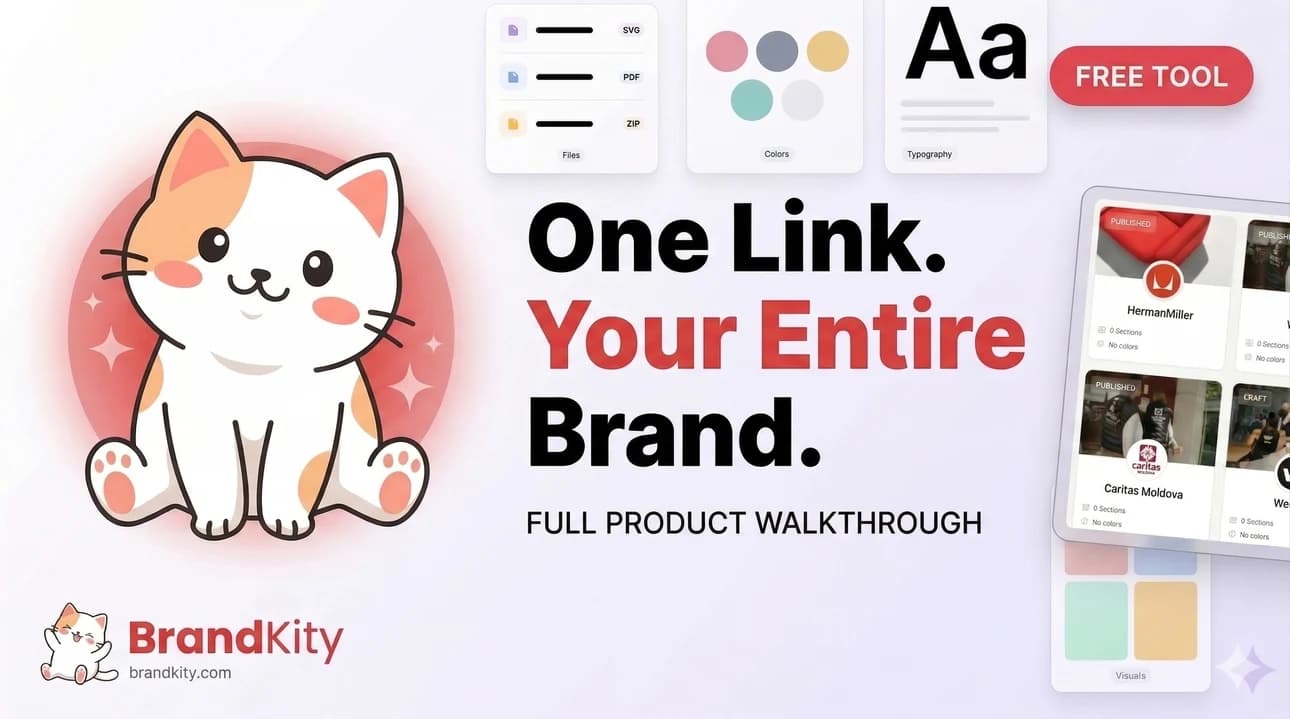
Table of contents
- The Client Delivery Conundrum: Why Agencies Struggle with Brand Assets
- The High Cost of Disorganized Sharing and Outdated Files
- Centralized Access: The End of Scattered Folders and Email Chains
- Modern Brand Portals: The Cornerstone of Efficient Asset Delivery
- Beyond PDFs: Dynamic Brand Guidelines and Living Brand Books
- Streamlining Agency Workflows: From Creation to Client Portal
- Integrating BAM into Creative & Marketing Operations
- Collaborative Tools for Internal Teams and Stakeholders
- Reducing Manual Tasks: Automating Asset Preparation and Delivery
- Defining ‘Best’: Core Capabilities for Seamless Client Handoffs
- User Experience & Onboarding: Crucial for Both Your Team and Clients
- The Importance of Intuitive Interfaces for Adoption
- Fast Onboarding: Getting Teams and Clients Productive Quickly
- Protecting Brand Assets: Data Privacy and Industry Compliance
- Long-Term Value: Adaptability to Evolving Brand and Agency Needs
- Beyond Features: Evaluating Support, Pricing, and Implementation
- Understanding Different Pricing Models: Subscription vs. Usage-Based
- Implementation Roadmaps: What to Expect During Setup and Migration
- Security, Permissions, and Compliance in Client-Facing BAM
- Safeguarding Sensitive Client Brand Assets
- Scalability & Integrations: Future-Proofing Your Brand Asset Strategy
- Planning for Growth: How BAM Scales with Your Agency
- Essential Integrations for an Agile Agency Workflow
- Practical Steps: A Checklist for Choosing Your Ideal BAM Solution
- Assessing Your Specific Client Delivery Challenges and Pain Points
- Key Questions to Ask Potential Vendors During Evaluation
- Maximizing Your Investment: Best Practices for Ongoing Client Asset Management
- Establishing Clear Guidelines for Asset Upload and Organization
- Regular Audits: Keeping Your Brand Portals Current and Relevant
Agencies, designers, and marketing teams face a perennial challenge: delivering brand assets to clients efficiently, accurately, and in a way that upholds professional standards. The journey from creative concept to client handoff is often fraught with friction, leading to wasted time, inconsistent branding, and frustrated stakeholders.
In today’s fast-paced digital landscape, merely creating stunning assets isn’t enough; the true test lies in their seamless delivery and ongoing management. This necessitates a robust solution that goes beyond basic file sharing, one designed specifically to resolve the common pitfalls of client-centric brand asset distribution.
The Client Delivery Conundrum: Why Agencies Struggle with Brand Assets
The High Cost of Disorganized Sharing and Outdated Files
The absence of a structured system for brand asset management directly translates into significant costs for agencies. Relying on email attachments, shared drives, or fragmented cloud folders inevitably leads to a chaotic environment where discovering the latest version of a logo, font, or guideline becomes a laborious scavenger hunt. This disorganization causes substantial rework and delays, as teams inadvertently use outdated files or struggle to locate approved assets. Imagine an agency spending an additional 15 hours per month just sifting through files for various client projects; this accumulates rapidly into thousands of dollars in lost productivity annually, eroding profit margins and delaying project timelines. Furthermore, the risk of delivering incorrect or off-brand materials to a client directly impacts brand consistency and can severely damage an agency’s professional reputation.
Beyond monetary implications, the intangible cost of client frustration and internal team stress cannot be overstated. When clients receive fragmented asset packages or discover that the files they’ve been using are outdated, it erodes trust and necessitates additional communication cycles to rectify errors. This perpetual cycle of searching and validating not only drains resources but also diverts creative talent from core tasks, impacting innovation and project quality. For many agencies, the question isn’t whether disorganized sharing hurts, but by how much, prompting a re-evaluation of current practices for
For clients, ‘good delivery’ of brand assets transcends simply receiving files; it encompasses ease of access, clarity, and the assurance of accuracy. Clients expect a professional, intuitive experience that reflects the quality of work an agency provides. This means having immediate access to all approved brand elements – from logos in various formats to color palettes, typography, and comprehensive brand guidelines – all in one easily navigable location. The ability for a client to confidently self-serve, knowing they are always pulling the most current and correct version, is a hallmark of excellent service.
Critically, good delivery establishes the agency as a reliable partner and builds immense client trust. When a client can effortlessly retrieve assets, integrate them into their marketing efforts, and understand the usage guidelines without constant back-and-forth, it solidifies the agency’s value proposition. This fosters a relationship where the client perceives the agency as an extension of their own team, rather than just a vendor. A truly effective delivery mechanism anticipates client needs, preventing common inquiries and empowering them with the tools for immediate application, thereby significantly enhancing
The primary disconnect lies in the user experience. Traditional DAM interfaces can be overwhelming, requiring training or extensive guidance for clients to navigate effectively. They frequently lack the customizable, branded portals or simplified sharing mechanisms essential for a seamless client experience. Moreover, the cost structures of many enterprise DAMs are often prohibitive for agencies and startups whose core need is efficient client delivery, not managing millions of internal assets. This gap highlights why many agencies seek solutions specifically engineered for
Centralized Access: The End of Scattered Folders and Email Chains
The cornerstone of efficient client delivery for brand assets is a system that provides truly centralized access. This means moving beyond the inefficient paradigm of assets scattered across various cloud drives, local hard drives, and endless email chains. A dedicated brand asset management platform acts as the definitive single repository where every approved logo, guideline, image, video, and document resides. For clients, this translates into a dramatically simplified experience: one link, one login, and immediate access to everything they need, whenever they need it. This eliminates frustrating searches, ensures clients are always pulling from the correct source, and vastly reduces the internal overhead for agencies constantly responding to “Can you send me the logo again?” requests.
The benefit extends beyond mere convenience; it significantly reduces the risk of errors and brand inconsistencies that arise from using outdated or incorrect files. By funnelling all asset requests and distributions through a single, controlled environment, agencies can confidently maintain brand integrity across all client applications. This fundamental shift from distributed, ad-hoc sharing to a unified hub is critical for agencies looking to professionalize their client handoff process and prevent Custom branding and white-labeling capabilities allow agencies to fully personalize the client portal, removing any third-party software branding. This means clients access their assets through an interface that features the agency’s logo, colors, and domain, providing a seamless and professional experience that reinforces the agency’s expertise and attention to detail. This level of customization elevates the entire client interaction, making the asset delivery process feel like a bespoke service rather than a generic file-sharing transaction.
This personalization is crucial for building perceived value and trust. When clients interact with a polished, branded portal, it subtly communicates professionalism and competence. Furthermore, some platforms allow for white-labeling not just with the agency’s brand, but also with the client’s own brand identity, making the portal feel like an internal resource for them. This flexibility ensures that the delivery platform enhances, rather than detracts from, the overall brand experience. Leading creative software companies like Adobe have long understood the power of brand consistency, and the same principle applies profoundly to asset delivery platforms.
Modern Brand Portals: The Cornerstone of Efficient Asset Delivery
Beyond PDFs: Dynamic Brand Guidelines and Living Brand Books
The era of static, lengthy PDF brand guideline documents is rapidly fading. Modern brand asset management platforms offer dynamic brand portals that host living brand guidelines and interactive brand books. These aren’t just documents; they are interactive web experiences that adapt and update in real-time. Instead of flipping through dozens of pages to find a specific usage rule or color code, clients and internal teams can navigate an intuitive interface, search for specific elements, and instantly access the precise information they need. This dynamic format allows for embedded videos, interactive examples of logo usage, and direct download links for associated assets, creating a far richer and more engaging experience than any PDF could offer.
The key advantage lies in their agility and ability to maintain a single source of truth for brand assets, the brand portal acts as the ultimate safeguard against errors, fostering a cohesive and confident brand presence across all channels and stakeholders.
Streamlining Agency Workflows: From Creation to Client Portal
Integrating BAM into Creative & Marketing Operations
For Brand Asset Management (BAM) software to truly revolutionize client delivery, it must seamlessly integrate into an agency’s existing creative and marketing operations. This isn’t about adding another isolated tool; it’s about embedding BAM into the daily rhythm of content creation, review, and distribution. Integration with popular design software like Adobe Creative Cloud ensures that designers can upload final assets directly to the BAM platform, bypassing manual transfers and potential versioning errors. Similarly, linking with project management tools allows for assets to be associated with specific tasks or projects, providing a clear audit trail from creation to client handoff. Such integrations create a cohesive ecosystem, transforming BAM from a standalone repository into an indispensable part of the agency workflow lifecycle.
Furthermore, connecting BAM with marketing automation or CRM systems can automate asset distribution to specific client segments or for specific campaigns. This not only saves immense manual effort but also ensures that the right assets reach the right audience at the right time. For instance, a new set of brand photos might be automatically pushed to a client’s dedicated portal once approved, eliminating the need for a separate email or manual upload. This level of operational efficiency elevates the entire agency process, from initial brief to final delivery and beyond.
Collaborative Tools for Internal Teams and Stakeholders
Effective brand asset management extends beyond just client delivery; it also empowers internal teams with superior collaboration capabilities. A robust BAM platform includes tools that facilitate seamless communication and feedback among designers, copywriters, project managers, and account executives. This means teams can comment directly on assets, suggest revisions, and track progress within a centralized environment, eliminating fragmented feedback across emails and chat apps. Imagine a new social media campaign asset undergoing review: instead of 10 different email threads, all stakeholders provide input directly on the asset, with version history preserving every iteration. This fosters a highly organized and transparent internal review process.
These collaborative features are crucial for maintaining consistency and accuracy before assets even reach the client. They ensure that all internal stakeholders are aligned, from legal approvals to creative direction, prior to publishing to the client portal. This collaborative ecosystem minimizes misunderstandings, accelerates approval cycles, and ensures that only perfected assets are ever presented for client review or final distribution. The ability to manage internal workflows effectively is a direct precursor to superior client delivery, building confidence and reducing internal friction.
Reducing Manual Tasks: Automating Asset Preparation and Delivery
One of the most significant benefits of a sophisticated brand asset management platform is its ability to drastically reduce manual tasks associated with asset preparation and delivery. Agencies often spend countless hours resizing images, converting file formats, renaming files, and manually compiling asset packages for individual clients. A modern BAM system automates these repetitive, error-prone processes. Features like dynamic asset renditions allow clients to download assets in a variety of pre-defined formats and sizes on the fly, without manual intervention from the agency. Need a logo in 300×300 pixels for social media and a high-res EPS for print? The system can generate both from a single master file.
Furthermore, automated delivery mechanisms can be configured. For instance, once an asset is marked “approved for client delivery,” it can automatically appear in the designated client portal, or a notification can be triggered. This level of automation not only saves countless hours of administrative work but also virtually eliminates human error in file preparation and distribution. Agencies can therefore focus their valuable time and creative energy on strategic initiatives rather than mundane operational tasks, significantly improving their overall efficiency and ability to streamline brand asset delivery.
Defining ‘Best’: Core Capabilities for Seamless Client Handoffs
When evaluating what constitutes the “best” in brand asset management for agency-client handoffs, several core capabilities stand out as essential. First and foremost is an intuitive and customizable client portal. This isn’t just a generic file-sharing link; it’s a branded environment where clients can easily navigate, search, and download their approved assets without requiring extensive training or constant agency assistance. The portal should reflect the agency’s professionalism and be simple enough for anyone to use effectively, offering features like robust search filters, categorization, and quick previews.
Another critical capability is granular permission management. Agencies need to control exactly who sees what. Different clients or even different teams within a client organization might need access to specific subsets of assets. A robust system allows agencies to define user roles, set expiry dates for access, and track asset usage, ensuring sensitive or unapproved materials remain private. This level of control safeguards brand consistency and intellectual property, while also allowing for segmented delivery of assets based on project or stakeholder.
Furthermore, seamless client handoffs rely heavily on built-in version control and audit trails. Clients need to be confident they are always accessing the latest approved version of an asset. The platform should clearly indicate version numbers, show changes between iterations, and allow for easy rollback if necessary. Coupled with this is the ability to generate detailed activity logs, showing who accessed, downloaded, or approved which assets and when. This transparency builds trust and accountability, providing a single source of truth for all brand assets and minimizing disputes over asset versions or usage rights. For more insights on this, consider exploring how to manage brand assets effectively within an agency context.
User Experience & Onboarding: Crucial for Both Your Team and Clients
The Importance of Intuitive Interfaces for Adoption
For any brand asset management (BAM) software to be effective, especially one geared towards client delivery, its user interface must be supremely intuitive. A clunky, complicated interface acts as a significant barrier to user adoption, not just for your internal teams but critically for your clients. When clients struggle to find the logos, guidelines, or assets they need, it erodes their confidence in your organization and can lead to brand inconsistencies as they revert to outdated methods. An intuitive design means clients can self-serve, reducing support requests and enhancing overall client satisfaction by providing a seamless, professional experience from the first interaction.
Fast Onboarding: Getting Teams and Clients Productive Quickly
The speed at which your team and your clients can become proficient with a new BAM platform directly impacts its return on investment. Agencies and startups operate at a fast pace, making rapid deployment and quick learning curves non-negotiable. Software that requires extensive training sessions or complex setup processes can hinder project timelines and delay asset delivery. Look for platforms that offer clear, guided onboarding experiences, pre-configured templates, and simple sharing mechanisms. This focus on getting users productive quickly contributes significantly to a faster
Protecting Brand Assets: Data Privacy and Industry Compliance
In today’s digital landscape, protecting client brand assets involves stringent adherence to data privacy and industry compliance standards. A reliable BAM platform must employ enterprise-grade security measures, including data encryption (both in transit and at rest), regular security audits, and robust backup protocols. Furthermore, for agencies serving clients in regulated industries, the software’s ability to support compliance with data protection laws (such as GDPR or CCPA) is paramount. Choosing a platform that emphasizes strong data security and helps maintain a Adobe Creative Cloud can enable designers to access approved assets directly from their tools, while integrations with project management platforms can automatically link assets to project tasks. This level of workflow automation reduces manual effort, minimizes errors, and ensures that brand assets are consistently available where and when they are needed.
Long-Term Value: Adaptability to Evolving Brand and Agency Needs
The longevity and true value of a BAM system are tied to its ability to adapt to future changes in your brand, client demands, and technological landscape. Brands evolve, guidelines shift, and new asset types emerge. A rigid system can quickly become a bottleneck, whereas a flexible platform offers features like customizable taxonomies, metadata fields, and continuous updates that reflect industry best practices. Evaluating a solution for its future-proofing capabilities means considering not just current features but also the vendor’s commitment to innovation and platform evolution. This ensures your investment continues to provide strategic adaptability, supporting your agency’s growth and the dynamic needs of your clients over many years.
Beyond Features: Evaluating Support, Pricing, and Implementation
Understanding Different Pricing Models: Subscription vs. Usage-Based
Choosing the right brand asset management software goes beyond its feature set; understanding its pricing model is critical for budget control and long-term planning. Most BAM platforms offer either a subscription model, typically based on user seats or storage limits, or a usage-based model, which might charge per asset, download, or API call. Agencies must carefully assess which model aligns best with their anticipated volume of clients, assets, and team size. Be diligent in identifying any hidden costs, such as extra charges for advanced features, additional storage, or premium support. A transparent pricing structure that offers predictability and good onboarding assistance and ongoing training resources are crucial for ensuring your team and clients can fully leverage the software’s capabilities. A dedicated support team that understands agency workflows and client delivery challenges can be a major differentiator, contributing directly to smooth operations and ultimately, client satisfaction.
Implementation Roadmaps: What to Expect During Setup and Migration
Implementing a new brand asset management system involves more than just signing up; it requires a clear implementation roadmap. This includes initial setup, data migration from existing systems (like shared drives or older DAMs), configuration of permissions, and a rollout strategy for your team and clients. A vendor should provide a detailed plan, resources, and potentially dedicated support to ensure a seamless transition. Understanding the expected timeline, potential challenges, and required internal resources upfront can help mitigate disruptions. A well-defined implementation strategy ensures that your seamless migration leads to immediate productivity, avoiding the chaos often associated with significant software changes and ensuring your brand assets are centralized efficiently from day one.
Security, Permissions, and Compliance in Client-Facing BAM
Safeguarding Sensitive Client Brand Assets
For agencies managing diverse client portfolios, the security of brand assets is paramount. A robust brand asset management solution must offer comprehensive security features to protect sensitive client information and proprietary creative work. This includes measures like data encryption at rest and in transit, regular vulnerability assessments, and secure data storage protocols. Ensuring that your chosen BAM vendor adheres to industry-leading security standards builds invaluable trust with your clients and protects your agency from potential data breaches. Prioritizing a platform that offers strong Granular Permissions and Access Control for Agencies and Clients
One of the core benefits of a client-facing BAM is the ability to control precisely who sees and interacts with specific assets. Look for platforms that provide granular permission settings, allowing you to define roles and access levels not just for your internal team but also for individual client stakeholders. This means you can restrict clients to viewing approved final assets, allow specific team members to upload new content, or grant external partners temporary access to project-specific folders. Effective Ensuring Data Compliance and Regulatory Adherence
In an increasingly regulated digital landscape, compliance is no longer optional. Your brand asset management system must support your agency’s adherence to relevant data protection regulations, such as GDPR, CCPA, or industry-specific standards. This involves understanding the vendor’s data residency policies, their approach to audit trails, and their certifications related to data privacy and security. A compliant BAM platform helps your agency maintain legal integrity, avoid costly penalties, and reassure clients that their brand assets are handled with the utmost care and in accordance with global
Scalability & Integrations: Future-Proofing Your Brand Asset Strategy
Planning for Growth: How BAM Scales with Your Agency
As your agency expands, so too will your volume of clients, projects, and, critically, brand assets. A truly effective brand asset management solution must be built with scalability in mind, capable of accommodating an increasing number of users, a rapidly growing library of assets, and larger storage requirements without a significant drop in performance. Evaluate how the platform handles spikes in activity, its capacity for additional storage, and the ease with which you can add new users or client accounts. Choosing a BAM that can effortlessly ensures your investment remains viable and valuable for the long term, preventing the need for disruptive and costly migrations to new systems down the line.
Essential Integrations for an Agile Agency Workflow
No software exists in a vacuum, especially within a dynamic agency environment. The power of a brand asset management system is significantly amplified by its ability to integrate seamlessly with your existing tech stack. Look for robust APIs and pre-built connectors to critical tools such as project management platforms (e.g., Asana, Monday.com), creative software suites (e.g., Adobe Creative Cloud), content management systems (CMS), and marketing automation platforms. These integrations are vital for creating a truly streamlined agency workflow, reducing manual data entry, preventing asset duplication, and ensuring that everyone always has access to the most current versions of brand assets, directly within the tools they use daily. Seamless integration fosters efficiency, reduces errors, and maximizes productivity across your entire team.
Practical Steps: A Checklist for Choosing Your Ideal BAM Solution
Assessing Your Specific Client Delivery Challenges and Pain Points
Before diving into feature lists, conduct a thorough internal audit to identify your specific client delivery challenges. Agencies often grapple with issues like disparate asset locations, leading to wasted time searching for logos or brand guidelines, or the distribution of outdated files, which severely undermines brand consistency. Consider how current workflows impact client satisfaction and operational efficiency. Are clients consistently requesting files already provided? Is your team spending excessive hours manually compiling assets for each client handover? Understanding these core pain points is crucial, as it informs the specific capabilities you’ll need from a brand asset management solution. Addressing these directly can transform a chaotic process into a your actual brand assets and simulate real client delivery scenarios. Evaluate features critical to your workflow, such as the ease of creating a shareable client portal, the simplicity of asset organization, and the intuitiveness of the interface for clients. Crucially, involve key stakeholders—including designers, project managers, and even a trusted client—to gather diverse feedback. This hands-on approach reveals practical usability and identifies potential friction points that a glossy demo might obscure. Evaluating the user experience often includes how well the platform integrates with existing creative tools, such as those from Adobe Creative Cloud, for seamless workflow.
Key Questions to Ask Potential Vendors During Evaluation
Engage vendors with precise questions tailored to your client delivery needs. Beyond pricing and basic features, probe into critical functionalities. Ask: “How customizable are the client-facing portals to reflect our agency’s branding?” and “What granular permission settings are available to control client access to specific asset types or brands?” Inquire about version control capabilities to prevent outdated assets from being used, and the ease of updating or archiving files. Additionally, assess their support model, onboarding process for new brands, and scalability as your client roster grows. Understanding their approach to security, data privacy, and integration with other tools in your tech stack is also paramount for a future-proof investment.
Maximizing Your Investment: Best Practices for Ongoing Client Asset Management
Establishing Clear Guidelines for Asset Upload and Organization
Implementing a BAM solution is only the first step; maximizing its value requires strict adherence to internal best practices. Develop and enforce comprehensive guidelines for asset upload, naming conventions, and metadata tagging. For instance, standardize file names (e.g., “ClientNameLogoPrimary_CMYK.eps”) and ensure all assets are tagged with relevant keywords like “campaign,” “product,” or “year.” This structured approach guarantees that assets are consistently organized, making them easily discoverable for both your internal team and external clients within your modern brand portals. Without these foundational rules, even the most sophisticated software can become a digital repository of unsearchable, inconsistent files, undermining its core purpose of streamlined delivery.
Regular Audits: Keeping Your Brand Portals Current and Relevant
To ensure your BAM system remains a reliable single source of truth, implement a schedule for regular content audits. This involves periodically reviewing all assets within your brand portals to verify their accuracy, relevance, and compliance. Identify and archive outdated logos, superseded marketing materials, or expired licensing agreements. This proactive maintenance prevents clients from accessing or utilizing incorrect assets, thereby upholding brand integrity and mitigating potential legal risks. Assign responsibility for these audits to a dedicated team member or department and establish a clear workflow for asset review and approval. Such diligence is essential for maintaining client trust and ensuring that your client trust and satisfaction.
By diligently following these practical steps for selection and adopting best practices for ongoing management, agencies and marketing teams can transform their brand asset workflows. A well-chosen and effectively managed BAM solution doesn’t just store files; it becomes a cornerstone of efficient client delivery, fostering stronger relationships and ensuring unwavering brand consistency across all touchpoints.
Saurabh Kumar
Founder, BrandKity
Saurabh writes about practical brand systems, faster client handoffs, and scalable workflows for designers and agencies building repeatable delivery operations.
Connect on LinkedIn