
Why Are Scattered Folders Hurting Your Agency’s Brand Delivery?
Why Are Scattered Folders Hurting Your Agency’s Brand Delivery? As a creative agency, your reputation hinges on consistent, high-quality brand deliver…
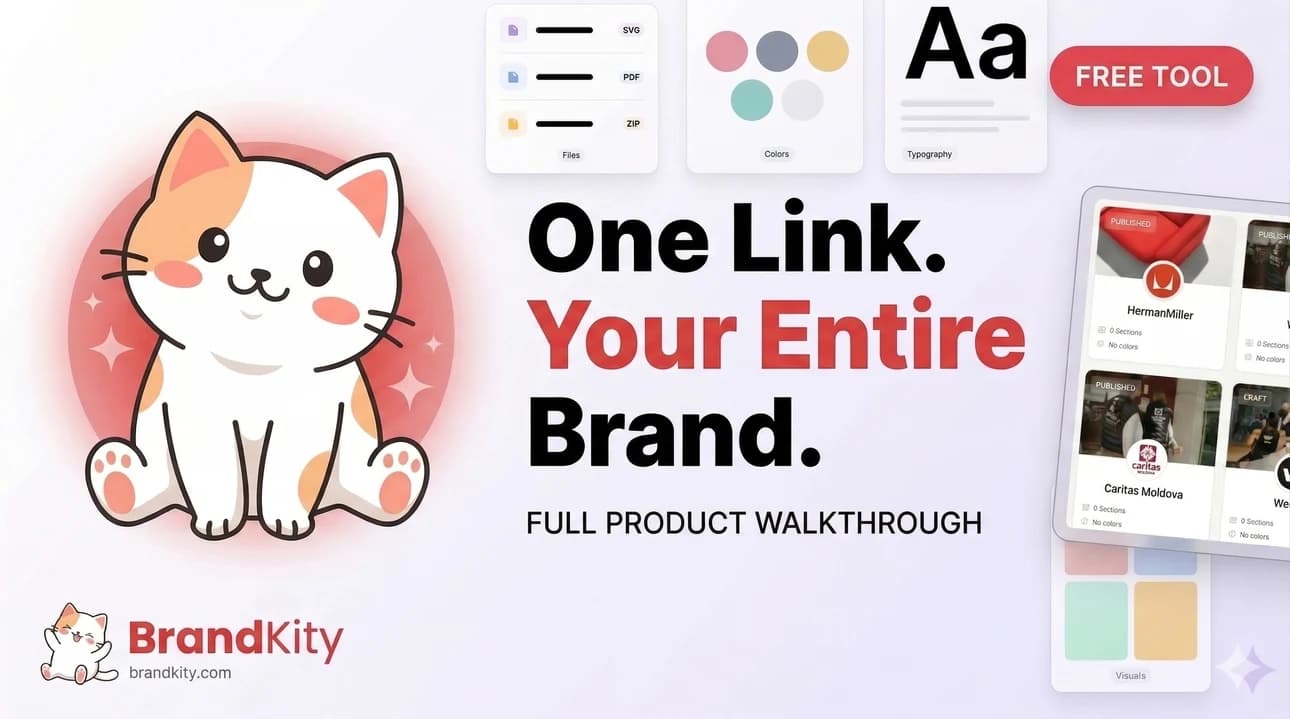
Table of contents
Why Are Scattered Folders Hurting Your Agency’s Brand Delivery?
As a creative agency, your reputation hinges on consistent, high-quality brand delivery. Clients trust you to translate their vision into a cohesive brand identity. But what happens when that identity gets lost in a labyrinth of disorganized folders, outdated cloud storage, and a sea of unsaved versions? Scattered folders aren’t just an inconvenience; they actively undermine your agency’s ability to deliver on its brand promise, leading to frustration for both your team and your clients.
The digital workspace can easily become a chaotic landscape. Think about it: logos saved in multiple formats across different drives, brand guidelines buried in email threads from years ago, and font files that are impossible to locate when a client needs them urgently. This disarray not only consumes valuable time but also breeds inconsistency, a cardinal sin in the branding world. When assets are hard to find or incorrectly formatted, the final brand assets presented to clients are likely to be flawed, leading to a diluted brand message and a damaged client relationship.
The Impact on Brand Consistency and Client Trust
Brand consistency is the bedrock of effective branding. It’s what makes a brand recognizable, memorable, and trustworthy. When your agency’s internal systems are disorganized, this consistency is put at severe risk. Imagine a scenario where one team member uses an outdated logo because they couldn’t find the latest version, while another uses the correct one. This immediately creates a visual disconnect, making the brand appear unprofessional and unreliable. For a client, this isn’t just a minor oversight; it’s a sign that their most valuable asset isn’t being managed with the care it deserves.
Furthermore, the process of delivering brand assets can become a significant pain point. Instead of a streamlined, professional handover, clients might receive a ZIP file filled with ambiguously named folders or links to various unorganized cloud storage locations. This leaves them feeling overwhelmed and unsure if they have everything they need. This lack of a clear, organized delivery process erodes client trust. They hired you for your expertise in branding, and a disorganized delivery suggests a lack of expertise in managing those very brands. Building and maintaining client trust requires a seamless and professional experience from start to finish, and scattered folders make this an uphill battle.
Wasted Time and Resources
The time your team spends hunting for misplaced assets is time that could be dedicated to strategic thinking, creative development, or client engagement. These “finder” missions become a regular, disruptive part of the workflow. A simple request for a logo can spiral into a 30-minute search party across shared drives, personal hard drives, and forgotten email attachments. This inefficiency directly impacts project timelines and profitability. Every hour spent searching is an hour not billed or an hour that delays the next project.
Beyond the direct time cost, scattered assets also lead to redundant work. When the correct file can’t be found, team members might be tempted to recreate it, leading to variations in quality and potential legal issues if copyrighted elements are used without proper attribution. This not only wastes creative energy but can also result in inconsistent brand elements being used in client projects. The entire operation becomes less efficient, less profitable, and more prone to errors. Investing in a centralized system for managing brand assets is not just about organization; it’s about optimizing your agency’s operational efficiency and safeguarding your bottom line.
Creating a Single Source of Truth
The solution to the problem of scattered folders lies in establishing a single source of truth for all your brand assets. This means having a centralized, easily accessible repository where every logo, color palette, font, image, and guideline is stored, organized, and version-controlled. This eliminates the ambiguity and confusion associated with multiple storage locations and outdated files. A well-managed system ensures that everyone on your team, and importantly, your clients, are always working with the most up-to-date and correct brand materials.
Platforms designed for brand asset management, like BrandKity, offer a streamlined approach to this. They provide a dedicated space for all your brand collateral, making it simple to upload, categorize, and share assets. This not only improves internal workflows but also revolutionizes client delivery. Instead of sending over sprawling archives, you can provide clients with a clean, organized brand portal or a single, shareable link containing all their necessary brand assets. This professionalizes the handover and empowers clients to use their brand assets correctly and consistently long after your agency’s work is complete. For a deeper understanding of how these systems work, exploring resources on digital asset management best practices can be invaluable, such as those provided by organizations like the Digital Preservation Coalition which highlights the importance of organized digital collections.
In conclusion, the seemingly minor issue of scattered folders can have a significant, cascading negative impact on your agency’s brand delivery. It compromises consistency, erodes client trust, wastes valuable time and resources, and ultimately hinders your agency’s ability to showcase its own professionalism. By embracing a centralized approach to brand asset management and investing in a robust system, you can transform your workflow, elevate your client experience, and ensure that your agency consistently delivers the high-quality branding your clients expect and deserve.
Saurabh Kumar
Founder, BrandKity
Saurabh writes about practical brand systems, faster client handoffs, and scalable workflows for designers and agencies building repeatable delivery operations.
Connect on LinkedIn