
Playbook vs BrandKity: Streamlined Asset Organization for Design Teams
In the fast-paced world of digital creation, design and marketing teams face an ever-growing challenge: managing a burgeoning volume of visual and bra…
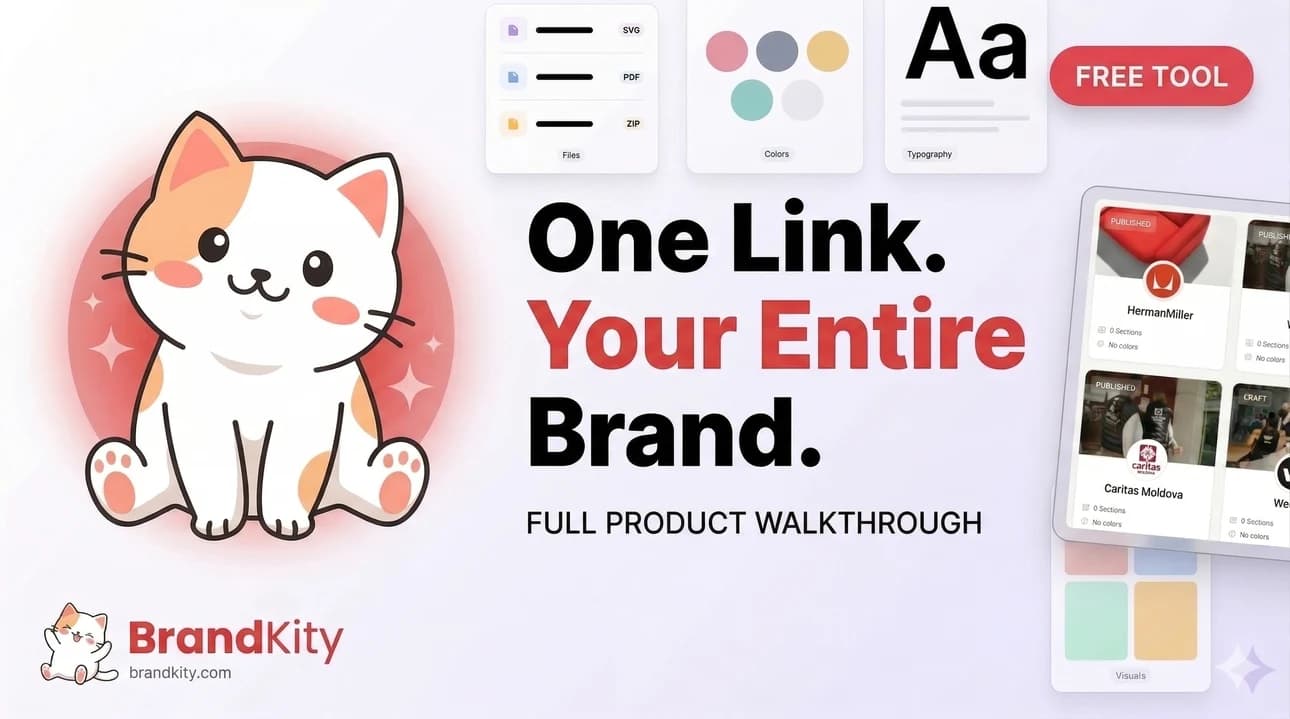
Table of contents
- The Imperative of Streamlined Asset Workflows for Modern Design & Marketing Teams
- The Hidden Costs of Disjointed Asset Management
- Why Generic Cloud Storage Falls Short for Creative Operations
- Defining “Streamlined” for Brand Consistency and Efficiency
- Understanding Playbook: A Creative’s Canvas for Visual Assets
- Playbook’s Strengths in Visual Curation and Discovery
- Ideal Scenarios for Playbook’s Asset Organization
- Core Features for Individual Designers and Small Teams
- Introducing BrandKity: Your Central Hub for Brand Delivery & Client Engagement
- BrandKity’s Unique Value Proposition: The Shareable BrandKit Link
- Brand Portals as the Single Source of Truth
- Core Asset Organization & Management: A Head-to-Head Feature Breakdown
- File Types, Storage, and Metadata Capabilities
- Version Control and Asset Lifecycle Management
- Search, Filtering, and Accessibility of Assets
- Client Handoffs, Sharing, and External Collaboration: Who Leads?
- Secure Sharing Mechanisms and Access Control
- Public vs. Private Brand Kits and Portals
- Streamlining Feedback Loops with External Stakeholders
- Brand Portal Creation and Management: Elevating Brand Consistency
- Customization Options for Branded Experiences
- Dynamic Guidelines vs. Static Documents
- Ensuring Brand Governance Across All Touchpoints
- Team Collaboration, Permissions, and Workflow Integration
- User Roles and Granular Access Permissions
- Review and Approval Workflows for Design Assets
- Integrations with Existing Creative Stacks
- User Experience and Onboarding: Getting Your Team Productive, Faster
- Interface Simplicity and Intuitive Navigation
- Speed of Setup and Migration of Existing Assets
- Support and Learning Resources Availability
- Pricing Structures and Value Proposition: Aligning Investment with Needs
- Subscription Models and Feature Tiers
- Scalability for Growing Agencies and Enterprises
- Real-World Scenarios: Where Each Platform Shines
- For Freelance Designers and Small Creative Studios
- For Branding Agencies with Diverse Client Portfolios
- For Startups and Marketing Teams Building Their Brand Identity
- Making the Informed Choice: Playbook vs. BrandKity Verdict
- When Playbook is the Right Fit for Your Workflow
- Why BrandKity Excels for Brand Delivery and Client-Facing Operations
- Key Decision Factors for Your Team’s Specific Requirements
- How does a BrandKit link improve client communication?
- Can these platforms integrate with our design software?
- Frequently Asked Questions About Modern Brand Asset Management
- What is Brand Asset Management (BAM)?
- How does BAM differ from general Digital Asset Management (DAM)?
- What are the key benefits of implementing a BAM platform?
- Can small businesses benefit from Brand Asset Management?
- What should I look for when choosing a BAM platform?
In the fast-paced world of digital creation, design and marketing teams face an ever-growing challenge: managing a burgeoning volume of visual and brand assets. From logos and typography to campaign imagery and video snippets, the sheer quantity demands a robust, intuitive system. Without a streamlined approach, efficiency dwindles, brand consistency suffers, and valuable time is lost to searching rather than creating.
This article dives deep into two prominent solutions—Playbook and BrandKity—examining how each addresses the complex needs of modern asset organization. We’ll explore their unique strengths, ideal use cases, and core functionalities to help you determine which platform best aligns with your team’s workflow and strategic objectives in 2026.
The Imperative of Streamlined Asset Workflows for Modern Design & Marketing Teams
The Hidden Costs of Disjointed Asset Management
Disjointed asset management isn’t just an inconvenience; it represents a significant drain on resources, often manifesting as hidden costs that erode profitability and productivity. Teams without a centralized system frequently experience delays due to designers or marketers spending excessive time searching for the correct file version, recreating assets that already exist, or inadvertently using outdated brand elements. For example, a creative agency might discover that 15% of its project budget is allocated to non-creative tasks like asset retrieval and validation. This directly impacts project timelines and client satisfaction, leading to potential rework and damaged brand perception. The pitfalls extend to legal risks from using unapproved imagery or fonts, and the compounding effect of brand inconsistency across various campaigns and touchpoints. Auditing current workflows to identify these bottlenecks is an essential first step towards reclaiming efficiency.
Why Generic Cloud Storage Falls Short for Creative Operations
While accessible and cost-effective for general file storage, generic cloud solutions like Google Drive or Dropbox are fundamentally ill-equipped for the specialized demands of creative operations. They lack critical features such as granular metadata tagging, robust version control with clear historical tracking, and sophisticated approval workflows essential for design and marketing teams. Without these, creative assets become isolated files rather than contextualized, searchable resources. Pitfalls include chaotic folder structures that make asset discovery a nightmare, a high risk of employees using outdated or incorrect files, and security vulnerabilities due to insufficient access controls. The absence of specific functionalities tailored for visual assets, such as advanced previewing or integration with design software, further highlights why these platforms fall short for maintaining brand governance and operational fluidity.
Defining “Streamlined” for Brand Consistency and Efficiency
For modern design and marketing teams, “streamlined” asset management means more than just having files in one place; it signifies a system where assets are easily discoverable, correctly contextualized, and consistently applied across all channels. This encompasses key elements like instant accessibility, comprehensive version control ensuring the latest files are always in use, and automated workflows that facilitate approvals and distribution. Critically, it involves enforcing brand consistency and drives measurable operational efficiency, transforming how creative work gets done.
Understanding Playbook: A Creative’s Canvas for Visual Assets
Playbook’s Strengths in Visual Curation and Discovery
Playbook distinguishes itself with a strong emphasis on visual curation and discovery, catering primarily to the aesthetic and organizational needs of individual creatives and small design-centric teams. Its interface is designed to be highly intuitive and visually driven, allowing users to quickly upload, organize, and showcase their creative output in a gallery-like fashion. For instance, a freelance illustrator might use Playbook to present a series of character designs to a client, leveraging the platform’s visual layout for immediate feedback and easy navigation through different artistic directions. This makes it an excellent tool for building mood boards, sharing initial design concepts, or presenting portfolios. The platform excels in providing a lightweight yet powerful environment where the visual presentation of assets is paramount, fostering creative collaboration in the early stages of design exploration and allowing for rapid visual discovery without heavy administrative overhead.
Ideal Scenarios for Playbook’s Asset Organization
Playbook shines brightest in scenarios where the primary need is visual organization, rapid sharing of creative concepts, and personal portfolio management. It’s an excellent choice for freelance designers, photographers, illustrators, and small creative studios that prioritize a clean, intuitive visual experience over complex brand governance features. For teams focusing on early-stage ideation, brainstorming, or client pitches where visual impact and quick iterations are key, Playbook offers a compelling solution. Its simplicity makes it easy to onboard and use, minimizing the learning curve for individuals primarily focused on visual output. While it provides effective tools for managing a personal or small team’s visual library, its strength lies in its ability to act as a creative canvas, not necessarily a comprehensive brand management system for an entire organization’s diverse assets and complex distribution needs.
Core Features for Individual Designers and Small Teams
At its core, Playbook offers a suite of features tailored for individual designers and small teams seeking efficient visual asset organization. Key functionalities include robust visual galleries that allow for easy browsing and display of high-resolution images and videos. Users benefit from simple sharing options, enabling them to distribute assets or collections quickly via links, ideal for client reviews or collaborative projects. Basic tagging and categorization features support straightforward asset retrieval, while advanced file previewing ensures creatives can review their work without needing specialized software. While powerful for visual workflows, Playbook typically offers less emphasis on intricate version control, deep metadata schemas for diverse asset types, or extensive brand guideline enforcement that larger organizations often require. This focused feature set prioritizes a smooth, aesthetically pleasing experience for the visual creator.
Introducing BrandKity: Your Central Hub for Brand Delivery & Client Engagement
BrandKity’s Unique Value Proposition: The Shareable BrandKit Link
BrandKity’s distinctive edge lies in its revolutionary shareable BrandKit link, a unique value proposition that transforms how businesses manage and distribute their brand assets. Instead of wrestling with scattered email attachments, outdated cloud folders, or complex FTP transfers, BrandKity consolidates all essential brand elements—logos, typography, color palettes, brand guidelines, and marketing collateral—into a single, easy-to-share web link. This dramatically simplifies client delivery and external stakeholder engagement. Imagine a startup needing to provide its complete branding package to a new marketing agency or media partner; with BrandKity, one Agencies can onboard new clients rapidly by providing a comprehensive BrandKit from day one, ensuring every stakeholder has immediate access to the definitive version of logos, fonts, and guidelines. Startups benefit immensely from the assurance that their nascent brand identity remains cohesive across all external collaborations, from investors to content creators. This eliminates tedious back-and-forth emails, reduces the risk of incorrect assets being used, and empowers clients to self-serve, fostering greater autonomy and ensuring brand integrity across the board.
Brand Portals as the Single Source of Truth
BrandKity’s commitment to creating brand portals as the definitive brand equity and operational efficiency.
Core Asset Organization & Management: A Head-to-Head Feature Breakdown
File Types, Storage, and Metadata Capabilities
When evaluating asset organization platforms, understanding their handling of diverse file types, storage provisions, and metadata capabilities is paramount. Playbook, while excellent for visual assets like raster images (JPG, PNG) and videos, tends to be more geared towards presentation and curation. BrandKity, conversely, embraces a much broader spectrum of brand asset types, including vector files (AI, EPS, SVG), PDFs, documents, and various video formats, making it suitable for a complete brand ecosystem. In terms of storage, both offer scalable solutions, but BrandKity prioritizes comprehensive organization for all brand touchpoints. Crucially, BrandKity offers extensive metadata capabilities, allowing for custom fields, detailed tagging, and categorization that supports granular search and ensures every asset is rich with contextual information, significantly improving its discoverability and usability across different teams and external partners.
Version Control and Asset Lifecycle Management
Effective version control is critical for maintaining brand integrity and preventing the use of outdated assets. Playbook typically offers basic versioning, allowing users to upload new iterations of a visual file, primarily for visual review and collaboration in creative projects. While useful for design iteration, it may not encompass the full lifecycle management required for broader brand assets. BrandKity, on the other hand, provides robust version control mechanisms, meticulously tracking every change, who made it, and when. This includes detailed historical views, rollback capabilities, and structured approval workflows for asset updates. This comprehensive approach is vital for managing the entire asset lifecycle, from creation and approval to distribution and eventual archival. The ability to manage an asset through its various stages, ensuring that only the latest, approved versions are accessible, is a fundamental difference impacting brand consistency and operational compliance across the organization.
Search, Filtering, and Accessibility of Assets
The true utility of any asset management platform hinges on how easily users can find and access what they need. Both Playbook and BrandKity offer search functionalities, but their emphasis and depth differ significantly. Playbook’s search is effective for visual queries and tags, making it easy to find specific images or collections. BrandKity, however, excels with an advanced, metadata-driven search engine that allows for highly specific and nuanced queries across all asset types, including custom fields and embedded data. This facilitates rapid asset discovery even within vast libraries. Furthermore, BrandKity’s filtering options are designed for complex brand asset libraries, enabling users to narrow down results by type, status, department, or client. Crucially, BrandKity also provides granular control over asset accessibility, allowing administrators to define specific user roles and permissions for both internal teams and external stakeholders, ensuring secure and controlled distribution of brand elements.
Client Handoffs, Sharing, and External Collaboration: Who Leads?
Effective client handoffs and seamless external collaboration are critical for design agencies and marketing teams. The choice between platforms like Playbook and BrandKity often hinges on their capabilities in facilitating secure, efficient sharing of brand assets. A robust system ensures that clients, vendors, and partners always access the most current and approved files, preventing the proliferation of outdated materials and safeguarding brand integrity. Without a centralized solution, teams face the arduous task of managing multiple email threads, cloud storage links, and version control issues, leading to significant delays and potential errors in brand delivery workflows.
Secure Sharing Mechanisms and Access Control
When sharing sensitive brand assets externally, the ability to control access is paramount. Platforms must offer mechanisms beyond simple public links. Granular access permissions, password protection, and expiration dates for shared links are essential features. BrandKity, for example, prioritizes the ability to create a single shareable BrandKit link, where access can be revoked or updated centrally. This approach minimizes the risk of unauthorized access and ensures that only approved stakeholders see specific assets. Playbook also offers sharing capabilities, often leveraging direct folder or file links, but the integrated brand portal approach of BrandKity often simplifies the comprehensive delivery of an entire brand ecosystem. A common pitfall is relying on generic file-sharing services that lack detailed analytics or audit trails, making it impossible to track who accessed what, and when.
Public vs. Private Brand Kits and Portals
Organizations often require different sharing strategies depending on the audience. A public brand kit might be ideal for press kits, general partners, or recruitment, providing easily discoverable brand guidelines and logos. Conversely, private brand portals are crucial for specific clients, licensed vendors, or internal departments requiring restricted access to proprietary marketing assets or confidential project files. BrandKity excels in creating these customized, branded portals that act as a single source of truth, allowing agencies to white-label experiences for individual clients. This distinction is vital for maintaining control while facilitating necessary collaboration. For instance, an agency might share a private BrandKit with a client for their new campaign assets, while maintaining a public version for media inquiries.
Streamlining Feedback Loops with External Stakeholders
Efficient feedback is the backbone of successful external collaboration. Relying on endless email chains for asset reviews is inefficient and prone to miscommunication. Modern platforms should integrate tools for direct feedback, such as commenting and annotation features, directly on design assets. This centralizes communication, links feedback to specific elements, and provides a clear audit trail of revisions. While Playbook allows for asset storage, BrandKity often offers more integrated features for client review and approval within the brand portal environment. Implementing a structured feedback loop drastically reduces revision cycles and ensures that all stakeholders are aligned, leading to faster project completion and higher client satisfaction. The ability to track versions and approve specific iterations is crucial here.
Brand Portal Creation and Management: Elevating Brand Consistency
A brand portal is more than just a storage repository; it’s a strategic tool for enforcing brand consistency and simplifying asset distribution. It acts as a central hub where all brand elements, from logos and typography to voice guidelines and marketing collateral, reside and are easily accessible. For agencies and enterprises alike, the ability to create and manage these portals effectively is paramount to scaling their brand operations and ensuring every touchpoint reflects the brand’s identity accurately. This centralisation drastically reduces the risk of teams using outdated logos or incorrect color palettes, which can significantly dilute a brand’s impact.
Customization Options for Branded Experiences
The extent to which a brand portal can be customized often dictates its utility for agencies and larger organizations. Platforms like BrandKity allow users to create fully branded portals, complete with custom logos, color schemes, and even domain mapping. This means that a client receiving a BrandKit link from an agency sees a portal that feels like an extension of their own brand, not just a generic file-sharing service. This level of customization is invaluable for agencies managing multiple client brands, enabling them to deliver a highly professional and tailored experience. Playbook, while excellent for asset organization, may offer less extensive white-labeling or branded portal capabilities compared to BrandKity’s dedicated portal focus, which is a key differentiator for agencies.
Dynamic Guidelines vs. Static Documents
The era of static, often outdated, PDF brand guidelines is rapidly fading. Modern brand portals support dynamic guidelines that can be updated in real-time, embed live assets, and link directly to usage examples. This ensures that every user always accesses the most current version of the brand’s rules and resources. BrandKity’s focus on living brand guidelines means that if a brand’s color palette changes, it can be updated once within the portal, and all associated assets and guidelines instantly reflect that change. The significant pitfall of static documents is the continuous need for manual distribution and the high likelihood of various outdated versions circulating, leading to inevitable brand inconsistency across diverse applications. Dynamic platforms foster a culture of perpetual accuracy.
Ensuring Brand Governance Across All Touchpoints
Brand governance is about establishing and enforcing standards for brand usage across all internal and external touchpoints. A well-managed brand portal is fundamental to this. It serves as the single authoritative source for all brand assets and guidelines, allowing administrators to control who can access, download, and use specific files. Features such as asset version control, approval workflows, and audit trails contribute to robust governance. For instance, ensuring that only the latest, approved logo variation is available for download prevents accidental usage of legacy designs. BrandKity facilitates comprehensive brand governance by centralizing control, ensuring that every team member, partner, or client adheres to the established brand standards without constant manual oversight. This proactive approach safeguards brand equity over time.
Team Collaboration, Permissions, and Workflow Integration
Efficient internal team collaboration is just as vital as external sharing. For design and marketing teams, the platform chosen must support seamless interaction, clear roles, and automated workflows to prevent bottlenecks and enhance productivity. The complexity of managing assets increases exponentially with team size and project volume, making robust permission structures and integration capabilities non-negotiable. Without these, teams can find themselves struggling with disjointed processes, asset duplication, and approvals that stall creative momentum, particularly within fast-paced agency environments.
User Roles and Granular Access Permissions
Not all team members require the same level of access or control over brand assets. A sophisticated brand asset management platform offers granular user roles and permissions, allowing administrators to define who can view, upload, edit, approve, or delete assets. Typical roles might include administrators, editors, viewers, and client-specific access levels. For a large marketing department, giving a junior marketer view-only access to final campaign assets while granting creative directors full editing and approval rights streamlines operations and prevents accidental modifications. BrandKity provides flexible user management, ensuring that each team member, from freelancers to executive stakeholders, has precisely the access they need, promoting both security and efficiency in creative agency workflows. Playbook also offers team collaboration features, though the specific depth of permission layering can vary.
Review and Approval Workflows for Design Assets
The design process inherently involves multiple rounds of review and approval. An effective platform incorporates structured review and approval workflows to automate and track these stages. This means designers can submit assets, reviewers can provide feedback, and managers can give final approval, all within the same system. This prevents assets from being used prematurely or without proper sign-off. For example, a new ad creative might pass from the designer to the creative director for initial review, then to the marketing manager for brand compliance, and finally to a legal team for final approval. Platforms that support custom workflows, notifications, and version control significantly reduce the time spent chasing approvals and ensure that only finalized, approved assets are pushed live. This is crucial for maintaining deadlines and project integrity.
Integrations with Existing Creative Stacks
To truly streamline workflows, a brand asset management solution must integrate seamlessly with the existing creative and project management tools that teams already use. Key integrations often include design software like Adobe Creative Suite (Photoshop, Illustrator, InDesign), project management platforms such as Asana or Jira, and communication tools like Slack. The ability to directly pull assets from the brand portal into design software or attach them to project tasks reduces friction and ensures consistency. While both Playbook and BrandKity offer various integrations, it’s important to assess how deeply these integrations support the day-to-day operations of your team. For instance, a direct plugin to Adobe applications for accessing brand-approved logos saves significant time compared to manual downloads and re-uploads, enhancing agency and startup workflows considerably.
User Experience and Onboarding: Getting Your Team Productive, Faster
The most feature-rich platform is ineffective if users struggle to adopt it. User experience (UX) and the ease of onboarding are critical factors determining how quickly a team becomes productive and whether the investment in a brand asset management solution truly pays off. A complex interface, a lengthy setup process, or a lack of support can lead to low adoption rates, frustrating users and negating the benefits of centralized asset management. For agencies and startups, time is money, making a swift and intuitive transition to a new system paramount for sustained operational efficiency.
Interface Simplicity and Intuitive Navigation
An intuitive interface reduces the learning curve and encourages widespread adoption across diverse team members, from seasoned designers to marketing interns. Platforms should offer clear labeling, logical layouts, and straightforward navigation that allows users to quickly find assets, upload new files, or share brand kits without extensive training. BrandKity prides itself on its simplicity and user-friendly design, aiming to make brand asset management accessible without the complexity often found in traditional DAM systems. This focus on an uncomplicated user journey means that even non-technical users can engage with the platform confidently. Conversely, an overly complex interface with too many options or hidden features can quickly overwhelm users, leading to underutilization of the platform’s capabilities.
Speed of Setup and Migration of Existing Assets
The initial setup process and the migration of existing brand assets from disparate locations (local drives, cloud storage, old DAMs) are often major hurdles. A platform that offers fast setup times and streamlined migration tools, such as bulk upload features or API access for larger datasets, significantly reduces friction. For a startup or an agency transitioning from scattered folders, the ability to rapidly consolidate thousands of assets into a single, organized BrandKit is a game-changer. Playbook offers straightforward asset uploading, but BrandKity’s focus on quick onboarding for startups and agencies means particular attention to minimizing the time-to-value. Pitfalls include platforms with steep learning curves for administrators during setup, which can delay the entire team’s productivity for weeks.
Support and Learning Resources Availability
Even with an intuitive interface, users will inevitably have questions or require assistance. Comprehensive support and learning resources are crucial for long-term success. This includes detailed documentation, video tutorials, FAQs, and accessible customer support channels (e.g., live chat, email, phone). Organizations should evaluate the quality and responsiveness of a platform’s support team. For agencies on tight deadlines or startups navigating new workflows, quick and effective support can be the difference between hitting a project milestone and facing costly delays. While major platforms like Playbook offer support, BrandKity often emphasizes responsive, personalized assistance tailored to the needs of creative professionals and marketing teams, ensuring that users can quickly find answers and maximize their use of the platform’s features.
Pricing Structures and Value Proposition: Aligning Investment with Needs
Subscription Models and Feature Tiers
Understanding the varied subscription models offered by asset management platforms is crucial for aligning investment with specific team needs. Playbook often adopts a tiered approach primarily based on storage capacity and the number of users, which can be appealing for individuals or small teams focused purely on organizing large volumes of creative files. Their pricing typically scales with the raw amount of data stored and the number of collaborators requiring access to the core asset library. This model ensures that users only pay for the storage they consume, making it a straightforward option for those with predictable storage requirements.
Conversely, BrandKity’s model often emphasizes feature-rich tiers that cater to brand delivery and client interaction, beyond mere storage. While storage is a component, BrandKity’s tiers are more heavily influenced by the number of BrandKits that can be created, the sophistication of brand guidelines integration, custom branding options for portals, and advanced user permissions for client-facing workflows. This distinction is vital: if your primary need is robust client delivery, dynamic brand portals, and a
Scalability for Growing Agencies and Enterprises
For growing agencies and enterprises, scalability isn’t just about increasing storage; it’s about accommodating expanding teams, more complex brand portfolios, and a higher volume of client interactions. Playbook generally scales well on the storage front, offering increasing capacities and user counts as you move up their plans. This makes it suitable for design studios or large internal teams needing a centralized repository for their ever-growing archive of creative work, where the primary challenge is managing raw file volume efficiently. However, as an organization’s client base expands, the need for sophisticated client-facing tools often outpaces raw storage needs.
BrandKity excels in scaling for agencies and enterprises that prioritize brand consistency across diverse client portfolios and require efficient brand delivery systems. Its scalability focuses on enabling the creation of multiple branded portals, managing numerous brand guidelines, and supporting intricate user roles for both internal teams and external clients. This means that as an agency takes on more clients, BrandKity provides the infrastructure to spin up new, dedicated streamlined client delivery workflow via a shareable BrandKit link minimizes back-and-forth communication and ensures all stakeholders have immediate access to the definitive version of brand assets and guidelines. This not only enhances client trust but also frees up valuable agency time, allowing teams to focus on creative work rather than administrative asset management. A hypothetical example: an agency working with 10 clients saves 3 hours per client per month on asset-related communication and corrections, leading to over 30 hours of regained productivity monthly.
Real-World Scenarios: Where Each Platform Shines
For Freelance Designers and Small Creative Studios
Freelance designers and small creative studios often operate with lean budgets and a strong need for simplicity. Playbook can be an excellent choice for these entities if their primary challenge is personal asset organization and straightforward file storage. A freelance graphic designer, for instance, might use Playbook to house their extensive library of stock photos, fonts, textures, and project files, benefiting from its robust storage and easy search capabilities for internal use. It serves as a reliable digital archive, ensuring that assets are readily available when starting a new project or referencing past work, without the complexities of client-facing features they might not immediately need.
However, when a freelance designer or small studio regularly collaborates with clients and needs to deliver brand assets professionally, BrandKity truly shines. Imagine a freelance brand strategist who designs a new brand identity for a startup. Instead of sending a bulky ZIP file or individual assets via email, they can create a dedicated
For Branding Agencies with Diverse Client Portfolios
Branding agencies managing a diverse roster of clients face unique challenges in maintaining brand consistency and efficient asset delivery across multiple projects simultaneously. While Playbook can centralize an agency’s internal design files, it typically lacks the specialized features needed for dynamic client interaction and extensive brand governance for numerous external stakeholders. An agency might use Playbook for their own internal asset library, but struggle when it comes to creating client-specific, branded portals or managing permissions for external partners on a per-brand basis.
This is precisely where BrandKity demonstrates its powerful capabilities for
For Startups and Marketing Teams Building Their Brand Identity
Startups and marketing teams are often in a phase of rapid brand development, requiring flexibility, quick access to assets, and the ability to maintain consistency as their brand evolves. For a startup primarily concerned with internal asset organization and version control for design files, Playbook can serve as a straightforward repository for their initial branding elements, marketing campaign assets, and UI/UX components. It’s a solid choice for centralized internal storage that helps prevent asset fragmentation as the team grows from a few designers to a small internal marketing department.
However, for shareable, dynamic brand portal supports the fast-paced environment of startups, allowing them to iterate and communicate their brand identity with unparalleled efficiency and control.
Making the Informed Choice: Playbook vs. BrandKity Verdict
When Playbook is the Right Fit for Your Workflow
Playbook typically excels for workflows centered on pure asset organization, storage, and internal collaboration within a design-heavy team. If your primary need is a vast, searchable library for individual designers or a small studio to manage their raw design files, project assets, and inspiration boards, Playbook offers a compelling solution. It’s particularly strong for users who prioritize maximum storage capacity and a straightforward interface for uploading, tagging, and retrieving files, without the added complexity of client-facing portals or extensive brand guideline enforcement. Teams that seldom share assets externally, or do so through less structured means, will find Playbook’s internal focus on asset management to be highly effective for their specific needs. It serves as a robust digital archive, ideal for preventing file sprawl and ensuring designers can quickly locate any internal asset.
Why BrandKity Excels for Brand Delivery and Client-Facing Operations
BrandKity distinguishes itself by focusing squarely on brand delivery, client handoffs, and external brand consistency. If your workflow involves frequently sharing brand assets and guidelines with clients, partners, or external vendors, BrandKity provides an unmatched solution. Its core strength lies in the creation of a streamlined brand delivery.
Key Decision Factors for Your Team’s Specific Requirements
When choosing between Playbook and BrandKity, several key decision factors should guide your team’s choice. Firstly, assess your primary use case: Is it internal asset organization and storage (Playbook), or client-facing brand delivery and consistency (BrandKity)? Secondly, consider your client interaction frequency and complexity: Do you need simple file sharing, or sophisticated, branded portals with customizable access for external parties? Thirdly, evaluate your budget and desired feature set: Playbook might offer more raw storage per dollar, while BrandKity provides more advanced brand portal and governance features that justify its pricing for specific workflows. Finally, think about scalability and future needs: As your team or client base grows, which platform is better equipped to handle increased users, more complex brand portfolios, and evolving brand delivery requirements? A thorough analysis of these factors will illuminate the platform best suited to your unique operational demands and strategic goals for
Brand Portals, on the other hand, are specialized extensions or standalone platforms (like BrandKity) built on DAM principles but with a distinct focus on external sharing and brand governance. They curate a specific set of approved brand assets—logos, colors, fonts, guidelines, marketing materials—and present them in an easily accessible, branded interface. The core purpose of a Brand Portal is to ensure that external partners, clients, and media always have access to the correct and up-to-date brand elements, facilitating brand consistency and reducing misuse. They streamline the “delivery” aspect of brand assets, making brand guidelines actionable and universally available via a simple link, rather than managing the entire asset lifecycle from creation to archiving.
How does a BrandKit link improve client communication?
A BrandKit link significantly enhances client communication by providing a centralized, always-accessible hub for all brand assets and guidelines. Instead of clients sifting through email attachments, outdated cloud folders, or dense PDF documents, they receive a single, easy-to-use link. This link leads to a professionally presented portal where they can instantly find and download the latest versions of logos (in various formats), typography, color codes, imagery, and detailed brand usage instructions. This eliminates common frustrations like clients using an old logo, incorrect color, or off-brand fonts, thereby drastically reducing revision cycles and unnecessary back-and-forth communication. It empowers clients with autonomy, fosters greater brand compliance, and allows creative teams to focus on design rather than administrative asset retrieval. The BrandKit acts as a proactive communication tool, ensuring brand consistency is maintained effortlessly across all touchpoints, building trust and efficiency.
Can these platforms integrate with our design software?
Yes, modern brand asset management platforms, including both Playbook and BrandKity, often offer various levels of integration with popular design software to streamline workflows. Many platforms provide direct plugins or connectors for applications within the Adobe Creative Suite (e.g., Photoshop, Illustrator, InDesign), allowing designers to access, upload, and update assets directly from their familiar design environment. This integration capability is critical for maintaining efficiency and ensuring that the assets being used in design projects are always the most current and approved versions from the centralized repository. For instance, designers can pull approved logos or images directly into their layouts or upload new creative assets back to the platform without ever leaving Adobe applications. This reduces friction in the design process, prevents the use of outdated assets, and reinforces the overall efficiency of creative operations. Additionally, many platforms offer robust APIs (Application Programming Interfaces) that allow for custom integrations with other proprietary systems or project management tools, enabling a truly connected workflow across the entire creative and marketing ecosystem.
This comprehensive comparison highlights that the optimal choice between Playbook and BrandKity hinges on your organization’s core priorities: whether the emphasis is on deep internal asset management and storage or on dynamic brand delivery and seamless client interaction through dedicated brand portals.
Frequently Asked Questions About Modern Brand Asset Management
What is Brand Asset Management (BAM)?
Brand Asset Management (BAM) is a specialized category within Digital Asset Management (DAM) that focuses specifically on the storage, organization, distribution, and control of all brand-related assets. This includes logos, style guides, typography, color palettes, imagery, videos, and marketing collateral. Unlike general DAM, BAM platforms are designed with brand consistency and governance at their core, ensuring that all stakeholders—internal and external—have access to the most current and approved brand elements, thereby maintaining a unified brand identity across all touchpoints. It simplifies the process of managing brand identity and safeguarding brand integrity.
How does BAM differ from general Digital Asset Management (DAM)?
While BAM is a subset of DAM, the key difference lies in its specific focus and functionality. General DAM systems are built to manage a wide variety of digital assets across an organization, from creative files to legal documents, with an emphasis on storage, searchability, and workflow automation. BAM, on the other hand, is tailored to the unique needs of brand management. It prioritizes brand consistency, compliance with brand guidelines, and easy distribution of approved brand assets, often featuring dedicated portals for clients or partners. BAM platforms typically offer more robust tools for enforcing brand usage rules, managing version control for brand elements, and tracking brand asset performance, ensuring every use of an asset aligns with the brand strategy. Essentially, all BAM is DAM, but not all DAM is BAM, as BAM has a strategic emphasis on brand governance.
What are the key benefits of implementing a BAM platform?
Implementing a Brand Asset Management platform offers numerous advantages for organizations of all sizes. Firstly, it drastically improves brand consistency by centralizing all approved brand assets and guidelines, ensuring everyone uses the correct versions. Secondly, it enhances operational efficiency by reducing the time creative and marketing teams spend searching for assets or fielding requests, allowing them to focus on strategic work. Thirdly, it fosters greater brand compliance, mitigating the risk of incorrect brand usage that could dilute brand equity. Fourthly, BAM platforms facilitate easier collaboration among internal teams and external partners through controlled access and sharing features. Lastly, by streamlining asset distribution and ensuring up-to-date resources, BAM contributes to stronger brand perception and loyalty, ultimately impacting the bottom line.
Can small businesses benefit from Brand Asset Management?
Absolutely. While often associated with larger enterprises, small businesses can reap significant benefits from adopting a BAM platform, especially as they grow and expand their marketing efforts. For small businesses, maintaining a cohesive brand identity is crucial for standing out in a competitive market. A BAM system helps them professionalize their brand presence without requiring a large team. It ensures that even with limited resources, all marketing materials, social media posts, and client communications reflect a consistent brand image. This consistency builds credibility and trust with customers, which is invaluable for a growing business. Platforms like BrandKity, with their focus on client-facing portals, can be particularly beneficial for small agencies or businesses that frequently share assets with external partners or freelancers, enabling professional and controlled distribution of brand elements.
What should I look for when choosing a BAM platform?
When selecting a Brand Asset Management platform, consider several key factors to ensure it aligns with your organization’s specific needs. Look for features such as intuitive user interface, comprehensive asset organization and search capabilities, robust version control, and detailed user permissions to manage access effectively. Integration capabilities with existing design software (e.g., Adobe Creative Suite) and project management tools are also crucial for a seamless workflow. Evaluate the platform’s ability to create and manage brand guidelines directly within the system. For platforms like BrandKity, specialized features such as dedicated brand portals for external sharing and analytics on asset usage are paramount. Finally, consider scalability, customer support, security measures, and the overall cost-effectiveness to ensure the platform can grow with your brand and provide a strong return on investment.
Saurabh Kumar
Founder, BrandKity
Saurabh writes about practical brand systems, faster client handoffs, and scalable workflows for designers and agencies building repeatable delivery operations.
Connect on LinkedIn