
Best Brand Asset Management: Agency & Startup Workflows 2026
In the rapidly evolving digital landscape of 2026, effective brand asset management is no longer a luxury but a fundamental necessity for both agile a…
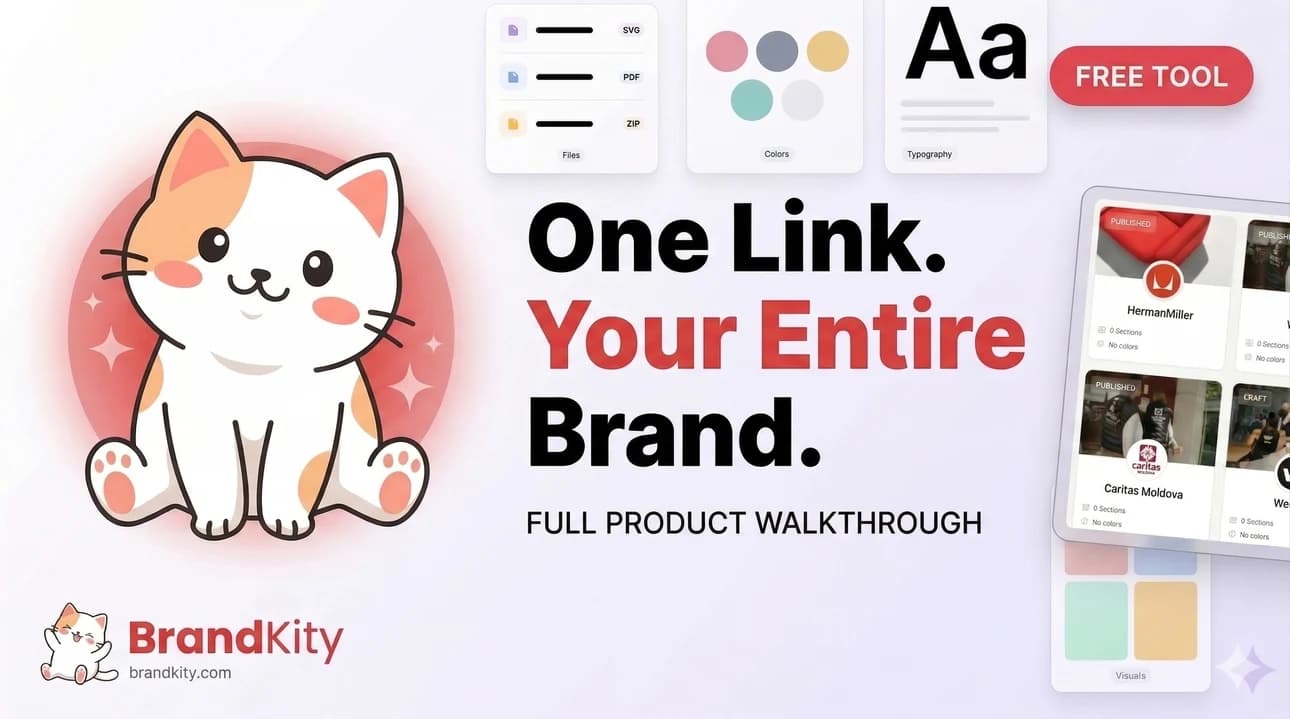
Table of contents
- Navigating the Brand Asset Landscape in 2026: Why Traditional DAM Falls Short
- The Evolving Demands on Brand Teams and Agencies
- The High Cost of Dispersed Brand Assets: From Logos to Guidelines
- The Shift Towards Unified Brand Delivery and Simplified Management
- Optimizing Brand Asset Management for Modern Agency Workflows
- Streamlining Client Onboarding and Project Kick-off
- Accelerating Creative Operations and Design Collaboration
- Building a Robust Brand Foundation: Asset Management for High-Growth Startups
- Establishing Brand Consistency from Day One Across all Channels
- Empowering Marketing and Product Teams with Self-Service Access
- Beyond Storage: The Strategic Advantage of Dynamic Brand Portals
- What Makes a True ‘Single Source of Truth’ for Your Brand?
- Interactive Brand Guidelines vs. Outdated Static PDFs
- Enhancing Brand Governance and Compliance Across Ecosystems
- Key Features and Capabilities for Best-in-Class Brand Asset Management in 2026
- Intuitive User Experience and Rapid Onboarding
- Advanced Asset Organization, Search, and Tagging
- Version Control, Permissions Management, and Secure Sharing
- Mastering Client Delivery and External Collaboration with Brand Assets
- Creating Custom Branded Hubs for Every Project and Client
- Simplified Sharing Through a Single, Shareable BrandKit Link
- Overcoming Common Pitfalls in Brand Asset Management for Agencies & Startups
- Eliminating Duplication, Outdated Files, and Brand Drift
- Reducing Friction in Creative Workflows and Approval Cycles
- Implementing a New Brand Asset Management System: A Practical Roadmap
- Defining Your Brand Asset Taxonomy and Organizational Structure
- Best Practices for Migrating Existing Assets Efficiently
- Fostering Adoption and Training Across Your Organization or Client Base
- Evaluating Platforms: Beyond Features, Towards Workflow Fit and Long-Term Value
- Assessing Usability, Learning Curve, and Support
- Understanding Pricing Models and Total Cost of Ownership
- Frequently Asked Questions About Brand Asset Management in 2026
- What distinguishes Brand Asset Management from traditional Digital Asset Management?
- What’s the typical ROI for implementing a modern BAM solution?
- Making Your Brand Future-Ready: Recommendations for Agencies and Startups in 2026
- Prioritizing Simplicity, Accessibility, and Client-Centric Design
- Embracing Tools that Adapt to Your Evolving Brand and Workflows
In the rapidly evolving digital landscape of 2026, effective brand asset management is no longer a luxury but a fundamental necessity for both agile agencies and burgeoning startups. As brand touchpoints multiply and the pace of content creation accelerates, the traditional methods of storing and sharing brand elements are proving increasingly inadequate. Organizations today face unprecedented challenges in maintaining brand consistency and operational efficiency.
This necessitates a strategic re-evaluation of how brand assets—from logos and typography to comprehensive guidelines and marketing collateral—are organized, accessed, and distributed. The key lies in moving beyond simple storage solutions to embrace dynamic, centralized platforms that serve as a true single source of truth, empowering teams and ensuring brand integrity across all channels.
Navigating the Brand Asset Landscape in 2026: Why Traditional DAM Falls Short
The Evolving Demands on Brand Teams and Agencies
Brand teams and creative agencies in 2026 operate under immense pressure. They must produce a greater volume of diverse content, for more channels, at a faster pace than ever before, all while maintaining pixel-perfect brand fidelity. This includes everything from high-resolution images and videos to interactive web components and augmented reality assets. Traditional Digital Asset Management (DAM) systems, often designed primarily for storage and archival, struggle to keep up with the demands of dynamic content creation and real-time collaboration. Agencies, in particular, need solutions that facilitate seamless client collaboration, version control, and rapid deployment across multiple client accounts, which many legacy systems simply cannot offer.
The High Cost of Dispersed Brand Assets: From Logos to Guidelines
The consequences of scattered and poorly managed brand assets are substantial. When logos are outdated, brand guidelines are inaccessible PDFs, or approved marketing materials are buried in disparate cloud folders, the operational overhead skyrockets. This leads to significant time wastage as designers search for files or recreate existing assets, and marketers deploy incorrect versions.
Example: A mid-sized agency estimates spending 15 hours per week collectively on asset retrieval and verification across its design and marketing teams. Over a year, this translates to over 750 lost hours, costing tens of thousands in billable time. Beyond efficiency, dispersed assets introduce critical risks of brand inconsistency and potential legal complications from using unapproved imagery or outdated disclaimers.
The Shift Towards Unified Brand Delivery and Simplified Management
Recognizing these limitations, the industry is rapidly shifting towards platforms that prioritize unified brand delivery and simplified management. Modern solutions go beyond mere storage; they are designed as intelligent brand portals that centralize every brand element, from core identity assets to comprehensive, interactive brand guidelines. This shift enables agencies to deliver client brand kits with a single shareable link, ensuring that all stakeholders—internal teams, clients, and external partners—always access the most current and approved assets. The goal is to establish a definitive
Optimizing Brand Asset Management for Modern Agency Workflows
Streamlining Client Onboarding and Project Kick-off
For agencies, the initial client onboarding phase can often be cumbersome, involving the collection and organization of a multitude of existing brand assets. A robust brand asset management platform transforms this process. Agencies can quickly set up dedicated client portals, inviting clients to upload assets directly or centralizing existing files with ease. This ensures that all necessary logos, color palettes, typography files, and existing marketing collateral are available from day one, eliminating frantic email chains and ensuring every team member has immediate access to the approved brand toolkit. This streamlined approach significantly reduces administrative burden and allows creative work to commence faster.
Accelerating Creative Operations and Design Collaboration
Modern creative workflows demand dynamic collaboration, and traditional file-sharing methods often hinder rather than help. A specialized brand asset management platform provides version control, commenting features, and clear approval workflows, enabling designers to iterate rapidly and receive feedback directly within the system. Integration with popular creative suites, such as those from Adobe, further accelerates operations by ensuring designers always pull the latest approved assets directly into their projects. This not only boosts design productivity but also drastically reduces the risk of using outdated or unapproved versions, a common pitfall in fast-paced agency environments. Learn more about
Building a Robust Brand Foundation: Asset Management for High-Growth Startups
Establishing Brand Consistency from Day One Across all Channels
For high-growth startups, establishing a consistent brand identity from the outset is paramount. In the early stages, brand assets can easily become fragmented across various teams and platforms as the company scales rapidly. A dedicated brand asset management system provides a centralized repository for all brand elements, ensuring that every touchpoint – from social media graphics and website elements to investor decks and product UI – adheres to a unified visual and verbal identity. This proactive approach helps startups build a strong, recognizable brand presence, fostering trust and market recognition from their very first customer interaction. It prevents costly rebrands or inconsistent messaging down the line.
Empowering Marketing and Product Teams with Self-Service Access
Startups often operate with lean teams, requiring maximum efficiency and autonomy. A key advantage of modern brand asset management is empowering marketing, product, and sales teams with self-service access to approved brand assets. Instead of waiting for a designer to provide a logo or a specific image, team members can quickly find, download, and utilize what they need, adhering to guidelines embedded directly within the portal. This decentralizes asset distribution without sacrificing brand control, allowing teams to react swiftly to market opportunities and accelerate content deployment. It reduces bottlenecks and frees up valuable design resources for more strategic creative work, which is critical for
Beyond Storage: The Strategic Advantage of Dynamic Brand Portals
What Makes a True ‘Single Source of Truth’ for Your Brand?
A true ‘single source of truth’ for brand assets extends far beyond a simple cloud storage folder or even a basic DAM system. It is a comprehensive, intelligently organized platform where every approved brand element—from vectors and raster images to fonts, color codes, tone-of-voice guidelines, and legal disclaimers—resides in one accessible location. This means assets are not just stored but are linked, contextualized, and presented with their associated usage rules and metadata. It’s about providing unambiguous clarity on what assets exist, how they should be used, and who has permission to access them, eliminating guesswork and ensuring absolute brand integrity across all touchpoints. This level of organization is vital for complex brand ecosystems.
Interactive Brand Guidelines vs. Outdated Static PDFs
The days of relying on static, often outdated, PDF brand guideline documents are rapidly fading. Modern brand portals offer interactive brand guidelines that are living documents, instantly updated across all users whenever changes are made. These dynamic guidelines can embed actual brand assets, provide live examples of usage, offer downloadable components, and even link directly to design files. This approach makes guidelines far more engaging and actionable for users, significantly reducing misinterpretations and ensuring consistent application of brand rules. It empowers anyone who interacts with the brand to be a steward of its identity, leading to greater adherence and a more cohesive brand presence.
Enhancing Brand Governance and Compliance Across Ecosystems
Effective brand governance and compliance are critical, especially for brands operating across diverse markets, with multiple partners, or large internal teams. Dynamic brand portals enhance this significantly by centralizing control over asset distribution and usage. Administrators can set granular permissions, track asset downloads, and push mandatory updates globally. This ensures that all regional teams, franchisees, or external vendors are always working with the latest approved assets and adhering to specific legal or marketing compliance requirements. By providing an easily auditable trail and consistent access to the right materials, brand portals become a powerful tool for mitigating brand risk and upholding overall brand integrity within complex ecosystems.
Key Features and Capabilities for Best-in-Class Brand Asset Management in 2026
Intuitive User Experience and Rapid Onboarding
A top-tier brand asset management (BAM) system in 2026 must prioritize an intuitive user experience (UX) that allows for rapid onboarding, especially crucial for agencies managing multiple clients and startups with lean teams. The learning curve should be minimal, enabling new users to navigate, upload, and retrieve assets efficiently without extensive training. This involves clear dashboard layouts, drag-and-drop functionality, and straightforward interfaces. For creative agencies, the ability to quickly onboard new team members or even clients onto the system is a significant differentiator, saving valuable time and resources. A platform that feels natural and accessible helps foster consistent usage and reduces the reliance on internal support, ensuring everyone can become a proficient brand steward without delay.
Advanced Asset Organization, Search, and Tagging
Effective brand asset management hinges on robust organizational capabilities. A leading system offers more than just folder structures; it includes sophisticated metadata management, AI-powered auto-tagging, and advanced search filters. Users should be able to search by file type, creation date, approval status, usage rights, and custom tags specific to their brand taxonomy. This ensures that creative teams can instantly locate the correct logo variation, campaign imagery, or approved brand guidelines. Pitfalls often arise from inconsistent tagging or a lack of a standardized taxonomy, leading to “digital clutter” where assets are lost or overlooked. A system like BrandKity simplifies this by allowing agencies and startups to establish a single source of truth with well-defined categories and searchable attributes, ensuring every asset is precisely where it needs to be.
Version Control, Permissions Management, and Secure Sharing
Maintaining brand consistency and integrity requires precise control over assets. Essential features include robust version control, which tracks every iteration of an asset, allowing users to revert to previous versions and view revision histories. This eliminates confusion over “final” files. Equally critical is granular permissions management, enabling administrators to define who can view, edit, download, or share specific assets. For agencies collaborating with external vendors or clients, secure sharing capabilities are paramount. This involves password-protected links, expiry dates for shared assets, and activity logs. Without these controls, agencies risk brand dilution from unauthorized use of outdated assets or accidental sharing of sensitive information. A strong BAM system mitigates these risks, providing peace of mind and upholding the brand’s reputation.
Mastering Client Delivery and External Collaboration with Brand Assets
Creating Custom Branded Hubs for Every Project and Client
For agencies and growing startups, delivering brand assets to clients or external stakeholders often becomes a fragmented process, involving endless email attachments or insecure cloud links. A superior brand asset management platform transforms this by enabling the creation of custom branded hubs or portals for each client or project. These dedicated, white-labeled environments serve as a centralized repository where clients can access only the assets relevant to them, pre-approved and perfectly organized. This eliminates confusion, ensures brand consistency, and elevates the professional presentation of an agency’s work. Example: An agency managing five distinct brands can create five separate, branded BrandKit portals, each with unique access permissions and a tailored selection of logos, guidelines, and marketing collateral, significantly enhancing the client experience. This also simplifies brand onboarding for new clients.
Simplified Sharing Through a Single, Shareable BrandKit Link
The days of compiling multiple files into ZIP archives or sending long lists of individual asset links are gone. Modern BAM systems streamline external sharing into a remarkably simple process: a single, shareable BrandKit link. This link grants access to a curated collection of assets, brand guidelines, and supporting documents, all within a professional, branded interface. This approach drastically reduces the friction associated with asset delivery, ensuring clients, media partners, or freelancers always receive the most current, approved versions. Critically, these links can be secured with passwords, expiry dates, and download restrictions, offering unparalleled control. The simplicity of a unified link not only improves workflow efficiency for agencies but also enhances the perceived professionalism and organization of their brand operations.
Overcoming Common Pitfalls in Brand Asset Management for Agencies & Startups
Eliminating Duplication, Outdated Files, and Brand Drift
One of the most pervasive challenges in brand asset management is the proliferation of duplicate and outdated files. This leads to confusion, wasted time searching for the “right” version, and ultimately, brand drift as incorrect assets are used. Agencies, especially, often face this when juggling multiple client projects. A dedicated BAM platform actively combats this by enforcing a single source of truth for all approved assets. Features like automatic versioning, clear asset lifecycle management, and mandatory metadata fields prevent rogue files from circulating. By centralizing assets and ensuring only the latest, approved versions are accessible, organizations can dramatically reduce the risk of brand inconsistency and the operational inefficiencies that arise from a scattered asset library.
Reducing Friction in Creative Workflows and Approval Cycles
Creative teams frequently encounter bottlenecks in their workflows due to inefficient asset handoffs and protracted approval cycles. Traditional methods often involve email chains, shared drives, and manual feedback compilation, leading to delays and miscommunications. A modern BAM system integrates seamlessly into creative workflows, providing tools for collaborative feedback, clear annotation, and streamlined approval processes. For example, designers using industry-standard creative tools can upload a new iteration, tag relevant stakeholders for review, and receive consolidated feedback directly within the platform. This reduces the need for external communication channels, minimizes revision rounds, and accelerates time-to-market for campaigns. By embedding asset management within the creative pipeline, friction is drastically reduced, allowing
Implementing a New Brand Asset Management System: A Practical Roadmap
Defining Your Brand Asset Taxonomy and Organizational Structure
Before migrating to any new brand asset management system, the foundational step is to meticulously define your brand asset taxonomy and organizational structure. This involves auditing existing assets, identifying key categories (e.g., logos, photography, video, templates), subcategories, and the metadata fields crucial for effective searching and filtering. For agencies, this might mean establishing a consistent structure across all clients, while startups might focus on scalability for future growth. A common pitfall is rushing this step, leading to a disorganized system post-migration. Take the time to map out naming conventions, tag schemas, and permission levels. This upfront planning ensures that when assets are uploaded, they are immediately categorized, searchable, and aligned with your operational workflows, making the system genuinely functional from day one.
Best Practices for Migrating Existing Assets Efficiently
Migrating a large volume of existing brand assets can be daunting, but following best practices ensures a smooth transition. First, clean up your existing library by archiving or deleting outdated, redundant, or unapproved files before migration. Only move what is truly necessary and current. Second, utilize any bulk upload or API integration capabilities offered by your chosen BAM platform to automate the process, rather than manual uploads. Third, ensure that during migration, all critical metadata (e.g., usage rights, creation date, keywords) is accurately transferred or manually applied. Example: An agency moving 10,000 assets might dedicate a week to cleaning and organizing, followed by a phased upload of high-priority assets first. This systematic approach minimizes downtime and ensures the integrity of your digital asset library.
Fostering Adoption and Training Across Your Organization or Client Base
The success of any new system hinges on its adoption by end-users. Implementing a new brand asset management platform requires a proactive strategy for fostering adoption and comprehensive training. This includes developing clear internal guidelines and best practices, conducting hands-on training sessions for all relevant teams (designers, marketers, project managers), and creating accessible help resources. For agencies, extending simplified training to key client contacts is equally vital. A common mistake is assuming users will naturally adapt; without proper guidance, they might revert to old, inefficient habits. Designating internal “brand champions” who can support peers and demonstrate the system’s benefits can significantly boost engagement. Emphasize how the platform simplifies workflows, improves consistency, and ultimately makes their jobs easier, ensuring everyone embraces the single source of truth for brand assets.
Evaluating Platforms: Beyond Features, Towards Workflow Fit and Long-Term Value
Assessing Usability, Learning Curve, and Support
When selecting a Brand Asset Management (BAM) platform in 2026, the ease with which your team and clients can adopt and utilize the system is paramount. Agencies and startups, often operating with lean teams and tight deadlines, cannot afford lengthy onboarding processes or complex interfaces. Prioritize solutions with intuitive interfaces, offering features like drag-and-drop functionality, clear categorization, and accessible search capabilities. A steep learning curve can lead to significant resistance and underutilization, negating any potential benefits. Furthermore, evaluate the quality and accessibility of customer support; look for vendors providing 24/7 assistance, comprehensive knowledge bases, and dedicated account management, especially crucial for managing single source of truth without performance bottlenecks or excessive administrative overhead.
Understanding Pricing Models and Total Cost of Ownership
Evaluating a BAM platform’s pricing requires a thorough understanding of its Total Cost of Ownership (TCO), not just the advertised subscription fee. Pricing models vary widely, from per-user or per-storage tiers to feature-based packages. Agencies and startups must account for potential hidden costs, including initial setup fees, data migration, implementation costs, and ongoing training expenses. Inquire about charges for exceeding storage limits, data transfer (egress) fees, and the cost of additional integrations or premium support. Transparent pricing that clearly outlines all potential expenditures is vital for budget predictability. Choosing a solution with clear, understandable pricing allows
Frequently Asked Questions About Brand Asset Management in 2026
What distinguishes Brand Asset Management from traditional Digital Asset Management?
While both Digital Asset Management (DAM) and Brand Asset Management (BAM) deal with the organization and storage of digital files, their scope and primary objectives differ significantly. Traditional DAM systems focus on the broad management of any digital asset, from raw photos and videos to documents and presentations, emphasizing searchability and archival. Brand Asset Management (BAM) is a specialized, brand-centric evolution of DAM. It specifically targets assets critical to a brand’s identity and consistency, such as logos, color swatches, typography, brand guidelines, and approved marketing templates. BAM platforms prioritize brand governance, streamlined distribution, and maintaining a creative agencies.
What’s the typical ROI for implementing a modern BAM solution?
The Return on Investment (ROI) from implementing a modern Brand Asset Management solution is often substantial and multifaceted. Tangible benefits include significant time savings for creative and marketing teams, who spend less time searching for or recreating assets – often translating to hours per week per individual. This directly reduces operational costs and boosts productivity. Furthermore, BAM minimizes the financial impact of off-brand communications by ensuring brand consistency, reducing costly reworks and potential reputational damage. Intangible benefits, though harder to quantify, are equally impactful: enhanced brand consistency across all channels, improved client satisfaction through streamlined delivery, and stronger brand equity. A robust
Making Your Brand Future-Ready: Recommendations for Agencies and Startups in 2026
Prioritizing Simplicity, Accessibility, and Client-Centric Design
For agencies and startups aiming for long-term success, the core principles guiding brand asset management in 2026 must be simplicity and accessibility. Cluttered interfaces and convoluted processes are no longer acceptable. A future-ready platform should be designed with the end-user in mind, whether that’s an internal team member or a client. Prioritize solutions that offer intuitive navigation, easy search functionality, and a minimal learning curve. Crucially, embrace platforms with strong client-centric design, exemplified by dedicated, customizable brand portals that make it effortless for external stakeholders to find and download approved brand elements. This approach not only streamlines operations but also fosters stronger relationships, ensuring that everyone can easily engage with and maintain your brand’s integrity.
Embracing Tools that Adapt to Your Evolving Brand and Workflows
The pace of change in the digital landscape demands that brand asset management tools are not rigid systems, but rather inherently flexible and adaptive. Agencies and startups should seek platforms that can evolve alongside their brand strategy and operational workflows. Look for solutions offering dynamic updates to brand guidelines, support for a wide array of file formats, and customizable metadata fields to accommodate unique organizational needs. Seamless integration capabilities with existing creative and marketing tech stacks, including popular creative design tools like those from Adobe, are essential for operational fluidity. The ideal BAM solution should act as an accelerator, enhancing your specific processes without forcing a paradigm shift, thereby making
This detailed exploration of brand asset management platforms highlights the critical need for a solution that transcends basic storage, focusing instead on workflow integration, scalability, and strategic value. For agencies and startups navigating the complexities of modern branding, choosing the right BAM system is paramount to achieving consistency, efficiency, and sustained growth in an increasingly dynamic market.
Saurabh Kumar
Founder, BrandKity
Saurabh writes about practical brand systems, faster client handoffs, and scalable workflows for designers and agencies building repeatable delivery operations.
Connect on LinkedIn