
Bynder vs BrandKity: Streamlining Brand Delivery for Agencies
In the dynamic world of brand development and marketing, agencies constantly grapple with the challenge of managing and delivering a multitude of bran…
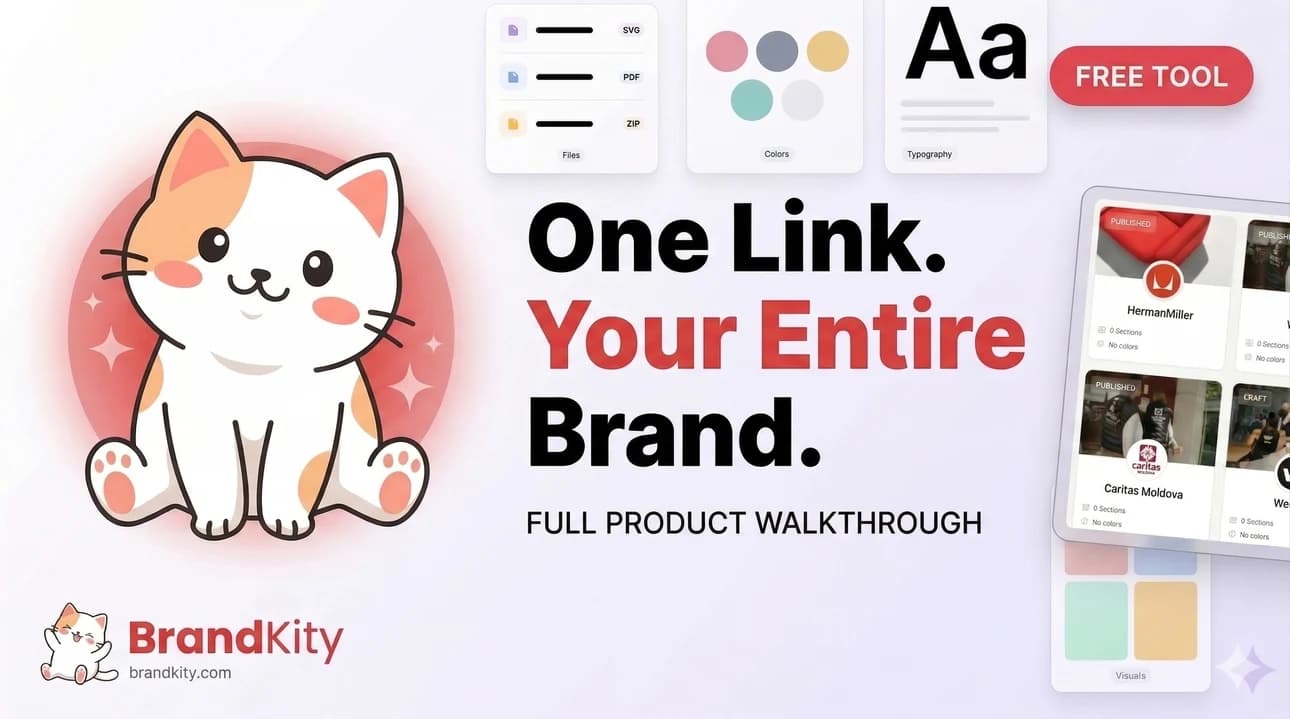
Table of contents
- The Brand Delivery Imperative: Why Agencies Need Dedicated Platforms
- The Cost of Disjointed Brand Assets and Client Handoff
- Bynder’s Robust Digital Asset Management: An Enterprise Perspective
- Core Features and Strengths for Large-Scale Asset Libraries
- Typical Use Cases: Global Brands and Complex Content Operations
- BrandKity’s Agile Focus: Streamlining Brand Delivery for Agencies & Startups
- The ‘Single Shareable BrandKit Link’ Advantage for Client Access
- Crafting Branded Portals as a Single Source of Truth for Any Project
- Client Handoff and External Collaboration: A Core Distinction
- Simplifying Brand Asset Sharing and Access Management for Agency Projects
- Usability, Onboarding, and Workflow Integration for Creative Teams
- Ease of Setup and Adoption for Agency Workflows
- Integrating Brand Asset Management into Design and Marketing Operations
- Brand Portal Capabilities: Creating a Centralized Brand Hub
- Customization and Brand Governance Within Shareable Portals
- Pricing Models and Scalability for Agency and Startup Growth
- Understanding the Investment: Enterprise DAM vs. Agency-Centric Solutions
- Scaling Brand Delivery as Your Agency’s Client Base Expands
- When BrandKity Excels: Client-Focused Delivery, Brand Portals, and Agile Teams
- Real-World Scenarios: Who Benefits Most From Each Platform?
- Making the Right Choice: Key Considerations for Your Agency’s Future
- Assessing Your Agency’s Specific Brand Asset Management & Delivery Needs
- A Practical Decision Framework for Selecting Your Ideal Platform
- Frequently Asked Questions About Brand Delivery Platforms
- How do these platforms support brand guidelines and governance?
- Can I migrate existing brand assets and projects easily?
- What about security, user permissions, and access control?
In the dynamic world of brand development and marketing, agencies constantly grapple with the challenge of managing and delivering a multitude of brand assets to clients. The sheer volume of logos, guidelines, imagery, and video content can quickly become unwieldy, leading to inefficiencies and inconsistencies. This necessitates a strategic approach to digital asset management and brand delivery.
Choosing the right platform to streamline these critical operations is not merely a matter of convenience; it’s a decision that directly impacts an agency’s productivity, client satisfaction, and ultimately, its bottom line. This comparison delves into Bynder and BrandKity, examining how each platform addresses the complex needs of modern brand delivery for diverse organizational scales.
The Brand Delivery Imperative: Why Agencies Need Dedicated Platforms
The Cost of Disjointed Brand Assets and Client Handoff
For agencies, the operational toll of managing disparate brand assets across various tools—from cloud storage folders to email attachments—is substantial. This fragmented approach often leads to wasted time and resources as teams hunt for the latest logo version or struggle with outdated brand guidelines. Beyond internal inefficiencies, the impact on client relationships can be severe. Picture an agency client receiving an outdated brand manual or an incorrect asset for a crucial campaign; such instances erode trust and can damage an agency’s professional reputation. The financial implications are equally significant, encompassing rework costs, project delays, and the potential loss of future business due to perceived incompetence. A lack of a
Example: A mid-sized digital marketing agency, ‘Innovate Media,’ found that 15% of their project hours were spent on asset retrieval and version control issues across their 10 active client accounts. This translated to approximately $50,000 in lost billable hours annually, alongside numerous client complaints regarding delayed deliverables. Implementing a dedicated seamless experience for asset retrieval that mirrors the efficiency of consumer-grade digital services. They anticipate finding all brand elements—from precise color codes and typography specifications to video files and social media templates—within a centralized, easily navigable portal. This shift reflects a broader trend towards transparency and empowering clients with direct control over their brand elements, ensuring adherence to brand guidelines and fostering greater independence in their marketing efforts. Agencies that fail to meet these expectations risk appearing technologically behind and less client-centric.
Bynder’s Robust Digital Asset Management: An Enterprise Perspective
Core Features and Strengths for Large-Scale Asset Libraries
Bynder stands out as a powerful enterprise Digital Asset Management (DAM) solution, built to handle the complexities of vast content libraries and intricate global operations. Its strength lies in its comprehensive feature set, designed for large organizations with extensive brand portfolios. Key functionalities include advanced search and filtering capabilities, often powered by AI tagging for automated metadata application, which dramatically improves asset discoverability. Bynder offers robust version control, sophisticated user permissions, and elaborate workflow management tools that facilitate collaboration across large teams and multiple departments. It integrates deeply with various marketing technology stacks, including CMS, PIM, and marketing automation platforms, enabling a seamless content lifecycle from creation to distribution. Its strong focus on brand governance ensures that assets are used consistently across all touchpoints, critical for maintaining brand integrity at scale.
For large corporations, Bynder provides enterprise-grade security, scalability, and compliance features, ensuring data protection and meeting regulatory requirements. The platform supports a wide array of file types, including high-resolution images, video, and 3D assets, making it suitable for companies with rich media demands. The ability to create dynamic templates also empowers global teams to localize content while maintaining core brand elements, reducing the need for constant creative intervention. This level of control and automation makes Bynder an ideal choice for organizations prioritizing centralized control and complex content workflows across diverse regional markets.
Typical Use Cases: Global Brands and Complex Content Operations
Bynder is predominantly favored by global enterprises and large organizations that manage extensive brand portfolios and require sophisticated digital asset governance. Consider multinational corporations like Canon or Five Guys (as per public information on their client base on Bynder’s website) that operate across numerous countries, each potentially with localized marketing campaigns and diverse regulatory environments. Such entities benefit immensely from Bynder’s ability to serve as a singular repository for all approved brand assets, ensuring consistency regardless of geographic location or marketing channel. Another common use case involves complex content operations in industries such as media and entertainment, retail, or manufacturing, where managing vast quantities of rich media, product imagery, and marketing collateral is a daily challenge. Bynder’s integration capabilities allow it to seamlessly fit into existing enterprise ecosystems, automating processes from content creation to final distribution. It is particularly well-suited for scenarios demanding robust API access, custom integrations, and the support of a dedicated account management team for complex deployments.
BrandKity’s Agile Focus: Streamlining Brand Delivery for Agencies & Startups
The ‘Single Shareable BrandKit Link’ Advantage for Client Access
BrandKity revolutionizes brand asset delivery for agencies and startups through its innovative ‘single shareable BrandKit link.’ This core feature fundamentally simplifies the process of providing clients with access to their brand assets. Instead of cumbersome email attachments or complex login portals, agencies can generate one secure link that grants immediate access to an organized, branded collection of files. This approach dramatically reduces client friction and support requests related to asset retrieval, as clients no longer need to navigate through unfamiliar interfaces or remember additional credentials. The BrandKit link acts as a live, always-up-to-date portal, ensuring that clients always access the latest versions of logos, brand guidelines, and marketing materials. This instant accessibility empowers clients to manage their brand consistency with unprecedented ease, fostering a more independent and satisfied client base. For agencies, it means less time spent on administrative tasks and more time focused on creative execution and strategy.
This simplicity is a significant differentiator, especially for agencies working with numerous clients or startups that need to quickly disseminate their brand elements to investors, partners, and early adopters. The BrandKit link supports various asset types, including vector files, high-resolution imagery, video snippets, and detailed brand identity documents, all presented cohesively under the client’s brand. It transforms what was once a multi-step, error-prone handoff into a streamlined, self-service experience, reinforcing the agency’s professionalism and efficiency. The ability to update assets in the BrandKit and have those changes immediately reflected for anyone with the link ensures unparalleled version control and brand consistency.
Crafting Branded Portals as a Single Source of Truth for Any Project
BrandKity’s strength lies in its ability to enable agencies and startups to craft fully branded portals that serve as a true brand governance from the outset. For a freelance designer, this means providing clients with an accessible, professional platform that elevates their service delivery, rivaling larger agency capabilities.
The ability to create distinct portals for different clients or even different projects for the same client is incredibly powerful. For instance, an agency managing multiple sub-brands for a client can create individual, branded BrandKits for each, ensuring clarity and preventing cross-contamination of assets. These portals are not just repositories; they are interactive guides that help users understand and apply brand elements correctly. They eliminate common client pain points like searching for the correct font file or the specific shade of a brand color. By consolidating all brand elements into one intuitive, branded space, BrandKity empowers agencies to deliver a superior client experience and maintain unparalleled brand consistency across all outputs. This focus on simplified, branded delivery is precisely what distinguishes BrandKity for agile teams.
Client Handoff and External Collaboration: A Core Distinction
Simplifying Brand Asset Sharing and Access Management for Agency Projects
The core distinction between Bynder and BrandKity often surfaces in how they approach client handoff and external collaboration. Bynder, with its enterprise-grade architecture, typically involves more structured processes for external sharing, often requiring user accounts and specific permission settings within its robust DAM framework. While highly secure and granular, this can introduce a learning curve for external clients who may only need occasional asset access. For agencies managing large, complex projects with multiple external stakeholders—each requiring different access levels to various asset groups—Bynder’s detailed permissions are a strength. However, for a typical agency-to-client handoff, this level of complexity can be an overhead.
BrandKity, conversely, prioritizes simplicity and immediate access, making it highly effective for agencies and startups. The ‘single shareable BrandKit link’ eliminates the need for clients to create accounts or navigate complex permission settings. Agencies can simply share a link, and clients instantly access a branded portal containing all necessary assets. This approach is particularly advantageous for rapid client onboarding, quick asset updates, and ensuring that brand guidelines are consistently applied by external partners without significant technical friction. The focus here is on expedited client delivery and ease of use, making the process of sharing
BrandKity excels in alleviating these issues by maintaining a live, dynamic single source of truth through its branded portals. When an agency updates an asset within BrandKity, that change is immediately reflected for anyone accessing the BrandKit link. This eliminates the risk of clients using outdated versions, as they always see the most current assets. The intuitive organization within the branded portal means clients can self-serve, finding logos, color palettes, or guidelines without needing agency intervention. For example, if a client needs a specific social media template, they simply navigate to the ‘Social Media’ section of their BrandKit. This proactive approach to asset management not only enhances client satisfaction but also frees up significant agency time previously spent on reactive asset support, ensuring smoother project execution and greater adherence to brand standards across all external touchpoints. This focus on proactive pain point elimination is a cornerstone of BrandKity’s value proposition for agencies.
Usability, Onboarding, and Workflow Integration for Creative Teams
Ease of Setup and Adoption for Agency Workflows
Bynder, as an enterprise-grade Digital Asset Management (DAM) solution, typically involves a more extensive setup process, demanding significant upfront investment in configuration and potentially specialized IT support. Its complexity is designed to manage vast and intricate asset libraries, often requiring dedicated training for full user adoption. For agencies, this can translate into a longer time-to-value, especially for smaller or mid-sized teams without dedicated DAM administrators. The learning curve for Bynder’s comprehensive feature set can be steep, impacting initial productivity.
Conversely, BrandKity prioritizes simplicity and rapid deployment, recognizing the fast-paced nature of agency work. Its design focuses on intuitive user interfaces and straightforward asset organization, allowing creative teams to onboard quickly and begin managing client brands almost immediately. Agencies can establish branded portals and share assets with minimal training, drastically reducing setup friction. This ease of adoption makes BrandKity particularly attractive for agencies looking to streamline their brand delivery without the overhead associated with complex enterprise systems. The platform’s emphasis on a single, shareable BrandKit link inherently simplifies internal processes and client interactions.
Integrating Brand Asset Management into Design and Marketing Operations
Integrating Bynder into existing design and marketing operations often involves deeper API-level integrations with other enterprise software such as CRM, PIM, or robust marketing automation platforms. While powerful, these integrations usually require development resources and a structured approach, typical of larger organizations. Creative teams leveraging Adobe Creative Cloud, for instance, can connect to Bynder, but the overall workflow might still feel more aligned with a large corporate ecosystem than an agile agency environment. The power lies in its extensive feature set for metadata, rights management, and lifecycle automation, which can be overkill for many agency needs.
BrandKity, on the other hand, is built with agency and startup workflows in mind, focusing on seamless integration into daily creative and marketing tasks. Its core strength lies in providing a single source of truth for all brand assets, accessible via a simple link, eliminating the common pain points of scattered files and outdated brand versions. This approach integrates naturally with how agencies already collaborate, allowing designers to quickly access logos, typography, and guidelines, while marketing teams can easily pull approved assets for campaigns. The platform acts as a central hub, improving collaboration and significantly reducing time spent searching for or verifying assets. This streamlined integration makes
Brand Portal Capabilities: Creating a Centralized Brand Hub
Customization and Brand Governance Within Shareable Portals
Bynder offers highly customizable brand portals, often referred to as “brand guidelines” or “asset portals,” which can be tailored to various internal and external stakeholders. These portals provide extensive options for layout, content modules, and user permissions, allowing large enterprises to enforce stringent brand governance rules across diverse teams and regions. The level of detail and control means that Bynder can precisely dictate how assets are used, including usage rights, version control, and expiration dates. However, this deep customization often requires significant configuration effort, potentially involving template design and ongoing maintenance, making it more suited for organizations with complex brand compliance requirements and dedicated brand management resources.
BrandKity focuses on empowering agencies and startups to create intuitive, shareable BrandKits that serve as a true single source of truth for their clients’ brands. These portals are designed for rapid setup and easy sharing, offering essential customization options to reflect the client’s brand identity without overwhelming complexity. Agencies can quickly set up branded environments showcasing logos, color palettes, typography, and comprehensive brand guidelines in an elegant, accessible format. The emphasis is on clear presentation and ease of access, ensuring that external partners and clients always interact with the most current and approved brand elements. This approach simplifies brand integrity at an enterprise scale, especially for regulated industries or those with extensive localization needs. Pitfalls can arise from the sheer complexity, where initial setup errors or insufficient training might inadvertently lead to inconsistencies.
BrandKity excels in ensuring brand consistency by providing a straightforward, client-facing portal that aggregates all critical brand elements in one accessible location. By consolidating logos, style guides, and approved marketing assets into a flawless brand experiences consistently across all client touchpoints, from social media graphics to print collateral.
Pricing Models and Scalability for Agency and Startup Growth
Understanding the Investment: Enterprise DAM vs. Agency-Centric Solutions
Bynder’s pricing model typically reflects its enterprise-grade capabilities, often involving custom quotes based on the number of users, storage volume, features required, and specific integration needs. This positions Bynder as a significant investment, justifiable for large corporations with complex digital asset ecosystems and global operations. The total cost of ownership extends beyond the license fee to include implementation services, ongoing training, and potential internal IT resources. While providing unparalleled power for extensive digital asset management, this cost structure can be prohibitive for many agencies and startups, whose budgets and operational scales are fundamentally different from multinational enterprises. Potential pitfalls include over-investing in features that an agency may never fully utilize.
BrandKity’s pricing model is structured to be transparent, accessible, and scalable for agencies, freelancers, and startups. It typically offers tiered subscription plans based on factors like the number of BrandKits, users, and storage, avoiding the complexity of custom enterprise contracts. This predictable pricing allows agencies to budget effectively and scale their usage as their client roster grows. The investment is focused on core agency needs: efficient brand delivery, client collaboration, and streamlined asset management, rather than broad enterprise functionality. This makes BrandKity an attractive cost-effective solution for businesses prioritizing agility and specific brand delivery workflows without the burden of enterprise-level expenses.
Scaling Brand Delivery as Your Agency’s Client Base Expands
Scaling with Bynder for an expanding agency client base would typically involve renegotiating contracts, increasing storage, and potentially adding more user licenses, each step contributing to a higher operational cost. While Bynder can certainly handle a massive volume of assets and users, the administrative overhead and financial commitment required for incremental scaling might present challenges for agencies seeking rapid, flexible growth. The platform is designed for deep integration into a large, established organizational structure rather than rapid onboarding of many individual client brands. Agencies might find themselves paying for capabilities that exceed their immediate client delivery needs, creating a discrepancy between value and cost for specific agency use cases.
BrandKity is inherently designed for agencies and startups to scale their brand delivery efficiently as their client base expands. Its core value proposition revolves around easily creating and managing multiple, distinct BrandKits for different clients, each accessible via its unique shareable link. As an agency acquires new clients, adding a new BrandKit is a straightforward process, allowing them to rapidly onboard new brands and centralize their assets without significant setup hurdles or disproportionate cost increases. This agile scalability ensures that agencies can maintain brand consistency and professionalism across an increasing number of client engagements, supporting sustained business growth without encountering bottlenecks related to asset management infrastructure. This focus on easy client delivery positions BrandKity as a robust solution for industrial scale.
Example: A Fortune 500 automotive manufacturer needs to manage 2 million high-resolution images, 50,000 marketing videos, and 100,000 localized print assets across 30 countries. They require strict version control, audit trails for regulatory compliance, and seamless integration with their global marketing automation and product information systems. Bynder’s enterprise-level architecture and deep integration potential with systems like Adobe Creative Cloud make it the ideal fit for this scale and complexity, ensuring brand consistency and legal compliance worldwide.
When BrandKity Excels: Client-Focused Delivery, Brand Portals, and Agile Teams
BrandKity is purpose-built for creative agencies, freelance designers, marketing teams within startups, and businesses that prioritize streamlined brand delivery and client collaboration. It excels in scenarios where the primary need is to organize, manage, and share brand assets with clients and external partners efficiently, typically without the enterprise-level complexity or budget of Bynder. Agencies managing multiple client brands will find its BrandKit-centric approach invaluable for creating a central, easily shareable hub for each client’s brand guidelines, logos, typography, and marketing assets. It’s perfect for teams that need to ensure brand consistency across various deliverables and client touchpoints with minimal overhead.
Example: A rapidly growing digital marketing agency with 25 active clients frequently needs to share updated logos, brand guidelines, and campaign assets with clients, media buyers, and content creators. They struggled with sending large files via email, managing different versions in cloud storage, and ensuring everyone had access to the latest approved assets. BrandKity provides them with a dedicated, branded BrandKit for each client, accessible via a single link. This drastically reduces administrative time, eliminates version control issues, and ensures all stakeholders consistently use the correct and current brand assets, enhancing client satisfaction and project efficiency. BrandKity supports their agile workflow and client-focused brand management.
Real-World Scenarios: Who Benefits Most From Each Platform?
Bynder is the unequivocal choice for large enterprises, global corporations, and highly regulated industries that demand robust digital asset management capabilities, stringent security, and extensive integration potential. Companies with complex brand ecosystems, high volumes of digital content, and a global footprint will find Bynder’s scalability, advanced analytics, and powerful automation indispensable for maintaining brand consistency, ensuring compliance, and optimizing content workflows across diverse teams and regions. Its value shines in organizations where digital assets are mission-critical and require enterprise-grade governance, version control, and multi-channel distribution.
Conversely, BrandKity is perfectly suited for creative agencies, marketing teams within small to medium-sized businesses, startups, and individual freelancers who prioritize efficient client collaboration and streamlined brand asset delivery. If your primary need is to create easily accessible, branded hubs for clients to retrieve logos, guidelines, and campaign assets, BrandKity offers an intuitive and cost-effective solution. It’s ideal for agile teams looking to simplify sharing, reduce administrative overhead related to asset distribution, and ensure brand consistency across various client projects without the extensive feature set or investment required by an enterprise DAM system.
Making the Right Choice: Key Considerations for Your Agency’s Future
Assessing Your Agency’s Specific Brand Asset Management & Delivery Needs
Selecting the optimal brand delivery platform requires a thorough introspection of your agency’s unique operational landscape and client requirements. Begin by pinpointing existing inefficiencies: are designers constantly searching for the latest logo version? Are clients receiving outdated brand guidelines in scattered PDFs? Consider the volume and variety of assets you manage, from static images and typography guides to video clips and interactive templates. An agency handling high volumes of multimedia content for diverse clients will have different demands than one primarily focused on corporate branding. Evaluate your current team size, the number of clients you serve, and the frequency of asset updates. Understanding your agency’s pain points and growth trajectory is paramount to choosing a system that genuinely streamlines brand asset management for agencies and enhances delivery workflows.
Furthermore, assess integration capabilities with your existing technology stack. Does the platform need to integrate seamlessly with project management software, design tools like Adobe Creative Cloud, or client communication portals? A robust solution should support a single source of truth for all brand assets, ensuring that every team member and client always accesses the most current and approved versions. Overlooking specific asset types or critical integrations can lead to shadow IT solutions and fragmented brand experiences, defeating the purpose of adopting a dedicated platform. Prioritize platforms that simplify client handoff processes and provide clear, intuitive access to brand elements.
A Practical Decision Framework for Selecting Your Ideal Platform
Once you’ve assessed your needs, apply a structured decision framework to compare potential platforms. Start by defining your non-negotiable requirements, such as essential features (e.g., custom branding for client portals, robust search filters, version control) and budget constraints. Conduct free trials or request demos to experience the user interface and core functionalities firsthand. Pay close attention to the onboarding process and the ease of setting up brand kits and inviting clients; a complex setup can hinder adoption. Consider scalability – will the platform support your agency’s growth over the next five years without prohibitive cost increases or performance bottlenecks?
Beyond features, evaluate the vendor’s customer support and reputation. Responsive support is critical for troubleshooting and maximizing platform utilization. Examine the pricing structure carefully: some platforms charge per user, others by asset volume or storage. Pitfalls often include underestimating data migration complexity or overlooking the need for ongoing training and adoption within the agency. Example: Agency “DesignFusion” initially chose a platform based solely on price, only to find its limited client portal customization and slow asset loading times alienated key clients, costing them more in client retention efforts than the platform savings. Prioritize platforms that offer intuitive client delivery portals, robust organizational features, and clear paths to creating a single source of truth for brand operations.
Frequently Asked Questions About Brand Delivery Platforms
How do these platforms support brand guidelines and governance?
Brand delivery platforms are fundamentally designed to enforce and maintain brand guidelines and governance across all touchpoints. They achieve this by centralizing all brand assets—logos, color palettes, typography, imagery, and usage instructions—within a secure, accessible portal. Agencies can upload detailed brand books, create interactive style guides, and even embed video tutorials directly into the platform. This ensures that every stakeholder, from internal design teams to external vendors and clients, always accesses the latest approved version of any asset or guideline. Built-in version control prevents the use of outdated materials, significantly reducing instances of brand inconsistencies. Many platforms allow for granular permissions, dictating who can view, download, or edit specific assets, further strengthening governance. Rules for asset usage, such as minimum clear space around a logo or approved color combinations, can be explicitly stated and easily referenced, fostering greater adherence to brand standards.
Can I migrate existing brand assets and projects easily?
The ease of migrating existing brand assets and projects varies significantly between platforms, but most modern solutions offer robust tools to simplify this process. Typically, agencies can perform bulk uploads of files, either through a drag-and-drop interface or via FTP for larger datasets. The critical step during migration is implementing a consistent metadata tagging strategy. Properly tagged assets ensure discoverability and organization post-migration. Platforms often provide CSV import/export functionalities for metadata, allowing you to prepare your asset information offline before upload. Some advanced platforms also offer API access, enabling more complex integrations and automated migration from legacy systems or existing cloud storage solutions. While migrating hundreds or thousands of assets can be a significant undertaking, planning a clear folder structure and tagging taxonomy beforehand will make the transition smoother and ensure your new platform immediately becomes a highly functional centralized asset hub.
What about security, user permissions, and access control?
Security, user permissions, and access control are paramount features in any reputable brand delivery platform, especially when dealing with sensitive client brand assets. These platforms typically employ enterprise-grade security measures, including data encryption (both in transit and at rest), secure hosting environments, and regular security audits. For access control, most offer role-based permissions, allowing administrators to define specific roles (e.g., “Admin,” “Editor,” “Viewer,” “Client”) with predefined levels of access. This means you can grant a client access only to their specific brand assets and guidelines, while an internal designer might have broader editing rights. Furthermore, granular permissions often allow for controlling access down to individual files, folders, or specific features (like downloading in certain formats). Secure sharing options, such as password-protected links with expiry dates, ensure that shared assets don’t remain accessible indefinitely or fall into the wrong hands, providing robust data protection and peace of mind for agencies and their clients alike.
Choosing the right brand delivery platform is a strategic investment in your agency’s future efficiency, client satisfaction, and brand consistency. By carefully evaluating your needs, leveraging a structured decision framework, and understanding key features like security and migration, you can select a solution that truly empowers your team.
For more insights and comparisons on optimizing your brand asset workflows, explore the resources available at blog.brandkity.com.
Saurabh Kumar
Founder, BrandKity
Saurabh writes about practical brand systems, faster client handoffs, and scalable workflows for designers and agencies building repeatable delivery operations.
Connect on LinkedIn