
How Does Brand Asset Management Software Organize Client Brands?
Agencies and creative teams routinely grapple with an ever-growing volume of client brand assets. From initial logo concepts to extensive brand guidel…
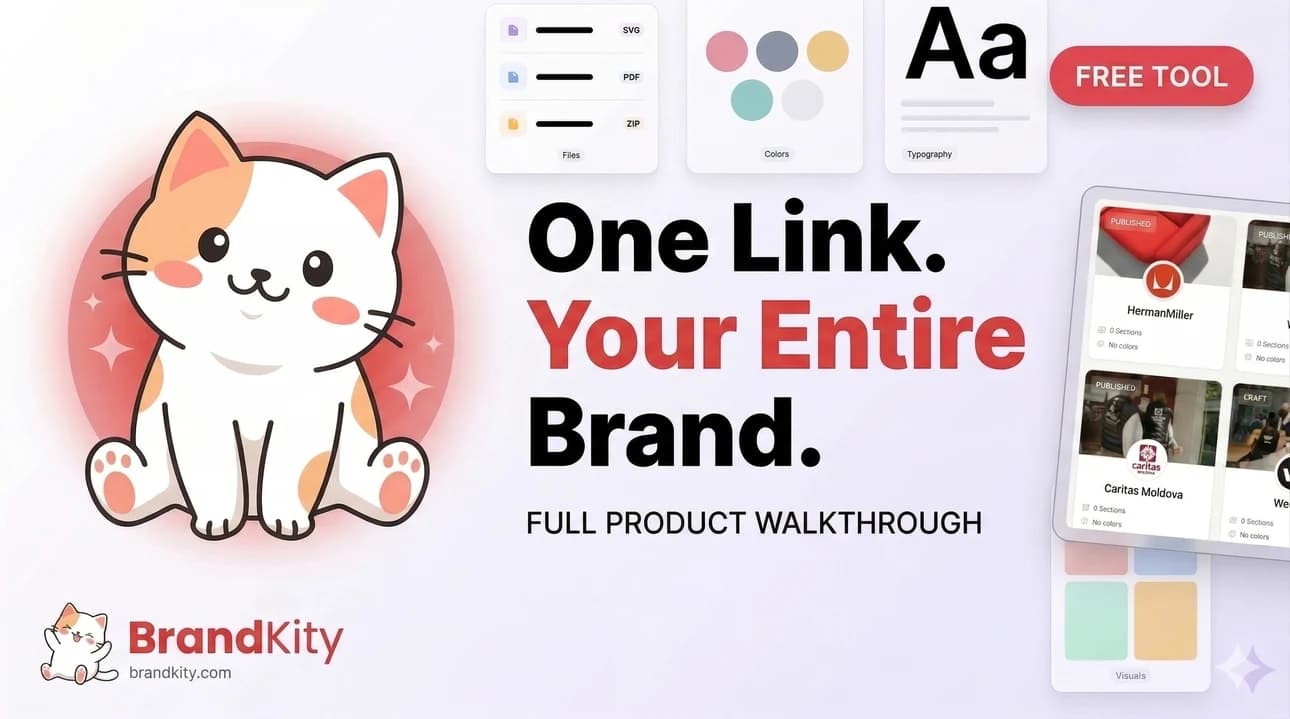
Table of contents
- From Scattered Files to Strategic Assets: Why Centralized Brand Management is Essential for Client Work
- The Pervasive Challenge of Dispersed Client Brand Information
- Elevating Client Relationships Through Organized Brand Assets
- Defining the Brand Asset Landscape for Diverse Client Portfolios
- Categorizing Core and Auxiliary Client Brand Assets (Logos, Guidelines, Media)
- Understanding the Life Cycle of Client Brand Assets
- The ‘Single Source of Truth’ Paradigm for Client Brands
- Eliminating Version Control Headaches and Outdated Deliverables
- Structuring Client Brands Within a BAM Platform for Optimal Access
- Implementing Dedicated Brand Portals for Each Client
- Granular Permissioning and Access Control for Client Handoffs and Teams
- Centralizing Brand Guidelines and Style Guides
- Streamlined Workflow Automation and Approval Processes
- Streamlining Client Delivery and Handoff with Modern Brand Portals
- The Power of a Single Shareable BrandKit Link for Instant Access
- Ensuring Clients Always Access Approved and Up-to-Date Assets
- Customizing Brand Portal Experiences for Diverse Client Needs
- Maintaining Brand Consistency Across All Client Touchpoints
- Automating Brand Guideline Adherence Within the Platform
- Empowering Self-Service for Client Teams and External Partners
- Integrating BAM into Agency and Startup Workflows for Seamless Operations
- Onboarding New Client Brands with Speed and Efficiency
- Enhancing Creative Review, Approval, and Feedback Loops
- Scaling Brand Management Across Multiple Clients and Projects
- Measuring the Impact: The ROI of Organized Client Brands
- Quantifying Time Savings on Asset Requests and Searches
- Mitigating Brand Inconsistencies, Errors, and Rework
- Elevating Client Satisfaction and Strengthening Long-Term Partnerships
- Choosing the Right BAM Solution for Your Client Portfolio
- Key Features for Agency, Startup, and Enterprise Needs
- Common Pitfalls in Client Brand Management and How to Avoid Them
- Overcoming Resistance to New Systems and Processes
- Addressing Security, Compliance, and Data Governance Concerns
Agencies and creative teams routinely grapple with an ever-growing volume of client brand assets. From initial logo concepts to extensive brand guidelines, managing these diverse files across multiple clients often devolves into a chaotic maze of emails, cloud folders, and local drives. This fragmentation not only hinders efficiency but also jeopardizes brand consistency and client trust.
In the fast-paced world of brand development and marketing, a structured approach to asset management is no longer a luxury but a fundamental requirement. Modern brand asset management (BAM) software offers the robust framework needed to transform scattered client files into strategically organized, easily accessible resources, ensuring every team member and client always works with the most accurate and up-to-date brand elements.
From Scattered Files to Strategic Assets: Why Centralized Brand Management is Essential for Client Work
The Pervasive Challenge of Dispersed Client Brand Information
The digital landscape has amplified the complexity of managing client brand assets. Without a centralized system, teams commonly store logos, imagery, fonts, and brand guidelines across disparate locations such as shared network drives, various cloud storage platforms, email attachments, and even individual desktops. This pervasive dispersion inevitably leads to issues like using outdated versions, difficulties in locating specific files, and significant time wasted searching. A critical pitfall is the degradation of institutional knowledge; when team members move on, their locally stored client assets often vanish or become untraceable, necessitating costly re-creation or extensive searches. Such disorganization directly impacts project timelines and can erode client confidence.
Elevating Client Relationships Through Organized Brand Assets
Adopting a centralized brand management platform transforms this chaotic scenario into a streamlined, professional operation. By consolidating all client brand elements into one accessible repository, agencies can ensure unwavering brand consistency across all deliverables, from social media campaigns to print advertisements. This approach minimizes errors, accelerates review cycles, and fosters greater collaboration both internally and with clients. When clients observe an agency’s ability to swiftly access and deploy their correct brand assets, it significantly boosts their perception of professionalism and trust. Ultimately, organized brand assets enable agencies to provide a superior client delivery experience, strengthening long-term partnerships and solidifying their reputation.
Defining the Brand Asset Landscape for Diverse Client Portfolios
Categorizing Core and Auxiliary Client Brand Assets (Logos, Guidelines, Media)
Effectively organizing client brands within a BAM platform begins with a clear understanding of what constitutes a brand asset. These typically fall into two categories: core brand assets and auxiliary assets. Core assets include foundational elements such as primary and secondary logos, complete brand guidelines documents (detailing typography, color palettes, and usage rules), and official iconography. Auxiliary assets encompass supporting materials like photography libraries, video clips, marketing templates, voice and tone guides, and campaign-specific graphics. Properly categorizing these assets, perhaps by format or usage, ensures that the most critical components are easily distinguishable and accessible, preventing misuse or misinterpretation by various stakeholders. For instance, a main brand logo will have different access and usage rules compared to a seasonal campaign banner, making structured categorization essential.
Understanding the Life Cycle of Client Brand Assets
Every client brand asset follows a distinct life cycle, which a robust BAM platform must manage. This cycle typically includes creation, storage, distribution, usage, and eventual archival or update. During creation, assets are generated according to brand specifications. They are then stored securely within the BAM system, often with metadata. Distribution involves sharing assets with internal teams, clients, and external vendors, ensuring they receive the correct versions through secure links or portals. Usage tracks how assets are employed across different channels, while the archival or update phase addresses their retirement or modification. A key decision criterion for BAM software is its ability to support comprehensive version control throughout this entire cycle, ensuring that outdated assets are never inadvertently used and that an audit trail of changes is maintained. This holistic management guarantees the longevity and integrity of each client’s brand.
The ‘Single Source of Truth’ Paradigm for Client Brands
Eliminating Version Control Headaches and Outdated Deliverables
One of the most significant advantages of a BAM platform is establishing a single source of truth for all client brand assets. This paradigm means that every approved and current asset resides in one central location, accessible to all authorized users. The traditional method of distributing files via email or disparate cloud folders inevitably leads to “version control headaches,” where teams mistakenly use older iterations of logos or outdated guidelines. This can result in costly reworks, client dissatisfaction, and, most critically, dilution of the client’s brand identity. A BAM system actively mitigates this by allowing only the latest approved versions to be available, often displaying past versions for reference but clearly marking the current one. Implementing strict version control within the platform is an actionable step that immediately improves workflow efficiency and accuracy. To understand more about this approach, explore why brand asset management software is your
Structuring Client Brands Within a BAM Platform for Optimal Access
Implementing Dedicated Brand Portals for Each Client
For agencies managing multiple clients, the ability to create dedicated brand portals within a BAM platform is transformative. Instead of a generic repository, each client receives a customized, secure online space where all their specific brand assets, guidelines, and related documentation are housed. This approach offers a clear separation of client brands, preventing cross-contamination of assets and simplifying access management. For instance, a creative agency can set up a unique BrandKit for each client, granting them direct access to their approved assets, review new deliverables, and download what they need, all within a branded environment. This not only enhances the client experience but also significantly improves agency workflows by centralizing client communication and asset distribution. For a deeper dive into this, consider why agencies need a
Granular Permissioning and Access Control for Client Handoffs and Teams
A critical feature for client work within a BAM platform is granular permissioning and access control. Agencies need the flexibility to define who can view, download, edit, or upload specific assets for each client. This is particularly vital during client handoffs, where control over certain assets might transfer, or when collaborating with various internal teams and external vendors. For instance, a client might have view-only access to brand guidelines but full download rights for approved marketing images, while an external printer only sees print-ready files. Robust permission settings ensure that sensitive or unapproved assets remain protected, minimizing risks and streamlining processes like client handoffs and collaborative team projects. It safeguards brand integrity and simplifies compliance.
Centralizing Brand Guidelines and Style Guides
A BAM platform isn’t just for assets; it’s also the ideal repository for all brand guidelines and style guides. By centralizing these critical documents within the same system that houses the assets, agencies ensure that every stakeholder – from internal design teams to external client marketers – always references the most current and approved brand standards. This integration means there’s no confusion about logo usage, color palettes, typography, or tone of voice, drastically reducing brand inconsistencies and rework. Clients can easily access their full brand bible alongside their assets, fostering greater adherence and speeding up content creation and approval cycles. A well-organized BAM system transforms static guideline documents into dynamic, accessible resources that actively protect and promote brand integrity across all touchpoints. For more on this, see how a BAM solution acts as a single source of truth for branding.
Streamlined Workflow Automation and Approval Processes
A robust BAM platform goes beyond just storing assets; it actively streamlines the agency’s workflow, especially concerning client approvals. Agencies can configure custom approval workflows, setting stages for review, feedback, and final sign-off. This ensures that every asset goes through the necessary checks before reaching the client or being published. Clients can review assets directly within the platform, provide comments, and approve them, eliminating endless email chains and scattered feedback. This automation reduces bottlenecks, accelerates project timelines, and ensures only approved, on-brand assets are distributed, making the entire approval process transparent and efficient. This focus on process improvement also extends to tracking asset lifecycle and ensuring compliance with client agreements.
Streamlining Client Delivery and Handoff with Modern Brand Portals
The Power of a Single Shareable BrandKit Link for Instant Access
Modern Brand Asset Management (BAM) software transforms client delivery by consolidating all brand-related assets into a single shareable BrandKit link. This approach eliminates the historical inefficiencies of sending large ZIP files, dealing with outdated cloud folders, or fielding constant requests for specific logos. Agencies can simply provide a secure URL, granting immediate access to every approved asset, from logos and typography to usage guidelines and video files. A common pitfall agencies face without this central link is the proliferation of various asset versions across different client teams, leading to inconsistencies. For instance, an agency delivering a new identity might share a BrandKit link to their client’s marketing department, allowing instant, organized access to everything needed for campaign launches.
Ensuring Clients Always Access Approved and Up-to-Date Assets
A core advantage of BAM software in client delivery is its ability to ensure clients consistently access only the latest approved and up-to-date assets. This is crucial for maintaining brand integrity and preventing the use of obsolete materials. The platform acts as the singular source of truth, where every update made by the agency or brand manager is immediately reflected for all stakeholders. Decision criteria for selecting a BAM solution should include robust version control and real-time synchronization capabilities. Agencies should establish clear asset approval workflows within the system, perhaps even integrating with creative tools, so that once a new logo iteration is approved, the old one is automatically archived or marked as deprecated. This process significantly reduces the risk of brand dilution caused by outdated visual elements.
Customizing Brand Portal Experiences for Diverse Client Needs
Effective brand asset management allows for the creation of customized brand portal experiences tailored to the unique requirements of each client. Agencies often manage diverse portfolios, from startups requiring minimalist brand kits to large enterprises needing extensive, permission-segmented asset libraries. A BAM platform facilitates this by enabling administrators to configure specific views, access permissions, and even custom branding within each client’s dedicated portal. This level of customization enhances the client experience, making the portal feel like an extension of their own internal resources rather than a generic folder. Actionable steps include defining client personas and their specific asset needs upfront, then configuring portal layouts and content groupings to match. For example, a client focused purely on digital advertising might only see web-ready assets and social media templates, while a print-heavy client would have easy access to high-resolution CMYK files.
Maintaining Brand Consistency Across All Client Touchpoints
Automating Brand Guideline Adherence Within the Platform
Maintaining brand consistency is paramount, and modern BAM software excels by automating brand guideline adherence directly within the platform. Instead of static PDF guidelines that are often overlooked, BAM embeds rules and best practices alongside the assets themselves. This means that when a client or partner downloads a logo, they might receive a prompt about minimum sizing, exclusion zones, or appropriate background colors. Some platforms offer features like pre-approved templates or usage restrictions that prevent downloading assets in non-compliant formats. A significant pitfall is failing to thoroughly input and link all guidelines during the initial setup, which can negate the automation benefits. For instance, an agency can configure the system so that specific color palettes are automatically associated with logo files, ensuring that clients always use the correct brand colors across all their external communications, from digital campaigns to printed materials.
Empowering Self-Service for Client Teams and External Partners
One of the most powerful aspects of organized brand assets is the ability to empower self-service for client teams and external partners. Agencies typically spend considerable time fulfilling repetitive asset requests, a bottleneck that can be virtually eliminated with a robust BAM portal. By providing an intuitive, searchable repository, clients can quickly locate and download the assets they need, precisely when they need them, without waiting for agency intervention. This reduces operational overhead for the agency and dramatically speeds up client workflows. Decision criteria for agencies evaluating BAM solutions should include intuitive search functionality, clear categorization, and comprehensive filtering options. An actionable step involves thorough onboarding for clients, demonstrating how to navigate the portal, search for specific assets, and understand usage notes. This shift from agency-dependent requests to client autonomy fosters efficiency and strengthens the client-agency relationship.
Integrating BAM into Agency and Startup Workflows for Seamless Operations
Onboarding New Client Brands with Speed and Efficiency
Integrating Brand Asset Management (BAM) software is pivotal for onboarding new client brands with speed and efficiency. For agencies and startups, the initial setup of a new brand’s digital assets can be a time-consuming process involving numerous file transfers, folder structures, and permission settings. BAM platforms streamline this by offering templated structures for organizing different asset types, facilitating bulk uploads, and providing straightforward mechanisms for setting user roles and access levels. A common pitfall is attempting to replicate traditional folder structures within the BAM, instead of leveraging its specialized tagging and metadata capabilities. For example, an agency can use a pre-configured template to set up a new client’s entire brand identity within a couple of hours, allowing them to begin creative work almost immediately. This rapid onboarding is crucial for agencies managing multiple client projects concurrently.
Enhancing Creative Review, Approval, and Feedback Loops
BAM software significantly enhances creative review, approval, and feedback loops, moving away from fragmented email chains and scattered comments. By centralizing the feedback process directly on the assets, stakeholders can provide precise annotations, track changes, and view version histories within a single environment. This reduces miscommunication and accelerates the approval cycle. Agencies should look for platforms with integrated proofing tools, comment threads, and clear audit trails as key decision criteria. For instance, an agency designer can upload a new brochure draft directly to the client’s BrandKit portal. The client’s marketing manager can then add specific comments directly onto the artwork, clearly indicating changes, and approve the final version, ensuring all feedback is captured and addressed efficiently. This structured approach is essential for preventing rework and ensuring project milestones are met on time.
Scaling Brand Management Across Multiple Clients and Projects
The ability to effectively scale brand management across multiple clients and projects is a hallmark of robust BAM integration for agencies and growing startups. As an agency expands its client base, the complexity of managing diverse brand identities and their associated assets can quickly become overwhelming without a centralized system. BAM platforms provide multi-brand dashboards and standardized workflows that ensure consistency in how assets are stored, shared, and utilized across the entire portfolio. A common pitfall is not leveraging the multi-tenant capabilities of the software, leading to duplicated efforts for each client. By implementing a standardized BAM workflow, an agency can manage twenty client brands with nearly the same operational efficiency as managing five, enabling sustainable growth. This strategic use of BAM allows for efficient allocation of resources and consistent service delivery, regardless of scale.
Measuring the Impact: The ROI of Organized Client Brands
Quantifying Time Savings on Asset Requests and Searches
One of the most tangible returns on investment (ROI) from organized client brands via BAM software is the quantifiable time savings on asset requests and searches. Before BAM, agency teams often spend hours each week fielding ad-hoc requests for logos, images, or brand guidelines from clients and internal teams. Implementing a self-service brand portal dramatically reduces this administrative burden. Agencies can measure this impact by tracking the number of incoming asset requests before and after BAM implementation, as well as the average time spent fulfilling each request. For example, an agency might find they reduce ad-hoc asset requests by 70% in the first six months, equating to hundreds of hours saved annually, which can then be redirected to revenue-generating creative work. This direct reduction in non-billable hours clearly demonstrates the financial benefits of the system.
Mitigating Brand Inconsistencies, Errors, and Rework
Another significant aspect of ROI for agencies and startups is the mitigation of brand inconsistencies, errors, and subsequent rework. Without a single source of truth for approved brand assets, the likelihood of clients using outdated logos, incorrect color palettes, or off-brand imagery increases substantially. Each instance of inconsistency can erode brand equity and necessitate costly corrective action, such as reprinting marketing materials or re-running digital ads. BAM software, with its version control and guideline integration, virtually eliminates these errors. Decision criteria for evaluating ROI here include the platform’s ability to provide brand compliance reports and usage analytics. A key actionable step involves actively monitoring brand asset usage within the portal to identify any recurring issues, which can then be addressed through improved guidelines or user training. This proactive approach saves both time and financial resources in the long run.
Elevating Client Satisfaction and Strengthening Long-Term Partnerships
Beyond direct financial and time savings, an often-overlooked ROI of well-organized client brands is the elevation of client satisfaction and the strengthening of long-term partnerships. Clients appreciate ease of access, consistency, and the perception of a highly organized, professional agency. When clients can effortlessly find the correct, up-to-date brand assets whenever they need them, it fosters a sense of trust and efficiency. This seamless experience translates into improved client retention rates and stronger recommendations. Agencies can measure this impact through client feedback surveys, net promoter scores, and overall project success rates where asset access plays a role. An actionable step is to proactively solicit feedback from clients on their experience using the brand portal and continuously refine its organization based on their input. This commitment to client-centric service delivery establishes the agency as a valuable, indispensable partner.
Choosing the Right BAM Solution for Your Client Portfolio
Key Features for Agency, Startup, and Enterprise Needs
Selecting a Brand Asset Management (BAM) solution requires a tailored approach, recognizing the distinct needs of different organizational scales. For agencies, critical features include robust client-specific portals, multi-brand support, and advanced sharing capabilities to facilitate seamless Adobe Creative Cloud) or project management systems are vital for seamless operational flow. A forward-thinking vendor roadmap, indicating ongoing development and responsiveness to industry trends, also signals a commitment to long-term viability. Choosing a system that can evolve with your brand’s needs ensures that your investment continues to deliver value, preventing the costly and disruptive need for frequent system overhauls. This strategic foresight protects your organization’s brand assets and operational efficiency.
Common Pitfalls in Client Brand Management and How to Avoid Them
Overcoming Resistance to New Systems and Processes
One of the most significant hurdles in adopting any new technology, including BAM software, is internal resistance to change. Employees may be accustomed to old, familiar (albeit inefficient) methods, making the transition challenging. To overcome this, agencies should proactively communicate the benefits of the new system, emphasizing how it streamlines workflows and enhances single source of truth for all brand assets, ensuring that every team member and client accesses the most current, approved files. Implementing strict naming conventions, version control, and clear approval workflows within the platform prevents this chaos. Automated tagging and metadata also enhance discoverability, drastically reducing the chances of creating or using redundant assets. This centralized approach guarantees brand consistency and operational clarity.
Addressing Security, Compliance, and Data Governance Concerns
Managing client brand assets inherently involves significant responsibility for security, compliance, and data governance. Agencies must protect sensitive brand elements from unauthorized access, accidental deletion, or misuse. A key pitfall is overlooking these critical aspects, which can lead to reputational damage or legal repercussions. A modern BAM solution offers features like role-based access control, audit trails, and robust encryption to safeguard assets. It enables granular permissions, ensuring clients only see what’s relevant to them, and internal teams have appropriate access levels. For industries with stringent regulations, ensuring the BAM provider adheres to relevant data residency and compliance standards (e.g., GDPR, CCPA) is vital. Prioritizing a platform with strong security measures and clear data governance policies mitigates risks and builds trust with clients.
Effective brand asset management is not merely about storage; it’s about strategic organization, seamless client delivery, and safeguarding brand integrity across every touchpoint. By carefully selecting a solution and proactively addressing common challenges, agencies and businesses can transform their brand operations, ensuring consistency, efficiency, and sustained client satisfaction.
Saurabh Kumar
Founder, BrandKity
Saurabh writes about practical brand systems, faster client handoffs, and scalable workflows for designers and agencies building repeatable delivery operations.
Connect on LinkedIn