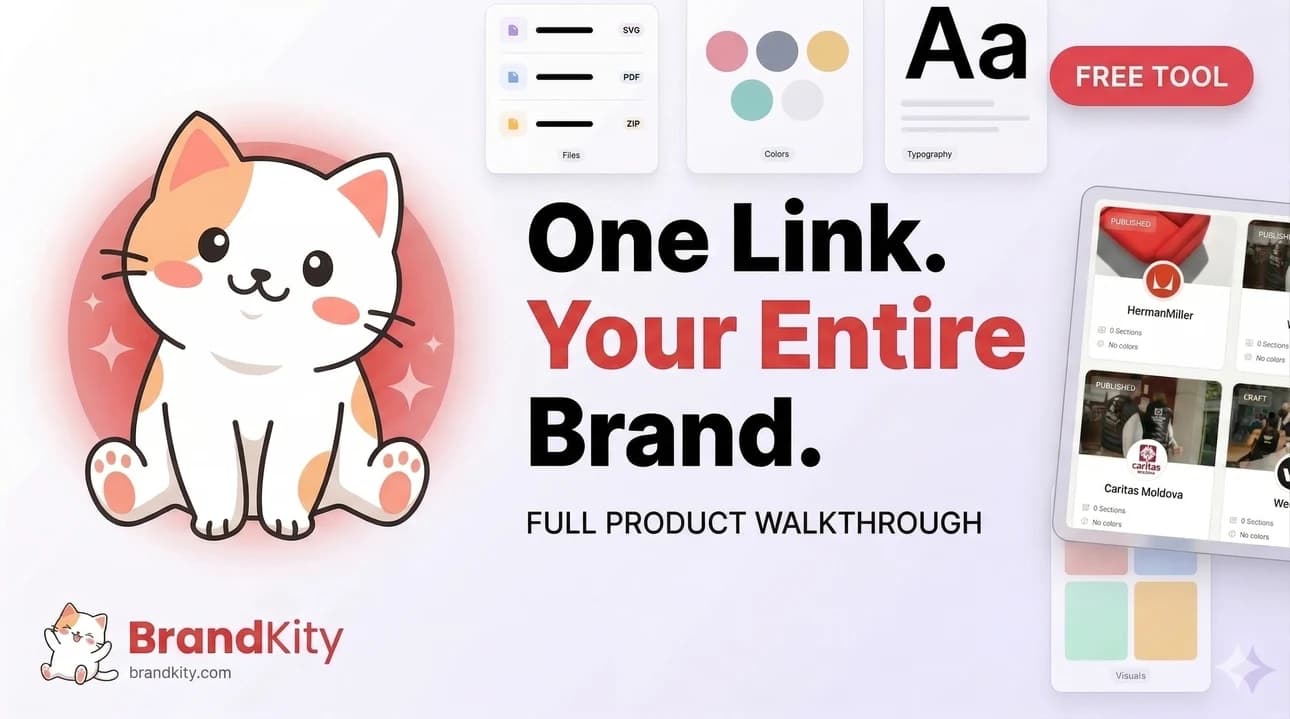
9 Tools To Bring Designers And Marketers Together
In the fast-paced world of modern business, the magic that makes a brand resonate with its audience rarely happens in a vacuum. It’s a symphony, and at its core are two crucial sections of your team: the designers and the marketers. These are the folks who craft the visual identity, tell the brand’s story, and
Table of contents
- The Foundation: Shared Understanding and Clear Goals
- 9 Tools to Bridge the Designer-Marketer Divide
- 1. Centralized Digital Asset Management (DAM) Platforms
- 2. Cloud-Based Collaboration and Project Management Tools
- 3. Online Design and Prototyping Tools with Collaboration Features
- 4. Brand Guideline Portals
- 5. Communication and Messaging Platforms
- 6. Integrated Workflow Automation Tools
- 7. Visual Search and Inspiration Tools
- 8. Content Management Systems (CMS) with Asset Integration
- 9. Feedback and Annotation Tools (Beyond Design Software)
- Making it Work: Culture Over Code
In the fast-paced world of modern business, the magic that makes a brand resonate with its audience rarely happens in a vacuum. It’s a symphony, and at its core are two crucial sections of your team: the designers and the marketers. These are the folks who craft the visual identity, tell the brand’s story, and ensure it connects with people. But let’s be honest, sometimes these two vital groups can feel like they’re speaking different languages, or at least operating on entirely different wavelengths. Marketers need assets now for that urgent campaign, while designers are meticulously crafting the perfect shade of blue for the next quarter’s flagship initiative.
This disconnect can lead to frustration, missed deadlines, off-brand materials, and ultimately, a less impactful brand presence. It’s like a chef and a waiter who never talk: the chef might create a culinary masterpiece, but if the waiter doesn’t know how to describe it or present it properly, the dining experience suffers. The same goes for your brand. The visual story and the narrative must be perfectly aligned.
So, how do we bridge this gap? How do we foster collaboration, understanding, and efficiency between these two powerhouses? The answer, as with most things in today’s digital landscape, lies in the right tools. These aren’t just about storing files; they’re about creating a shared space for creation, communication, and consistency. These tools can transform potential friction into a powerful engine for brand growth. Let’s dive into some of the best ways to bring your designers and marketers together, fostering a truly collaborative environment.
The Foundation: Shared Understanding and Clear Goals
Before we even talk about specific software, it’s crucial to acknowledge that the best tools are only effective when the people using them are aligned. Designers and marketers need to understand each other’s roles, challenges, and objectives. Marketers should appreciate the creative process and the time it takes to develop high-quality assets. Designers, in turn, need to understand the strategic goals of marketing campaigns and the pressures of timely execution.
Think of it like building a house. The architect (designer) has a vision for the aesthetics and functionality. The contractor (marketer) needs to ensure it’s built on time and within budget, and that it meets the client’s (audience’s) needs. They need to communicate constantly, share blueprints, and understand each other’s constraints. Without this fundamental understanding, even the most sophisticated tools will feel like just another barrier.
Setting clear goals for each project is paramount. What is the campaign trying to achieve? What are the key messages? What are the visual requirements? When both teams are working towards the same overarching objectives, the tools become facilitators, not just data repositories. This shared understanding is the bedrock upon which effective collaboration is built.
9 Tools to Bridge the Designer-Marketer Divide
Now that we’ve laid the groundwork, let’s explore the specific tools and types of platforms that can revolutionize how your design and marketing teams work together. These range from specialized software to integrated platforms designed to streamline the entire brand asset lifecycle.
1. Centralized Digital Asset Management (DAM) Platforms
This is arguably the most critical category of tools for fostering designer-marketer collaboration. A robust DAM system acts as the single source of truth for all brand assets – logos, images, videos, templates, brand guidelines, and more. For marketers, it means instant access to approved, on-brand assets without having to chase down designers or risk using outdated versions.
How it helps:
- Version Control: No more “final_final_v3.jpg”! A DAM ensures everyone is working with the latest approved versions of assets, preventing costly errors and off-brand materials.
- Organization and Searchability: Advanced tagging, metadata, and search capabilities mean marketers can find what they need in seconds, rather than wasting valuable time sifting through folders or asking designers.
- Permissions and Access Control: Designers can manage who sees and uses what, ensuring that sensitive or in-progress assets are protected, while marketers have access to the resources they need.
- Streamlined Handoffs: This is where a DAM truly shines. It provides a clear pathway for designers to upload and approve assets, and for marketers to access and download them, ready for their campaigns. This is the essence of master brand asset delivery workflow.
Real-world analogy: Imagine a library. The librarians (DAM system) meticulously catalogue every book (asset), assign it a shelf number (metadata), and ensure only authorized patrons (users) can check out certain materials. Marketers are like eager readers who can quickly find the book they need to learn or enjoy, without having to rummage through dusty archives.
2. Cloud-Based Collaboration and Project Management Tools
While a DAM handles the assets themselves, project management tools are essential for orchestrating the workflows around those assets. These platforms allow teams to plan, track, and manage projects collaboratively, ensuring everyone is on the same page regarding deadlines, tasks, and responsibilities.
How it helps:
- Task Assignment and Tracking: Marketers can create briefs, assign tasks to designers, and track progress in real-time. Designers can see what’s coming up, prioritize, and provide updates.
- Communication Hub: Many of these tools have built-in commenting, discussion threads, and notification systems, keeping all project-related communication in one accessible place, reducing the need for endless email chains.
- Shared Calendars and Timelines: Visual timelines and calendars help both teams understand project schedules, identify potential bottlenecks, and plan accordingly.
- File Sharing (for work-in-progress): While a DAM is for final assets, these tools are great for sharing drafts, mockups, and feedback during the creative process.
Mini Case Study: A B2C company was launching a new product. The marketing team used a project management tool to create a detailed brief for the design team, outlining campaign objectives, target audience, and desired messaging. They attached mood boards and initial copy. Designers could then upload early concepts and mockups directly to the project, receiving feedback from the marketing team within the platform. This kept the entire process transparent and efficient, ensuring the final visuals perfectly aligned with the marketing strategy.
3. Online Design and Prototyping Tools with Collaboration Features
These are the tools where the magic happens visually. Modern design software goes far beyond just creating static images. Many now offer robust collaboration features that allow for real-time co-editing, commenting, and feedback directly within the design file.
How it helps:
- Real-time Collaboration: Multiple team members can work on a design simultaneously, seeing each other’s changes as they happen. This is incredibly powerful for quick iterations and brainstorming sessions.
- In-Context Feedback: Marketers can leave comments directly on specific elements of a design, providing precise feedback without ambiguity. “I love this layout, but can we make the headline font slightly larger?” becomes a simple click and type.
- Prototyping Capabilities: For digital campaigns, the ability to create interactive prototypes allows marketers to see how a design will function in a real-world scenario, providing valuable usability feedback.
- Integration with DAMs: The best of these tools can often integrate directly with DAM systems, allowing designers to save their work directly into the approved asset library.
Real-world analogy: Think of a shared Google Doc, but for visuals. You can see your colleague drawing a new element, or adding a new color swatch, and you can jump in to refine it or offer suggestions on the fly. This immediacy drastically speeds up the creative feedback loop.
4. Brand Guideline Portals
This is a specialized form of DAM, often focused exclusively on the rules and principles that govern a brand’s visual and verbal identity. A well-designed brand guideline portal is an invaluable resource for both designers and marketers.
How it helps:
- Accessibility of Rules: Clear, concise, and easily accessible guidelines ensure that everyone understands the “dos and don’ts” of using brand elements.
- Visual Examples: Instead of just text, these portals often feature visual examples of correct and incorrect usage, making the rules easier to grasp.
- Downloadable Assets: Often, these portals are integrated with or linked to a DAM, allowing users to download the correct logo files, color palettes, and typography directly.
- Consistency Enforcement: By making the brand rules readily available and understandable, these portals help marketers and designers maintain brand consistency across all touchpoints. This is why understanding what is a brand kit portal — and why every designer needs one is so crucial for your team.
Mini Case Study: A large retail chain struggled with inconsistent use of its logo across different store signage and online advertisements. By implementing a dedicated brand guideline portal that included clear instructions on logo placement, minimum sizes, and color variations, along with downloadable, pre-approved logo files, they saw a significant improvement in brand consistency within months.
5. Communication and Messaging Platforms
While project management tools are for structured workflows, general communication platforms are vital for quick chats, brainstorming, and informal problem-solving. These tools can help break down silos and foster a more fluid exchange of ideas between departments.
How it helps:
- Instant Messaging: For quick questions like “Do we have a high-res version of that product image?” or “What’s the hex code for the secondary accent color?”, instant messaging is invaluable.
- Dedicated Channels: Creating specific channels for “Design & Marketing Collaboration” or “Campaign Asset Requests” can help centralize relevant conversations and reduce noise.
- File Sharing (Ad Hoc): While not a replacement for a DAM, these platforms allow for quick sharing of small files or early concepts during a conversation.
- Reduces Email Clutter: Many quick questions that would previously generate an email chain can be resolved in seconds via a chat message.
Real-world analogy: Think of these as the water cooler conversations or quick huddles in the office, but digitally. It’s where spontaneous ideas can spark and minor issues can be resolved before they become major problems.
6. Integrated Workflow Automation Tools
For more mature organizations, workflow automation tools can significantly streamline repetitive tasks and ensure that processes are followed consistently. These tools can connect different applications and automate sequences of actions.
How it helps:
- Automated Notifications: When a design is approved in the DAM, an automated notification can be sent to the marketing team via their project management tool.
- Template Population: Automatically populate marketing collateral with approved imagery or copy pulled from a DAM or CMS.
- Standardized Briefing: Ensure that every new marketing campaign brief submitted to the design team includes all necessary fields and information.
- Integration of Systems: Connect your DAM, project management software, and other marketing tools to create seamless workflows.
Mini Case Study: A company with a high volume of social media content needed to ensure all posts were on-brand. They implemented an automation tool that, once a social media graphic was approved in their DAM and added to a specific folder, would automatically create a draft post in their social media scheduler with the approved image and pre-written caption. This saved hours of manual work and reduced the risk of errors.
7. Visual Search and Inspiration Tools
Sometimes, the collaboration starts with inspiration. Tools that allow teams to discover visual trends, gather inspiration, and share mood boards can align creative vision early on.
How it helps:
- Shared Vision: Marketers and designers can collaboratively build mood boards for upcoming campaigns, ensuring they are aligned on the aesthetic and emotional tone before any design work begins.
- Trend Discovery: These tools can help both teams stay abreast of current visual trends, ensuring the brand remains relevant and modern.
- Ideation: They provide a visual playground for brainstorming, allowing for a free exchange of ideas based on what resonates visually.
Real-world analogy: Think of Pinterest or Behance, but potentially with more internal focus or integration. It’s a way for teams to visually communicate their ideas and preferences to each other.
8. Content Management Systems (CMS) with Asset Integration
For teams managing websites and digital content, a CMS is central. When a CMS is well-integrated with a DAM, it creates a powerful symbiotic relationship between content creation and asset management.
How it helps:
- Direct Asset Insertion: Marketers can easily pull approved images and videos directly from the DAM into website pages or blog posts without leaving the CMS.
- Consistency: Ensures that the assets used on the website are always the latest, on-brand versions.
- Designer Oversight: Designers can review website content to ensure proper asset usage and branding compliance.
Mini Case Study: A software company used its CMS to publish blog posts regularly. Previously, marketing would download assets from a shared drive, potentially using outdated versions. By integrating their CMS with their DAM, marketers could browse and insert approved blog post images and graphics directly from the DAM interface within the CMS. Designers could then easily review the published pages to ensure everything looked as intended. This eliminated discrepancies and ensured their blog always reflected the current brand.
It’s worth noting that while tools like Adobe Express can be a great design tool for WordPress, the real power comes when these design tools are integrated with a robust asset management system that marketers can also access. This ensures that while creativity flows, brand consistency is maintained.
9. Feedback and Annotation Tools (Beyond Design Software)
Sometimes, you need to provide feedback on content that isn’t necessarily a design file – perhaps a PDF brochure, a video advertisement, or even website copy. Specialized annotation tools allow for precise feedback directly on the content itself.
How it helps:
- Clear and Specific Feedback: Instead of vague comments, users can draw on the content, highlight sections, and add specific notes, leaving no room for misinterpretation.
- Centralized Feedback: All feedback on a particular piece of content can be gathered in one place, making it easy for designers or marketers to address.
- Faster Review Cycles: Clearer feedback leads to quicker revisions, accelerating the overall review and approval process.
Real-world analogy: Imagine marking up a printed document with a red pen, but digitally and with the ability to share those markups easily with everyone involved. It’s about getting the right eyes on the right details.
Making it Work: Culture Over Code
While these tools are incredibly powerful, remember that technology is only an enabler. The true magic happens when you foster a culture of collaboration and mutual respect between your design and marketing teams. This involves:
- Regular Cross-Functional Meetings: Encourage designers and marketers to meet regularly, not just for project updates, but to share insights, understand each other’s challenges, and brainstorm.
- Shared Objectives: Aligning both teams around overarching brand and business goals ensures they are working towards a common vision.
- Training and Onboarding: Ensure everyone understands how to use the chosen tools effectively and why they are important for brand success.
- Open Communication Channels: Encourage honest and constructive feedback.
The evolution of brand management platforms and digital asset industries, influenced by how brand management acquisitions are reshaping the digital asset industry, highlights the increasing need for integrated solutions that serve both creative and strategic functions. Your choice of tools should reflect this integrated approach.
Ultimately, bringing designers and marketers together isn’t just about efficiency; it’s about creating a stronger, more cohesive, and more impactful brand. When these two teams work in harmony, leveraging the right tools to share, collaborate, and communicate, the result is a brand that not only looks great but also tells a compelling and consistent story to the world. It’s about ensuring that every touchpoint a customer has with your brand is a testament to your unified vision and execution.
Don’t let your brand’s potential be limited by internal silos. By strategically implementing these tools and fostering a collaborative spirit, you can unlock new levels of creativity, efficiency, and brand consistency. Start exploring how these solutions can transform your workflows today, and watch your brand soar.
Saurabh Kumar
Founder, BrandKity
Saurabh writes about practical brand systems, faster client handoffs, and scalable workflows for designers and agencies building repeatable delivery operations.
Connect on LinkedIn