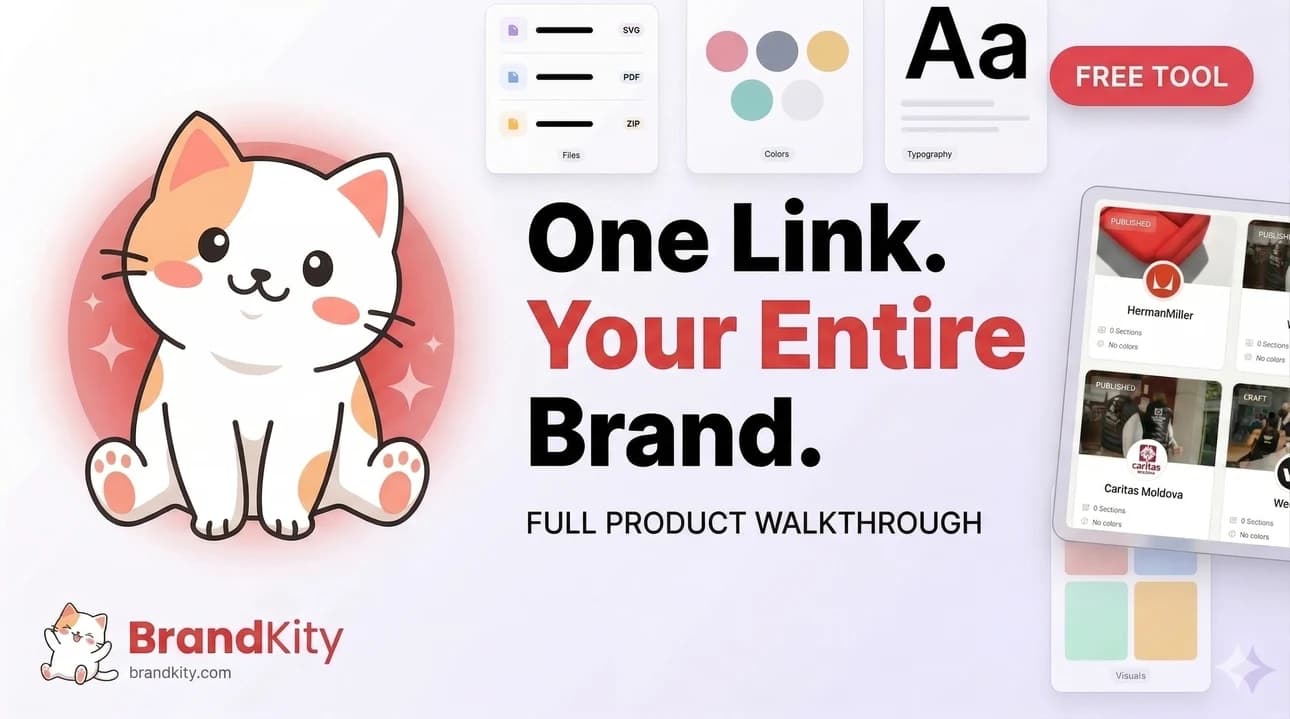
What Is A Brand System
What Is A Brand System? Your Blueprint for Consistent, Powerful Branding Ever feel like your brand is a little… scattered? Maybe your social media graphics look like they belong to a different company than your website, or your marketing team is constantly reinventing the wheel for basic assets. If this sounds familiar, you’re not alone.

Table of contents
- What Is A Brand System? Your Blueprint for Consistent, Powerful Branding
- Breaking Down the Brand System: More Than Just a Pretty Logo
- 1. Visual Identity: The Look and Feel
- 2. Voice and Tone: The Sound of Your Brand
- 3. Brand Values and Mission: The Heart of Your Brand
- 4. Brand Guidelines and Standards: The Rulebook
- Why Is a Brand System So Important? The Benefits You Can’t Ignore
- 1. Unwavering Consistency: Building Trust and Recognition
- 2. Enhanced Brand Recognition and Recall
- 3. Increased Efficiency and Productivity
- 4. Stronger Brand Equity and Perceived Value
- 5. Improved Collaboration and Onboarding
- 6. Competitive Advantage
- Who Needs a Brand System? (Spoiler: Everyone!)
- Startups and New Businesses
- Growing Businesses
- Established Companies Facing Inconsistency
- Companies with Remote or Global Teams
- Businesses with a High Volume of Content Creation
- Building Your Brand System: Key Considerations
- 1. Start with Your Brand Strategy
- 2. Document Everything
- 3. Make Assets Accessible
- 4. Train Your Team (and Partners)
- 5. Regularly Review and Update
- Brand System vs. Brand Guidelines: What’s the Difference?
- Real-World Examples of Strong Brand Systems
- 1. Airbnb
- 2. Mailchimp
- The Role of Technology in Managing Your Brand System
- Conclusion: Build It Right, Build It Strong
What Is A Brand System? Your Blueprint for Consistent, Powerful Branding
Ever feel like your brand is a little… scattered? Maybe your social media graphics look like they belong to a different company than your website, or your marketing team is constantly reinventing the wheel for basic assets. If this sounds familiar, you’re not alone. This kind of inconsistency is a common challenge, and it’s precisely why understanding and implementing a robust brand system is so crucial.
Think of a brand system as the ultimate blueprint for your brand. It’s not just a logo and a color palette; it’s a comprehensive framework that dictates how your brand looks, sounds, and behaves across every single touchpoint. It’s the underlying structure that ensures your brand is recognizable, consistent, and, most importantly, effective.
At Brandkity, we see firsthand how a well-defined brand system can transform a business. It’s the backbone of strong brand identity and a powerful tool for driving efficiency and impact. So, let’s dive deep into what makes a brand system tick.
Breaking Down the Brand System: More Than Just a Pretty Logo
When people first hear “brand system,” they often jump straight to the visual elements. And yes, those are a vital part. But a true brand system is much more holistic. It encompasses everything that contributes to the perception of your brand.
Let’s break down the core components:
1. Visual Identity: The Look and Feel
This is what most people envision. It’s the tangible, observable elements of your brand. This includes:
- Logo: The primary identifier. This isn’t just about the mark itself, but its variations (horizontal, vertical, icon-only), clear space requirements, and minimum size.
- Color Palette: Primary, secondary, and accent colors. This defines the mood and emotional tone of your brand. Think about how a bright, energetic palette differs from a calm, sophisticated one.
- Typography: The specific fonts used for headings, body text, and other applications. This impacts readability and brand personality.
- Imagery and Photography Style: The type of photos and illustrations used. Are they aspirational, down-to-earth, artistic, or factual?
- Iconography: Custom icons that represent specific concepts or features.
- Layout and Grid Systems: How visual elements are arranged on different platforms.
- Motion Graphics and Animation: How your brand moves, if applicable.
Without clear guidelines on these elements, you can quickly end up with a visual mess. Imagine a brand where the logo is sometimes tiny, sometimes huge, colors are randomly chosen, and fonts change with every new ad. It would be confusing, right? That’s where the visual identity component of a brand system steps in.
2. Voice and Tone: The Sound of Your Brand
Beyond how your brand looks, it’s also about how it communicates. This is where voice and tone come into play.
- Brand Voice: This is the overarching personality of your brand’s communication. Is it friendly, authoritative, playful, professional, witty, or empathetic? This is usually consistent.
- Brand Tone: This is how the voice is adapted to specific situations or audiences. For example, a brand’s voice might be generally helpful, but its tone on a customer support channel might be more reassuring and patient than its tone on a social media campaign.
Think about the difference between a bank’s communication and a craft brewery’s. The bank might have a voice that is trustworthy and knowledgeable, with a tone that is reassuring and clear. The craft brewery might have a voice that is passionate and artisanal, with a tone that is adventurous and inviting. A brand system defines these nuances, ensuring that every piece of copy, from a website headline to a social media post, feels like it’s coming from the same entity.
3. Brand Values and Mission: The Heart of Your Brand
While not always explicitly documented in a “visual” brand system, these are foundational. They inform why you do what you do and what you stand for. A strong brand system aligns all external communications with these core principles.
For instance, a brand committed to sustainability should have its visual elements reflect that (e.g., natural colors, eco-friendly imagery) and its messaging should consistently reinforce that commitment. If your brand claims to be innovative but all your marketing materials look dated, there’s a disconnect. The brand system helps bridge that gap by ensuring actions and perceptions align with declared values.
4. Brand Guidelines and Standards: The Rulebook
This is the practical implementation of all the above. Brand guidelines (often referred to as a brand standards guide) are the documentation that explains how to use and apply all the elements of your brand system correctly.
These guidelines should be:
- Comprehensive: Covering all aspects of the brand system.
- Accessible: Easy for anyone who needs to use the brand to find and understand.
- Actionable: Providing clear instructions and examples.
Without a well-defined set of guidelines, even the best-intentioned teams can make mistakes, leading to brand dilution. Imagine a chef with a fantastic recipe but no clear instructions for their kitchen staff – the result would likely be inconsistent dishes.
Why Is a Brand System So Important? The Benefits You Can’t Ignore
You might be thinking, “This sounds like a lot of work. Is it really worth it?” The short answer is an emphatic YES. Implementing a robust brand system offers significant advantages:
1. Unwavering Consistency: Building Trust and Recognition
This is arguably the biggest win. When your brand looks, sounds, and feels the same everywhere, people learn to recognize and trust it. Think about iconic brands like Coca-Cola or Apple. You know a Coca-Cola ad when you see one, and you know an Apple product by its design language and messaging. This recognition builds familiarity, and familiarity breeds trust.
Imagine receiving a marketing email from a company whose logo is slightly different from the one on their website, and the tone of the email is completely unlike their social media posts. It feels disjointed and unprofessional, eroding confidence. A brand system eliminates this confusion.
2. Enhanced Brand Recognition and Recall
Consistency directly leads to better recognition. The more people see your brand presented uniformly, the more likely they are to remember it when they need your product or service. This is crucial in a crowded marketplace. A strong brand system acts as a powerful mnemonic device.
3. Increased Efficiency and Productivity
This is where many businesses see immediate, tangible results. When designers, marketers, and content creators have clear guidelines and readily available assets, they don’t have to reinvent the wheel for every project. They can quickly access approved logos, color palettes, templates, and messaging frameworks.
This significantly reduces the time spent on repetitive tasks, minimizes back-and-forth revisions due to inconsistencies, and frees up valuable resources to focus on strategic initiatives. It’s like having a well-organized toolbox versus rummaging through a messy garage every time you need a specific tool. This is a key aspect of understanding the cost of brand chaos on content efficiency.
4. Stronger Brand Equity and Perceived Value
A professional, consistent brand presence signals credibility and quality. When a brand is presented meticulously, it suggests that the company behind it is organized, detail-oriented, and cares about its image. This can elevate the perceived value of your products or services, allowing you to command higher prices and attract more discerning customers.
5. Improved Collaboration and Onboarding
For larger organizations or those with external agencies, a brand system acts as a single source of truth. It makes it easier for new team members to understand and adhere to brand standards, and it ensures that all collaborators are working from the same playbook. This is especially important when dealing with multiple departments or international teams.
6. Competitive Advantage
In a sea of similar offerings, a distinctive and consistently executed brand can be a major differentiator. A strong brand system helps you stand out, attract your target audience, and build a loyal customer base. It’s not just about looking good; it’s about building a brand that resonates and endures.
Who Needs a Brand System? (Spoiler: Everyone!)
It’s a common misconception that brand systems are only for massive corporations. In reality, businesses of all sizes can benefit immensely. Let’s look at a few scenarios:
Startups and New Businesses
When you’re just starting, you’re laying the foundation for your entire brand identity. A well-defined brand system from the outset will save you headaches down the line and ensure you make a strong, unified first impression. It’s far easier to build it right from the beginning than to fix it later, especially if your brand is starting to feel out of sync. This ties into recognizing brands that need rebranding – it’s often because they didn’t establish a strong system early on.
Growing Businesses
As your business expands, so does your team and your marketing efforts. What might have worked with a small, tight-knit group can quickly become chaotic as more people get involved. A brand system provides the necessary structure to maintain consistency as you scale.
Established Companies Facing Inconsistency
Even established brands can find their visual identity becoming diluted over time due to mergers, acquisitions, or simply a lack of central control. Re-establishing or formalizing a brand system can be crucial for bringing everything back into alignment.
Companies with Remote or Global Teams
When your team is spread across different locations or time zones, a centralized brand system is essential. It ensures everyone is working with the correct assets and adhering to the same guidelines, regardless of their physical location.
Businesses with a High Volume of Content Creation
If your marketing team is constantly producing new content – social media posts, blog articles, ad creatives, sales collateral – a brand system streamlines the process, ensuring brand consistency across all these outputs.
Building Your Brand System: Key Considerations
Creating a comprehensive brand system is an investment, but it’s one that pays dividends. Here are some key elements to consider when building or refining yours:
1. Start with Your Brand Strategy
Before you dive into colors and fonts, ensure you have a clear understanding of your brand’s purpose, target audience, unique selling proposition, and overall goals. Your brand system should be a direct reflection of this strategy.
2. Document Everything
This is where the brand standards guide comes in. It needs to be thorough and cover every aspect of your brand. Think of it as the ultimate instruction manual.
3. Make Assets Accessible
Simply having guidelines isn’t enough. Your team needs easy access to approved logos, templates, fonts, images, and other brand assets. This is where digital asset management platforms shine, providing a centralized repository. A good digital asset management strategy is key here.
4. Train Your Team (and Partners)
Don’t assume everyone will intuitively understand or follow the guidelines. Provide training sessions, onboarding materials, and ongoing support to ensure compliance.
5. Regularly Review and Update
Brands evolve. Your brand system shouldn’t be static. Schedule regular reviews to ensure it remains relevant and effective. This might involve updates to reflect new products, market shifts, or evolving customer perceptions.
Brand System vs. Brand Guidelines: What’s the Difference?
It’s easy to conflate these two, but there’s a distinction:
- Brand System: This is the overarching framework. It’s the entire ecosystem of elements that define your brand – the visual identity, voice, values, and the principles that govern them. It’s the what and the why.
- Brand Guidelines: This is the documentation of the brand system. It’s the practical manual that tells people how to implement the brand system correctly. It’s the rulebook.
You can’t have effective brand guidelines without a well-defined brand system to guide them. The system is the foundation; the guidelines are the construction plan and instructions.
Real-World Examples of Strong Brand Systems
Let’s look at a couple of brands that exemplify great brand systems:
1. Airbnb
Airbnb’s brand system is a fantastic example of a system that goes beyond just visuals. Their core symbol, the “Bélo,” represents belonging, people, places, and love. This symbol is used consistently across their platform, marketing materials, and even within their user-generated content guidelines. Their visual identity is warm and inviting, using a palette that evokes comfort and travel. Their voice is often helpful and inspiring, encouraging exploration and connection. This cohesive approach makes their brand instantly recognizable and emotionally resonant.
2. Mailchimp
Mailchimp has built a brand system that is both professional and playful, perfectly reflecting their mission to empower small businesses. Their logo, Freddie the chimp, is memorable and used with personality. Their color palette is distinct and energetic. What truly sets them apart is their voice and tone – they manage to be informative and helpful without being dry or corporate. They use humor and relatable language, making their communication engaging and approachable. This consistent application of their visual and verbal identity creates a strong, memorable brand that stands out in the often-staid tech industry.
The Role of Technology in Managing Your Brand System
Managing a comprehensive brand system, especially for larger organizations, can become a significant logistical challenge. This is where specialized platforms come into play. They act as a central hub for all your brand assets and guidelines, making them easily accessible and manageable.
Imagine trying to coordinate a global campaign where dozens of people need access to the latest approved logo variations, campaign templates, and specific messaging. Without a robust system, this can quickly devolve into searching through email chains, asking colleagues, and potentially using outdated or incorrect assets. Platforms designed for this purpose can streamline the entire process, ensuring everyone is working with the right materials and adhering to the brand guidelines. Features like version control, user permissions, and integrated asset libraries are invaluable. For businesses looking to integrate brand asset management with their content creation workflows, understanding CMS DAM integration is also a critical step.
Conclusion: Build It Right, Build It Strong
A brand system is not a luxury; it’s a necessity for any business that wants to build a powerful, recognizable, and enduring brand. It’s the strategic foundation that ensures every interaction with your audience reinforces your core message and values. By investing the time and effort into defining and implementing a comprehensive brand system, you’re not just creating a pretty logo; you’re building a cohesive, trustworthy, and efficient brand that can stand the test of time and competition.
Don’t let brand chaos hinder your growth. Embrace the power of a well-defined brand system and watch your brand flourish.
Saurabh Kumar
Founder, BrandKity
Saurabh writes about practical brand systems, faster client handoffs, and scalable workflows for designers and agencies building repeatable delivery operations.
Connect on LinkedIn