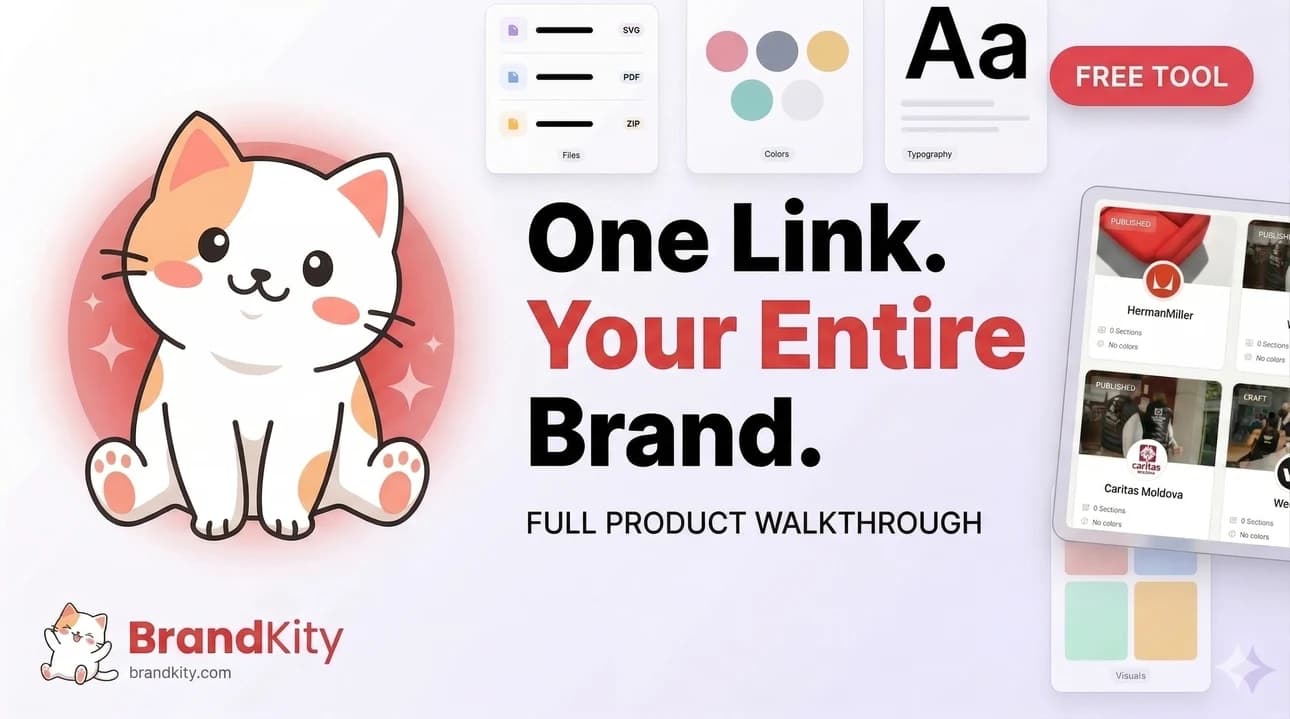
Brand Standards Guide
The Brand Standards Guide: Your Blueprint for Unshakeable Brand Consistency Hey there! Let’s talk about something absolutely crucial for any business, big or small: your brand. We’re not just talking about a pretty logo here. We’re diving deep into what makes your brand instantly recognizable, consistently appealing, and ultimately, trustworthy. And the secret sauce? It’s

Table of contents
- The Brand Standards Guide: Your Blueprint for Unshakeable Brand Consistency
- Why Bother With a Brand Standards Guide? Isn’t Consistency Just… Obvious?
- What Exactly Goes into a Brand Standards Guide? The Core Components
- 1. The Foundation: Mission, Vision, and Values
- 2. The Visual Identity: The Look and Feel
- 3. The Verbal Identity: The Voice and Tone
- 4. Application Examples: Putting it All Together
- 5. Brand Assets: The Digital Toolkit
- Making Your Brand Standards Guide Work in the Real World
- 1. Accessibility is Key
- 2. Training and Onboarding
- 3. Centralized Asset Management
- 4. Regular Updates
- 5. Feedback Loop and Governance
- The Impact of a Strong Brand Identity
- Bringing it All Together with Brandkity
- Your Brand Deserves Clarity
The Brand Standards Guide: Your Blueprint for Unshakeable Brand Consistency
Hey there! Let’s talk about something absolutely crucial for any business, big or small: your brand. We’re not just talking about a pretty logo here. We’re diving deep into what makes your brand instantly recognizable, consistently appealing, and ultimately, trustworthy. And the secret sauce? It’s a well-defined, well-used Brand Standards Guide. Think of it as your brand’s DNA, its rulebook, its guiding star. Without it, your brand can quickly become a jumbled mess, confusing your audience and diluting your message. It’s like trying to build a skyscraper without blueprints – chaotic and destined for structural issues. At Brandkity, we see firsthand how powerful a solid brand guide can be, and today, I want to walk you through why it’s so vital and what goes into making a truly effective one.
Why Bother With a Brand Standards Guide? Isn’t Consistency Just… Obvious?
You might be thinking, “Isn’t it obvious that we should use our logo correctly and stick to our colors?” In theory, yes! But in practice, especially as your team grows, you bring on new agencies, or you expand into new markets, things can get… fuzzy. Let’s paint a picture:
- The Case of the Misplaced Logo: Imagine a new marketing intern whips up a social media graphic and places your logo slightly off-center, or worse, uses a low-resolution version. It looks a bit unprofessional, right? Now imagine that happening across dozens of touchpoints.
- The Color Creep: A designer loves a new shade of teal and decides it “really pops” next to your established brand palette for a specific campaign. Over time, your brand starts looking less like itself and more like a paint swatch experiment.
- The Typographic Tangle: Different teams or individuals might use different fonts for headings or body text, leading to a disjointed reading experience across your website, brochures, and presentations.
These might seem like small hiccups, but they add up. Each instance chips away at your brand’s credibility and recognition. A Brand Standards Guide acts as your single source of truth, ensuring everyone is singing from the same hymn sheet. It’s about preventing visual and verbal dissonance, fostering trust, and building a memorable brand identity. This is especially important when you’re looking at managing a vast array of assets; a strong digital asset management strategy will heavily rely on clear guidelines for how those assets are used.
What Exactly Goes into a Brand Standards Guide? The Core Components
So, what are we actually putting in this magical document? A comprehensive guide typically covers several key areas. Let’s break them down:
1. The Foundation: Mission, Vision, and Values
Before we even get to logos and colors, it’s essential to anchor your brand standards in your brand’s core identity. This section answers the “why” behind your brand.
- Mission Statement: What is your brand’s purpose? What problem do you solve?
- Vision Statement: Where do you see your brand in the future? What impact do you want to make?
- Brand Values: What principles guide your actions and decisions? These are the beliefs that define your brand’s character.
Why this matters: When your team understands the heart of the brand, they can make more intuitive and consistent decisions about how to represent it, even in unexpected situations. It helps in tasks like when you need to create an employee value proposition that truly resonates with your company culture.
2. The Visual Identity: The Look and Feel
This is often what people first think of when they hear “brand standards.” It’s the tangible elements that people see and recognize.
The Logo: Your Brand’s Flag
Your logo is arguably your most important visual asset. The guide needs to be crystal clear on:
- Primary Logo: The main version of your logo.
- Secondary Logos/Variations: Including horizontal, vertical, icon-only, or monochrome versions.
- Clear Space: How much empty space should surround the logo to ensure its visibility and prevent clutter. Think of it as giving your logo room to breathe!
- Minimum Size: The smallest size at which the logo can be reproduced while maintaining legibility.
- Incorrect Usage: This is just as important as correct usage! Show examples of what NOT to do – stretching, skewing, recoloring, adding effects (like drop shadows), placing it on busy backgrounds, or altering the typography within the logo.
Real-world analogy: Imagine you have a family crest. You wouldn’t go around adding extra flourishes or changing its colors on official family documents, would you? Your logo deserves the same respect and consistency.
Color Palette: The Emotional Connection
Colors evoke emotions and associations. Your brand palette should be carefully chosen and consistently applied.
- Primary Colors: The main colors that will be used most frequently.
- Secondary Colors: Complementary colors that can be used for accents or specific design elements.
- Usage Guidelines: Specify which colors should be used for what (e.g., primary color for headlines, secondary for buttons).
- Color Values: Provide the exact specifications for each color across different platforms:
- CMYK: For print materials (magazines, brochures).
- RGB: For digital screens (websites, social media).
- HEX: Also for digital, often used in web design.
- Pantone (PMS): For specific, consistent color matching in large-scale printing.
Mini Case Study: Think about Coca-Cola. That iconic red is instantly recognizable. It’s not just red; it’s Coca-Cola Red. Their strict adherence to this color across all their products and advertising has made it synonymous with refreshment and happiness.
Typography: The Voice of Your Brand
Fonts convey personality. Are you modern and sleek, or classic and sophisticated? Your typography choices should reflect this.
- Primary Typeface: The main font for headlines and major text.
- Secondary Typeface: A font for body copy or supporting text that complements the primary.
- Usage Rules: Specify which font is for headings, subheadings, body text, captions, etc.
- Hierarchy: Define font weights (bold, regular, light), sizes, and line spacing for different levels of text to ensure readability and a consistent visual structure.
- Web Fonts: Ensure you specify web-safe fonts or provide guidelines for embedding custom fonts.
Analogy: If your brand were a person, typography would be their handwriting. A messy, inconsistent handwriting makes it hard to read and understand their message. A clear, well-defined style makes them pleasant to interact with.
Imagery and Photography: The Visual Storytelling
The style of images you use speaks volumes about your brand. Are they bright and aspirational, or gritty and authentic?
- Photography Style: Describe the mood, subject matter, and composition of approved photography. (e.g., candid, posed, close-ups, wide shots, natural light, studio lighting).
- Illustration Style: If you use illustrations, define the aesthetic (e.g., flat design, hand-drawn, abstract).
- Iconography: Standards for custom icons or approved icon sets.
- Image Usage: Guidelines on where and how to use images, and importantly, what kind of imagery to avoid (e.g., generic stock photos that don’t align with your brand’s uniqueness).
Example: Consider how outdoor brands often use stunning, rugged photography showcasing people in nature, evoking a sense of adventure and freedom. This aligns perfectly with their brand promise. Contrast this with a financial institution that might use cleaner, more professional imagery to convey trust and stability.
3. The Verbal Identity: The Voice and Tone
Beyond visuals, how your brand sounds is equally important. This is about consistency in your messaging.
Brand Voice: Your Brand’s Personality
If your brand were a person, how would they speak? Are they:
- Friendly and casual?
- Professional and authoritative?
- Witty and playful?
- Empathetic and caring?
Define 3-5 adjectives that describe your brand’s voice and provide examples of how this voice translates into actual language. This is where you might explore the concept of a create content framework to ensure all communications are on-brand.
Tone of Voice: Adapting to the Situation
While voice is your brand’s personality, tone is how that personality adapts to different situations or audiences. For instance:
- Your tone when addressing a customer complaint might be empathetic and reassuring.
- Your tone when announcing a new product might be exciting and energetic.
- Your tone when providing technical support might be clear and informative.
The guide should explain these nuances and provide examples of appropriate tones for common scenarios.
Messaging Pillars and Key Phrases
What are the core messages you want to convey about your brand? What are some approved taglines or key phrases that encapsulate your brand’s promise?
- Key Message Points: The essential things you want your audience to know and remember.
- Approved Taglines/Slogans: If applicable, list your official taglines. (Perhaps you even used a best free slogan generator to brainstorm these!).
- Boilerplate Descriptions: Standardized “About Us” text for press releases and company profiles.
Why this matters: Consistency in voice and tone builds familiarity and trust. When a customer interacts with your brand across different channels – a social media post, a website FAQ, an email newsletter – they should feel like they’re talking to the same entity.
4. Application Examples: Putting it All Together
Abstract rules are helpful, but seeing them in action is even better. This section provides real-world examples of how the brand standards should be applied across various marketing materials and touchpoints.
- Website Mockups: Show how the logo, colors, and typography are used on your homepage, product pages, etc.
- Social Media Graphics: Examples of approved templates for posts, stories, and ads.
- Presentation Templates: Standardized slide layouts.
- Business Cards and Stationery: Ensuring professional corporate collateral.
- Advertising Examples: Demonstrating how the brand elements come together in ads (print, digital, video).
- Email Signatures: Standardized format for employee email signatures.
Benefit: This section makes the abstract rules concrete and easy to understand, acting as a quick reference for designers, marketers, and anyone creating content.
5. Brand Assets: The Digital Toolkit
While not strictly part of the guide document itself, a Brand Standards Guide is intrinsically linked to where your actual brand assets (logos, fonts, images) are stored and managed. This is where having a robust digital asset management strategy becomes paramount. Your guide should ideally point users to a central repository where they can download the correct, approved versions of all assets.
- Link to Asset Library: Direct users to your Brandkity platform (or similar) where they can access logos, images, templates, etc.
- File Formats: Specify which file formats are available for different uses (e.g., .eps for print, .png for web).
- Naming Conventions: Briefly mention or link to guidelines on how assets should be named for easy organization.
This integration is key to ensuring that when someone follows the guide, they are actually using the correct files. It’s the bridge between the “what” and the “how.”
Making Your Brand Standards Guide Work in the Real World
Creating a beautiful, comprehensive Brand Standards Guide is only half the battle. The real magic happens when it’s adopted and used consistently. Here’s how to make it stick:
1. Accessibility is Key
If your brand guide is buried in a forgotten folder or only accessible to a select few, it’s useless. Ensure it’s easily accessible to everyone who needs it – your internal marketing team, sales teams, external agencies, freelancers, and even new hires. A centralized digital platform is ideal for this.
2. Training and Onboarding
Don’t just hand out the guide; train your team on it. During onboarding for new employees, dedicate time to walk them through the brand standards. For existing teams, conduct regular refreshers, especially if there are updates.
3. Centralized Asset Management
As mentioned, a brand guide is most effective when paired with a system for managing your actual brand assets. This is where a Digital Asset Management (DAM) system truly shines. It ensures that everyone is downloading and using the correct versions of logos, images, and templates, preventing accidental misuse and saving time. Think of it as the guardian of your brand assets, ensuring they are always available, organized, and up-to-date.
4. Regular Updates
Brands evolve. As your company grows, your messaging might shift, or your visual identity might get a refresh. Your Brand Standards Guide needs to be a living document. Schedule regular reviews (e.g., annually or bi-annually) to ensure it remains relevant and accurate. This is crucial, especially when undertaking larger initiatives like a rebranding project, as covered in our article on how brand management platforms streamline complex rebranding projects.
5. Feedback Loop and Governance
Establish a process for feedback. Who is the point person for questions about brand standards? How are deviations handled? Having a clear governance structure ensures that the brand remains protected while also allowing for necessary flexibility where appropriate.
The Impact of a Strong Brand Identity
Let’s zoom out for a moment. Why is all this effort worth it? A well-defined and consistently applied brand identity, guided by your standards, leads to:
- Increased Recognition: People will recognize your brand instantly, no matter where they encounter it.
- Enhanced Trust and Credibility: Consistency breeds familiarity, and familiarity breeds trust. When your brand looks and sounds professional and cohesive, people are more likely to believe in your products or services.
- Stronger Brand Loyalty: Customers connect with brands that feel authentic and reliable. A consistent brand experience fosters deeper emotional connections.
- Improved Marketing Effectiveness: When your branding is clear, your marketing messages are more impactful. Resources aren’t wasted on creating inconsistent or off-brand materials.
- Better Internal Cohesion: A clear brand identity can also strengthen internal culture and employee pride. When employees understand and embody the brand, it creates a more unified and motivated workforce. This ties into the importance of reasons why internal brand engagement is important.
Consider the difference between two companies launching a similar product. Company A has a haphazard online presence, inconsistent messaging, and a logo that looks slightly different on every platform. Company B, on the other hand, presents a polished, unified front across all touchpoints, with clear messaging and a professional visual identity. Which company do you think customers will trust more? Which one seems more reliable?
Bringing it All Together with Brandkity
At Brandkity, we’re passionate about helping brands achieve this level of clarity and consistency. Our platform is designed to be the central hub for all your brand assets, making it easy to store, manage, and share them. It directly supports the implementation of your Brand Standards Guide by ensuring that everyone accesses and uses the approved files. Whether you’re a small startup or a large enterprise looking to scale your brand management, having a solid Brand Standards Guide and a robust DAM system working in tandem is your most powerful tool for building a lasting, impactful brand.
Your Brand Deserves Clarity
Building a strong brand is an ongoing journey, not a destination. Your Brand Standards Guide is the essential roadmap for that journey. It’s the tool that empowers everyone in your organization and beyond to represent your brand with confidence and clarity. Don’t let your brand’s potential be diluted by inconsistency. Embrace the power of a well-defined brand identity and watch your recognition, trust, and loyalty soar. Start building or refining your Brand Standards Guide today – your future brand will thank you for it.
Saurabh Kumar
Founder, BrandKity
Saurabh writes about practical brand systems, faster client handoffs, and scalable workflows for designers and agencies building repeatable delivery operations.
Connect on LinkedIn