Successful Brand Refresh Guide
The Smart Way to Refresh Your Brand: A Comprehensive Guide Hey there! So, you’re thinking about a brand refresh? That’s a big step, and a smart one if it’s done right. Think of your brand like a favorite old sweater. It’s comfortable, familiar, and has great memories attached. But maybe the color is a bit
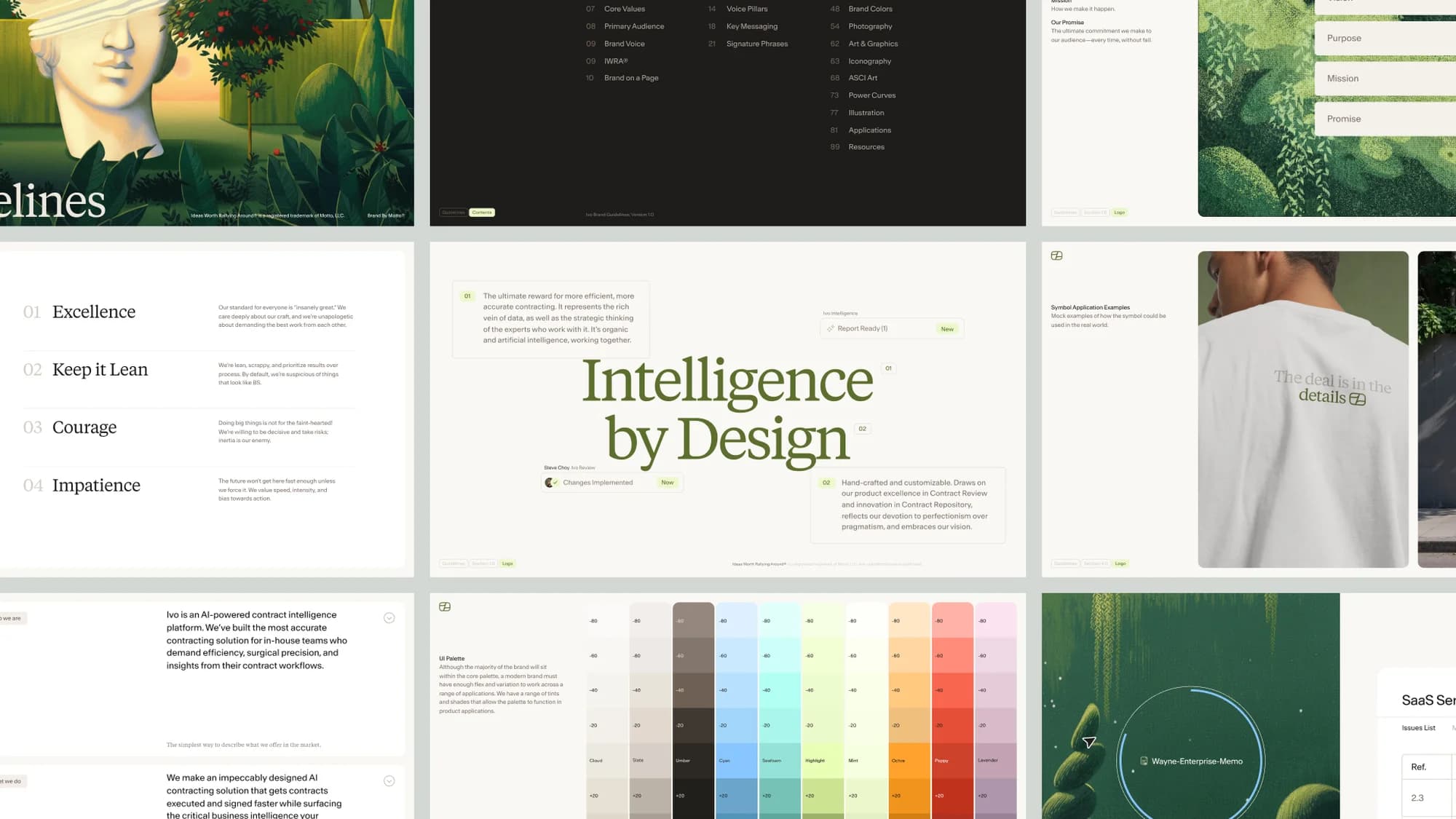
Table of contents
- The Smart Way to Refresh Your Brand: A Comprehensive Guide
- Why Refresh? Understanding the Triggers
- The Strategic Blueprint: Planning Your Brand Refresh
- Phase 1: Deep Dive – Research and Analysis
- Phase 2: Defining the Future – Strategy and Goals
- The Creative Evolution: Designing Your New Brand Identity
- Logo and Visual Identity
- Messaging and Tone of Voice
- Implementation: Rolling Out Your Refreshed Brand
- 1. Develop Comprehensive Brand Guidelines
- 2. Internal Rollout and Training
- 3. Phased External Launch
- 4. Communication Strategy
- Measuring Success: Post-Refresh Analytics
- Common Pitfalls to Avoid
- The Power of a Well-Managed Brand Refresh
The Smart Way to Refresh Your Brand: A Comprehensive Guide
Hey there! So, you’re thinking about a brand refresh? That’s a big step, and a smart one if it’s done right. Think of your brand like a favorite old sweater. It’s comfortable, familiar, and has great memories attached. But maybe the color is a bit faded, a seam is coming loose, or it just doesn’t quite fit the current trends. A refresh isn’t about throwing it out and buying a whole new wardrobe; it’s about expertly mending, perhaps subtly altering, and making sure it still looks and feels amazing for today’s world.
At Brandkity, we see this all the time. Brands evolve, markets shift, and what worked perfectly five years ago might need a little… or a lot… of tweaking to stay relevant and resonate with your audience. A successful brand refresh can inject new life into your business, attract new customers, and re-engage your existing ones. But a poorly executed one? Well, that can be a costly misstep. So, let’s dive into how to do it the smart way, with a focus on strategy, execution, and ensuring your brand’s core remains intact while it gets a dazzling makeover.
Why Refresh? Understanding the Triggers
Before we even start sketching logos or picking new color palettes, we need to understand why you’re considering a refresh. This isn’t a decision to be made on a whim. Here are some common signals that indicate it might be time:
- Market Changes: Your industry has evolved, new competitors have emerged with fresh visuals, or consumer preferences have shifted. Think about how fast technology moves – your brand needs to keep pace.
- Outdated Visuals: Your logo looks like it belongs in a different decade. Your website feels clunky, and your marketing materials don’t reflect the quality or modernity of your products/services.
- Shifting Business Goals: Your company has expanded into new markets, launched new product lines, or pivoted its core offering. Your brand needs to accurately represent where you are now and where you’re going. This ties directly into understanding your brand vision vs mission.
- Inconsistent Brand Experience: Different teams or departments are using different versions of logos, colors, or messaging, leading to a fragmented and confusing customer experience.
- Negative Perceptions: Your brand is associated with something undesirable, or the public perception no longer aligns with your desired image.
- Mergers or Acquisitions: Combining two brands often requires a thoughtful refresh to integrate identities and create a unified presence.
For example, consider a company that started as a small, local bakery. Its original branding might have been charming and rustic. But as it grows into a national chain, offering gourmet pastries and catering services, that rustic charm might start to feel a bit… small. The brand needs to project sophistication, quality, and scale. That’s a clear trigger for a refresh.
The Strategic Blueprint: Planning Your Brand Refresh
Okay, you’ve decided a refresh is necessary. Now comes the crucial part: planning. This isn’t just about aesthetics; it’s about strategy. A robust plan ensures your refresh is purposeful, effective, and won’t lead to unintended consequences.
Phase 1: Deep Dive – Research and Analysis
This is where you put on your detective hat. You need to understand your current brand’s performance and the landscape you operate in.
- Internal Audit:
- Brand Perception: How do your employees, stakeholders, and long-time customers perceive your brand? Gather feedback through surveys, interviews, and focus groups.
- Asset Audit: What brand assets do you currently have? Logos, color palettes, fonts, imagery, messaging guidelines. Are they documented? Are they accessible? This is where understanding how to organize and manage digital assets becomes paramount.
- Consistency Check: How consistently are these assets being used across all touchpoints?
- External Audit:
- Competitor Analysis: What are your direct and indirect competitors doing? What are their visual identities, messaging, and market positioning? What’s working for them?
- Market Trends: What are the current design trends, communication styles, and consumer expectations in your industry? Be careful not to chase fads, but be aware of the evolving landscape.
- Audience Research: Who is your target audience now? Has it evolved? What are their values, aspirations, and communication preferences?
Think of this like a doctor giving you a full check-up before prescribing treatment. You need to know what’s working, what’s not, and what external factors are at play.
Phase 2: Defining the Future – Strategy and Goals
With the data from your audit, you can start shaping the future of your brand.
- Re-evaluate Brand Core: This is the heart of your brand. What are your fundamental values, your mission, and your long-term vision? A refresh should build upon this core, not abandon it. If your core values are about sustainability and community, your refresh should amplify that, not mute it.
- Identify Key Objectives: What do you want to achieve with this refresh?
- Increase brand recognition by X%?
- Attract a younger demographic?
- Position the brand as more innovative?
- Improve internal brand adoption?
- Develop a New Brand Strategy: Based on your objectives, outline the strategic direction. This might involve refining your target audience, adjusting your messaging pillars, or defining a new brand personality.
This phase is about clarity. If your current brand feels like a blurry photograph, this is where you bring it into sharp focus. It’s also a good time to consider how your refresh aligns with broader company goals. A strategic brand investment should always fuel business growth.
The Creative Evolution: Designing Your New Brand Identity
Now for the exciting part – the creative execution! This is where you translate your strategy into tangible brand elements.
Logo and Visual Identity
This is often the most visible element of a brand refresh. Whether it’s a minor tweak or a complete overhaul, your logo is your brand’s handshake.
- Logo Refinement: Sometimes, a simple refresh is all that’s needed. This could involve updating typography, adjusting colors, or simplifying an existing mark. Think of how Google has subtly evolved its logo over the years – still recognizable, but cleaner and more modern.
- Logo Redesign: If your brand has significantly shifted, a full redesign might be necessary. This requires careful consideration of symbolism, scalability, and memorability.
- Color Palette: Colors evoke emotions. Your refreshed palette should align with your brand personality and objectives. Are you aiming for trustworthy and established (blues, grays)? Or dynamic and energetic (oranges, reds)?
- Typography: Fonts communicate tone. Choose typefaces that are legible, reflect your brand’s personality, and work well across various media. A serif font might feel classic and authoritative, while a sans-serif can appear modern and approachable.
- Imagery and Iconography: What kind of photos, illustrations, or icons will you use? These elements should be consistent and reinforce your brand’s message. Do you use professional, stylized photography, or more candid, relatable shots?
Mini Case Study: Airbnb’s “Bélo” Logo Evolution
In 2014, Airbnb unveiled its new logo, the “Bélo.” This was a significant departure from its previous, more text-heavy logo. The new symbol was abstract, representing belonging, love, and people. It was designed to be versatile and scalable across different applications. The refresh wasn’t just about a pretty icon; it was a strategic move to embody their core value of “belonging anywhere” and to create a more universally recognizable and adaptable brand mark. It sparked debate, as many significant refreshes do, but it ultimately helped solidify their global identity.
Messaging and Tone of Voice
Your visual identity is only half the story. How you communicate is equally vital.
- Refine Your Messaging: What are your key messages? Are they clear, concise, and compelling? Ensure they align with your refreshed brand strategy and target audience.
- Develop a Tone of Voice Guide: This is crucial for consistency. Should your brand sound friendly and casual? Authoritative and professional? Witty and playful? Documenting this helps ensure everyone from marketing to customer service speaks with one voice.
Consider how a tech startup might shift from overly technical jargon to more accessible, benefit-driven language as it aims to broaden its appeal. This isn’t just a word change; it’s a strategic shift in how they connect with a wider audience.
Implementation: Rolling Out Your Refreshed Brand
You’ve got the new look and feel. Now, how do you bring it to life across your entire organization and out into the world?
1. Develop Comprehensive Brand Guidelines
This is your brand bible. A well-documented set of brand guidelines is essential for ensuring consistency. It should cover:
- Logo usage (dos and don’ts)
- Color palettes (primary, secondary, accessibility considerations)
- Typography (primary, secondary, web fonts)
- Imagery style
- Tone of voice
- Application examples (e.g., how to use on business cards, social media, websites)
Having clear guidelines is fundamental to successful brand management. Tools that help create and maintain a brand kit are invaluable here.
2. Internal Rollout and Training
Your employees are your brand’s first ambassadors. Before you launch externally, ensure everyone internally understands and embraces the new brand.
- Informational Sessions: Hold meetings or webinars to explain the “why” behind the refresh and showcase the new elements.
- Provide Resources: Make sure everyone has easy access to the new brand assets and guidelines. A centralized digital asset management system is ideal for this.
- Encourage Adoption: Get buy-in by highlighting the benefits of the refresh for everyone in the company.
3. Phased External Launch
You don’t have to change everything overnight. A phased approach is often more manageable and cost-effective.
- Website and Digital Platforms: These are usually the first to get updated, as they are highly visible and can be changed relatively quickly.
- Marketing Collateral: Update brochures, presentations, social media templates, email signatures, etc.
- Physical Assets: Signage, packaging, merchandise, and office spaces might take longer and involve more significant costs. Consider the rebranding cost breakdown to budget effectively for these larger items.
- Advertising Campaigns: Launch new campaigns that reflect the refreshed brand identity.
Think of a restaurant chain. They might update their website and social media first. Then, they’ll start rolling out new menu designs. Eventually, they’ll tackle their physical signage and interior decor across all locations. This phased approach minimizes disruption and allows for controlled expenditure.
4. Communication Strategy
How will you tell the world about your refreshed brand? Your communication plan should be as strategic as the refresh itself.
- Announce the Change: Clearly communicate the refresh, explaining the reasons and the benefits for your customers.
- Highlight Continuity: Reassure customers that the core values and quality they love are still there, just presented in a more relevant way.
- Leverage Different Channels: Use your website, social media, email newsletters, press releases, and even in-store announcements.
Measuring Success: Post-Refresh Analytics
A refresh isn’t complete until you measure its impact. How do you know if it worked?
- Track Key Metrics: Revisit the objectives you set in Phase 2. Are you seeing an increase in website traffic, social media engagement, lead generation, or sales?
- Brand Sentiment Monitoring: Keep an eye on social media mentions, customer reviews, and news coverage. Is the sentiment positive? Are people talking about the refresh in the way you intended?
- Internal Feedback: Continue to gather feedback from employees. Are they finding the new assets easy to use? Do they feel more connected to the brand?
- Analyze Asset Performance: Use analytics tools to measure brand asset performance. See which visuals are resonating most with your audience.
If your goal was to attract a younger audience, and you see a significant uptick in engagement from that demographic on social media, that’s a strong indicator of success. If customer service inquiries about brand confusion have decreased, that’s also a win.
Common Pitfalls to Avoid
Even with the best intentions, brand refreshes can stumble. Here are some common traps:
- Refreshing for the Wrong Reasons: Don’t refresh just because a competitor did, or because someone on your team is bored. There must be a strategic imperative.
- Losing Your Core Identity: A refresh should enhance, not erase, what makes your brand unique and beloved. Don’t chase trends so hard that you become unrecognizable.
- Inconsistent Execution: A beautiful new logo on a website but an old one on business cards screams disorganization. Every touchpoint matters.
- Poor Internal Communication: If your own team doesn’t understand or adopt the new brand, the external message will be muddled.
- Underestimating the Cost and Time: Brand refreshes are significant projects that require investment in both time and resources.
- Not Planning for Asset Management: A refresh creates a lot of new assets and updates to old ones. Without a robust system, these can quickly become disorganized, negating the benefits of the refresh. This is where robust digital asset management features are crucial.
The Power of a Well-Managed Brand Refresh
A successful brand refresh is more than just a cosmetic upgrade. It’s a strategic revitalization that can redefine your market position, deepen customer loyalty, and drive business growth. It’s about ensuring your brand continues to speak the right language to the right people, at the right time, with a visual identity that reflects its true value and forward momentum.
At Brandkity, we’re passionate about helping brands thrive. By approaching your brand refresh with meticulous planning, strategic creativity, and a commitment to consistent execution, you can transform your brand into an even more powerful asset. Don’t let your brand become that faded sweater. Invest in its evolution, and watch it shine brighter than ever.
Saurabh Kumar
Founder, BrandKity
Saurabh writes about practical brand systems, faster client handoffs, and scalable workflows for designers and agencies building repeatable delivery operations.
Connect on LinkedIn