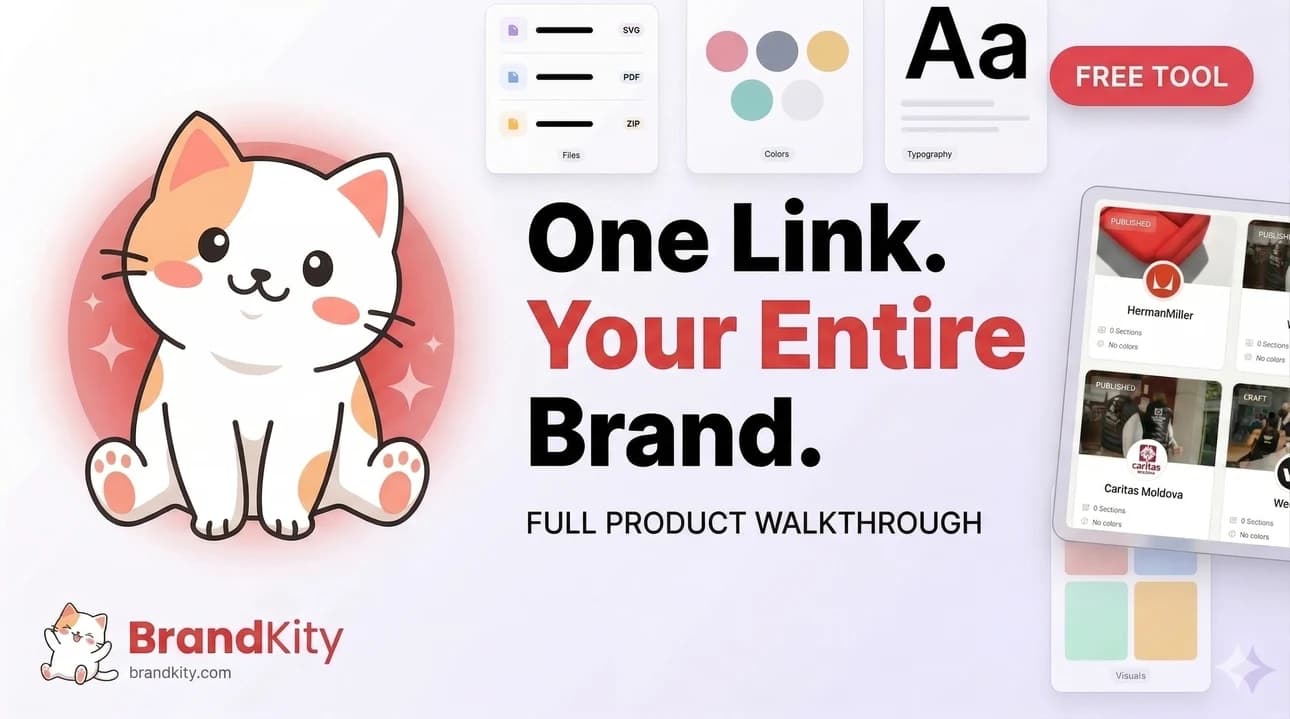
How To Organize And Manage Digital Assets
How To Organize And Manage Digital Assets Let’s be honest, we’ve all been there. You’re frantically searching for that one specific logo file, the latest product image, or a crucial marketing collateral piece. Your desktop is a graveyard of dated versions, your shared drive is a labyrinth of cryptic folder names, and your email inbox
Table of contents
- How To Organize And Manage Digital Assets
- Why Digital Asset Management (DAM) Isn’t Just a Buzzword
- The Tangible Benefits of a Well-Organized System
- Step 1: Audit Your Existing Assets
- Step 2: Define Your Asset Management Strategy
- Develop a Naming Convention
- Create a Folder Structure
- Establish Metadata and Tagging Standards
- Define Roles and Permissions
- Step 3: Choose the Right Tools
- The Case for a Digital Asset Management (DAM) System
- Other Helpful Tools
- Step 4: Implement and Train Your Team
- Phased Rollout and Data Migration
- Comprehensive Training
- Step 5: Maintain and Evolve
- Regular Audits and Clean-ups
- Monitor Usage and Gather Feedback
- Adapt to Changing Needs
- The Future of Digital Asset Management
How To Organize And Manage Digital Assets
Let’s be honest, we’ve all been there. You’re frantically searching for that one specific logo file, the latest product image, or a crucial marketing collateral piece. Your desktop is a graveyard of dated versions, your shared drive is a labyrinth of cryptic folder names, and your email inbox is a black hole of attachments. The clock is ticking, a client is waiting, and the pressure is mounting. This, my friends, is the chaos of unmanaged digital assets.
In today’s fast-paced digital world, brands are built and communicated through a constant stream of visual and textual content. From social media posts and website banners to sales presentations and internal documents, digital assets are the lifeblood of your brand’s presence. But without a proper system, these assets can quickly become a liability rather than an asset. That’s where organizing and managing your digital assets comes in. It’s not just about tidiness; it’s about efficiency, consistency, and ultimately, the strength and clarity of your brand.
Think of it like this: imagine a library without a cataloging system. Books are piled randomly, finding a specific title would be an impossible task, and the whole experience would be frustrating. Your digital assets are no different. They need to be discoverable, accessible, and usable by everyone who needs them, when they need them. This blog post is your guide to transforming that digital chaos into a well-oiled, efficient system. We’ll walk through the essential steps, best practices, and the kind of mindset shift that makes all the difference.
Why Digital Asset Management (DAM) Isn’t Just a Buzzword
Before we dive into the ‘how,’ let’s briefly touch upon the ‘why.’ You might be thinking, “I have folders, isn’t that enough?” For a while, maybe. But as your brand grows, your team expands, and your content needs multiply, relying on simple folder structures becomes incredibly inefficient and prone to errors. This is where the concept of Digital Asset Management (DAM) becomes critical. DAM is more than just storage; it’s a comprehensive system for organizing, storing, retrieving, and sharing your digital assets.
Effective DAM ensures that everyone in your organization is using the most current, on-brand, and properly licensed assets. This prevents embarrassing mistakes, like using an old logo on a new campaign, or worse, using an image without the proper rights. It saves countless hours that would otherwise be spent searching, reduces redundant work, and ensures a consistent brand experience across all touchpoints. In essence, good DAM is a foundational element for building a strong corporate identity.
The Tangible Benefits of a Well-Organized System
- Time Savings: Imagine cutting down search time from hours to seconds. This is the most immediate and significant benefit.
- Brand Consistency: Ensures everyone uses the correct logos, fonts, colors, and messaging, reinforcing your brand identity.
- Reduced Errors and Risk: Minimizes the chance of using outdated or unlicensed assets, which can lead to legal issues or brand damage.
- Improved Collaboration: Makes it easy for teams to find and share assets, fostering better teamwork and project efficiency.
- Enhanced Productivity: When assets are readily available, teams can focus on creative work and strategic initiatives, rather than administrative tasks.
- Maximized Asset Value: When assets are easily discoverable and reusable, they get used more often, increasing their ROI.
For instance, consider a company launching a new product. If their marketing team can instantly access high-resolution product shots, approved ad copy, and brand guidelines, the campaign can go live much faster and with a unified message. Without this, they might spend days tracking down assets, leading to delays and a fragmented launch.
Step 1: Audit Your Existing Assets
Before you can organize, you need to know what you’re working with. This is your digital asset inventory. It might sound daunting, but it’s a crucial first step. Think of it as decluttering your physical workspace before you rearrange the furniture.
What to Audit:
- File Types: Identify all the different kinds of assets you have (images, videos, audio files, documents, presentations, design files, etc.).
- Location: Where are these files currently stored? (Local drives, shared network drives, cloud storage, individual emails, etc.)
- Ownership and Usage Rights: Who created the asset? Do you have the rights to use it? For how long? Are there any restrictions? This is especially important for stock photography, music, or commissioned work. Understanding your digital rights management is paramount here.
- Current Usage: How are these assets being used currently? Are some assets used extensively while others gather dust?
- Redundancy and Outdated Versions: How many duplicates do you have? Which versions are no longer relevant?
Mini Case Study: The Local Bakery
Let’s imagine “Sweet Delights Bakery,” a beloved local spot. They have photos of their cakes scattered across the owner’s phone, a few old laptops, and some files on a USB stick. When they need a photo for their social media, the baker spends 30 minutes sifting through blurry phone pictures, finding an old, poorly lit image that doesn’t do their beautiful creations justice. An asset audit would reveal: 1) Photos are disorganized and of varying quality. 2) The best photos are on a specific laptop. 3) There are many duplicate, low-resolution images. This audit would immediately highlight the need for a centralized, quality-controlled image library.
During your audit, you might uncover forgotten gems – high-quality photos from a past photoshoot that could be repurposed, or well-designed templates that are currently buried. You’ll also identify the digital clutter – the hundreds of slightly different versions of the same flyer or the blurry smartphone photos that should never see the light of day.
Step 2: Define Your Asset Management Strategy
Once you know what you have, it’s time to decide how you’ll manage it going forward. This involves establishing clear rules and processes. It’s like creating a blueprint before building a house.
Develop a Naming Convention
This is arguably the most critical organizational element. A consistent naming convention makes files instantly searchable and understandable. Without it, even the most sophisticated system will struggle.
Key Principles for Naming Conventions:
- Be Descriptive: Include keywords that clearly identify the asset (e.g., product name, campaign, event, type of asset).
- Be Consistent: Use the same format for all files.
- Use Dates (Optional but Recommended): Include the date in a consistent format (e.g., YYYY-MM-DD) for versioning or creation date.
- Avoid Special Characters: Stick to letters, numbers, and hyphens or underscores. Avoid spaces, slashes, or other symbols that can cause issues across different systems.
- Version Control: Clearly indicate different versions (e.g., `_v1`, `_v2`, `_draft`, `_final`).
Example:
Instead of: `Logo final.png` or `My awesome pic.jpg`
Try: `Brandkity_Logo_Primary_RGB_2023-10-27_v3.png` or `ProductX_Launch_HeroImage_Web_2023-11-15.jpg`
This might seem tedious at first, but the time saved in finding the right file later will be immense. Think about how often you search for files by name. A good naming convention makes that search incredibly effective.
Create a Folder Structure
While a DAM system can largely replace complex folder structures with metadata, a logical folder hierarchy is still useful for initial organization and for users who might access files directly. Keep it simple and intuitive.
Common Approaches:
- By Department: Marketing, Sales, Design, HR, etc.
- By Project/Campaign: Q4_Holiday_Campaign, New_Product_Launch_X.
- By Asset Type: Logos, Images, Videos, Documents, Presentations.
- By Year/Quarter: 2023, 2023_Q4.
A hybrid approach often works best. For example, you might have top-level folders for departments, and within those, folders for specific projects or asset types.
Establish Metadata and Tagging Standards
Metadata is data about data. In DAM, it’s the descriptive information attached to each asset that makes it searchable and understandable. This is where the real power of a DAM system shines.
Key Metadata Fields to Consider:
- Asset Name: (Already covered by naming convention)
- Description: A brief, clear explanation of what the asset depicts.
- Keywords/Tags: Specific terms that describe the content (e.g., “blue sky,” “teamwork,” “sustainability,” “product shot”).
- Usage Rights/Licensing: Expiration dates, restrictions, approved regions.
- Creator/Copyright Holder: Who owns the intellectual property.
- Date Created/Modified:
- Asset Type: Logo, Photo, Video, PDF, etc.
- Brand Guidelines Link:
The more comprehensive and consistent your tagging, the easier it will be for anyone to find exactly what they need. Imagine searching for “happy family outdoors” and instantly pulling up all relevant images, rather than manually browsing hundreds.
Define Roles and Permissions
Who should have access to what? Not everyone needs to download or edit every asset. Assigning roles and permissions ensures that sensitive or proprietary assets are protected and that users only interact with what’s relevant to their job.
Typical Roles:
- Administrator: Full control over the system.
- Editor: Can upload, tag, and manage assets.
- Viewer: Can search, view, and download assets.
- Uploader: Can only upload new assets.
This prevents accidental deletion of critical files or unauthorized use of certain materials. It’s like giving different keys to different doors in your office building.
Step 3: Choose the Right Tools
While manual organization can work for very small teams, most organizations will benefit from a dedicated solution. The right tools can automate many of these processes, making management far more efficient and scalable. This is where the power of digital tools to simplify brand management truly comes into play.
The Case for a Digital Asset Management (DAM) System
A robust DAM system is designed specifically for this purpose. It centralizes all your digital assets, provides advanced search capabilities (powered by metadata), offers version control, manages permissions, and often includes features for tracking asset usage and analytics.
Key Features to Look For in a DAM:
- Centralized Cloud Storage: Accessible from anywhere.
- Powerful Search & Filtering: Based on metadata and keywords.
- Version Control: Track changes and revert to previous versions.
- User & Permission Management: Granular control over access.
- Asset Transformation: Ability to download assets in different formats and sizes.
- Analytics and Reporting: Understand how assets are being used.
- Integration Capabilities: Connect with other tools your team uses (e.g., design software, project management tools, CMS).
- Brand Guidelines & Kits: A dedicated space for your brand rules and templated assets.
Consider a scenario where your sales team needs to create a presentation on the fly. With a DAM, they can quickly find the latest product images, company logos, and approved marketing slides, ensuring their presentation is professional and on-brand, without having to ask the marketing department for everything.
Other Helpful Tools
- Cloud Storage Solutions: For basic file sharing and storage, but often lack advanced DAM features.
- Project Management Software: Can help manage the creation and approval of assets, but aren’t ideal for long-term storage and retrieval. Look for best project management software for marketing teams.
- Design Software Plugins: Some design tools offer plugins that connect directly to DAM systems, allowing designers to pull assets without leaving their creative environment.
- Workflow Tools: For automating approval processes and ensuring assets move smoothly from creation to finalization. Tools to create and maintain a brand kit are also invaluable here.
Choosing the right tool depends on your organization’s size, budget, and specific needs. For most businesses serious about their brand, investing in a dedicated DAM solution is a strategic move that pays dividends in efficiency and brand integrity.
Step 4: Implement and Train Your Team
Having the best system in the world won’t help if no one uses it correctly. Implementation and training are crucial for adoption.
Phased Rollout and Data Migration
Don’t try to migrate thousands of assets overnight. A phased approach is usually best:
- Start with Critical Assets: Begin with your most important and frequently used assets (logos, core product images, brand guidelines).
- Migrate in Batches: Move assets from your audit in logical groups.
- Clean as You Go: Delete duplicates and outdated files during the migration process.
- Test Thoroughly: Ensure everything is uploaded, tagged, and accessible as expected.
If you’re moving from a chaotic system, this is a great opportunity to purge old, irrelevant files. Think of it as decluttering your digital closet. You might even discover that some assets you thought were essential are no longer used, saving you storage space and management effort.
Comprehensive Training
Your team needs to understand why this new system is important and how to use it effectively.
- Onboarding for New Hires: Make DAM training a part of the onboarding process.
- Regular Refresher Sessions: Keep best practices top of mind.
- Create User Guides and FAQs: Provide easily accessible resources.
- Designate DAM Champions: Identify individuals within teams who can help colleagues and provide feedback.
- Highlight the Benefits: Continuously remind users how the system makes their jobs easier.
For example, if a new marketing campaign is launching, train the team on how to find and use the specific assets designated for that campaign within the DAM. Emphasize how using the correct, approved versions ensures brand consistency and avoids last-minute corrections.
Step 5: Maintain and Evolve
Organization isn’t a one-time event; it’s an ongoing process. Your digital asset management system needs to be nurtured.
Regular Audits and Clean-ups
Schedule periodic reviews (e.g., quarterly or annually) to identify and remove outdated assets, update metadata, and ensure the system remains efficient. This is a good time to check if your current processes are still meeting your needs.
Monitor Usage and Gather Feedback
Use the analytics features of your DAM to understand which assets are most popular and how they are being used. Collect feedback from your team about what’s working well and what could be improved. Tools that measure brand asset performance are invaluable here.
Adapt to Changing Needs
As your brand evolves, your asset library will too. New products, campaigns, and rebranding efforts (which can have a significant rebranding cost breakdown) will introduce new assets. Ensure your DAM system can accommodate these changes and that your team is updated on new processes or asset types.
For instance, if your brand decides to adopt a new visual style, your DAM system should be updated to reflect these changes. This might involve archiving old assets, establishing new tagging conventions for the new style, and training users on how to identify and use the updated brand elements. It’s a continuous improvement cycle.
The Future of Digital Asset Management
The landscape of digital content is constantly shifting. With the rise of AI, generative content, and new platforms, the way we create and consume assets will continue to change. A robust DAM system isn’t just about managing what you have today; it’s about building a flexible infrastructure that can adapt to the future of digital content marketing strategies.
Embracing these organizational principles and leveraging the right tools will not only save you time and resources but will also significantly strengthen your brand’s presence and impact. When your assets are well-managed, your brand speaks with a clear, consistent, and powerful voice across every channel.
Don’t let your valuable brand assets get lost in the digital wilderness. Take the first step today to implement a system that empowers your team, protects your brand, and fuels your growth. The clarity, efficiency, and consistency you’ll gain are invaluable investments in your brand’s future.
Saurabh Kumar
Founder, BrandKity
Saurabh writes about practical brand systems, faster client handoffs, and scalable workflows for designers and agencies building repeatable delivery operations.
Connect on LinkedIn