How to Launch a Brand Management Platform: Key Milestones and Lessons Learned
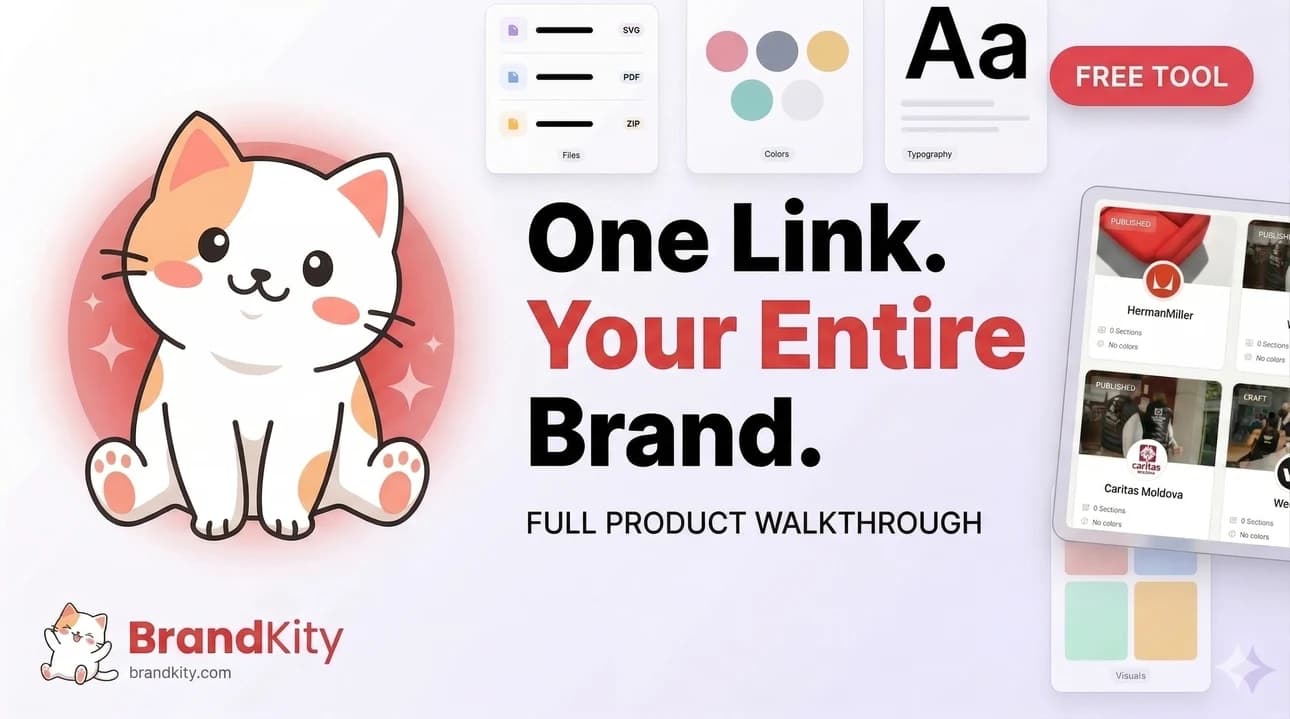
How to Launch a Brand Management Platform: Key Milestones and Lessons Learned So, you’re thinking about launching a brand management platform. That’s a big, exciting undertaking! Whether you’re building one from scratch as a SaaS product, or implementing one internally to wrangle your own brand assets, the journey is a significant one. It’s not just
Table of contents
- How to Launch a Brand Management Platform: Key Milestones and Lessons Learned
- Phase 1: The Foundation – Vision, Strategy, and Planning
- Milestone 1: Defining the Core Problem and Target Audience
- Lesson Learned: Don’t try to be everything to everyone.
- Milestone 2: Crafting the Platform’s Vision and Value Proposition
- Mini Case Study: The “Single Source of Truth” Revolution
- Milestone 3: Market Research and Competitive Analysis (Without Naming Names!)
- Lesson Learned: User feedback is gold.
- Milestone 4: Technology Stack and Architecture Planning
- Lesson Learned: Prioritize scalability from the start.
- Phase 2: Development and Design – Building the Core Product
- Milestone 5: Minimum Viable Product (MVP) Definition and Development
- Lesson Learned: Embrace agile development.
- Milestone 6: User Interface (UI) and User Experience (UX) Design
- Analogy: The Library vs. The Maze
- Milestone 7: Core Feature Development and Testing
- Lesson Learned: Don’t skimp on testing.
- Milestone 8: Integration Planning (Optional but Recommended)
- Phase 3: Pre-Launch and Launch – Getting Ready for the World
- Milestone 9: Beta Testing Program
- Lesson Learned: Listen to your beta testers.
- Milestone 10: Developing Onboarding and Support Materials
- Mini Case Study: The “First 5 Minutes” Experience
- Milestone 11: Marketing and Sales Strategy Development
- Lesson Learned: Differentiate your messaging.
- Milestone 12: The Official Launch
- Analogy: The Grand Opening
- Phase 4: Post-Launch – Growth, Iteration, and Evolution
- Milestone 13: Gathering User Feedback and Analytics
- Lesson Learned: Data and intuition must work together.
- Milestone 14: Iterative Development and Feature Enhancements
- Milestone 15: Scaling Infrastructure and Operations
- Lesson Learned: Plan for growth but manage costs.
- Milestone 16: Building a Community
- Milestone 17: Staying Ahead of Trends
- Final Thoughts: Your Brand Management Platform Journey
How to Launch a Brand Management Platform: Key Milestones and Lessons Learned
So, you’re thinking about launching a brand management platform. That’s a big, exciting undertaking! Whether you’re building one from scratch as a SaaS product, or implementing one internally to wrangle your own brand assets, the journey is a significant one. It’s not just about the tech; it’s about people, processes, and a whole lot of strategic thinking. At Brandkity, we’ve seen a thing or two, and we’re here to share some of the crucial milestones and hard-won lessons that can make your launch smoother and more successful.
Imagine launching a brand management platform like building a fantastic new city. You don’t just plop down buildings; you need a master plan, infrastructure, zoning laws, and a vision for how people will live and work there. Similarly, a brand management platform needs a solid foundation, clear objectives, and a user-centric approach from day one. Let’s break down the journey into digestible milestones, sprinkled with the wisdom we’ve gathered along the way.
Phase 1: The Foundation – Vision, Strategy, and Planning
Before a single line of code is written or a single asset is uploaded, you need to lay a robust foundation. This phase is all about asking the big questions and defining the ‘why’ and ‘how’ of your platform.
Milestone 1: Defining the Core Problem and Target Audience
What specific pain points is your platform solving? Are you tackling brand inconsistency across departments? Struggling with version control for logos? Making it difficult for external partners to access approved assets? Pinpointing the exact problems you’re addressing is critical. Then, who are you solving it for? Are you targeting small businesses, large enterprises, specific industries like marketing agencies or web hosting providers (think how to empower your web hosting and domain services with seamless brand management)? Understanding your audience’s needs, workflows, and technical capabilities will shape every decision that follows.
Lesson Learned: Don’t try to be everything to everyone.
Early on, it’s tempting to think your platform can solve every conceivable brand management issue. Resist this urge. Focus on a core set of problems and excel at solving them. You can always expand later. Trying to do too much too soon can lead to a bloated, confusing product and diluted user experience.
Milestone 2: Crafting the Platform’s Vision and Value Proposition
What is the ultimate goal of your platform? What unique value does it offer? This is your north star. It should be clear, concise, and compelling. For example, a vision might be: “To empower every team member to confidently and consistently represent the brand, regardless of their role or location.” Your value proposition will articulate how you achieve this. Perhaps it’s through intuitive asset organization, streamlined approval workflows, or robust brand guidelines integration.
Mini Case Study: The “Single Source of Truth” Revolution
Consider a company that was drowning in scattered files across shared drives, email attachments, and designer’s hard drives. Their vision was to create a “single source of truth” for all brand assets. Their value proposition centered on eliminating outdated versions, saving time searching for assets, and ensuring brand consistency across all marketing materials. This clear focus guided their feature development and messaging.
Milestone 3: Market Research and Competitive Analysis (Without Naming Names!)
You need to understand the landscape. What are other platforms doing well? Where are the gaps? What features are standard, and what are innovations? This isn’t about copying; it’s about understanding user expectations and identifying opportunities to differentiate. Look at pricing models, feature sets, user interfaces, and customer support strategies of existing solutions.
Lesson Learned: User feedback is gold.
Don’t rely solely on your internal assumptions. Talk to potential users. Conduct surveys, interviews, and focus groups. Understand their current workflows, their frustrations, and what they envision in an ideal solution. This early, direct feedback is invaluable and can save you from building features nobody wants.
Milestone 4: Technology Stack and Architecture Planning
This is where the technical gears start turning. What technologies will you use to build your platform? Consider scalability, security, maintainability, and the expertise of your development team. Will it be cloud-native? What database will you use? How will you handle file storage and delivery? This decision requires careful consideration, possibly involving hiring a skilled Chief Technology Officer who can guide these choices effectively (referencing what to look for when hiring a chief technology officer for your brand management platform).
Lesson Learned: Prioritize scalability from the start.
It’s easy to build for today, but a successful platform needs to grow. Design your architecture with scalability in mind. Think about how you’ll handle increased user numbers, larger asset libraries, and more complex features down the line. Future-proofing now will save immense headaches and costs later.
Phase 2: Development and Design – Building the Core Product
With the strategic groundwork laid, it’s time to translate your vision into a tangible product. This phase is about iterative development, user experience design, and building the core functionalities.
Milestone 5: Minimum Viable Product (MVP) Definition and Development
What are the absolute essential features your platform needs to launch and provide value? This is your MVP. It should be functional, usable, and solve the primary problem you identified. Resist the temptation to add every bell and whistle. The goal is to get a working product into users’ hands quickly to gather real-world feedback.
For a brand management platform, an MVP might include:
- Secure user authentication and role management.
- A robust system for uploading, organizing, and tagging assets (logos, images, documents).
- Basic search and filtering capabilities.
- A clear interface for viewing and downloading assets.
- A simple way to define and display brand guidelines.
Lesson Learned: Embrace agile development.
Building an MVP is inherently an agile process. Break down development into sprints, get feedback at the end of each sprint, and be prepared to pivot based on what you learn. This iterative approach allows for continuous improvement and ensures you’re building what users actually need.
Milestone 6: User Interface (UI) and User Experience (UX) Design
This is where your platform comes to life visually and functionally. A great brand management platform should be intuitive and easy to navigate, even for non-technical users. Think about how users will search for assets, upload new files, collaborate, and access brand guidelines. The UI should be clean, modern, and align with the brand of your platform itself. The UX should feel seamless and efficient.
Analogy: The Library vs. The Maze
Think of a well-designed platform like a meticulously organized library. You can easily find the book you need, browse related topics, and access helpful resources. A poorly designed platform is like a maze – confusing, frustrating, and you might never find what you’re looking for. Investing in good UI/UX design is paramount for user adoption and satisfaction.
Milestone 7: Core Feature Development and Testing
This is the heavy lifting. Develop the core functionalities identified in your MVP. This includes everything from the database structure and backend logic to the frontend interface. Rigorous testing is crucial at every stage. This isn’t just about finding bugs; it’s about ensuring the platform performs as expected under various conditions and for different user scenarios.
Lesson Learned: Don’t skimp on testing.
Buggy software erodes trust and frustrates users. Implement comprehensive testing strategies, including unit testing, integration testing, and user acceptance testing (UAT). Involve your target users in UAT to catch issues that your internal team might miss.
Milestone 8: Integration Planning (Optional but Recommended)
Modern workflows often involve multiple tools. Consider what other platforms your users might need to integrate with. This could include design tools (like Adobe Express, a great option for many WordPress users, as detailed in Adobe Express best design tool for WordPress), project management software, or content management systems. Planning for integrations early can make your platform more powerful and adaptable.
Phase 3: Pre-Launch and Launch – Getting Ready for the World
You’ve built the engine; now it’s time to polish the car, fill it with fuel, and get it ready for the road.
Milestone 9: Beta Testing Program
Before a full public launch, run a beta program with a select group of real users. This is your opportunity to get honest, critical feedback in a live environment. Observe how they use the platform, identify any usability issues, and fix critical bugs. Beta testers can also provide valuable testimonials and help spread the word.
Lesson Learned: Listen to your beta testers.
Your beta testers are your most valuable critics. Thank them for their time and feedback. Prioritize the issues they raise and communicate back to them about what changes you’re making based on their input. This builds loyalty and helps refine your product before a wider release.
Milestone 10: Developing Onboarding and Support Materials
A powerful platform is useless if users don’t know how to use it. Create comprehensive onboarding guides, tutorials, FAQs, and knowledge base articles. Consider video tutorials as they are incredibly effective for demonstrating functionality. Your support team should be well-trained and ready to assist users.
Mini Case Study: The “First 5 Minutes” Experience
One successful SaaS company focused intensely on the user’s “first 5 minutes” with their platform. They designed an intuitive onboarding flow that guided new users through the most critical actions. This dramatically reduced churn and support requests, as users quickly understood the core value. For a brand management platform, this might mean a guided tour of asset upload, tagging, and brand guidelines access.
Milestone 11: Marketing and Sales Strategy Development
How will you reach your target audience? Develop a comprehensive marketing plan that includes content marketing, social media, advertising, and potentially partnerships. Your sales strategy should clearly articulate the value proposition and address potential customer objections. For SaaS products, this might involve inbound marketing and a freemium or trial model.
Lesson Learned: Differentiate your messaging.
In a crowded market, your messaging needs to stand out. Clearly articulate what makes your platform unique and how it solves your target audience’s specific problems better than alternatives. Focus on benefits, not just features.
Milestone 12: The Official Launch
This is the day! Ensure your platform is stable, your support channels are open, and your marketing efforts are in full swing. Monitor performance closely, be ready to respond to user feedback and any unexpected issues. Celebrate your team’s hard work!
Analogy: The Grand Opening
Think of your launch like a grand opening for a new store. You want everything to be perfect, welcoming, and exciting for your first customers. A well-orchestrated launch builds momentum and sets a positive tone for your platform’s future.
Phase 4: Post-Launch – Growth, Iteration, and Evolution
The launch isn’t the end; it’s the beginning of a new chapter. This phase is about refining, growing, and ensuring your platform remains relevant and valuable.
Milestone 13: Gathering User Feedback and Analytics
Continuously collect feedback through surveys, support tickets, and direct conversations. Implement robust analytics to understand user behavior: what features are used most, where do users get stuck, and what are the drop-off points? This data is crucial for making informed decisions about future development.
Lesson Learned: Data and intuition must work together.
While data provides objective insights, don’t discard your intuition and understanding of user needs. Sometimes, user behavior might not align perfectly with their stated desires. Use a combination of both to guide your product roadmap.
Milestone 14: Iterative Development and Feature Enhancements
Based on feedback and analytics, prioritize and develop new features or improvements. This could include expanding asset types supported, adding collaboration tools, enhancing search functionality, or developing integrations. The goal is continuous improvement.
For instance, a common area for evolution is in streamlining client handoffs. A platform that can simplify this process, perhaps through dedicated portals or export options, offers significant value (streamline client handoffs: the BrandKity way).
Milestone 15: Scaling Infrastructure and Operations
As your user base grows, you’ll need to scale your infrastructure to handle the increased load. This includes server capacity, database performance, and network bandwidth. It also means scaling your support and customer success teams to maintain a high level of service.
Lesson Learned: Plan for growth but manage costs.
Scalability is key, but it shouldn’t come at an exorbitant cost. Optimize your infrastructure and processes to be efficient. Cloud services offer flexibility, but careful management is needed to control expenses as you grow.
Milestone 16: Building a Community
Foster a community around your platform. This could involve user forums, webinars, case studies, or even user-generated content. A strong community can provide valuable feedback, drive adoption, and create brand advocates.
Milestone 17: Staying Ahead of Trends
The digital landscape is constantly evolving. Stay informed about new technologies, design trends, and user expectations. This might include exploring AI for asset tagging, new file formats, or evolving security protocols. The ability to adapt and innovate is crucial for long-term success.
The brand management industry itself sees shifts, sometimes driven by acquisitions that reshape the landscape (how brand management acquisitions are reshaping the digital asset industry). Understanding these broader market dynamics helps in charting your platform’s future.
Final Thoughts: Your Brand Management Platform Journey
Launching a brand management platform is a marathon, not a sprint. It requires strategic vision, meticulous planning, agile execution, and a relentless focus on the user. Each milestone represents an opportunity to learn, adapt, and build something truly valuable. By focusing on solving real problems, embracing feedback, and committing to continuous improvement, you can navigate this complex journey and build a platform that empowers brands to shine.
Remember, the ultimate goal is to create a tool that simplifies complexity, fosters consistency, and amplifies brand impact. It’s about enabling creativity and ensuring that every piece of brand communication is accurate, on-brand, and effective. With careful planning and a user-centric approach, your brand management platform can become an indispensable asset for the businesses it serves. So, take these milestones as your roadmap, learn from the lessons, and embark on this exciting venture with confidence.
Saurabh Kumar
Founder, BrandKity
Saurabh writes about practical brand systems, faster client handoffs, and scalable workflows for designers and agencies building repeatable delivery operations.
Connect on LinkedIn