
Digital Asset Management for Teams: Fast Brand Sharing
In the fast-paced digital landscape of 2026, efficient brand asset management has transcended being a mere convenience to become a fundamental pillar …
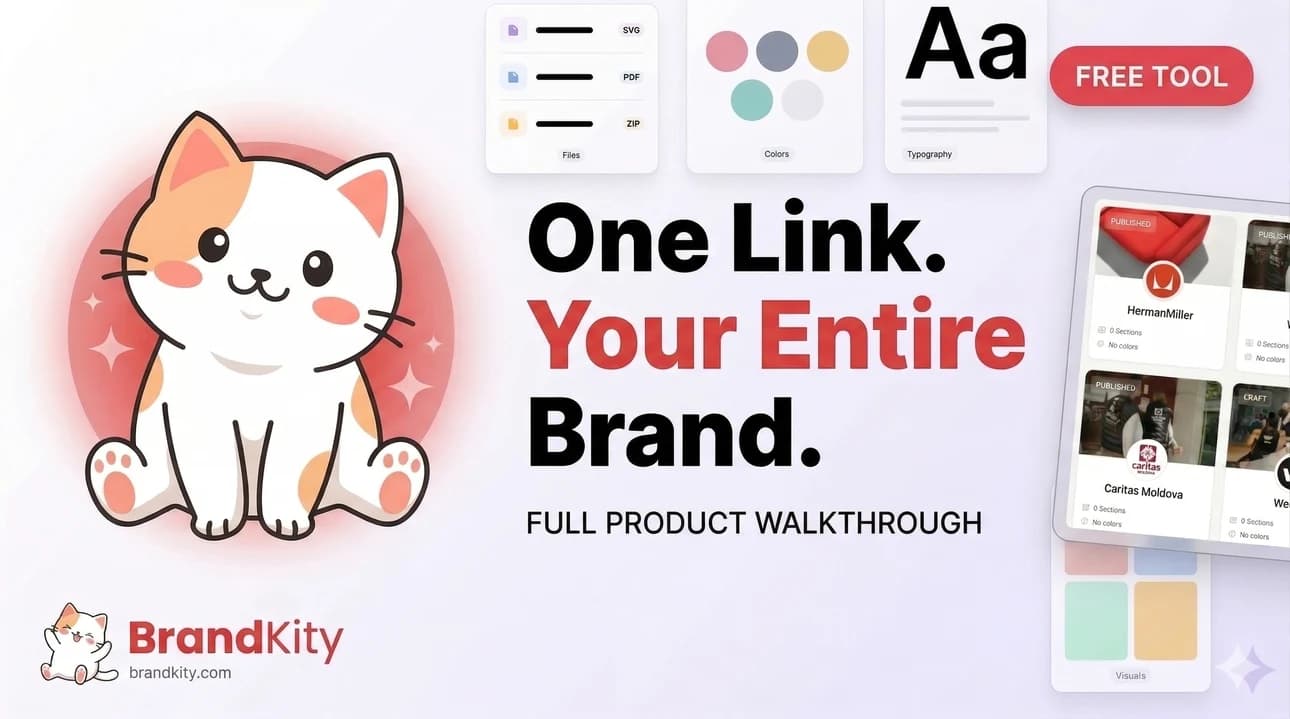
Table of contents
- Beyond File Chaos: The Urgent Need for Streamlined Brand Asset Sharing in Teams
- The Hidden Costs of Dispersed Brand Assets
- Why Traditional File Storage Solutions Fail Modern Creative Workflows
- The Growing Demand for Instant Accessibility and Brand Consistency
- Core Principles of Modern, Team-Oriented Brand Asset Management
- Establishing Your Brand’s ‘Single Source of Truth’ for All Stakeholders
- One-Click Sharing: The Power of a Single, Shareable BrandKit Link
- Intuitive Organization, Smart Tagging, and Advanced Search Capabilities
- Transforming Agency Workflows: Delivering Brands with Unprecedented Speed and Precision
- Client Handoffs Reimagined: Seamlessly Delivering Complete Brand Kits
- Redefining Digital Asset Management for Collaborative Teams and Fast Delivery
- Key Features Driving Fast Brand Sharing and Boosting Team Productivity
- Empowering Marketing and Design Teams with Effortless Asset Access and Control
- Accelerating Campaign Launches and Content Creation Cycles
- Maintaining Brand Guidelines and Standards with Integrated, Always-Current Assets
- Boosting Productivity and Reducing Friction in Creative Operations
- Startup Agility: Managing and Scaling Your Brand Assets from Day One
- Building a Consistent Brand Identity on a Lean Budget and Fast Timeline
- Preparing for Rapid Growth and Professional Investor Relations
- Avoiding Brand Fragmentation as Your Team and Offerings Expand
- Practical Strategies for Implementing Team DAM and Ensuring Seamless Adoption
- Assessing Your Team’s Current Asset Management Challenges and Pain Points
- A Step-by-Step Guide to Migrating Your Brand Assets to a Modern Platform
- Best Practices for Ongoing Governance, Maintenance, and User Engagement
- Measuring the ROI of Efficient Brand Sharing: Impact on Consistency and Business Growth
- Quantifying Time Savings, Reduced Revisions, and Minimized Errors
- The Direct Link Between Streamlined Asset Management and Brand Equity
- Enhancing Brand Perception, Market Trust, and Competitive Advantage
- Common Questions About Digital Asset Management for Collaborative Teams
- What Types of Digital Assets Can Be Managed in a Team DAM?
- How Does Team DAM Differ from Generic Cloud Storage or Shared Drives?
- Key Considerations for Choosing the Right Team DAM for Your Unique Needs
- The Future of Brand Asset Delivery: Why Modern Platforms are Non-Negotiable for Growth
In the fast-paced digital landscape of 2026, efficient brand asset management has transcended being a mere convenience to become a fundamental pillar of team productivity and brand integrity. As creative and marketing teams navigate an ever-growing volume of digital content, the traditional methods of storing and sharing brand assets have proven to be significant bottlenecks, hindering speed and consistency.
This challenge is particularly acute for agencies, startups, and marketing departments that rely on rapid content deployment and seamless collaboration. The demand for instant accessibility and guaranteed brand consistency requires a strategic shift from rudimentary file storage to a sophisticated, yet simple, system for managing and distributing critical brand elements.
Beyond File Chaos: The Urgent Need for Streamlined Brand Asset Sharing in Teams
The Hidden Costs of Dispersed Brand Assets
The consequences of scattered brand assets extend far beyond mere inconvenience, imposing significant hidden costs on businesses. Teams routinely waste countless hours searching for the correct logo variant, an approved image, or the latest brand guideline document. This inefficiency directly impacts project timelines, leading to missed deadlines and increased operational expenses. For example, a marketing team member might spend 30 minutes daily sifting through folders, cumulatively costing hundreds of hours annually in lost productivity across the organization. Moreover, using outdated or incorrect assets due to poor version control can lead to costly reworks and, more critically, brand inconsistency that erodes customer trust. A major pitfall is underestimating these ‘soft costs’ – the cumulative drain on resources and morale that arises from a fractured asset ecosystem.
Why Traditional File Storage Solutions Fail Modern Creative Workflows
While general cloud storage platforms like Dropbox, Google Drive, or Microsoft SharePoint offer robust file storage, they inherently lack the specialized functionalities required for modern creative workflows and brand asset management. These solutions excel at basic file sharing but fall short when it comes to critical features like advanced metadata tagging, visual search, integrated approval workflows, and centralized brand portals. Designers and marketers cannot easily preview specific asset types, apply brand usage rules, or ensure strict version control without cumbersome manual processes. This often results in a labyrinth of folders, duplicate files, and a high risk of publishing non-compliant brand materials, making them unsuitable as a single source of truth for a dynamic brand.
The Growing Demand for Instant Accessibility and Brand Consistency
Today’s digital environment demands immediate access to brand assets and unwavering consistency across all touchpoints. Brands are disseminated across numerous channels – social media, websites, print, video, and more – requiring a constant flow of up-to-date, on-brand materials. Agencies, in particular, face the challenge of managing multiple client brands, each with its unique guidelines and assets, making streamlined client delivery and internal collaboration.
Core Principles of Modern, Team-Oriented Brand Asset Management
Effective team-oriented brand asset management adheres to several core principles designed to maximize efficiency and maintain brand integrity. Firstly, centralization is paramount, consolidating all brand assets into one accessible location. Secondly, intuitive search and organization, empowered by smart tagging and robust metadata, ensure assets are effortlessly findable. Thirdly, sophisticated version control prevents the use of outdated materials, while transparent approval workflows streamline feedback. Finally, fostering seamless collaboration allows team members, clients, and external partners to interact with assets securely and efficiently. These principles collectively create an environment where speed, precision, and consistency are not just goals but inherent features of the workflow.
Establishing Your Brand’s ‘Single Source of Truth’ for All Stakeholders
A crucial outcome of modern DAM is the establishment of a
At the heart of modern brand asset management platforms are centralized brand portals, acting as your team’s custom-branded asset hub. These portals provide a visually intuitive and easily navigable environment where all approved logos, color palettes, typography, imagery, and brand guidelines reside. Unlike generic file folders, a brand portal allows for curated access, ensuring that specific users or client teams only see the assets relevant to them. For example, a freelance designer might only see the client’s current campaign assets, while the marketing director has access to the full brand library. This significantly reduces search time, minimizes errors, and empowers all stakeholders with self-service access to essential brand components.
One-Click Sharing: The Power of a Single, Shareable BrandKit Link
One of the most revolutionary features driving fast brand sharing is the capability for one-click sharing, often encapsulated in a single, shareable BrandKit link. Instead of compiling multiple files into a zip folder, attaching them to an email, or directing someone to a complicated file path, users can generate a unique link that provides instant access to an entire collection of brand assets. This link can contain anything from logos and iconography to full brand guidelines, marketing templates, and videos. This approach dramatically simplifies the process of sending brand materials to clients, partners, or media outlets, ensuring that they always receive the most current and complete set of assets with unparalleled speed and simplicity.
Intuitive Organization, Smart Tagging, and Advanced Search Capabilities
To truly unlock fast brand sharing, assets must be easily findable. Modern DAM platforms excel in this area by offering intuitive organization, powered by smart tagging and advanced search capabilities. Assets can be categorized, grouped into collections, and automatically or manually tagged with descriptive keywords and custom metadata (e.g., usage rights, project name, color palette). This robust indexing allows users to quickly locate specific assets using filters, keywords, or even visual recognition. For creative teams, this means less time spent searching and more time focused on design and execution, directly translating into enhanced team productivity and a smoother workflow.
Transforming Agency Workflows: Delivering Brands with Unprecedented Speed and Precision
Client Handoffs Reimagined: Seamlessly Delivering Complete Brand Kits
For branding and creative agencies, the client handoff process has traditionally been a source of significant friction, often involving large, unorganized folders of files and outdated PDF brand guidelines. Modern DAM platforms fundamentally centralized hub for each client’s brand, agencies can ensure that all designers, marketers, and content creators are always accessing the correct, approved assets and adhering to specific brand guidelines. This prevents costly “off-brand” outputs and safeguards the integrity of every client’s identity across all initiatives.
Redefining Digital Asset Management for Collaborative Teams and Fast Delivery
Modern Digital Asset Management (DAM) platforms are no longer just repositories for files; they are dynamic, intelligent hubs that redefine how collaborative teams manage and deliver brand assets. They act as a central nervous system for creative and marketing operations, ensuring that every team member, from designers to content strategists, has immediate access to the most current, approved brand elements. This evolution from simple storage to an integrated, collaborative environment is pivotal for agencies and internal marketing teams striving for both speed and precision in their output.
Crucial to this redefinition are robust features like version control and streamlined approval workflows. Teams can track every iteration of an asset, revert to previous versions if needed, and manage a clear audit trail. Coupled with customizable approval processes, stakeholders can review, comment on, and approve assets digitally and efficiently. This dramatically reduces bottlenecks associated with traditional, manual approval cycles, accelerating content creation and ensuring that only compliant, high-quality assets are distributed.
Ultimately, by providing a structured, secure, and easily accessible environment, modern DAM systems empower collaborative teams to work with unprecedented synchronization. This not only significantly reduces miscommunication and rework but also fosters an agile environment where assets can be deployed, updated, and shared at the speed demanded by today’s fast-paced digital landscape, ensuring precision in every brand interaction.
Key Features Driving Fast Brand Sharing and Boosting Team Productivity
Beyond the fundamental principles of organization and accessibility, a suite of advanced features specifically targets accelerated brand sharing and heightened team productivity. These functionalities extend the power of a DAM system, automating repetitive tasks and integrating seamlessly with existing workflows to maximize operational efficiency.
One critical area is workflow automation, which allows teams to set up predefined rules for asset routing, approvals, and distribution. For instance, an asset might automatically be sent for legal review after a designer marks it as “final,” or automatically published to a content delivery network upon approval. This eliminates manual handoffs, reduces human error, and ensures that assets move through their lifecycle at optimal speed. Additionally, user roles and permissions provide granular control over who can access, edit, or share specific assets, maintaining security and streamlining team responsibilities.
Furthermore, seamless integrations with other essential business tools—such as content management systems (CMS), marketing automation platforms, and creative software—create an interconnected ecosystem. This allows assets to be pulled directly from the DAM into websites, campaigns, or design projects without cumbersome downloads and re-uploads, ensuring brand consistency across all channels and drastically improving the speed at which teams can deploy new content and campaigns, thereby boosting overall productivity.
Empowering Marketing and Design Teams with Effortless Asset Access and Control
Accelerating Campaign Launches and Content Creation Cycles
Modern marketing and design teams operate at an accelerated pace, where the timely retrieval and deployment of brand assets are critical. A robust Digital Asset Management (DAM) solution eliminates the bottlenecks traditionally associated with locating approved images, videos, and collateral. Decision criteria for effective acceleration include instantaneous search capabilities, integration with creative tools, and version control that ensures only the latest, approved assets are accessible. Without a centralized system, teams often face pitfalls such as using outdated logos or incorrect product shots, leading to costly revisions and delays. For instance, a global marketing team launching a new product campaign can reduce asset gathering time from days to minutes by using a DAM that provides immediate access to localized content and associated guidelines. Actionable steps involve centralizing all creative materials and implementing a consistent tagging taxonomy to optimize search and retrieval, thereby significantly boosting campaign velocity and enabling more efficient content creation cycles. This also streamlines the internal review and approval process, ensuring faster time-to-market.
Maintaining Brand Guidelines and Standards with Integrated, Always-Current Assets
Brand consistency is paramount, especially as content proliferation across diverse channels continues to expand. A DAM platform serves as the definitive single source of truth for all brand-approved assets, directly integrating with and enforcing established brand guidelines. This prevents the common pitfall of brand dilution where various departments or external partners inadvertently use off-brand colors, outdated fonts, or incorrect messaging. Effective DAM solutions provide features like asset locking, embedded usage rights, and visual style guides linked directly to downloadable assets. For example, a design agency managing multiple client brands can ensure every deliverable adheres strictly to each client’s specific visual identity, minimizing rejections and maintaining high client satisfaction. Actionable steps include embedding brand rule sets directly into the asset metadata and providing clear visual cues for asset usage, ensuring that every team member, from new hires to seasoned veterans, consistently upholds brand integrity across all touchpoints.
Boosting Productivity and Reducing Friction in Creative Operations
Inefficient asset workflows are a notorious drain on creative teams’ productivity, often manifesting as endless email chains for asset requests or wasted time searching scattered folders. Implementing a dedicated brand asset management solution like a DAM significantly reduces this friction, allowing designers and marketers to focus on their core creative tasks. Key decision criteria include intuitive user interfaces, robust permission settings that provide controlled access, and integration with project management tools. A common pitfall without DAM is the duplication of effort, where assets are recreated because existing ones cannot be found or are incorrectly used. Consider a marketing department that, before DAM, spent 15-20 hours weekly just coordinating asset requests and approvals. With a centralized system, self-service asset access empowers team members to find what they need independently, cutting down approval times and reducing inter-departmental queries. This leads to a measurable increase in overall operational efficiency and allows creative professionals to dedicate more time to innovation rather than administrative overhead.
Startup Agility: Managing and Scaling Your Brand Assets from Day One
Building a Consistent Brand Identity on a Lean Budget and Fast Timeline
Startups face unique challenges, needing to establish a strong brand identity quickly and cost-effectively. A dedicated brand asset management system, often more accessible than complex enterprise DAMs, is crucial from the outset. Key decision criteria for a startup include ease of implementation, affordability, and the ability to scale without significant overhead. A major pitfall for nascent companies is the rapid accumulation of unorganized brand assets, leading to an inconsistent visual identity that confuses early customers and stakeholders. For instance, a fledgling SaaS startup can centralize its initial logo variations, color palettes, and core marketing visuals within a shareable brand portal from day one. This proactive approach ensures every team member, from the founder pitching to investors to the social media manager posting daily, uses the correct, most current brand elements. Actionable steps involve selecting a user-friendly brand portal software that supports a lean branding strategy and allows for simple asset uploads and organization without extensive IT involvement.
Preparing for Rapid Growth and Professional Investor Relations
For startups, rapid growth is the goal, and a scalable brand asset infrastructure is vital for managing this expansion gracefully. Beyond internal efficiency, having a well-organized brand asset management system signals professionalism and foresight to potential investors. Investors often evaluate a startup’s maturity, and a chaotic collection of brand materials can undermine confidence. Decision criteria include robust version control, audit trails, and the ability to easily share curated sets of assets with external parties like VCs or potential partners. The pitfall here is presenting a fragmented or outdated brand narrative during critical funding rounds or partnership discussions, which can create doubts about the company’s organizational capabilities. Imagine a startup preparing for its Series A funding; a single, professional BrandKit link providing access to all approved investor decks, marketing collateral, and brand guidelines can make a powerful impression. Actionable steps involve structuring assets with investor relations in mind, ensuring all essential communication materials are always up-to-date and accessible within a secure, easy-to-navigate brand delivery platform, demonstrating a commitment to scalable infrastructure and investor confidence.
Avoiding Brand Fragmentation as Your Team and Offerings Expand
As a startup grows, new teams, products, and markets can emerge, each potentially creating new brand assets. Without centralized governance, this expansion can quickly lead to brand fragmentation, where different segments of the company present inconsistent identities. This erodes brand recognition and trust. Decision criteria for preventing this include clear user roles and permissions, mandatory asset tagging, and a “single source of truth” philosophy. A common pitfall is relying on decentralized file storage or individual team preferences, resulting in a mosaic of off-brand materials. For instance, a startup that launches a new product line or expands into an international market needs to ensure the core brand identity remains consistent while allowing for necessary localization. Actionable steps include establishing a clear brand governance framework within the DAM, making it non-negotiable for all new assets to be uploaded and approved through the platform, thereby safeguarding against a diluted or chaotic unified brand experience as the organization scales.
Practical Strategies for Implementing Team DAM and Ensuring Seamless Adoption
Assessing Your Team’s Current Asset Management Challenges and Pain Points
Before implementing any new system, a thorough assessment of existing challenges is critical to ensure the chosen solution effectively addresses real-world needs. Begin by identifying the specific inefficiencies and pain points within your current asset management workflows. This involves evaluating how assets are currently stored, accessed, shared, and approved. Common pitfalls include overlooking key stakeholders’ needs or underestimating the time lost due to disorganized files, outdated versions, and manual search efforts. Decision criteria for this phase should focus on quantifiable metrics: how much time is spent searching for assets? What percentage of projects encounter delays due to asset issues? Conduct stakeholder interviews across marketing, design, sales, and product teams to gather comprehensive feedback. For example, a creative director might highlight the frustration of designers constantly requesting the latest logo, while a marketing manager might point to delays in campaign launches due to incorrect product images. Documenting these workflow inefficiencies provides a clear problem statement and helps define the essential features your new DAM platform must offer.
A Step-by-Step Guide to Migrating Your Brand Assets to a Modern Platform
Migrating existing brand assets to a new DAM platform requires careful planning to avoid data loss, disorganization, or user frustration. The process typically begins with an audit and cleanup of your current asset library, identifying redundant, outdated, or trivial (ROT) files. Step one involves defining a clear asset taxonomy and metadata schema that aligns with your team’s search and organizational needs. This includes establishing consistent naming conventions and tagging rules. Step two is the actual data migration, often performed in phases, starting with critical assets. This phased approach minimizes disruption and allows for testing. A significant pitfall is attempting a “big bang” migration without proper data hygiene or a pilot group, which can lead to a messy, unusable system. For instance, instead of moving all 10,000 assets at once, prioritize logos, core imagery, and active campaign materials first. Step three involves uploading assets and enriching them with the predefined metadata. Finally, conduct rigorous testing to ensure all assets are searchable, correctly tagged, and accessible according to user permissions. This systematic approach ensures a smooth transition to a streamlined asset organization system.
Best Practices for Ongoing Governance, Maintenance, and User Engagement
Implementing a DAM is just the beginning; its long-term success hinges on robust governance, consistent maintenance, and proactive user engagement. Establish clear roles and responsibilities, designating “DAM champions” or administrators who oversee the platform, manage user permissions, and ensure adherence to established guidelines. A key pitfall is the “set it and forget it” mentality, which quickly leads to an outdated, underutilized system. Decision criteria for ongoing success include regular content audits to remove obsolete assets, scheduled training sessions for new team members, and a feedback loop for continuous improvement. For example, a monthly review meeting with key departmental users can identify pain points, suggest new features, or address any emerging challenges. Provide ongoing training and resources, such as quick-start guides and video tutorials, to empower users and foster adoption. Actively solicit user feedback and communicate platform updates to ensure the DAM remains relevant and valuable. By focusing on continuous improvement and fostering a culture of ownership, teams can maximize their investment and ensure high levels of user engagement with the asset management platform.
Measuring the ROI of Efficient Brand Sharing: Impact on Consistency and Business Growth
Quantifying Time Savings, Reduced Revisions, and Minimized Errors
The return on investment (ROI) of a robust brand asset management system can be quantified through several tangible metrics that directly impact a business’s bottom line. One primary area is time savings. By centralizing assets and streamlining access, teams spend significantly less time searching for files, requesting approvals, or recreating lost content. This can be measured by surveying teams before and after implementation, or by tracking project completion times. For instance, if creative teams previously spent an average of 10 hours per week simply locating assets, and this drops by 70% post-DAM, that translates into substantial weekly savings. Furthermore, reducing the incidence of using incorrect or outdated assets directly minimizes revision cycles and associated costs, such as agency fees for rework or internal labor. A DAM’s version control and approval workflows also prevent errors, like publishing off-brand marketing materials. By tracking the decrease in rejected assets or “fix-it” tasks, companies can clearly demonstrate the operational cost reduction and enhanced error prevention that a unified asset management solution provides.
The Direct Link Between Streamlined Asset Management and Brand Equity
Beyond tangible time and cost savings, efficient brand sharing directly contributes to the intangible, yet immensely valuable, asset of brand equity. Brand equity refers to the commercial value derived from consumer perception of the brand name of a particular product or service, rather than from the product or service itself. When a brand consistently presents a unified message, visual identity, and tone across all channels—from social media to advertising to customer support—it builds trust, recognition, and reliability. This consistency is inherently challenging without a centralized system for managing all brand elements. A DAM ensures that every touchpoint, whether a digital ad or a printed brochure, reinforces the same brand story and values. The direct link is evident: a strong, coherent brand identity fosters greater consumer loyalty, premium pricing potential, and resilience against market fluctuations. Decision criteria for assessing this link include brand recognition metrics, customer perception surveys, and market share analysis. By minimizing brand dilution and maximizing message clarity, an effective DAM strategy becomes a critical driver for long-term brand equity growth and positive market perception.
Enhancing Brand Perception, Market Trust, and Competitive Advantage
In a crowded marketplace, a consistent and professional brand perception is a powerful differentiator. Streamlined asset management plays a pivotal role in cultivating this perception by ensuring every interaction with your brand is cohesive and polished. When potential customers encounter a consistent brand message and visual identity across all platforms, it instills a sense of professionalism and trustworthiness. Conversely, a fragmented or inconsistent brand can signal disorganization or lack of attention to detail, eroding trust. A DAM platform empowers organizations to maintain this high level of consistency at scale. This leads to a stronger market position, as consumers are more likely to engage with and remember brands that offer a reliable and predictable experience. For example, companies known for their unwavering brand presentation often command greater respect and perceived quality in their respective industries. By ensuring every asset adheres to precise guidelines and is easily deployable, businesses gain a significant competitive differentiation. This enhances overall customer loyalty and strengthens the brand’s position against competitors who may struggle with disorganized and inconsistent branding efforts.
Common Questions About Digital Asset Management for Collaborative Teams
What Types of Digital Assets Can Be Managed in a Team DAM?
A comprehensive team Digital Asset Management (DAM) system is designed to house virtually any digital file crucial for brand consistency and marketing efforts. This includes fundamental brand elements like logos in various formats (vector, raster, web-optimized), approved typography files, and precise color palettes. Beyond these, it extends to a wide array of marketing and creative assets: high-resolution images, product photography, video files (promotional, explainer, B-roll), audio clips, presentations, design source files (e.g., Adobe Photoshop, Illustrator), website assets, social media graphics, and even legal documents or contractual agreements. The core benefit is establishing a
How Does Team DAM Differ from Generic Cloud Storage or Shared Drives?
While generic cloud storage solutions like Google Drive or Dropbox offer file storage and basic sharing, a team DAM provides specialized functionalities critical for brand consistency and efficient collaboration. The primary differentiator lies in metadata management, which allows for rich categorization, tagging, and searchability far beyond simple filenames and folders. DAM platforms also excel in version control, ensuring that teams always access the latest approved asset while retaining a history of previous iterations. Granular access permissions enable administrators to control who can view, edit, or download specific assets, a level of control typically absent in shared drives. Furthermore, DAMs often include features like integrated brand guidelines, automated asset transformations (e.g., resizing for different platforms), and dedicated brand consistency across all touchpoints, from internal communications to global campaigns. By centralizing approved assets and accompanying brand guidelines, these systems inherently prevent the misuse of outdated logos, incorrect color codes, or off-brand imagery. This proactive stance safeguards the brand’s identity and equity, which are paramount for longevity and market recognition. Platforms that integrate seamlessly with popular creative tools, such as those offered by Adobe, further empower designers and marketers to work within established brand parameters, minimizing errors and accelerating content creation workflows. The ability to quickly and reliably share the correct assets is no longer a convenience but a strategic imperative for any growing organization.
Key Considerations for Choosing the Right Team DAM for Your Unique Needs
Selecting the optimal team DAM requires careful evaluation aligned with specific organizational goals and workflows. Critical considerations include ease of use and onboarding speed, particularly for agencies and startups needing to get multiple team members and clients up to speed quickly. The platform’s scalability is also vital, ensuring it can accommodate future growth in assets, users, and brand portfolios without compromising performance. Look for robust integration capabilities with your existing tech stack, such as project management software, marketing automation platforms, and CRM systems. Moreover, assess the strength of its client delivery features, including customizable brand portals, secure shareable links, and robust version control tailored for external stakeholders. Understanding the pricing model, available support, and community resources will also inform a well-rounded decision. A significant pitfall is choosing a system based solely on its feature list without first defining how those features map to your team’s unique operational requirements and client delivery workflows.
Modern brand delivery platforms are more than just repositories; they are strategic tools that empower teams to maintain brand integrity, enhance collaboration, and accelerate content creation. By addressing common questions and considering future-forward solutions, teams can ensure their digital assets are not only organized but actively contribute to business growth.
For further insights into optimizing your brand asset management and delivery, exploring resources like blog.brandkity.com can provide valuable perspectives and practical guidance.
The Future of Brand Asset Delivery: Why Modern Platforms are Non-Negotiable for Growth
The landscape of brand asset delivery is rapidly evolving, driven by advancements in artificial intelligence, automation, and the increasing demand for personalized content across myriad channels. In this environment, modern brand asset management (DAM) platforms transcend simple storage; they become indispensable engines for growth. They are designed to automate repetitive tasks, such as resizing images for different social media platforms or generating localized content variations, freeing creative teams to focus on innovation rather than administration. Integration with AI-powered analytics can even provide insights into which assets perform best, informing future creative strategies and ensuring every piece of content resonates with its target audience.
Moreover, the rise of immersive technologies like augmented and virtual reality, alongside the expansion of the metaverse, presents new frontiers for brand interaction. Future-proof DAM solutions will not only manage traditional 2D assets but also support 3D models, interactive experiences, and dynamic content that adapts in real-time. This capability ensures that brands can maintain a consistent and compelling presence across all emerging platforms. For businesses aiming for sustainable growth, investing in a DAM platform that embraces these technological shifts and offers robust scalability is not merely an advantage but a fundamental requirement for staying competitive and relevant in an ever-changing digital world.
Saurabh Kumar
Founder, BrandKity
Saurabh writes about practical brand systems, faster client handoffs, and scalable workflows for designers and agencies building repeatable delivery operations.
Connect on LinkedIn